
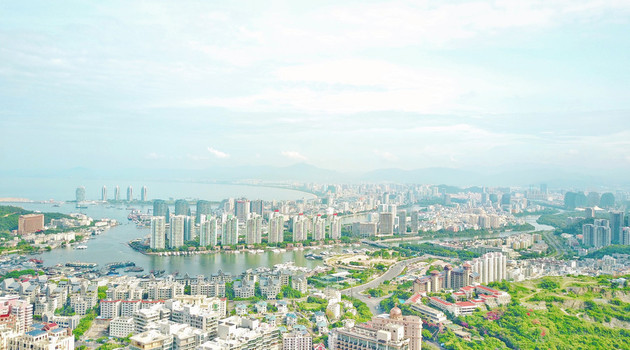
Hainan Tibetan Autonomous Prefecture is located in eastern Qinghai Province, in the northeastern part of the Qinghai-Tibet Plateau, with an average altitude of over 3,000 meters. It has a plateau continental climate, with abundant sunshine and large temperature differences between day and night. Winters are cold and dry, while summers are cool and pleasant.
Hainan Prefecture has a long history. In ancient times, it was the land of the Qiang people. During the Tang Dynasty, it belonged to Tubo. In the Qing Dynasty, it was under the jurisdiction of Xining Prefecture. The Hainan Tibetan Autonomous Region was established in 1953 and changed to an autonomous prefecture in 1955. It is one of the important birthplaces of Tibetan culture.
Hainan Prefecture is dominated by Tibetan culture, with unique songs, dances, costumes, and festivals. The local cuisine is mainly Tibetan, featuring yak meat, highland barley wine, butter tea, and tsampa. Handicrafts such as Tibetan carpets and thangkas are also distinctive.
In recent years, Hainan Prefecture has been developing eco-tourism and clean energy industries. The Longyangxia Hydropower Station and photovoltaic projects are well-known. Transportation continues to improve, with the Qinghai-Tibet Railway and expressways running through the region, boosting tourism.
The best time to visit 海南 is Summer (June-August) and Autumn (September-October).
Summer (June-August): The temperature is pleasant, the grasslands are green, making it the best time for summer retreat and viewing prairie scenery.
Autumn (September-October): The weather is crisp, the grasslands turn golden, and the scenery along the Yellow River is magnificent, suitable for photography and outdoor activities.
Winter (November-March): Cold and dry, but you can experience plateau snowscapes and Tibetan folk activities such as the Spring Festival and Tibetan New Year.
In December 1953, the Hainan Tibetan Autonomous Region was formally established, marking the beginning of regional ethnic autonomy in the area.
The Longyangxia Hydropower Station started construction in 1976. It is the first large-scale hydropower station on the upper reaches of the Yellow River, known as the 'First Dam of the Yellow River'.
On July 1, 2006, the Qinghai-Tibet Railway was fully opened, passing through Hainan Prefecture, greatly promoting local economic development and tourism prosperity.
Recommended places to visit
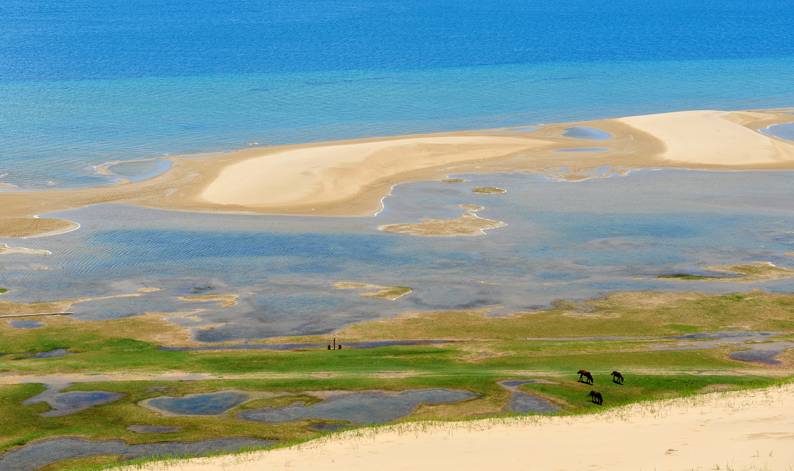
China's largest inland saltwater lake, known as the 'Highland Blue Gem'. The lake is at an altitude of 3,196 meters, with magnificent scenery, a paradise for birdwatching and cycling.
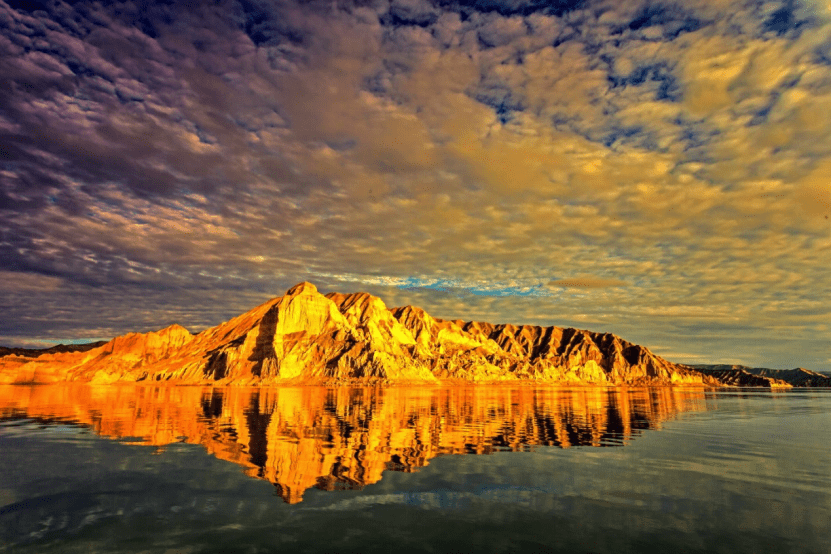
A famous gorge on the upper reaches of the Yellow River, known for the Longyangxia Hydropower Station. The gorge is steep and the lake water is clear, suitable for boat tours.
Explore rich intangible cultural heritage and traditional crafts
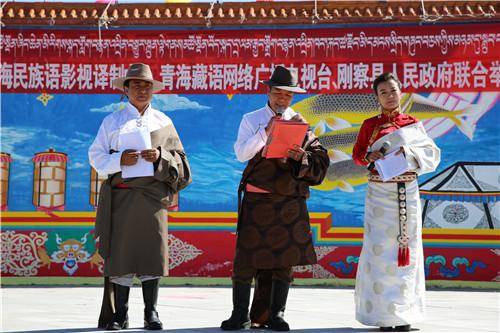
Tibetan folk love songs, popular in Hainan Prefecture, with beautiful melodies and improvised lyrics.
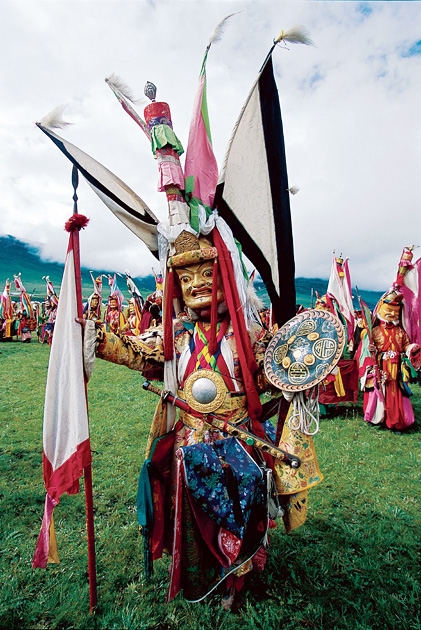
Tibetan heroic epic, known as the 'Oriental Homeric Epic', widely sung in Hainan Prefecture.
Must-know transportation for exploring the city
About 100 km from Hainan Prefecture, with flights to major domestic cities. Airport buses or taxis are available to Hainan.
Airfare depends on route
The Qinghai-Tibet Railway passes through Hainan Prefecture with several stations, convenient for trains from Xining, Lhasa, etc.
Hard seat about 50-100 yuan
Buses from Xining Bus Station to counties in Hainan Prefecture, about 2-3 hours, economical fares.
30-50 yuan
Taste the most authentic and popular local specialties
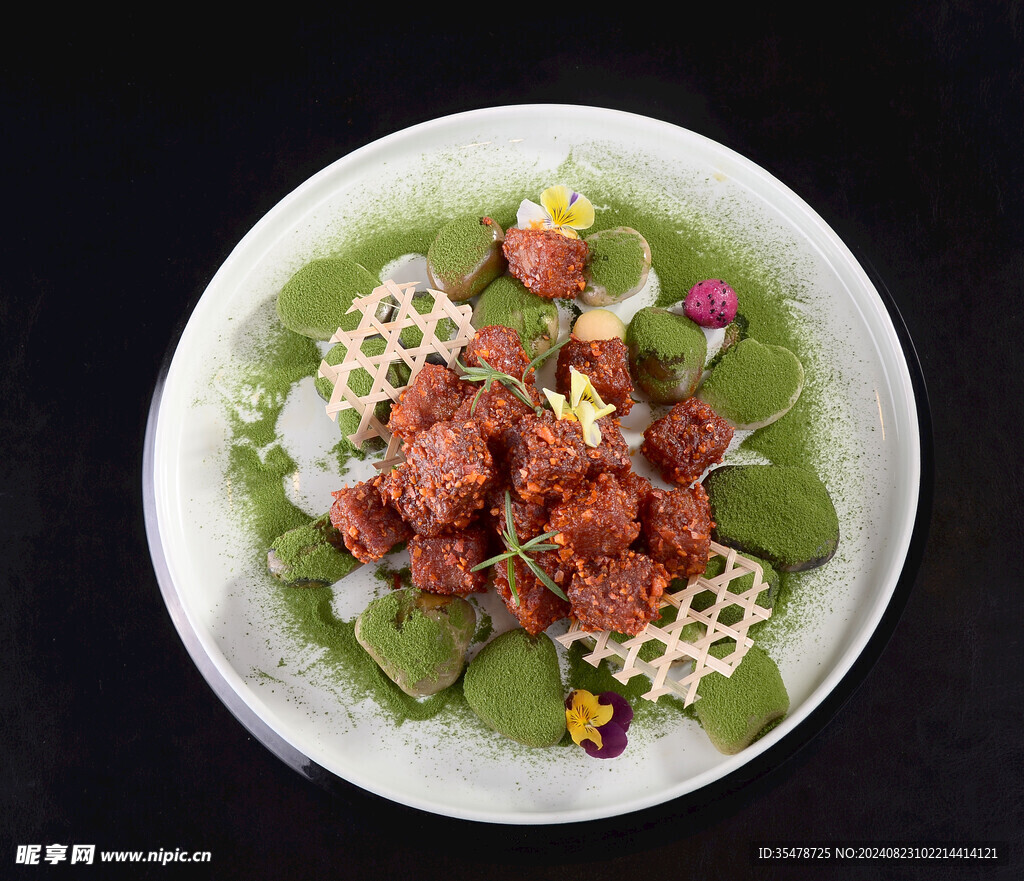
Highland specialty, delicious and nutritious. Can be made into hand-grabbed meat, jerky, etc.
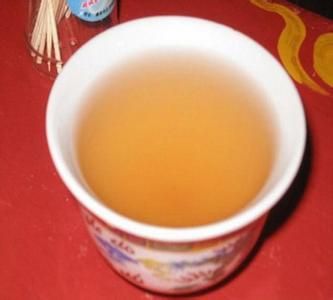
Traditional Tibetan drink, brewed from highland barley, low alcohol content, mellow taste.
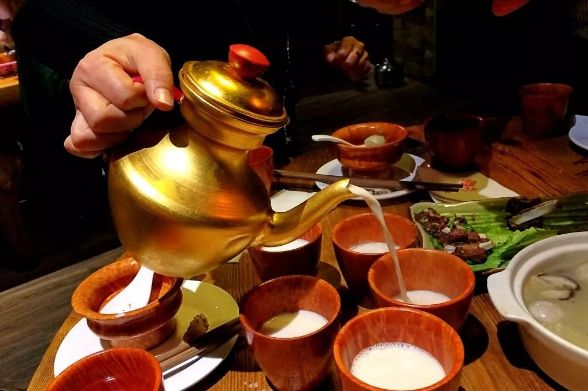
Daily Tibetan drink, made from brick tea, butter, and salt, rich and delicious.
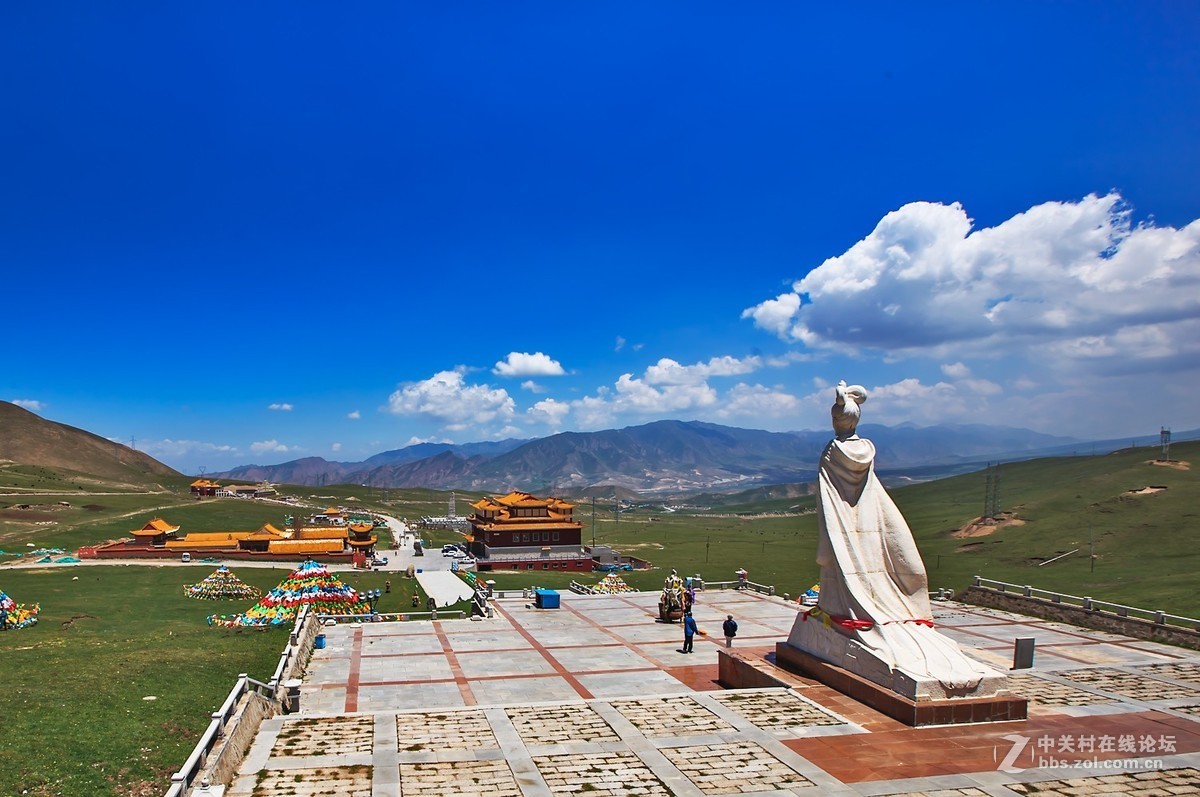
The dividing line between the Qinghai-Tibet Plateau and the Loess Plateau, where Princess Wencheng passed on her way to Tibet. There are Sun Pavilion and Moon Pavilion on the mountain, with unique scenery.
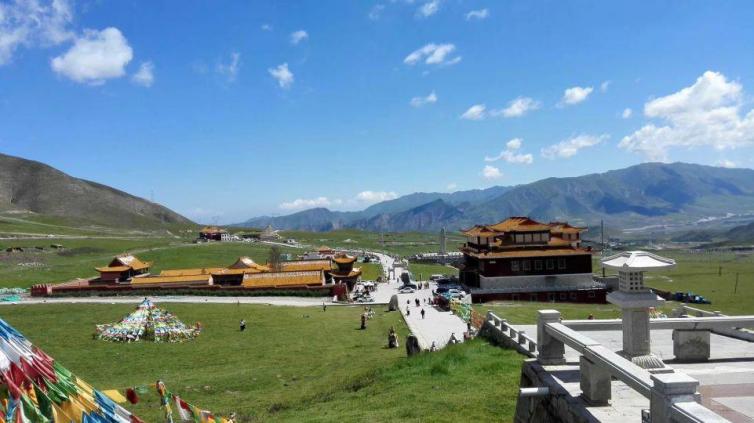
A river that flows from east to west into Qinghai Lake. Legend says it was formed by Princess Wencheng's tears. The river is clear and the grasslands along it are vast.
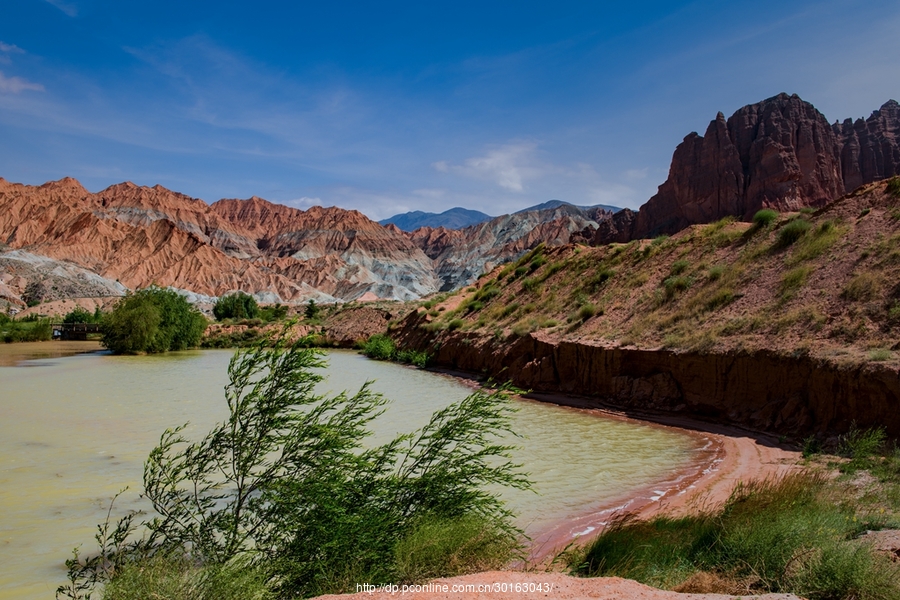
Famous for Danxia landform, with colorful mountains like a painting. The park features Ashgong Colorful Peaks and other attractions.
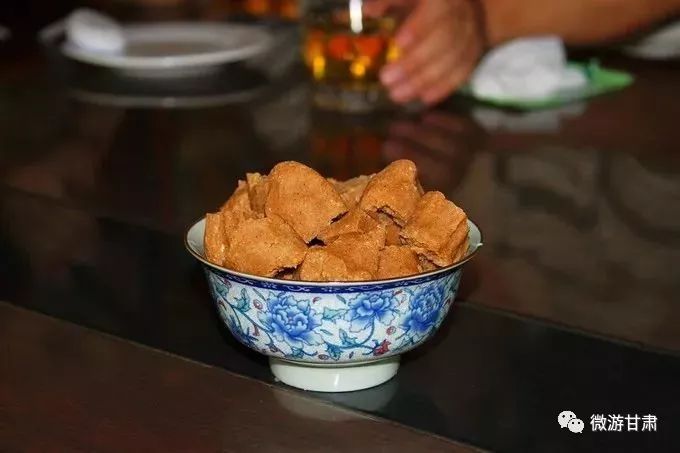
Tibetan staple food, made from roasted highland barley flour mixed with butter tea and formed into balls.
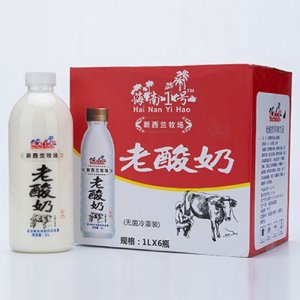
Pure natural highland yogurt, rich and tangy, often eaten with sugar or honey.