
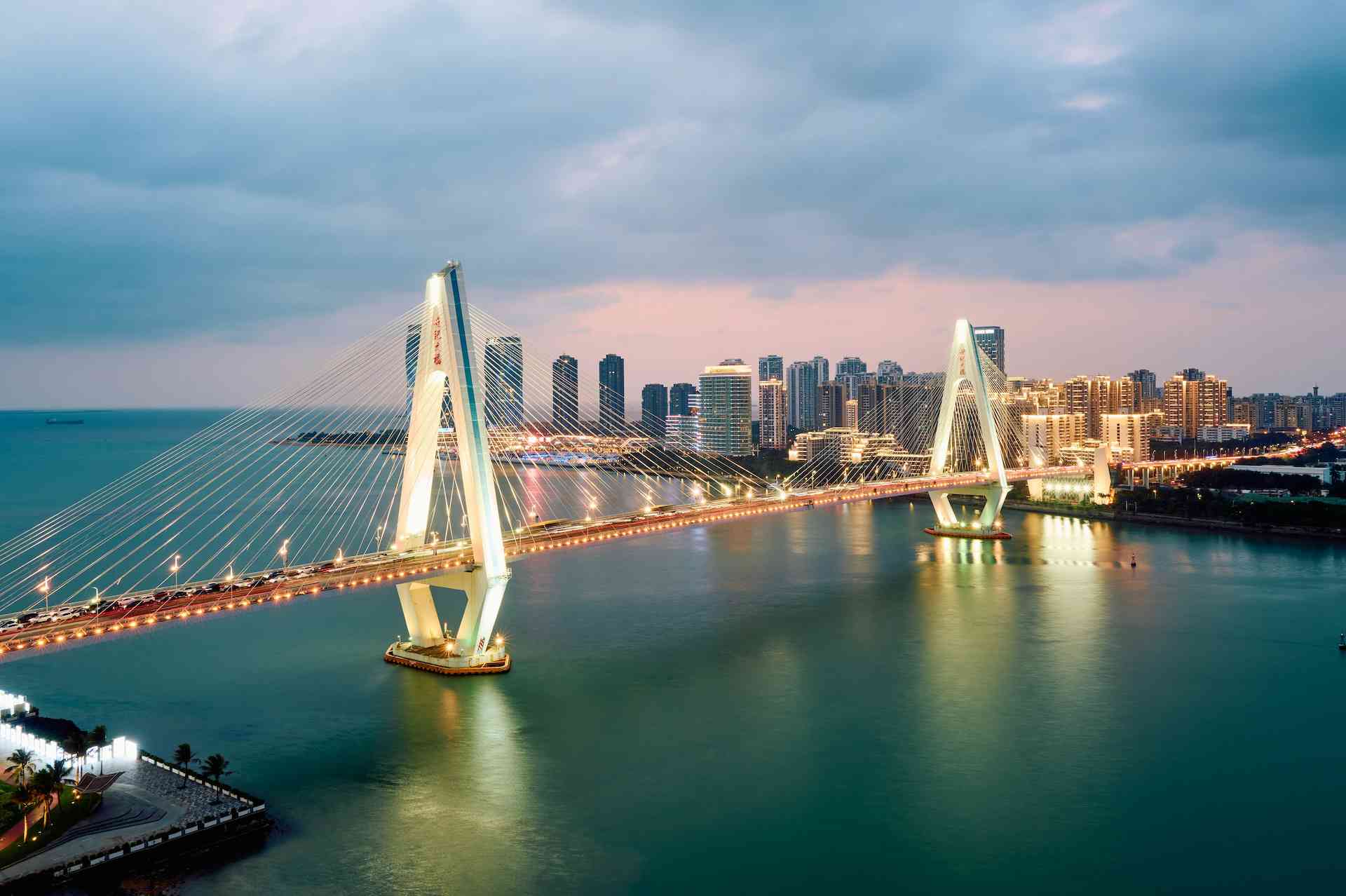
Haikou is located in the northern part of Hainan Island, bordering the Qiongzhou Strait, and is the capital of Hainan Province. Situated on the northern edge of the low-latitude tropics, it has a tropical monsoon climate with an average annual temperature of 24.2°C, featuring warmth and humidity year-round and abundant sunshine. Winters are mild like spring, and summers, though hot, are tempered by sea breezes, making it an ideal destination for escaping the cold and vacationing.
Haikou's history dates back to the Han Dynasty. During the Song Dynasty, Haikou Pu was established, and a city wall was built in the Ming Dynasty. It was designated as a city in 1926 and became the provincial capital after Hainan was established as a province in 1988. As a key node of the Maritime Silk Road, Haikou blends Central Plains culture, Nanyang culture, and Li and Miao ethnic customs. The Qilou Old Street records the splendor of overseas Chinese returning home, while volcanic villages tell the geological legends of millennia.
Haikou has a laid-back atmosphere, where locals love to enjoy "old man's tea" (father tea), often sitting in street-side tea houses for half a day. The morning tea culture is thriving, offering a dazzling variety of dim sum. The local cuisine features seafood, Wenchang chicken, and Jiaji duck, along with specialties like spicy soup rice and refreshing dessert soup. Folk activities such as Qiong opera and Gongqi festival are rich in local characteristics.
In recent years, Haikou has developed rapidly, with the Jiangdong New Area under vigorous construction and the international duty-free city attracting global tourists. As the core city of the free trade port, Haikou is building itself into an international tourism consumption center. In the future, it will deepen cooperation with Southeast Asia, construct a modern and international city, while also protecting the ecological environment to achieve sustainable development.
The best time to visit 海口 is The best travel time is from October to April of the following year..
From October to April of the following year, Haikou has a cool and dry climate, with an average temperature of 20-25°C and moderate humidity, making it ideal for outdoor activities and sightseeing. This period avoids the typhoons and high temperatures of summer, offering the best travel experience. Especially during the Spring Festival, there are plenty of activities such as flower markets and lantern festivals.
Spring (March to May) in Haikou is warm and comfortable with flowers in full bloom. It is recommended to visit Wanlv Park, the Volcanic Cluster National Geopark, and other attractions to experience the vitality of nature. This season is also the peak period for tropical fruits like mangoes and lychees, offering a great opportunity to indulge in delicious flavors. Be aware of occasional humid weather during the "return of the south" season.
Autumn (September-November) sees cooler weather with an average temperature of around 25°C, featuring clear and crisp skies. During this season, there are events such as the Haikou International Beach Marathon and Mid-Autumn Moon Appreciation. It is especially recommended to watch the sunset on the West Coast or participate in the Volcanic Crater Folk Culture Festival.
After Emperor Wu of Han pacified Nanyue, he established the two prefectures of Zhuya and Dan'er on Hainan Island, marking the beginning of the Central Plains regime's formal governance over Hainan. The Haikou area fell under the jurisdiction of Zhuya Prefecture.
Recommended places to visit
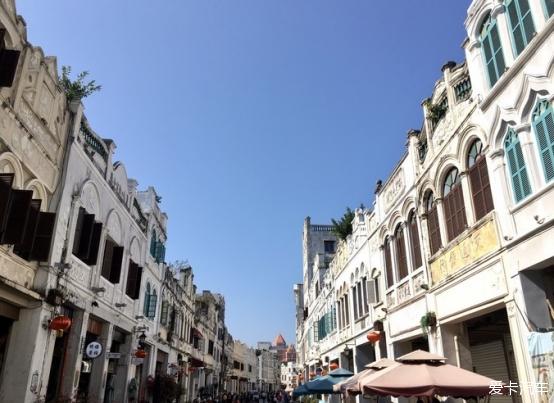
Haikou's most distinctive historical and cultural district features architecture blending European and Asian styles, with rows of Nanyang-style arcade buildings lining the streets—a great place for photography and sampling local snacks.
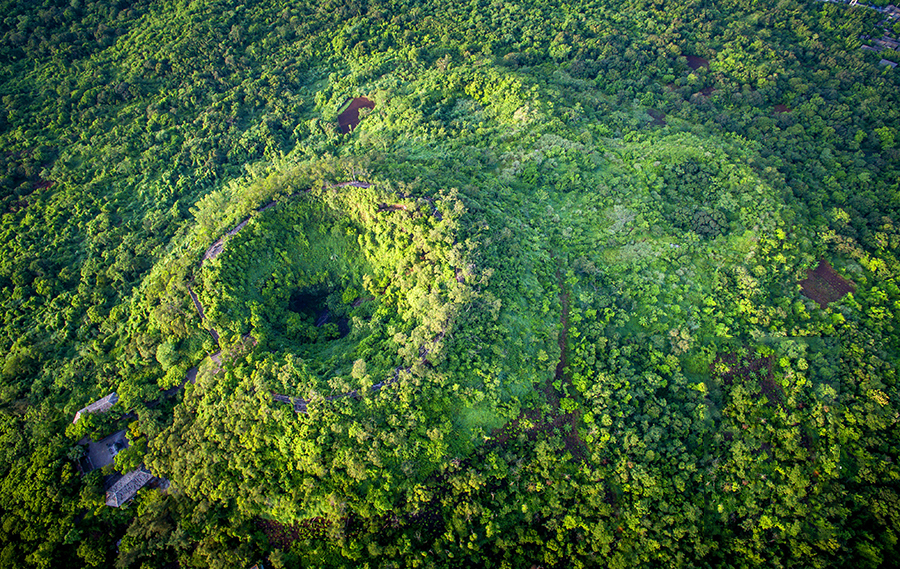
With over 40 Quaternary volcanoes, among which the Ma'anling Crater is the most famous. You can climb to the top for a panoramic view of Haikou, and visit volcanic lava tunnels and volcanic folk houses.
UNESCO World Heritage Sites
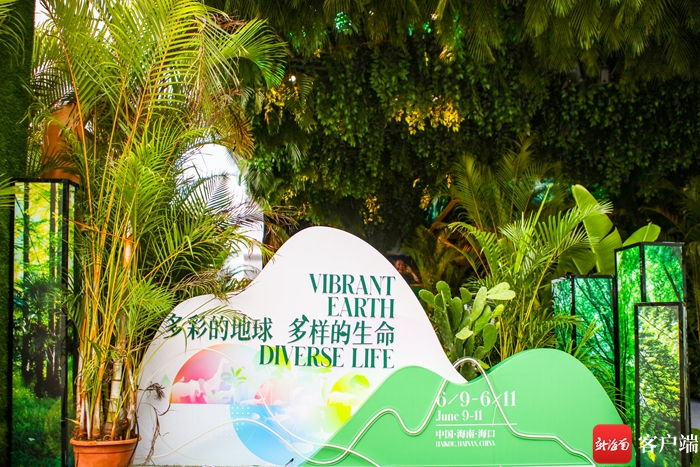
There are currently no sites in Haikou listed on the UNESCO World Heritage List.
Explore rich intangible cultural heritage and traditional crafts
Qiong opera (Hainan opera) is the largest local opera genre in Hainan, performed in the Hainan dialect with a unique performance style, and is listed in the second batch of the National Intangible Cultural Heritage list.
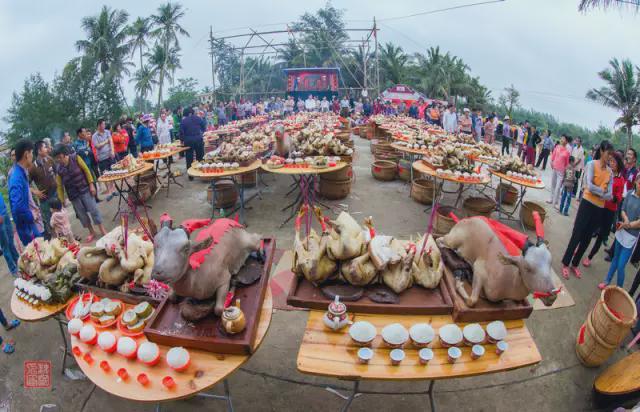
Gongqi is a unique folk祭祀 activity in Hainan, also known as "Junpo Festival," originating from the Tang Dynasty as a commemoration of Madam Xian. It includes activities such as carrying statues in parades, dragon and lion dances, creating a lively scene.
Must-know transportation for exploring the city
Located 20 km southeast of the city center, connected by a high-speed rail station. It has numerous domestic and international routes, offering direct flights to cities such as Beijing, Shanghai, Guangzhou, Hong Kong, as well as Singapore, Bangkok, and others. Airport buses, taxis, and ride-hailing services are convenient.
Airport bus 20 yuan.
Haikou Station is located in Changliu New Area, primarily operating regular-speed trains and round-island high-speed railways; Haikou East Station is located in the city center, mainly running round-island high-speed railways and bullet trains. The round-island high-speed railway connects Sanya, Wenchang, Qionghai, and other places.
The high-speed rail to Sanya is about 100 yuan.
Haikou's public buses cover the entire city with fares ranging from 1 to 5 yuan. Taxis have a starting fare of 10 yuan. Additionally, there are shared bicycles and electric scooters available for rent. Attractions within the urban area are relatively concentrated, so it is recommended to use a combination of buses, walking, or cycling.
Taste the most authentic and popular local specialties
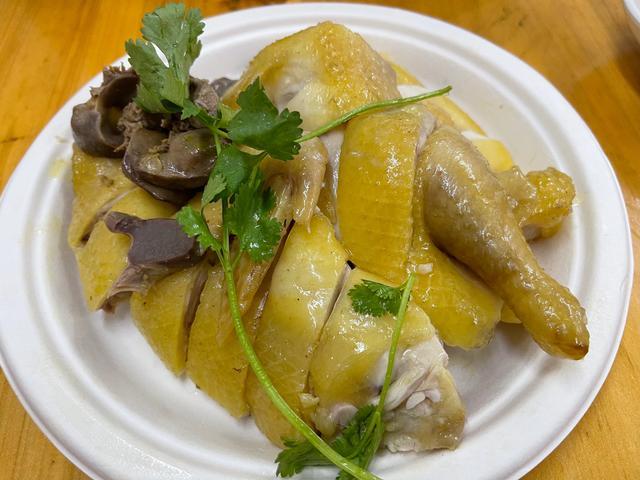
Number one among Hainan's four famous dishes, with tender meat, thin skin, and crispy bones. Usually served as white-cut chicken, dipped in a sauce of minced garlic, ginger, soy sauce, and Hainan green lime juice, offering a unique flavor.
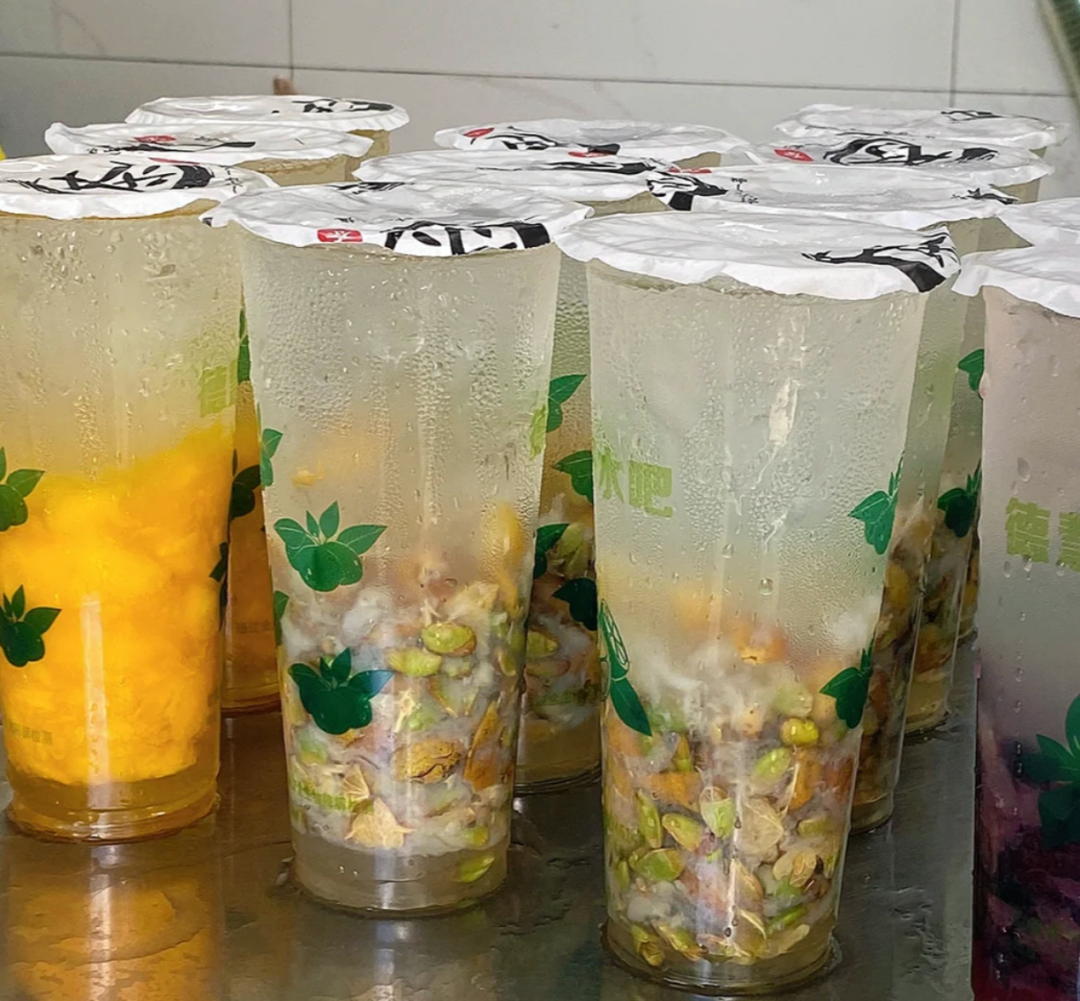
Hainan classic dessert, made with coconut milk or coconut water as the base, and mixed with a variety of ingredients such as red beans, green beans, coix seed, taro, sago, and coconut meat, icy and refreshing to beat the heat.
Haikou was officially separated from Qiongshan County and established as a city, becoming an important port and commercial center on Hainan Island, laying the foundation for a modern city.
Hainan was separated from Guangdong Province and established as a separate province, with Haikou designated as its provincial capital, marking the beginning of a period of rapid development for Haikou.
Qiongshan City was merged into Haikou City, significantly expanding the urban area of Haikou City and enhancing its comprehensive strength and development space.
As a key pilot area of the Hainan Free Trade Port, the Jiangdong New Area has initiated its development, aiming to build a modern service industry cluster and an international ecological new city.
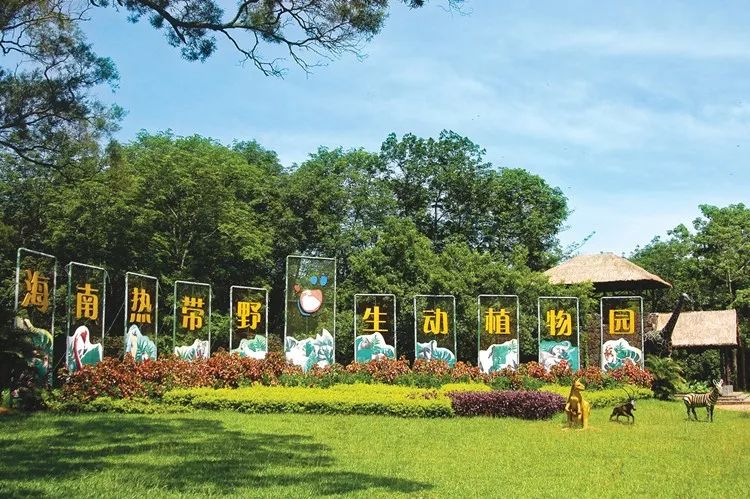
China's largest tropical wildlife park, where visitors can view fierce animals like lions and tigers by car, and also watch monkeys and birds on foot.
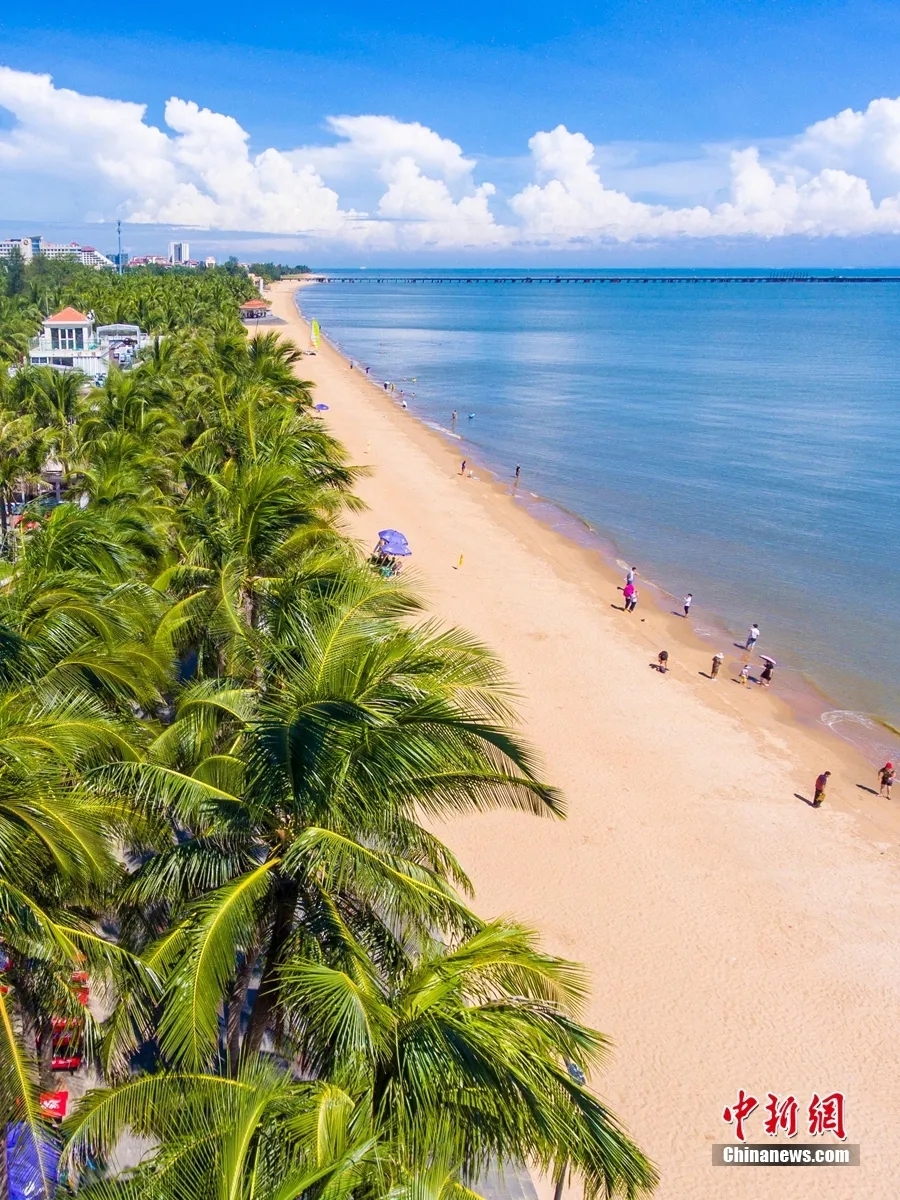
Haikou's most famous beach, with fine sand and clear seawater. Suitable for swimming, sunbathing, and water sports. Beautiful sunsets can be enjoyed in the evening.
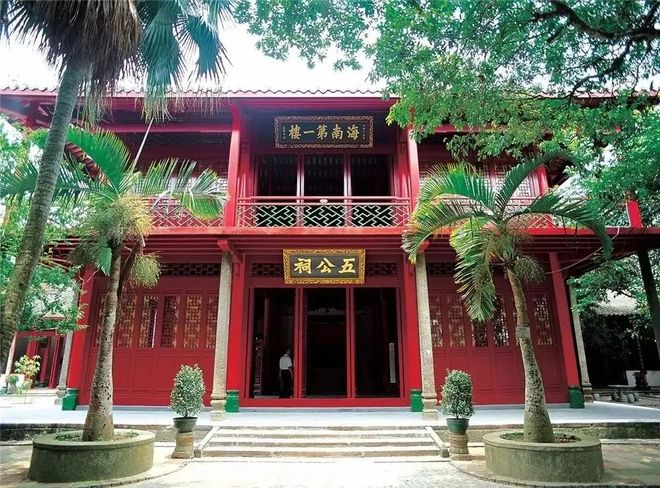
Built to commemorate five historically notable officials who were exiled to Hainan during the Tang and Song dynasties, it is a symbol of Hainan's historical and cultural heritage, featuring ancient architecture and stone inscriptions.
The bus fare starts at 2 yuan.
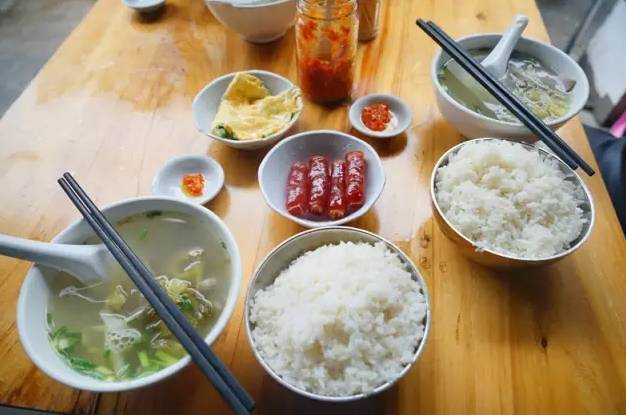
Haikou's specialty breakfast: pork tripe, pork intestines, pork heart, and other offal cooked in a spicy pepper broth, served with pickled vegetables and rice, warming the stomach and dispelling cold.
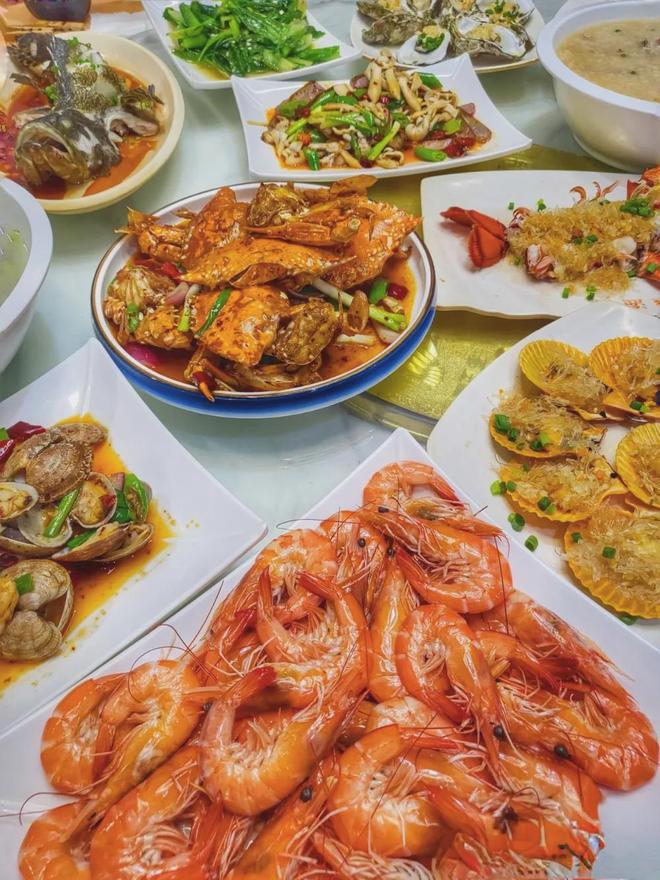
Haikou is abundant in various seafood, such as lobster, crab, fish, and shellfish. You can buy fresh seafood at Banqiao Seafood Market and have it cooked on the spot, or enjoy it at a restaurant. Steaming or boiling is recommended to preserve the original flavor.
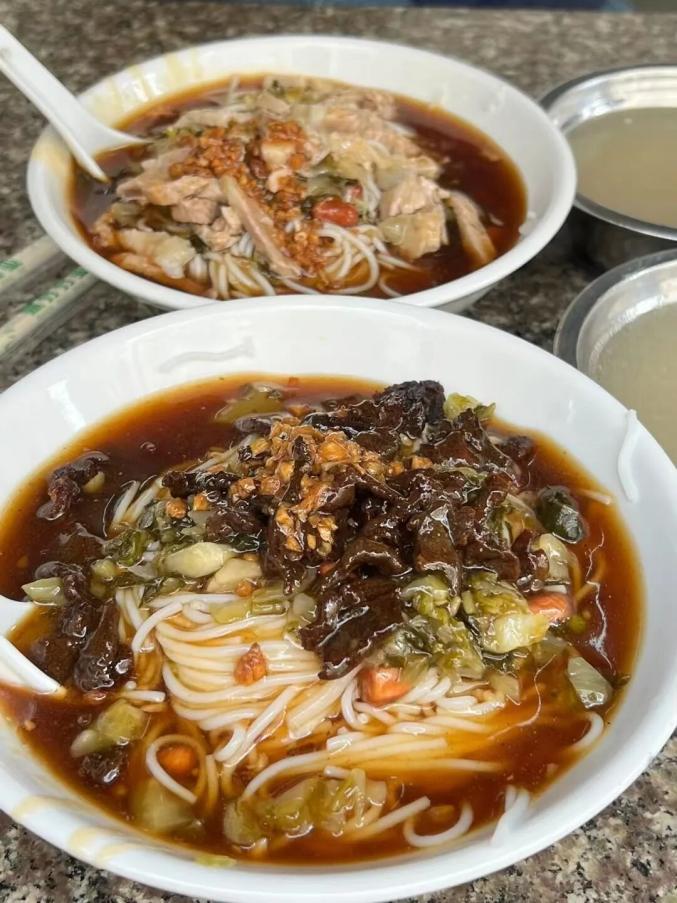
Haikou's most representative rice noodles: fine and smooth noodles mixed with peanuts, sesame seeds, shredded pork, pickled bamboo shoots, bean sprouts, etc., drizzled with a special sauce that is sweet with a hint of sourness.