

Haidong City is located in eastern Qinghai Province, at the transition zone between the Qinghai-Tibet Plateau and the Loess Plateau. It has a plateau continental climate, with cool summers and cold, dry winters.
Haidong has a long history and is an important birthplace of Hehuang culture. Human activity dates back 5,000 years. It was established as Shanzhou in the Tang Dynasty, governed by Xining Prefecture during the Ming and Qing dynasties, designated as Haidong Prefecture in 1978, and upgraded to a prefecture-level city in 2013.
Haidong is a multi-ethnic area primarily inhabited by Han, Tibetan, Hui, and Tu peoples, with diverse cultures. Local cuisine features hand-grabbed lamb, cold noodles with gluten (niangpi), and fermented sweet barley (tianpei), reflecting plateau characteristics.
In recent years, Haidong has actively developed eco-tourism and modern agriculture. Leveraging the Lanzhou-Xining urban agglomeration, its economy continues to grow, and transportation has improved significantly.
The best time to visit 海东 is Best in summer (June-August).
Summer in Haidong is cool, with average temperatures 15-25°C, making it a summer resort. The grasslands are green and rapeseed flowers bloom, offering pleasant scenery.
Spring (April-May) and autumn (September-October) have moderate temperatures but large diurnal ranges; keep warm. Autumn offers beautiful fall colors.
Winter (November-March) is cold and dry; some attractions may close, but winter activities like skiing are available.
The Liuwan Site is the largest late primitive society cemetery in the Yellow River basin, yielding numerous painted pottery, evidencing early human activity.
In 1978, Haidong Prefecture was established in Qinghai Province, governing counties including Huangyuan, Huangzhong, and Ping'an.
In 2013, Haidong was officially upgraded from a prefecture to a prefecture-level city, becoming the fourth such city in Qinghai, with Ledu District as the seat of government.
Recommended places to visit
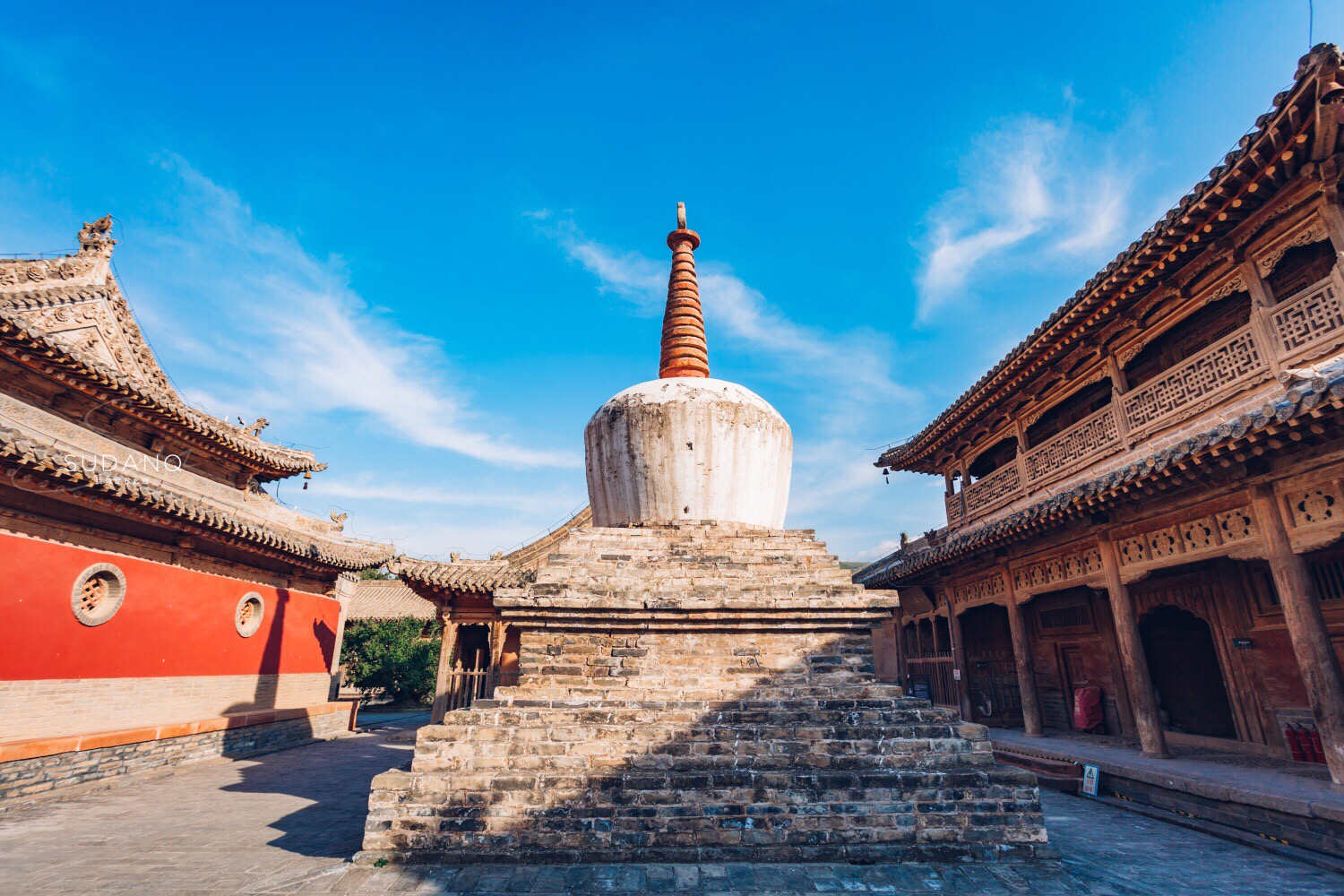
Qutan Temple is a Ming imperial temple renowned for its exquisite murals and architecture, known as 'Ledu's Little Forbidden City'.
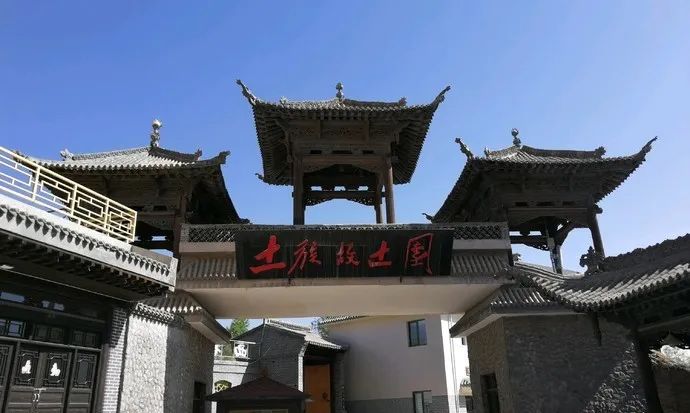
A 5A national scenic area showcasing Tu ethnic culture, offering experiences like Tu weddings and the wheel swing.
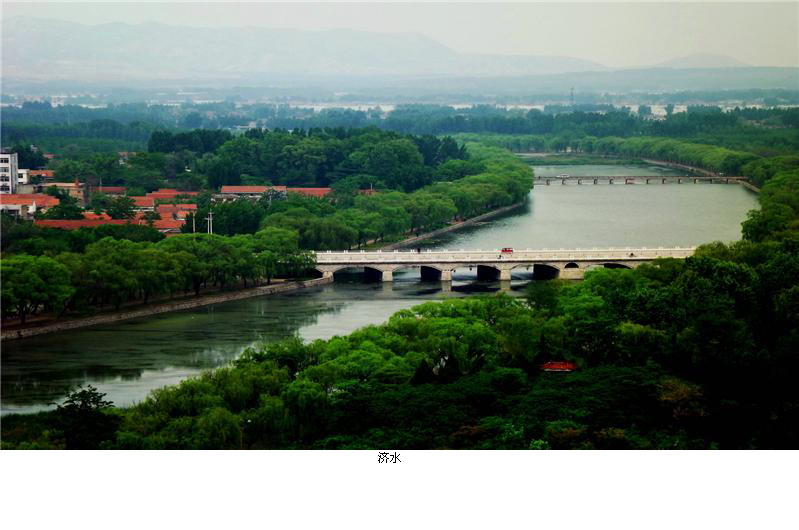
Explore rich intangible cultural heritage and traditional crafts
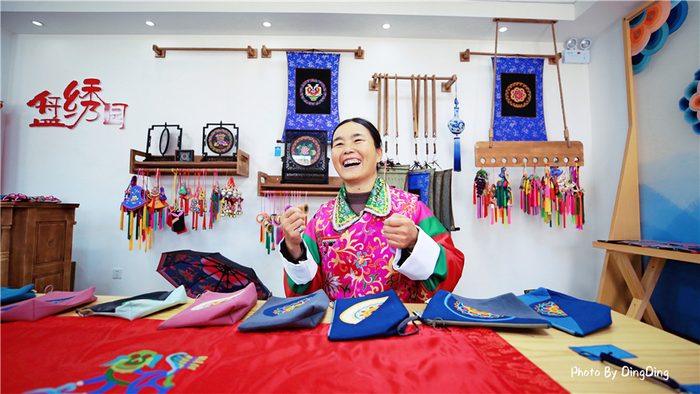
Traditional Tu embroidery technique with exquisite patterns and vibrant colors, inscribed in 2006 as a national intangible cultural heritage.
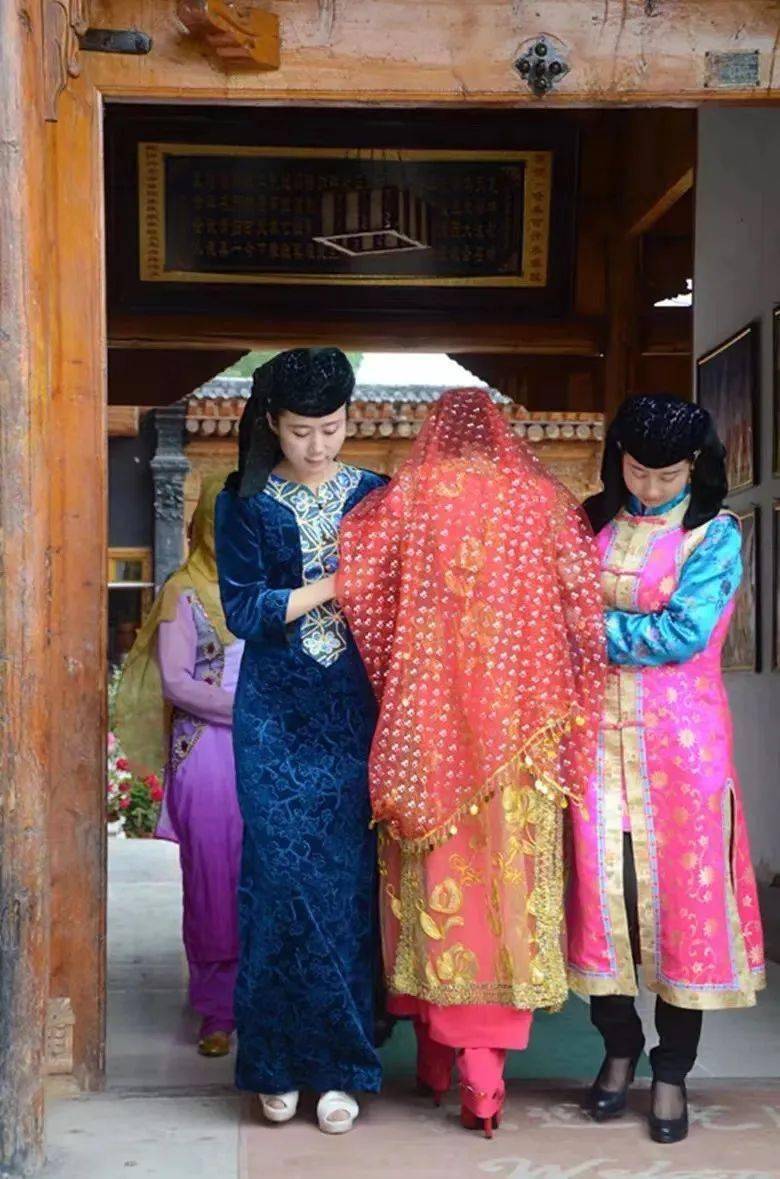
Traditional Salar wedding ceremony involving matchmaking, betrothal gifts, and wedding rituals, inscribed in 2006.
Must-know transportation for exploring the city
Haidong has Ping'an Station and Ledu Station on the Lanzhou-Xinjiang High-speed Railway, connecting to Xining, Lanzhou, Xi'an, etc.
About 20 RMB to Xining
City buses cover main areas; long-distance bus stations have routes to counties in Qinghai and some cities in Gansu.
Bus 1-2 RMB, long-distance varies
Haidong is about 30 km from Xining Caojiabao Airport, accessible by airport bus, with flights to many domestic cities.
Airport bus about 30 RMB
Taste the most authentic and popular local specialties
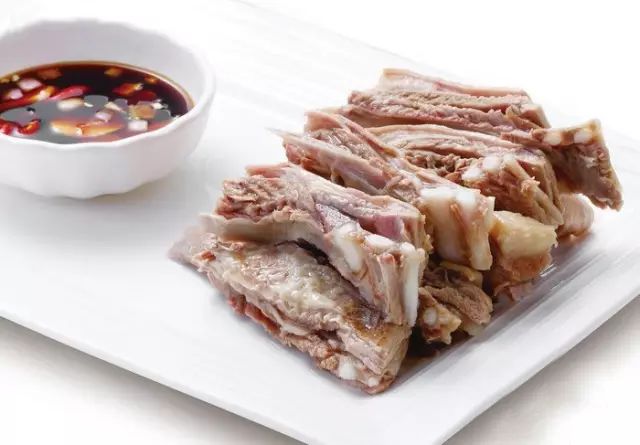
A Qinghai specialty using plateau lamb, boiled in plain water and eaten with pepper-salt, tender and flavorful.
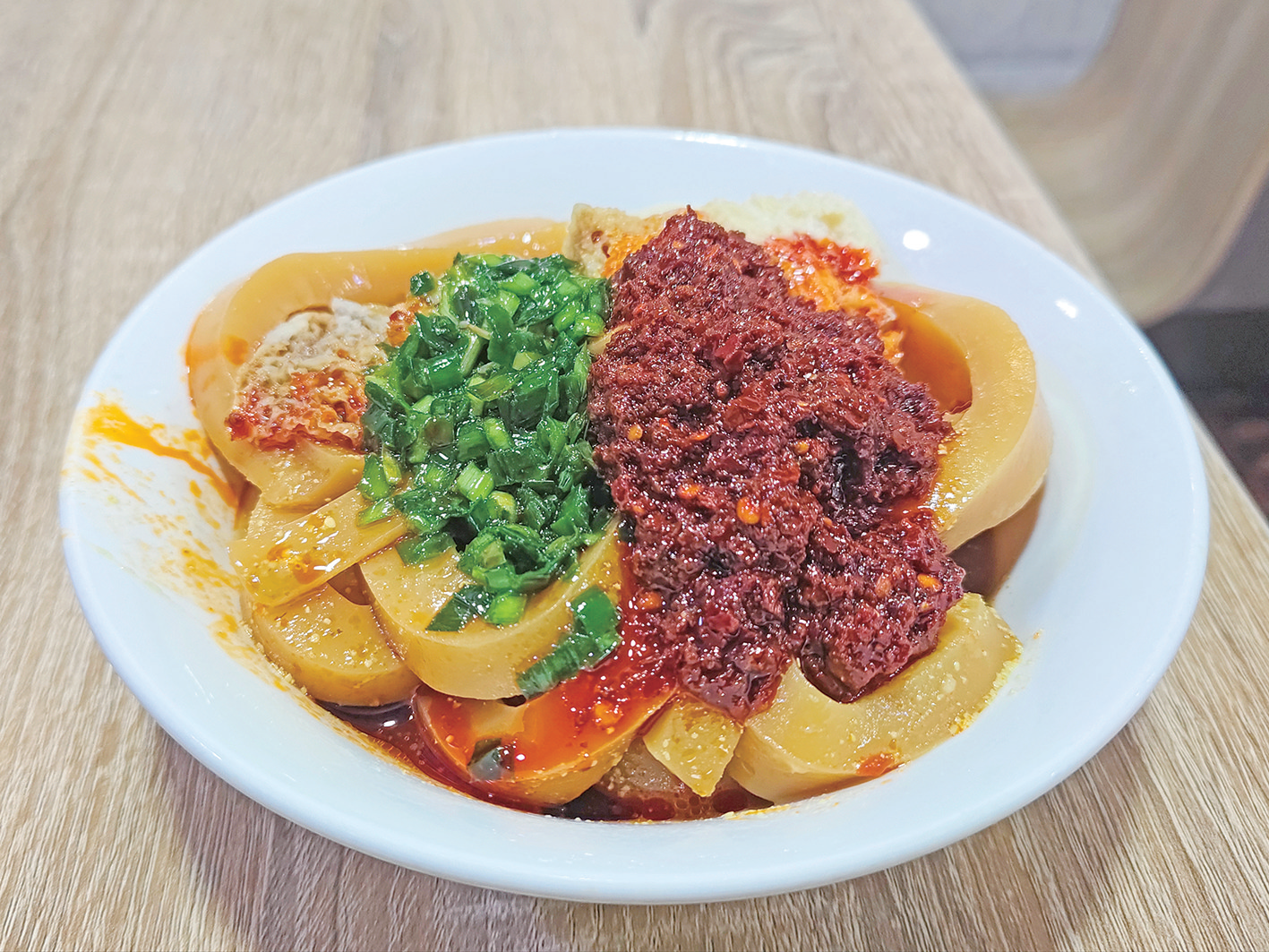
A traditional Qinghai snack made from wheat flour, steamed after washing out gluten, cut into strips and mixed with chili oil, vinegar, etc., refreshing and appetizing.
China's largest late primitive society cemetery, yielding numerous painted pottery, crucial for studying Majiayao culture.
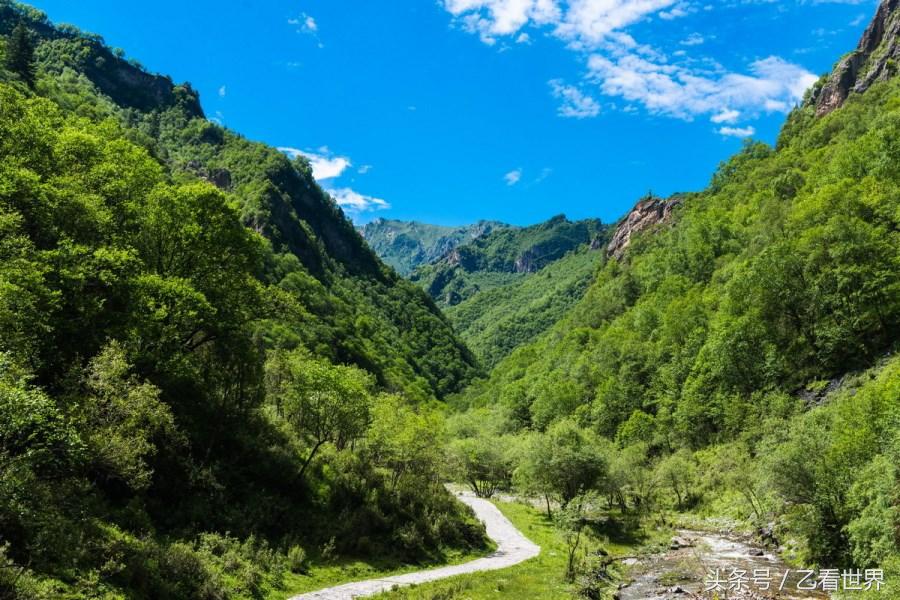
Located in Huzhu County, known for primeval forests, canyons, and waterfalls, a paradise for hiking and photography.

Located in Xunhua Salar Autonomous County, a natural lake on the Tibetan Plateau surrounded by dense forests, offering picturesque scenery.
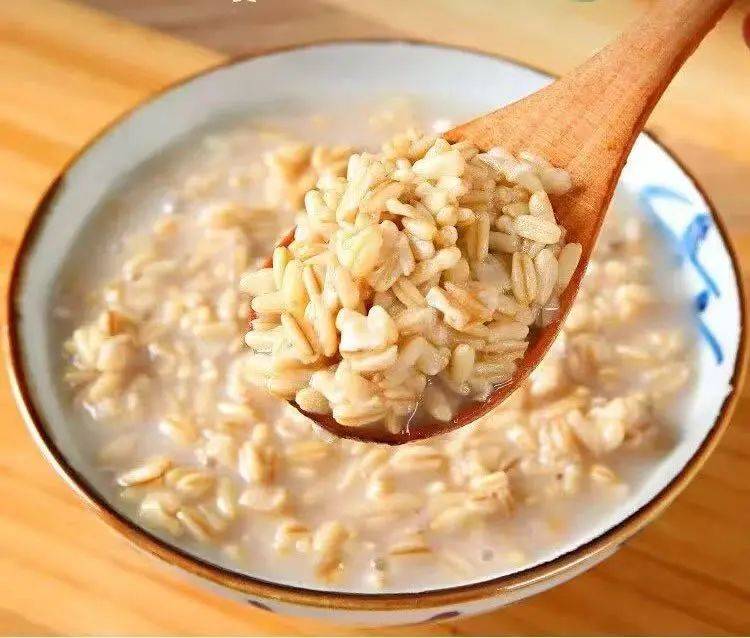
A sweet fermented drink made from highland barley or wheat, rich in wine aroma, cool and sweet, perfect for summer.
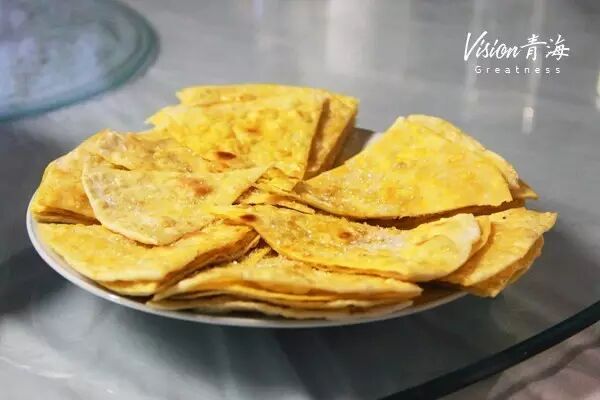
A Qinghai specialty thin pancake made from highland barley flour, named for the repeated oil-drizzling during cooking resembling a dog peeing, crispy and delicious.

Qinghai traditional yogurt with a golden skin, tangy and rich, often eaten with sugar or dried fruits.