
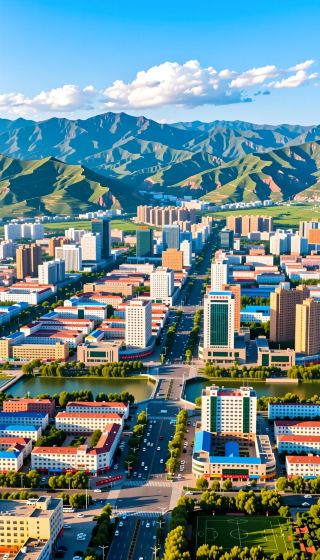
Haibei Tibetan Autonomous Prefecture is located in the northeastern part of Qinghai Province, on the northeastern edge of the Qinghai-Tibet Plateau, with an average altitude of over 3,000 meters. The climate is plateau continental, with cold and dry winters and cool and rainy summers.
Haibei has a long history, once inhabited by ancient Qiang people. It belonged to Xihai Commandery in the Han Dynasty, was controlled by Tubo in the Tang Dynasty, and Xining Prefecture was established in the Qing Dynasty. The Haibei Tibetan Autonomous Prefecture was founded in 1953, serving as an important ecological barrier for Qinghai.
Haibei's culture is predominantly Tibetan, with influences from Mongolian, Hui, and other ethnic groups. Local specialties include butter tea, highland barley wine, hand-grabbed lamb, yogurt, and tsampa, each with a unique flavor.
Modern Haibei develops through eco-tourism and clean energy. The Qilian Mountain National Park project is underway, and tourism has become a pillar industry. Transportation is convenient, with the Lanzhou-Xinjiang High-Speed Railway passing through Menyuan and expressways connecting Xining to Haibei.
The best time to visit 海北 is Best in summer (June-August), cool climate and pleasant scenery.
June to August is the best season, with moderate temperatures, green grasslands, and blooming rapeseed flowers, ideal for appreciating natural scenery.
September to October is autumn, with clear skies and golden grasslands, suitable for photography and outdoor activities, though temperatures are lower.
Winter (November to February) is cold, but you can experience snowscapes and traditional Tibetan festivals such as Losar (Tibetan New Year).
In December 1953, Haibei Tibetan Autonomous Prefecture was formally established, marking the implementation of regional ethnic autonomy.
Qinghai Lake, located in Haibei Prefecture, was added to the tentative World Heritage list in 2000, becoming an important ecological reserve.
In 2017, the Qilian Mountain National Park system pilot was launched, with most of Haibei Prefecture included to promote ecological protection.
Recommended places to visit
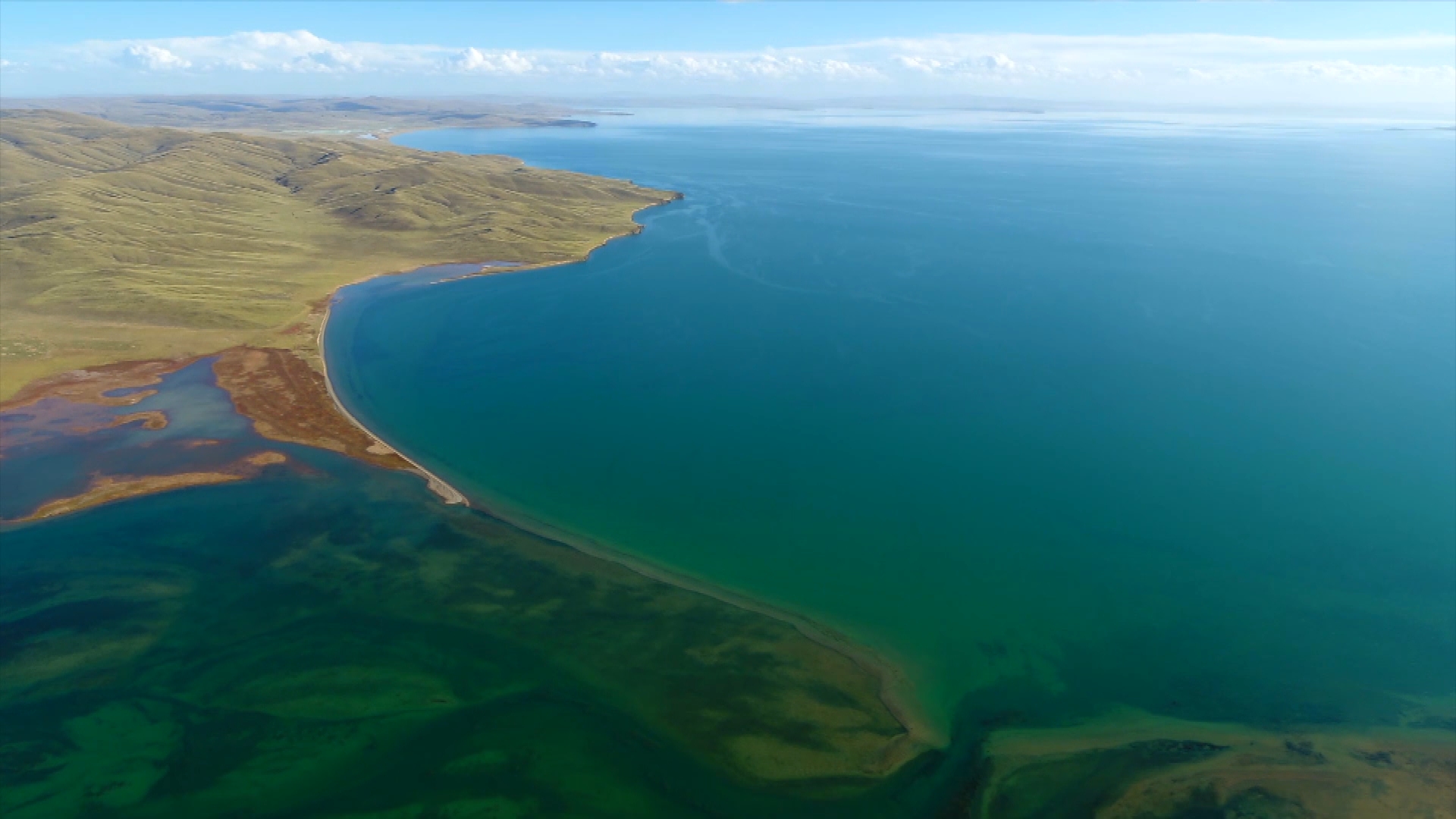
China's largest inland saltwater lake, located in Gangca County, Haibei. The lake surface is 3,196 meters above sea level, with magnificent scenery, a paradise for cycling and photography.
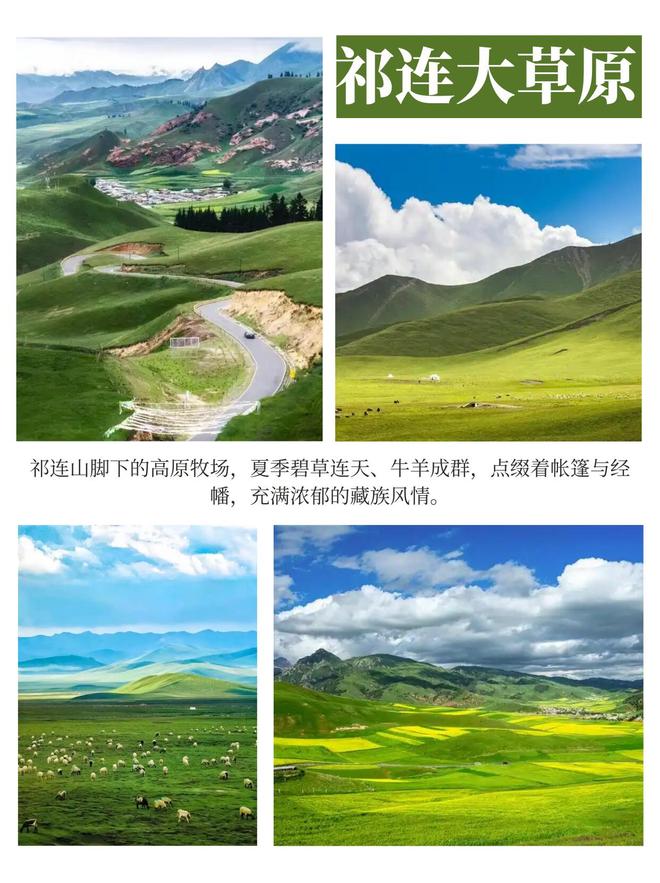
One of China's six most beautiful grasslands, located in Qilian County. In summer, it is covered with green grass, herds of cattle and sheep, and snow-capped mountains.
Explore rich intangible cultural heritage and traditional crafts
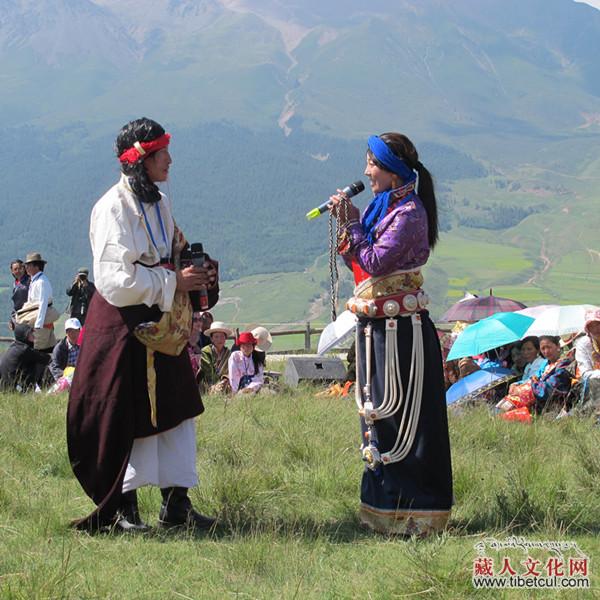
Tibetan folk love songs popular in Haibei and other areas, with beautiful lyrics and melodious tunes, expressing love and life.
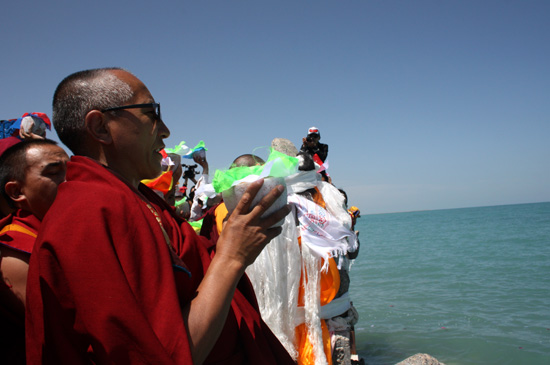
Traditional Tibetan ritual held annually by Qinghai Lake, praying for peace and harvest, a grand event.
Must-know transportation for exploring the city
Passes through Menyuan Station. From Xining, it takes about 40 minutes by high-speed train to Menyuan, convenient and fast.
About 30 RMB
Xining Bus Station has multiple buses to counties in Haibei, such as Xining to Haiyan, Xining to Qilian, etc., taking 2-4 hours.
50-100 RMB
About 100 km from Haibei, with domestic flights. Fly to Xining first, then transfer by high-speed train or bus to Haibei.
Depends on route
Taste the most authentic and popular local specialties
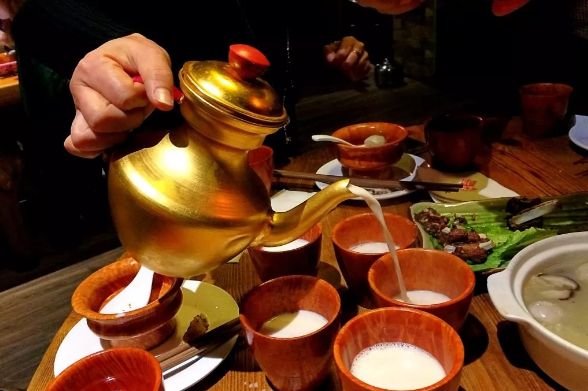
Traditional Tibetan drink made from butter, tea, and salt, rich and delicious, warms the body and refreshes the mind.
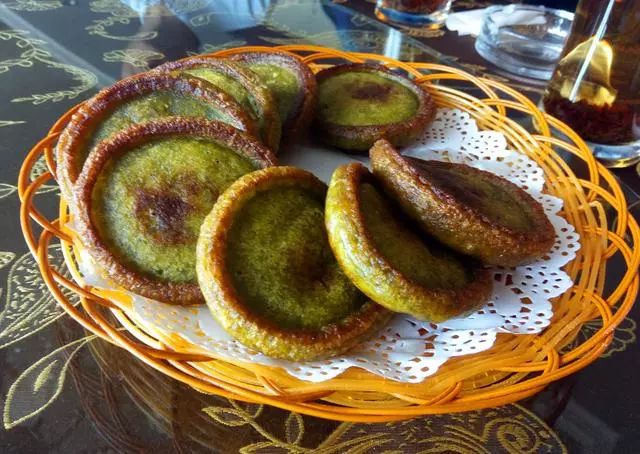
Tibetan specialty wine made from highland barley, low alcohol content, mellow taste, a good choice for hospitality.
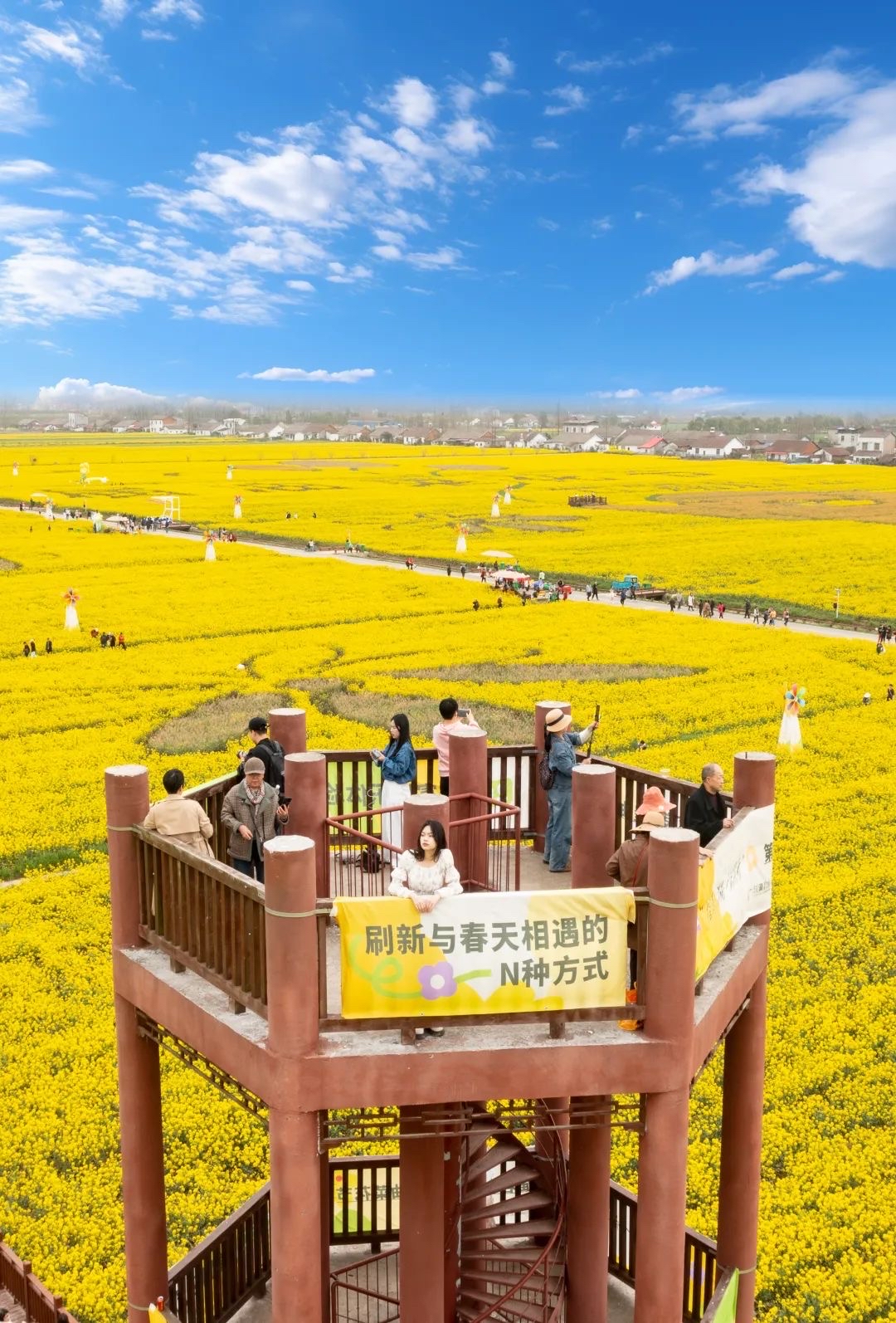
Located in Menyuan County, every July thousands of acres of rape flowers bloom, forming a golden sea against snow-capped mountains, a spectacular sight.
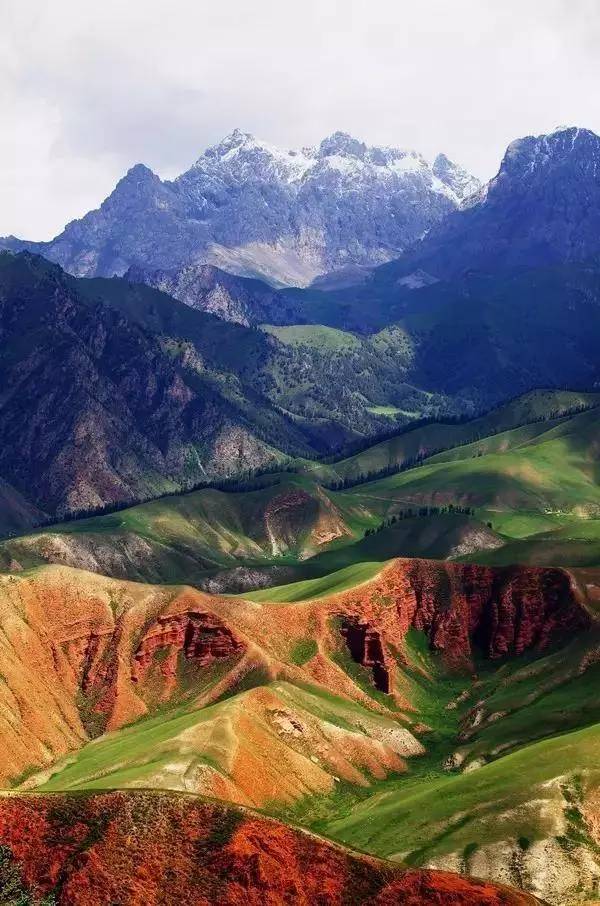
Located in Qilian County, elevation 4,300 meters. The summit offers a wide view of Qilian town and Niuxin Mountain, with unique Danxia landforms.
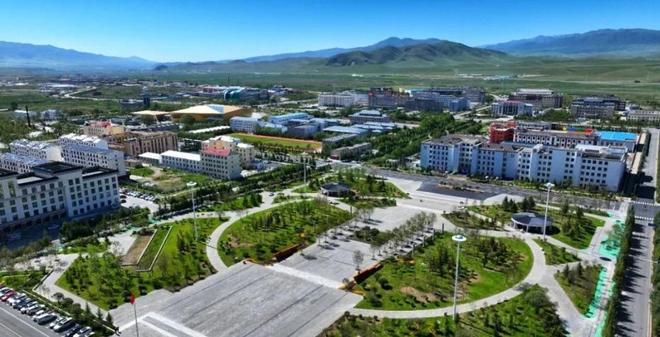
Located in Haiyan County, the research base for China's first atomic and hydrogen bombs, now a patriotism education base and tourist attraction.
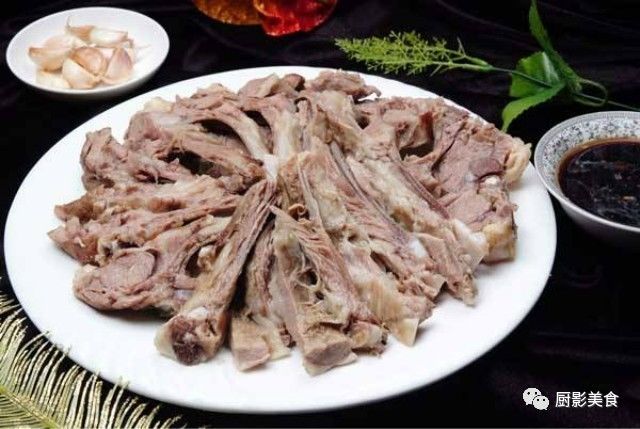
Qinghai classic dish,选用草原羊肉, boiled in plain water, served with pepper and salt, tender and without gamey taste.
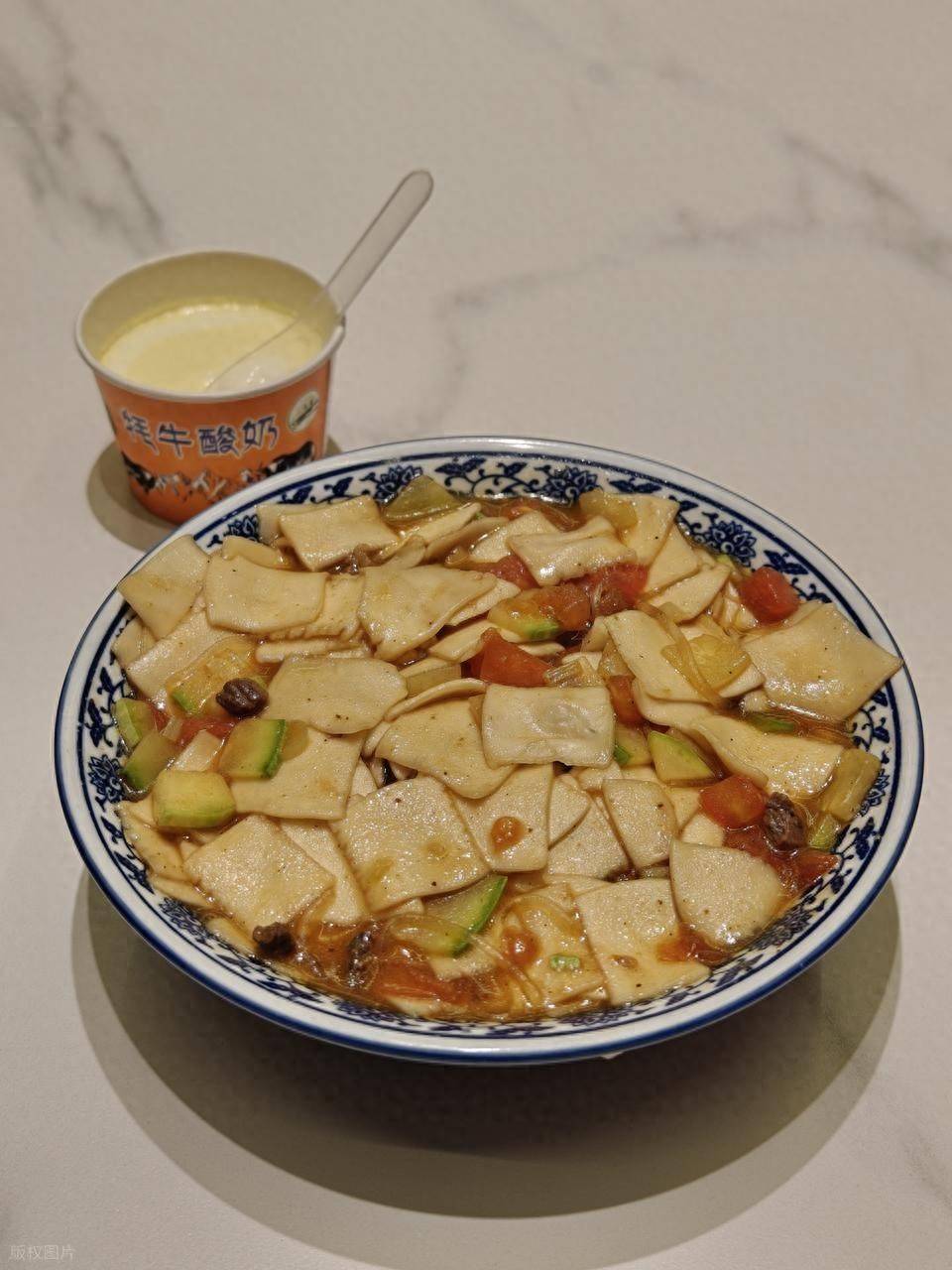
Traditional Tibetan yogurt made from yak milk, thick texture, moderate sweet and sour, nutritious.
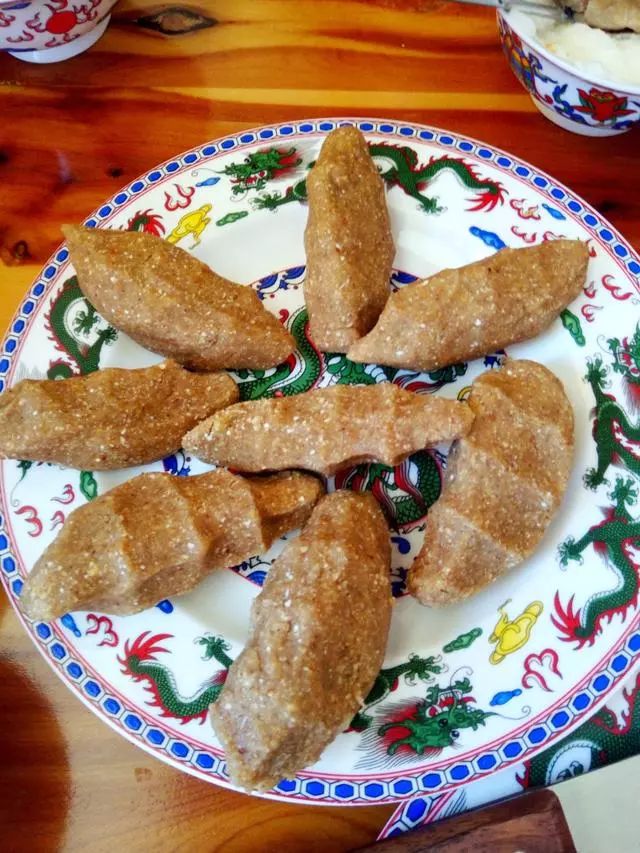
Tibetan staple food, made from roasted highland barley flour, mixed with butter tea to form dough, convenient and filling.