
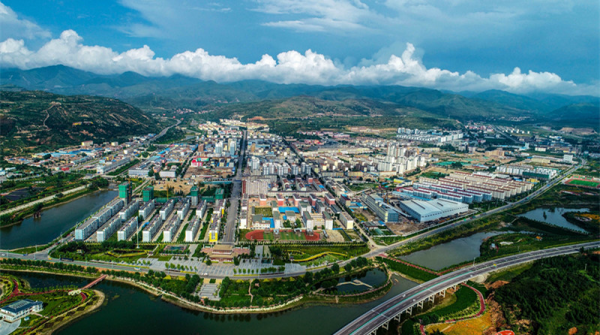
Guyuan is located in the southern part of Ningxia Hui Autonomous Region, on the northwestern edge of the Loess Plateau. It has a temperate continental climate with an average annual temperature of 6-8°C. Summers are cool, making it a popular summer resort. The Liupan Mountains stretch across the area, featuring dense forests and abundant water sources, earning it the nickname 'Plateau Green Island'.
Guyuan has a long history and was an important node on the northern route of the ancient Silk Road. In 114 BC, the Western Han dynasty established Anding Commandery here. During the Ming dynasty, it became one of the nine key military towns, known as 'Guyuan Town'. In 1935, during the Long March, the Red Army crossed the Liupan Mountains, and Mao Zedong wrote the poem 'Pure Serene Music · Mount Liupan', making Guyuan a holy land of the Chinese revolution.
Guyuan's culture is diverse, blending Hui and Han ethnic traditions. The local cuisine features beef and mutton, such as hand-grabbed lamb, lamb paomo, and yanmian stir-fry. Intangible cultural heritages like Shehuo (folk performances) and Hua'er (folk songs) showcase the rich Loess Plateau customs.
Modern Guyuan's economy is primarily based on agriculture and tourism, with thriving industries such as potatoes and cold-weather vegetables. Transportation has improved with the Yinchuan-Xi'an high-speed railway and Fuzhou-Yinchuan expressway, and the Liupan Mountain Airport offers multiple routes. Tourism infrastructure is continuously being upgraded, making Guyuan an emerging tourist destination in Northwest China.
The best time to visit 固原 is Summer (June-August) and Autumn (September-October).
Summer (June-August): Guyuan is cool in summer with average temperatures of 18-25°C, making it the best time for a summer retreat. Liupan Mountain Forest Park is lush green, and Xumishan Grottoes are also suitable for visiting.
Autumn (September-October): The sky is clear and the Liupan Mountains are covered with colorful leaves, making it a golden season for photography and outdoor activities.
Spring (April-May): Temperatures rise but occasional dust storms occur, suitable for visiting red tourism sites and ancient ruins. Winter is cold, but you can experience ice and snow tourism.
In 114 BC, Emperor Wu of Han established Anding Commandery in Guyuan, marking its formal inclusion into the administrative system of the Central Plains and becoming an important county on the northwestern frontier.
In October 1935, Mao Zedong led the Central Red Army across Liupan Mountain and wrote 'Qingpingyue·Liupan Mountain,' making Guyuan a sacred site of the Red Revolution.
Recommended places to visit
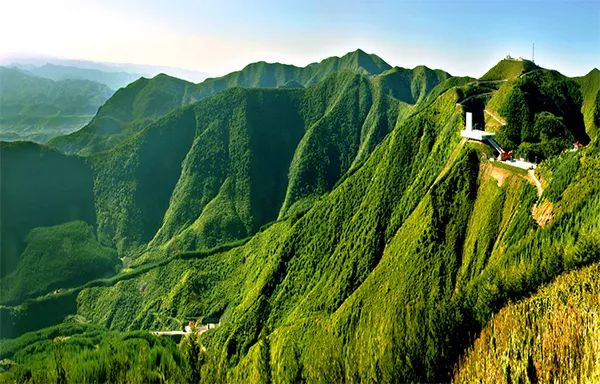
Liupan Mountain is a 'green island' on the Loess Plateau, with high forest coverage and numerous streams. The park features attractions such as Xiaonanchuan, Liangdian Gorge, and Yehe Valley. It is cool in summer, making it a summer resort.
Xumishan Grottoes are the largest grotto complex in Ningxia, first carved in the Northern Wei Dynasty and continued through the Western Wei, Northern Zhou, Sui, and Tang dynasties. There are 162 existing caves with over 500 statues, including a 20.6-meter-tall Tang Dynasty giant Buddha, majestic in scale.
Explore rich intangible cultural heritage and traditional crafts
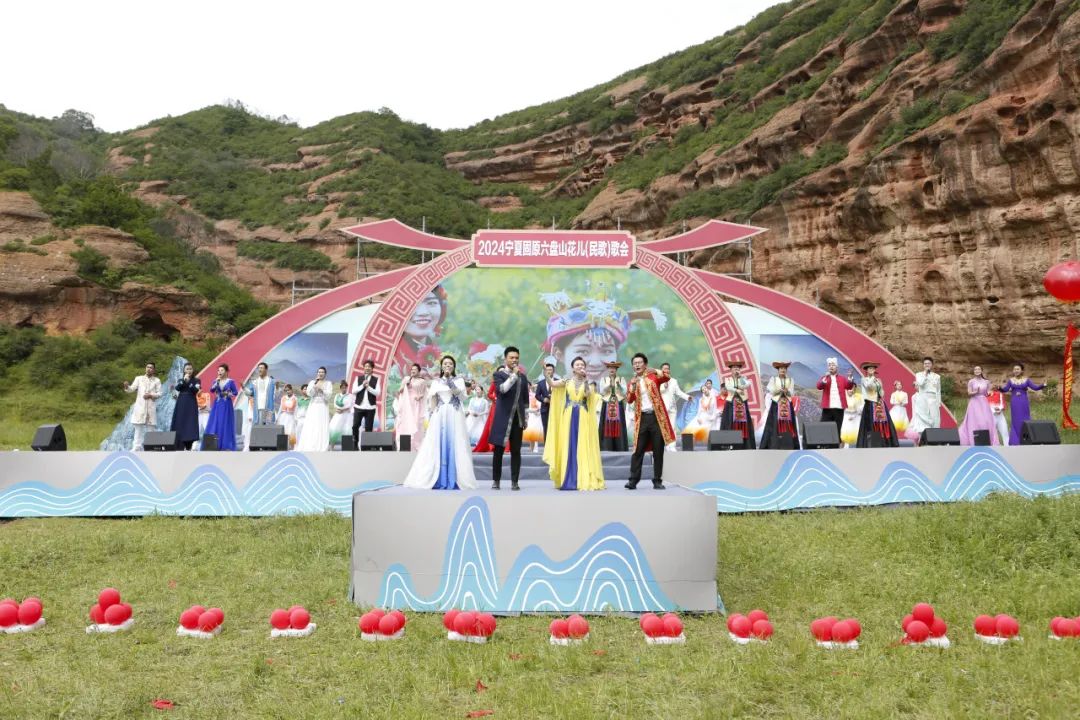
Hua'er is a folk song popular in Gansu, Ningxia, and Qinghai. Liupan Mountain Hua'er is an important school, with high-pitched and melodious tunes, often expressing love and life.
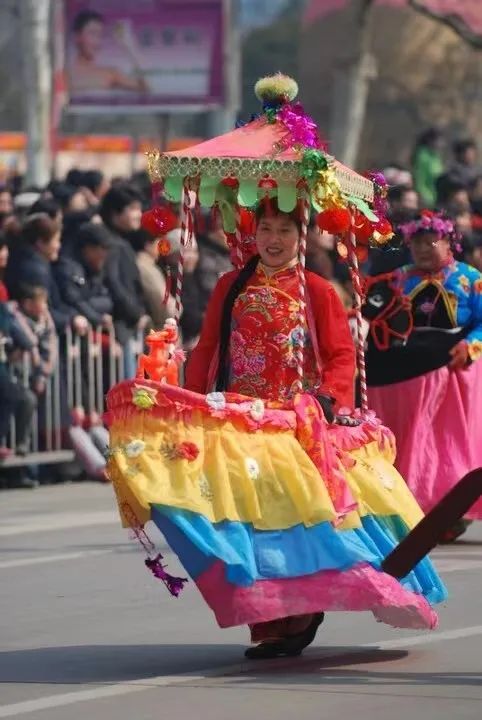
Shehuo is a traditional folk activity during the Spring Festival in Guyuan, including dragon dances, lion dances, stilt walking, and land boat dances. It is lively and full of local flavor.
Must-know transportation for exploring the city
Liupan Mountain Airport is located about 9 km northwest of downtown Guyuan, with flights to Beijing, Shanghai, Xi'an, Yinchuan, and other cities. Airport shuttles and taxis are available to the city center.
Airport shuttle 20 RMB
Guyuan Railway Station is a conventional station with trains to Xi'an, Yinchuan, Lanzhou, etc. The Yinchuan-Xi'an High-Speed Railway has Guyuan South Station (under construction), which will connect to the national high-speed rail network. Currently, you can take high-speed rail to Yinchuan or Xi'an and then transfer to conventional trains or buses.
Hard seat to Yinchuan approx. 30 RMB
Guyuan Bus Station is located in the city center, with long-distance buses to surrounding counties and cities, as well as Yinchuan and Xi'an. City buses cover major attractions, such as routes 1 and 3. Taxi starting fare is 5 RMB, making travel convenient.
Taste the most authentic and popular local specialties
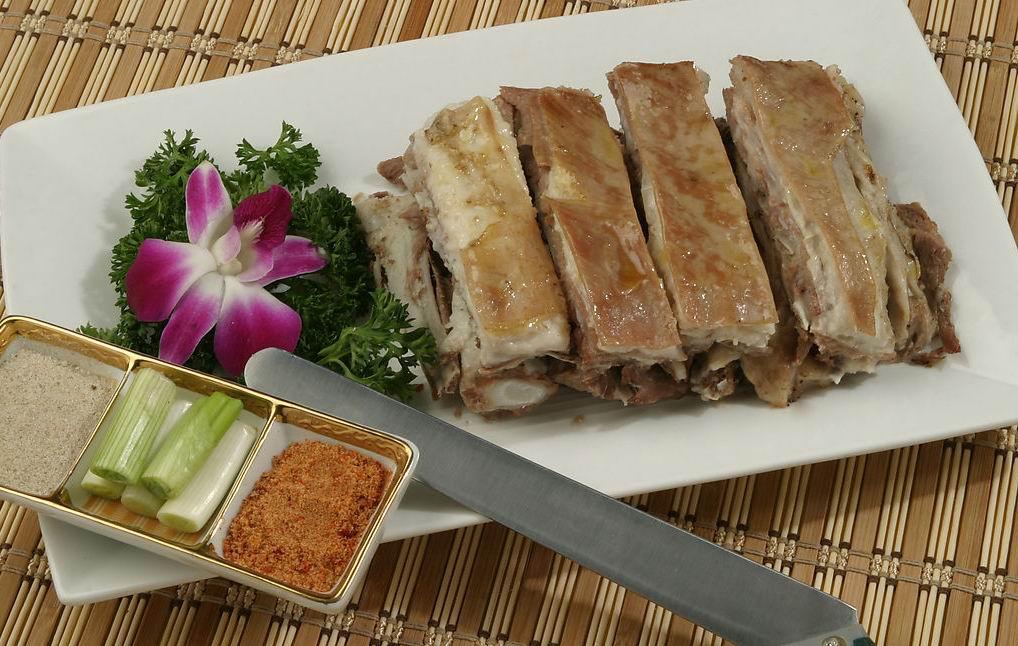
Guyuan hand-grabbed lamb uses high-quality local Tan sheep, boiled in plain water to retain the original flavor. The meat is tender and served with pepper and salt. It is a traditional Hui cuisine.
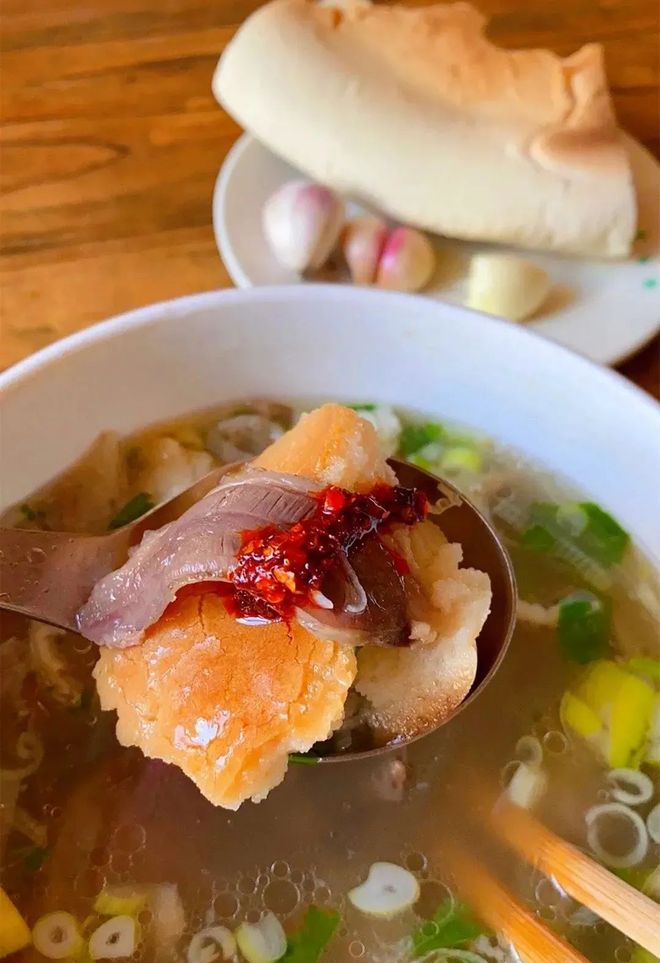
Guyuan lamb paomo differs from Xi'an's version: the broth is clear, the bread pieces are chewy, and it is served with vermicelli and cilantro. The lamb is tender but not shredded, with a rich aroma.
During the Ming Dynasty, nine major military towns were established to defend against the Mongols. Guyuan Town was one of them, responsible for northwestern border defense and holding a prominent military position.
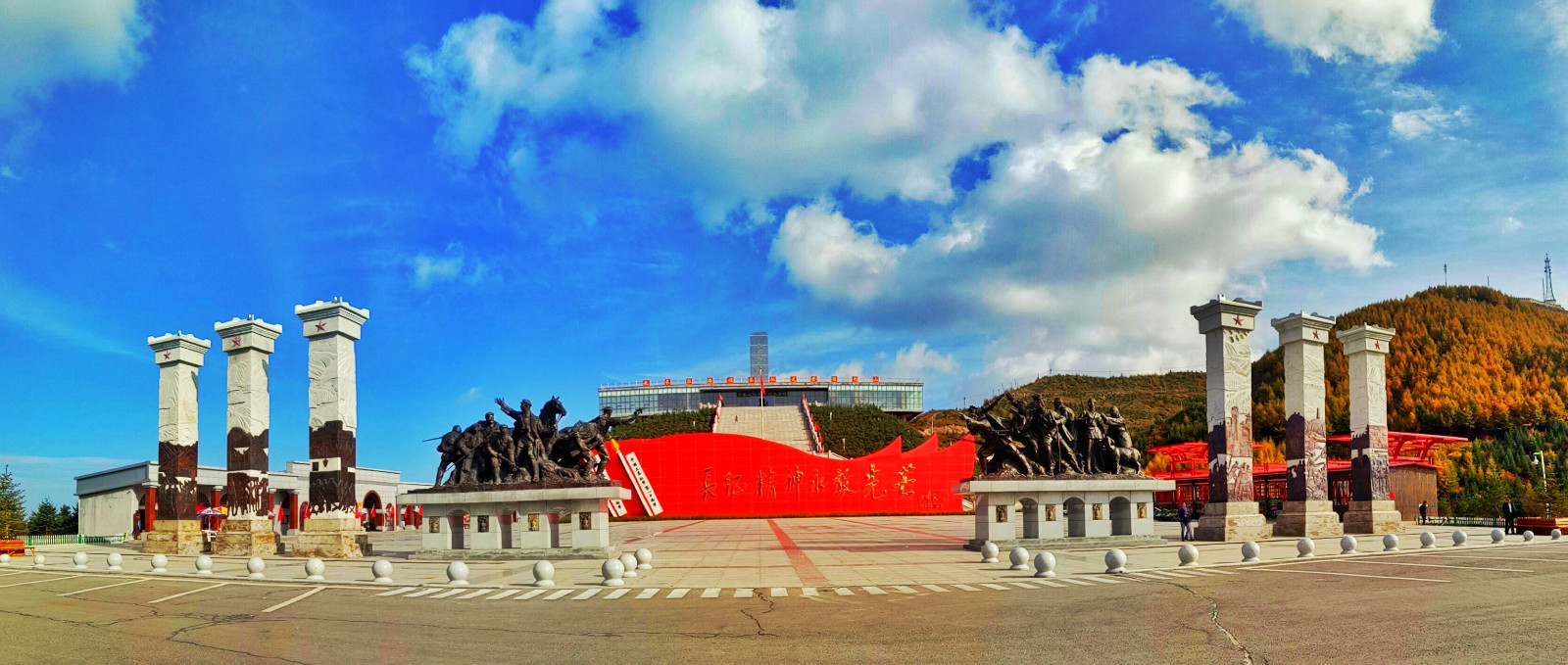
The scenic area includes the Liupan Mountain Red Army Long March Memorial Hall, Monument, and Pavilion, recreating the heroic feat of the Red Army crossing Liupan Mountain. The memorial hall displays precious historical artifacts and is an important destination for red tourism.
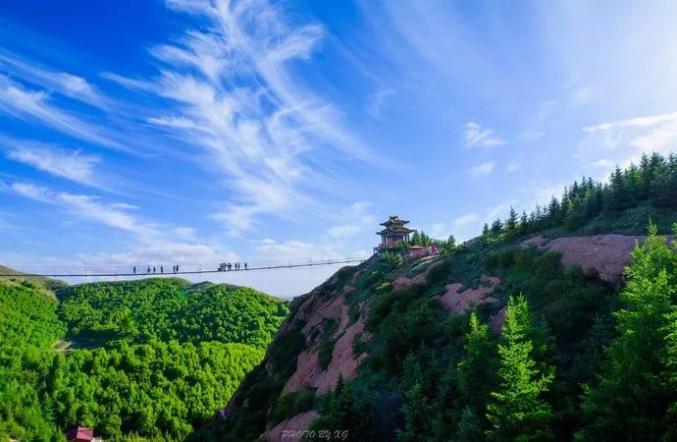
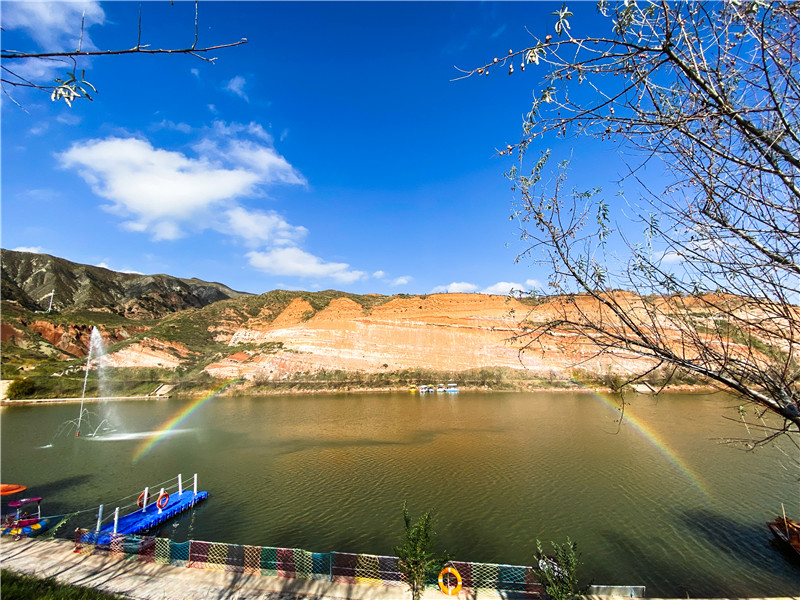
Huoshizhai is famous for its Danxia landform, with red sandstone glowing like fire under sunlight. The park features strange peaks, unusual rocks, and grottoes, making it a great place for photography and hiking.
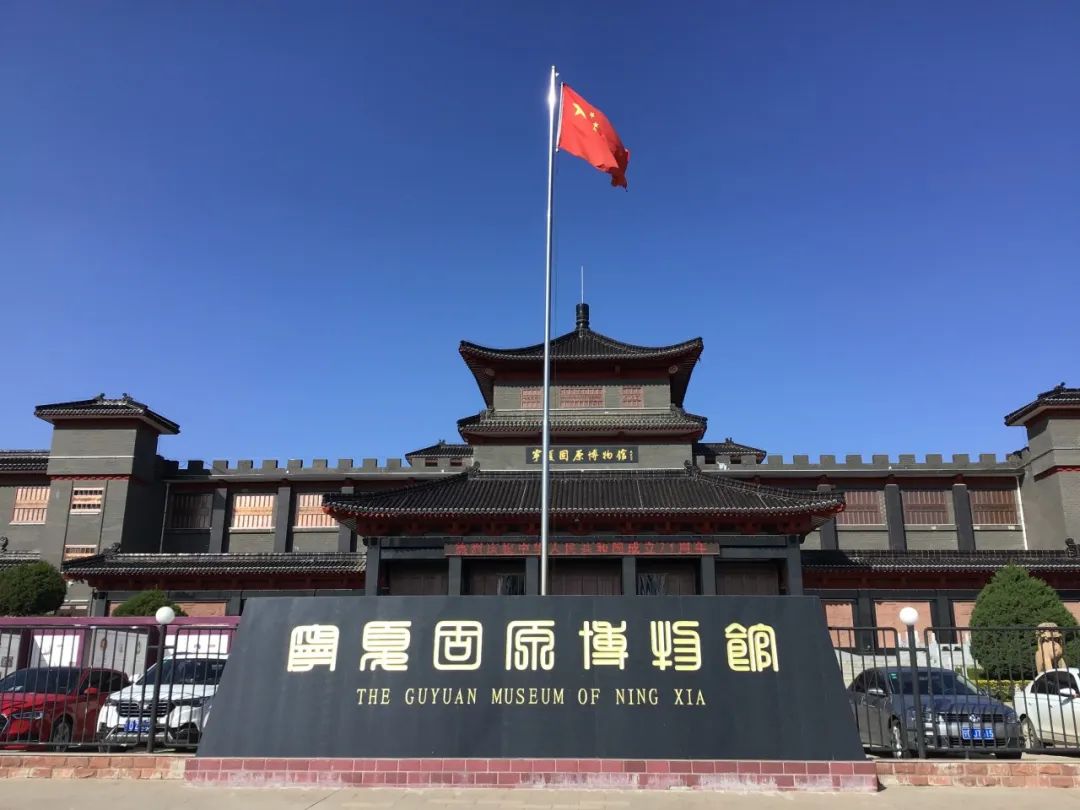
Guyuan Museum is a comprehensive history museum with rich collections, including Neolithic painted pottery, Western Zhou bronzes, Northern Wei lacquer coffin paintings, and Tang Dynasty gilt bronze pots. It is a window to understand Guyuan's history and culture.
City bus 1 RMB
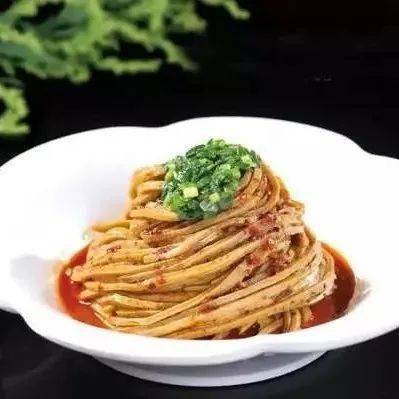
Yanmian rourou is a noodle dish made from oat flour, with a chewy texture. It is served with garlic paste, vinegar, and chili oil, offering a sour and spicy flavor. It is a local specialty snack.
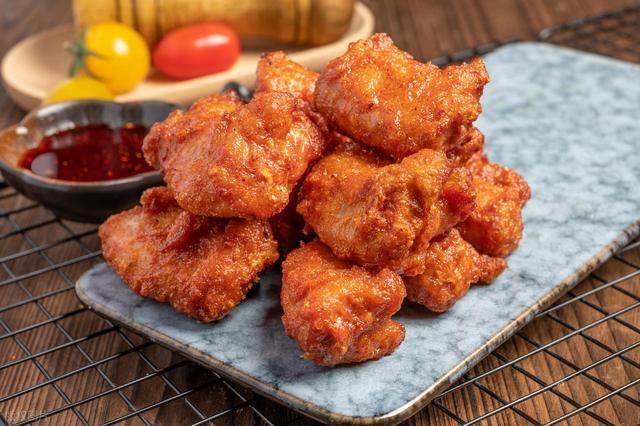
Guyuan roast chicken uses local free-range chicken, marinated, braised, and then deep-fried. The skin is crispy, the meat is tender, and the flavor is unique.
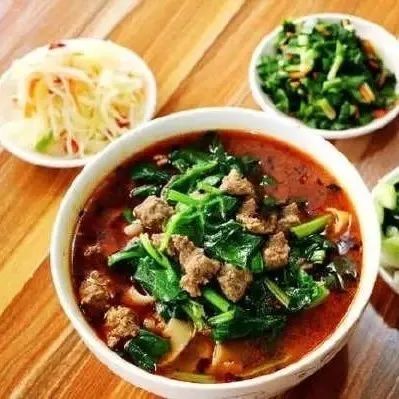
Shengcuan noodles are a traditional noodle dish in Guyuan. Hand-pulled dough pieces are cooked in boiling water with lamb, tofu, and tomatoes. The soup is savory and nutritious.