
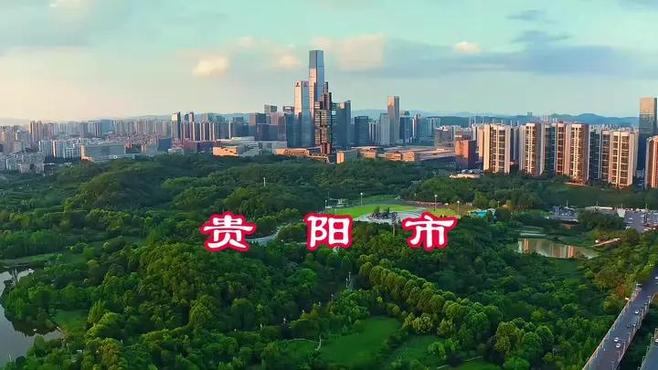
Guiyang is located in southwestern China, in the central part of Guizhou Province, on the eastern slope of the Yunnan-Guizhou Plateau, with an average elevation of about 1,100 meters. It has a subtropical humid monsoon climate, with cool summers and mild winters, and an average annual temperature of about 15.3°C, earning it the reputation of "China's Summer Resort Capital."
Guiyang has a long history, belonging to the Zangke Kingdom during the Spring and Autumn period and the Yelang Kingdom from the Warring States period to the Qin and Han dynasties. In the Yongle era of the Ming Dynasty, the Guizhou Provincial Administration Commission was established, making Guiyang the provincial capital. In modern history, Guiyang was an important rear area during the War of Resistance Against Japan and a place where the Red Army passed during the Long March.
Guiyang is a multi-ethnic area, predominantly Han, with Miao, Buyi, Dong, and other ethnic minorities, resulting in a rich and colorful ethnic culture. The local cuisine is known for its sour and spicy flavors, such as sour fish soup, changwang noodles, and siwawa. There are also folk arts like Huadeng opera and local opera.
Guiyang is now the political, economic, and cultural center of Guizhou Province and an important transportation hub in southwestern China. In recent years, it has vigorously developed the big data industry, becoming the core area of the National Big Data Comprehensive Pilot Zone. The city's infrastructure continues to improve, and the ecological environment is constantly optimized, earning the title of "National Forest City."
The best time to visit 贵阳 is Best from March to October (spring and autumn).
Spring (March-May): Pleasant temperatures, flowers in bloom, especially cherry blossoms and azaleas in April, ideal for flower viewing and outings.
Summer (June-August): Cool and comfortable, average temperature around 23°C, a summer resort, perfect for visiting natural attractions like Huangguoshu Waterfall.
Autumn (September-October): Clear and crisp weather, charming autumn colors, suitable for outdoor activities and photography.
The Yuan Dynasty established Shunyuan Circuit, marking the beginning of Guiyang's city construction.
The Ming Dynasty established the Guizhou Provincial Administration Commission, making Guiyang the provincial capital.
The Chinese Workers' and Peasants' Red Army passed through Guiyang during the Long March and held important meetings.
Recommended places to visit
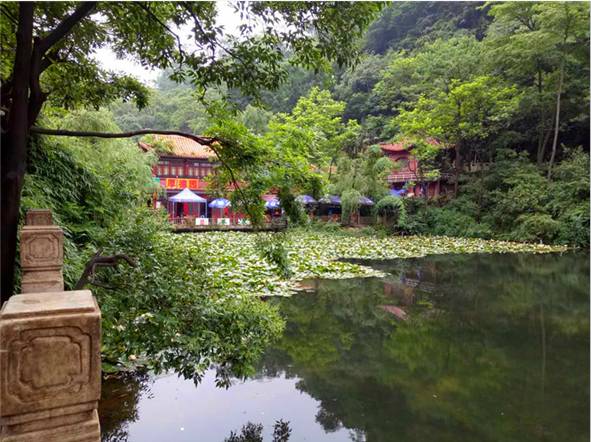
Located northwest of downtown Guiyang, it is a national 4A-level scenic spot known for its quiet mountains, dense forests, and clear lakes. Attractions include Hongfu Temple, Qianling Lake, and wild macaques.
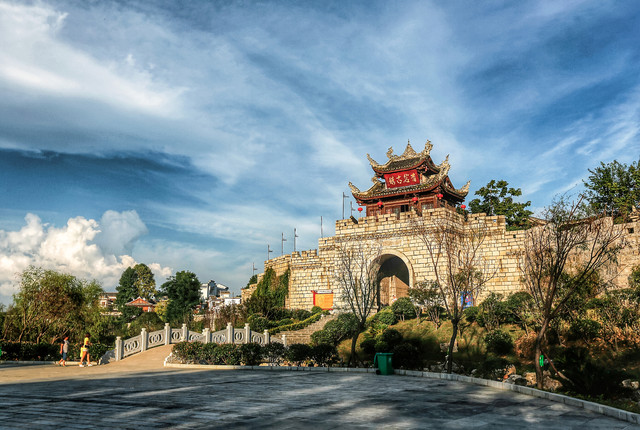
Built on the Nanming River, first constructed in the Ming Dynasty, it is a landmark of Guiyang. It has three floors, three eaves, and a four-cornered pyramidal roof, simple and elegant.
Explore rich intangible cultural heritage and traditional crafts
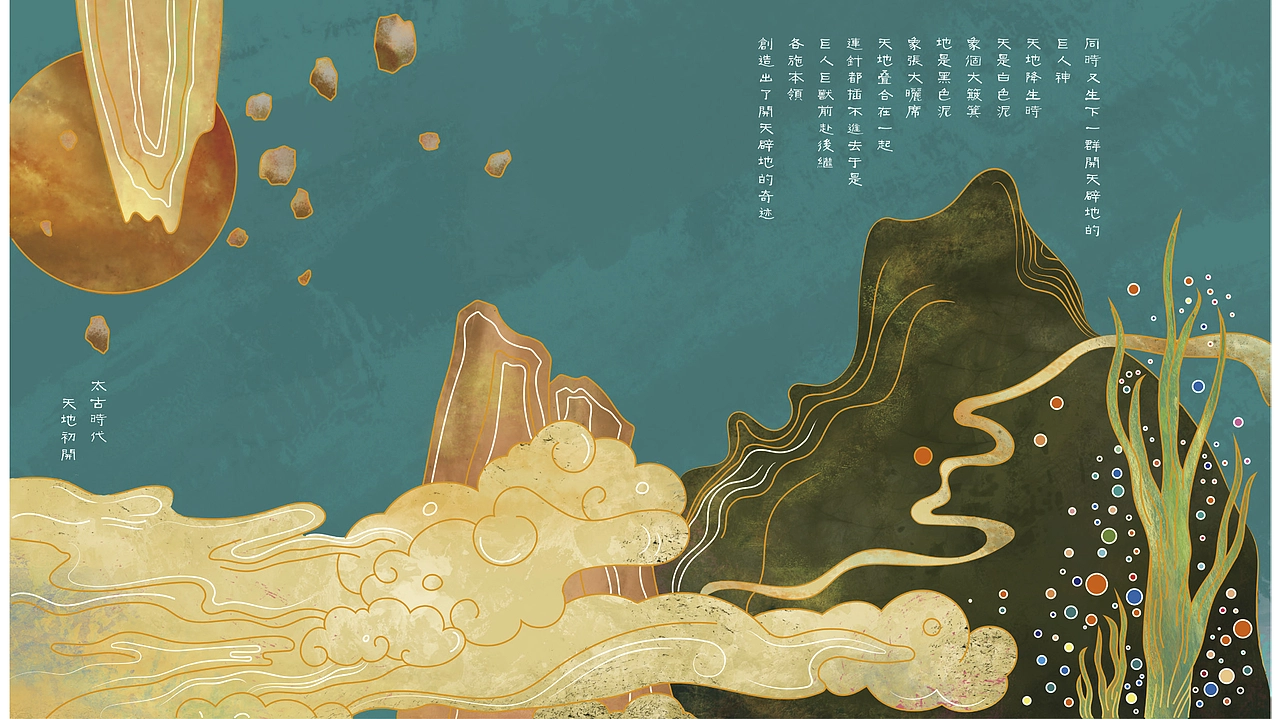
Oral tradition of the Miao ethnic group in Guizhou, passing down history, culture, and mythology through ancient songs, listed as a national intangible cultural heritage.
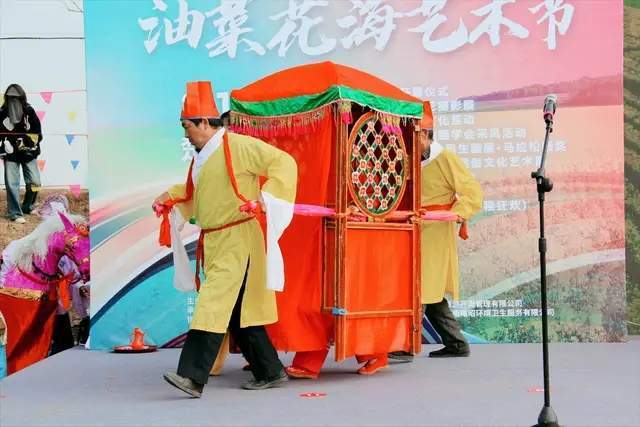
A local traditional opera in Guizhou, originating from folk lantern dances, featuring singing and dancing with local flavor, listed as a national intangible cultural heritage.
Must-know transportation for exploring the city
Located in the eastern suburbs of Guiyang, about 11 km from the city center, with domestic and international flights. Accessible by metro, airport bus, or taxi.
Airport bus about 20 yuan
Located in Guanshanhu District, an important high-speed rail hub in Southwest China, connecting Beijing, Shanghai, Guangzhou, Chengdu, etc. Accessible by Metro Line 1 and buses.
High-speed rail fares vary by destination
Guiyang's bus network has wide coverage, fare 2 yuan, supports QR code payment. The BRT system is convenient.
2 yuan
Taste the most authentic and popular local specialties
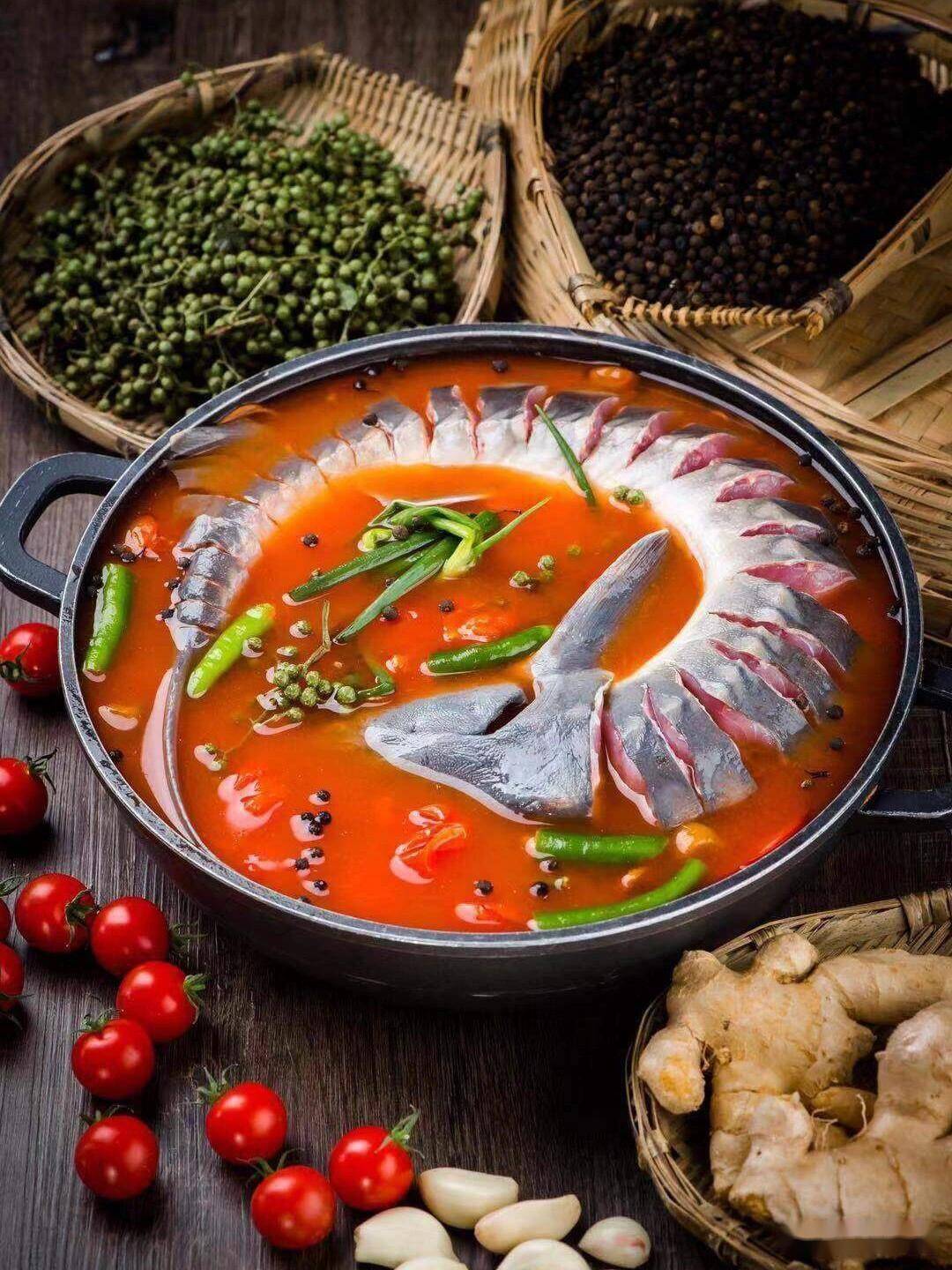
A traditional Miao dish from Guizhou, made with sour soup and fresh fish, sour and spicy, delicious and appetizing.
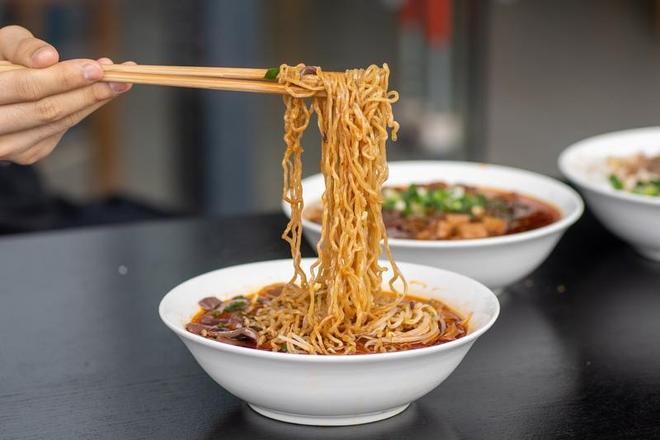
A specialty noodle dish in Guiyang, with toppings like pig intestines, blood curd, and crispy pork, chewy noodles, bright red soup, spicy and delicious.
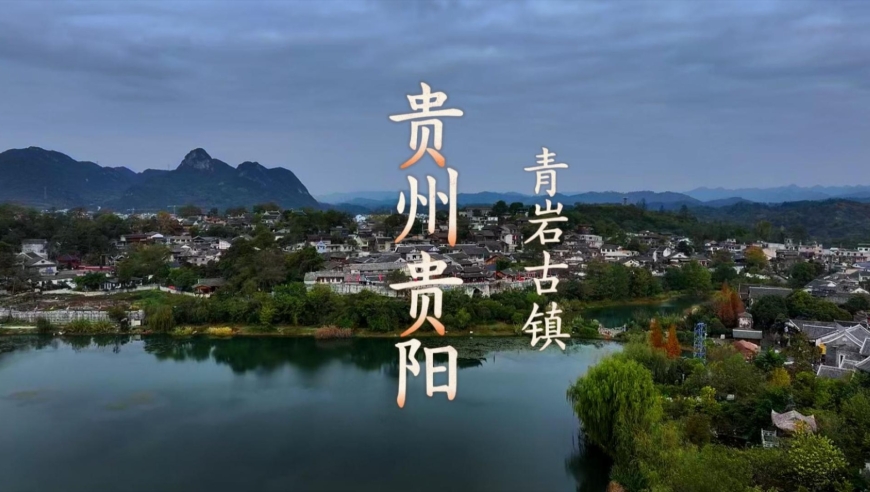
Located in Huaxi District, a national 5A-level scenic spot, built in the Ming Dynasty, famous for its stone architecture and cuisine. Attractions include Dingguang Gate and Zhao Gong Temple.
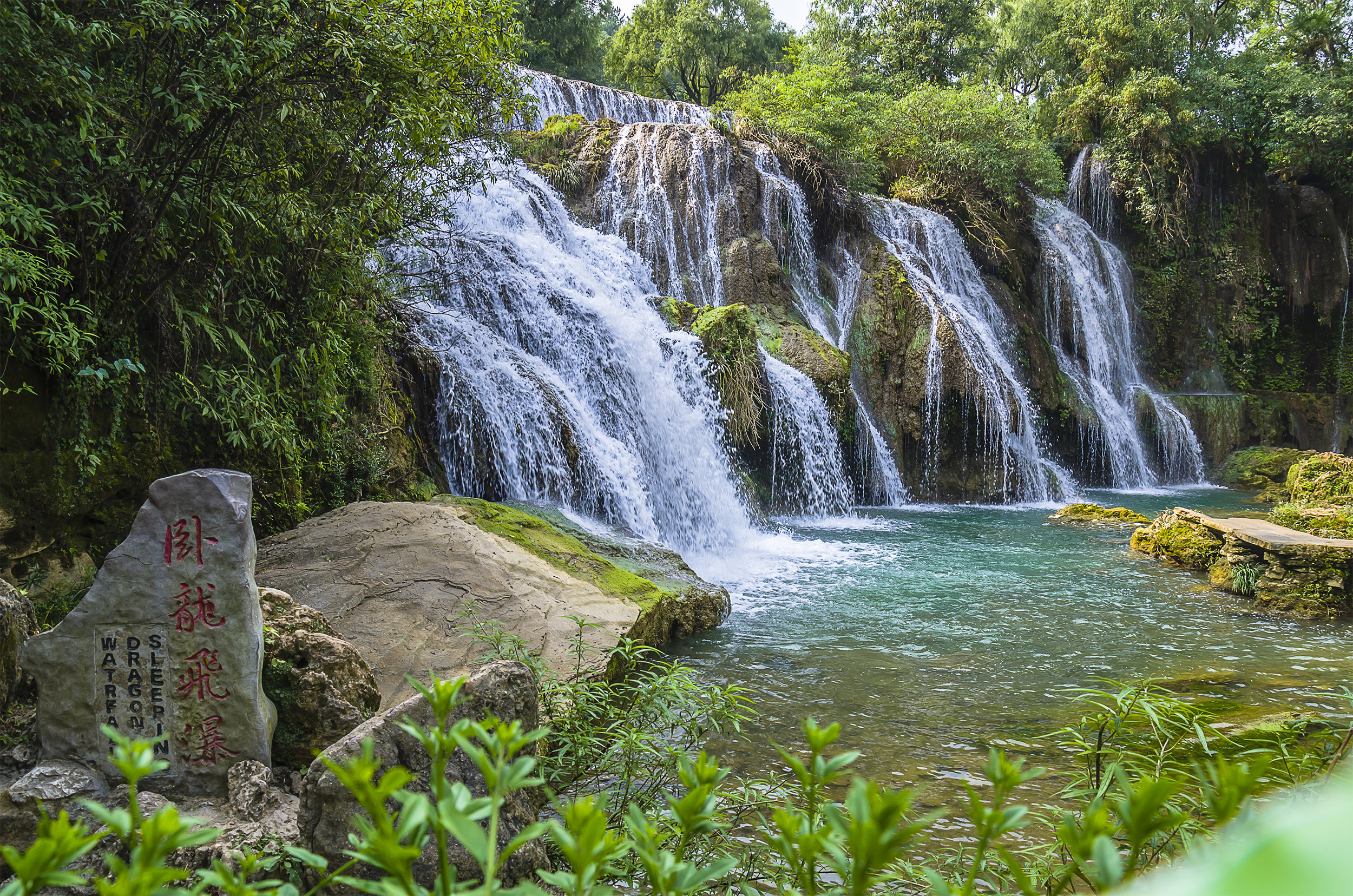
Located in Huaxi District, a national 4A-level scenic spot famous for karst caves, waterfalls, and canyons. Attractions include Wolong Lake and Yinhe Palace.
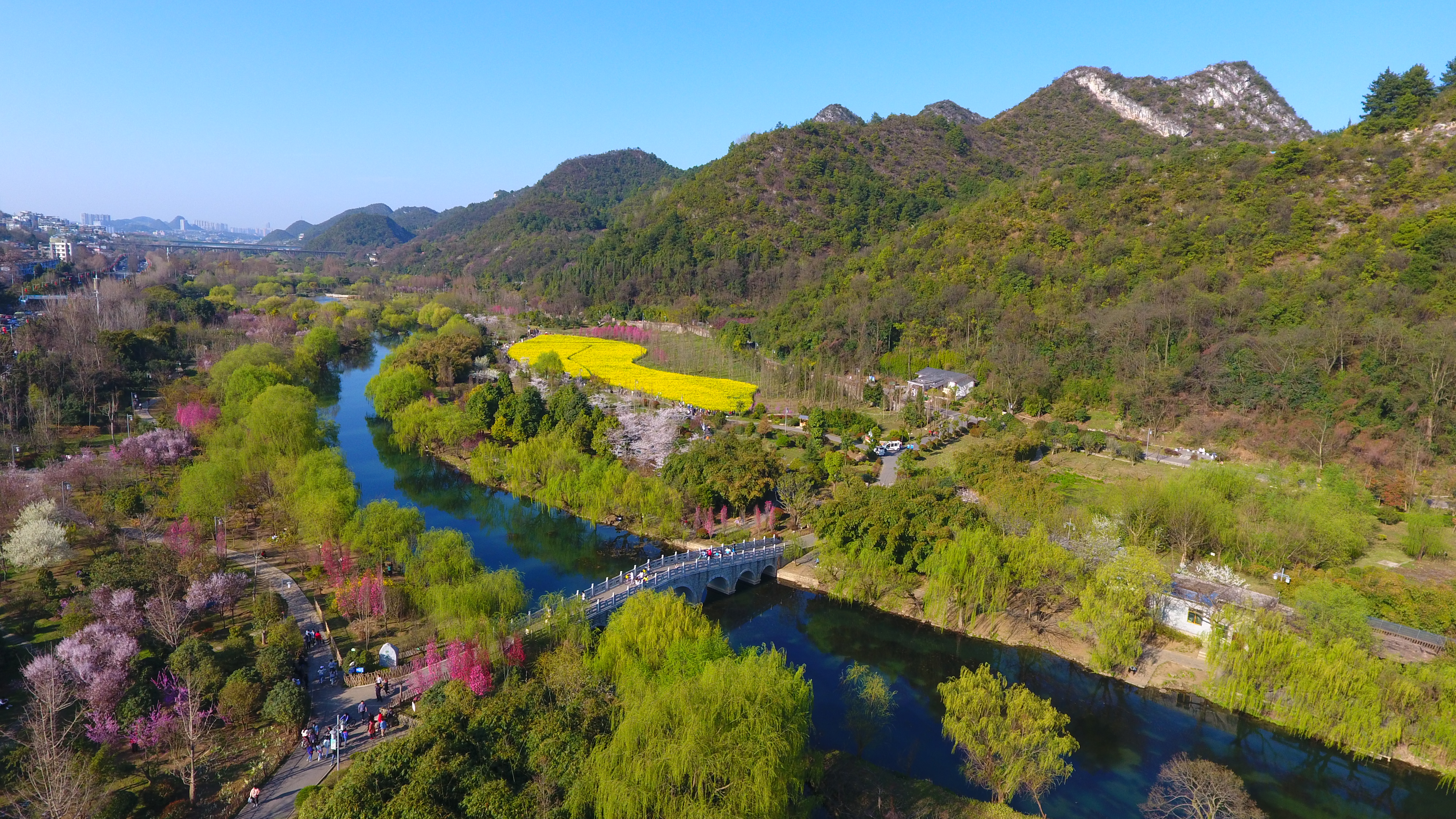
Located in Huaxi District, a national 4A-level scenic spot known for its landscape and pastoral scenery. Attractions include Baibu Bridge and Lin Mountain, ideal for leisure.
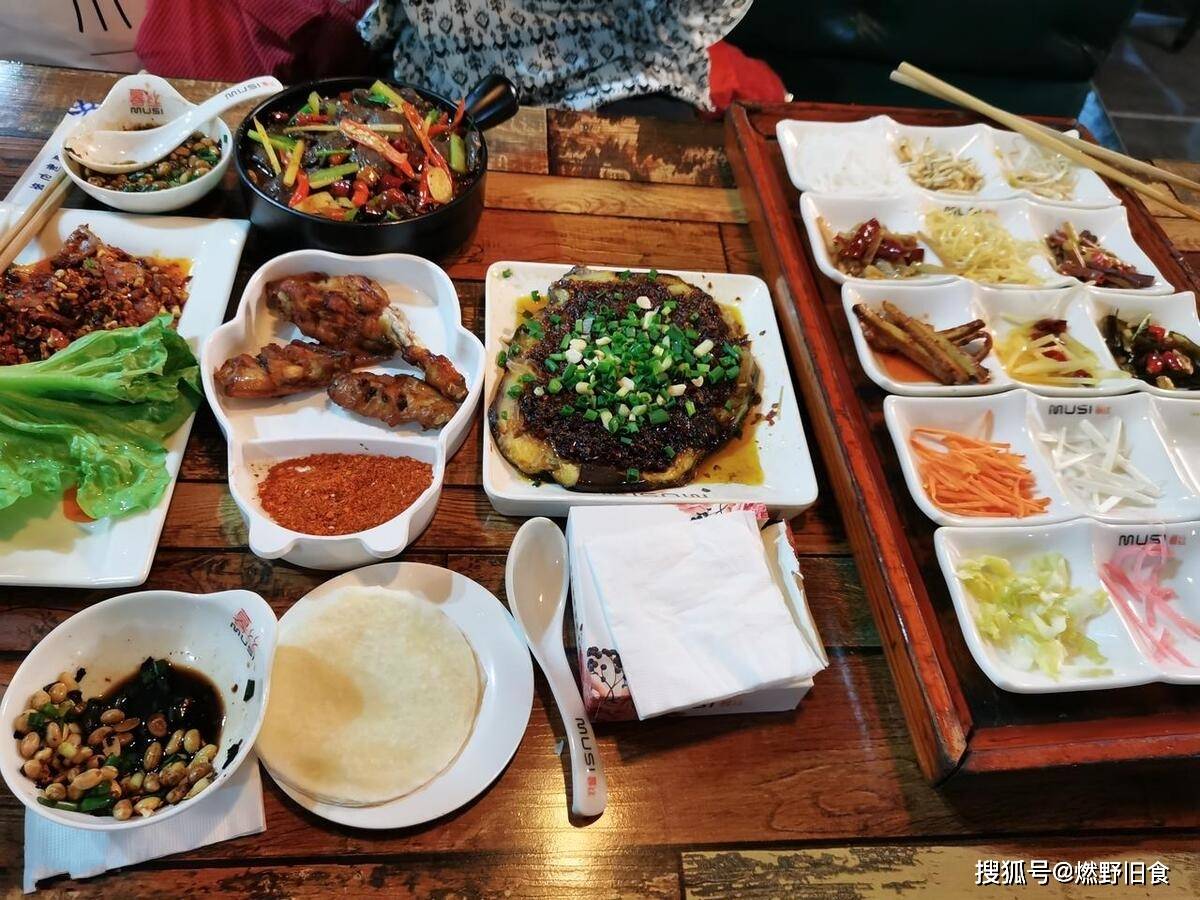
A traditional Guiyang snack, using thin pancakes to wrap various shredded vegetables, dipped in sauce, refreshing and nutritious.
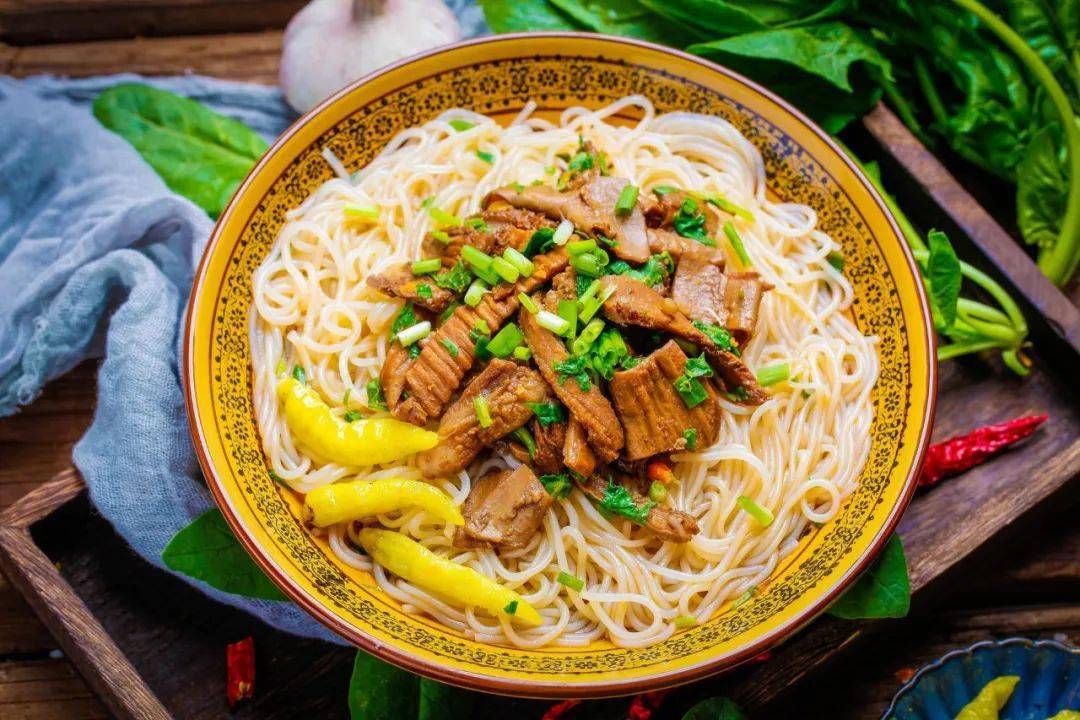
A specialty snack from Huaxi District, Guiyang, featuring beef broth and rice noodles, tender beef, rich soup, served with pickled vegetables and chili.
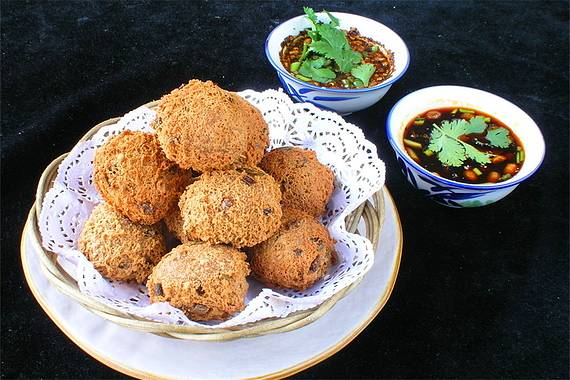
A traditional Guiyang snack, made from tofu mixed with seasonings and deep-fried, crispy outside and tender inside, eaten with chili powder.