
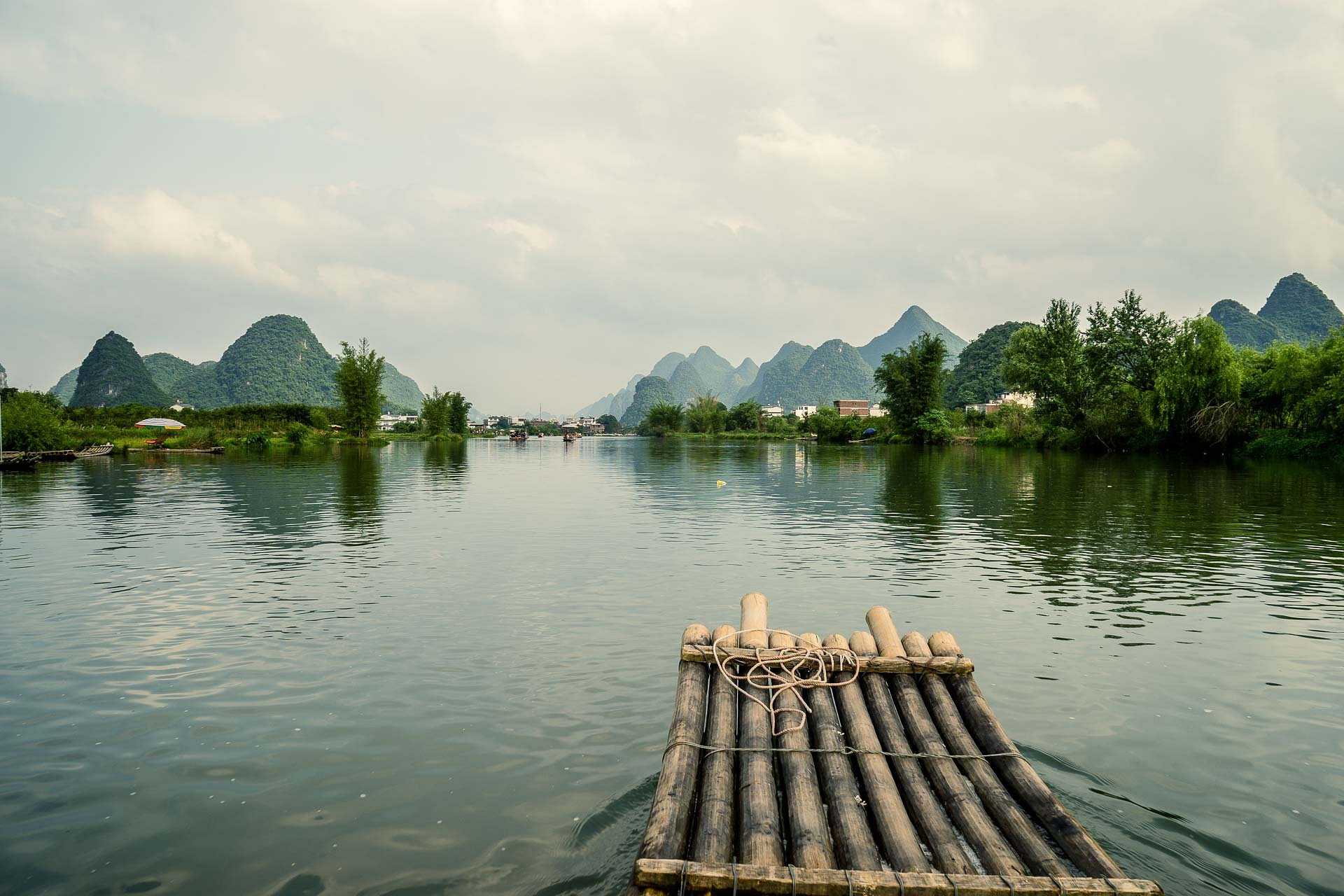
Guilin is located in the northeast of the Guangxi Zhuang Autonomous Region in China, in the southwestern part of the Nanling mountain system. It has a subtropical monsoon climate with four distinct seasons and abundant rainfall. The annual average temperature is about 19°C, with hot and rainy summers, and mild and dry winters. The unique karst landscape creates Guilin's breathtaking scenery characterized by "green mountains, clear waters, fantastic caves, and beautiful rocks." The Li River flows through the city, with towering peaks lining its banks, forming a natural landscape painting.
Guilin has a history of over 2,000 years. Since the Lingqu Canal was built during the Qin Dynasty to connect the Xiangjiang River and the Lijiang River, it became an important hub linking the Lingnan region with the Central Plains. Since the Tang Dynasty, Guilin gradually became a scenic destination for literati and scholars, leaving behind a wealth of poems and stone inscriptions. The phrase "Guilin's scenery is the best under heaven," written by the Song Dynasty poet Wang Zhenggong, made it world-famous. During the War of Resistance against Japan, Guilin served as a cultural center, gathering many prominent cultural figures.
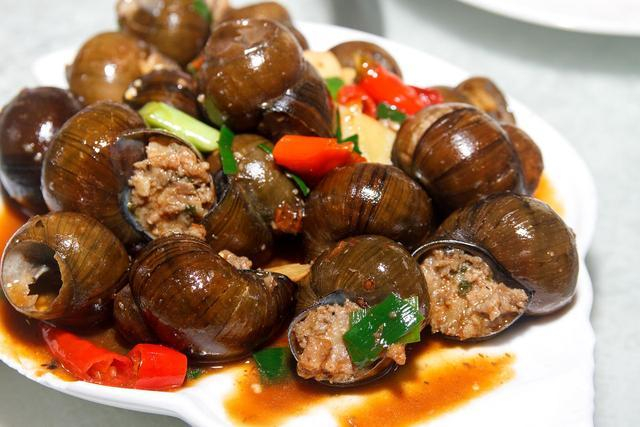
Guilin is a multi-ethnic region where cultures of ethnic minorities such as Zhuang, Miao, and Yao blend together, creating unique folk customs. Guilin rice noodles are the most common breakfast for locals, known for their sour and spicy flavor that whets the appetite. Local dishes like beer fish and stuffed snails are renowned for their freshness and aroma. The pace of life for residents is leisurely, with morning mountain hikes and evening riverside walks being common. Folk activities such as the Zhuang people's March 3rd Song Festival and the Longsheng Rice Terraces Torch Festival are vibrant and lively.
Nowadays, Guilin has become an internationally renowned tourism city, equipped with the Liangjiang International Airport and an extensive high-speed rail network. While preserving its landscapes, the city is advancing eco-tourism and smart city construction, actively striving to become a world-class tourist destination. In the future, Guilin will deepen cooperation with ASEAN countries, showcasing the unique charm of China's landscape culture to the world.
The best time to visit 桂林 is September to November.
The best time to visit Guilin is from September to November, when the weather is clear and crisp, with an average temperature of 20–25°C, less rainfall, and high visibility. The Li River flows steadily, and the reflections of the mountains on both banks are clear, making it the ideal season for enjoying the landscape. Additionally, this period avoids the summer and National Day travel peaks, resulting in fewer tourists and a more comfortable experience.
In spring (March–May), Guilin's temperature gradually rises, but there is a lot of rain, often creating misty and hazy scenes that have a unique charm. Recommended sights include the misty Li River, Elephant Trunk Hill, and the mirror-like effect of Longji Rice Terraces after irrigation. Rhododendrons are in full bloom during this time, so you can go to Yao Mountain or Guilin Botanical Garden to enjoy the flowers. Be sure to bring rain gear and watch out for slippery surfaces.
Autumn (September–November) brings clear and cool weather, making it the golden season for photography and outdoor activities. The Li River, Yangshuo's Ten-Mile Gallery, and the golden rice terraces of Longji are stunning spots for taking photos. During the Mid-Autumn Festival, there are moon-viewing events, and around National Day, the Guilin International Landscape and Culture Tourism Festival takes place, offering opportunities to experience folk performances and food festivals.
Emperor Qin Shi Huang ordered the excavation of the Lingqu Canal, connecting the Xiang River and the Li River, linking the Yangtze River system with the Pearl River system, thereby promoting economic and cultural exchanges between the Central Plains and Lingnan.
Recommended places to visit
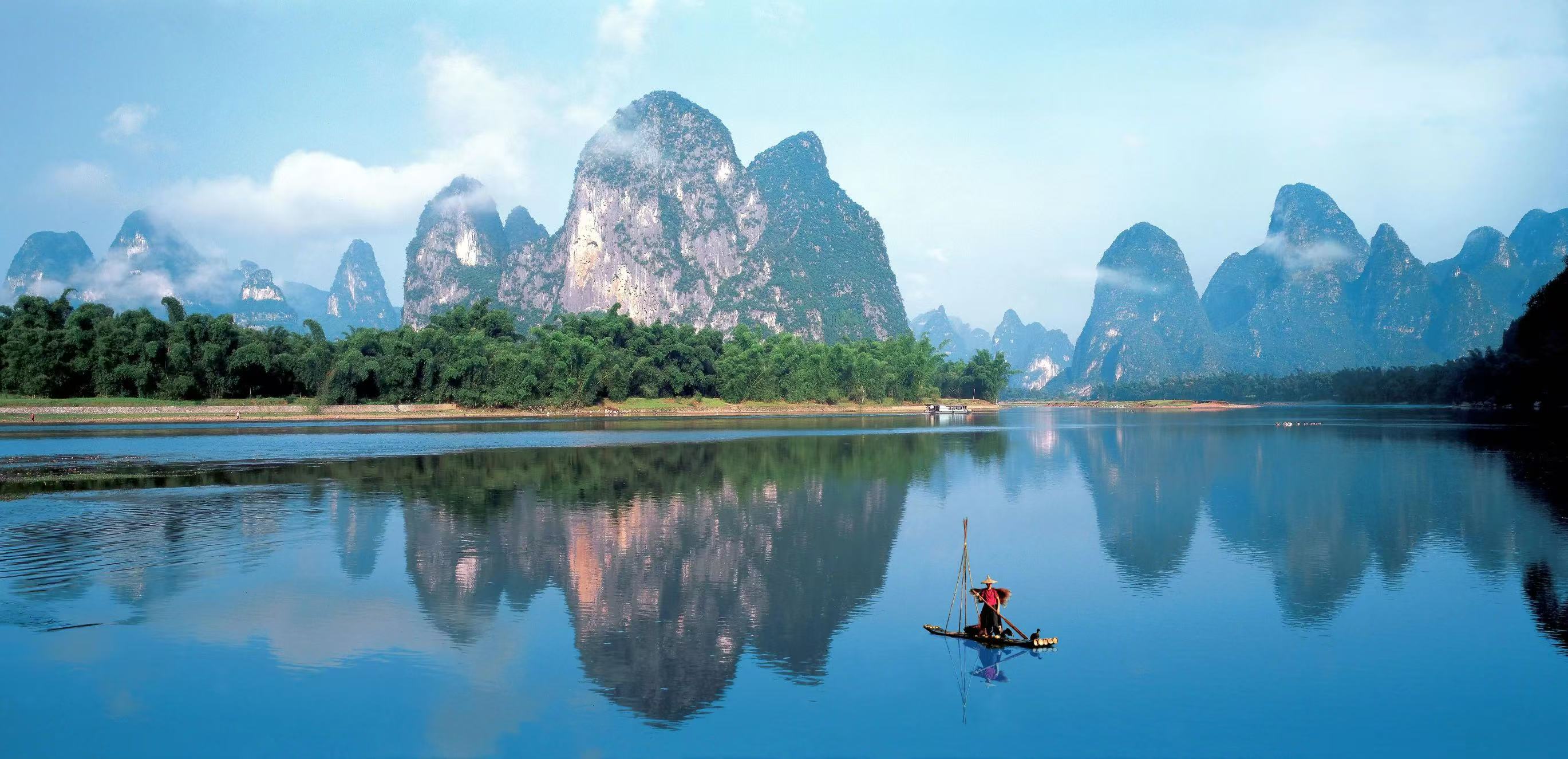
The essence of Guilin's landscapes lies in the 83-kilometer waterway from Guilin to Yangshuo, where peaks upon peaks rise along the way, and emerald waters meander, unfolding like a hundred-mile scroll painting.
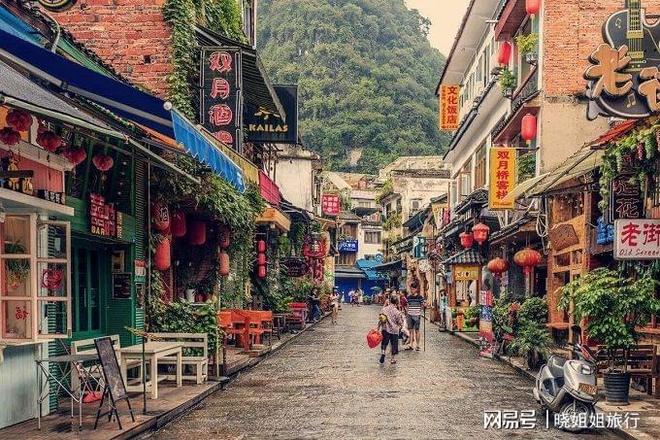
The oldest street in Yangshuo, with a history of over 1,400 years, blends ancient and modern, Chinese and foreign cultures, and is a popular destination for shopping, dining, and nightlife.
UNESCO World Heritage Sites
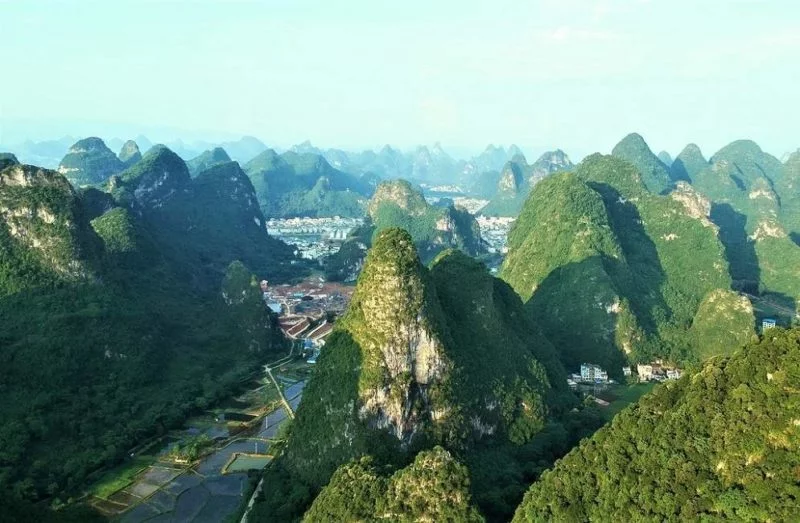
The karst landscape in Yangshuo, Guilin, is listed as a UNESCO World Natural Heritage site, renowned for its conical and tower-like karst peaks, caves, and underground river systems.
Explore rich intangible cultural heritage and traditional crafts
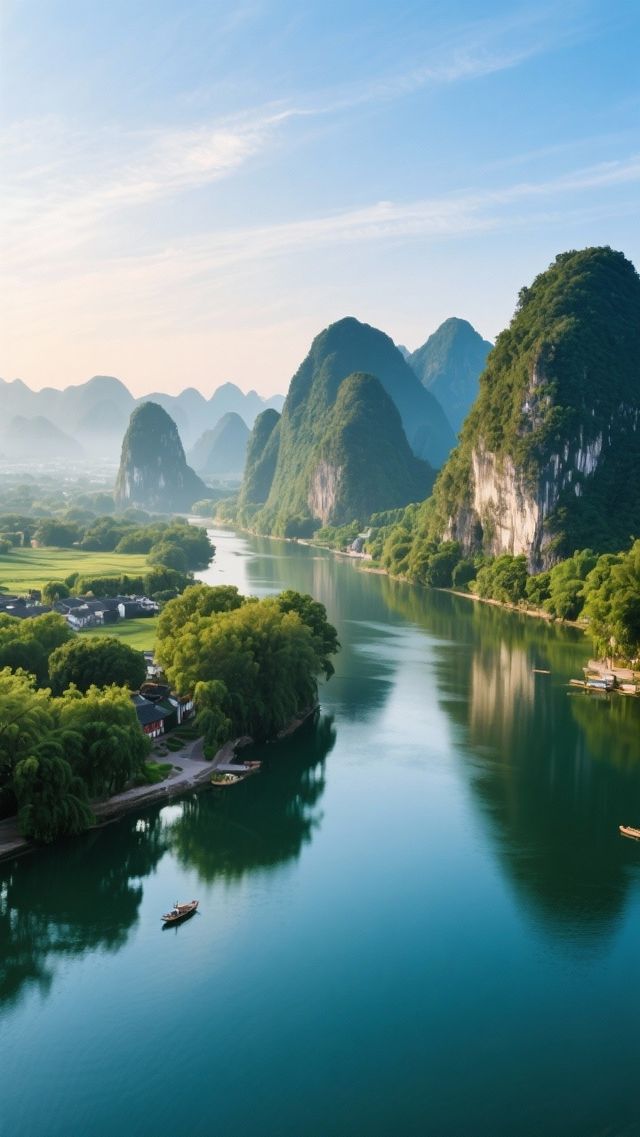
Folk legends set against the landscapes of Guilin, such as the stories of Elephant Trunk Hill and Fubo Hill, have been included in the national intangible cultural heritage list.
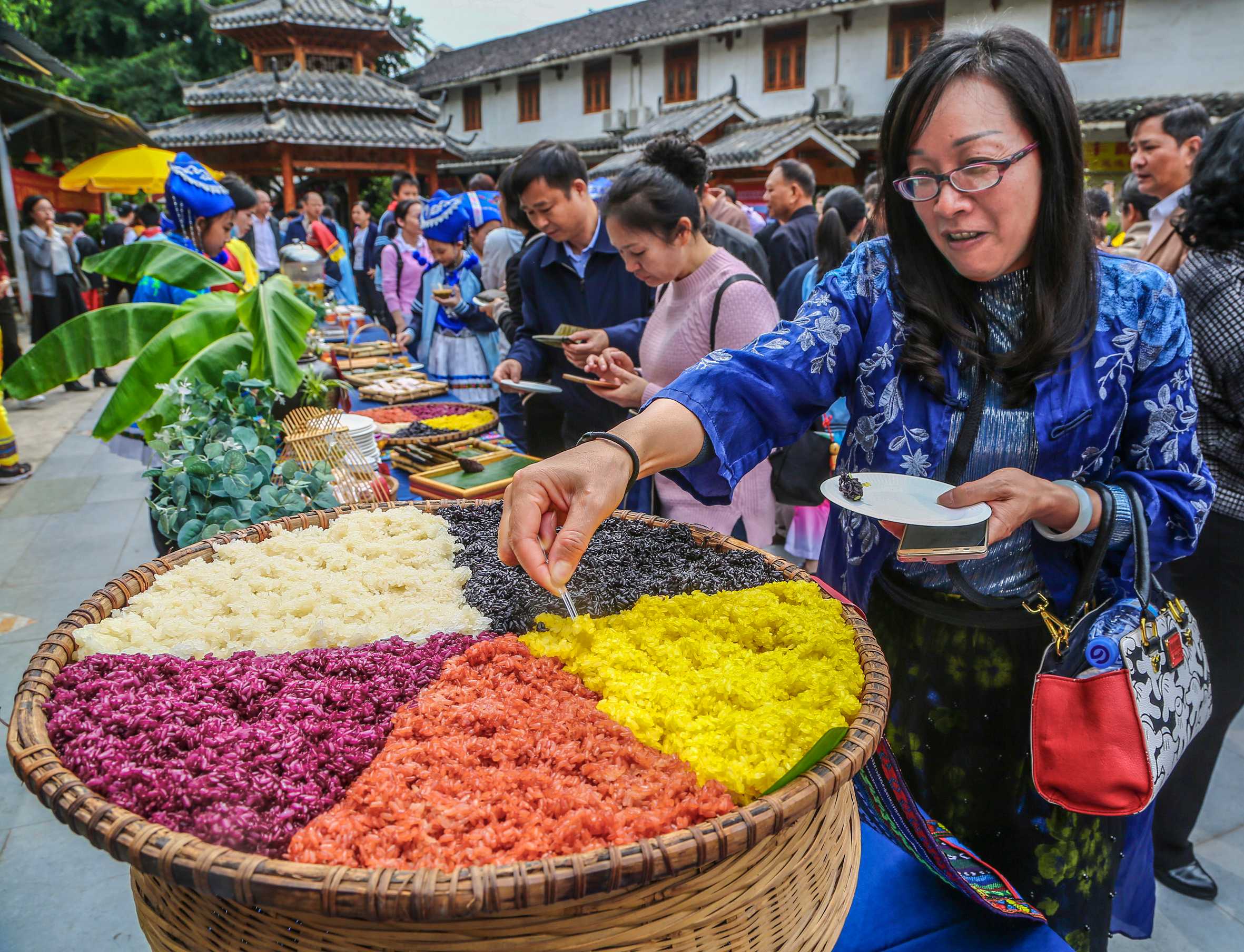
Zhuang ethnic traditional festivals feature customs such as antiphonal singing, throwing embroidered balls, and snatching firecrackers in the Guilin area. It is now an official holiday in Guangxi.
Must-know transportation for exploring the city
It is about 30 kilometers from the city center, with domestic and international (such as Thailand, South Korea, etc.) flight routes. The airport bus takes about 40 minutes to the city center, costing 20 yuan; a taxi costs about 100-150 yuan.
20 yuan (bus)
Guilin has three high-speed rail stations. Guilin Station is close to the city center, while Guilin North Station and Guilin West Station mainly serve high-speed trains. Numerous bullet trains run daily to Nanning, Guangzhou, Guiyang, Changsha, and other cities. To reach Yangshuo, you can take a high-speed train and get off at Yangshuo Station.
High-speed rail ticket prices vary by distance.
Guilin city has a well-developed bus network with fares of 1-2 yuan. There are tourist shuttle buses between scenic spots, such as the Guilin-Yangshuo bus, which costs about 30 yuan. Taxi starting fare is 9 yuan, and ride-hailing services are convenient. You can also rent a bicycle or electric scooter for sightseeing.
Taste the most authentic and popular local specialties
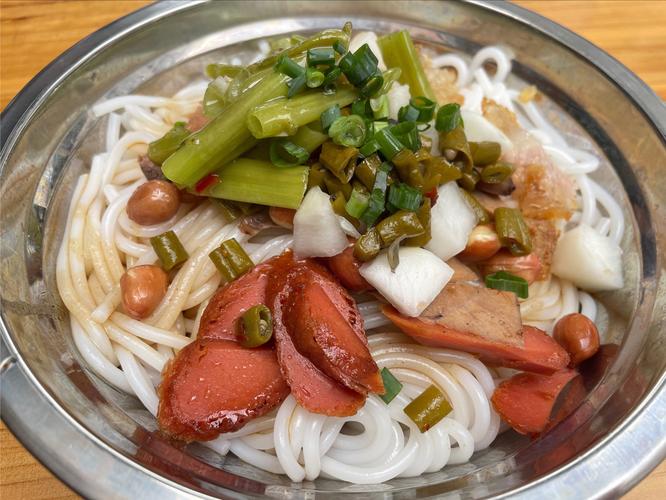
The most classic breakfast in Guilin, featuring marinade and crispy pork, is sour and spicy to whet the appetite. The rice noodles are white, soft, and smooth, topped with pickled beans, peanuts, chili, and other seasonings.
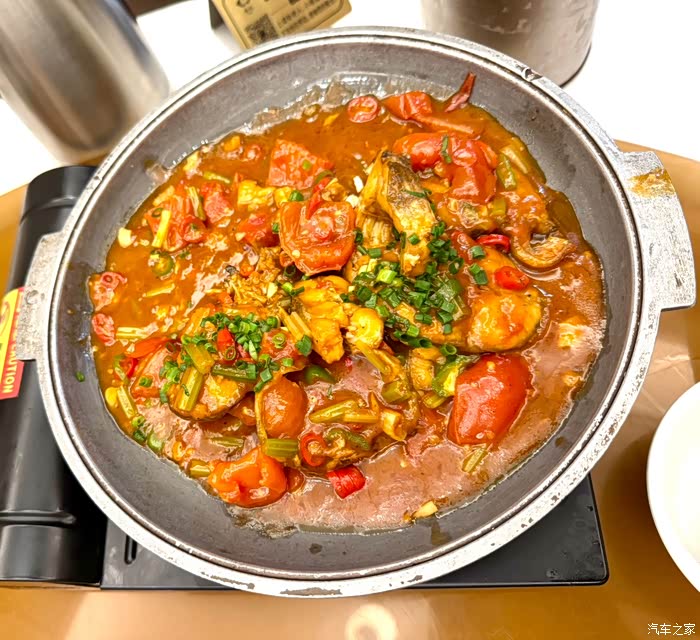
Yangshuo's famous dish, made with fresh fish from the Li River, simmered in beer. The fish is tender and free of fishy taste, with a rich broth that carries the aroma of beer.
The landscapes of Guilin have attracted a great number of literati and poets, leaving behind numerous poems and cliff inscriptions, with figures such as Han Yu and Bai Juyi composing verses in its praise.
Wang Zhenggong, a poet from the Southern Song Dynasty, first proposed "Guilin's landscape is the best under heaven" in his poem "Urging the Carriage," and it has since become Guilin's most renowned slogan.
During the War of Resistance Against Japan, a large number of cultural celebrities gathered in Guilin, making it a famous "Cultural City" with fruitful achievements in fields such as literature, drama, and fine arts.
Guilin became one of China's first batch of tourist cities opened to the outside world, with foreign visitors flocking in, which spurred the rapid development of the tourism industry.
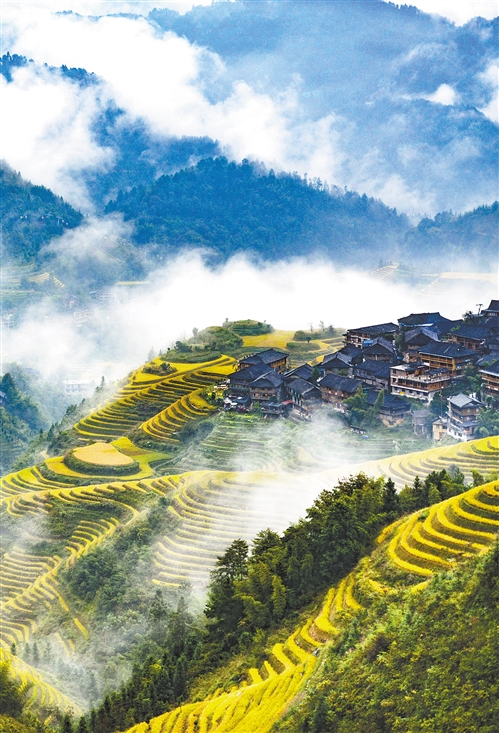
The terraced fields, first built in the Yuan Dynasty, are grand in scale, with graceful lines and distinct landscapes in different seasons. They are especially stunning during the irrigation period and in autumn when they turn golden.
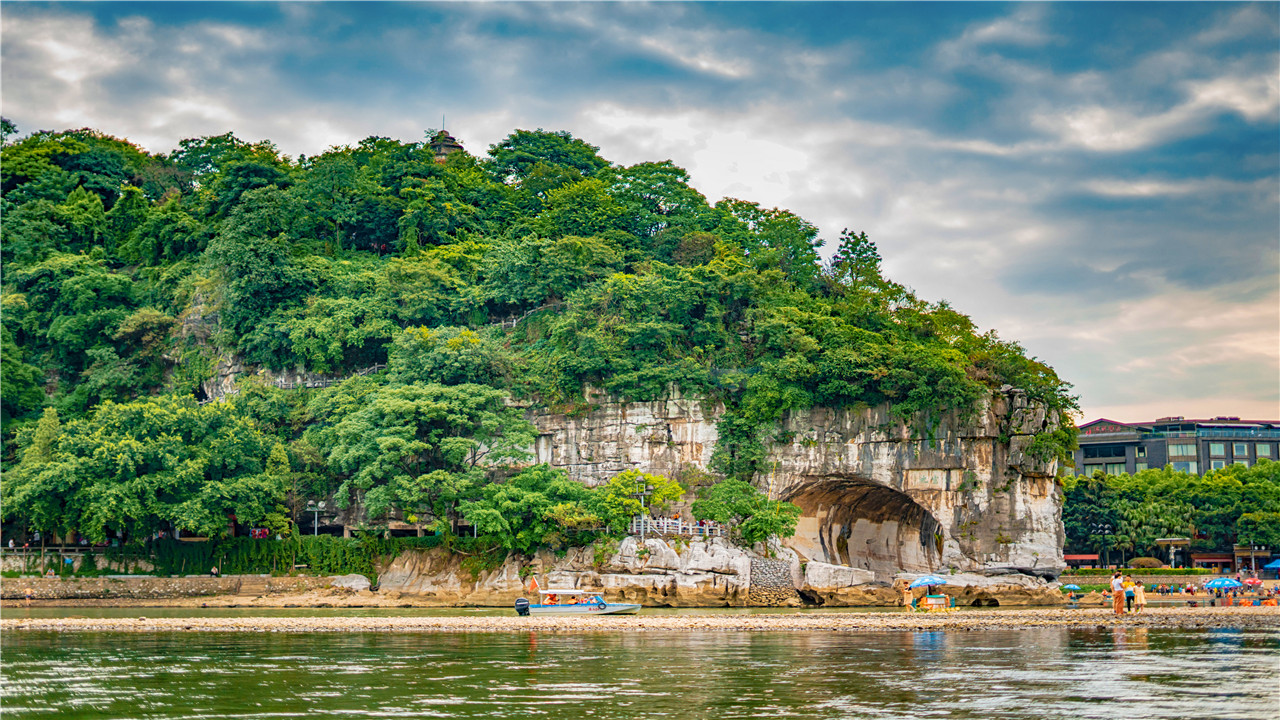
The symbol of Guilin, a mountain shaped like a giant elephant extending its trunk to drink water, is a landmark attraction of Guilin. From the top, you can overlook the Li River and the whole city.
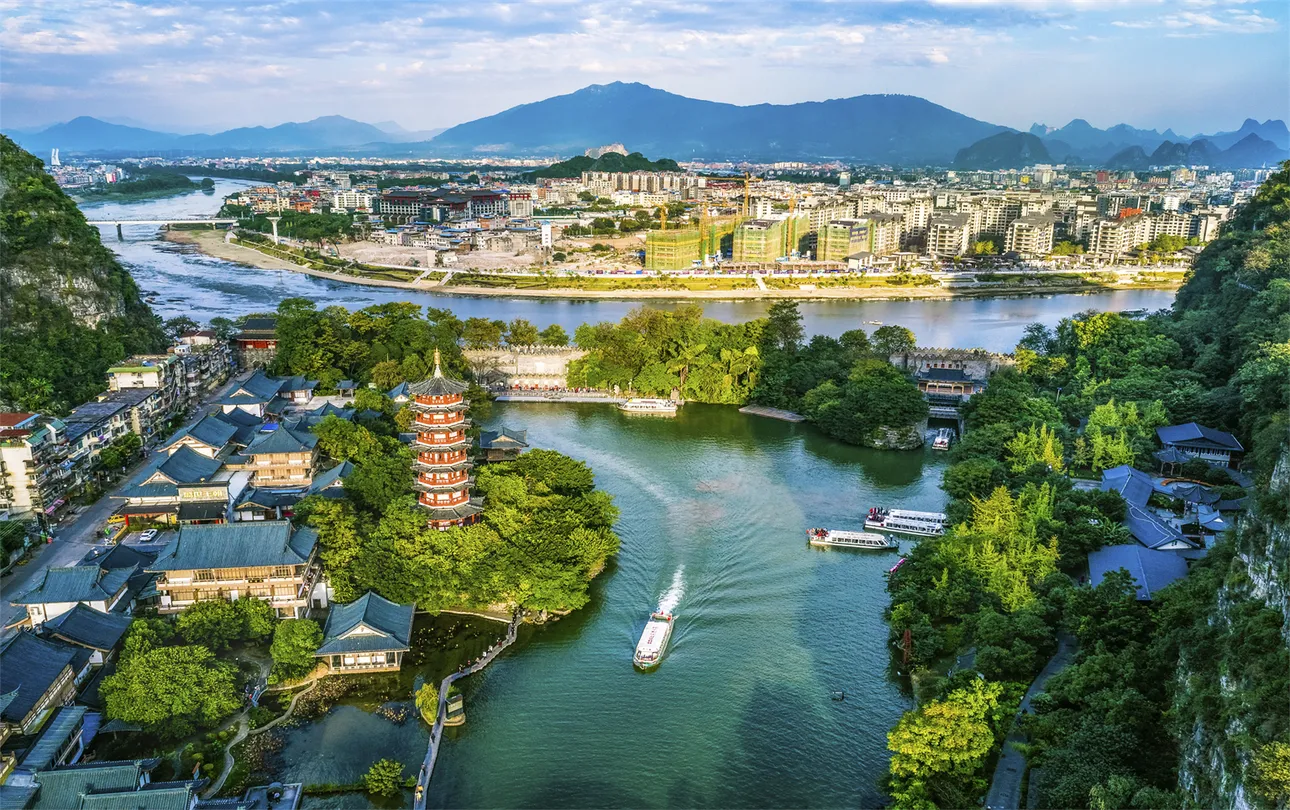
The water system surrounding Guilin city is composed of the Li River, Peach Blossom River, and four lakes. A night cruise offers views of the beautiful interplay between lights and reflections.
1-30 yuan
Guilin special snack: snails are minced and mixed with pork, mint, and other spices, then stuffed back into the shells and cooked. It has a rich texture and a unique aroma.
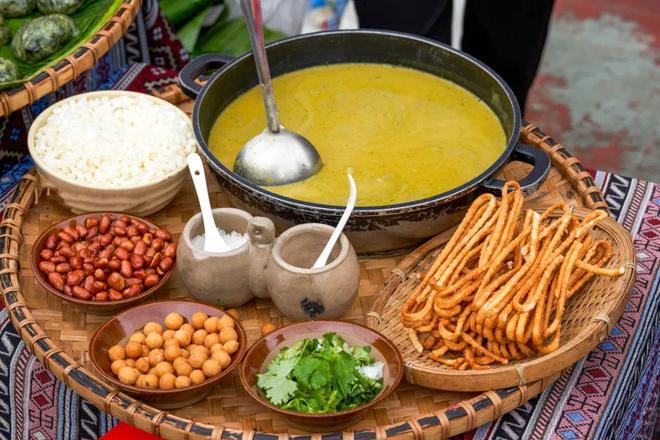
A traditional drink of the Yao and Zhuang ethnic groups, made by pounding tea leaves, ginger, garlic, and peanuts before boiling. It has a slightly bitter taste with a sweet aftertaste and helps ward off cold and refresh the mind.
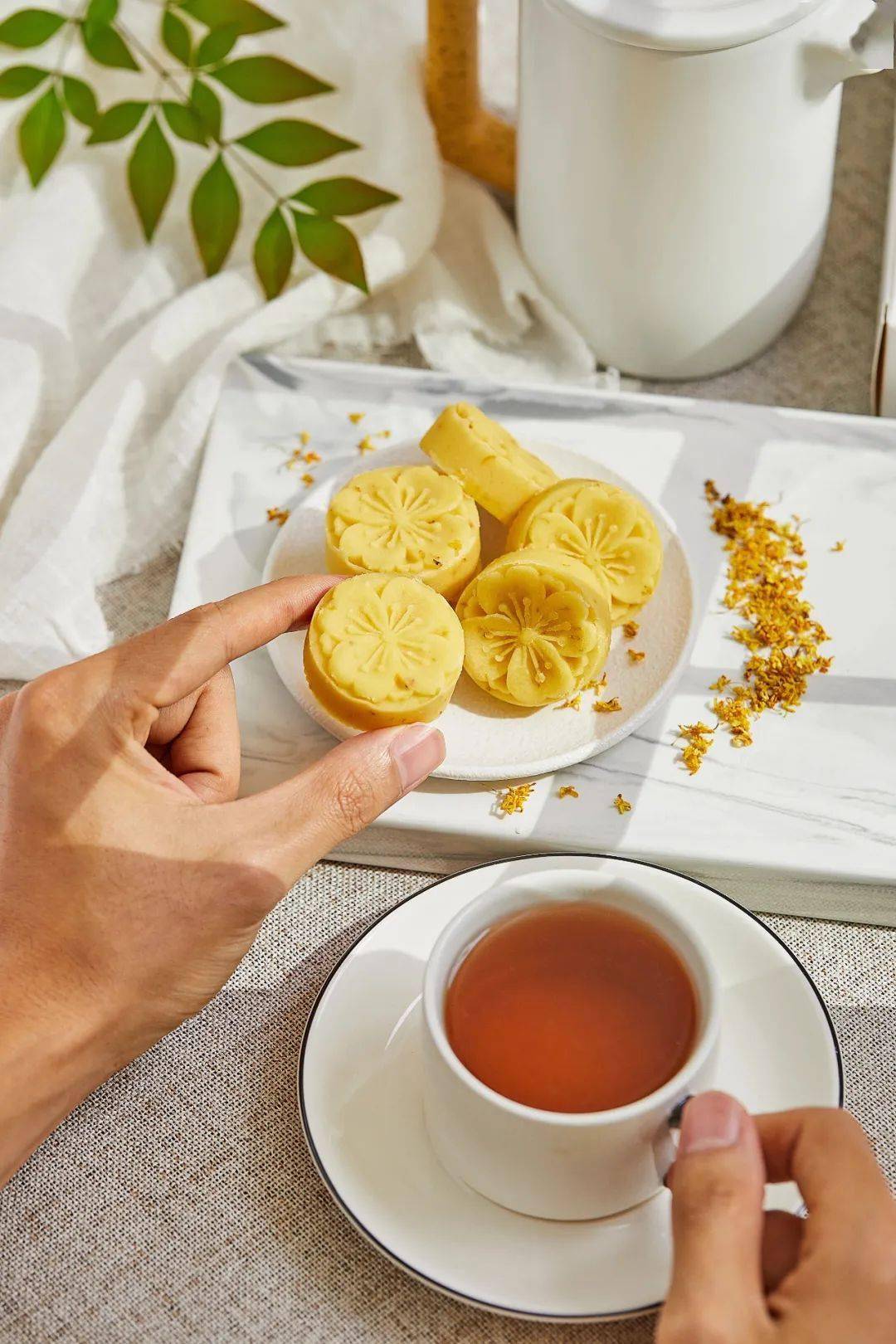
Guilin traditional dessert, made from glutinous rice flour and osmanthus flowers, with a soft and chewy texture, sweet but not greasy, and a light fragrance of osmanthus.