
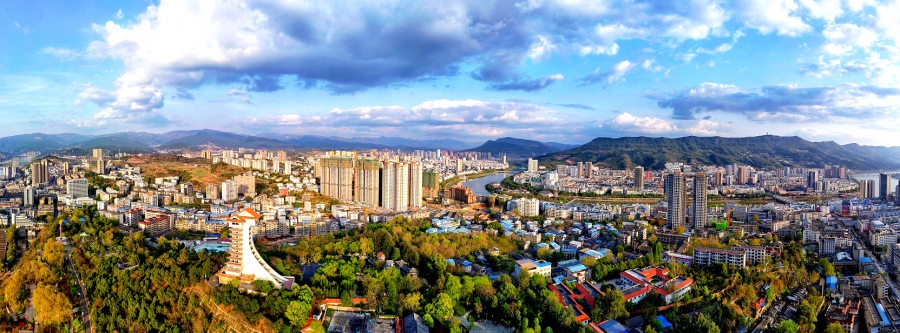
Guangyuan City is located in the northern part of Sichuan Province, bordering Gansu and Shaanxi provinces. It sits at the southern foot of the Qinling Mountains and the upper reaches of the Jialing River, serving as the gateway to northern Sichuan. It has a subtropical humid monsoon climate with distinct seasons and abundant rainfall. The annual average temperature is about 16°C, with mild winters and cool summers.
Guangyuan, historically known as Lizhou, has a history of over 2,300 years and is one of the important birthplaces of the Three Kingdoms culture. Empress Wu Zetian of the Tang Dynasty was born here, hence it is called the 'Hometown of Empress Wu.' Historically, it was a vital passage into Shu, with relics like Jianmen Pass and Zhaohua Ancient City bearing witness to millennia of changes.
Guangyuan's culture is diverse, blending Bashu, Qinlong, and Three Kingdoms cultures. Local delicacies include Jianmen Tofu Banquet and Empress Wu Steamed Cold Noodles. Folk arts like Northern Sichuan Lantern Opera and Maliu Embroidery are listed as intangible cultural heritage.
Modern Guangyuan is a regional central city at the junction of Sichuan, Shaanxi, and Gansu, with a prominent transportation hub. It has established a national-level economic and technological development zone, focusing on industries such as electronics, machinery, food, and beverages. Leveraging resources like the Jianmen Shu Road and Tangjiahe, it aims to become an eco-health tourism destination.
The best time to visit 广元 is Best in spring and autumn.
Spring (March-May): The temperature warms up, mountain flowers bloom, ideal for visiting Jianmen Pass and Tangjiahe.
Autumn (September-November): Clear and crisp weather, red leaves all over the mountains, a golden season for photography and hiking.
Summer is hot and rainy, winter is cold, but rich in hot spring resources, so winter is good for hot spring trips.
After Qin annexed Ba and Shu, it established Jiameng County in the Guangyuan area, marking the beginning of administrative establishment.
Empress Wu Zetian of the Tang Dynasty was born in Lizhou (present-day Guangyuan), where her father Wu Shiyue served as the governor.
The Fourth Front Army of the Red Army passed through Guangyuan during the Long March, establishing the Sichuan-Shaanxi Revolutionary Base and leaving many red relics.
Recommended places to visit
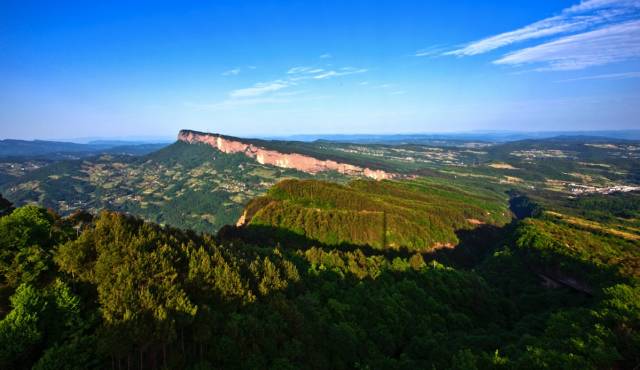
National 5A scenic spot in Jiange County, the core of Jianmen Shu Road. The two cliffs face each other like a gate, strategically important since ancient times.
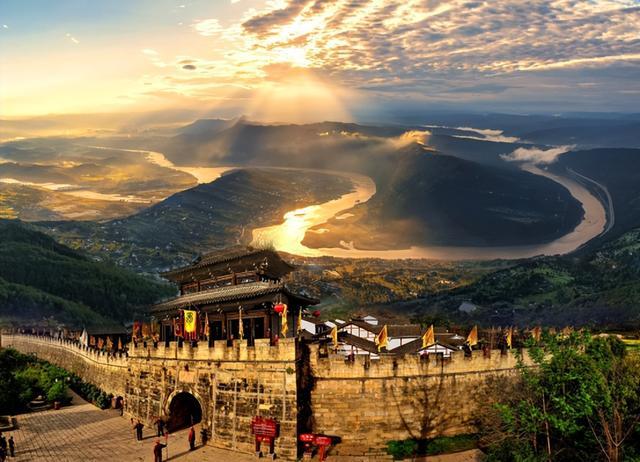
National 4A scenic spot in Yuanba District, one of the best-preserved ancient cities of the Three Kingdoms period. Ancient streets, alleys, city walls, and temples are well preserved.
UNESCO World Heritage Sites
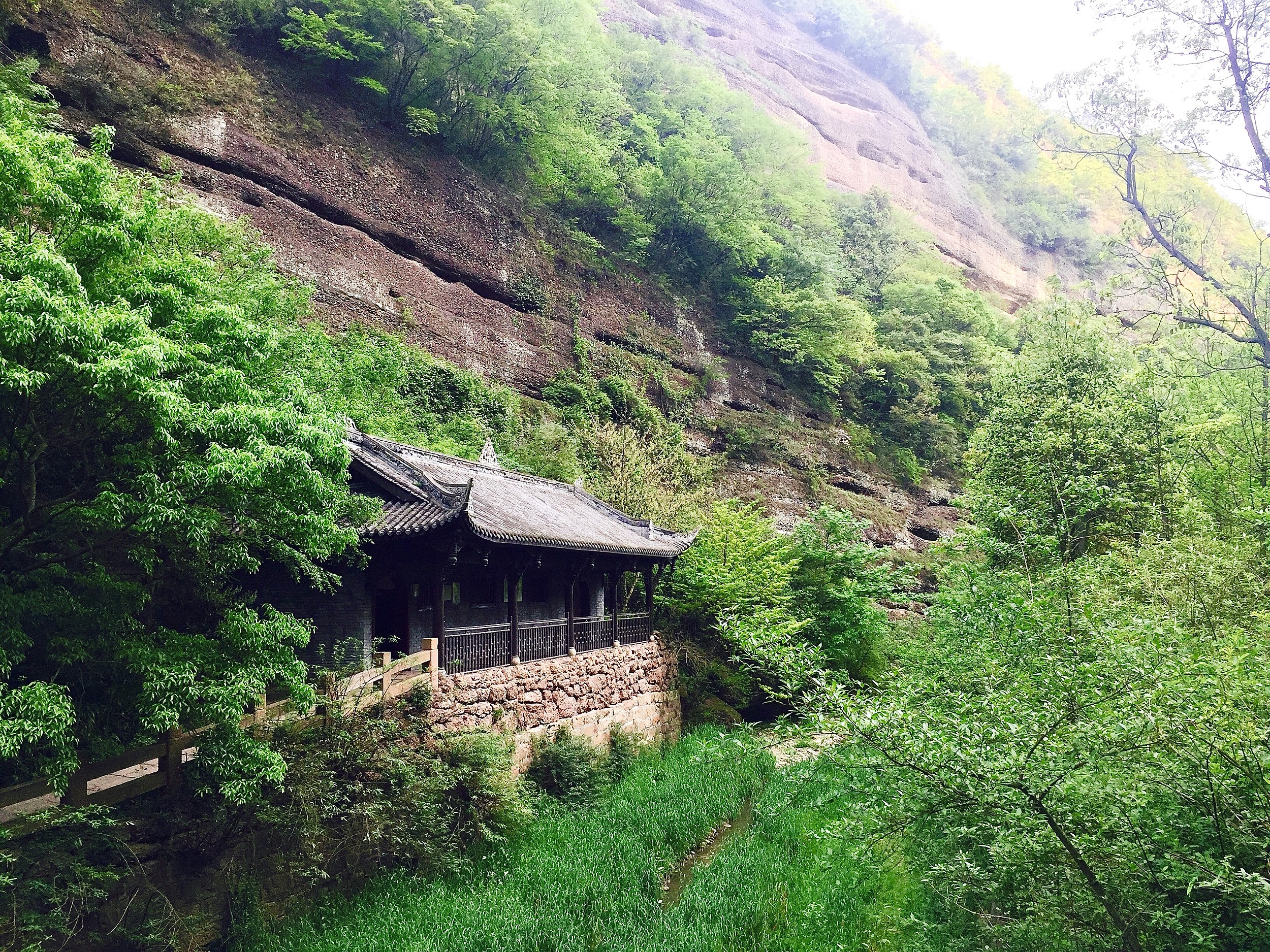
Jianmen Shu Road was an important ancient route from the Guanzhong Plain through the Qinling and Bashan Mountains into Sichuan, with many cultural relics such as ancient plank roads, passes, and cliff inscriptions along the way.
Explore rich intangible cultural heritage and traditional crafts
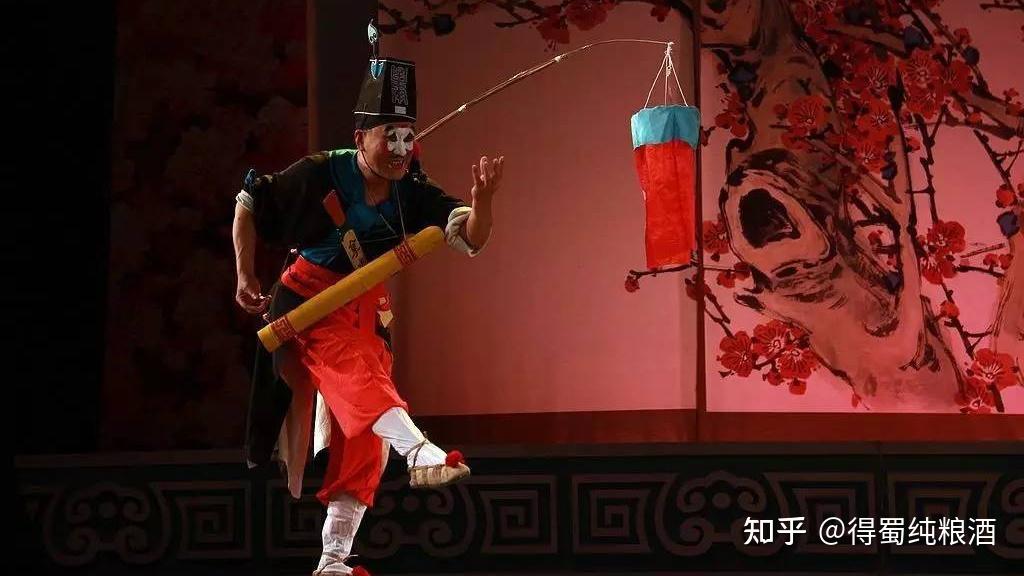
Traditional opera popular in northern Sichuan, using lanterns as main props, lively performance style with strong local flavor.
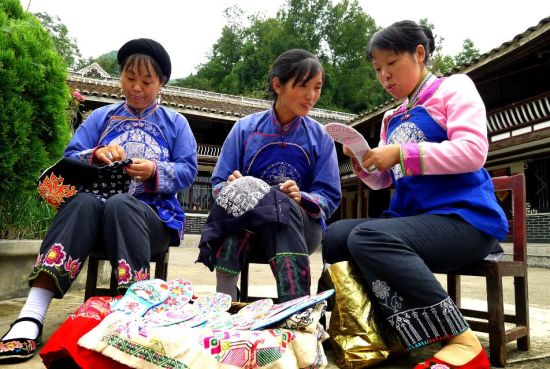
Traditional embroidery skill from Maliu Township, Chaotian District, Guangyuan, known for full composition, bright colors, and diverse stitching.
Must-know transportation for exploring the city
Located in Panlong Town, Lizhou District, with flights to Beijing, Shanghai, Guangzhou, Shenzhen, Chengdu, etc.
Fares vary by season and advance booking
Guangyuan Station is for regular trains, Guangyuan West Station for high-speed trains. Intersection of Xi'an-Chengdu HSR and Lanzhou-Chongqing Railway, direct to Chengdu, Xi'an, Lanzhou, Chongqing, etc.
HSR second class to Chengdu about 110 yuan, to Xi'an about 150 yuan
City bus routes cover major attractions and commercial areas, fare 1-2 yuan. There are also tourist shuttles to Jianmen Pass, Zhaohua Ancient City, etc.
1-2 yuan
Taste the most authentic and popular local specialties
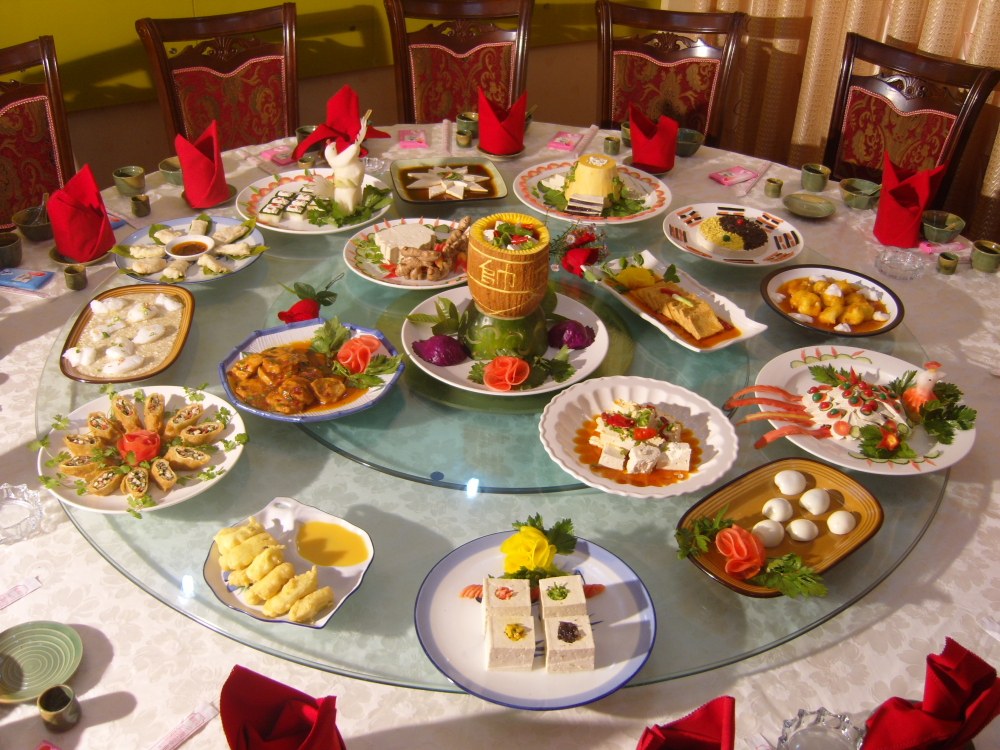
Special banquet in Jianmen Pass, using local high-quality tofu, can make hundreds of tofu dishes, such as Huaitai Tofu and Guotie Tofu.
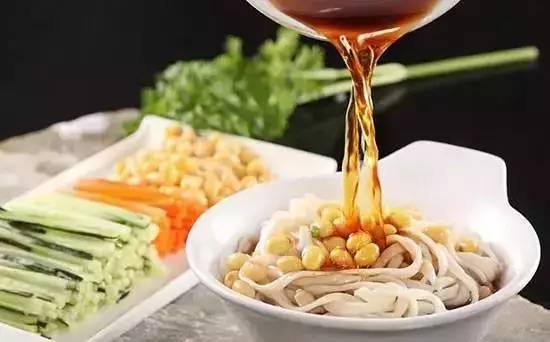
Traditional snack of Guangyuan, said to be created by Wu Zetian. Noodles are steamed and then mixed with chili oil, Sichuan pepper, etc., refreshing taste.
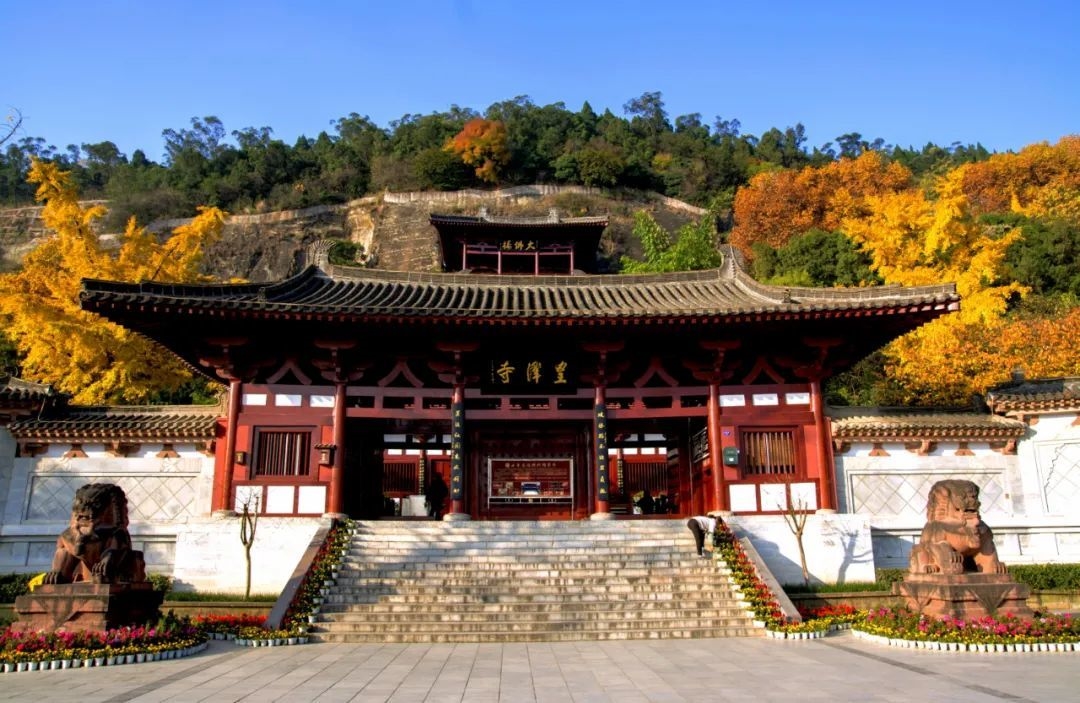
National 4A scenic spot in Lizhou District, a temple dedicated to Wu Zetian, with cliff carvings and historical inscriptions.
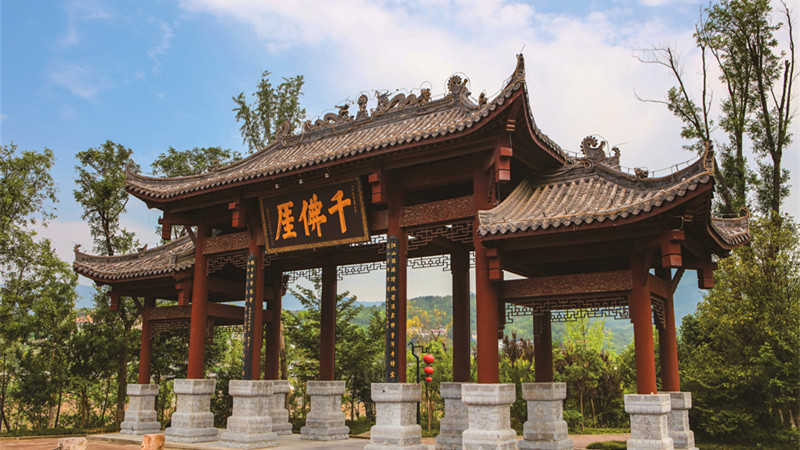
National 4A scenic spot on the east bank of Jialing River in Lizhou District, one of the largest grotto groups in Sichuan, first carved in the Northern Wei Dynasty.
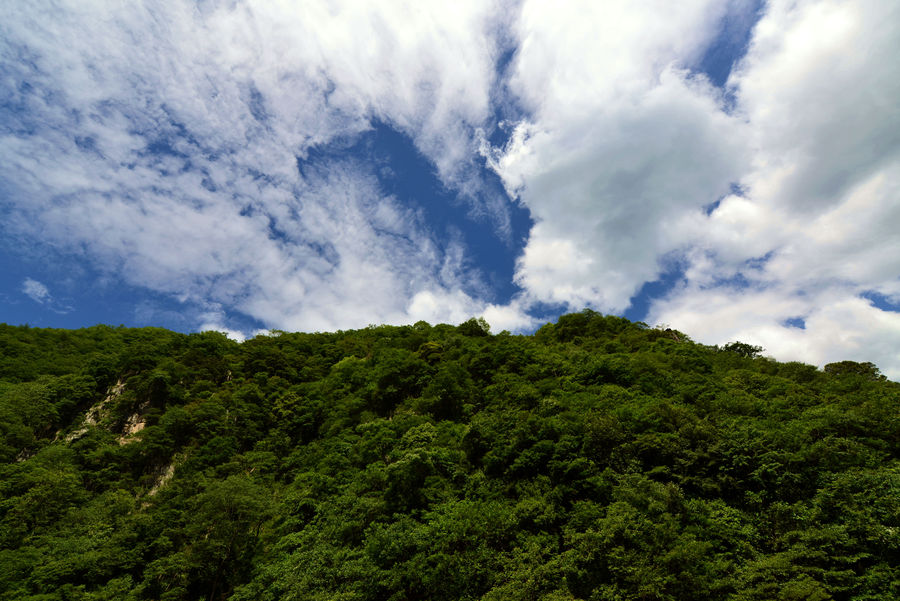
National 4A scenic spot in Qingchuan County, a nature reserve for giant pandas, golden monkeys, and other rare animals, known as 'natural gene bank'.
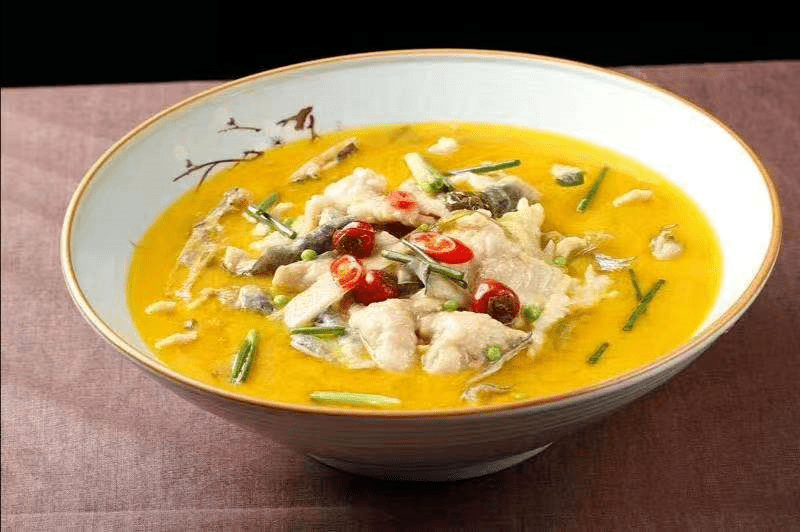
The Jialing River is rich in various fish, such as Jiangtuan and Huanglading. Steamed or braised, the meat is tender.
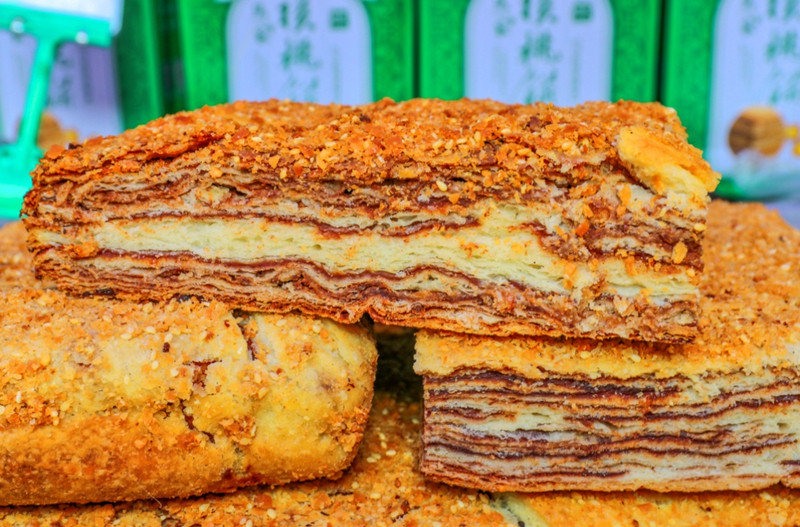
Traditional pastry with local walnut filling, crispy outside and sweet inside, a specialty gift from Guangyuan.
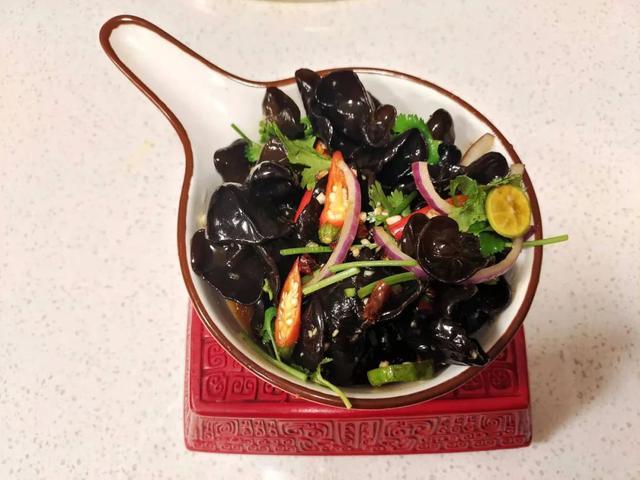
Specialty of Qingchuan County, national geographical indication product. Thick flesh, crispy texture, rich in nutrition.