
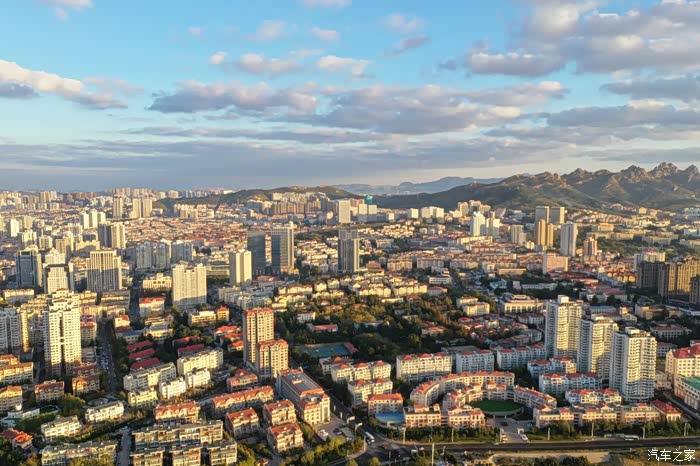
Golog Tibetan Autonomous Prefecture is located in the southeastern part of Qinghai Province, in the hinterland of the Qinghai-Tibet Plateau, with an average altitude of over 4,000 meters. The climate is cold and dry, with large temperature differences between day and night and abundant sunshine.
Golog has a long history. It was inhabited by the Qiang people in ancient times, belonged to Tubo during the Tang Dynasty, and was under the jurisdiction of the Xuanzheng Yuan during the Yuan Dynasty. The autonomous prefecture was established in 1954. It is an important birthplace of Gesar culture.
Golog's culture is predominantly Tibetan, and the Epic of King Gesar has been listed as a UNESCO Intangible Cultural Heritage. Local cuisine includes yak meat, butter tea, and highland barley wine, with unique flavors.
In recent years, Golog has developed its economy through ecotourism and animal husbandry. Infrastructure has gradually improved, but the pristine natural landscape has been preserved.
The best time to visit 果洛 is June to September (Summer).
Summer is relatively mild, with average temperatures of 10-20°C, suitable for outdoor activities.
July to August is the best time to see lush grasslands and blooming wildflowers.
Winter is extremely cold and not recommended, but offers snow and ice landscapes.
On January 1, 1954, Golog Tibetan Autonomous Prefecture was officially established as a prefecture under Qinghai Province.
The Epic of King Gesar was included in the first batch of China's National Intangible Cultural Heritage list, with Golog as its main area of circulation.
Golog Maqin Airport officially opened, with routes to Xining, Chengdu, etc., greatly improving transportation.
Recommended places to visit
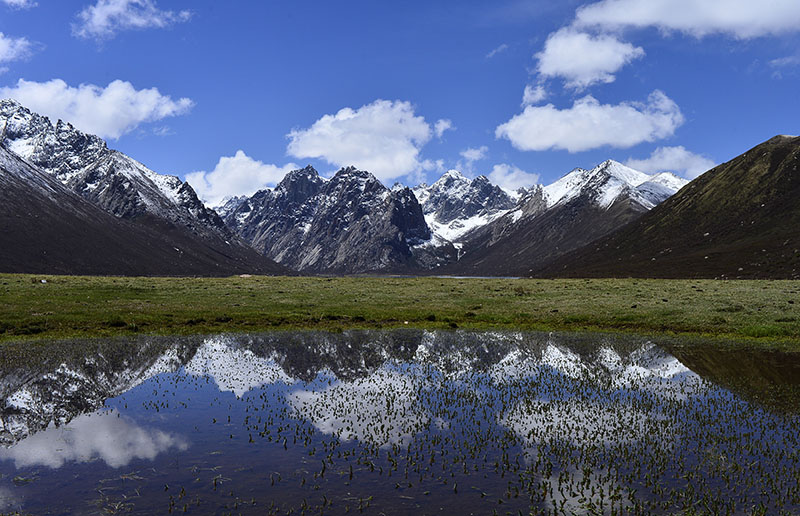
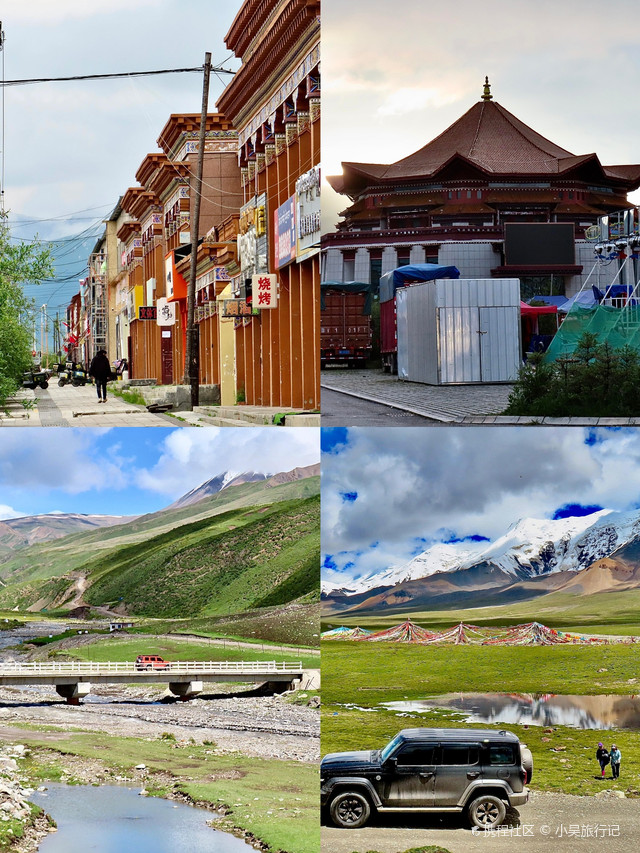
Nianbaoyuze is the most famous natural scenic area in Golog, known for snow mountains, lakes, and meadows, and is called 'the back garden of the gods'.
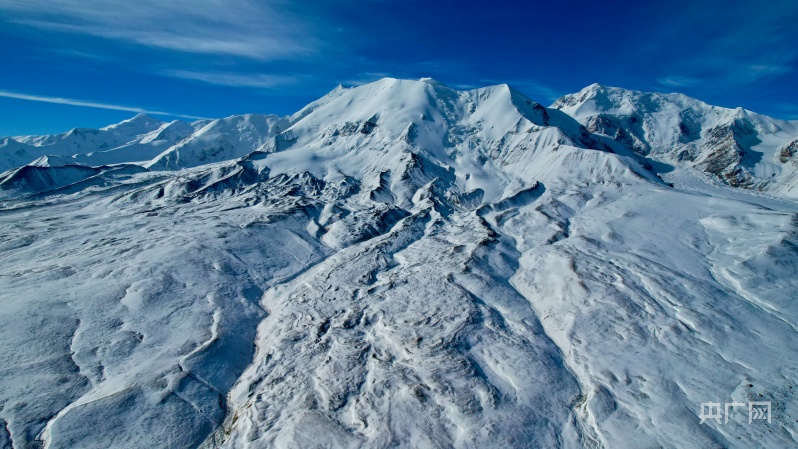
Anyemaqen is one of the four sacred mountains in Tibetan areas, with an altitude of 6,282 meters, covered with snow all year round, a holy place for mountaineering and pilgrimage.
Explore rich intangible cultural heritage and traditional crafts

The Epic of King Gesar is a Tibetan folk storytelling art, inscribed on the UNESCO Representative List of the Intangible Cultural Heritage of Humanity in 2009.
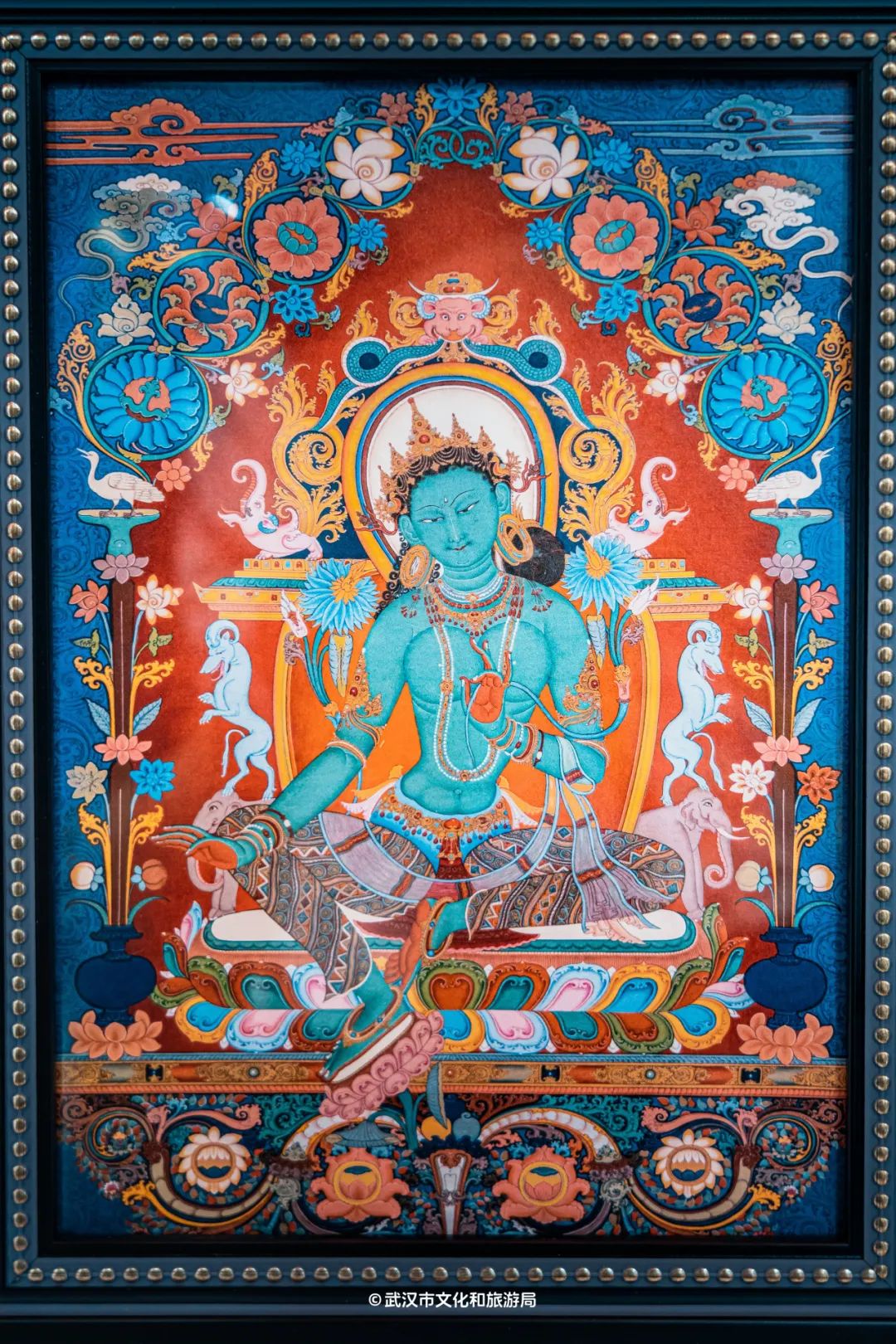
Golog Thangka is known for its bright colors and fine lines, inscribed on the National Intangible Cultural Heritage list in 2006.
Must-know transportation for exploring the city
The airport is located in Maqin County, with flights to Xining, Chengdu, Xi'an, etc.
About 500 CNY from Xining
Currently no direct train, the planned Xining-Golog railway is under development.
N/A
There are buses from Xining bus station to Dawu Town (prefecture capital), about 8 hours.
About 150 CNY
Taste the most authentic and popular local specialties
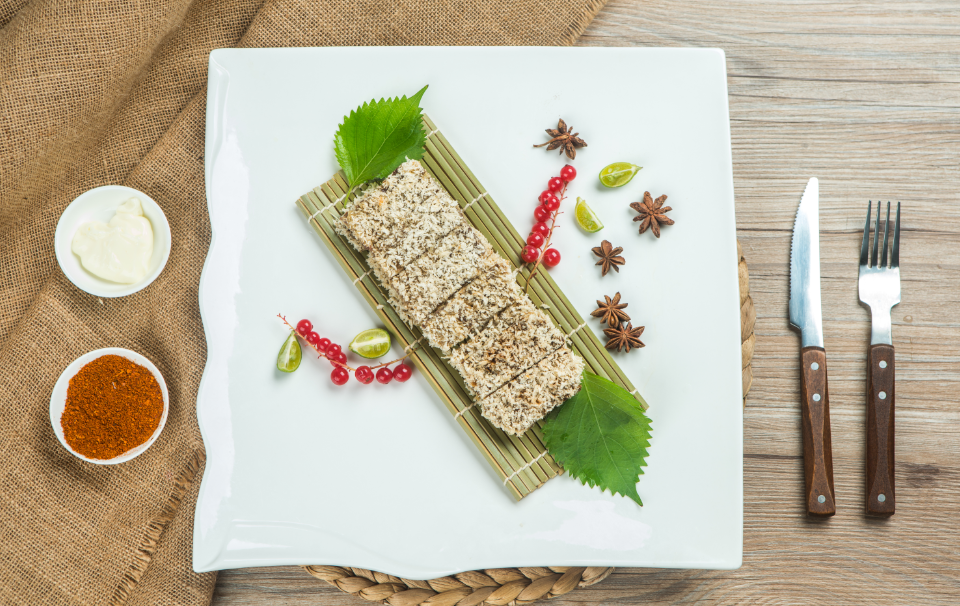
Golog plateau yak meat is delicious, high in protein and low in fat, often dried or stewed.
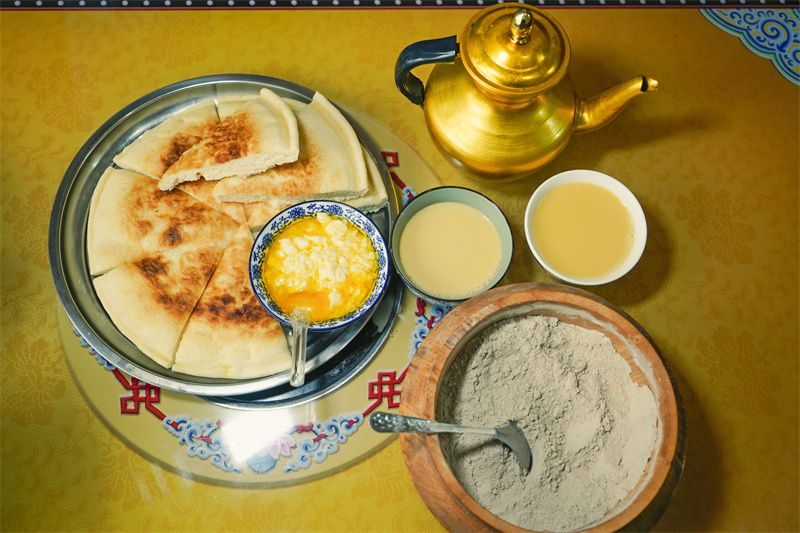
Traditional Tibetan drink made from butter, tea, and salt, high in calories, suitable for keeping warm on the plateau.
Located in Maqin County, it displays relics, thangkas, and sculptures related to the Epic of King Gesar, a window to understanding Gesar culture.
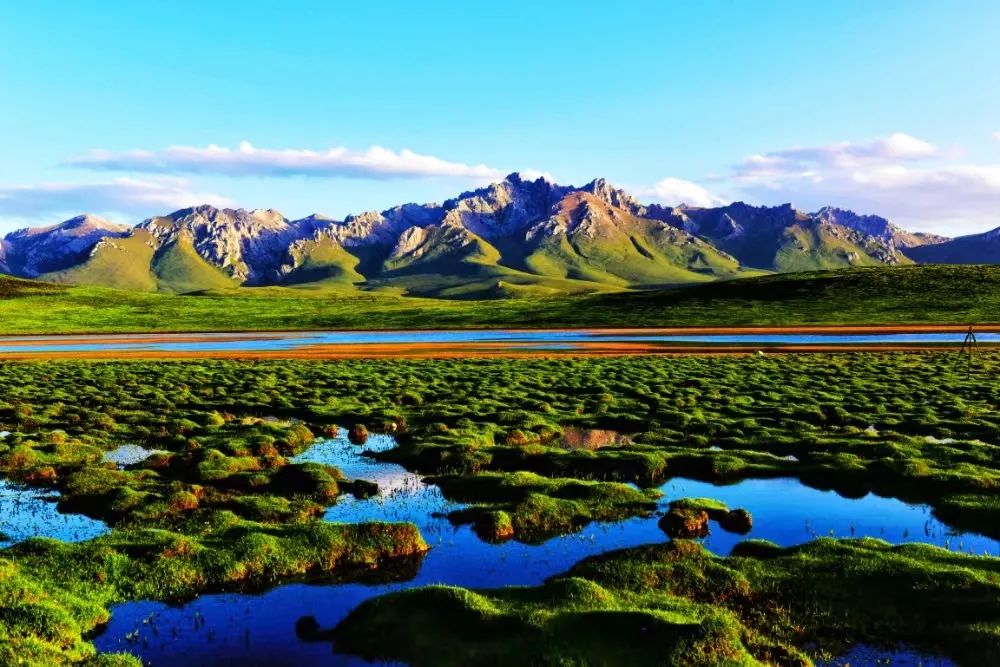
The source area of the Yellow River in Golog includes Zhaling Lake and Eling Lake, with magnificent scenery and pristine ecology.
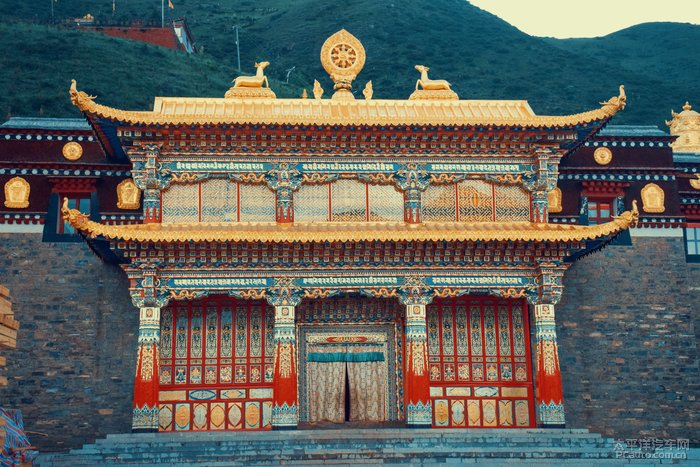
Baiyu Monastery is a Nyingma sect Tibetan Buddhist monastery located in Banma County, with magnificent architecture and strong religious atmosphere.
Tibetan wine made from highland barley, mellow taste, moderate alcohol content.
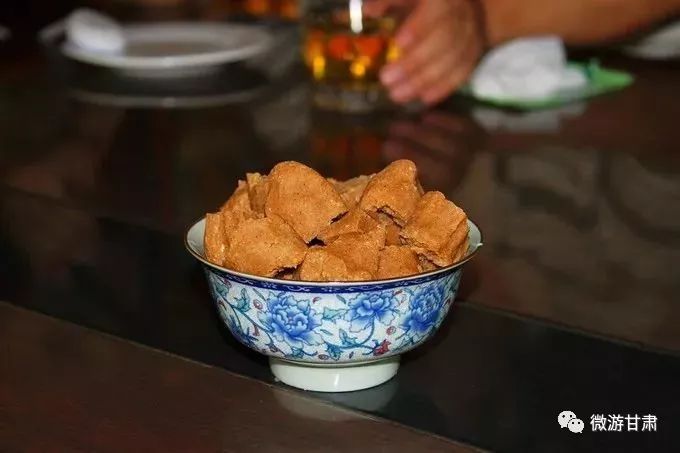
Tibetan staple food, roasted highland barley flour mixed with butter tea and kneaded into balls.

Made from fermented yak milk, thick and tangy with a creamy skin on top.