
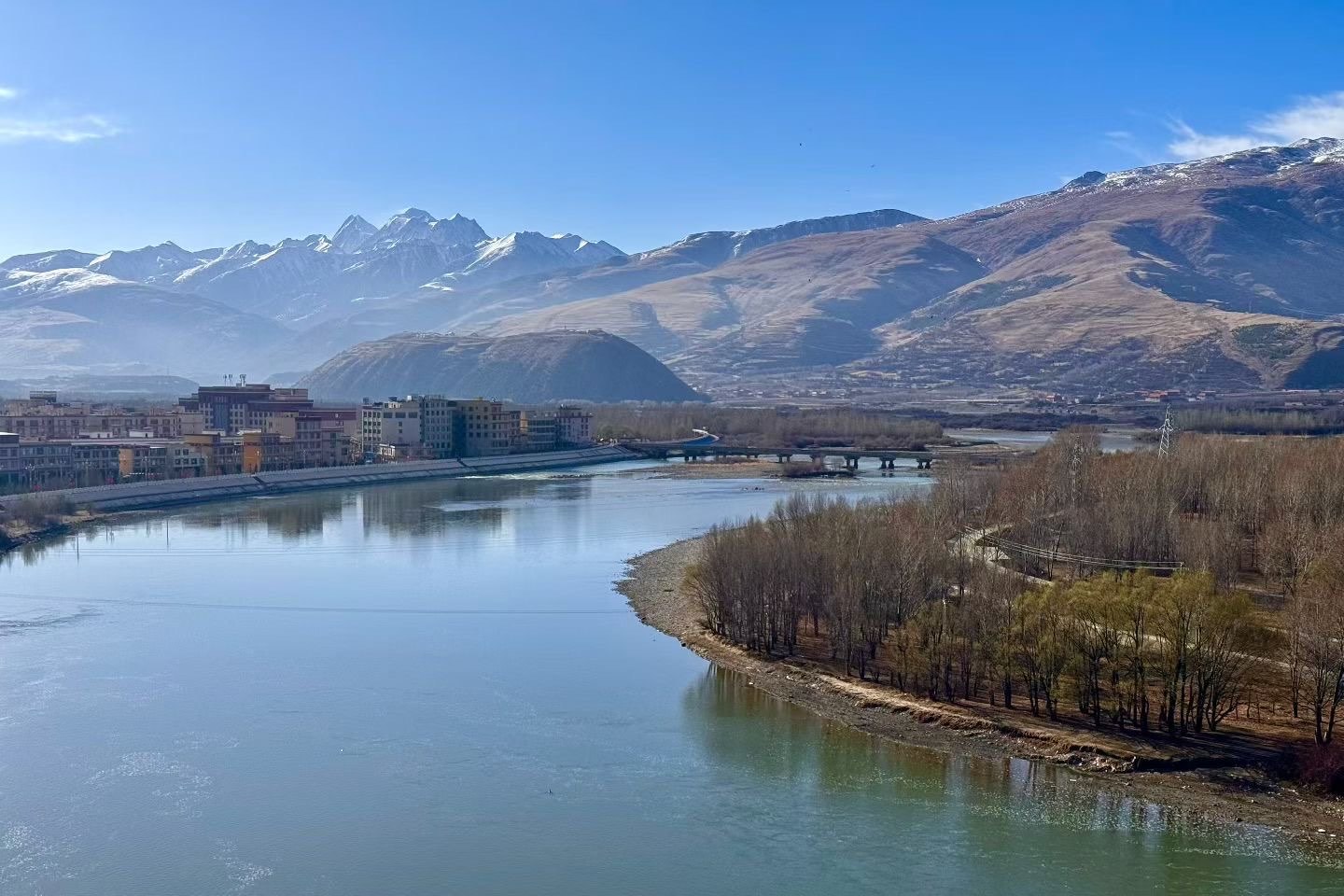
Garzê Tibetan Autonomous Prefecture is located in western Sichuan Province, on the southeastern edge of the Qinghai-Tibet Plateau, with an average altitude of over 3,500 meters. It has a plateau monsoon climate, with low temperatures year-round, large diurnal temperature differences, abundant sunshine, and little precipitation. Winters are long and cold, while summers are short and cool.
In ancient times, Garzê was inhabited by the Qiang and Rong peoples. It was part of Tubo during the Tang Dynasty, saw the establishment of the Tusi system in the Yuan Dynasty, and underwent bureaucratic reform in the Qing Dynasty. In 1950, the Xikang Province Tibetan Autonomous Region was established, and in 1955 it was incorporated into Sichuan Province. Historically, it was an important node on the Sichuan-Tibet Tea Horse Road, a place where Han and Tibetan cultures blended.
Garzê is the core area of Khampa culture, featuring unique Tibetan songs and dances, thangka paintings, and Tibetan opera. Local cuisine is represented by tsampa, butter tea, yak meat, and highland barley wine, which are rich in flavor and nutrition.
In recent years, Garzê has vigorously developed tourism, becoming famous for attractions like Daocheng Yading and Hailuogou. Infrastructure construction has accelerated, with airports and highway networks gradually improving. Balancing ecological protection and tourism development, it has become a sought-after destination for domestic and international travelers.
The best time to visit 甘孜 is Best in spring and autumn; summer for cool escape, winter for snow views.
Spring (April-June): Garzê gradually becomes green, with grasslands turning verdant and rhododendrons blooming. The weather is mild, suitable for hiking and photography.
Autumn (September-November): Clear skies and colorful forests make scenic spots like Yading in Daocheng particularly vibrant. It's the golden season for photography.
Winter (December-March): The plateau offers magnificent snow scenes, but temperatures are extremely low and some roads may be snow-covered. Suitable for travelers who enjoy snow and challenges.
The Yuan Dynasty implemented the Tusi system in the Garzê area, appointing local chieftains as Tusi to strengthen central control over the border region.
In November 1950, the Xikang Province Tibetan Autonomous Region was established in Kangding, marking the beginning of ethnic regional autonomy in the Garzê area.
Recommended places to visit
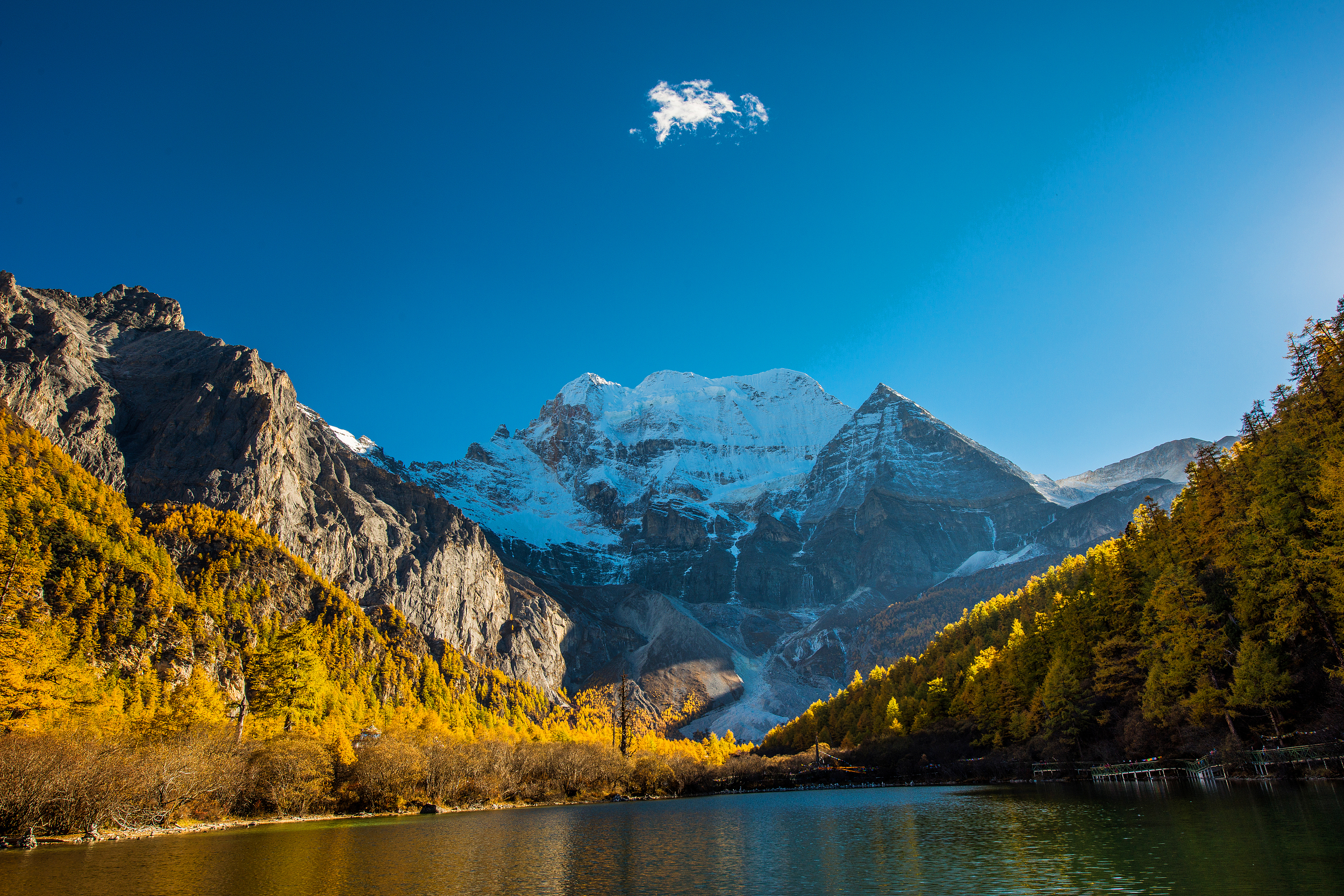
Known as 'the last pure land on the blue planet', it features magnificent landscapes of snow mountains, glaciers, forests, meadows, and lakes, a paradise for photographers and hikers.
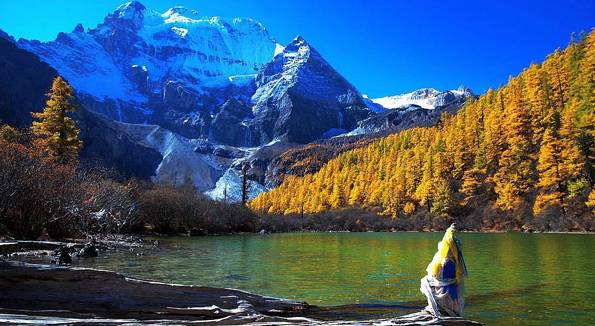
Famous for its low-altitude modern glacier, visitors can get close to the glacier, enjoy ice waterfalls, hot springs, and primeval forests. It is an important part of Mount Gongga.
UNESCO World Heritage Sites
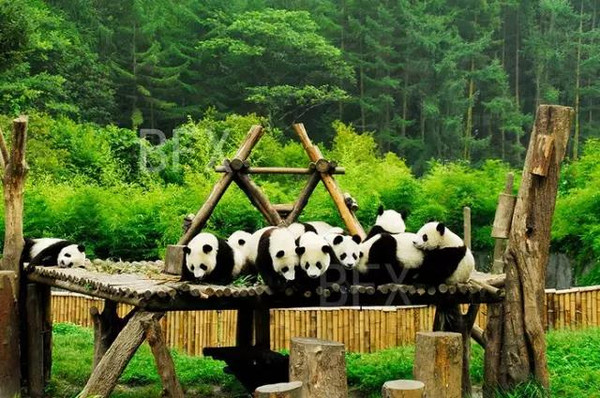
A UNESCO World Natural Heritage site, including Wolong, Siguniang Mountain, etc. Parts of Garzê are within the sanctuary, protecting giant pandas and other rare species.
Explore rich intangible cultural heritage and traditional crafts
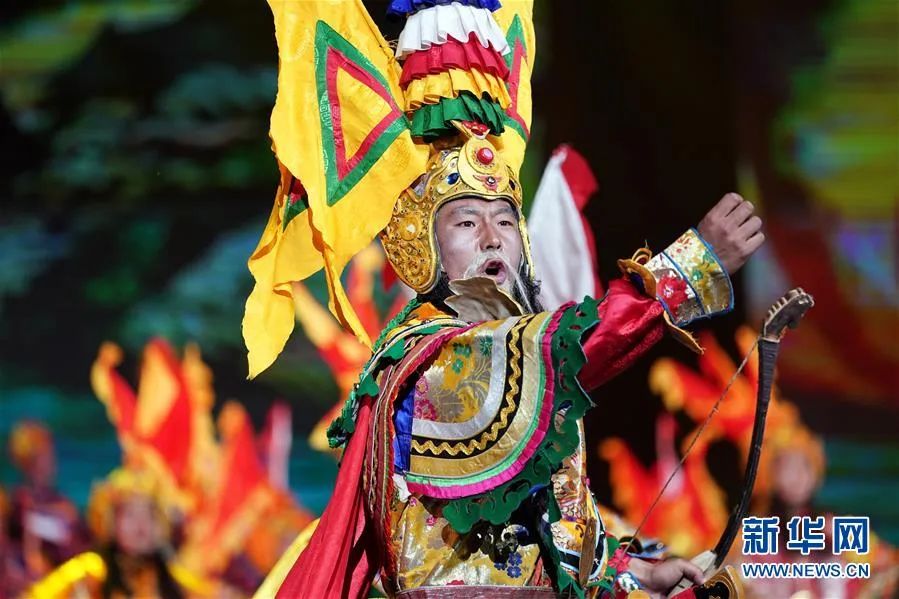
A UNESCO Intangible Cultural Heritage, a long heroic epic collectively created by the Tibetan people, transmitted orally and in writing. Garzê is one of the main regions where it is preserved.
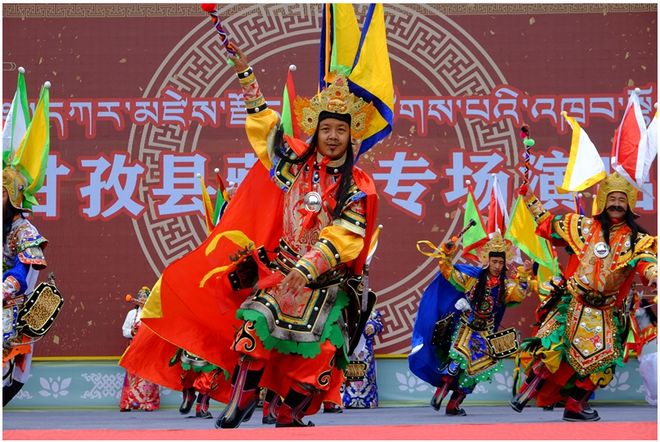
A UNESCO Intangible Cultural Heritage. Garzê Tibetan Opera is an important school of Tibetan opera, known for its masks, songs, dances, and storylines.
Must-know transportation for exploring the city
Located in Kangding, with flights to Chengdu, Chongqing, etc. It is the main aerial gateway to Garzê. The airport is at 4,280 meters altitude; be aware of altitude sickness.
Chengdu-Kangding approx. 300-800 RMB
The Chengdu-Ya'an section of the Sichuan-Tibet Railway is in operation, while the Ya'an-Nyingchi section is under construction. In the future, it will pass through Garzê. Currently, travelers can take a train to Ya'an and then transfer to a bus.
Chengdu-Ya'an approx. 50 RMB
Buses to Kangding, Daocheng, Sertar, etc., depart from Chadianzi Bus Station in Chengdu. It is the most economical way to enter Garzê. Travel time is long; advance booking recommended.
Chengdu-Kangding approx. 150 RMB
Taste the most authentic and popular local specialties
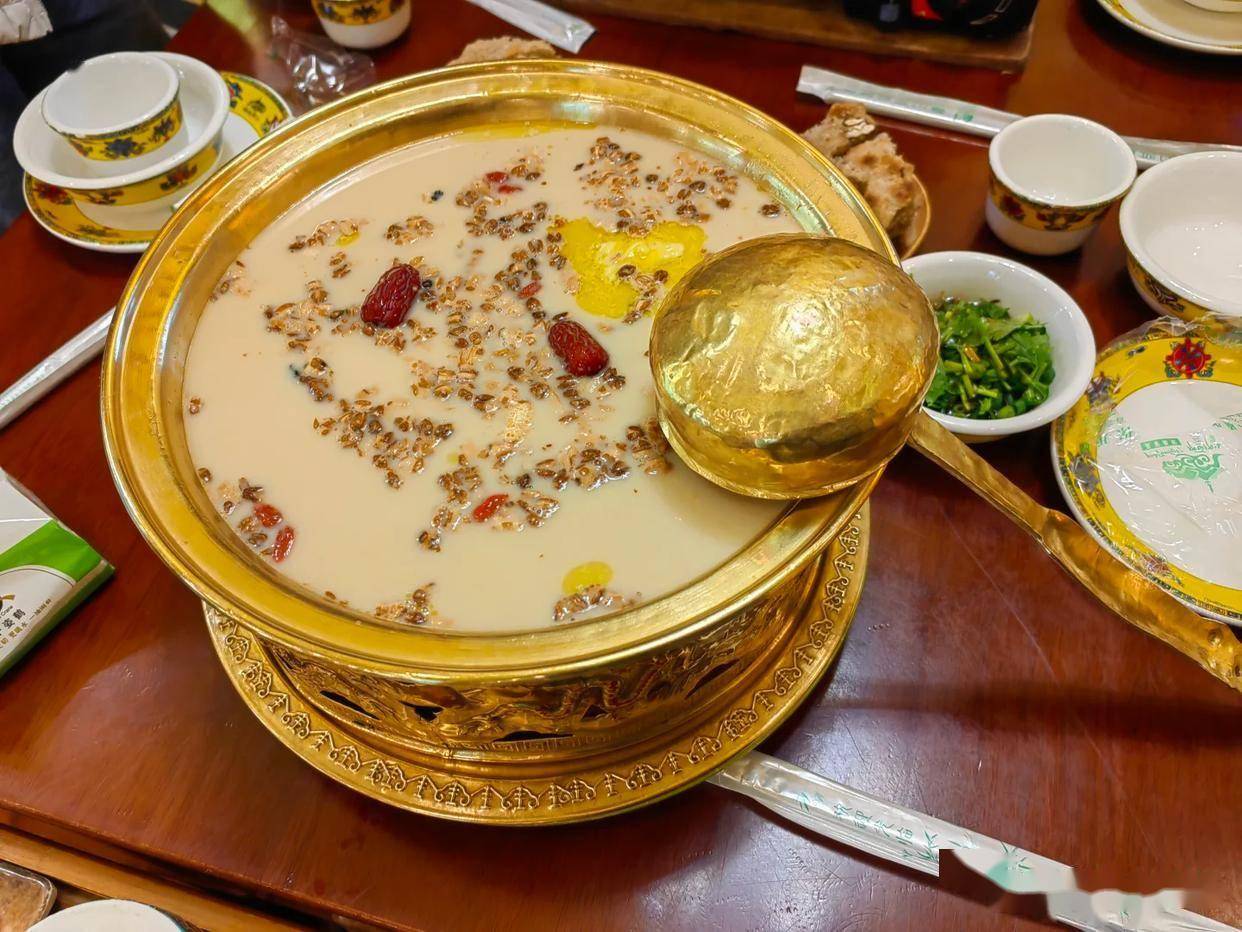
Traditional Tibetan drink made from brick tea, butter, and salt. Rich and delicious, it helps keep warm and refresh.
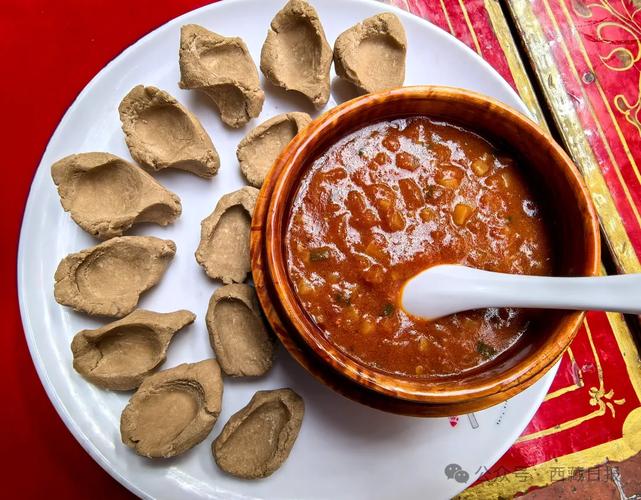
Tibetan staple food made from roasted highland barley flour. Eaten by kneading with butter tea or water into dough. Nutritious and portable.
In 1996, Daocheng Yading was designated as a national nature reserve, and later gradually developed into a famous tourist attraction, becoming the tourism icon of Garzê.
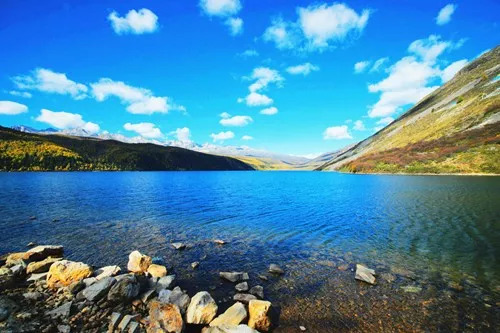
Characterized by alpine lakes, primeval forests, grasslands, and hot springs, it is famous for the folk song 'Kangding Love Song' and is the core scenic spot of Kangding.
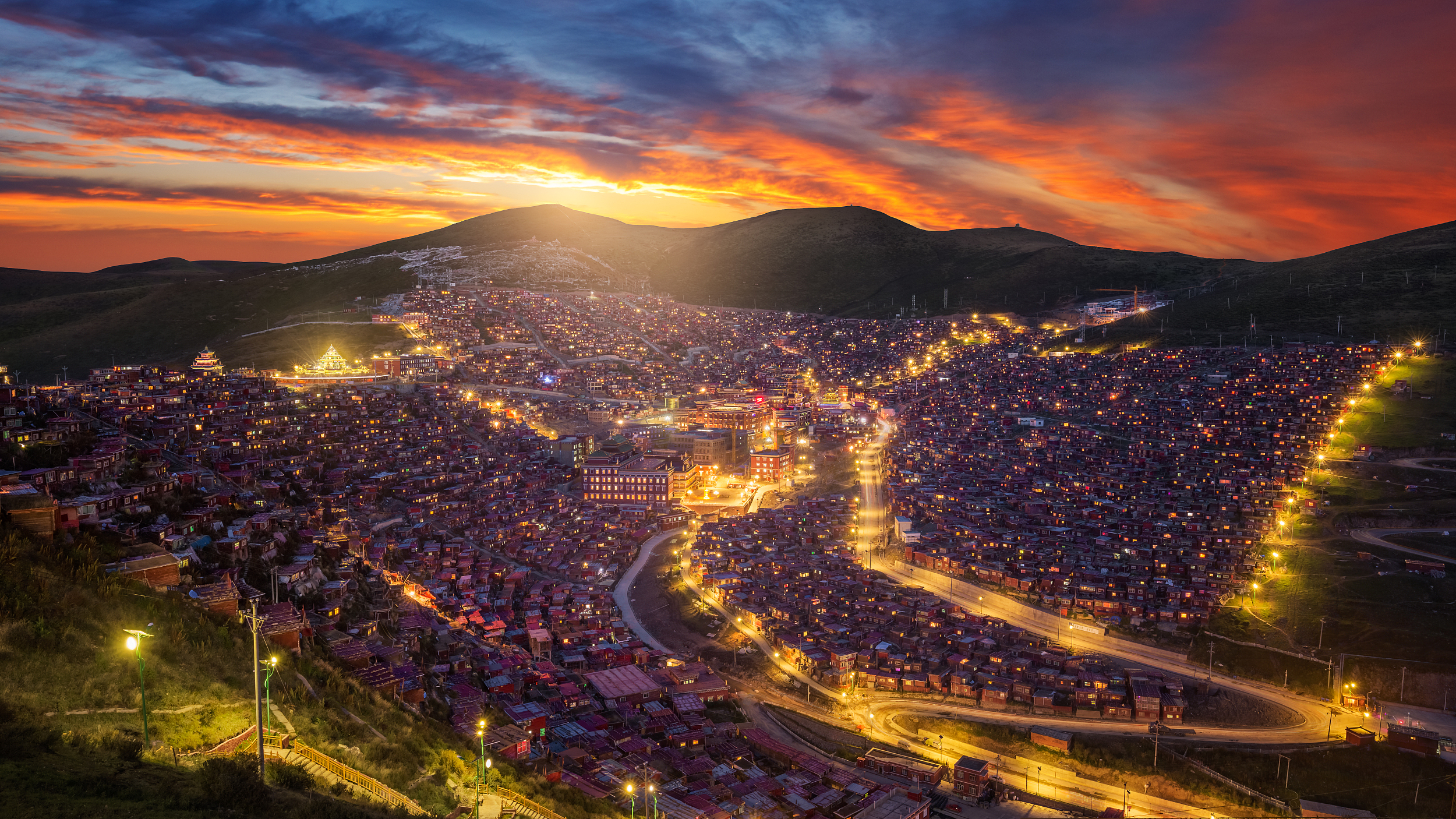
One of the largest Tibetan Buddhist academies in the world, with tens of thousands of red wooden houses cascading down the hillside, creating a stunning scene. A holy land for photography and Buddhist culture.
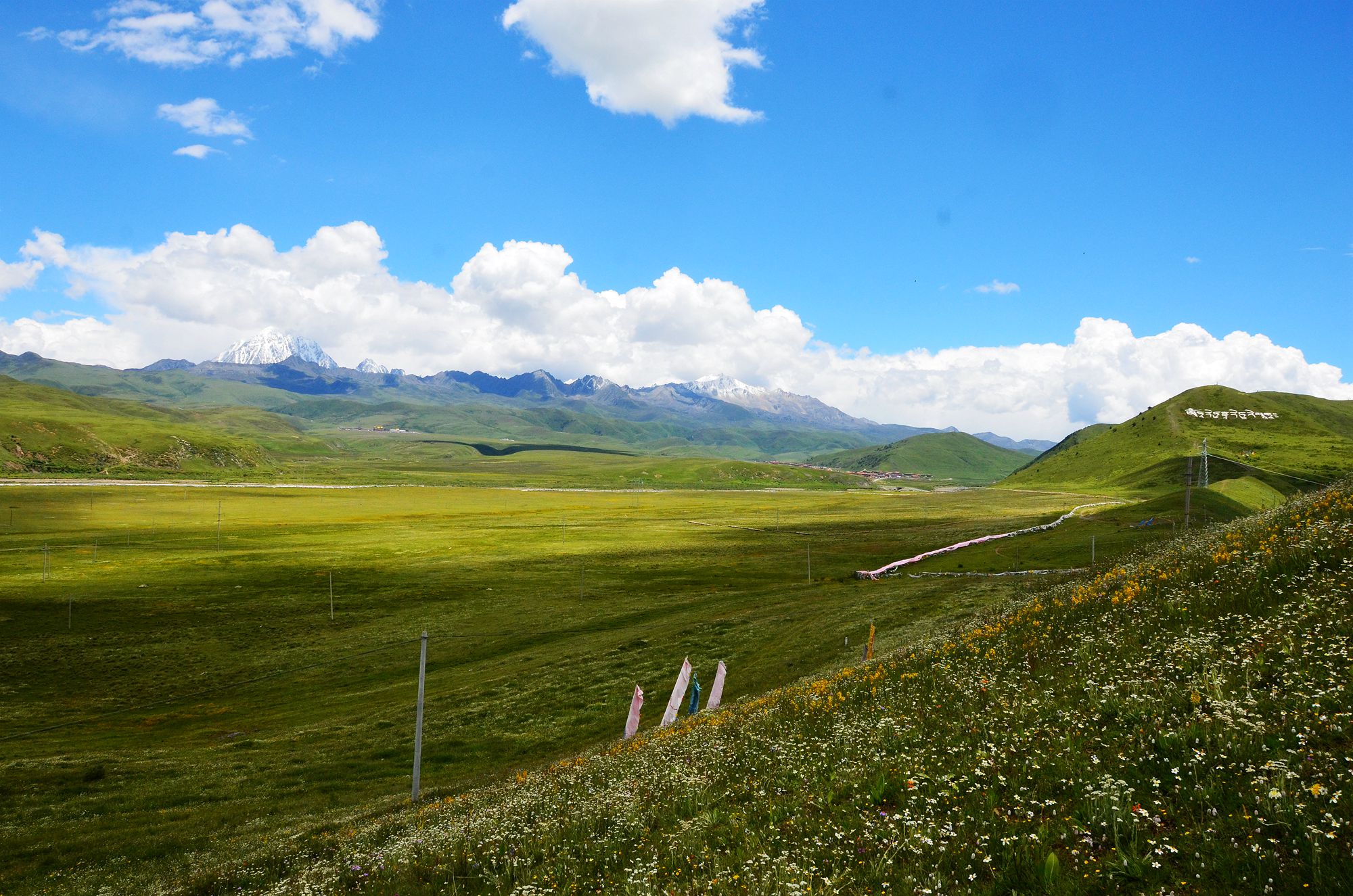
Located in Tagong Town, Kangding, it features vast grasslands, the majestic Yala Snow Mountain, and the splendid Tagong Monastery. An excellent place to experience Tibetan nomadic culture and grassland scenery.
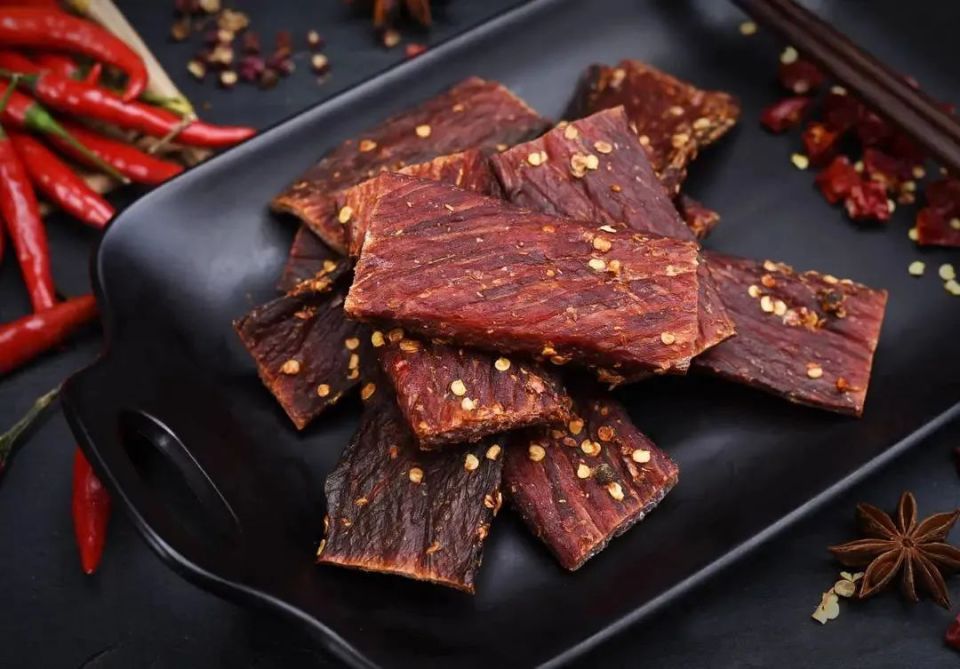
Unique plateau meat, firm texture, delicious taste, high protein and low fat. Common preparations include dried yak meat and yak meat hotpot.
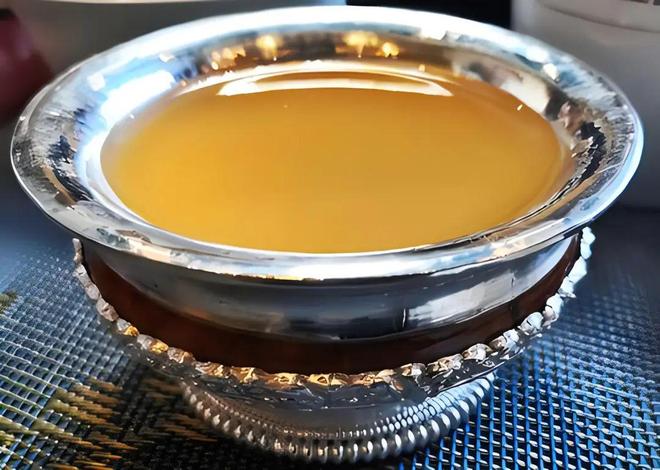
Traditional Tibetan alcoholic beverage made from fermented highland barley. Low alcohol content, sweet and sour taste. Essential for festivals and hospitality.
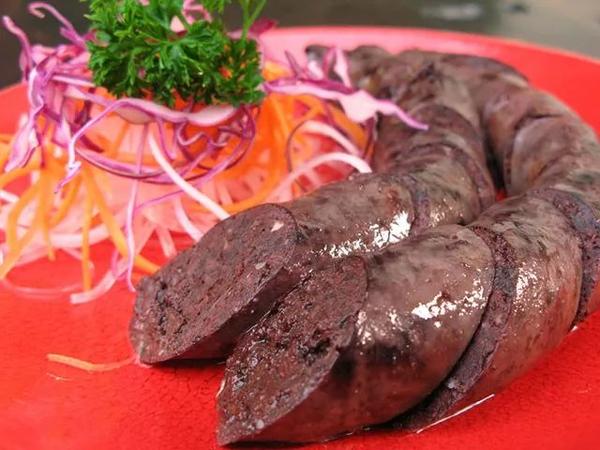
Tibetan specialty made by filling casings with cattle or sheep blood mixed with tsampa and fat. Boiled and sliced, it has a unique flavor.