
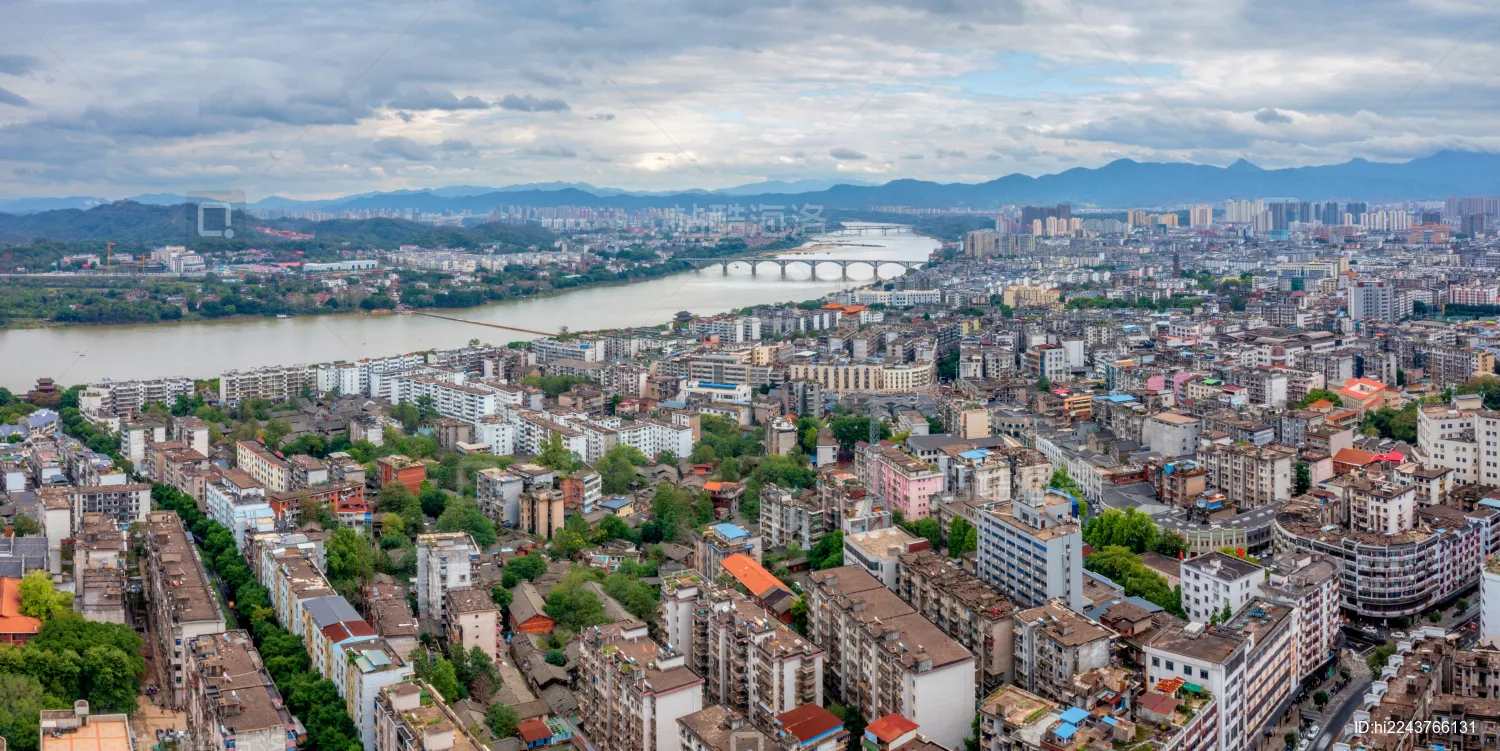
Ganzhou is located in the southern part of Jiangxi Province, in the upper reaches of the Gan River, at the intersection of the Nanling, Wuyi, and Luoxiao mountain ranges. It has a subtropical monsoon climate with four distinct seasons and abundant rainfall.
Ganzhou has a long history. It was established as a county in the sixth year of Emperor Gaozu of Han (201 BC) and has a history of over 2,200 years. It was one of the 36 major cities in the Song Dynasty and retains a complete Song Dynasty city wall and an ancient pontoon bridge.
Ganzhou is one of the birthplaces of Hakka culture. It is rich in intangible cultural heritage, such as Hakka enclosed houses, Gannan tea-picking opera, and Xingguo folk songs. The local cuisine is characterized by fresh, spicy, sour, and fragrant flavors, with representative dishes like Gannan fried fish, Ningdu meatballs, and Ruijin beef soup.
Ganzhou is the largest city in Jiangxi Province by area and a national base for rare metal industries and advanced manufacturing. In recent years, it has vigorously developed the high-speed rail economy, built itself into a sub-provincial central city, and the city's appearance is changing rapidly.
The best time to visit 赣州 is Spring (March-May) and Autumn (September-November) offer pleasant weather and beautiful scenery..
Spring (March-May) has moderate temperatures and blooming flowers, making it the best time to see azaleas and visit the ancient city.
Autumn (September-November) is crisp and clear, perfect for climbing and enjoying the landscapes of Ganzhou.
Summer is hot and rainy, while winter is damp and cold. However, if you want to experience Hakka folk activities like dragon and lion dances during the Spring Festival, winter also offers a unique charm.
In the 6th year of Emperor Gaozu of Han (201 BC), Gan County was established, marking the founding of Ganzhou.
Ganzhou flourished in the Song Dynasty, with well-built city walls and floating bridges, attracting merchants from afar.
Ruijin was the seat of the provisional central government of the Chinese Soviet Republic, known as the 'Red Capital'.
Recommended places to visit
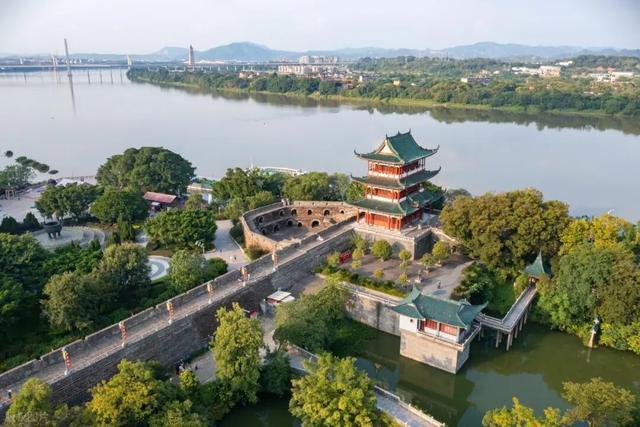
A Song Dynasty city wall stretching about 3.6 km, one of the most complete Song walls in China. Visitors can walk along it to overlook the Zhang and Gong rivers.
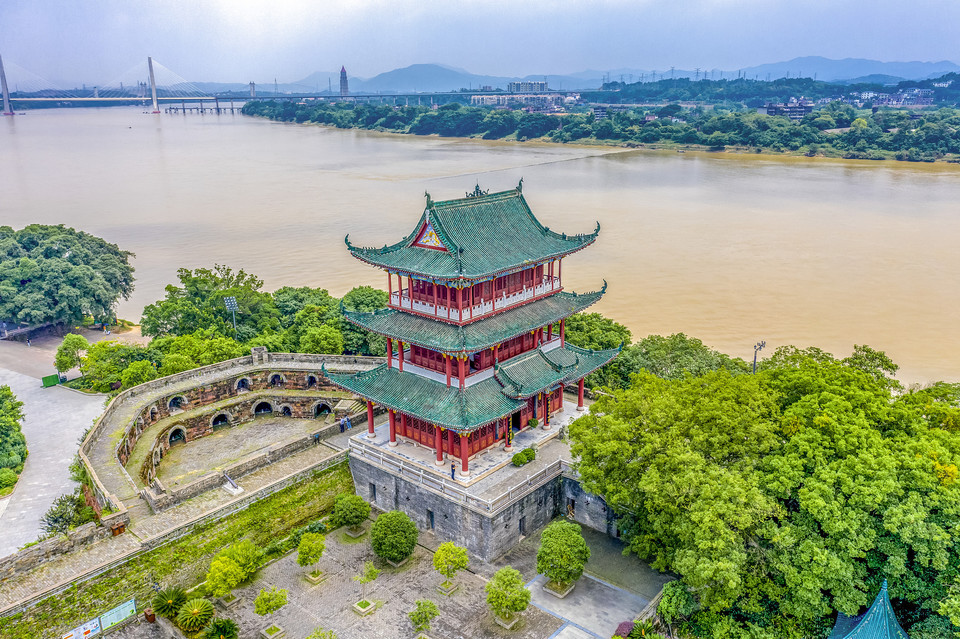
A three-story pavilion built in the Song Dynasty at the confluence of the Zhang and Gong rivers, offering views of the eight scenic spots of Ganzhou. It is a landmark of the city.
Explore rich intangible cultural heritage and traditional crafts
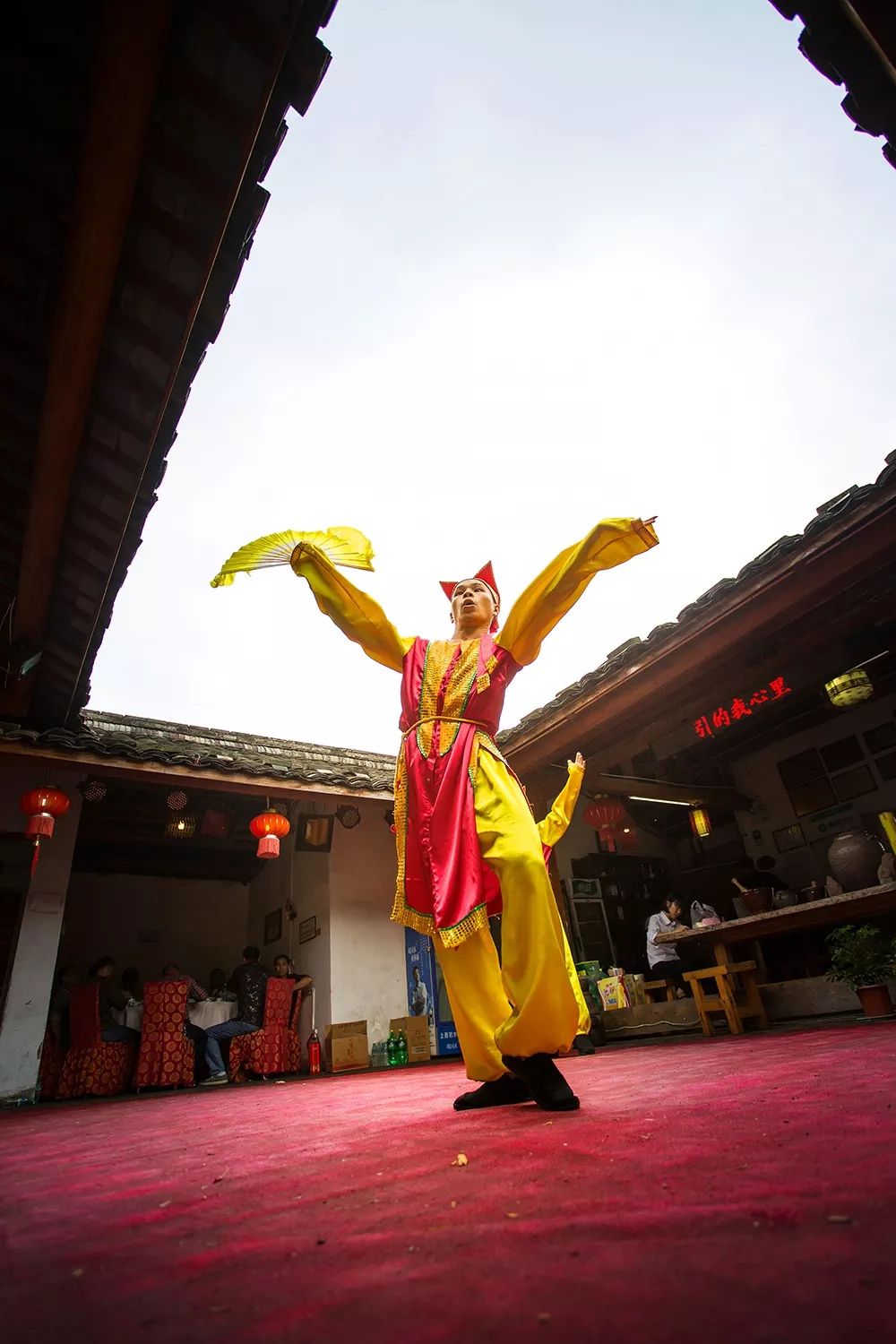
A national intangible cultural heritage, a unique local opera of southern Jiangxi, themed on tea farmers' lives, with beautiful melodies.
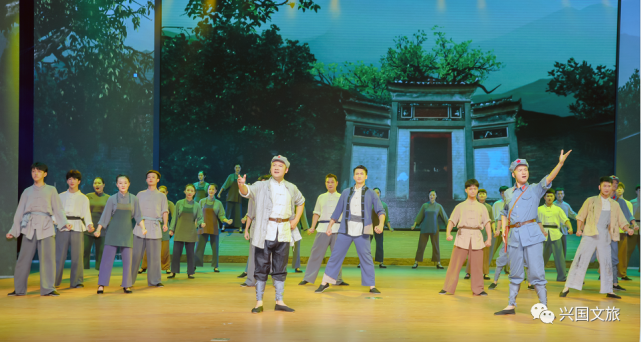
A national intangible cultural heritage, folk music of Xingguo County, characterized by improvisational antiphonal singing and high-pitched melodies.
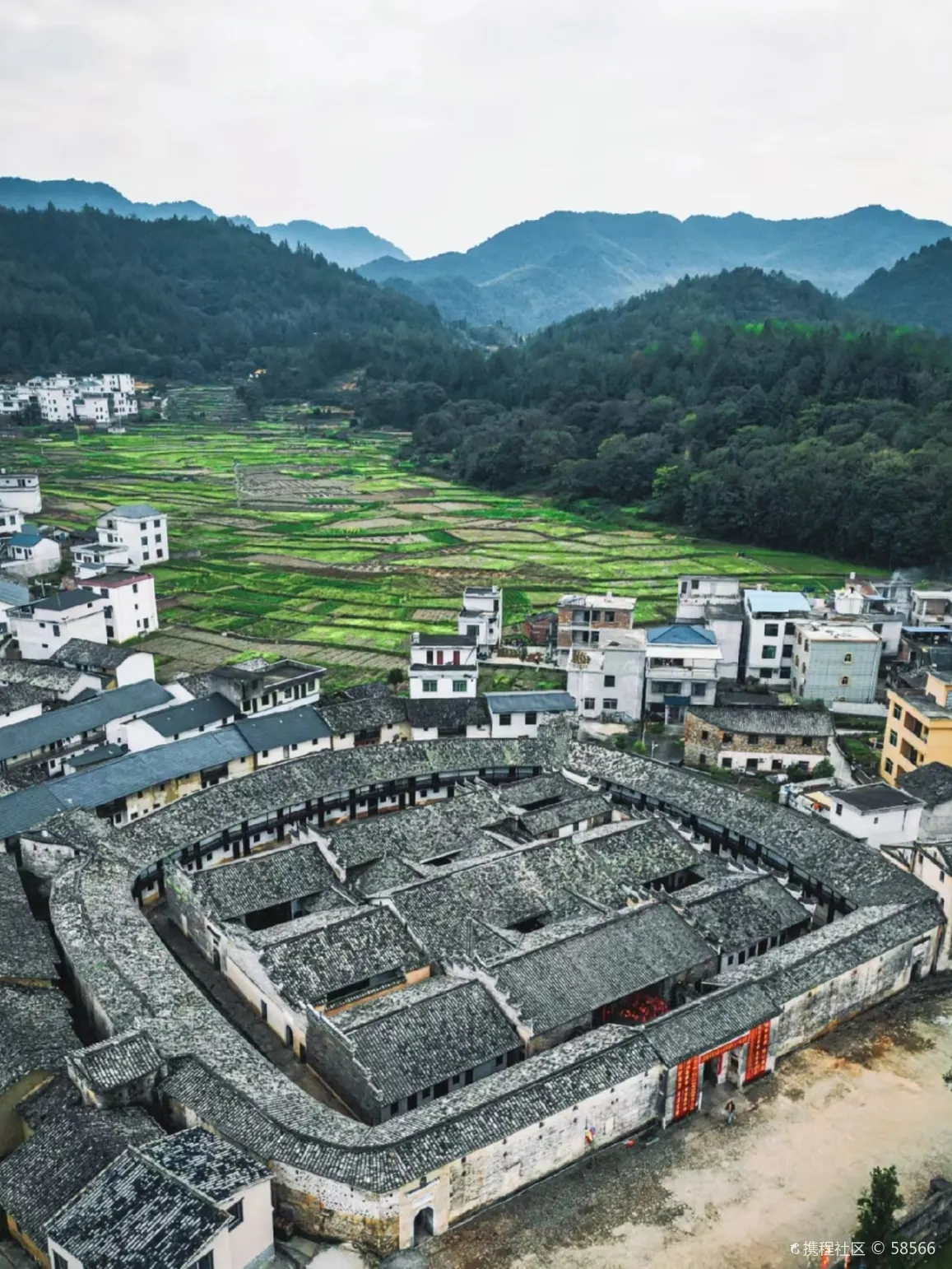
A national intangible cultural heritage. The Hakka enclosed houses in Ganzhou are distinctive buildings combining residence and defense, with unique construction techniques.
Must-know transportation for exploring the city
About 16 km from the city center, with flights to major cities like Beijing, Shanghai, Guangzhou, and Shenzhen.
Varies by season
Via the Beijing-Hong Kong high-speed railway and Ganruilong railway, providing fast access to Nanchang, Shenzhen, Xiamen, etc.
About 100-300 RMB for high-speed rail
The bus system covers major attractions and urban areas, with fares of 1-2 RMB. Some routes go directly to the Ancient City Wall and Bajing Tower.
1-2 RMB
Taste the most authentic and popular local specialties
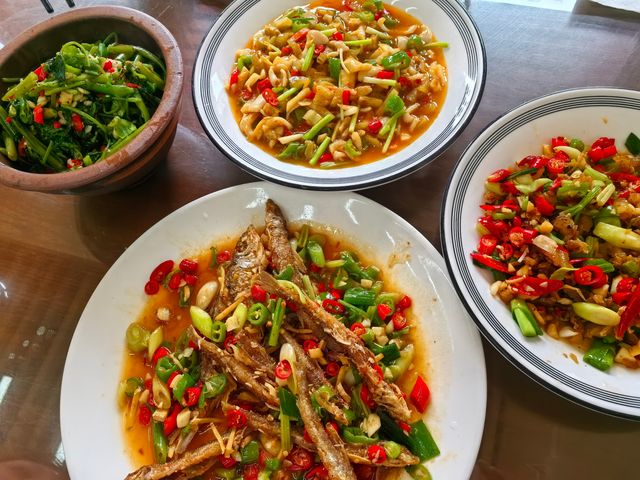
Stir-fried grass carp chunks with chili, ginger, and garlic. Fresh, spicy, and tender. It is the most representative dish of Ganzhou.
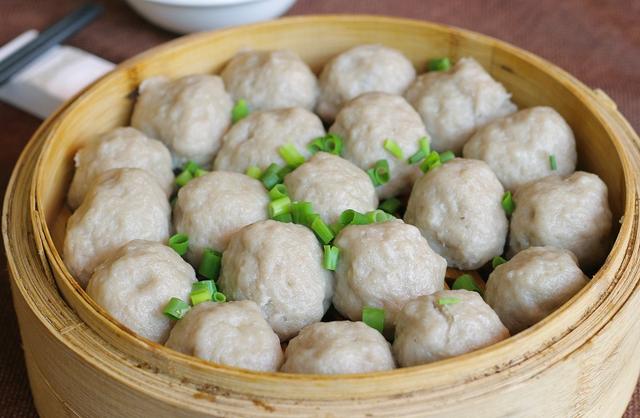
Made from lean pork and sweet potato starch, chewy texture, often served with chili sauce. A specialty of Ningdu County.
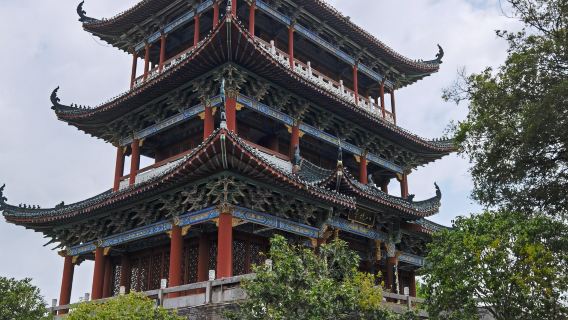
First built in the Tang Dynasty, famous for Xin Qiji's poem 'Buddhist Dancers' inscribed on the wall. It offers a panoramic view of Ganzhou.
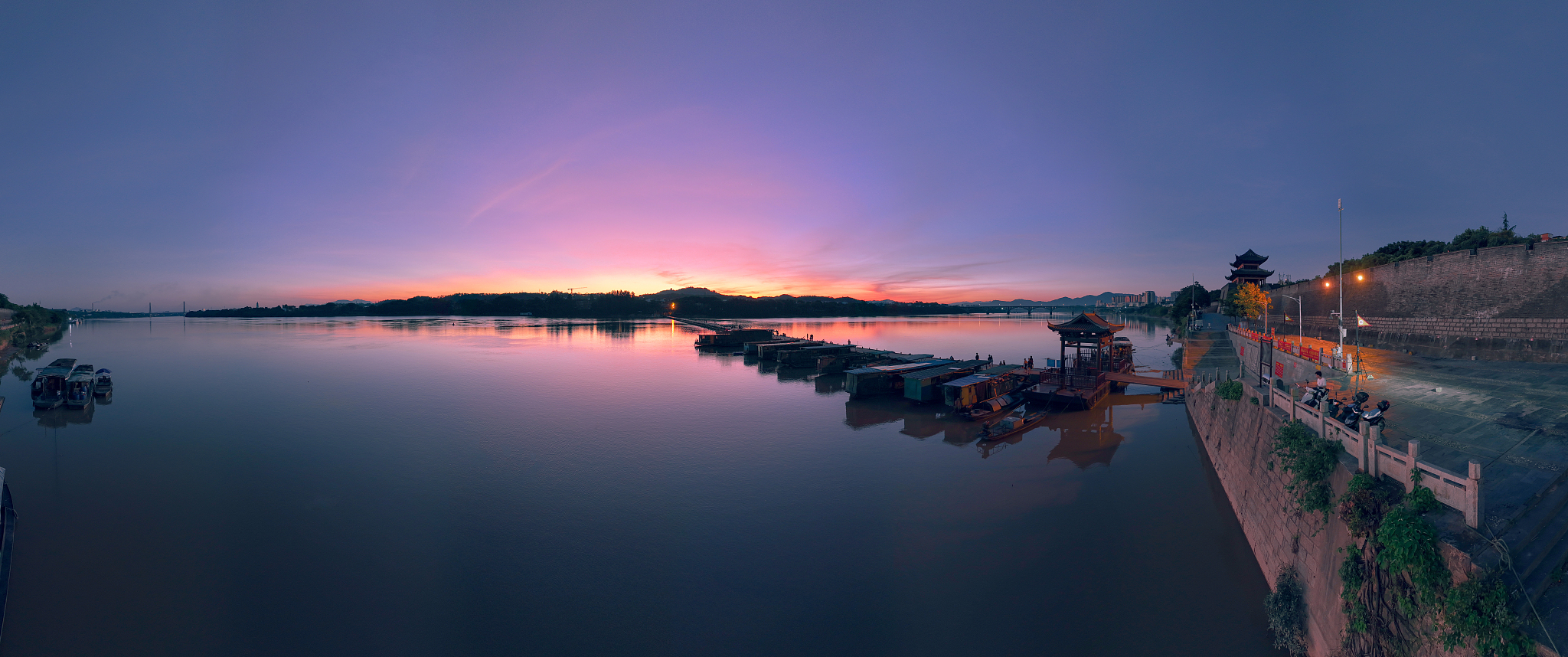
A floating bridge built in the Song Dynasty, consisting of over 100 wooden boats connected across the Gong River. It is still in use and a unique water transport relic.
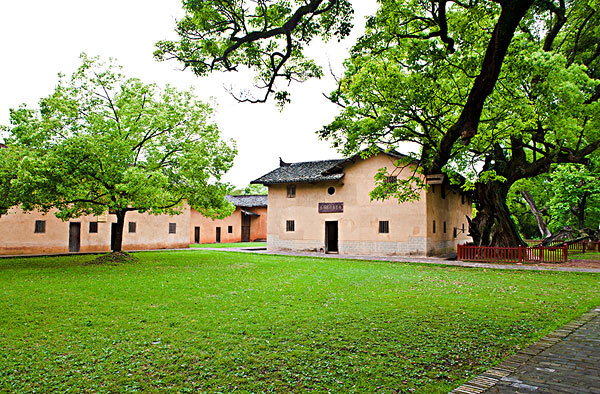
Includes revolutionary sites such as Yeping, Shazhouba, and Red Well, where the provisional central government of the Chinese Soviet Republic was located. Experience red history.
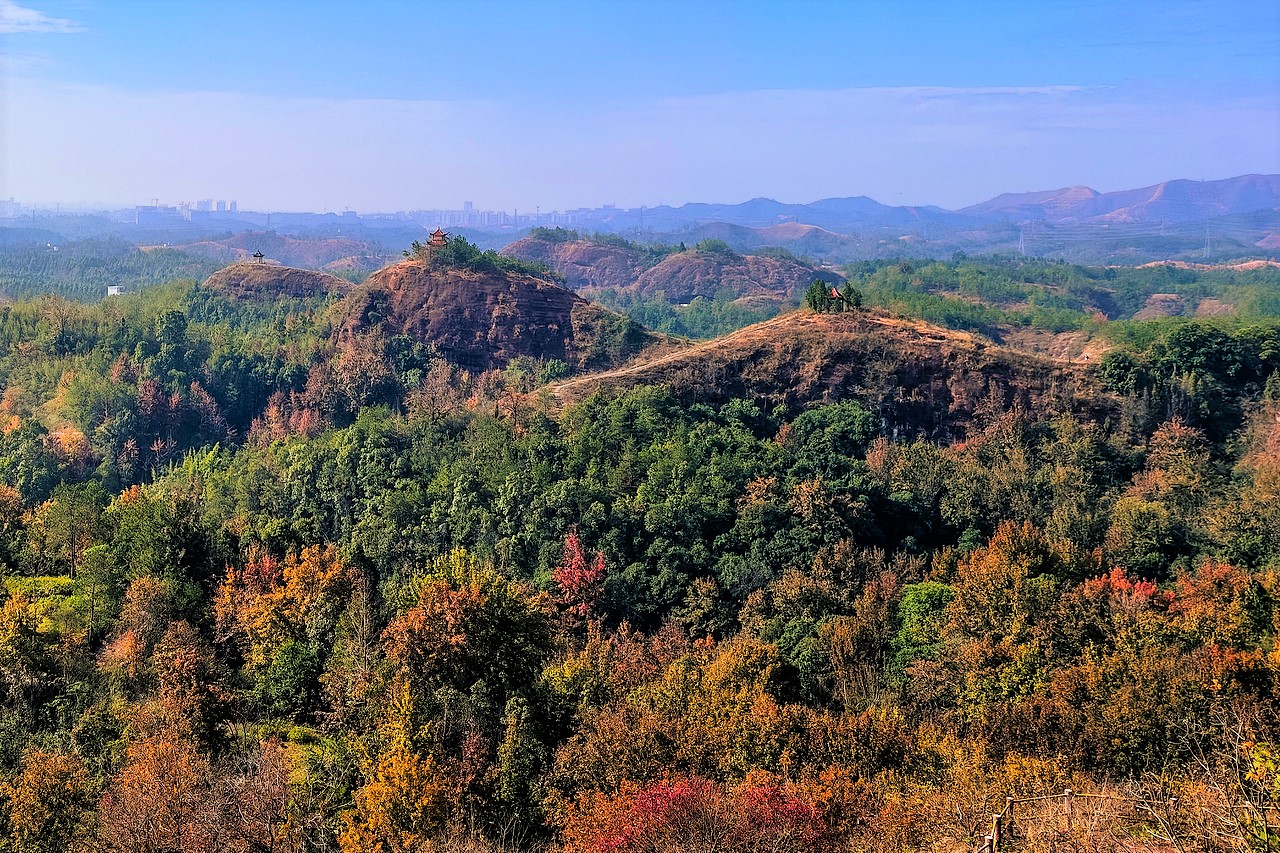
A Danxia landform scenic area with cliff inscriptions and grotto statues since the Tang Dynasty, known as 'the first grotto in Jiangnan'.
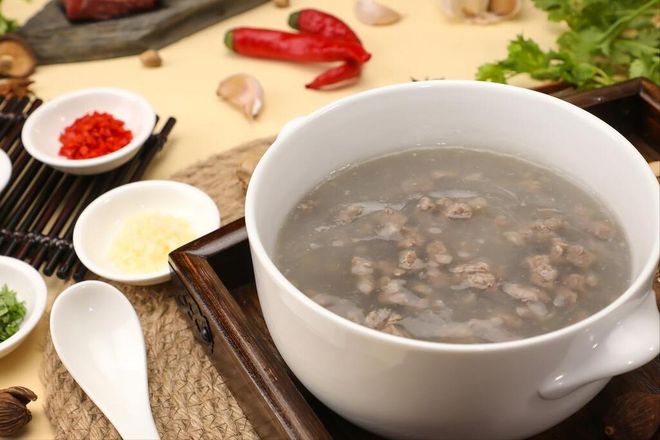
Simmered beef and beef bones, savory broth with tender meat. A must-try in Ruijin's red tourism.

Steamed grass carp slices with rice noodles, mixed with chili sauce. A traditional dish of Xingguo County.
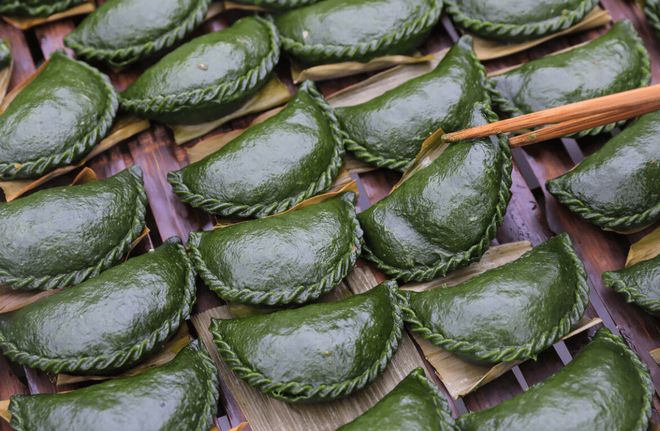
Made from mugwort juice and glutinous rice flour, filled with sesame, peanuts, or red bean paste. A traditional Hakka snack.