
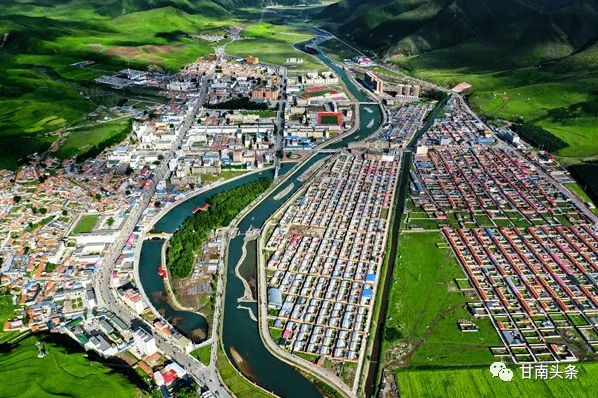
Gannan Tibetan Autonomous Prefecture is located in the southwestern part of Gansu Province, at the transitional zone between the northeastern edge of the Qinghai-Tibet Plateau and the Loess Plateau, with an average altitude of around 3,000 meters. It has a plateau climate with large annual temperature differences, cool summers, cold and dry winters, abundant sunshine, and rainfall concentrated from June to September.
Gannan has a long history, having been a region where ancient peoples such as the Qiang, Tuyuhun, and Tubo once lived. In the 13th century, Tibetan Buddhism was introduced, gradually forming a theocratic system. In the 17th century, Labrang Monastery was established, becoming one of the six great monasteries of the Gelug school of Tibetan Buddhism. The Gannan Tibetan Autonomous Prefecture was founded in 1953.
Gannan's culture is predominantly Tibetan, including Tibetan Buddhism, thangka painting, Tibetan opera, and Guozhuang dance. Local specialties include butter tea, tsampa, hand-grabbed lamb, Tibetan buns, and jue ma rice. Tibetan costumes, architecture, and folk festivals such as the Xianglang Festival and the Sunning Buddha Festival are highly attractive.
In recent years, Gannan has vigorously developed tourism, creating the "Nine-Color Gannan" brand and continuously improving infrastructure. At the same time, ecological protection has been strengthened to promote green development, making it a national demonstration zone for ecological civilization. The agricultural, livestock, and Tibetan medicine industries have also developed steadily.
The best time to visit 甘南 is The best travel time is from June to August.
From June to August, summer in Gannan offers cool weather, lush green grasslands, and blooming wildflowers, making it an excellent season for escaping the heat and photography. Festivals such as the Xianglang Festival and horse races are abundant.
September to October features clear autumn skies, golden grasslands, and colorful forests, ideal for autumn scenery. However, temperatures gradually drop, so keep warm.
Winter (November to March) is cold and dry, but you can experience folk activities like the Tibetan New Year, and there are fewer tourists, suitable for those seeking tranquility.
The first Jamyang Zhepa founded Labrang Monastery in Xiahe, making it one of the six major monasteries of the Gelug school, profoundly influencing Gannan's religion, politics, and culture.
On October 1, 1953, Gannan Tibetan Autonomous Prefecture was officially established, marking the implementation of the system of regional ethnic autonomy and opening a new chapter in Gannan's development.
Recommended places to visit
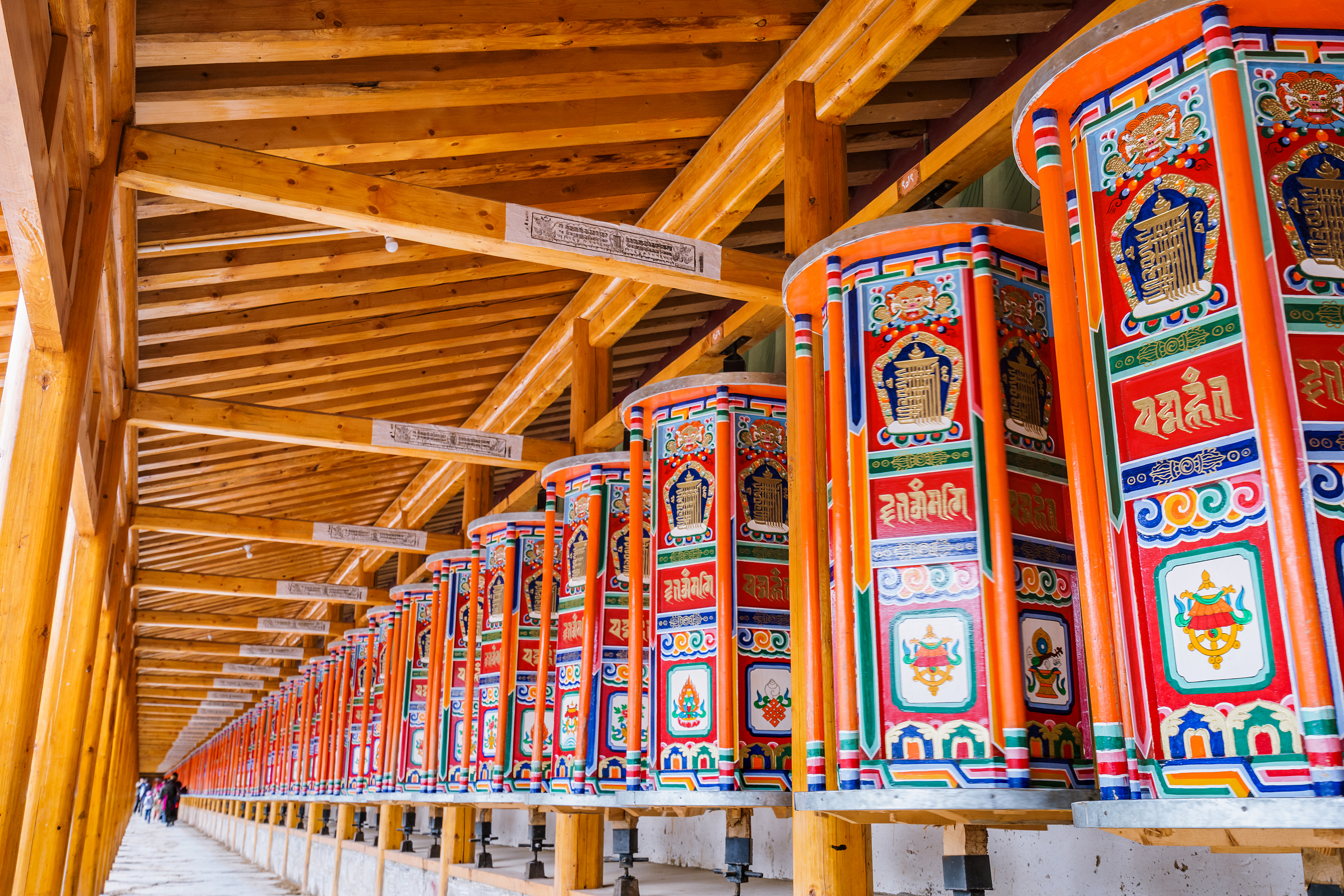
One of the six major monasteries of the Gelug school of Tibetan Buddhism, featuring the world's longest prayer wheel corridor and housing numerous Buddha statues, murals, and thangkas.
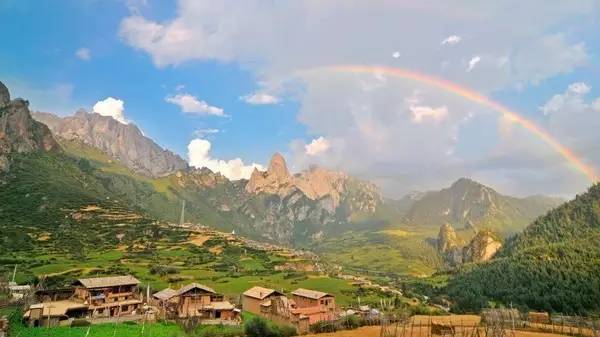
Known as 'the birthplace of Adam and Eve', featuring stone forests, snow mountains, forests, and villages, a paradise for hiking and photography.
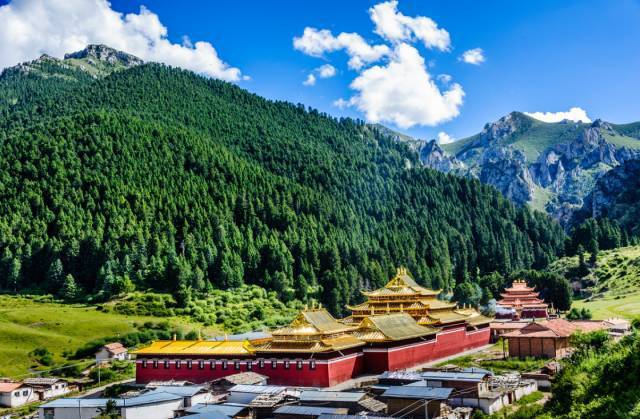
UNESCO World Heritage Sites
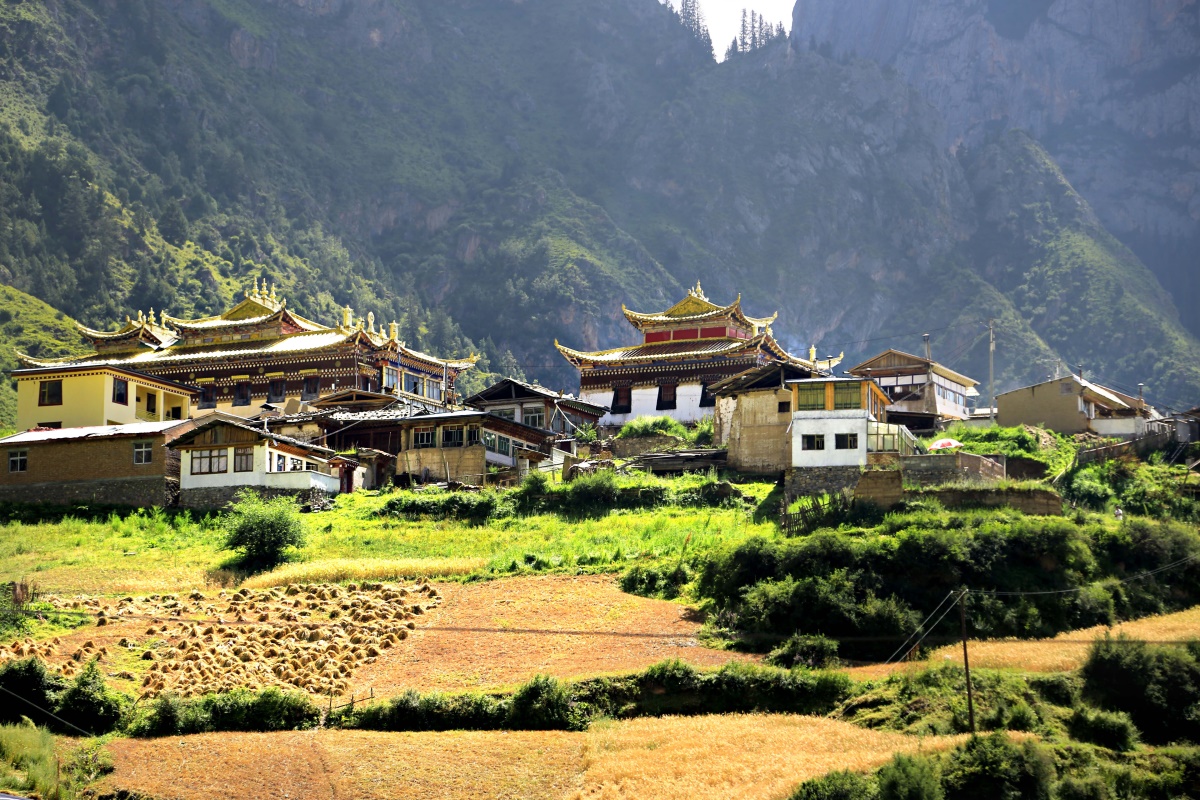
Zhagana, with its unique stone forest landscape, Tibetan villages, and rich biodiversity, was inscribed on the UNESCO World Natural Heritage Tentative List.
Explore rich intangible cultural heritage and traditional crafts
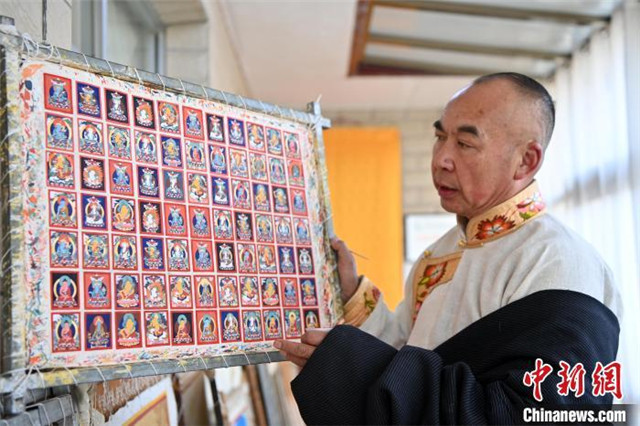
Thangka is a unique form of painting in Tibetan culture. Gannan Thangka, centered around Labrang Monastery, features vibrant colors and religious themes.
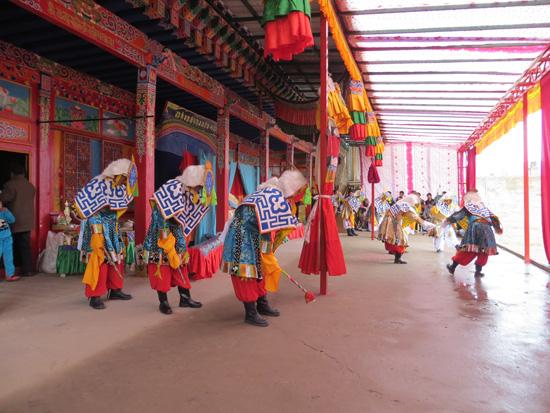
Tibetan opera is a traditional drama. Gannan Tibetan opera incorporates local folk songs, dances, and religious rituals, with unique performance forms.
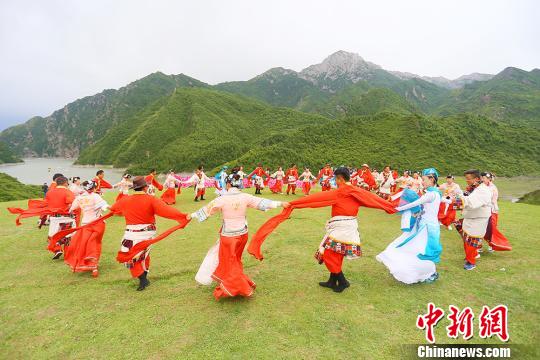
Guozhuang dance is a Tibetan folk dance. Gannan Guozhuang dance features bold movements and lively rhythms, often performed at festivals and celebrations.
Must-know transportation for exploring the city
Located in Xiahe County, with flights to Lanzhou, Xi'an, etc., about 1 hour drive to Labrang Monastery.
Lanzhou-Xiahe about 300 RMB
The Lanzhou-Hezuo high-speed rail is under construction, expected to open in 2023, reducing travel time from Lanzhou to Hezuo to about 1 hour.
Not yet announced
Buses connect counties in Gannan. Lanzhou South Bus Station has buses to Hezuo, Xiahe, Diebu, etc.
Lanzhou-Hezuo about 80 RMB
Taste the most authentic and popular local specialties
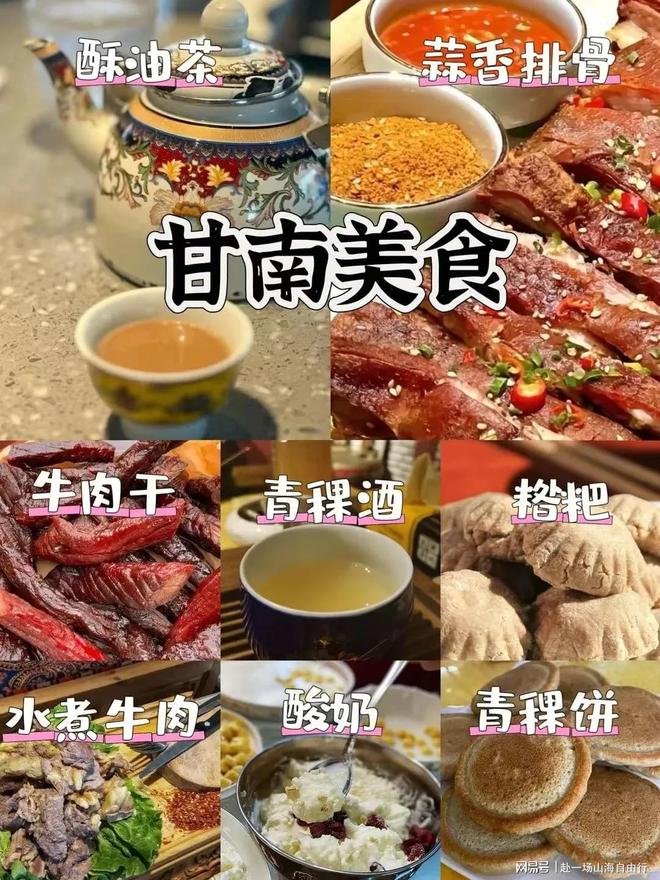
Traditional Tibetan drink made from brick tea, butter, and salt, savory and refreshing, warms the body.
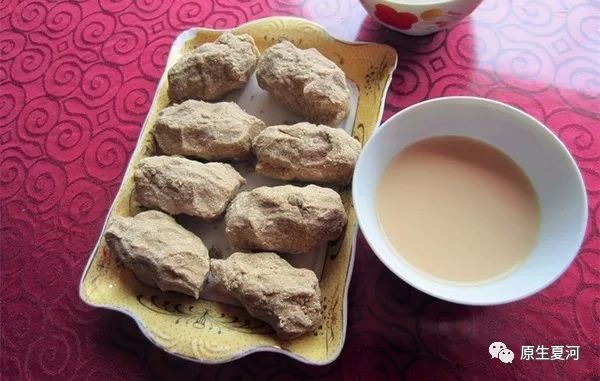
Tibetan staple food, roasted highland barley ground into flour, mixed with butter tea or water and kneaded into balls, nutritious.
Zhagana, with its unique stone forest landscape and Tibetan villages, was included in the UNESCO World Natural Heritage Tentative List, becoming a new tourism highlight of Gannan.
A Tibetan Buddhist monastery at the border of Gansu and Sichuan, blending Tibetan, Han, and Hui architectural styles, surrounded by the source of Bailong River and canyon scenery.
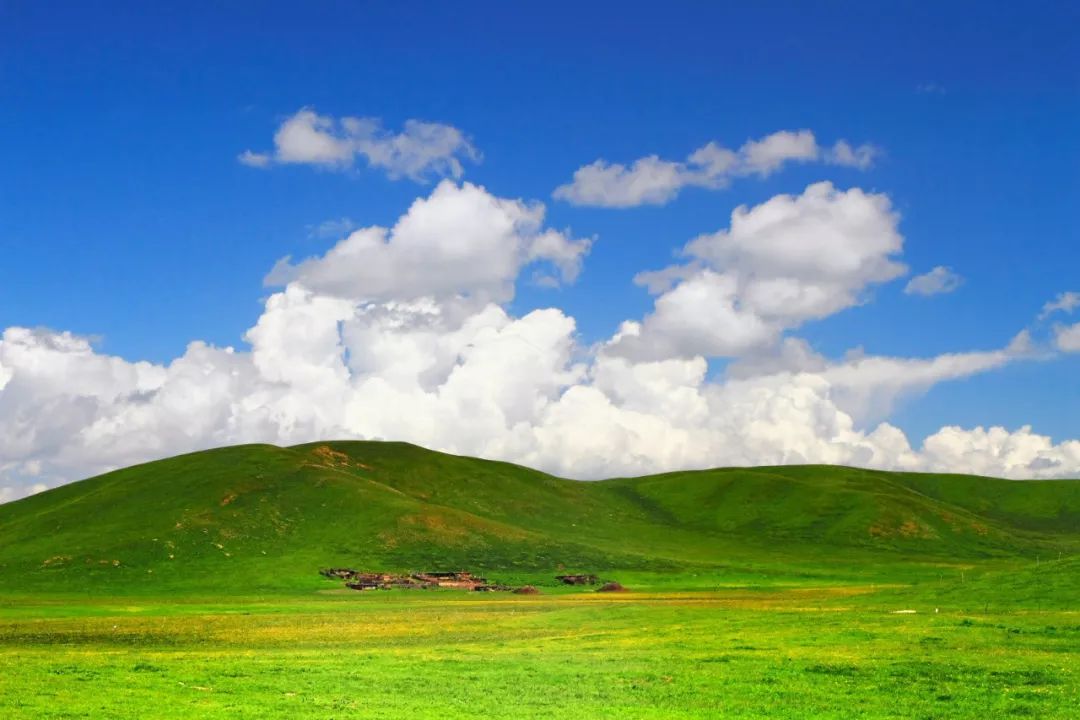
One of the largest grasslands in Gannan, lush with wildflowers in summer, offering horseback riding and Tibetan tent accommodation.
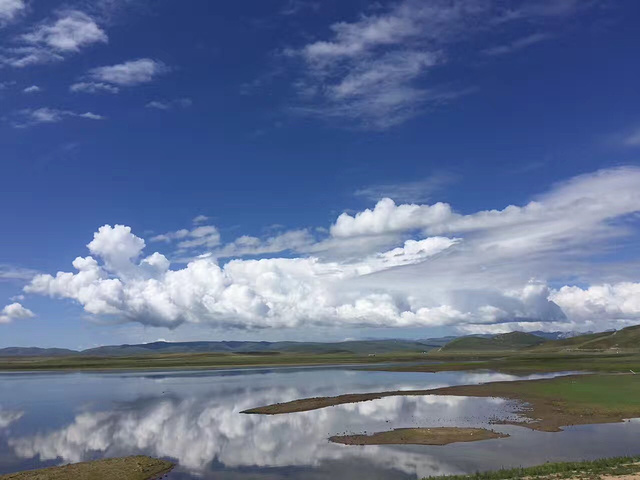
A plateau freshwater lake, national nature reserve, habitat for migratory birds, with clear water and beautiful surrounding wetlands and meadows.
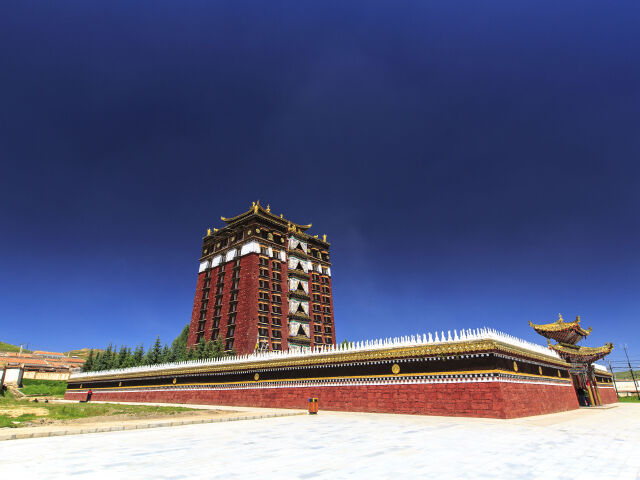
Located in Hezuo City, a nine-story pavilion enshrining Milarepa and founders of various Tibetan Buddhist sects, with exquisite architecture and rich murals.
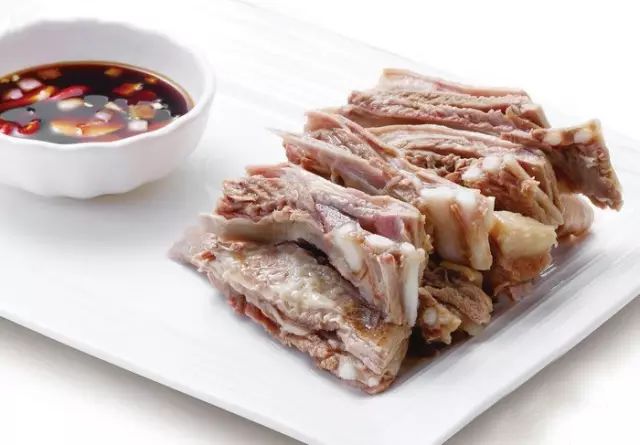
Tender lamb from Gannan grassland, boiled in water and dipped in pepper salt, simple and delicious, a Tibetan hospitality dish.
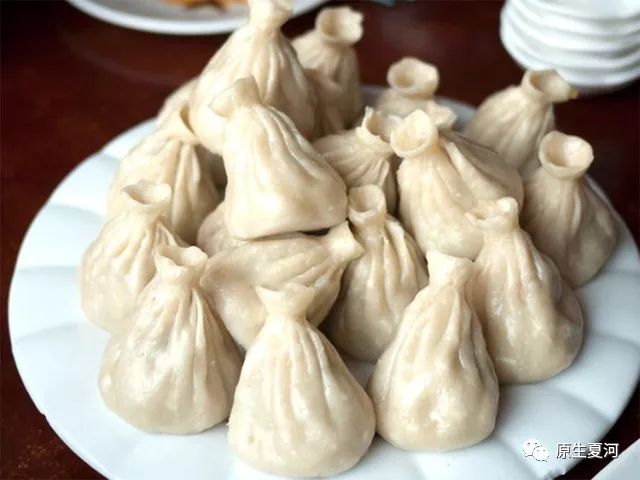
Dumpling-like Tibetan food, thin dough wrapped with yak meat filling, steamed, juicy and delicious.
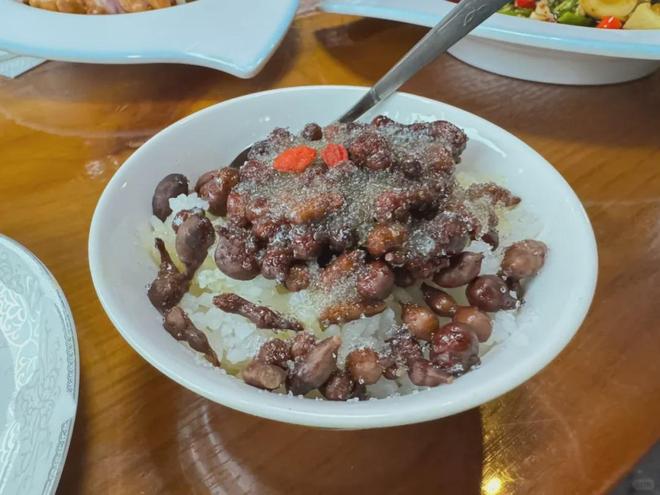
Steamed with jue ma (ginseng fruit), rice, butter, and sugar, sweet and delicious, a festive Tibetan dish.
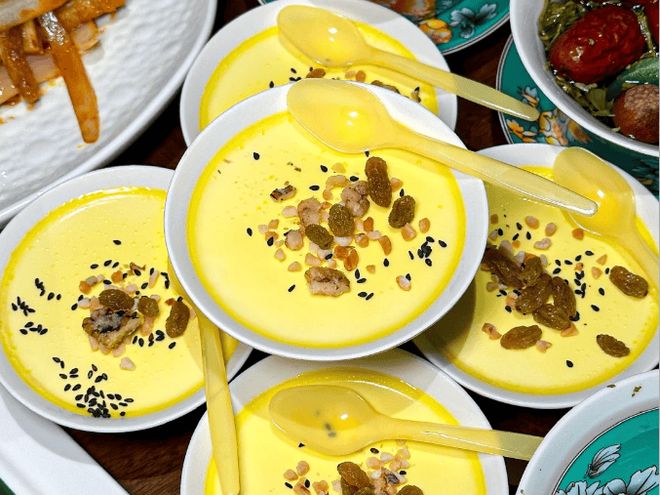
Fermented from yak milk, thick, sour and sweet, with a layer of cream on top, best with sugar.