
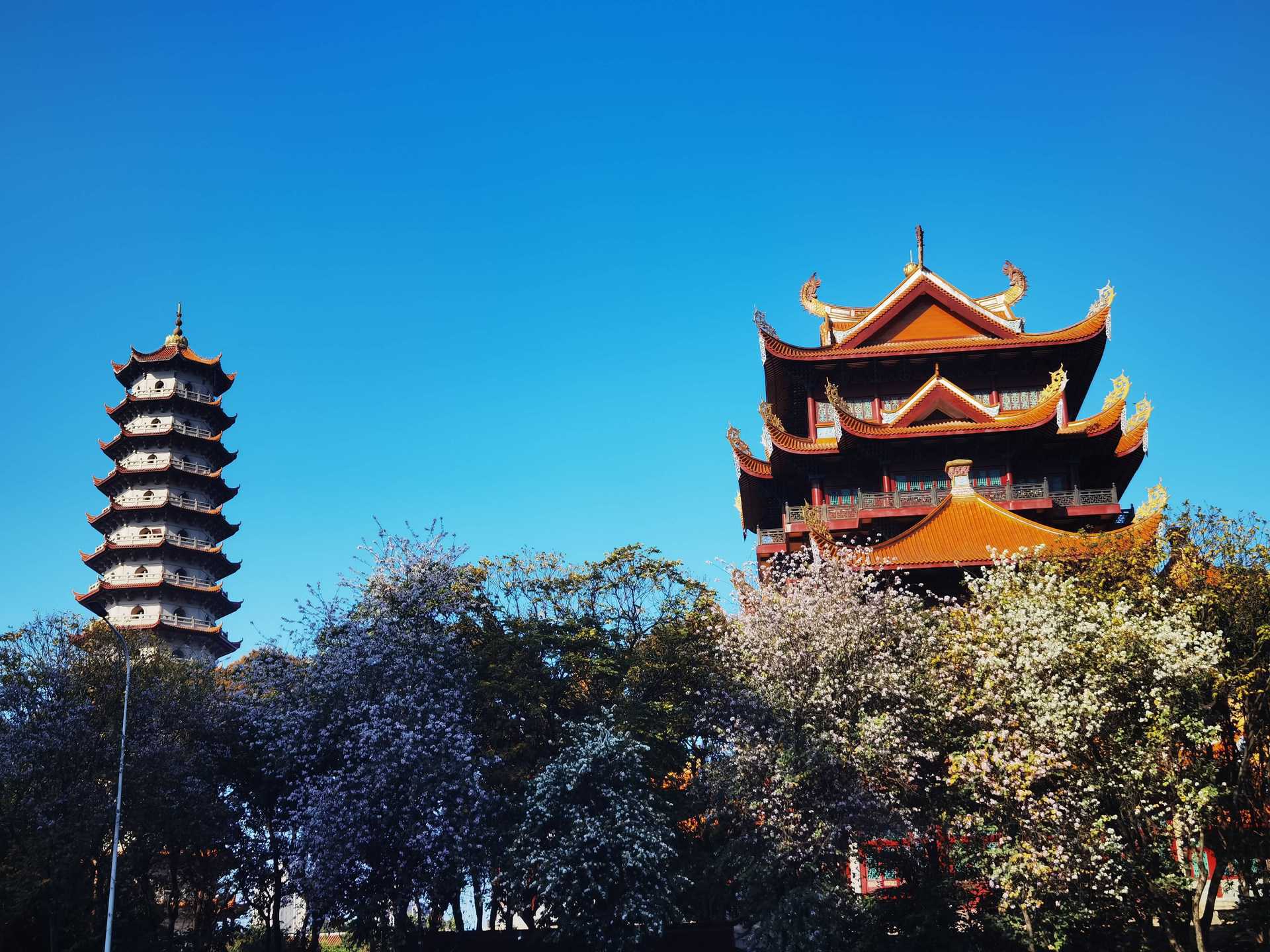
Fuzhou is located on the southeastern coast of China, in the eastern part of Fujian Province, along the lower reaches of the Min River. It has a subtropical monsoon climate, characterized as warm and humid with distinct seasons. The annual average temperature ranges from 19 to 21°C, with abundant rainfall and frequent typhoon influences in summer.
Fuzhou, established in 202 BC, is an important gateway of the Maritime Silk Road and one of the five treaty ports opened to foreign trade in modern China. Known as the "City of Banyan Trees," it features ancient banyan trees scattered throughout the city, while the Three Lanes and Seven Alleys preserve the architectural layout from the Ming and Qing dynasties, reflecting its profound historical heritage.
Fuzhou culture is represented by the culture of the Min capital, including Min opera, the Fuzhou dialect, and more. Its cuisine is primarily Min cuisine, such as Buddha Jumps Over the Wall and lychee pork. The locals enjoy a relatively slow pace of life, fond of drinking tea and soaking in hot springs, and traditional festivals are celebrated with a strong atmosphere.
As the capital of Fujian Province, Fuzhou is experiencing rapid economic development and is home to the state-level Fuzhou New Area, actively building itself into a modern international city. In the future, it will strengthen its role as a hub for the Maritime Silk Road, promote digital economy and green, low-carbon development, and enhance its international competitiveness.
The best time to visit 福州 is Best time to travel: October to December.
October to December is the most comfortable season in Fuzhou, with cool temperatures averaging 15-25°C, little rainfall, and mild sunshine. It is ideal for outdoor sightseeing, especially at Three Lanes and Seven Alleys and Gushan Mountain.
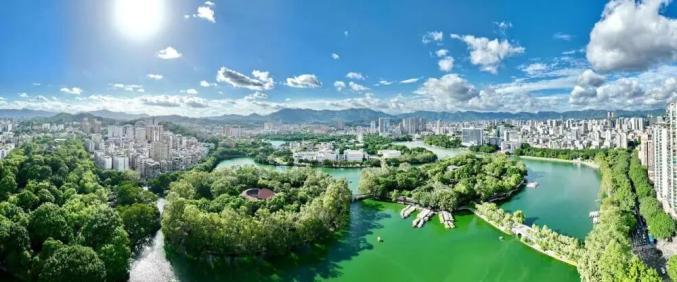
Spring (March–May): Temperatures rise, but there is frequent rain and fog. It is recommended to visit West Lake Park and Fuzhou National Forest Park to enjoy the blooming flowers. Rain gear is advised.
Autumn (September to November) is crisp and cool with moderate temperatures. September still has a hint of summer, while October is the best time. It is recommended to participate in the Fuzhou International Hot Spring Tourism Festival to experience hot spring culture, and also visit the Black Pagoda and the White Pagoda.
Wu Zhu was granted the title of King of Minyue by Emperor Gaozu of Han, and established his capital at Yecheng in Fuzhou.
Fuzhou became an important port for foreign trade, conducting commerce with Southeast Asia.
Recommended places to visit
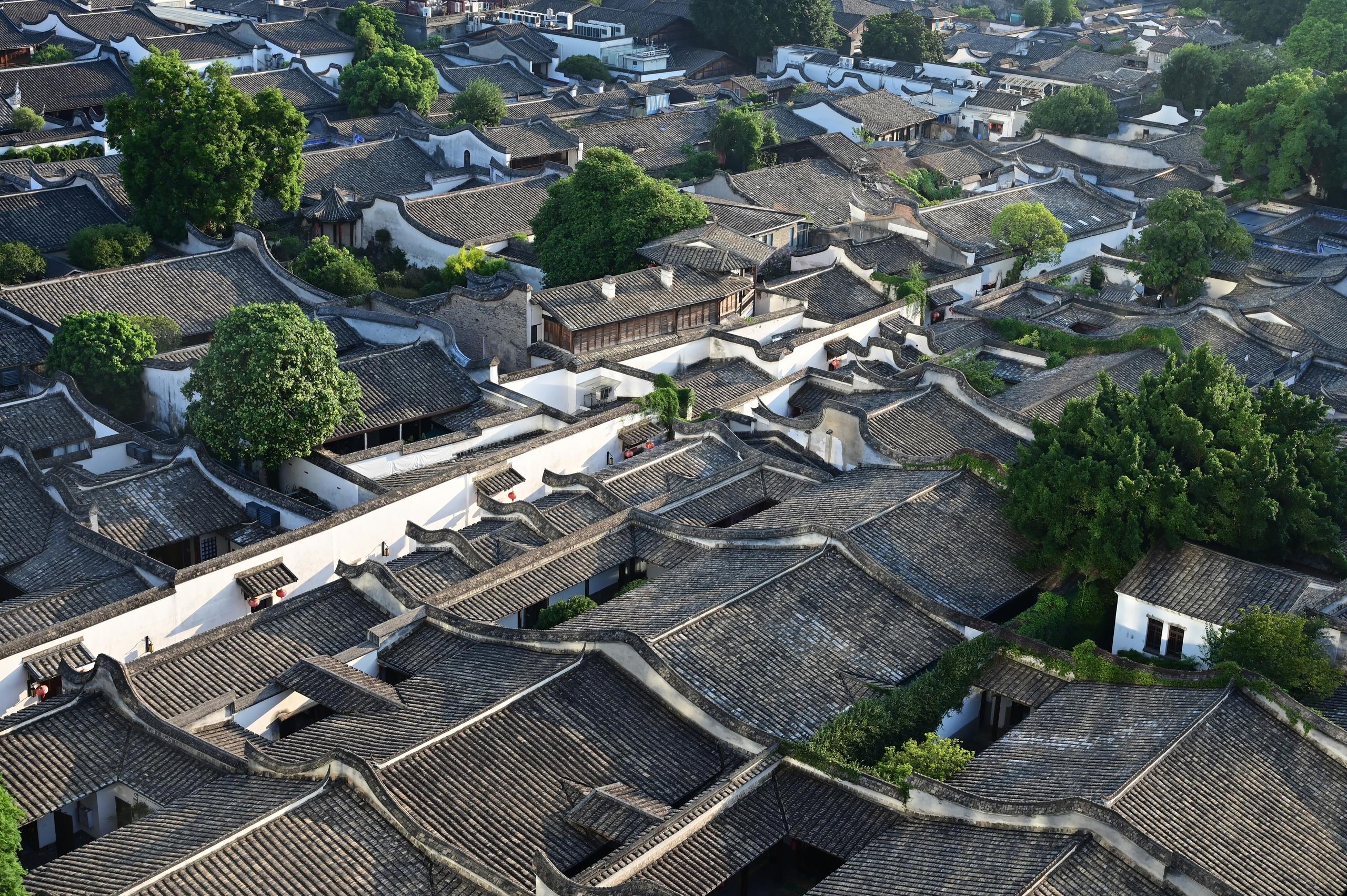
The core of Fuzhou's history and culture lies in its ancient architectural clusters from the Ming and Qing dynasties, which preserve a large number of former residences of famous figures.
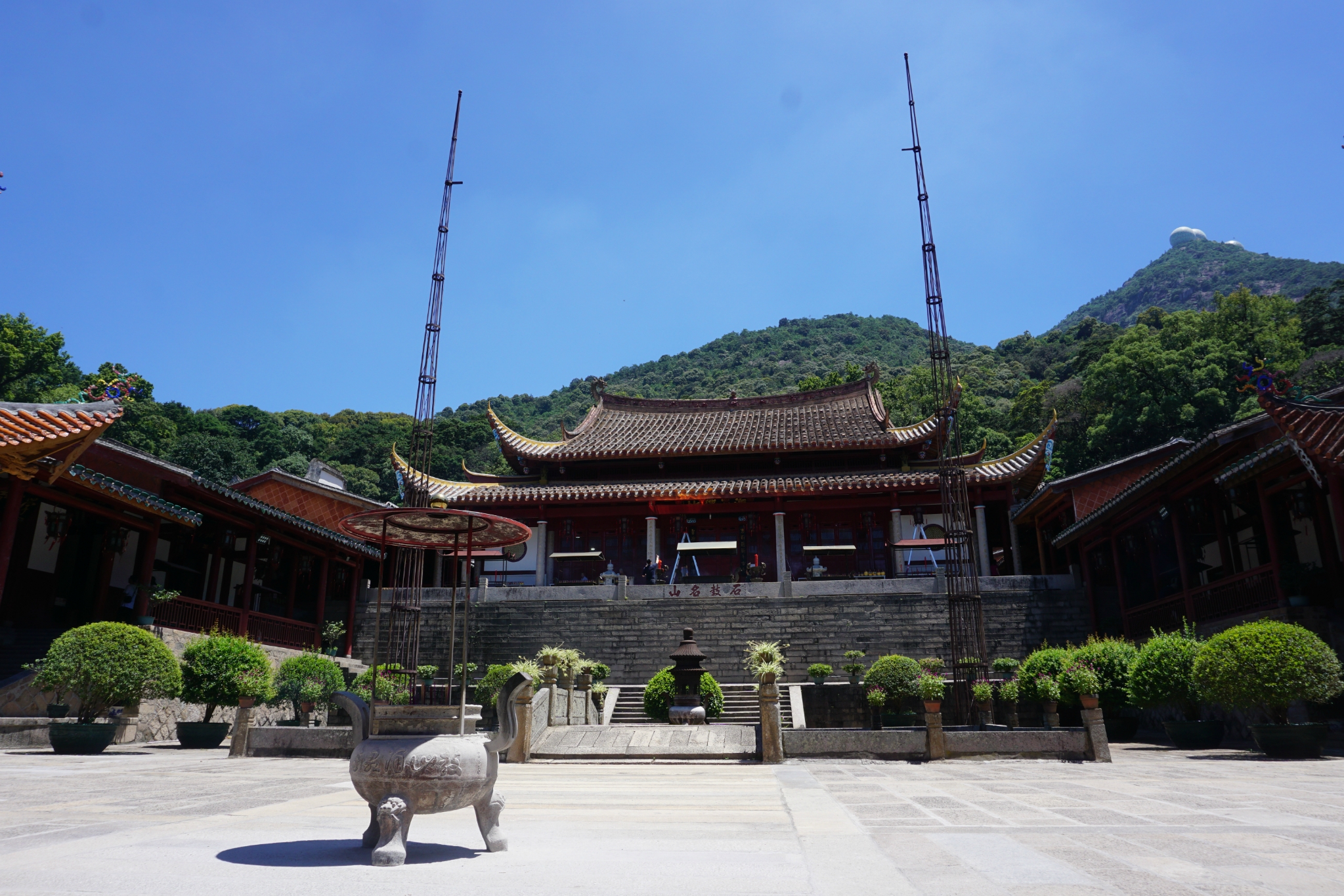
National-level scenic area, famous for the ancient Yongquan Temple and cliffside carvings.
UNESCO World Heritage Sites
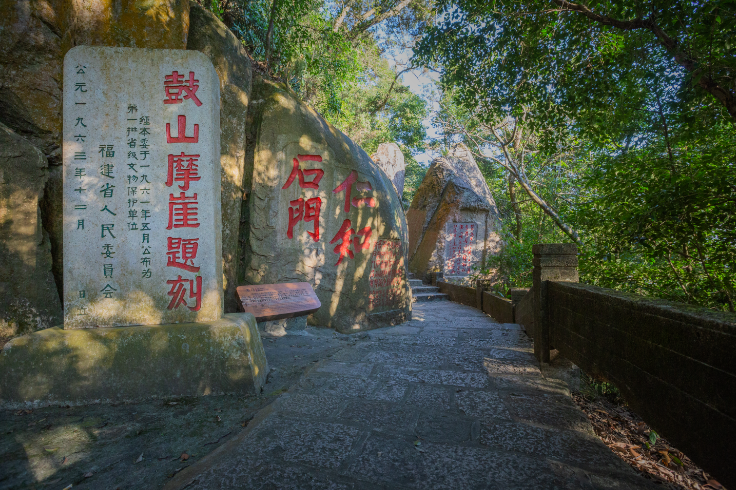
The cliff inscriptions from the Tang to Qing dynasties are treasures of calligraphy art.
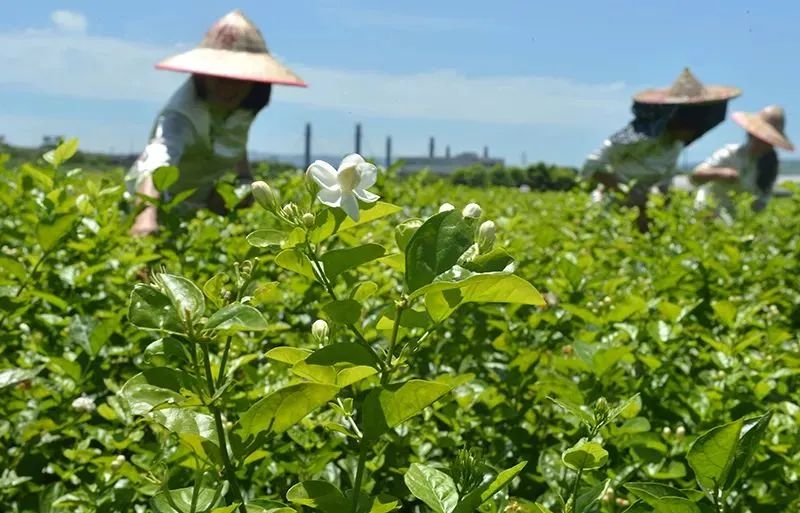
Globally Important Agricultural Heritage System, the birthplace of jasmine tea.
Explore rich intangible cultural heritage and traditional crafts
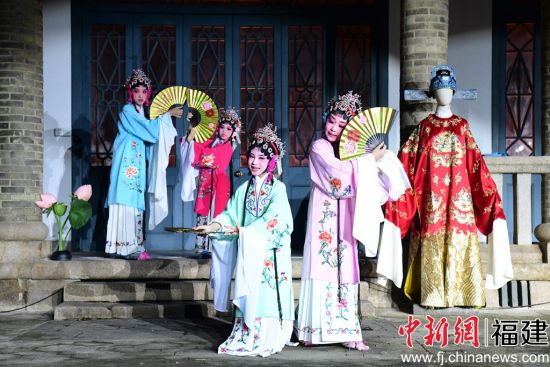
Fuzhou local traditional opera, incorporating elements of Gaoqiang and Kunqu.
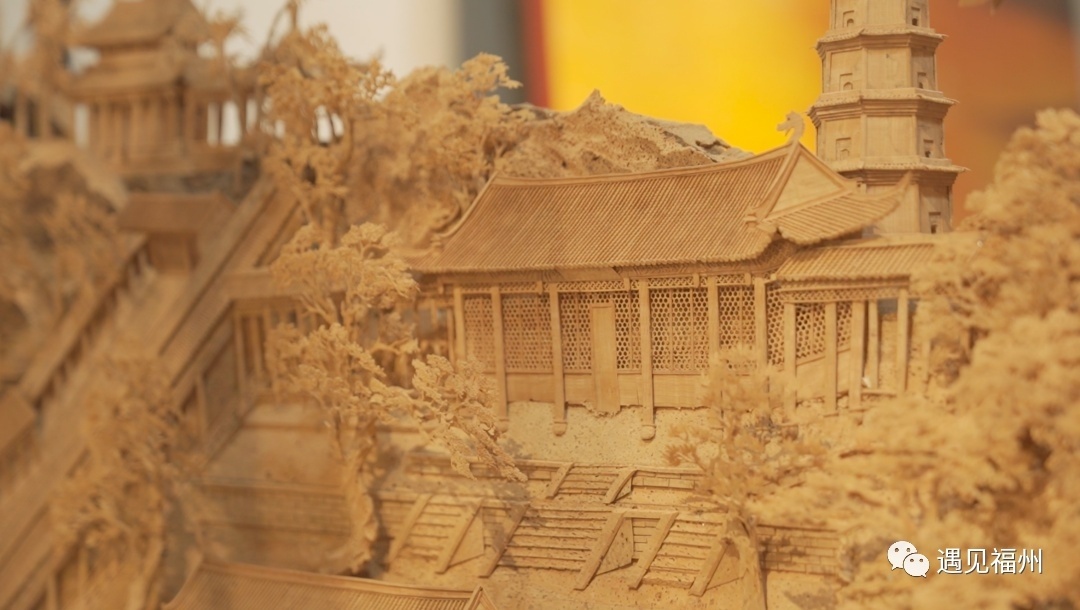
Cork-carved crafts, featuring a unique three-dimensional effect.
Must-know transportation for exploring the city
Located in Changle District, about 50 kilometers from the city center. It has over 150 domestic and international routes. The airport bus takes about 1 hour to the city center, with a fare of around 30 yuan.
30 yuan
Fuzhou Station primarily serves destinations to the north, while Fuzhou South Station mainly serves destinations to the south. High-speed trains can reach cities such as Beijing, Shanghai, and Guangzhou. Metro Line 1 connects the two stations.
Depending on the distance
Fuzhou city has a dense bus network with fares of 1-2 yuan. Metro lines 1 and 2 are in operation from 6:30 to 23:00, with fares ranging from 2 to 7 yuan. Shared bicycles are also available.
2-7 yuan
Taste the most authentic and popular local specialties
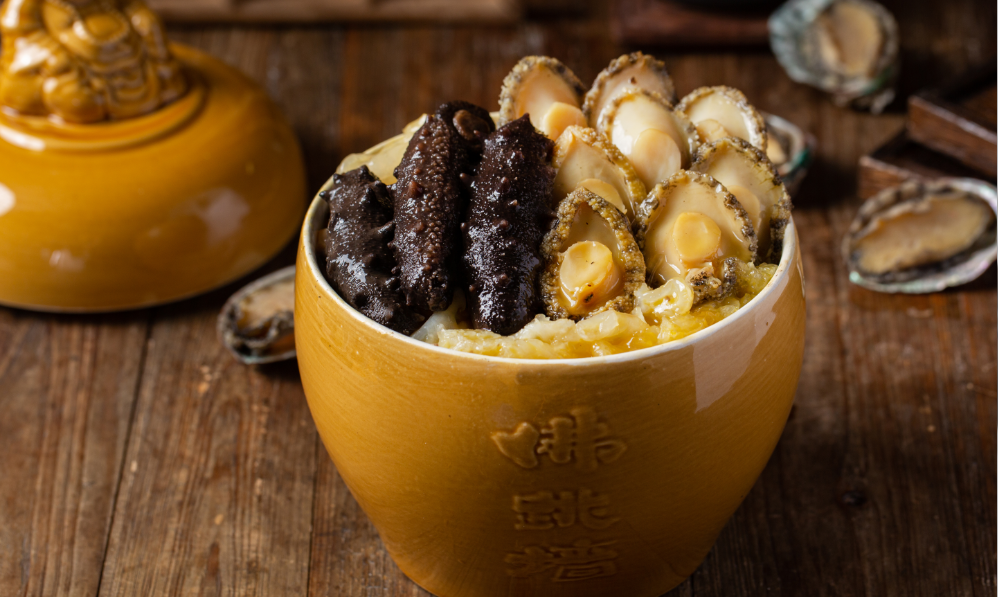
Fuzhou traditional famous dish, slow-cooked with over a dozen ingredients including abalone, sea cucumber, and shark fin.
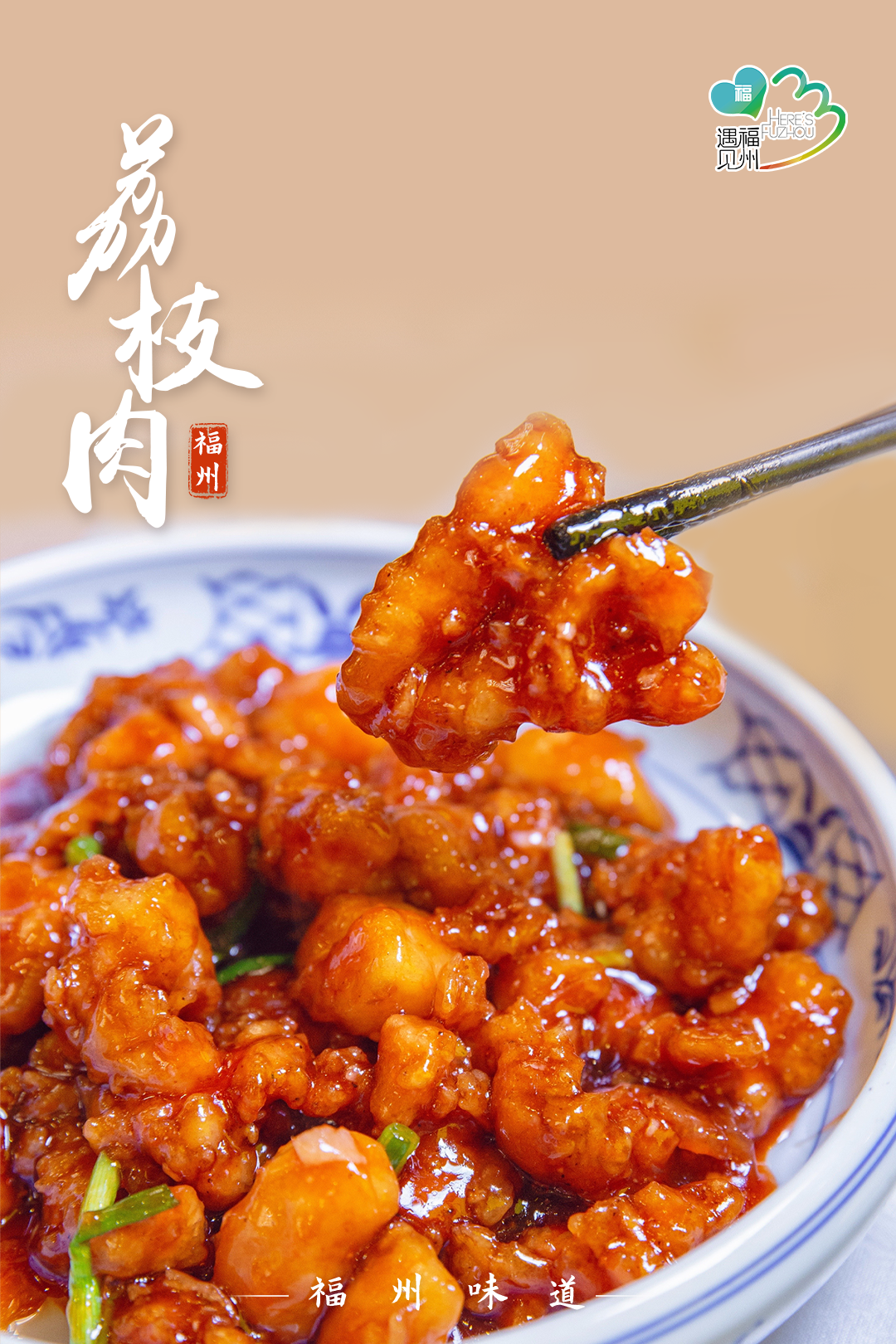
Fuzhou home-style dish: pork tenderloin is scored, deep-fried, and drizzled with a sweet and sour sauce, resembling lychees in appearance.
The Treaty of Nanjing opened Fuzhou as a treaty port, and foreign consulates were established there.
Fuzhou was liberated and became the capital of Fujian Province.
Fuzhou New Area has become a national-level new area, driving the modernization and development of the city.
The classical garden, built in the Jin Dynasty, is renowned as the "Crown of Fuzhou Gardens."
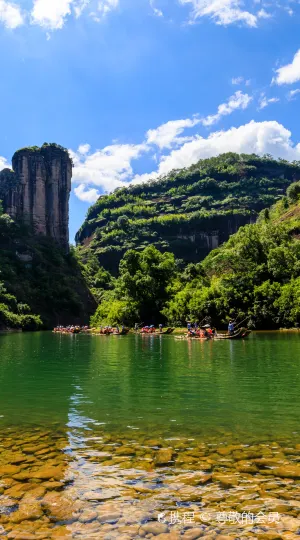
Fujian Province's first national-level forest park, renowned for its forest landscapes and rare plants.
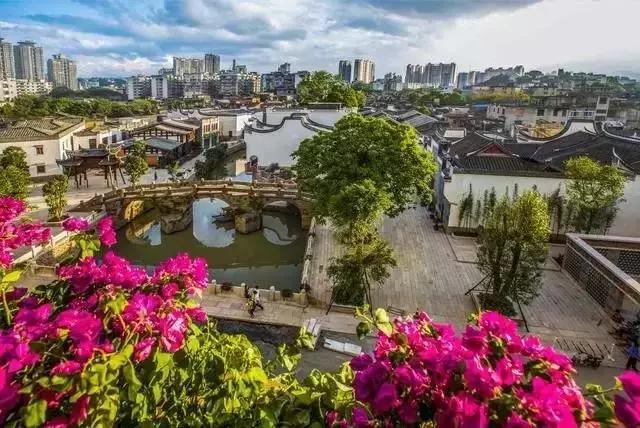
Fuzhou's commercial center retains a large number of trading firms and guild halls from the Republic of China period.
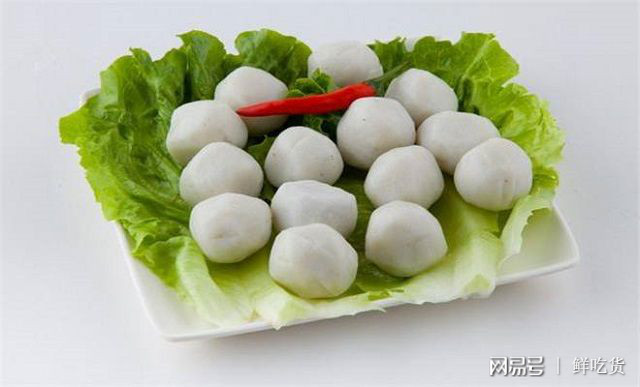
Minced eel or shark meat is wrapped around a pork filling, resulting in a tender, springy, and smooth texture.
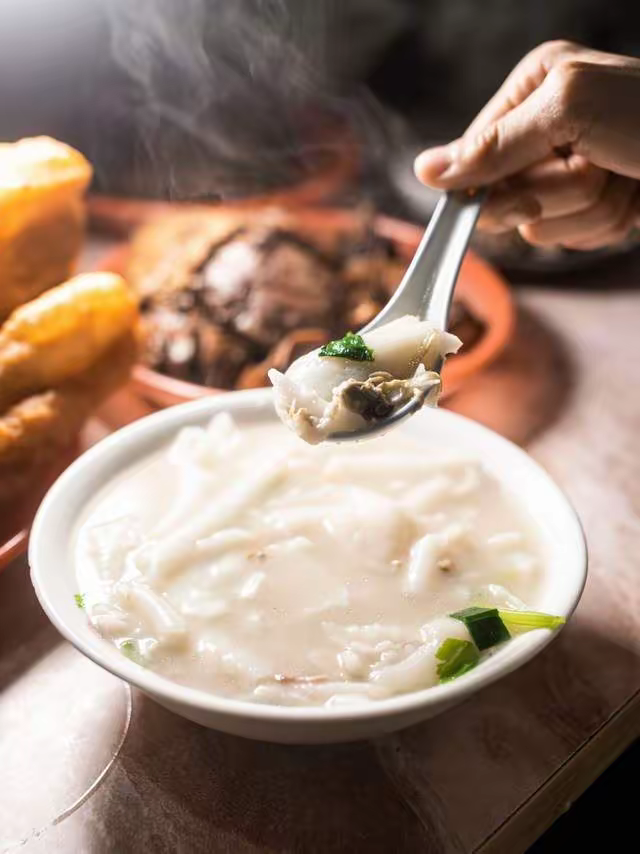
Fuzhou characteristic breakfast: rice milk is spread along the edge of the pot to cook, then add dried shrimp, mushrooms, and more.
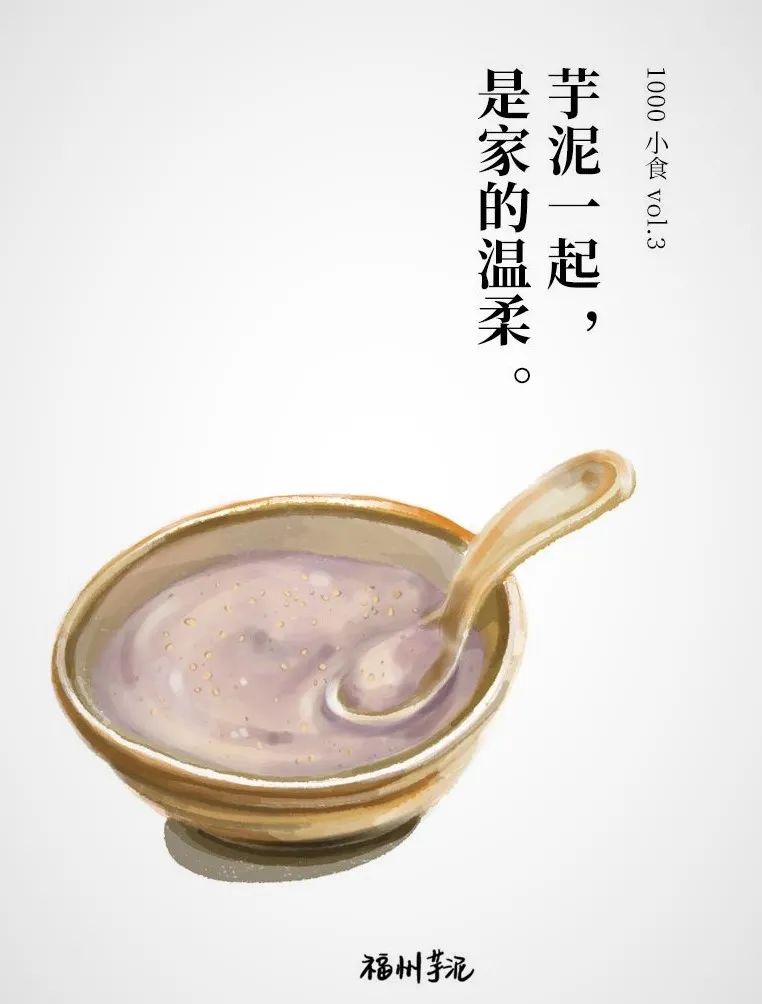
A traditional dessert from Fuzhou, made by steaming betel nut taro and mashing it into a paste, then adding sugar and lard.