
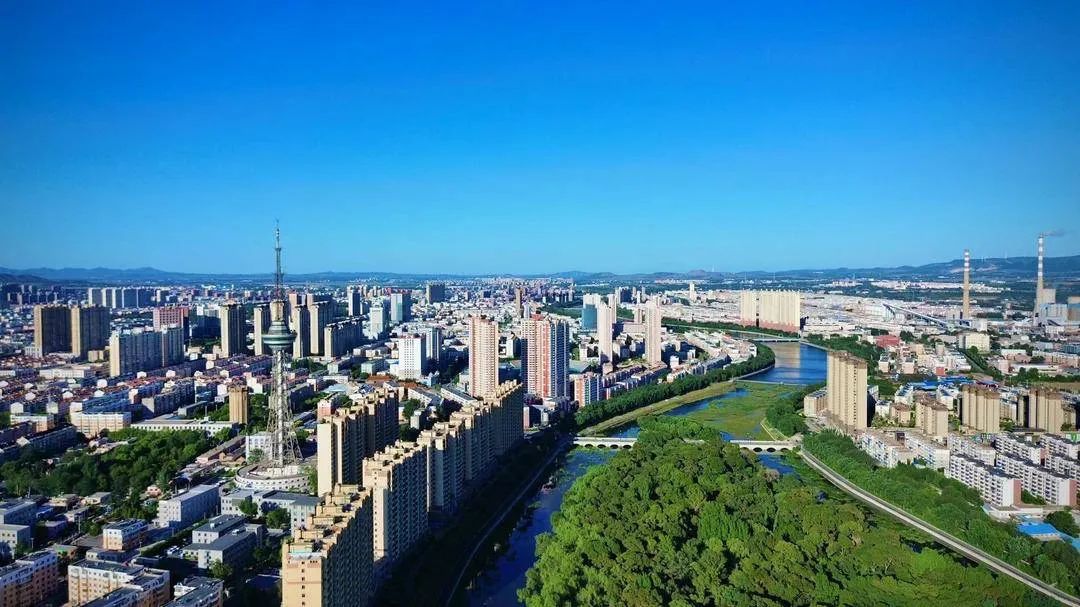
Located in the northwest of Liaoning Province, Fuxin has a temperate continental monsoon climate with four distinct seasons. The annual average temperature is about 7.6°C, and precipitation is relatively low. Situated in the transitional zone between the Inner Mongolia Plateau and the Liaohe Plain, the terrain is higher in the north and lower in the south, with abundant mineral resources.
Fuxin has a long history and is the birthplace of the Chahai culture, known as the 'Hometown of the Jade Dragon'. It was established as a county in the Qing Dynasty and rose to prominence in modern times due to its rich coal resources, becoming an important energy base for New China. With the depletion of resources, the city has begun to transform its development.
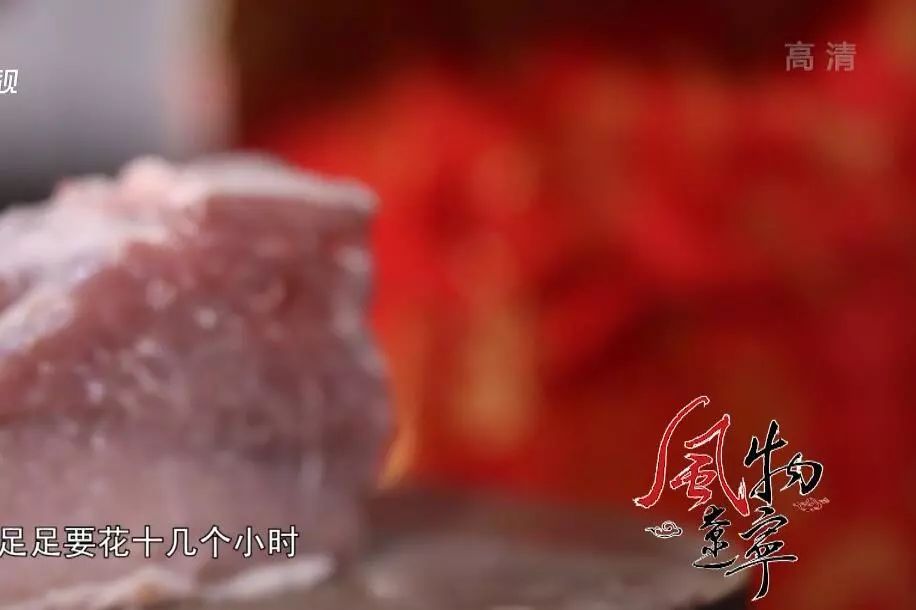
Fuxin has a diverse culture, with ethnic minorities such as Mongolians and Manchus. Local specialties include buckwheat noodles (hele), Qinggou fish feast, and Lama stewed meat. Fuxin's agate carving craftsmanship is exquisite, earning it the title 'Agate Capital'.
In recent years, Fuxin has actively promoted economic transformation, developing new energy, green agriculture, and tourism. The Haizhou Open-pit Mine National Mine Park has become a model of industrial tourism, and the city's ecological environment is gradually improving.
The best time to visit 阜新 is Autumn (September to October) is the best travel season.
Spring (April to May) sees rising temperatures but strong winds and dust, suitable for viewing apricot and peach blossoms.
Summer (June to August) is warm and rainy; it's a good time to visit Haitang Mountain for summer escape, but watch out for rainfall.
Autumn (September to October) features clear skies and pleasant weather, ideal for hiking and photography.
The Chahai site unearthed the earliest dragon-shaped jade artifact, known as 'China's First Dragon', marking the beginning of early civilization in the Fuxin area.
The Qing Dynasty established Fuxin County, meaning 'abundant products and renewed people', officially establishing the city.
Haizhou Open-pit Mine started production, becoming the largest open-pit coal mine in Asia and making significant contributions to New China's industrial development.
Recommended places to visit
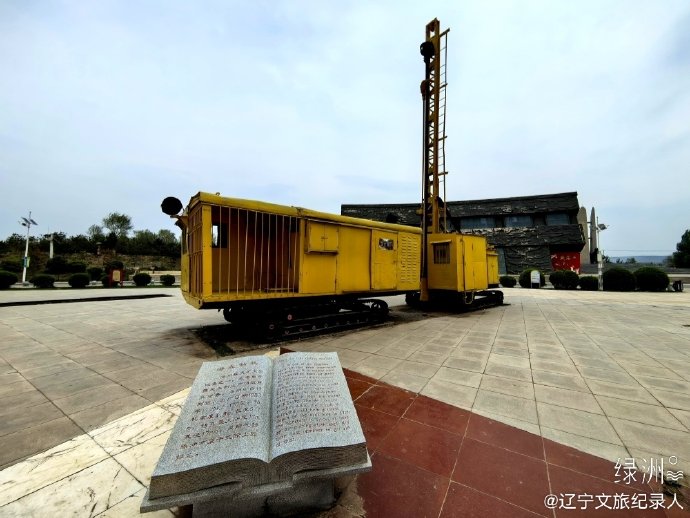
The largest open-pit coal mine site in Asia, now an industrial tourism attraction. Visitors can overlook the huge pit and learn about coal mining history.

A national 4A scenic area, famous for its strange peaks and Tibetan Buddhist cliff carvings, known as 'Little Potala Palace'.
Explore rich intangible cultural heritage and traditional crafts
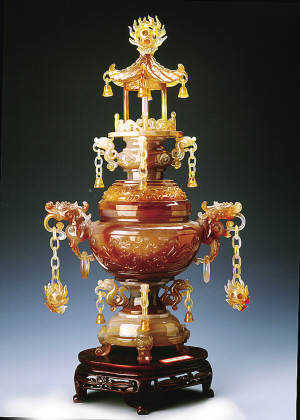
National intangible cultural heritage, using agate as material, exquisite carving skills, unique shapes.

Traditional Mongolian wedding customs, including proposal, betrothal gifts, and wedding ceremony, rich in ethnic characteristics.
Must-know transportation for exploring the city
The Beijing-Shenyang high-speed railway passes through Fuxin, about 2.5 hours from Beijing, 1 hour from Shenyang.
High-speed second class about 200 CNY (Beijing-Fuxin)
Buses to surrounding cities like Shenyang, Dalian, and Chaoyang, convenient for intra-provincial travel.
Shenyang-Fuxin about 50 CNY
Currently no civil airport in Fuxin; you can fly to Shenyang Taoxian International Airport (about 2 hours drive) or Chaoyang Airport (about 1.5 hours drive).
Shenyang airport bus about 50 CNY
Taste the most authentic and popular local specialties
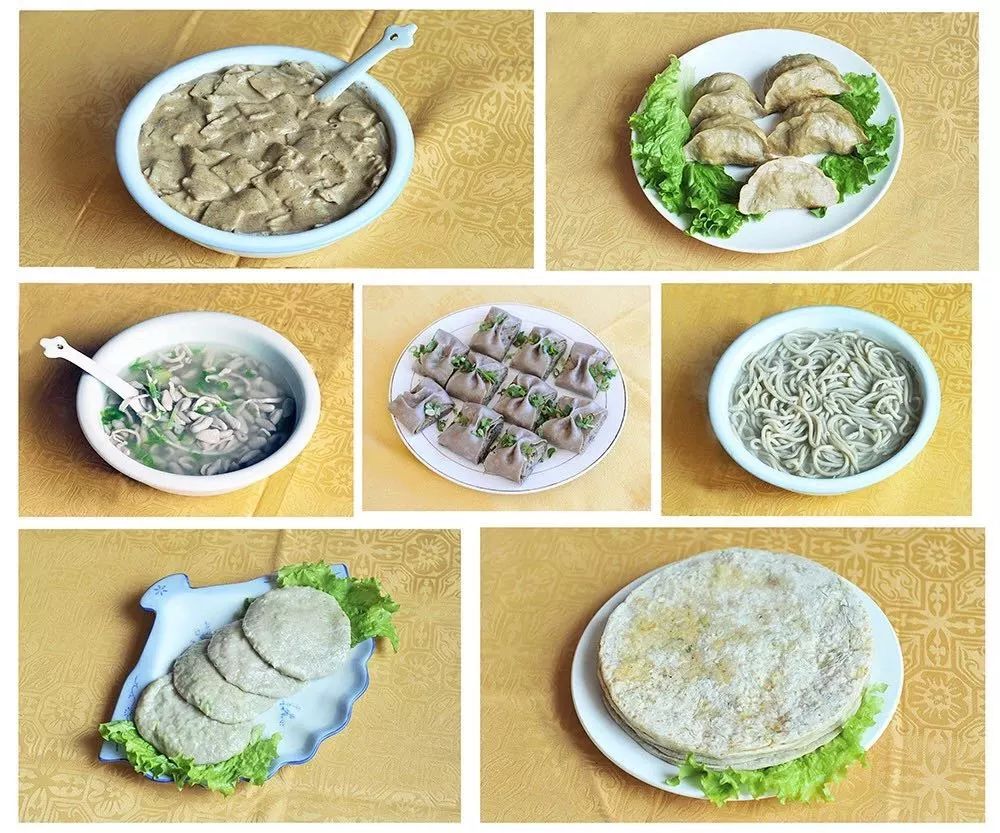
Noodles pressed from buckwheat flour, chewy in texture, often served with pickled cabbage or meat sauce, a Fuxin specialty.
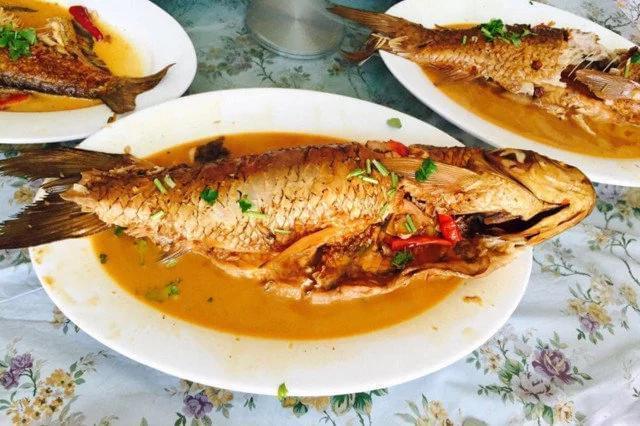
Fresh fish from Qinggou Reservoir, prepared in multiple ways including stewed, fried, and fish balls, delicious.
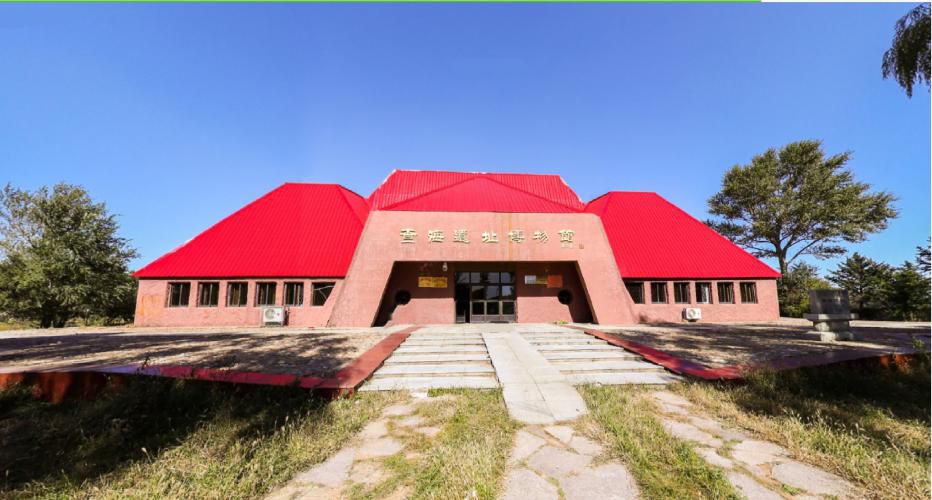
A Neolithic site about 7600 years old, where the 'China's First Dragon' jade artifact was unearthed. It is a national cultural heritage site.
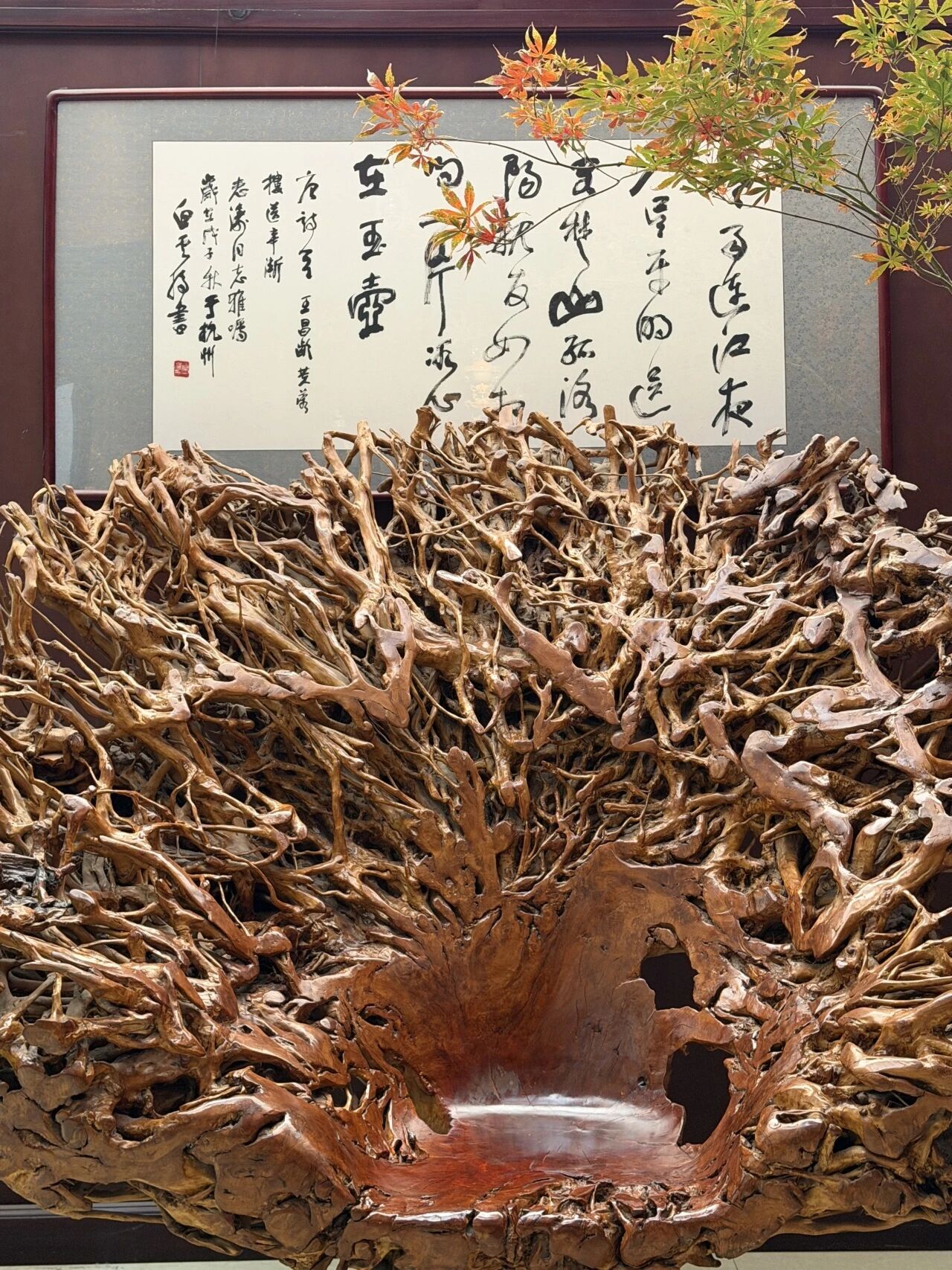
Showcasing Fuxin's agate culture and exquisite agate carvings, offering insight into the charm of the 'Agate Capital'.
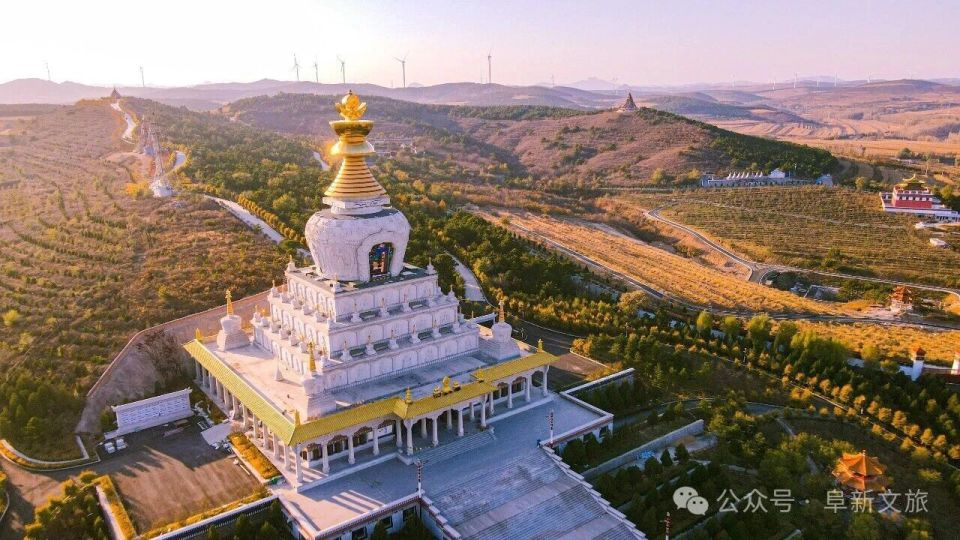
A Tibetan Buddhist temple built in the Qing Dynasty, grand in scale, known as 'Eastern Tibet', and a famous Buddhist holy site in Northeast China.
A vegetarian stew originating from temples, using tofu and gluten to imitate meat, with a unique texture, a Fuxin Buddhist cultural food.

Thin crust, generous filling, crispy outside and tender inside, filled with beef or lamb, a traditional Mongolian food.
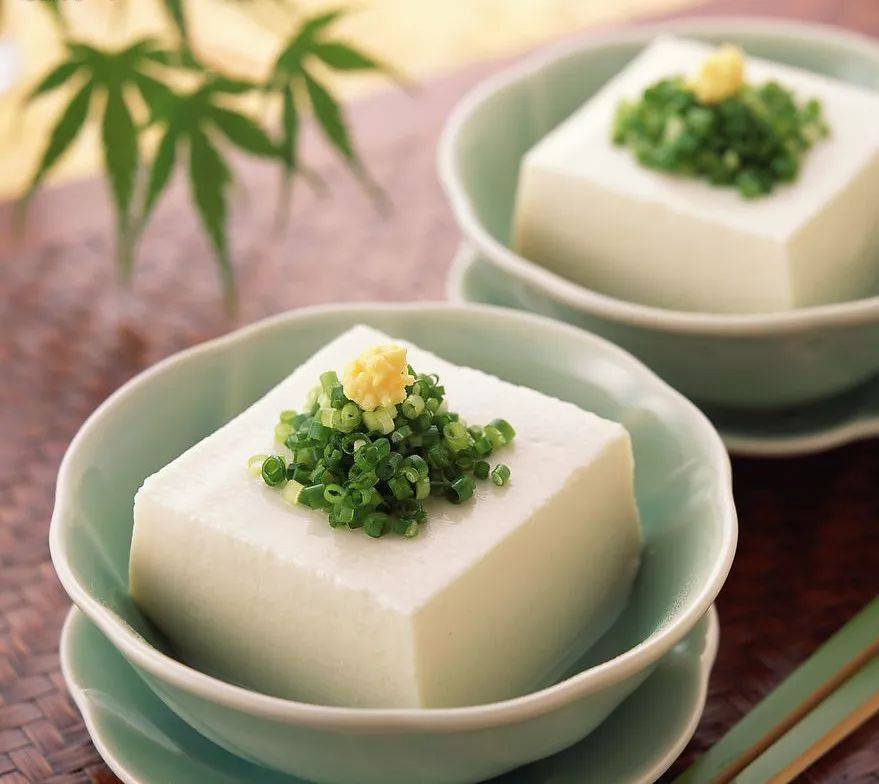
Tofu as main ingredient, garnished with edible agate pieces, smooth and tender, visually unique.