
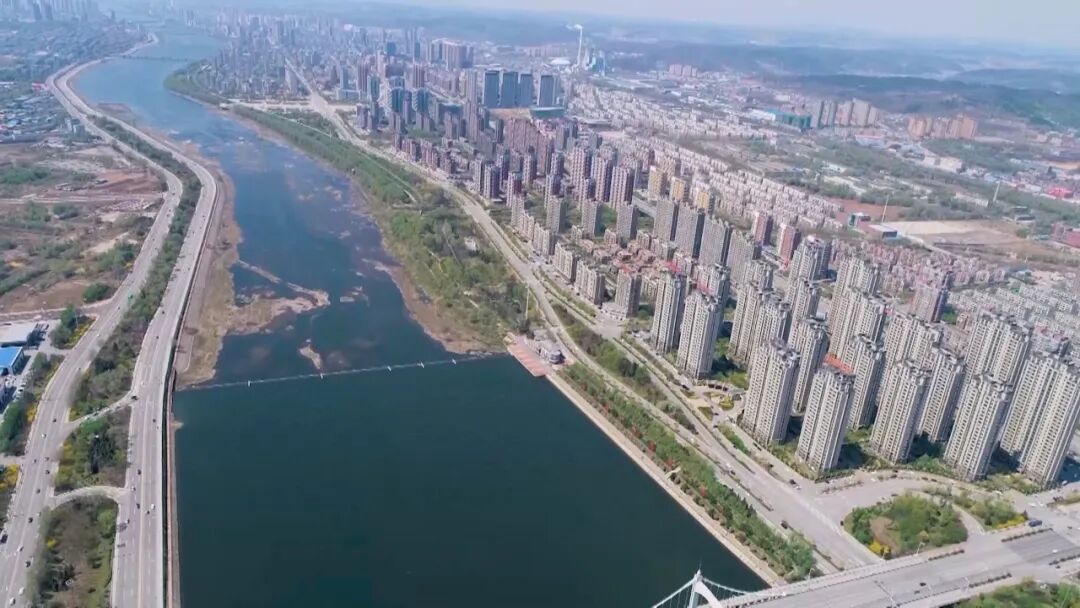
Fushun is located in the eastern part of Liaoning Province, situated in the transition zone between the remnants of the Changbai Mountains and the Liaohe Plain. It has a temperate continental monsoon climate with four distinct seasons: cold and dry winters, and warm and rainy summers.
Fushun has a long history and is the birthplace of the Qing Dynasty. Nurhaci established the Later Jin regime here. In modern times, it became the 'Coal Capital' due to its abundant coal resources, and after the founding of New China, it developed into a heavy industrial city.
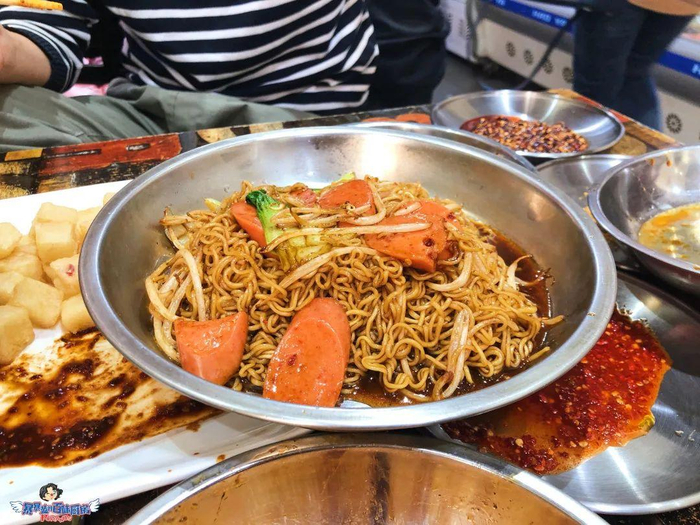
Fushun is an important inheritance site of Manchu culture, with rich intangible cultural heritage items such as Manchu paper-cutting and Manchu Yangko dance. The cuisine is mainly Manchu-style and Northeastern Chinese, featuring dishes like Fushun Spicy Mix and Manchu Eight Bowls.
Today, Fushun is transitioning from traditional industry to eco-tourism. Industrial heritage sites like the West Open-pit Mine have become new attractions, while the Dahuofang Reservoir supports the development of a green economy.
The best time to visit 抚顺 is Spring and autumn (May-June, September-October).
Spring (May-June): Temperatures rise, nature revives, perfect for outdoor outings and visiting the Royal Polar Ocean World.
Summer (July-August): Hot and rainy, but you can escape the heat at Dahuofang Reservoir and enjoy water activities.
Autumn (September-October): Clear and crisp weather, colorful foliage, ideal for maple viewing and mountain climbing.
Nurhaci established the Later Jin regime in Hetu Ala City, Xinbin, Fushun, laying the foundation for the Qing Dynasty.
Japanese invaders began large-scale mining of Fushun coal mines, turning Fushun into a resource plunder site.
Fushun became an important heavy industrial base of New China, with booming petroleum, metallurgy, and coal industries.
Recommended places to visit
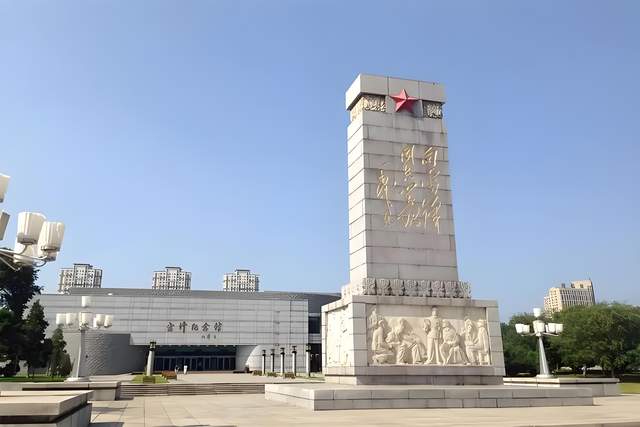
A national patriotic education base showcasing Lei Feng's life and spirit.
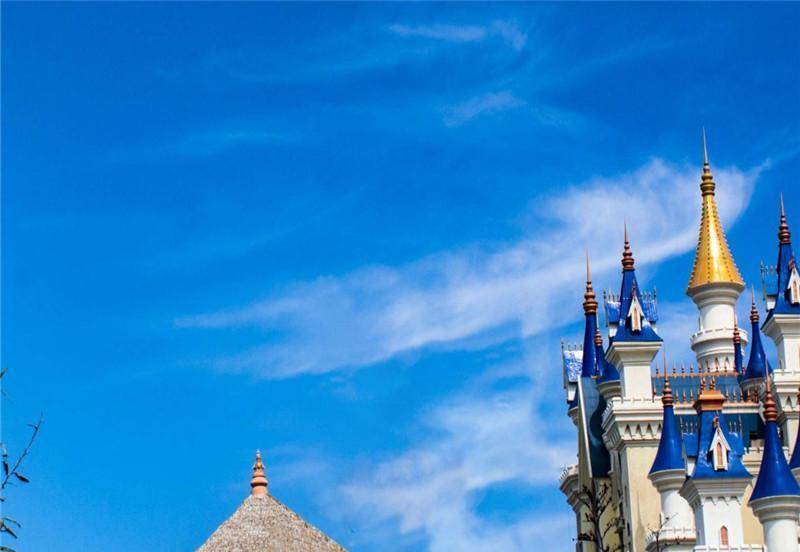
Large ocean theme park featuring polar animal exhibits, ocean theater, and water park.
Explore rich intangible cultural heritage and traditional crafts
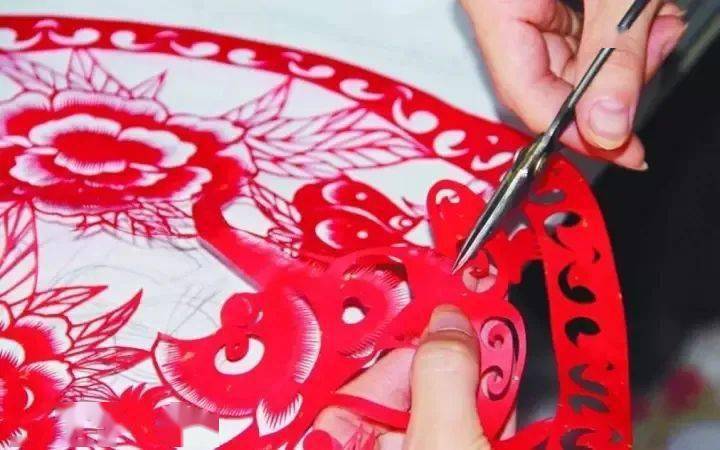
Traditional Manchu folk art, using paper-cutting to depict Manchu life, myths, and customs, with a rustic composition.
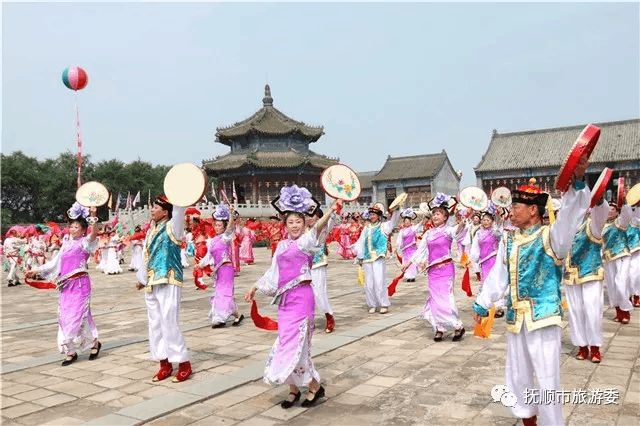
Manchu folk dance with bold and unrestrained movements, lively rhythm, often performed during festivals.
Must-know transportation for exploring the city
About 50 km from downtown Fushun, with direct airport buses to Fushun, about 1 hour drive.
Airport bus about 30 RMB
Located on the Harbin-Dalian high-speed railway, connecting to Shenyang, Dalian, Harbin, etc., with multiple trains daily.
Second-class seat to Shenyang about 20 RMB
City bus routes cover major attractions and commercial areas, fare 1-2 RMB, some routes support mobile payment.
1-2 RMB
Taste the most authentic and popular local specialties
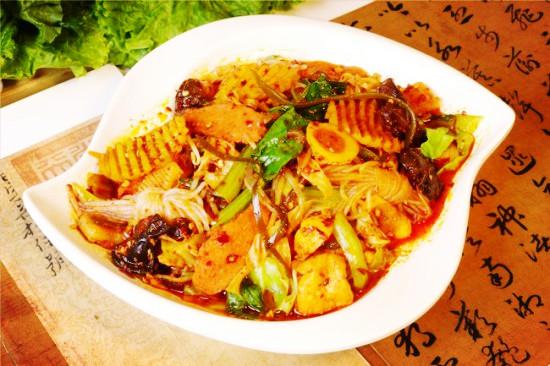
A Fushun specialty snack: various ingredients boiled and mixed with spicy seasonings, rich and spicy.
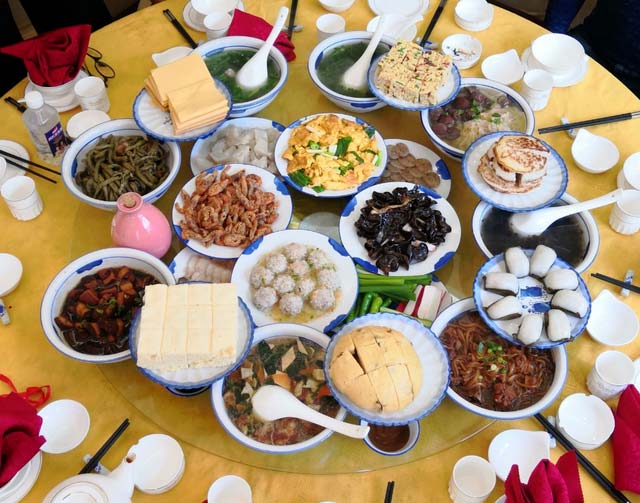
Traditional Manchu banquet dish consisting of eight courses including pork, chicken, fish, etc., with exquisite cooking.
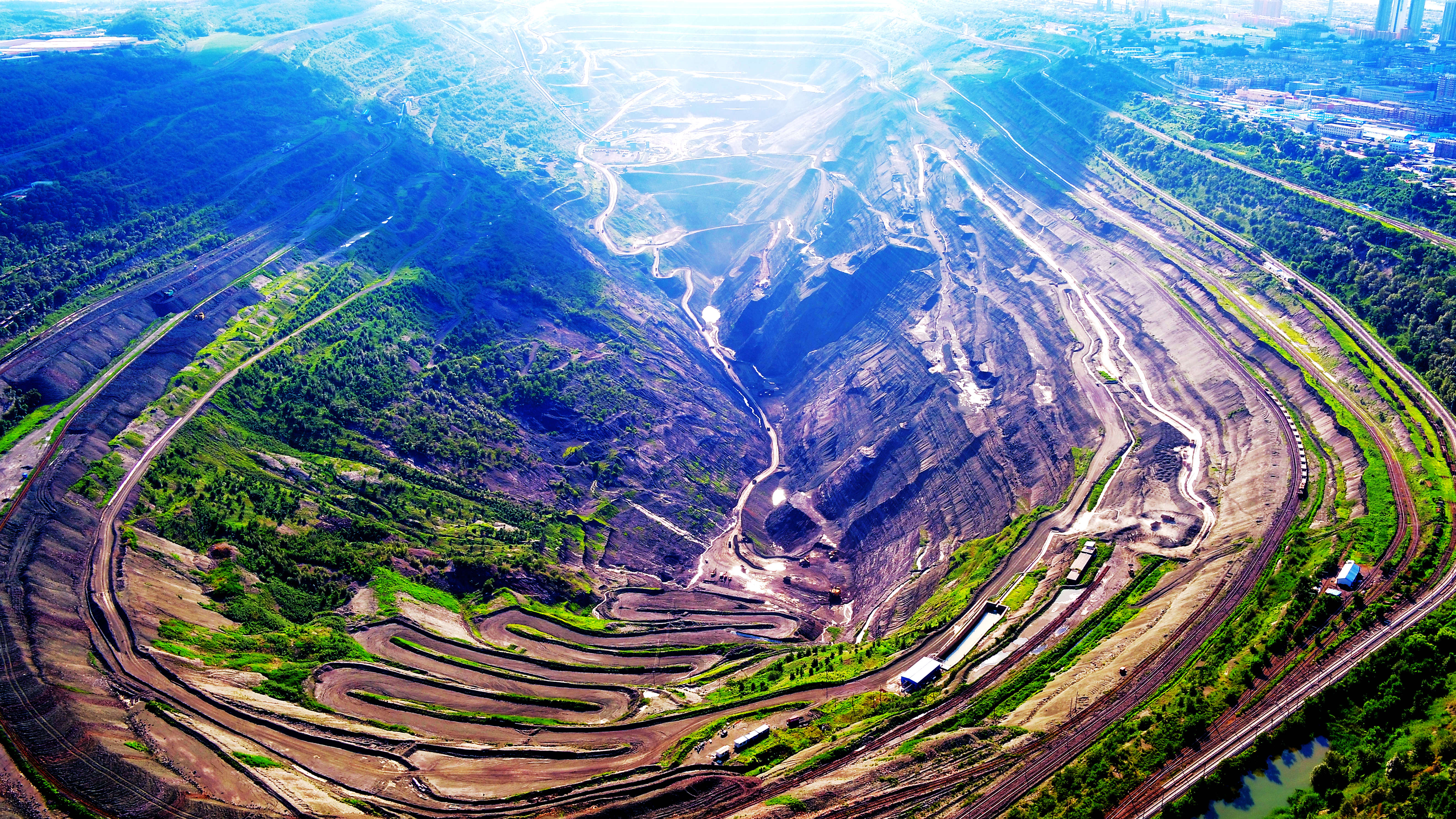
The largest open-pit coal mine in Asia, witnessing a century of coal mining history, now an industrial heritage.
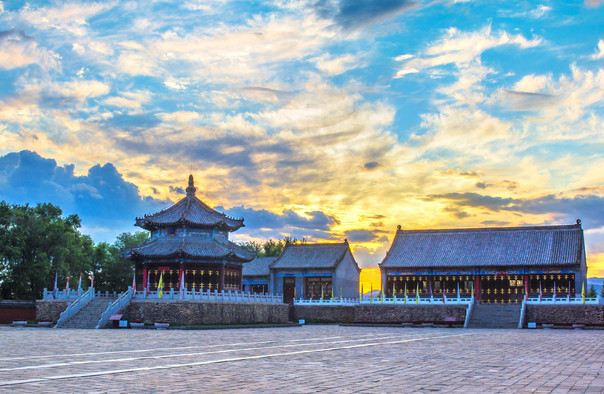
Birthplace of the Qing Dynasty where Nurhaci established Later Jin, with ancient city ruins and Manchu cultural village.
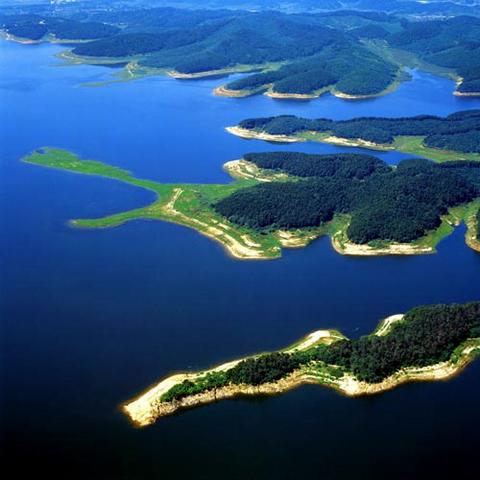
The largest reservoir in Liaoning Province, surrounded by mountains with excellent water quality, a resort for leisure and water sports.
Street barbecue snack: small skewers of pork or beef grilled with cumin and chili, tender and juicy.
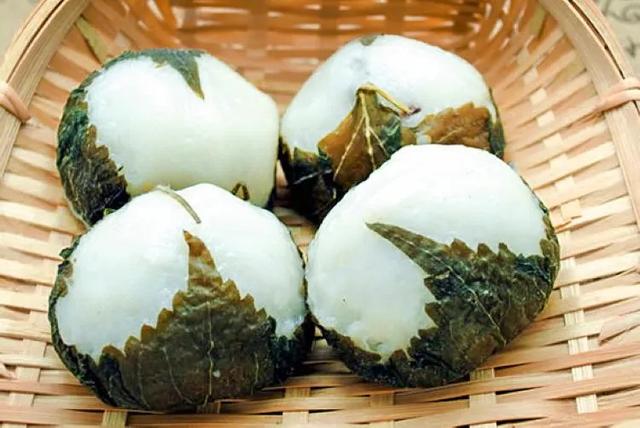
Traditional Manchu pastry: glutinous rice dough wrapped in perilla leaves with red bean or sesame filling, fragrant and chewy.
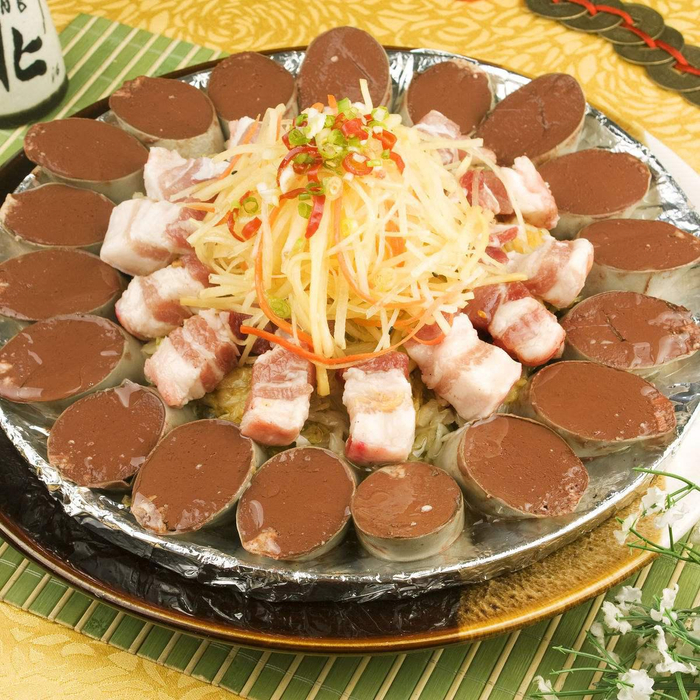
Traditional Manchu dish: fatty pork and blood sausage, tender and fresh, eaten with garlic sauce, unique flavor.