
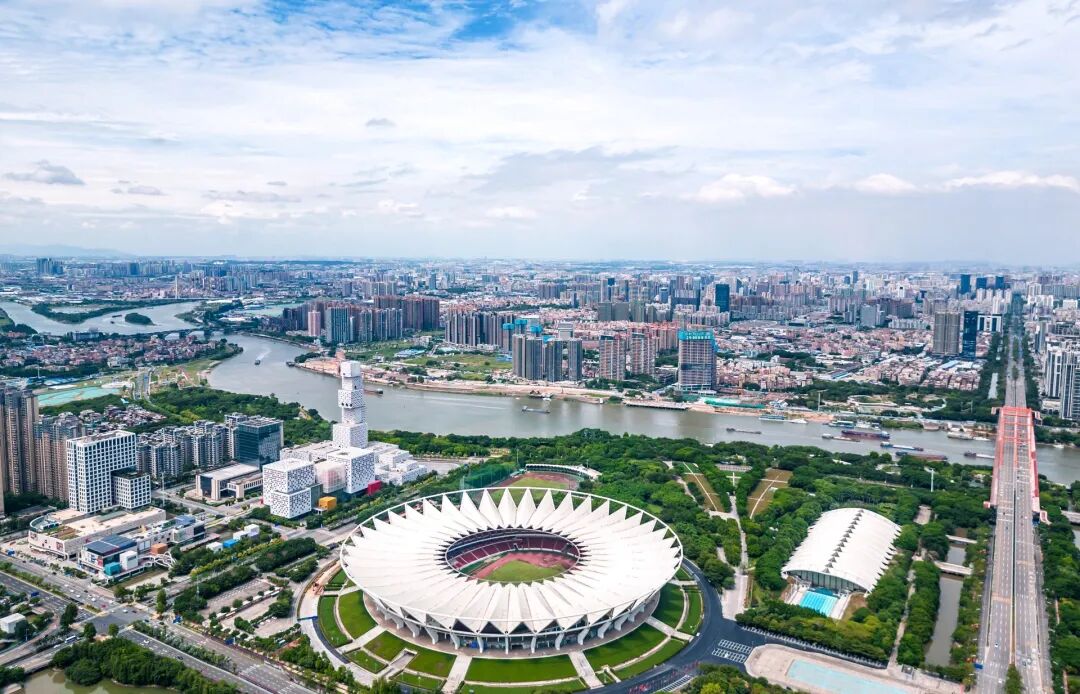
Foshan is located in the central part of Guangdong Province, nestled in the heart of the Pearl River Delta and adjacent to Guangzhou. It has a subtropical monsoon climate, warm and humid all year round with abundant rainfall, and an average annual temperature of about 23°C.
With a long history dating back to the Jin Dynasty and its name derived from the Tang Dynasty, Foshan is one of the important birthplaces of Lingnan culture. During the Ming and Qing dynasties, it was one of China's four famous towns alongside Hankou, Jingdezhen, and Zhuxianzhen, known for its commercial prosperity and handicraft industry.
Foshan is the birthplace of Cantonese opera and a major origin of Southern Chinese martial arts, producing legendary masters such as Wong Fei-hung and Ip Man. Its cuisine is renowned, especially Shunde dishes, which emphasize fresh ingredients and flavors that are clear, fresh, crisp, tender, and smooth. Signature dishes include double-skin milk, blind man's cake, and zhuhou chicken.
Modern Foshan is a key node city in the Guangdong-Hong Kong-Macao Greater Bay Area, with a strong economy driven by manufacturing and private enterprises, home to well-known companies like Midea and Country Garden. At the same time, Foshan values cultural heritage and innovation, with landmarks such as Lingnan Tiandi and Foshan New City showcasing the blend of tradition and modernity.
The best time to visit 佛山 is Suitable all year round, best in spring and autumn.
Spring (March-May): Mild temperatures, flowers in bloom, ideal for outdoor activities and flower viewing.
Autumn (September-November): Cool weather, less rainfall, the golden season for tourism.
Summer (June-August) is hot and rainy, but you can experience special activities like dragon boat races; winter (December-February) is warm and dry, suitable for escaping the cold.
Legend has it that in the second year of Tang Zhenguan (628 AD), villagers unearthed three bronze Buddha statues on Tapo Hill, considering it a Buddhist site, they erected a stone tablet and renamed the township 'Foshan' (Buddha Mountain).
During the Ming and Qing dynasties, Foshan was listed as one of the four famous towns in China, along with Hankou, Jingdezhen, and Zhuxianzhen, renowned for its commercial prosperity and handicraft industry, especially ceramics, textiles, and iron smelting.
Foshan is a major cradle of southern Chinese martial arts, producing legendary masters such as Wong Fei-hung, Ip Man, and Bruce Lee, exerting a profound influence on the spread of Chinese martial arts.
Recommended places to visit
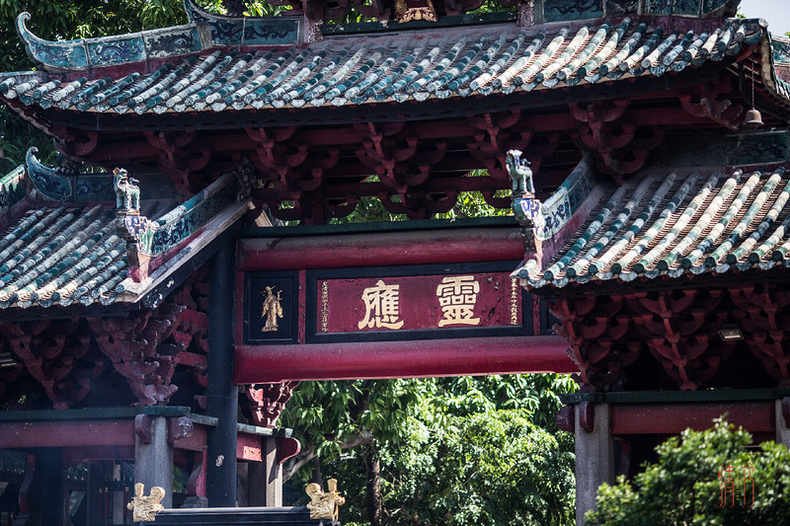
First built in the Northern Song Dynasty, it is a temple dedicated to the Taoist god Zhenwu, representing Lingnan ancient architecture with exquisite wood, stone, brick carvings, and pottery.
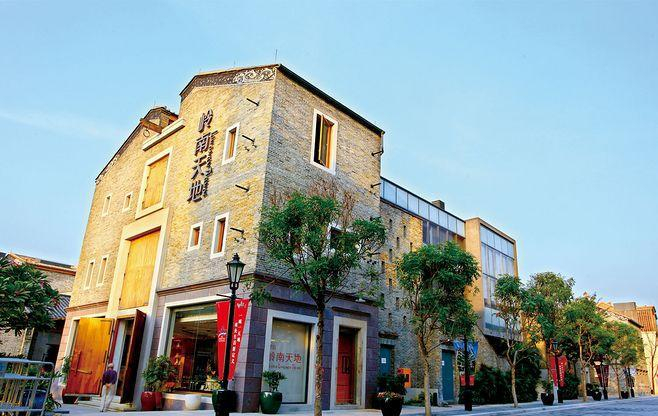
A comprehensive block integrating commerce, culture, and tourism, preserving a large number of Lingnan-style buildings, a great place to experience the blend of modernity and tradition in Foshan.
Explore rich intangible cultural heritage and traditional crafts
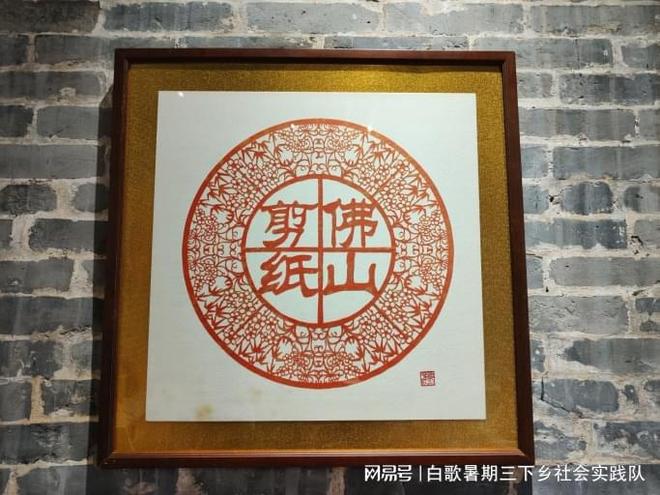
Foshan paper-cutting is a national intangible cultural heritage, known for its rigorous composition, smooth lines, and rich colors, often used for festive decorations.
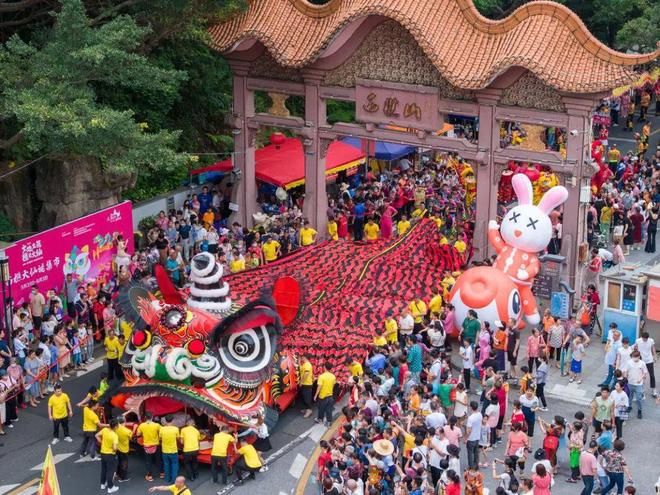
Foshan Autumn Colors is a national intangible cultural heritage, including activities such as autumn color competitions and parades, showcasing folk art and handicrafts.
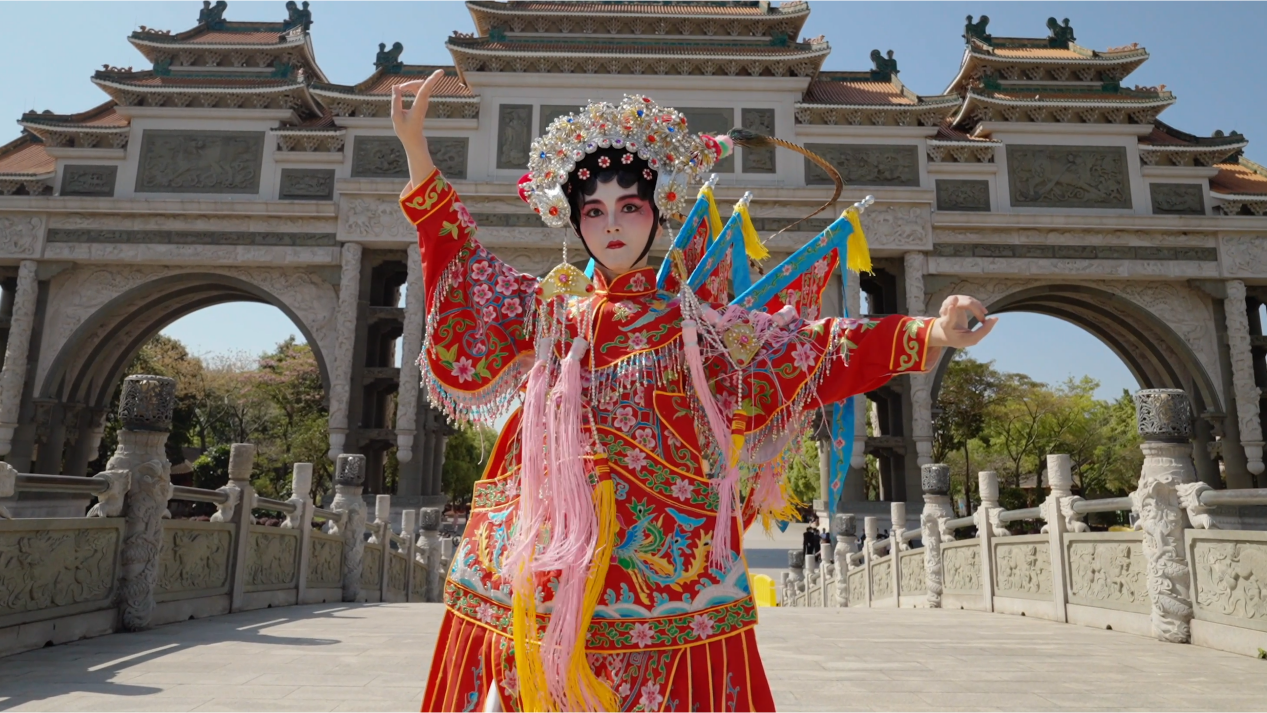
Cantonese Opera is a UNESCO Intangible Cultural Heritage of Humanity. Foshan is one of its birthplaces, with a deep mass base in Foshan.
Must-know transportation for exploring the city
Located in Nanhai District, Foshan, with flights to major domestic cities such as Beijing, Shanghai, and Chengdu.
Varies by route
High-speed rail station connecting Guangzhou South Station, Shenzhen North Station, etc., providing quick access to cities in the Guangdong-Hong Kong-Macao Greater Bay Area.
Varies by distance
The city's bus network is well-developed, covering major attractions and urban areas, with affordable fares and mobile payment options.
From 2 yuan
Taste the most authentic and popular local specialties
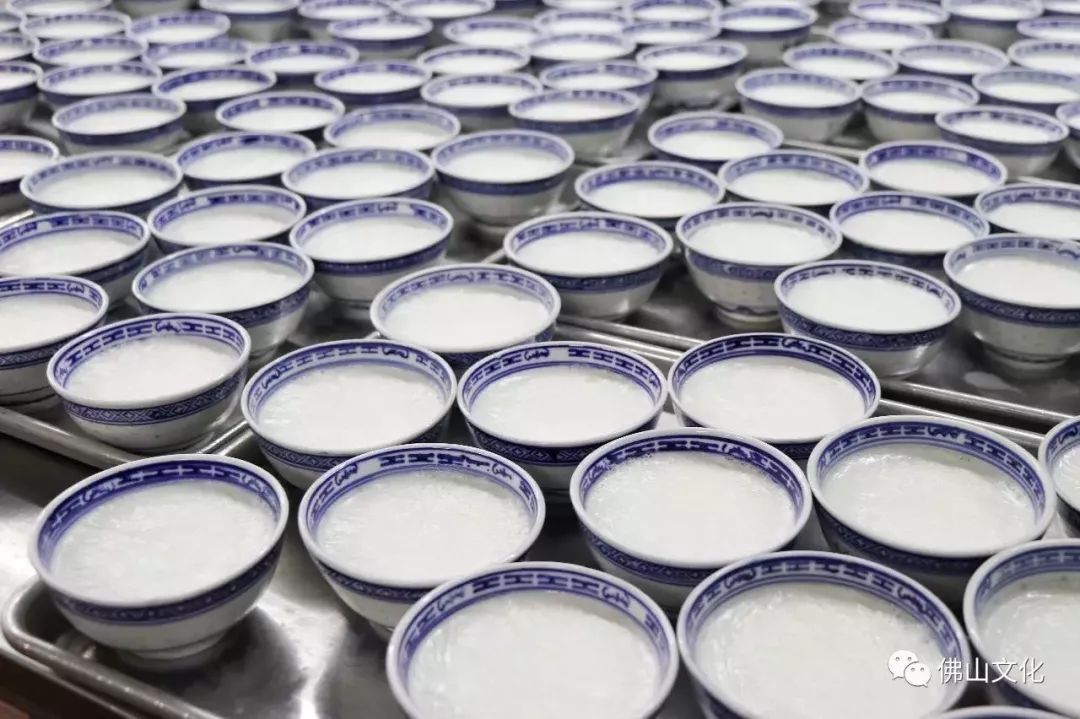
A traditional Shunde dessert made from buffalo milk, with two layers of milk skin on the surface, smooth and tender, rich in milk flavor.
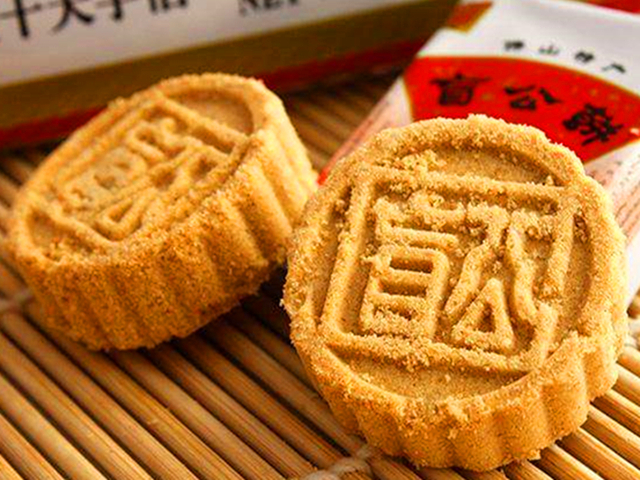
A traditional Foshan pastry created by a blind man, made from glutinous rice flour, peanuts, sesame, etc., sweet and crispy.
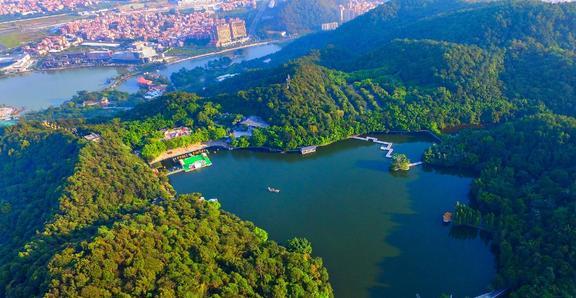
One of the four famous mountains in Guangdong, a national forest park with numerous waterfalls, lakes, and ancient temples, ideal for leisure, vacation, and hiking.
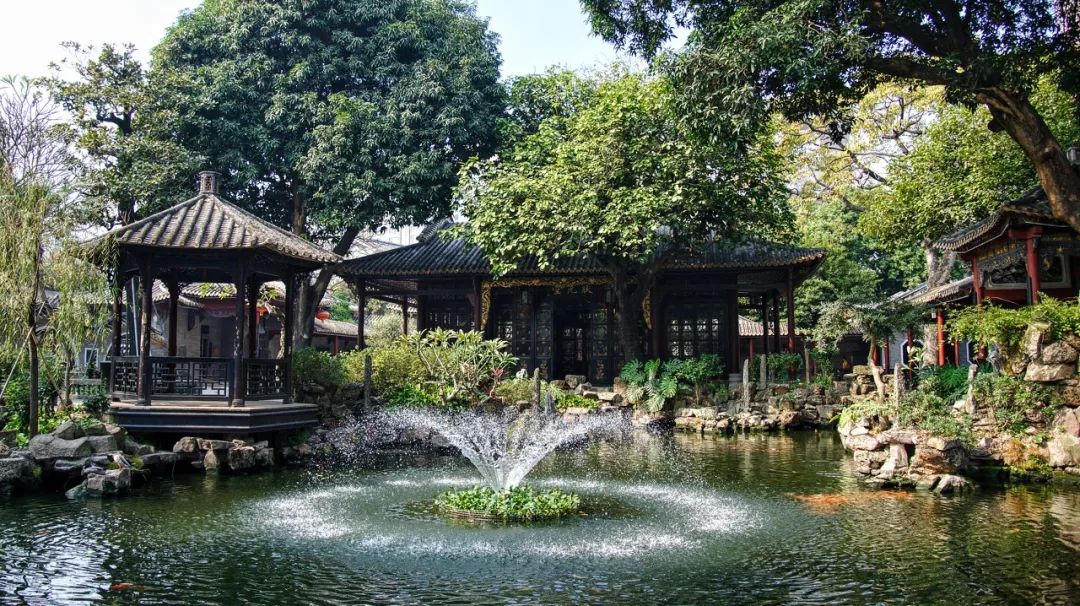
One of the four famous gardens in Guangdong, first built in the Ming Dynasty, typical Lingnan garden style with pavilions, bridges, and flowing water, exquisitely laid out.
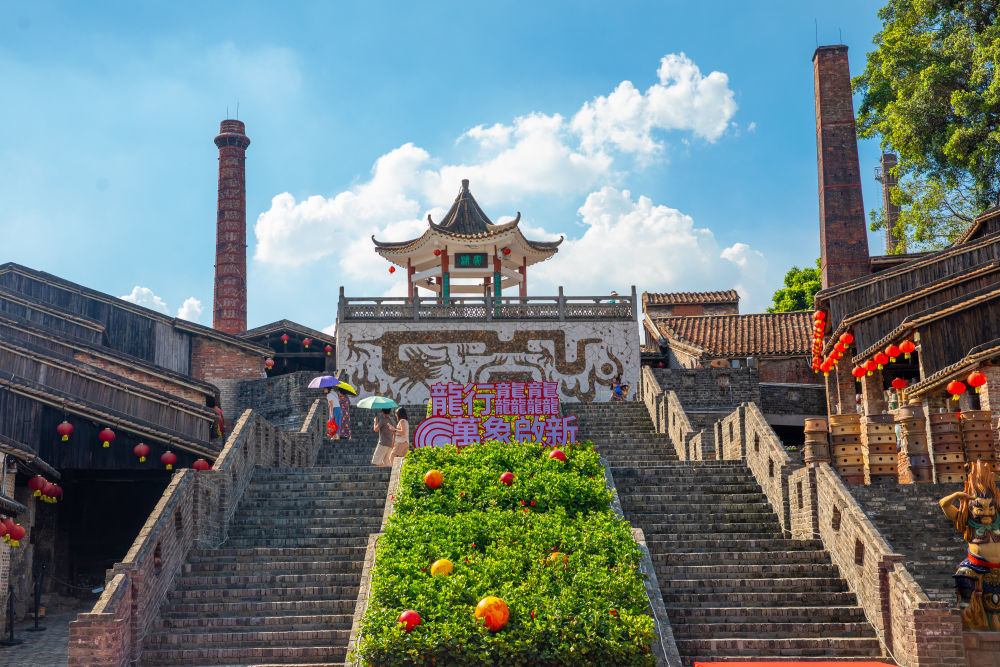
An ancient kiln with a history of over 500 years, an important symbol of Foshan's ceramic culture, still in use today, visitors can watch the pottery-making process.
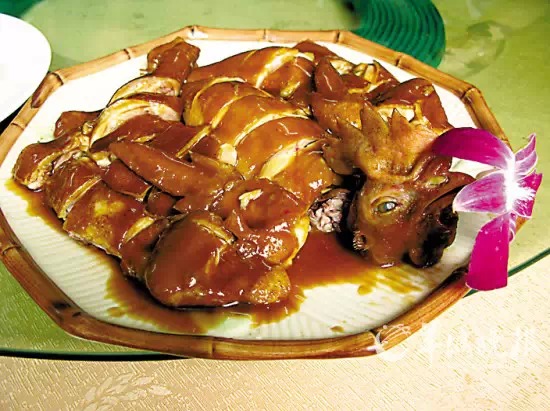
A traditional Foshan dish cooked with Chu Hou sauce, the chicken is tender and the sauce is rich, a classic of Cantonese cuisine.
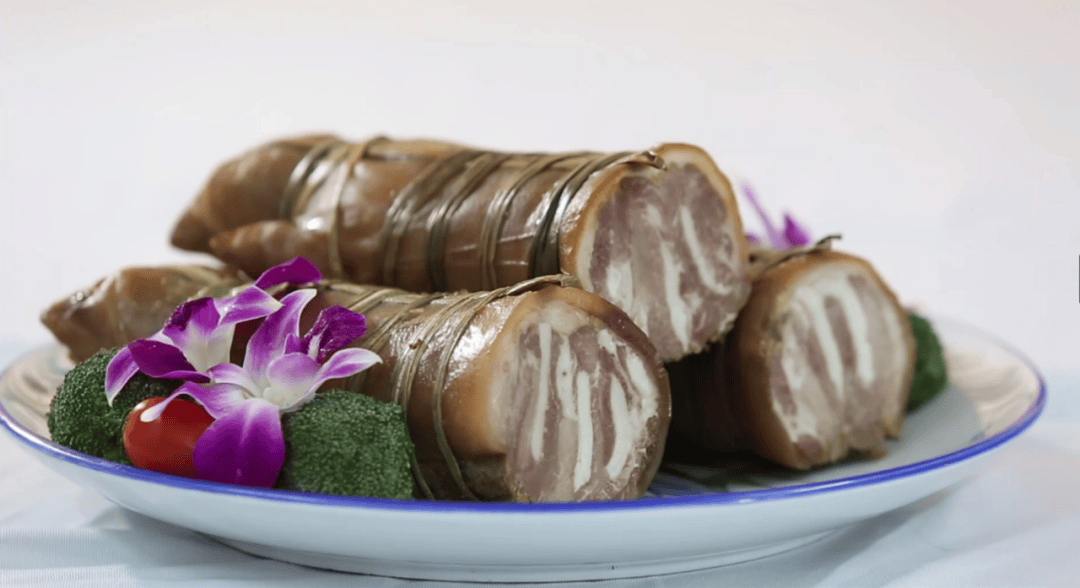
Pig's trotters deboned and stuffed with lean meat and spices, tied tightly and cooked, sliced to serve, skin is crispy and meat tender, with aromatic marinade.

A Shunde specialty dish made by stir-frying milk with egg whites, soft and tender, rich in milk flavor, a representative of Shunde cuisine.