
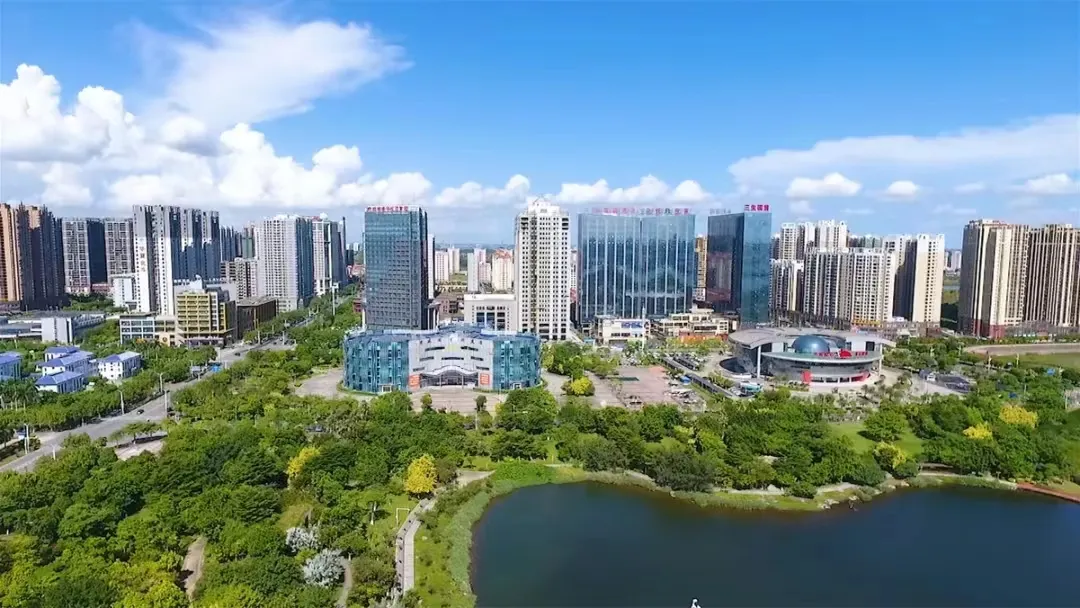
Fangchenggang is located in southern Guangxi, bordering the Beibu Gulf to the south and sharing a border with Vietnam. It boasts a 584-kilometer coastline and a subtropical monsoon climate, with warm winters, cool summers, and abundant rainfall.
In ancient times, Fangchenggang belonged to the Baiyue region, later becoming part of Jiaozhi Commandery during the Han Dynasty. It gradually emerged as a strategic border town after the Song Dynasty. The port was established in 1968, and it was designated as a prefecture-level city in 1993. Today, it is an important port city along China's coast.
Fangchenggang is the only settlement of the Jing ethnic group, known for their unique culture, including intangible cultural heritage such as the Ha Festival and the single-stringed zither. The local cuisine features seafood, such as Fangchenggang oysters, Jing rice noodles, and wind-blown cakes, with a fusion of Vietnamese flavors.
Leveraging its port advantages, Fangchenggang has developed industries like steel, energy, and grain processing. It is also promoting the construction of a border tourism pilot zone, aiming to become a key node city on the Belt and Road.
The best time to visit 防城港 is Suitable all year round, best in spring and autumn.
Spring (March-May) has pleasant temperatures and blooming flowers, ideal for outdoor activities.
Summer (June-August) is hot and rainy, but you can enjoy beach resorts and the Jing Ha Festival.
Autumn (September-November) is cool and dry, the best time to taste seafood and experience Jing culture.
On March 22, 1968, Fangchenggang Port began construction, initially serving as a maritime channel for aiding Vietnam against the United States.
On May 23, 1993, the State Council approved the establishment of Fangchenggang as a prefecture-level city.
In March 2018, the State Council approved the establishment of Guangxi Fangchenggang Border Tourism Pilot Zone to promote cross-border tourism cooperation.
Recommended places to visit
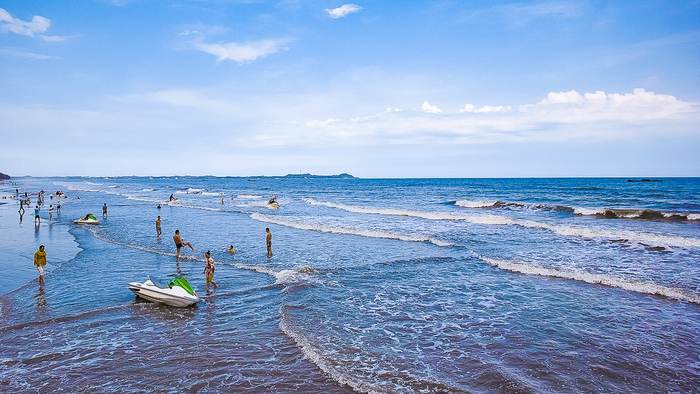
Located on Wanwei Island, one of the three Jing islands, with fine golden sand and gentle slope, it's a great place to watch sunset and experience Jing culture.
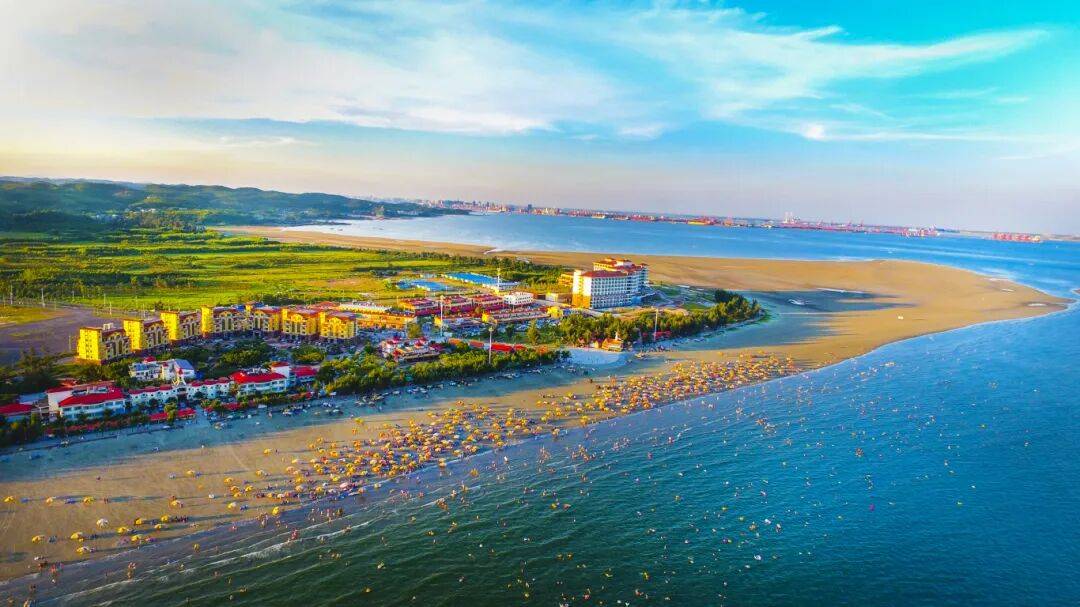
Located on Jiangshan Peninsula, known for black sand and white waves, it is one of the largest beach resorts in China, suitable for swimming and beach sports.
Explore rich intangible cultural heritage and traditional crafts
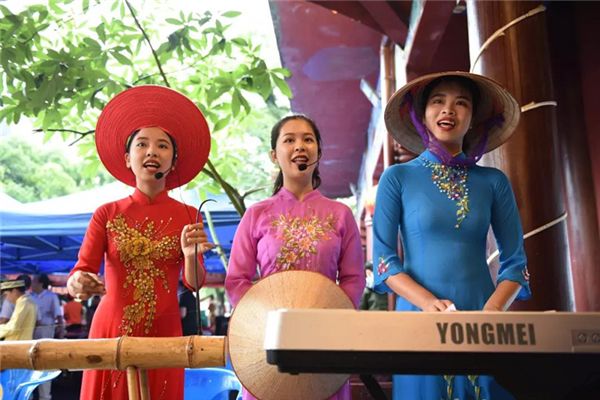
The most important traditional festival of the Jing ethnic group, held on the tenth day of the sixth lunar month, featuring sacrifices, songs, dances, and single-stringed instrument performances.
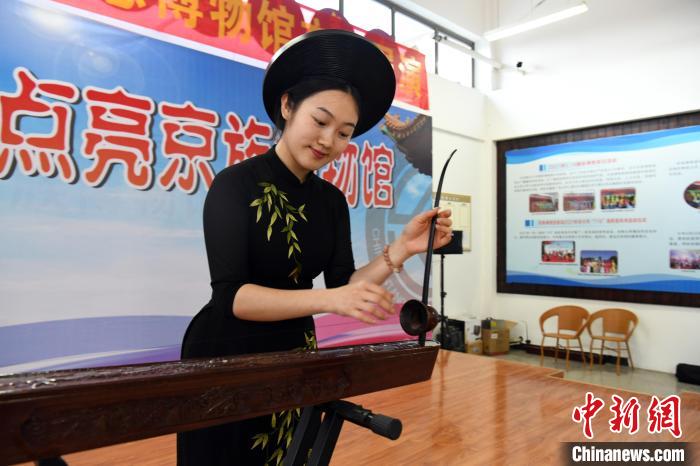
A unique plucked instrument of the Jing ethnic group, with only one string, producing a soft and beautiful tone, with unique playing techniques.
Must-know transportation for exploring the city
Currently not built yet. You can fly to Nanning Wuxu International Airport, then transfer by high-speed rail or bus to Fangchenggang.
High-speed rail from Nanning to Fangchenggang about 50 yuan
High-speed rail station with trains to Nanning, Guilin, Guangzhou, etc., convenient transportation.
Second-class seat from Nanning East to Fangchenggang North about 50 yuan
Multiple bus routes within the city reach major attractions. There are also tourist shuttles connecting Wanwei Golden Beach, White Wave Beach, etc.
Bus fare 2 yuan, tourist shuttle 5-10 yuan
Taste the most authentic and popular local specialties
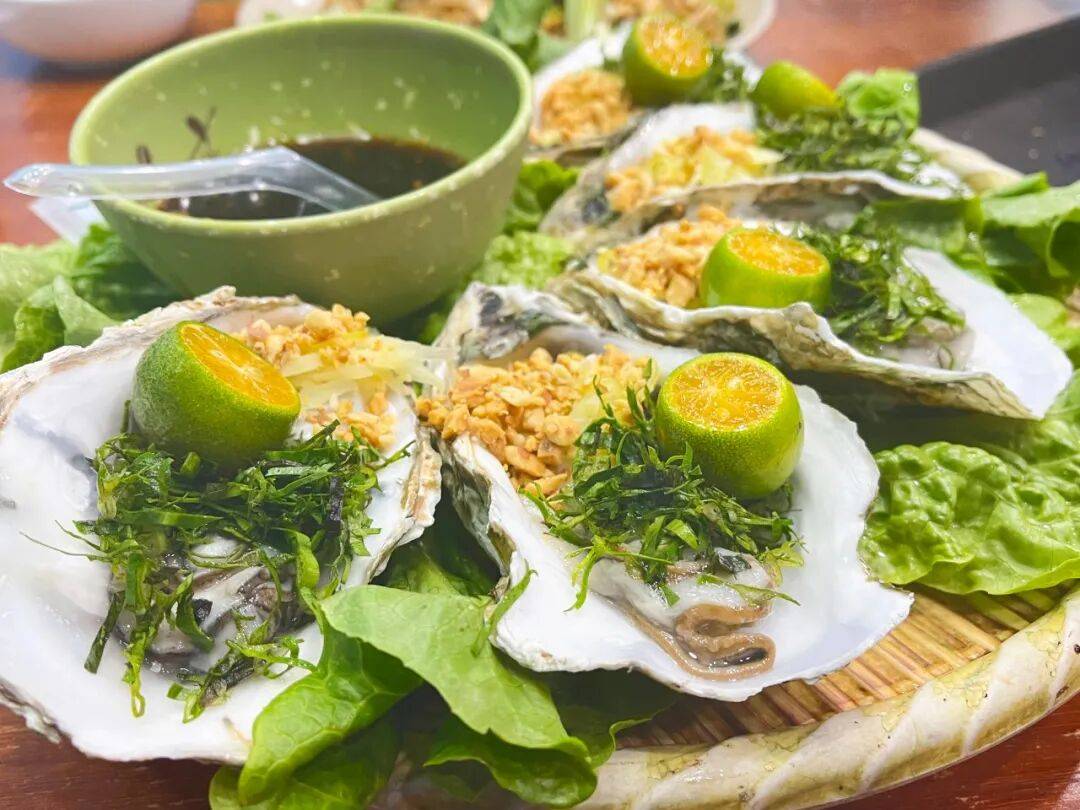
Large and plump, tender meat, can be eaten raw or grilled, a local seafood specialty.
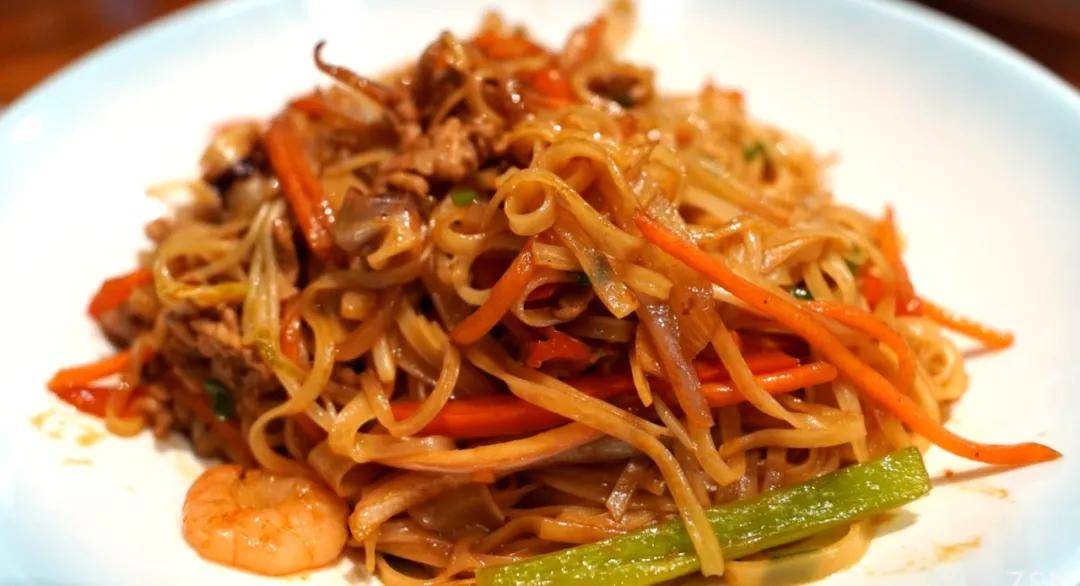
Traditional Jing snack, smooth rice noodles with seafood broth and fresh toppings.
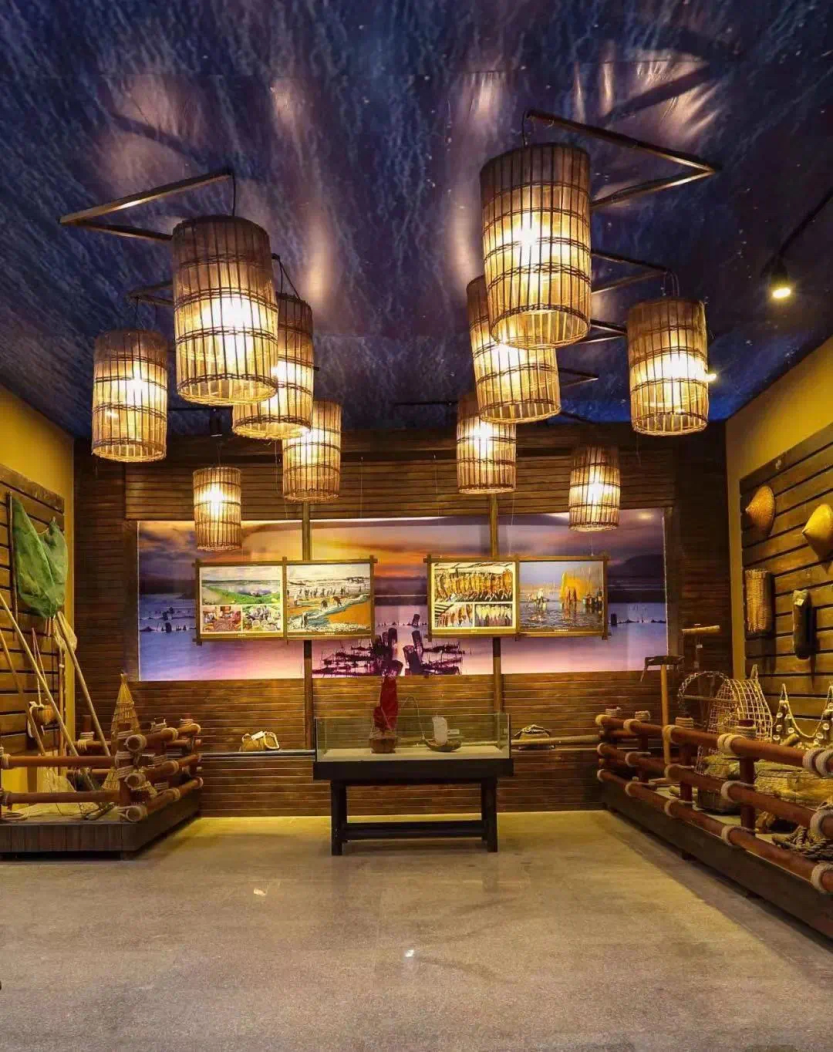
A thematic museum showcasing Jing history, culture, and customs, with precious artifacts such as the single-stringed instrument.
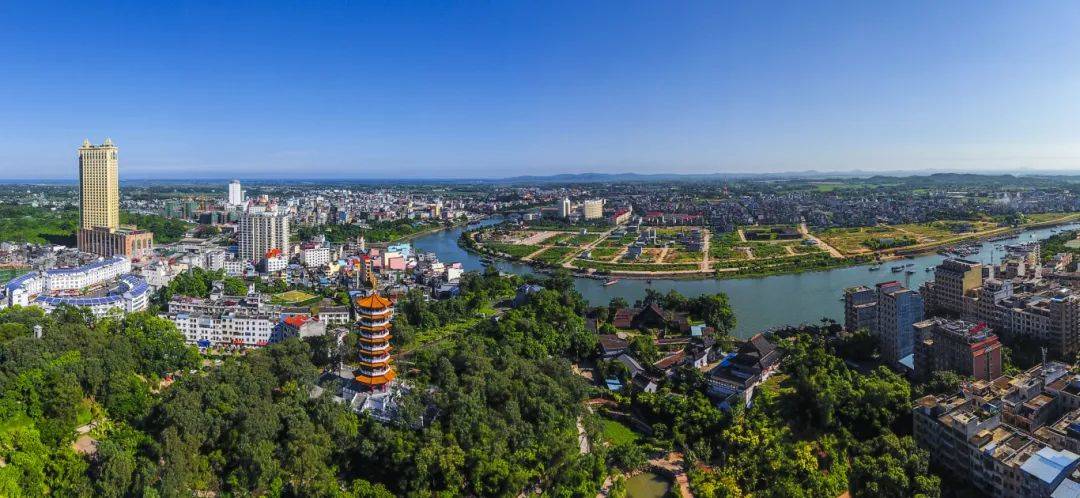
Located in Dongxing City, facing Mong Cai of Vietnam across the river, you can visit the national gate, China-Vietnam Friendship Bridge, and Ho Chi Minh Pavilion.
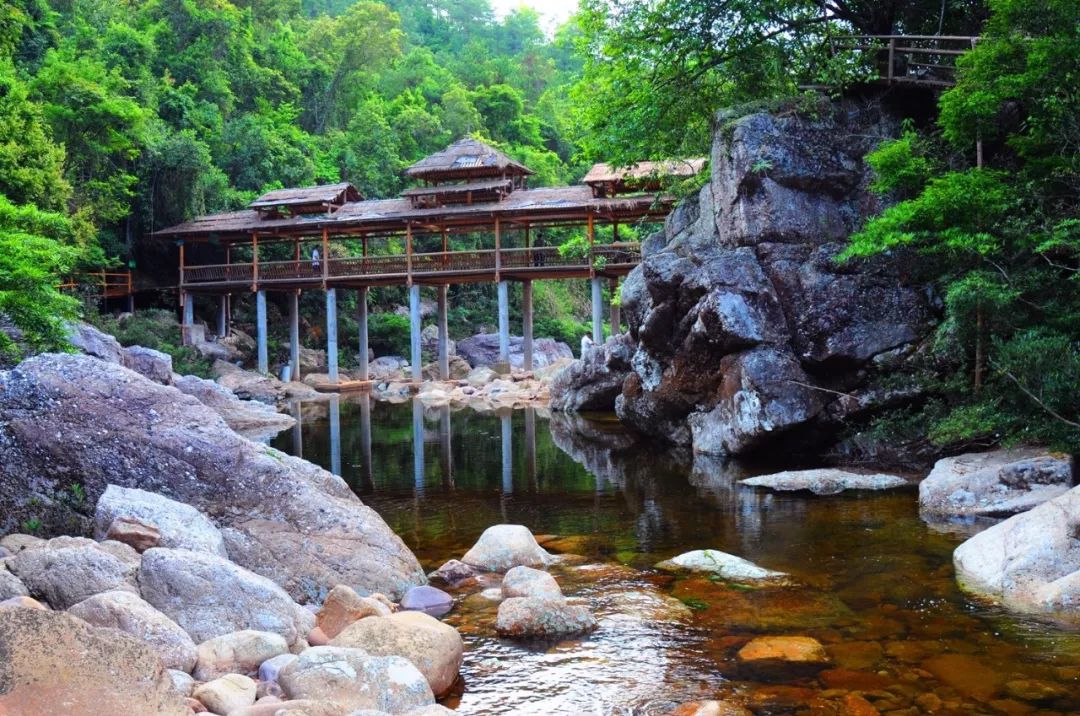
Located in Shangsi County, with high forest coverage, waterfalls, streams, rare animals and plants, it's a great place for hiking and summer escape.
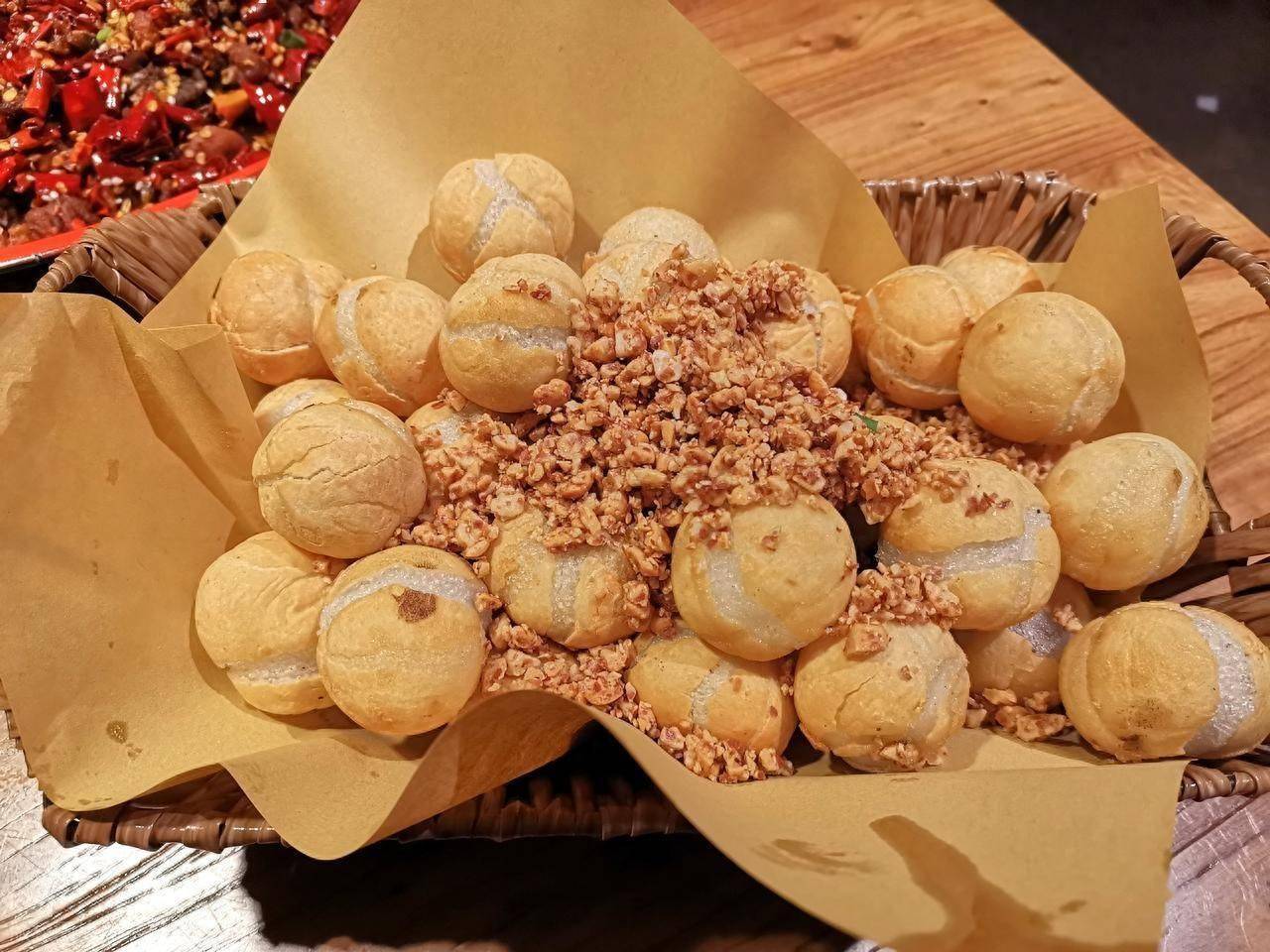
Jing specialty, thin pancake made from glutinous rice flour, sun-dried and fried, crispy and delicious.
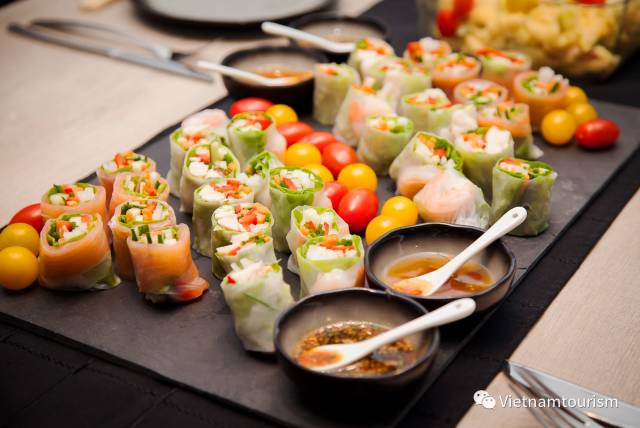
Influenced by Vietnam, rice rolls filled with minced pork, wood ear mushrooms, served with fish sauce.
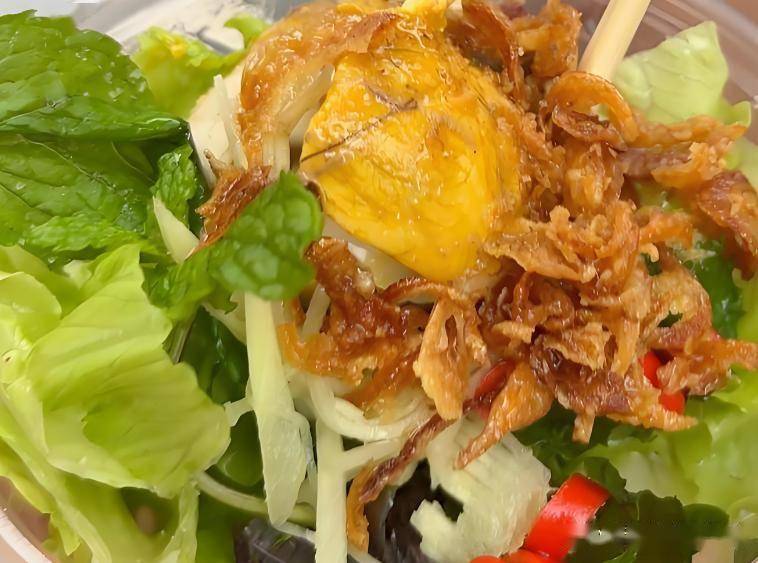
Specialty snack, boiled duck egg incubated for 18 days, served with lemon juice and chili.