
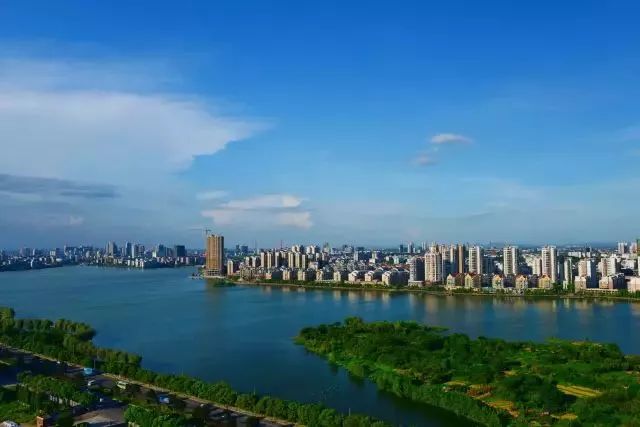
Ezhou is located in eastern Hubei Province, on the south bank of the middle reaches of the Yangtze River. Known as the 'City of a Hundred Lakes,' it has a subtropical monsoon climate with four distinct seasons and abundant rainfall. The annual average temperature is about 17°C, with pleasant weather in spring and autumn.
Ezhou has a long history. During the era of Emperor Yao, it was known as the 'Fan Kingdom'; in the Xia Dynasty, it was 'Edu'; in the Shang Dynasty, it was 'E Kingdom.' During the Three Kingdoms period, Sun Quan proclaimed himself emperor here and renamed E to Wuchang, which is the origin of Hubei's abbreviation 'E.'
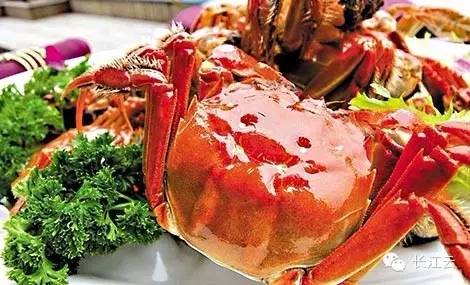
Ezhou boasts profound cultural heritage. It is the 'Home of Ancient Bronze Mirrors,' renowned for its exquisite bronze mirror craftsmanship. The most famous local delicacy is Wuchang fish, immortalized by Mao Zedong's poem: 'Just after drinking the waters of Changsha, I come to savor the Wuchang fish.' Additionally, Ezhou fish balls and Liangzi Lake crabs are also highly distinctive.
Modern Ezhou is a key node city in the Yangtze River Economic Belt. It is home to the Hubei International Logistics Core Hub—Ezhou Huahu Airport, China's first cargo hub airport. Meanwhile, Ezhou is actively integrating into the Wuhan metropolitan area, developing airport economy and high-tech industries.
The best time to visit 鄂州 is Spring and autumn (March-May, September-November).
Spring (March-May) has mild weather and blooming flowers, ideal for flower viewing and outdoor activities. The Liangzi Lake wetland is full of birds, perfect for ecotourism.
Autumn (September-November) is crisp and clear, with delicious Liangzi Lake crabs, a great time for food tasting and climbing high.
Summer (June-August) is hot and rainy but suitable for water activities; winter (December-February) is damp and cold with fewer tourists, good for experiencing local life.
During the Three Kingdoms period, Sun Quan, King of Wu, proclaimed himself emperor in E County and renamed it Wuchang, meaning 'prosperity through military force', making Ezhou the capital of Wu.
In 1913, the Republic of China changed Wuchang County to Echeng County, and in 1993, the county was upgraded to a city, officially named Ezhou.
Ezhou Huahu Airport officially commenced operations, becoming Asia's first professional cargo hub airport, helping Ezhou build an international logistics center.
Recommended places to visit
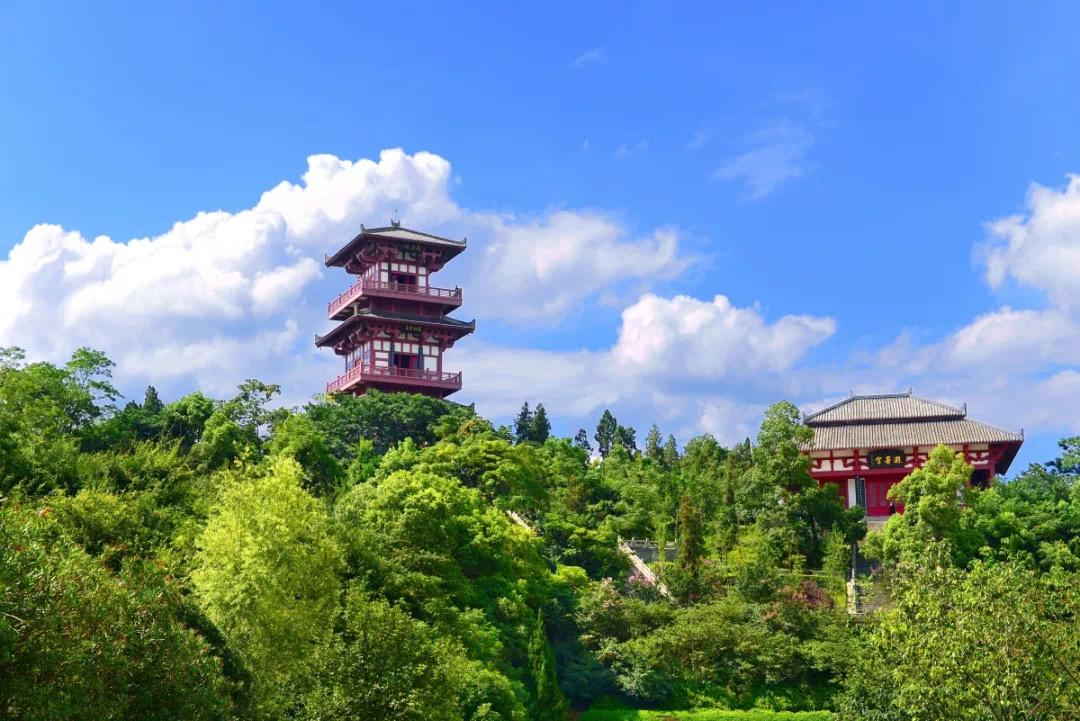
National 4A-level scenic area in downtown Ezhou, famous for Sun Quan's summer palace and Gulingquan Temple, offering panoramic views of the Yangtze River and the city.
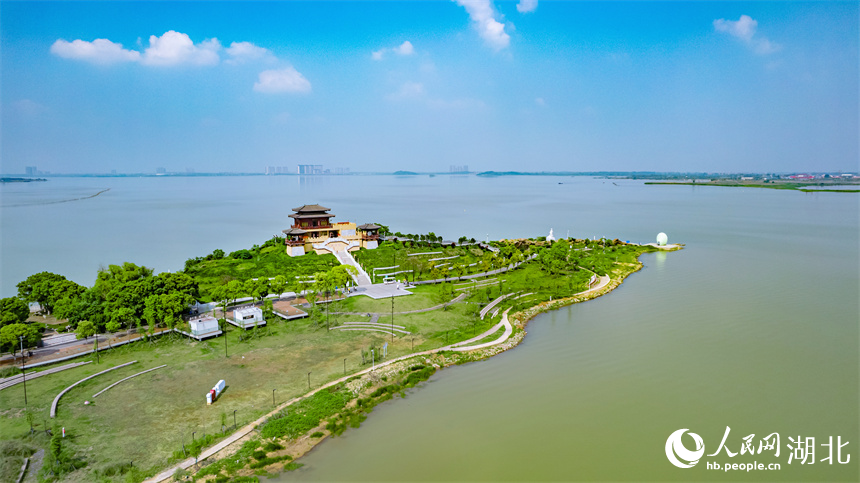
National 4A-level scenic area, the second largest freshwater lake in Hubei, known for wetland ecology and Liangzi Lake crabs, a paradise for birdwatching and crab tasting.
Explore rich intangible cultural heritage and traditional crafts
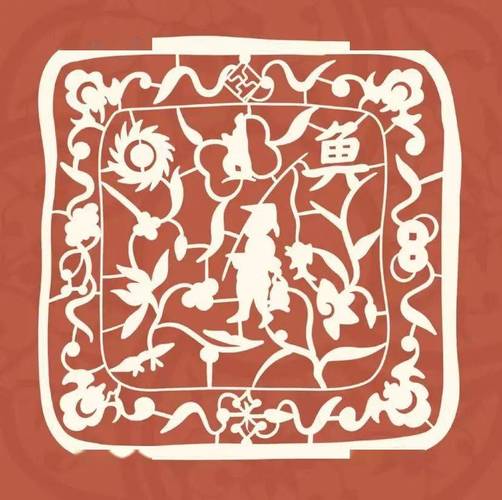
National intangible cultural heritage, known for fine carving and rich patterns, often used for decoration and festivals.
Must-know transportation for exploring the city
Asia's first professional cargo hub airport, with multiple domestic passenger routes connecting major cities like Beijing, Shanghai, and Guangzhou.
Ticket prices vary by route
Located on the Wuhan-Jiujiang passenger line, high-speed rail reaches Wuhan in 20 minutes, and about 4-5 hours to Shanghai, Shenzhen, etc.
Second class to Wuhan about 20 yuan
Ezhou's bus network covers main urban areas and attractions, fare 2 yuan, supports mobile payment. Taxis and shared bikes also available.
2 yuan (bus)
Taste the most authentic and popular local specialties
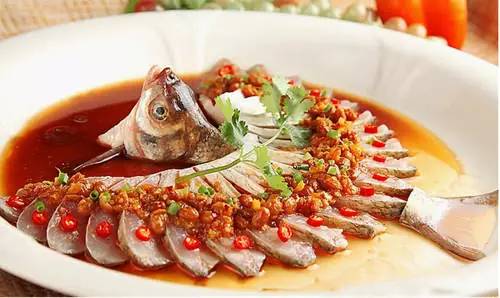
The most famous dish in Ezhou, with tender meat, best steamed. Made famous by Mao Zedong's poem.
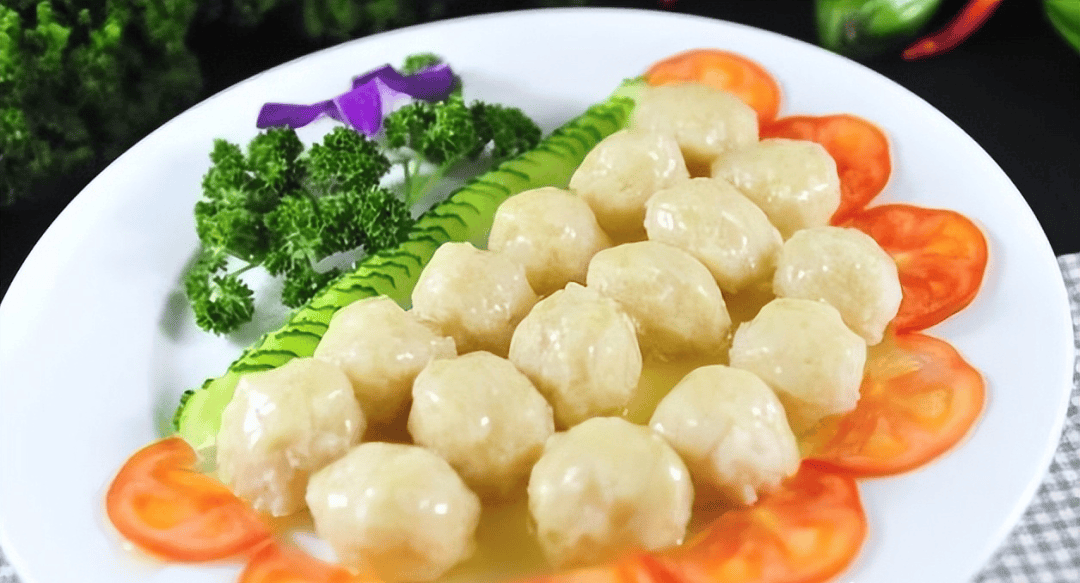
Handmade from fresh fish meat, chewy texture, delicious soup, a local traditional dish.
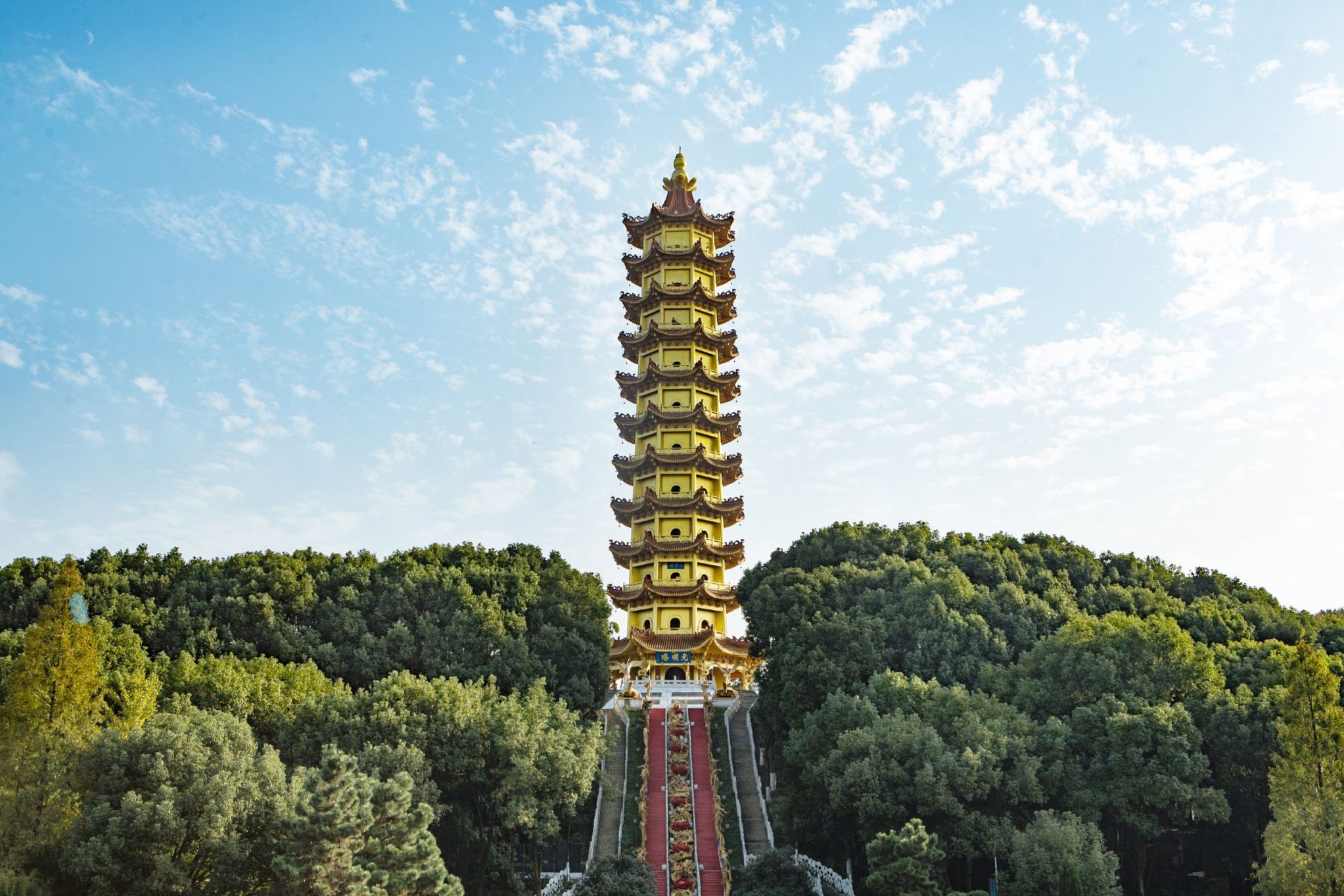
National 4A-level scenic area, famous for Yuanming Pagoda and blessing culture, with large stele forests and Buddhist architecture, ideal for leisure and prayer.
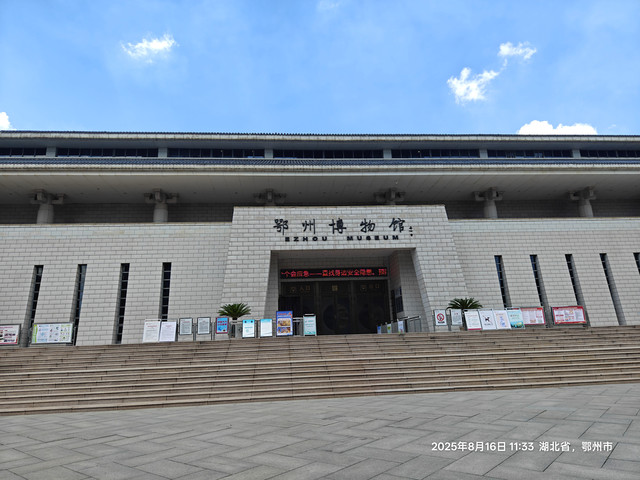
Specializing in ancient bronze mirrors, the museum houses a large collection of Three Kingdoms artifacts, showcasing Ezhou's history as the hometown of ancient bronze mirrors.
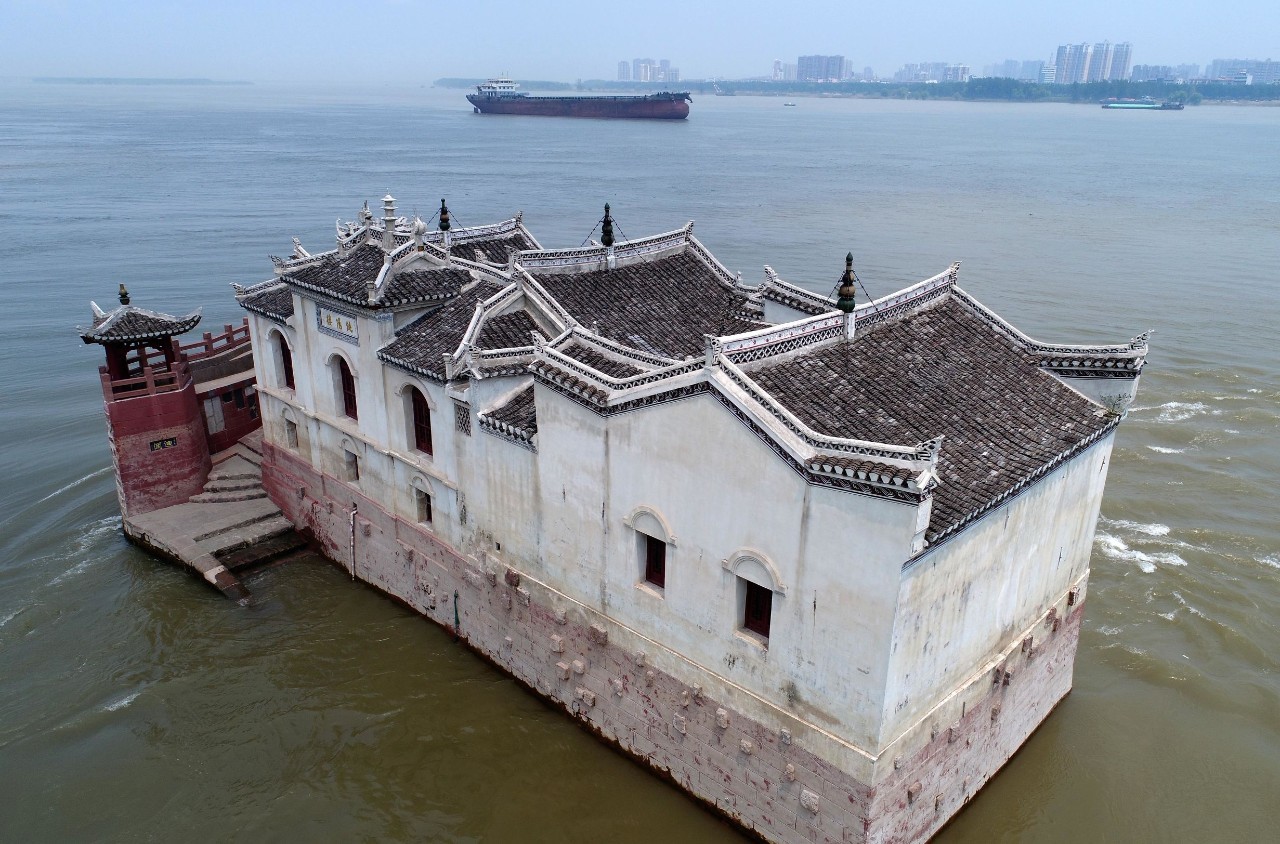
Located on Longpanji in the Yangtze River, known as the 'First Pavilion on the Yangtze River', built in the Song Dynasty, it is a landmark of Ezhou.
Hairy crabs from Liangzi Lake, rich in roe, delicious meat, best in autumn.
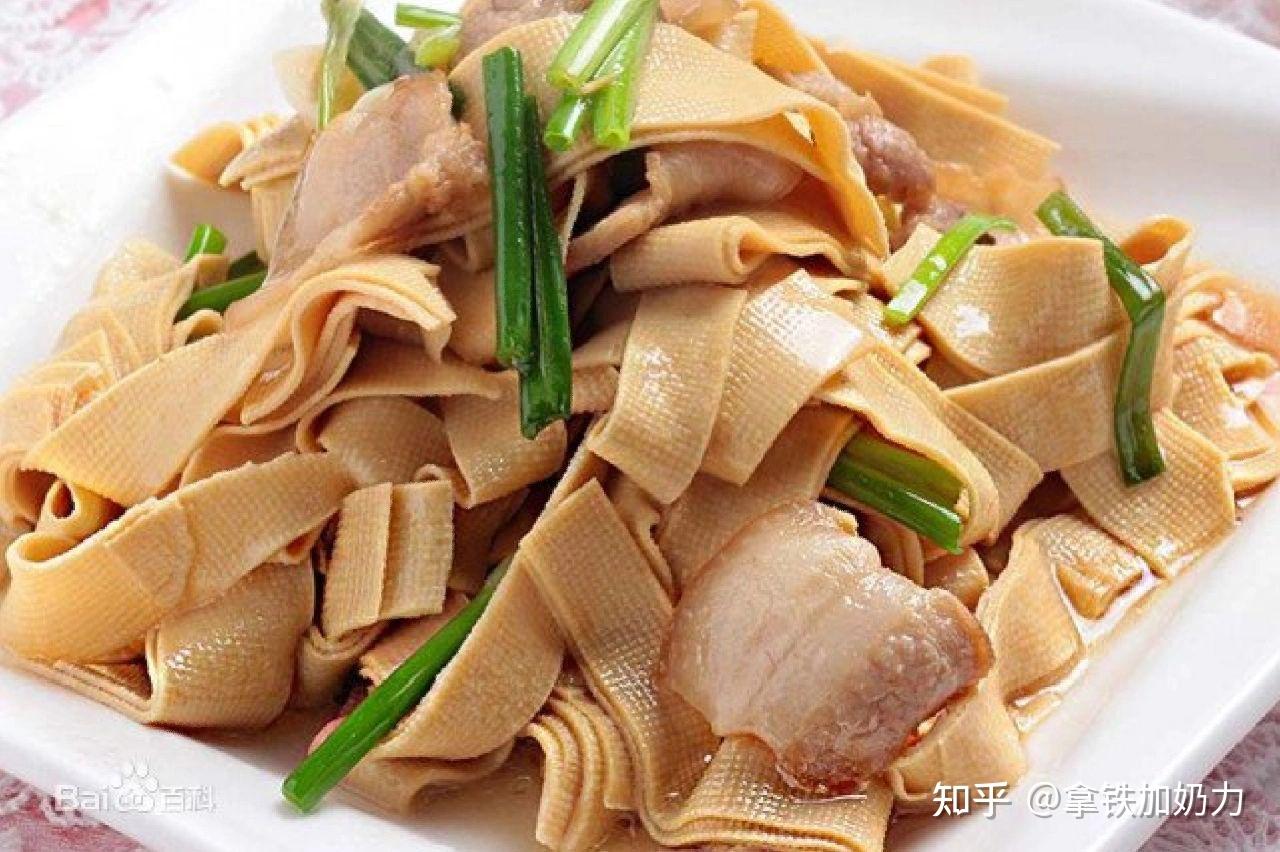
Similar to Wuhan doupi, but with richer fillings, golden crispy skin and soft filling, a common breakfast snack.
A deep-fried dough food, thin and crispy in the center, thick and soft around the edges, shaped like a dough nest, a local breakfast specialty.