
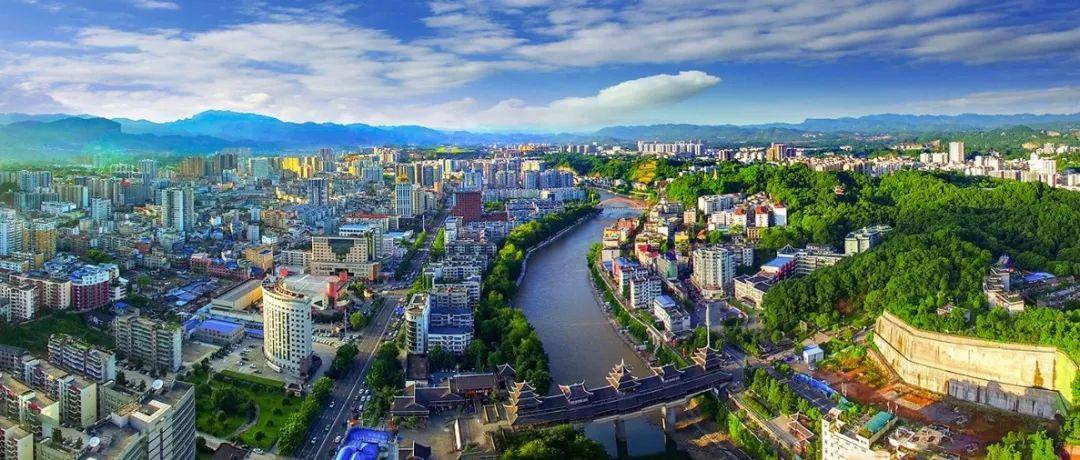
Enshi Tujia and Miao Autonomous Prefecture is located in the southwestern part of Hubei Province, nestled in the hinterland of the Wuling Mountains. It has a subtropical monsoon mountain humid climate with distinct seasons, abundant rainfall, and cool summers, earning it the title of 'World Selenium Capital.'
Enshi has a long history, belonging to the State of Ba during the Spring and Autumn period and later becoming Wu Commandery under the State of Chu. During the Yuan, Ming, and Qing dynasties, it was under the jurisdiction of Tusi (local chieftains). After the 'Gaitu Guiliu' (replacement of native chieftains with imperial officials) in the Yongzheng reign of the Qing dynasty, Enshi County was established. In 1983, the Western Hubei Tujia and Miao Autonomous Prefecture was founded, later renamed Enshi Tujia and Miao Autonomous Prefecture.
Enshi is a gathering place for Tujia and Miao cultures, boasting unique intangible cultural heritages such as the Baishou Dance (Hand-Waving Dance) and Xilankapu (Tujia brocade). The local cuisine is characterized by sour, spicy, and savory flavors, with representative dishes like Tujia bacon, Enshi tofu skin, Hezha (soybean and vegetable stew), Zhangguan Hezha, and oil tea soup.
In recent years, Enshi has leveraged its rich tourism resources to vigorously develop eco-tourism and health industries. Attractions such as Enshi Grand Canyon and Tenglong Cave have become nationally renowned. Meanwhile, transportation has significantly improved, with high-speed rail and aviation networks becoming increasingly complete, making Enshi an important tourist destination in central China.
The best time to visit 恩施 is Suitable all year round, best in spring and summer.
Spring (March-May): The mountains are covered with blooming flowers, the climate is mild, perfect for hiking and flower viewing.
Summer (June-August): Cool and pleasant, the peak season for escaping the heat, ideal for visiting the Grand Canyon and Tenglong Cave.
Autumn (September-November): Clear skies and crisp air, with colorful forests, great for photography and outdoor activities.
During the Yongzheng reign of the Qing Dynasty, the chieftain system was abolished and Enshi County was established, marking the beginning of centralized governance.
The State Council approved the establishment of the Western Hubei Tujia and Miao Autonomous Prefecture (later renamed Enshi Tujia and Miao Autonomous Prefecture).
Enshi Grand Canyon officially opened to the public, quickly becoming a national 5A-level tourist attraction and the tourism icon of Enshi.
Recommended places to visit
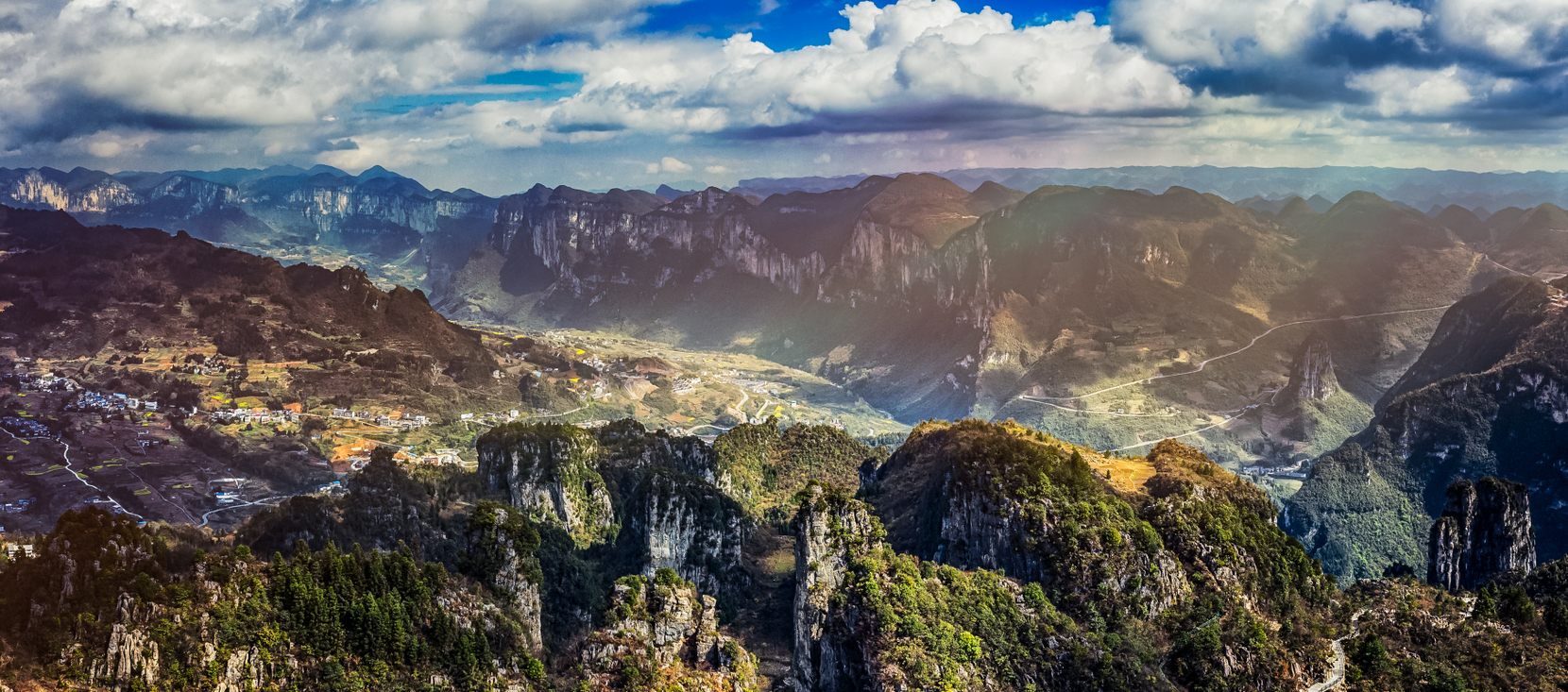
A national 5A-level scenic area, famous for its magnificent karst landforms, featuring the Cliffside Gallery, Yunlong Rift, and the Pillar of Incense.
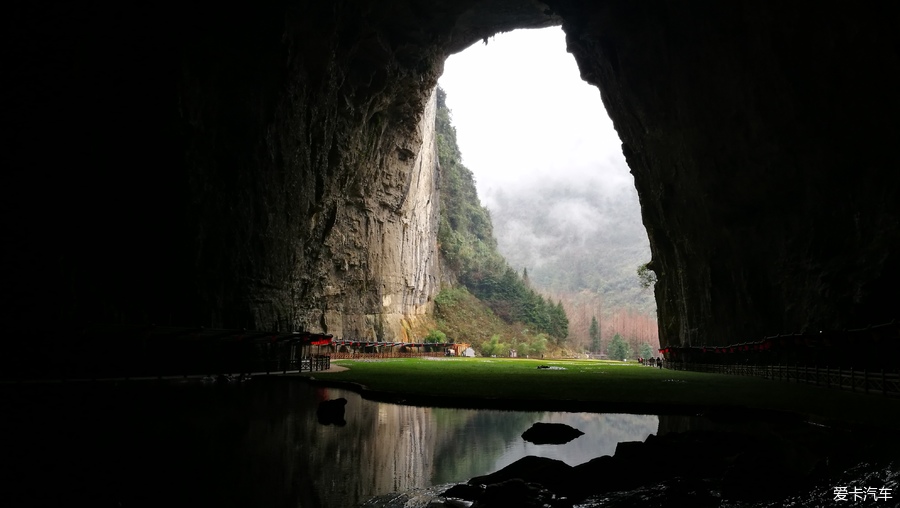
A national 5A-level scenic area, one of the largest karst caves in China. Visitors can take boat tours inside and enjoy laser shows and Tujia song and dance performances.
UNESCO World Heritage Sites
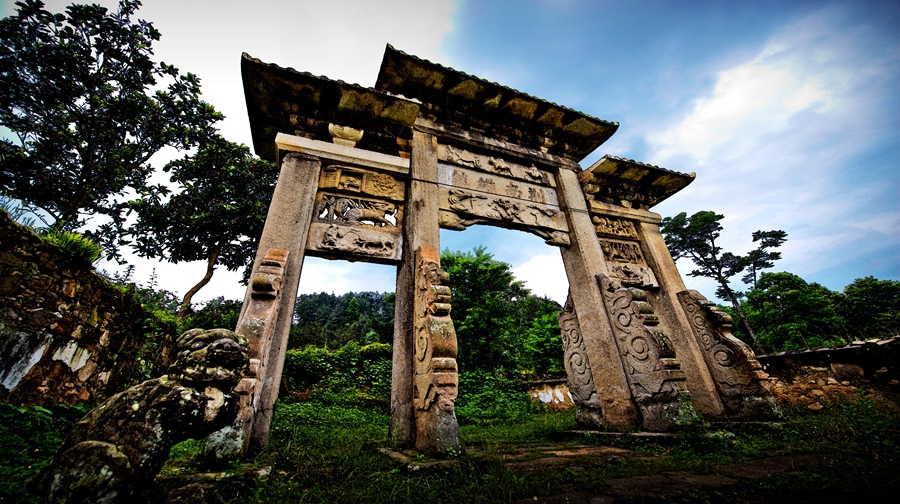
The Tangya Tusi Site was the administrative center of the Tujia chieftain during the Ming and Qing dynasties. In 2015, it was inscribed as part of the 'Tusi Sites' on the World Heritage List.
Explore rich intangible cultural heritage and traditional crafts
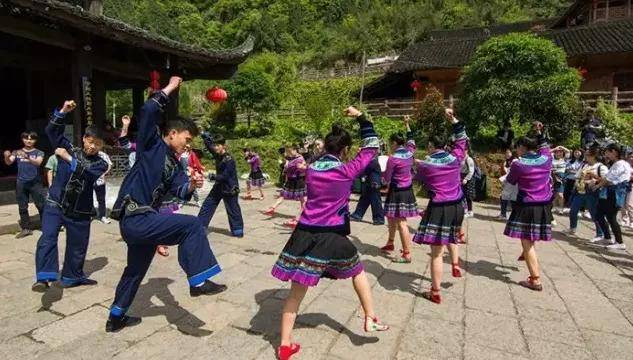
A traditional Tujia folk dance with bold and unrestrained movements, depicting production labor and sacrificial activities. It was inscribed on the National Intangible Cultural Heritage list in 2006.
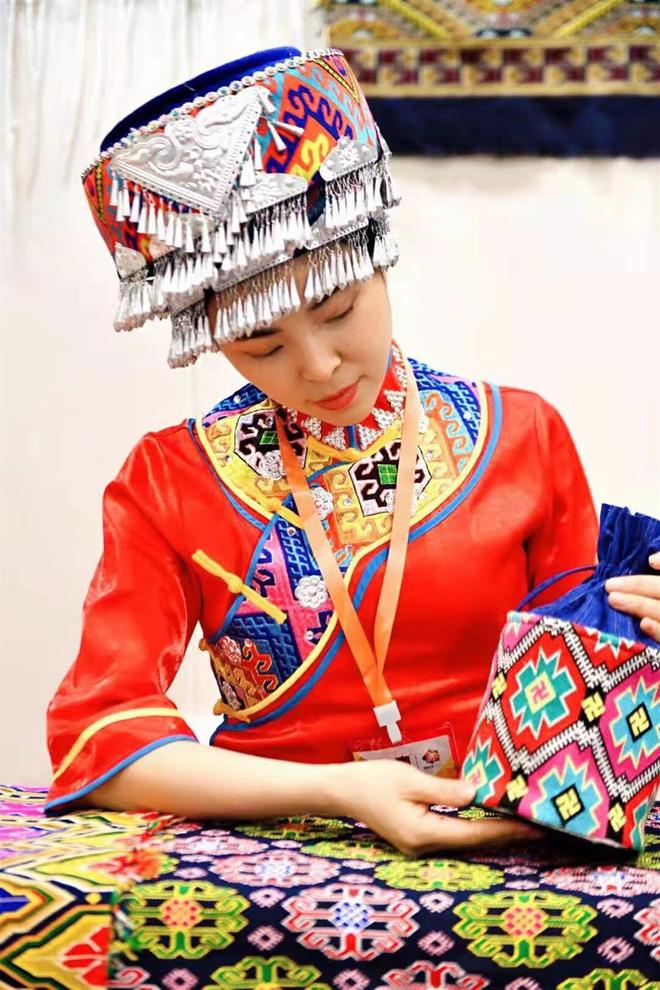
A traditional Tujia handwoven brocade with vibrant colors and exquisite patterns. It was inscribed on the National Intangible Cultural Heritage list in 2006.
Must-know transportation for exploring the city
Located in the city center, offering flights to Beijing, Shanghai, Guangzhou, Wuhan, and other cities.
Varies by route
The Shanghai-Wuhan-Chengdu high-speed railway passes through Enshi, providing direct access to Wuhan, Yichang, Chongqing, Chengdu, and beyond.
About 200 CNY from Wuhan
Enshi has multiple bus routes and tourist shuttles serving major attractions, with low fares.
2-20 CNY
Taste the most authentic and popular local specialties
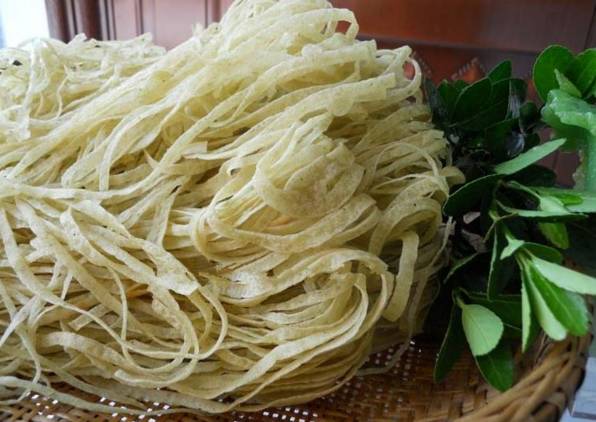
Thin sheets made from ground mung beans and rice, cut into strips and served cold or in soup, with a smooth and tender texture.
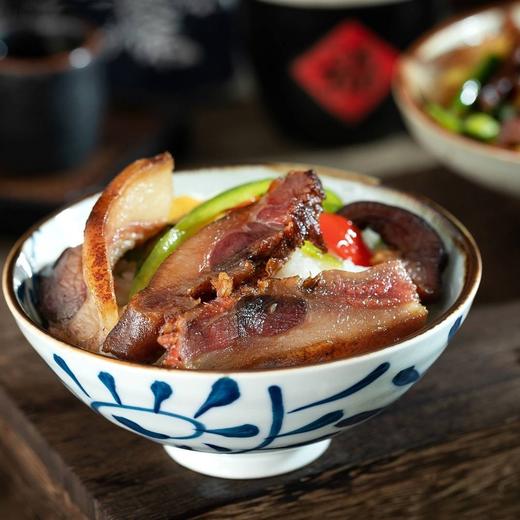
Traditional Tujia cured and smoked pork, with a bright red color and rich salty flavor, suitable for stir-frying or steaming.
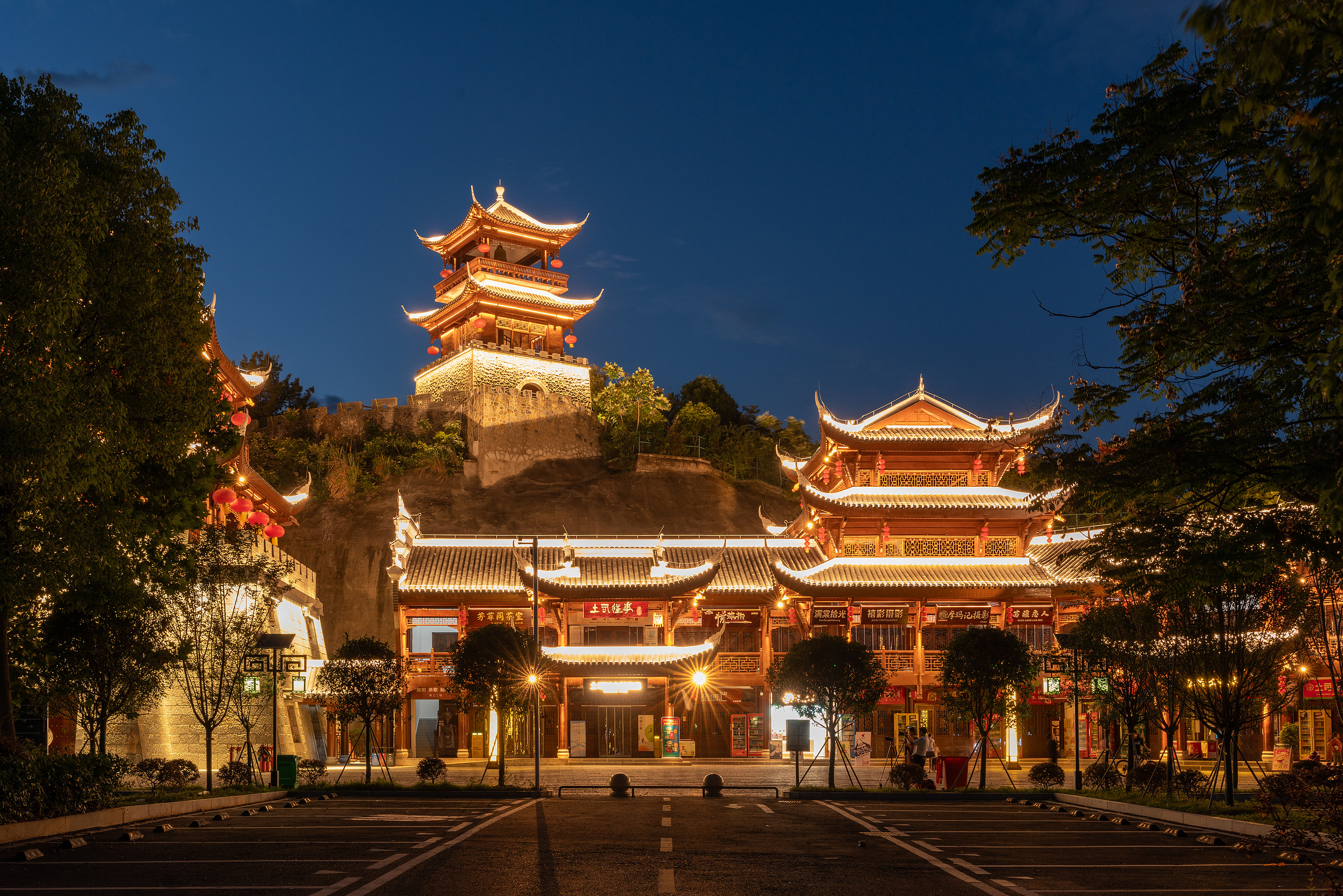
A national 4A-level scenic area that recreates the architectural style and culture of the Tujia chieftain period, including the Nine-Courtyard Hall and city walls.
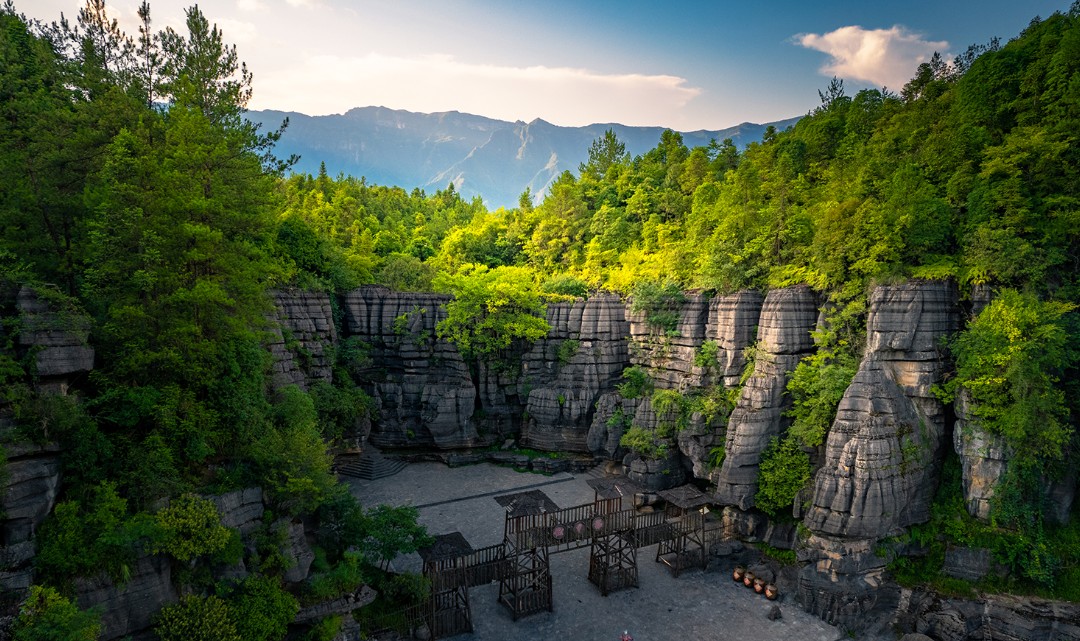
A national 4A-level scenic area with typical karst stone forest landforms, resembling an underwater maze, known as a 'natural oxygen bar'.
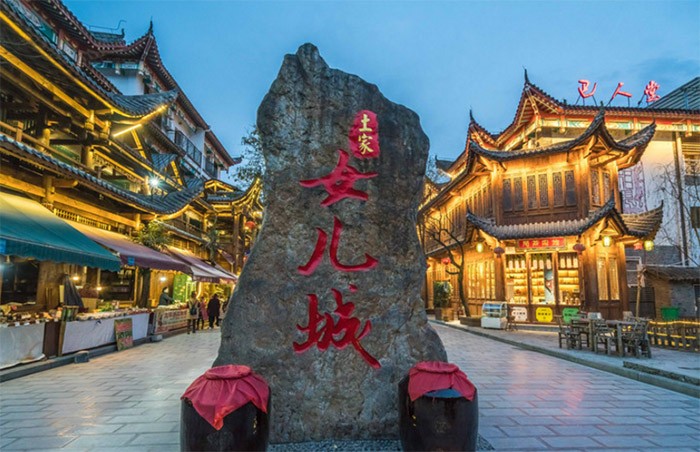
A national 4A-level scenic area, a folk ancient town with Tujia culture theme, featuring Tujia song and dance performances and a food street at night.
Made by grinding soybeans into a slurry and cooking with vegetable leaves, resulting in a delicate texture and rich nutrition, often served with rice.
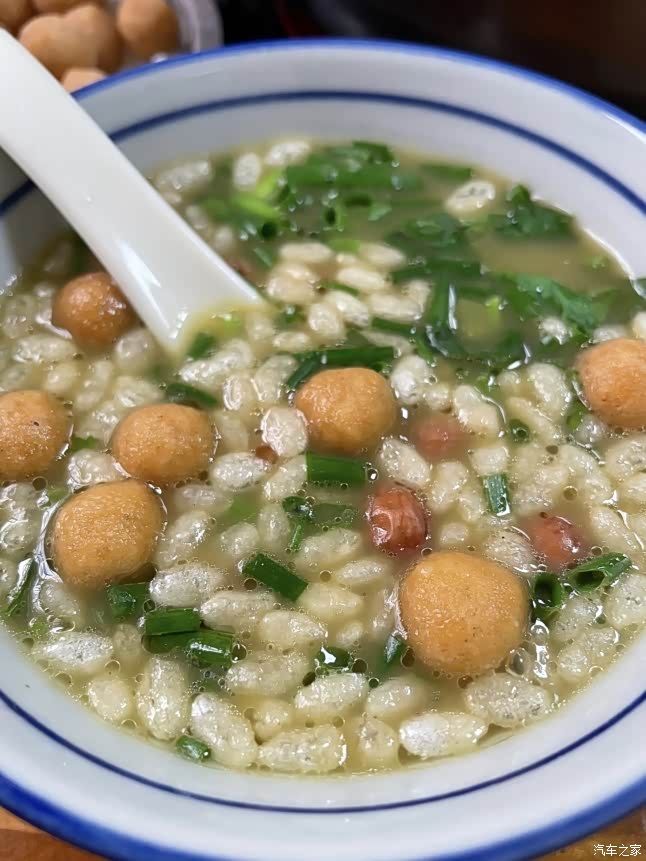
Stir-fried tea leaves, oil, ginger, and garlic, then infused with boiling water and topped with fried rice and peanuts, resulting in a fragrant and delicious soup.
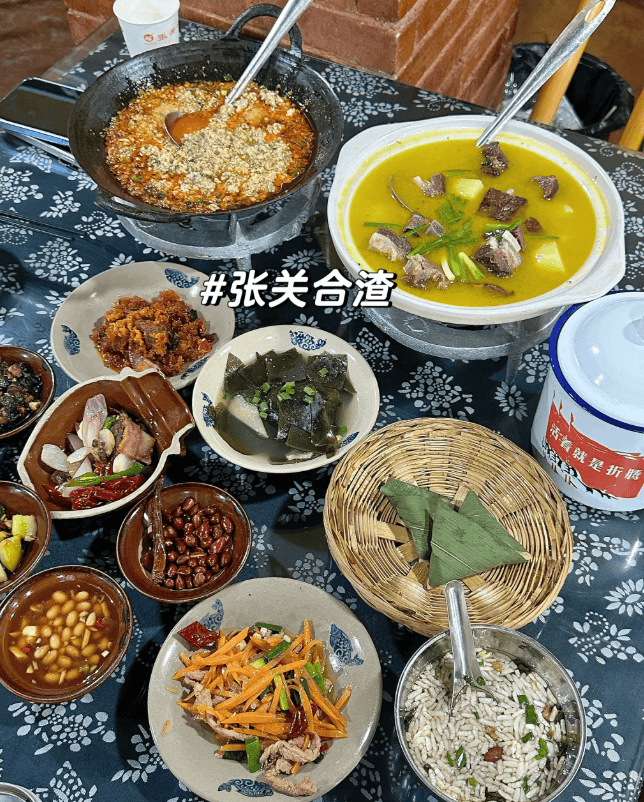
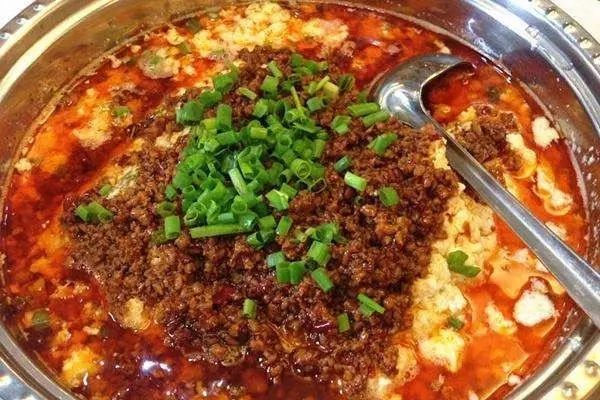
An upgraded version of Hezha, with added minced meat and eggs for a richer flavor, a local specialty dish.