
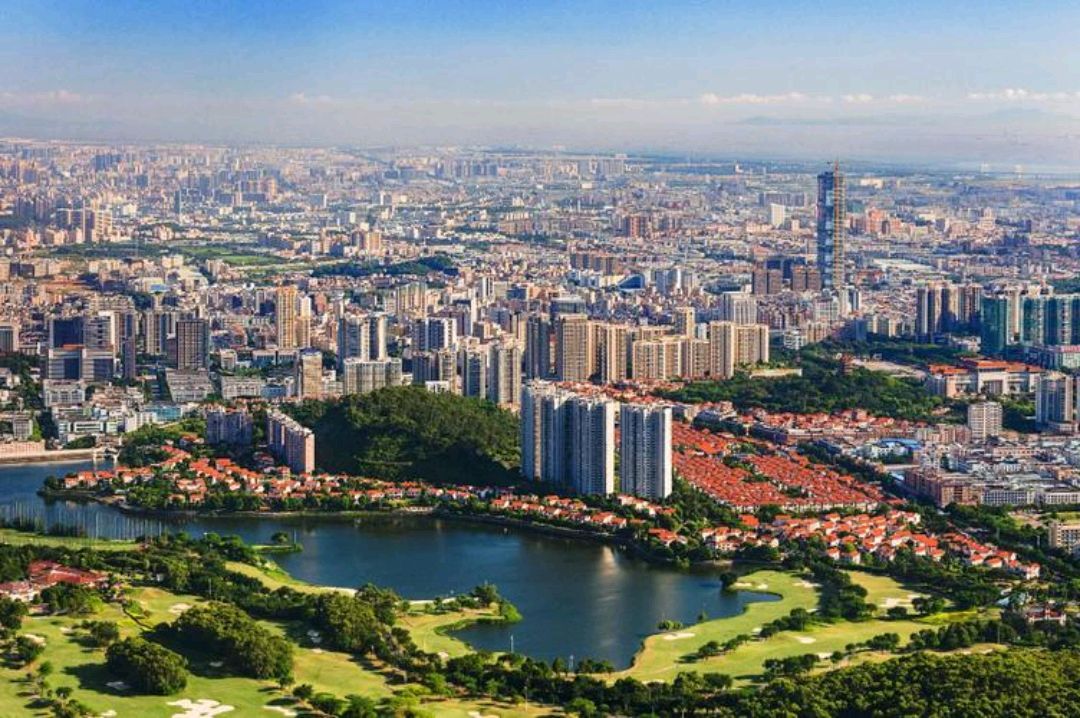
Dongguan is located in the central-southern part of Guangdong Province, on the east bank of the Pearl River Estuary and the lower reaches of the Dongjiang River, adjacent to Guangzhou, Shenzhen, and Huizhou. It has a subtropical monsoon climate, warm and humid with distinct seasons, an average annual temperature of about 23°C, and abundant rainfall.
Dongguan's history dates back to the Neolithic Age. It was established as a county in 331 AD during the Eastern Jin Dynasty, originally named Bao'an, and renamed Dongguan in 757 AD during the Tang Dynasty. During the Ming and Qing Dynasties, it prospered due to coastal defense and trade. In modern times, it is one of the birthplaces of modern Chinese history, where the Humen Opium Destruction took place.
Dongguan is an important birthplace of Lingnan culture, with intangible cultural heritages such as Cantonese opera, dragon boats, and Qilin dance. Its cuisine features roast goose, cured meats, and seafood. Signature dishes include Dongguan Roast Goose, Baisha Oiled Duck, Houjie Lai Fen, Daojiao Zongzi, and Xiansha Fish Balls, known for their rich and savory flavors.
After the reform and opening-up, Dongguan transformed from an agricultural county into a globally renowned manufacturing center, known as the 'World's Factory.' In recent years, it has promoted industrial upgrading, developed high-tech industries and modern services, while focusing on ecological construction to create a livable city.
The best time to visit 东莞 is Spring and Autumn (March-May, October-December).
Spring (March-May) has pleasant temperatures and lush flowers, ideal for outdoor activities and flower viewing, such as the Songshan Lake flower sea.
Autumn (October-December) is cool with little rain, the best time to visit attractions like Humen Fort and Keyuan Garden.
Summer is hot with frequent typhoons, winter is mild but occasionally cold, but travel is possible year-round with appropriate sun protection or warm clothing.
Lin Zexu destroyed opium at Humen Beach, marking the beginning of China's modern history.
Dongguan was upgraded from a county-level city to a prefecture-level city, initiating rapid industrialization.
After the global financial crisis, Dongguan promoted 'cage replacement for birds' and transformed towards high-tech industries.
Recommended places to visit
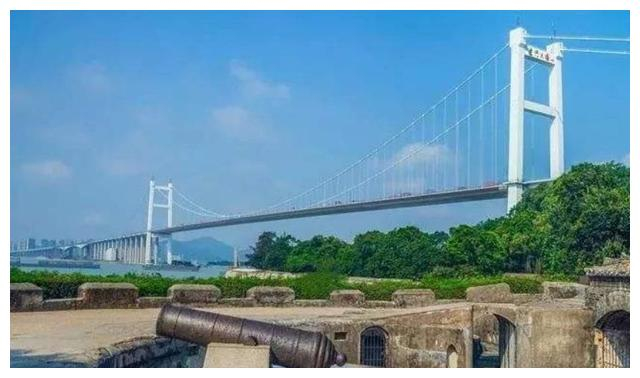
Important coastal fortifications from the Opium War, including Weiyuan and Jingyuan forts, now a patriotic education base.
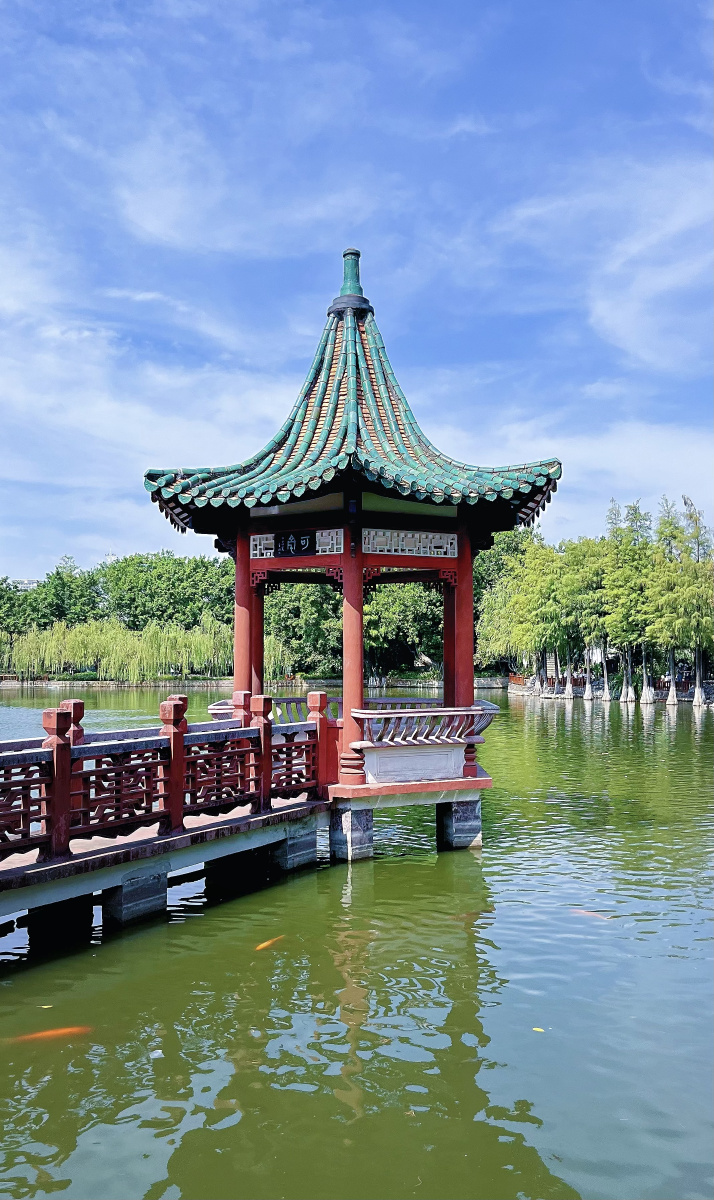
One of the four famous gardens in Guangdong, a representative of Qing Dynasty Lingnan gardens, known for its exquisite layout.
Explore rich intangible cultural heritage and traditional crafts

Dongguan has a long history of dragon boat making, represented by Zhongtang and Wanjiang towns, with exquisite craftsmanship, listed as a national intangible cultural heritage.
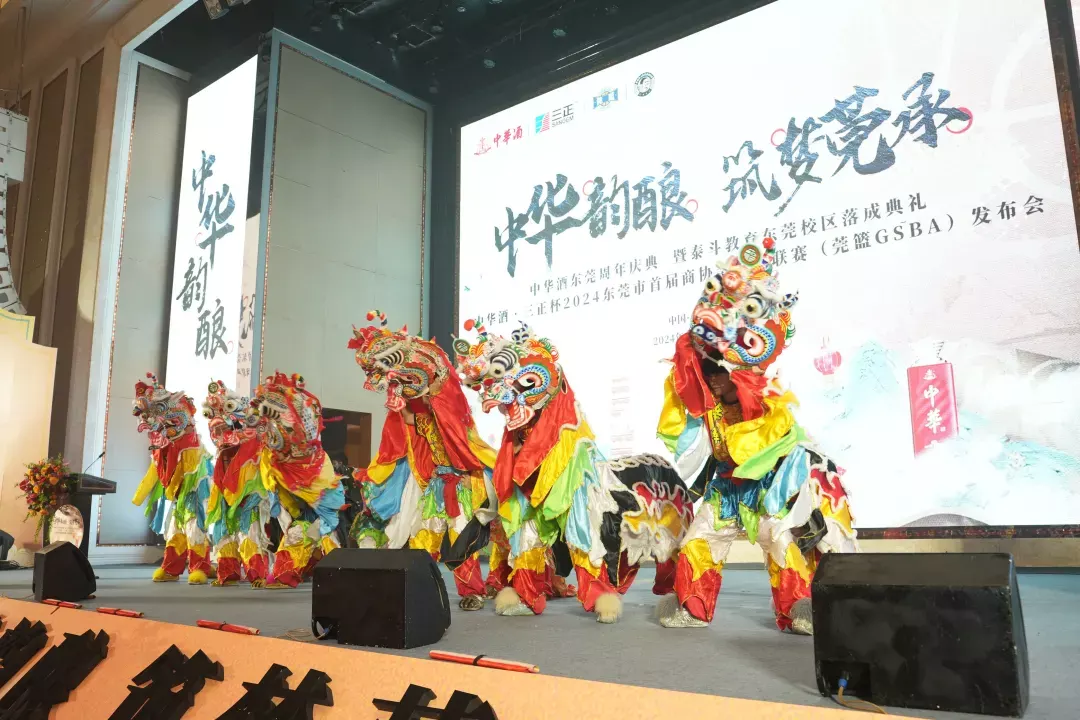
Traditional dance popular in Qingxi and Zhangmutou towns, combining martial arts and performance, symbolizing good luck.
Must-know transportation for exploring the city
Dongguan has no civil airport; the nearest are Shenzhen Bao'an International Airport (about 60 km) and Guangzhou Baiyun International Airport (about 80 km), both with direct buses to Dongguan.
Airport bus about 50-80 RMB
Dongguan has high-speed rail stations such as Humen Station and Dongguan East Station, served by the Guangzhou-Shenzhen-Hong Kong and Ganzhou-Shenzhen high-speed railways, providing direct access to Guangzhou, Shenzhen, Hong Kong, etc.
To Guangzhou South Station about 45 RMB, to Shenzhen North Station about 50 RMB
Dongguan has a well-developed bus system covering the whole city, with fares starting at 2 RMB and mobile payment available.
From 2 RMB
Taste the most authentic and popular local specialties
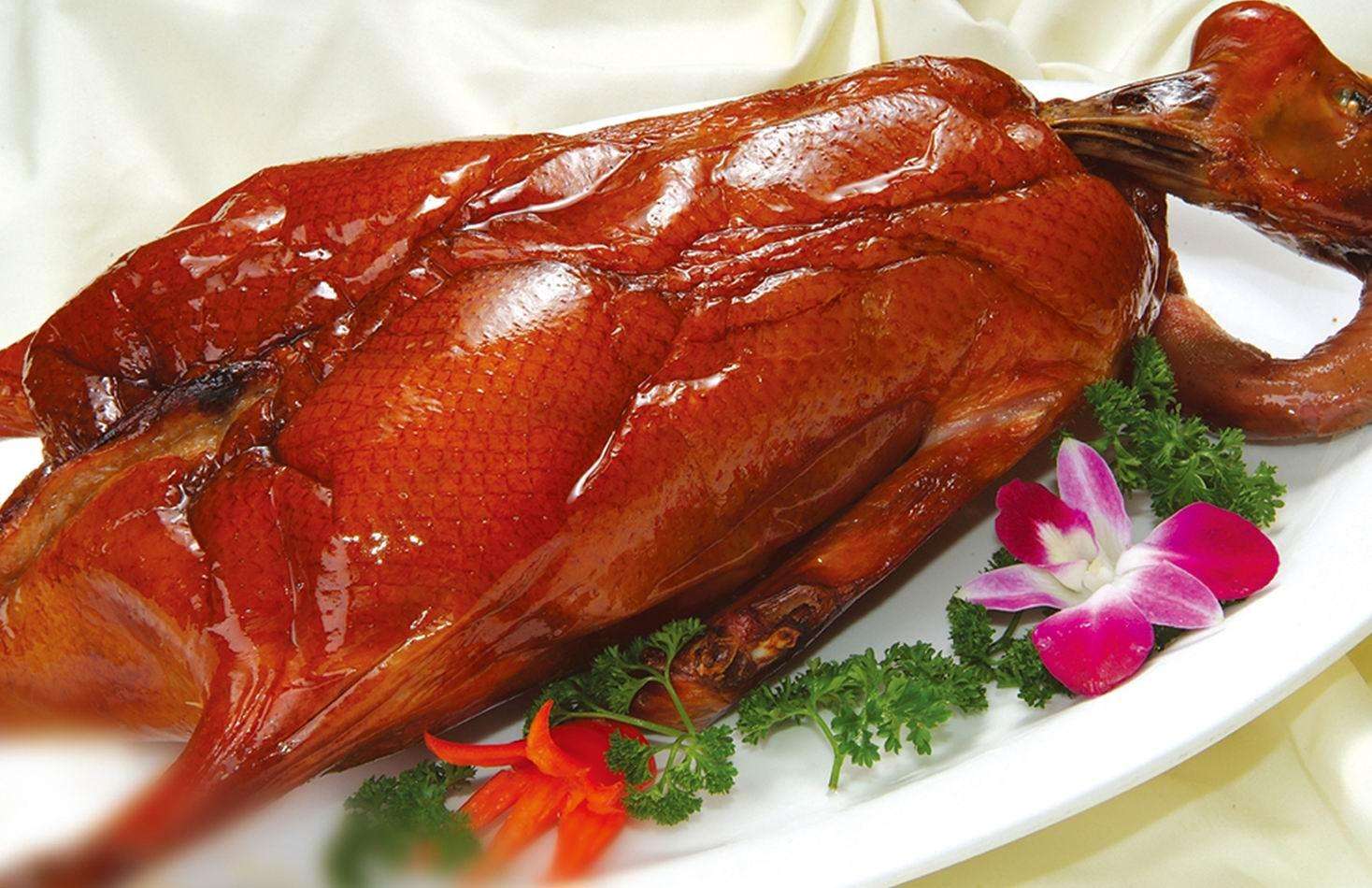
Crispy skin, tender meat, juicy and delicious, roasted with lychee wood for a unique aroma.
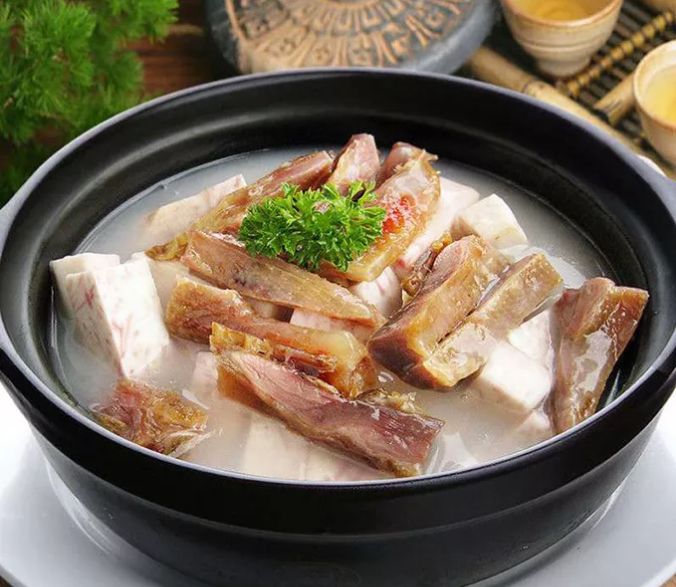
Specialty of Baisha Village, Humen; golden-colored, oily, and savory cured duck, suitable for steaming.
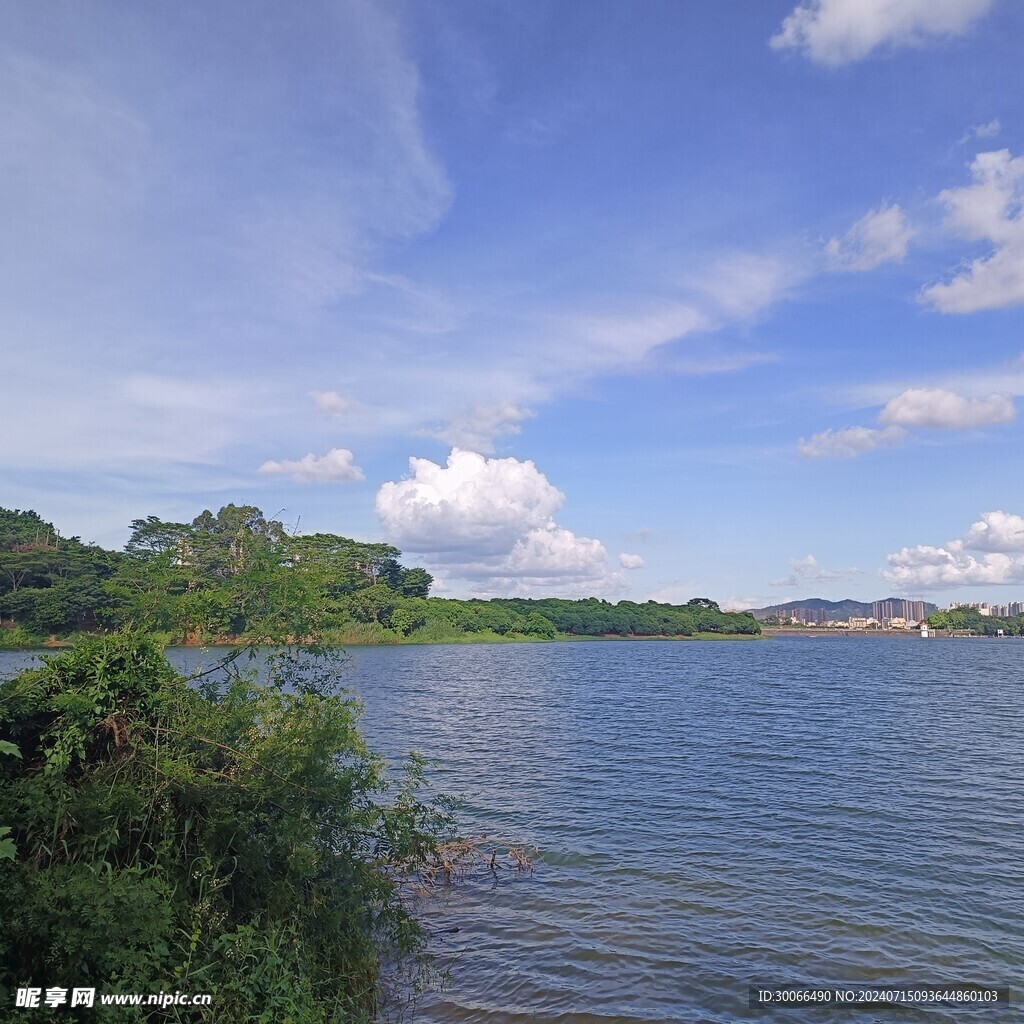
National 4A scenic area featuring an 8-square-kilometer lake and ecological wetlands, suitable for cycling and leisure.
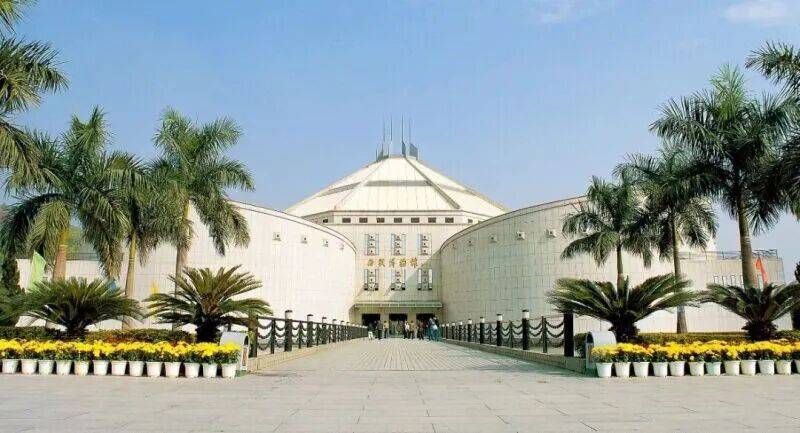
Located in Humen, exhibits the history of the Opium War, including the Humen Opium Destruction Pool site.
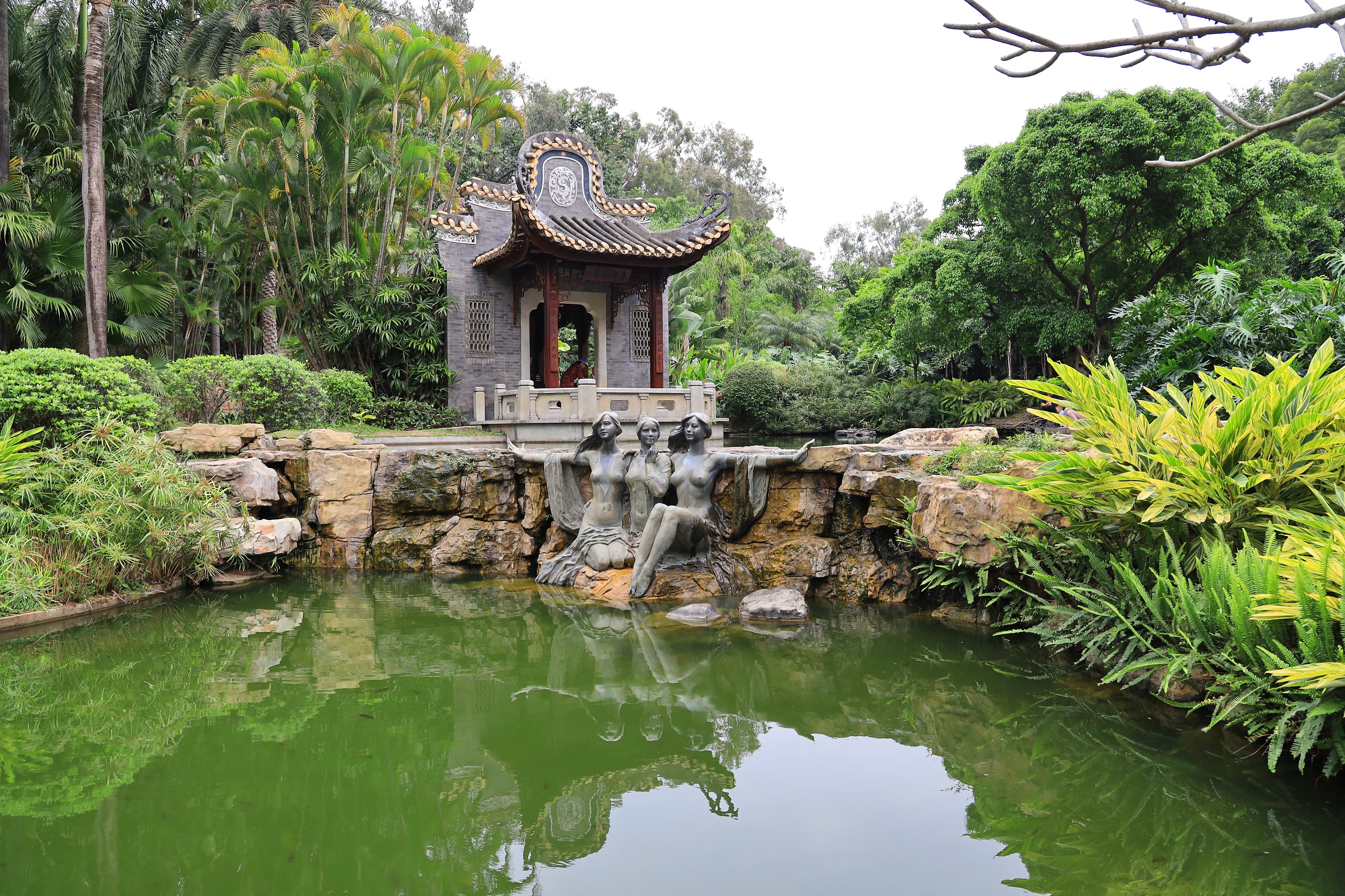
A representative Lingnan garden integrating sightseeing, entertainment, and culture, featuring a large brick carving screen wall.
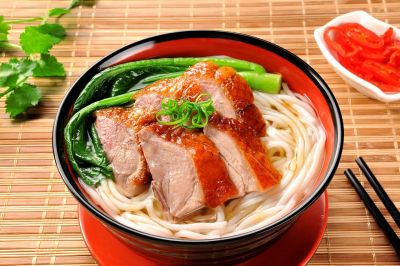
Handmade rice noodles with a smooth and chewy texture, served with roast goose, char siu, and flavorful broth.
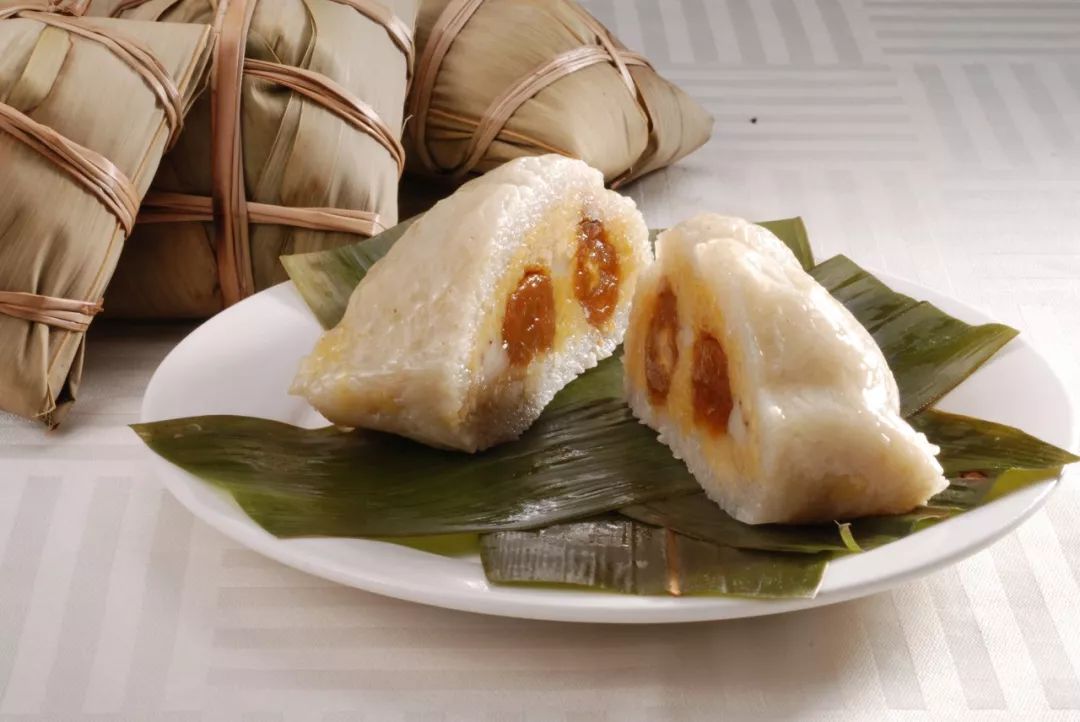
Traditional zongzi from Daojiao Town, filled with salted egg yolk, pork belly, green beans, etc., soft and sticky.
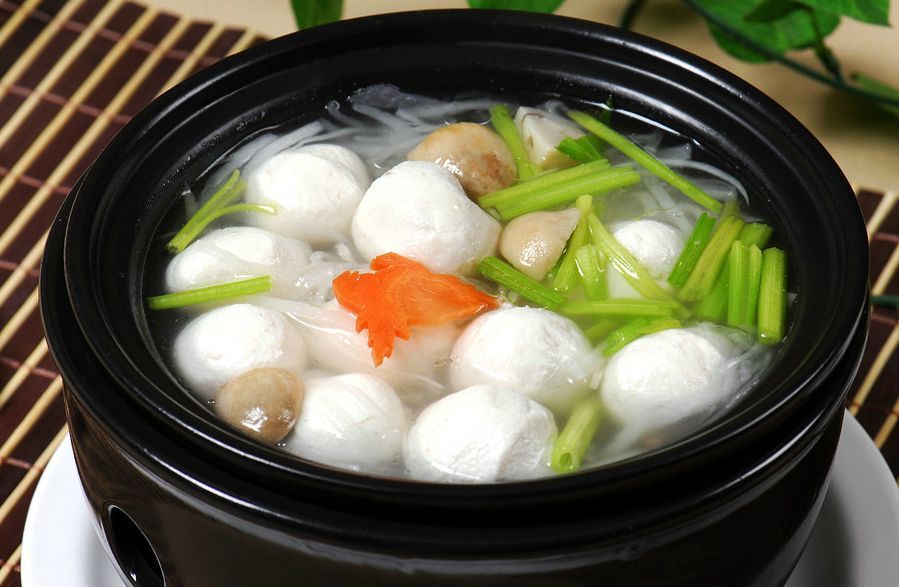
Specialty of Xiansha Village, Gaobu Town; hand-made from dace fish meat, bouncy and delicious.