
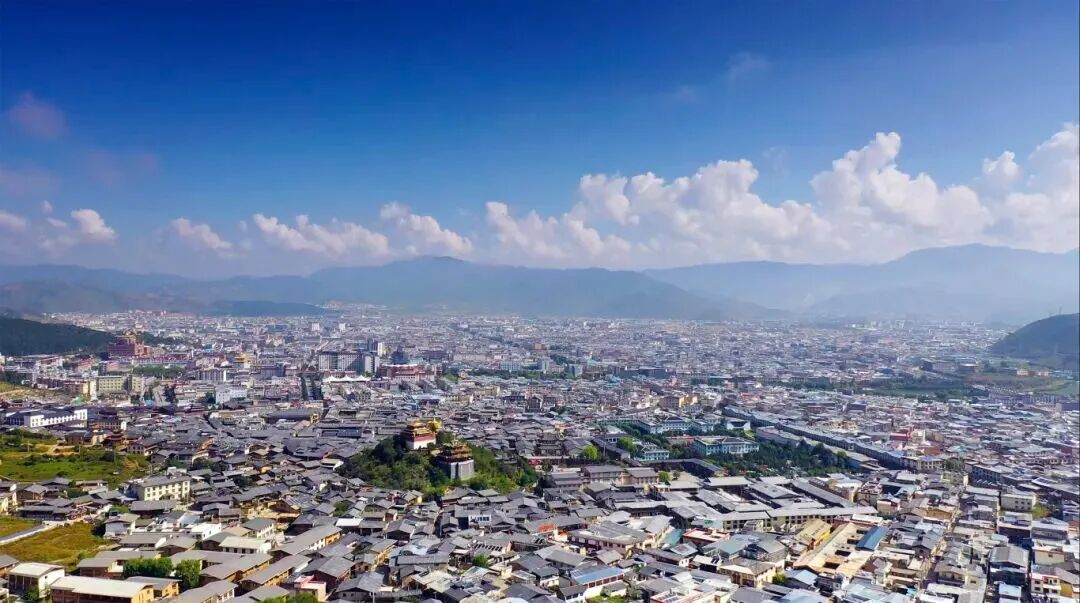
Diqing Tibetan Autonomous Prefecture is located in the northwest of Yunnan Province, on the southeastern edge of the Qinghai-Tibet Plateau, with an average altitude of about 3,380 meters. It has a plateau monsoon climate, with low temperatures throughout the year, large temperature differences between day and night, distinct dry and wet seasons, and an annual precipitation of about 600 mm.
Diqing has a long history. During the Tang and Song dynasties, it was under the rule of the Tubo regime. In the Yuan dynasty, the Xuanzheng Yuan was established here. In the Ming dynasty, it belonged to the Mu chieftain of Lijiang, and in the Qing dynasty, Zhongdian Prefecture was set up. In 1957, Diqing Tibetan Autonomous Prefecture was established, becoming the only Tibetan autonomous prefecture in Yunnan Province.
Diqing is dominated by Tibetan culture, blended with multi-ethnic characteristics. Famous festivals include Tibetan New Year and Horse Racing Festival. Local cuisine features butter tea, tsampa, yak meat hot pot, and highland barley wine, with rich flavors typical of the plateau.
Modern Diqing relies on tourism as a pillar industry. Shangri-La Airport has opened multiple routes, and the Lijiang-Shangri-La Railway is now operational. Ecological protection and tourism development go hand in hand. Scenic spots like Potatso National Park and Songzanlin Monastery have well-established facilities, making Diqing an internationally renowned tourist destination.
The best time to visit 迪庆 is The best travel time is from May to October.
May to June: Spring, grasslands turn green, rhododendrons bloom, mild climate, fewer tourists.
July to August: Summer, more rainfall, but the grasslands are the greenest, wildflowers everywhere, a good time for escaping heat.
September to October: Autumn, clear skies, colorful autumn scenery, suitable for photography and outdoor activities.
In September 1957, Diqing Tibetan Autonomous Prefecture was officially established, becoming the only Tibetan autonomous prefecture in Yunnan Province.
In December 2001, with the approval of the State Council, Zhongdian County was renamed Shangri-La County, echoing the utopia in James Hilton's novel 'Lost Horizon'.
On January 11, 2014, a fire broke out in Dukezong Ancient Town in Shangri-La, destroying over 240 buildings, causing huge losses. The ancient town was later rebuilt.
Recommended places to visit
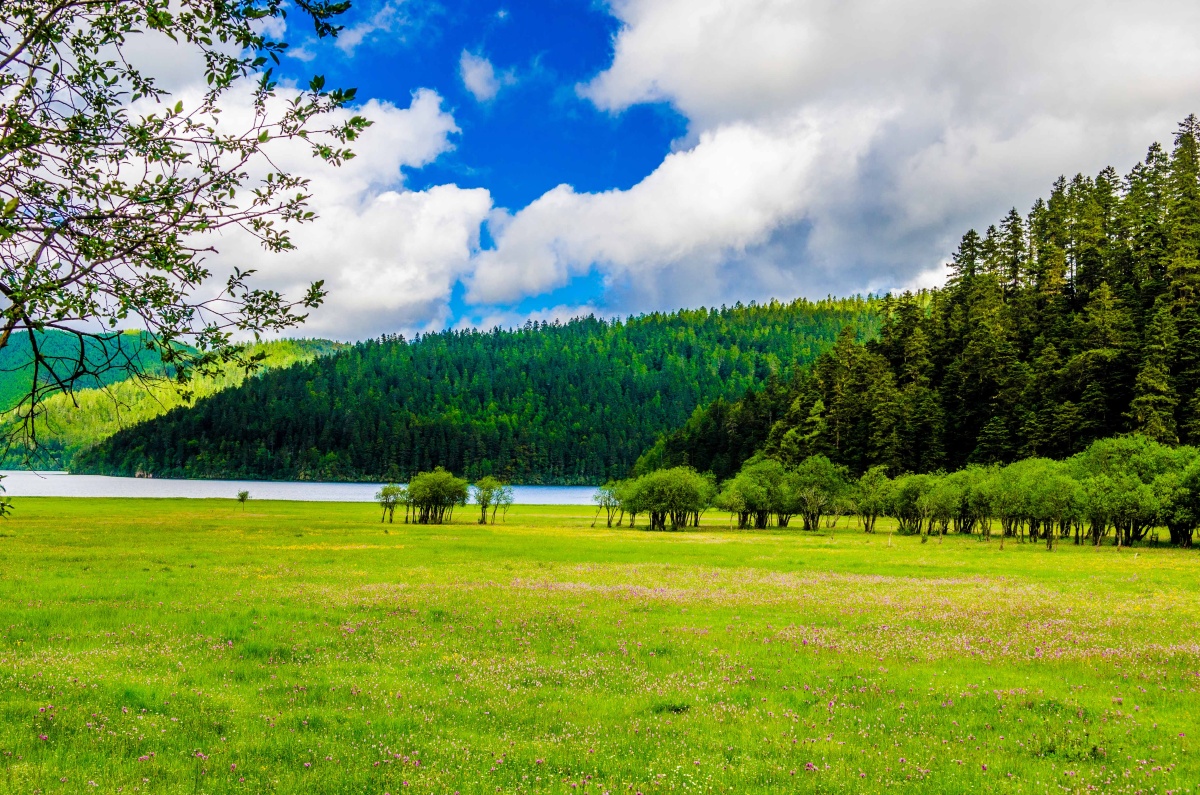
China's first national park, consisting of Bita Lake and Shudu Lake, featuring alpine lakes, primeval forests, and meadows, the most famous natural attraction in Diqing.
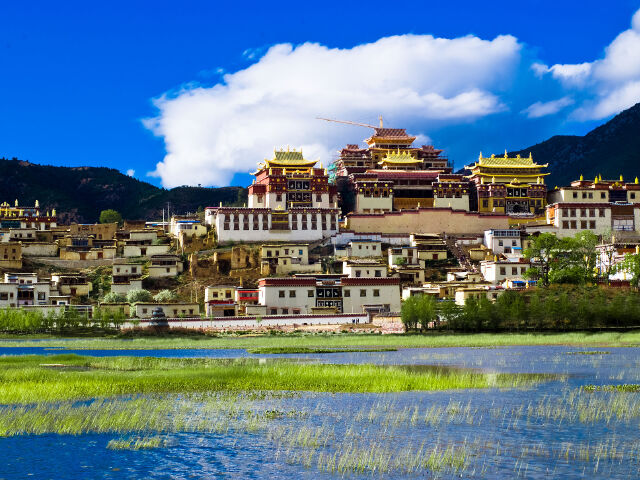
The largest Tibetan Buddhist monastery in Yunnan, known as 'Little Potala Palace', built in 1681, built on a hillside, magnificent.
UNESCO World Heritage Sites
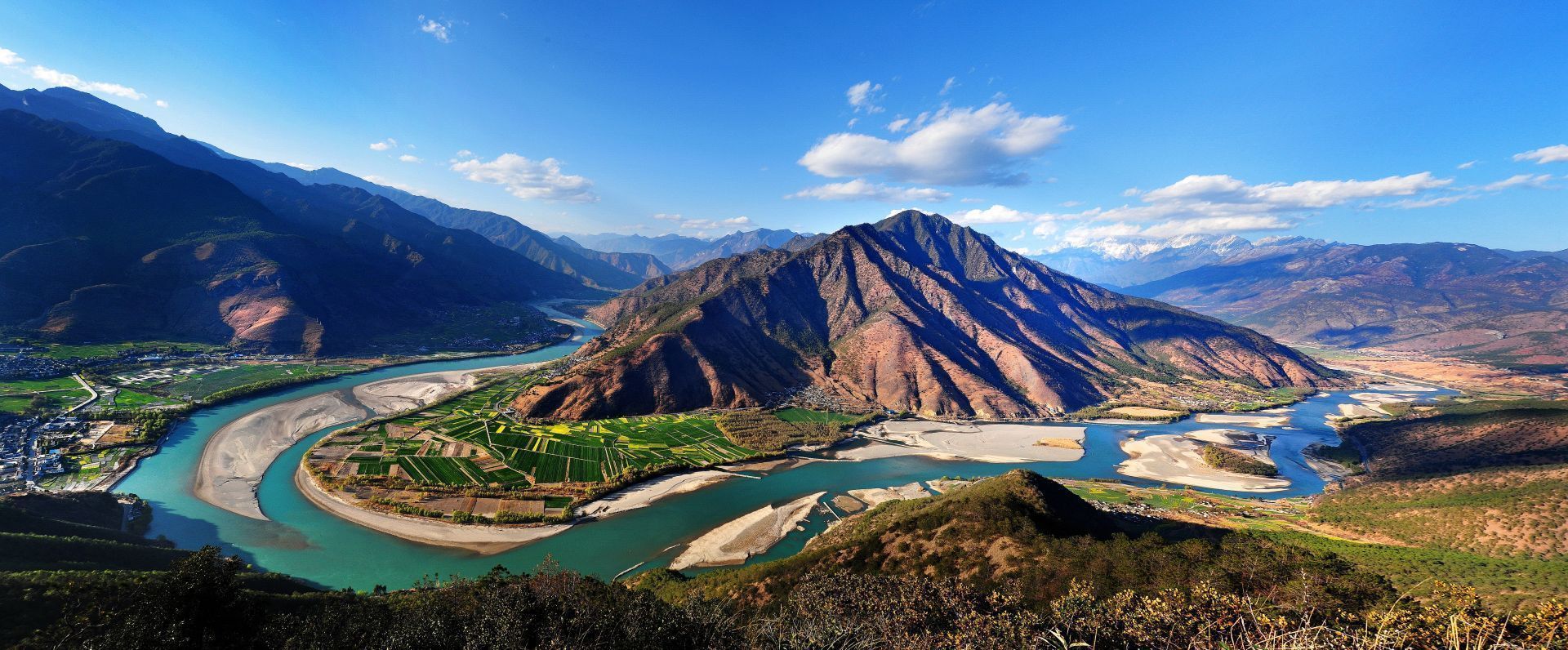
World Natural Heritage, including the parallel flowing areas of Jinsha, Lancang, and Nujiang rivers in Diqing, known for unique geology and biodiversity.
Explore rich intangible cultural heritage and traditional crafts
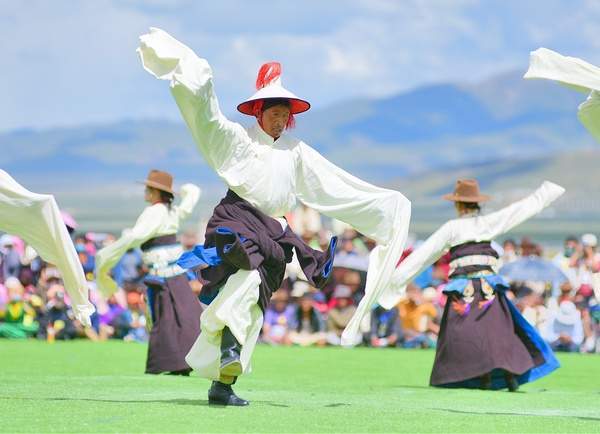
Traditional Tibetan dance, listed as a national intangible cultural heritage, widely spread in Diqing, men and women dance in a circle.
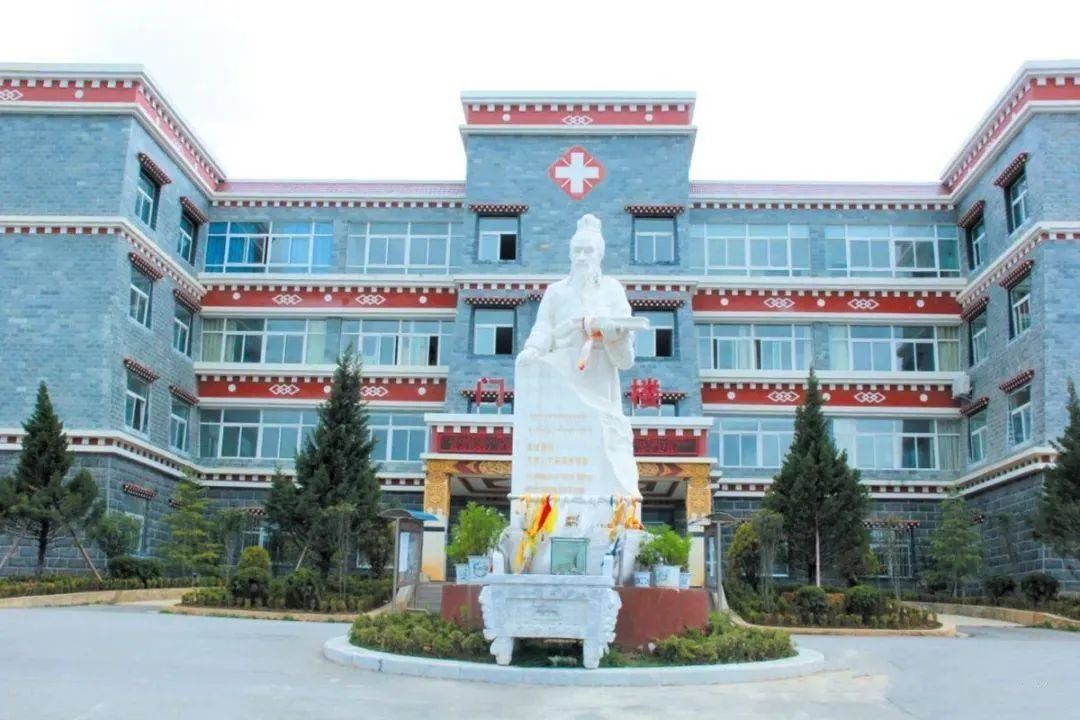
Traditional Tibetan medicine, listed as a national intangible cultural heritage, Diqing has a deep tradition of Tibetan medicine.
Must-know transportation for exploring the city
Located in Shangri-La city, with flights to Kunming, Chengdu, Chongqing, Guangzhou, etc.
500-1500 RMB
Opened in 2023, connecting Lijiang and Shangri-La, journey about 1.5 hours, ticket about 100 RMB.
100 RMB
Long-distance buses from Kunming, Lijiang, Dali to Shangri-La, journey 4-8 hours.
100-200 RMB
Taste the most authentic and popular local specialties
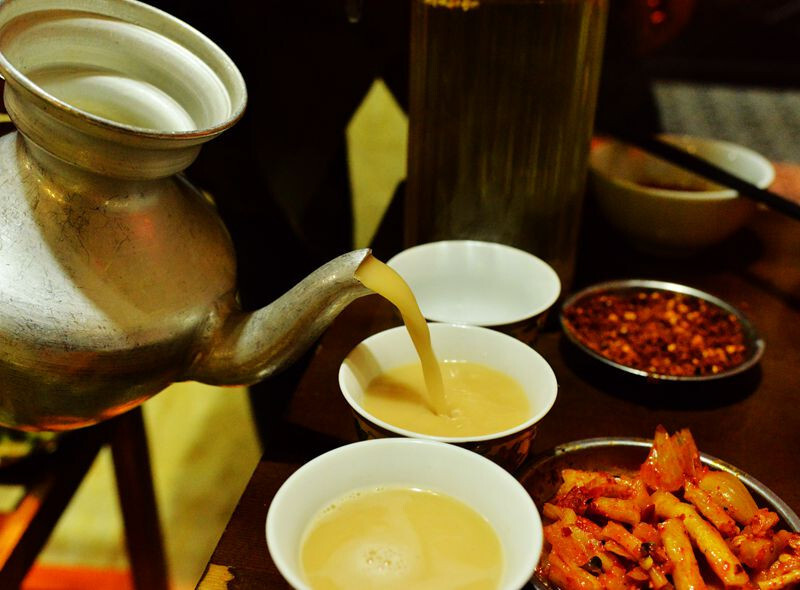
Traditional Tibetan drink made from brick tea, butter, and salt, rich and delicious, warms the body and refreshes.
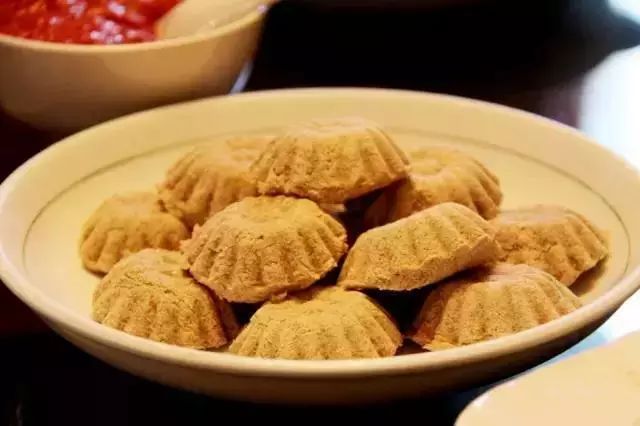
Tibetan staple food, roasted highland barley ground into flour, mixed with butter tea, nutritious and portable.
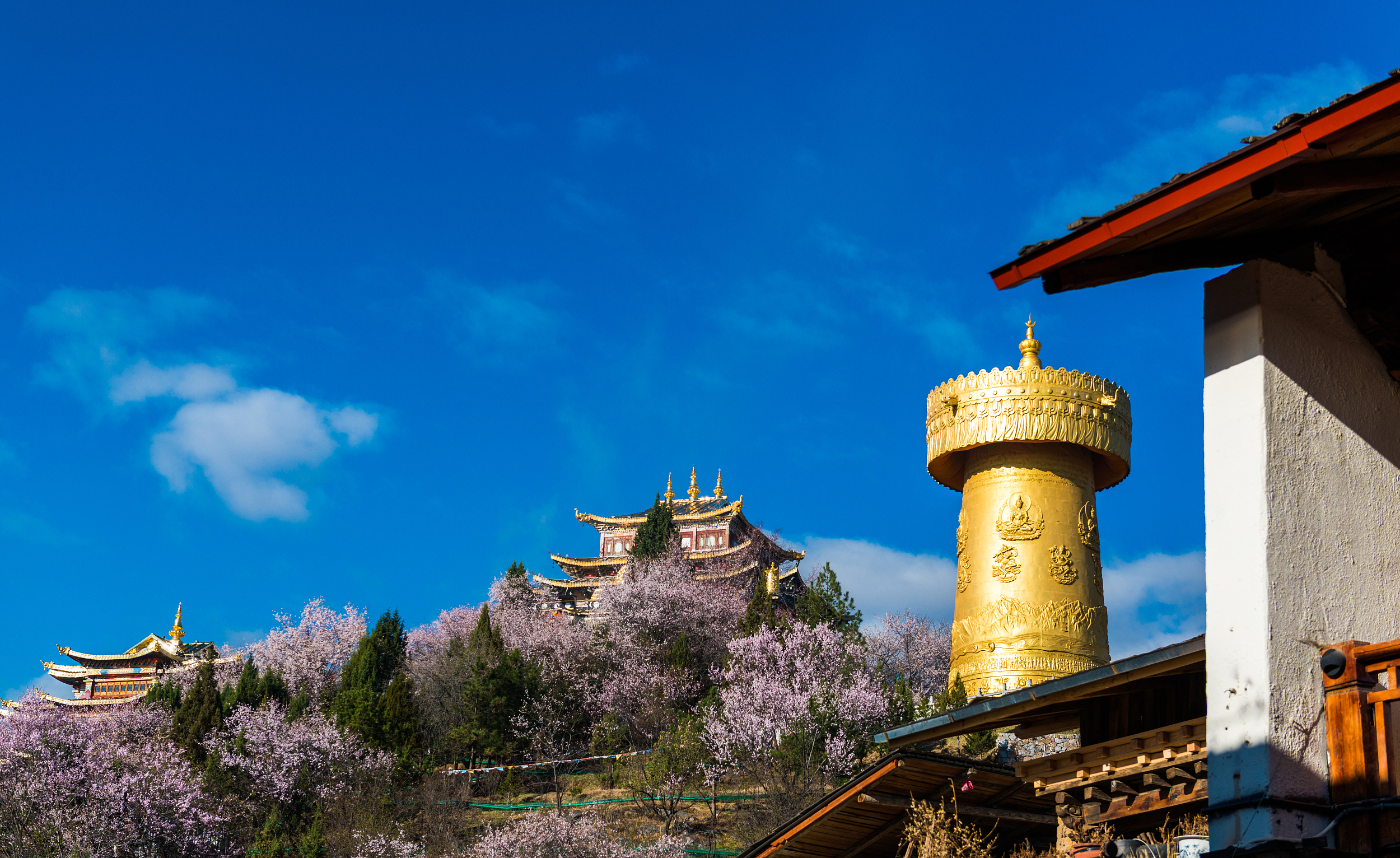
An ancient town with over 1300 years of history, one of the best-preserved Tibetan residential ancient towns in China. Rebuilt after a fire in 2014, now a tourist hotspot.
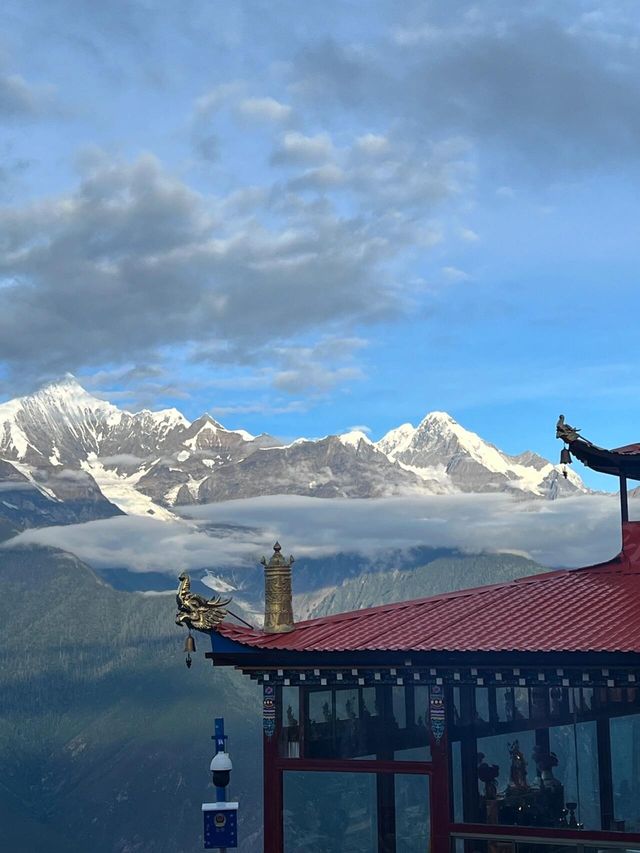
The highest peak in Yunnan, main peak Kawagebo at 6740 meters, one of the eight sacred mountains in Tibetan areas, famous for the golden sunrise phenomenon.
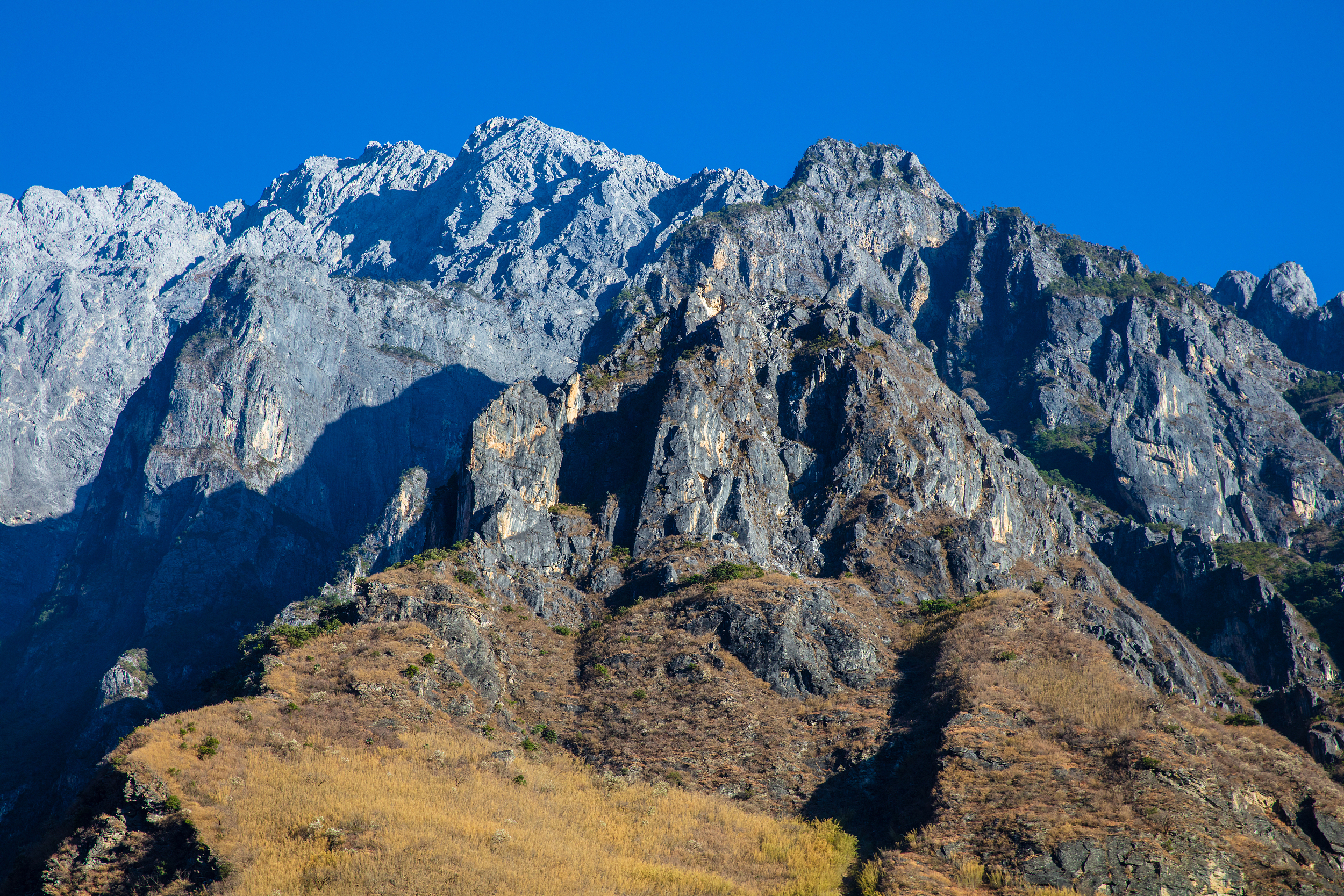
One of the deepest gorges in the world, known for its steepness, the Jinsha River roars here, a paradise for hikers.
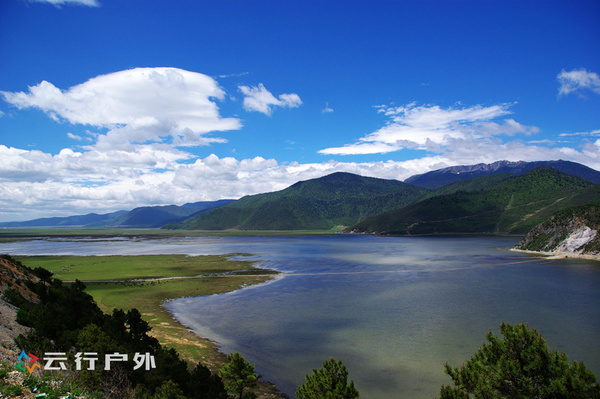
Seasonal alpine lake, lake in summer, grassland in winter, habitat for rare birds like black-necked cranes.
Made with highland yak meat as the main ingredient, with wild vegetables and mushrooms, fresh soup and tender meat, a warming dish in winter.
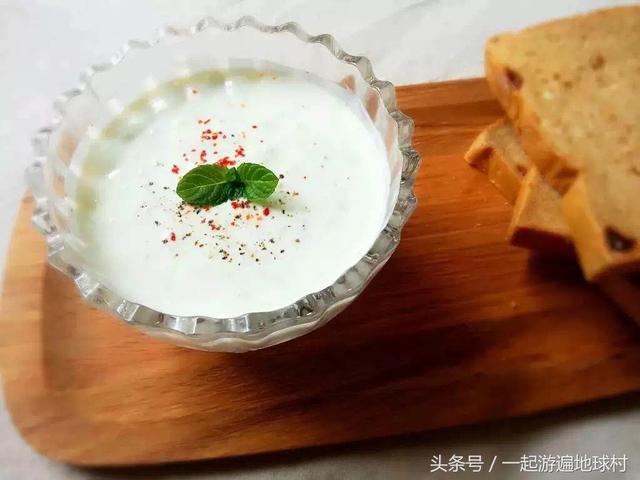
Traditional Tibetan wine made from highland barley, low alcohol content, mellow taste, with a unique fragrance.
Tibetan specialty snack, made from fermented milk then dried, sweet and sour, nutritious.
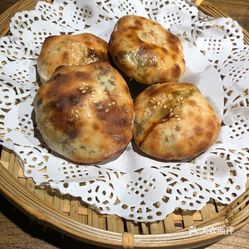
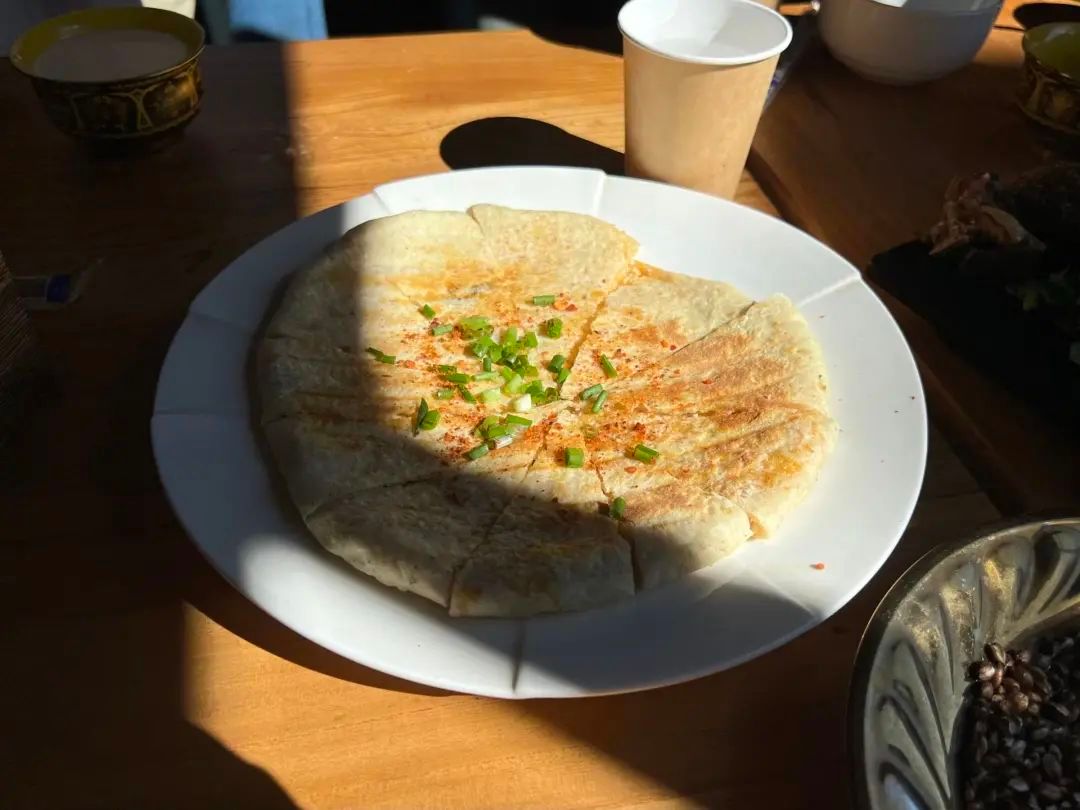
Baked with highland barley or wheat flour, crispy outside and soft inside, often eaten with butter tea.