
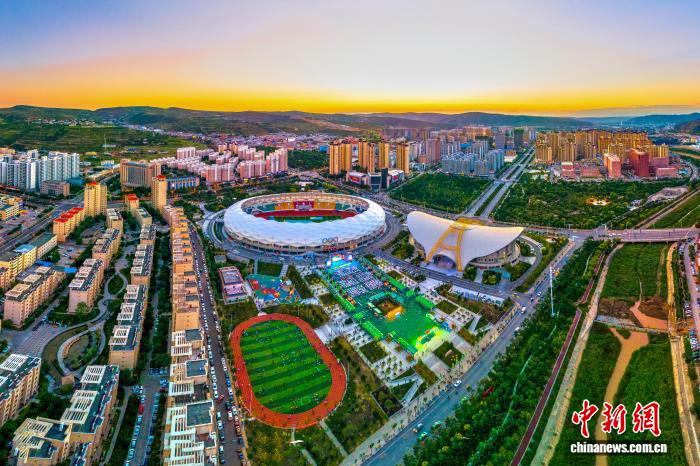
Dingxi is located in the central part of Gansu Province, in the hilly and gully region of the Loess Plateau, with an altitude ranging from 1,420 to 3,941 meters. It has a temperate semi-humid climate, with an annual average temperature of about 7°C and annual precipitation of 400-600 mm. Summers are cool, while winters are dry and cold.
Dingxi has a long history and is one of the important birthplaces of Chinese civilization. As early as the Warring States period, prefectures and counties were established here, making it an important node on the ancient Silk Road. It is a significant origin place of the Li surname, known as the 'Ancestral Home of the Li Family.' In modern times, Dingxi was an important passage for the Red Army's Long March, leaving many red relics.
Dingxi's culture is characterized by the farming culture of the Loess Plateau. Folk arts include paper-cutting, shadow puppetry, and Hua'er (a type of folk song). The cuisine is dominated by potatoes, earning it the title 'Home of Potatoes in China.' Special snacks include Longxi bacon, Minxian pastries, and Tongwei buckwheat rings. The people of Dingxi are known for their simplicity and hospitality.
In recent years, Dingxi has vigorously developed specialty agriculture and tourism. The potato industry has formed a complete industrial chain. Ecological construction has also been promoted, significantly increasing the vegetation coverage of the Loess Plateau. Transportation conditions have continuously improved. With the opening of the Lanzhou-Chongqing Railway and Baoji-Lanzhou High-Speed Railway, Dingxi's connections with surrounding cities have become closer.
The best time to visit 定西 is Summer (June-August) and Autumn (September-October).
Summer in Dingxi is cool, with average temperatures between 15-25°C, making it an ideal summer resort. The Loess Plateau is lush and green during this season, offering pleasant scenery.
Autumn has clear weather and moderate temperatures, suitable for outdoor activities. Potatoes and other crops are harvested, allowing visitors to experience the joy of the harvest.
Winter is cold and dry, while spring is windy and dusty, making them less ideal for travel compared to summer and autumn. However, winter offers snow scenery and the vastness of the Loess Plateau.
During the Warring States period, King Zhaoxiang of Qin established Longxi Commandery in the Dingxi area, one of the earliest commanderies in China, marking Dingxi's formal inclusion under central plain rule.
In September 1935, the Chinese Workers' and Peasants' Red Army passed through Dingxi during the Long March, leaving many revolutionary sites in Minxian and Tongwei, such as the Minzhou Conference Site.
Recommended places to visit
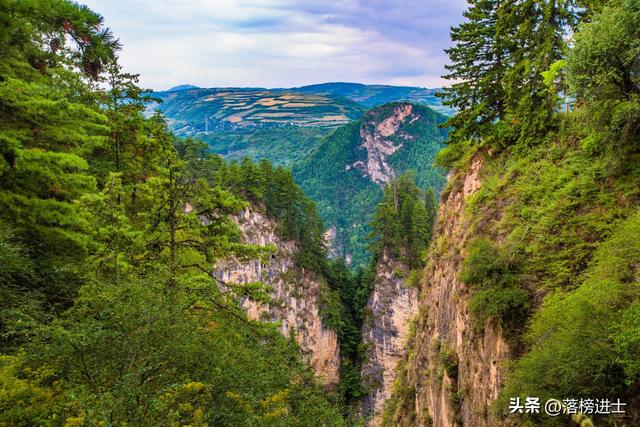
Located in Zhang County, Guiqing Mountain is a 4A scenic area known for its strange peaks, sea of clouds, and ancient temples. With dense forests and babbling streams, it is called 'Little Huashan of Gansu'.
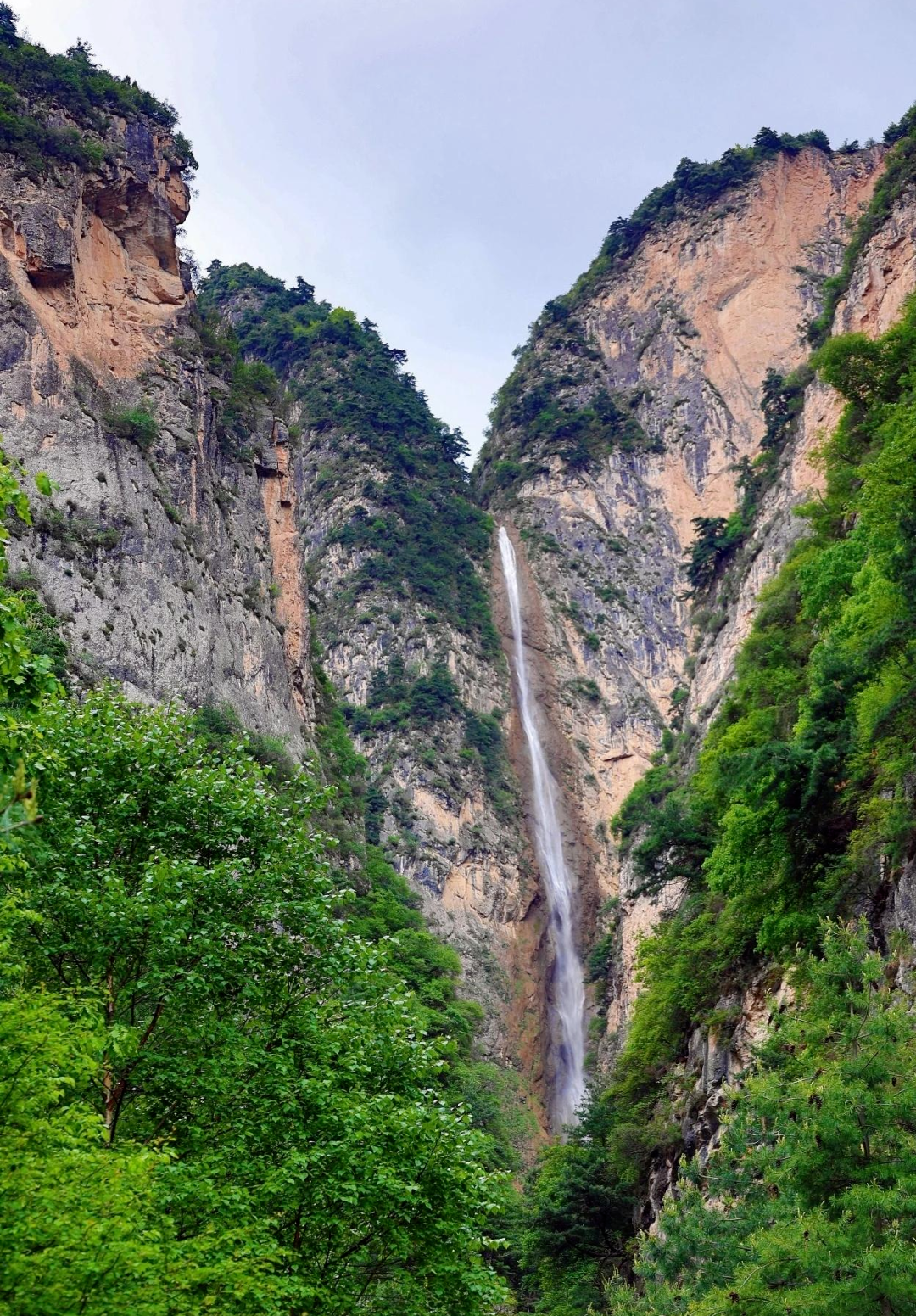
Located in Zhang County, Zheyang Mountain is a national forest park and 4A scenic area, famous for karst landforms and canyon scenery. It is named for its high mountains and dense forests that block sunlight.
Explore rich intangible cultural heritage and traditional crafts
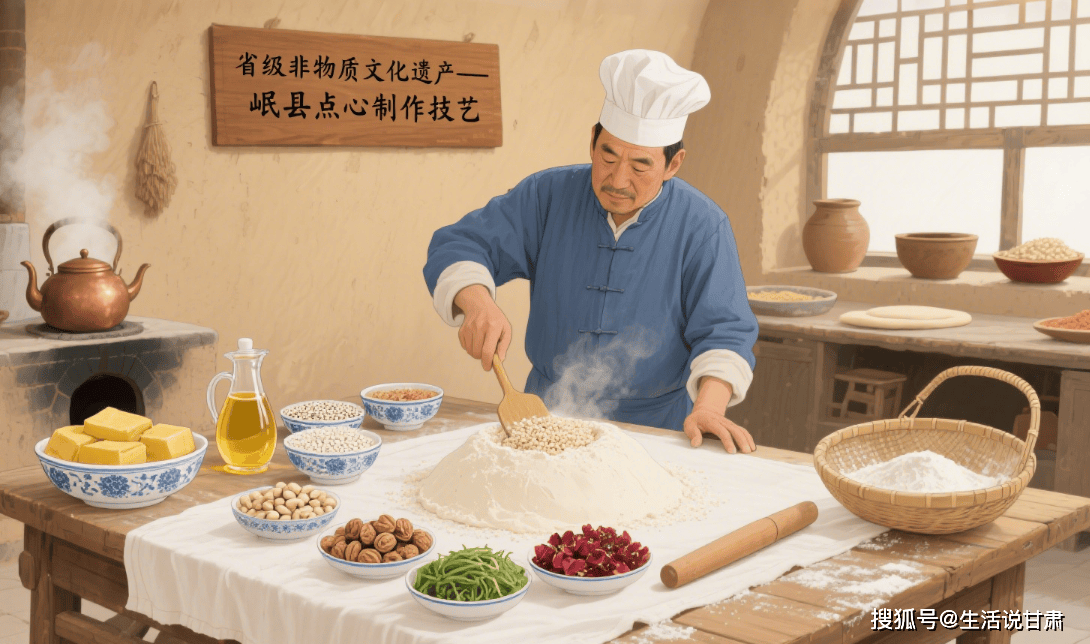
The Min County pastry making technique is a Gansu provincial intangible cultural heritage with a long history and unique craftsmanship. The flaky crust is distinct, and the fillings are diverse, making it an essential food for local festivals.
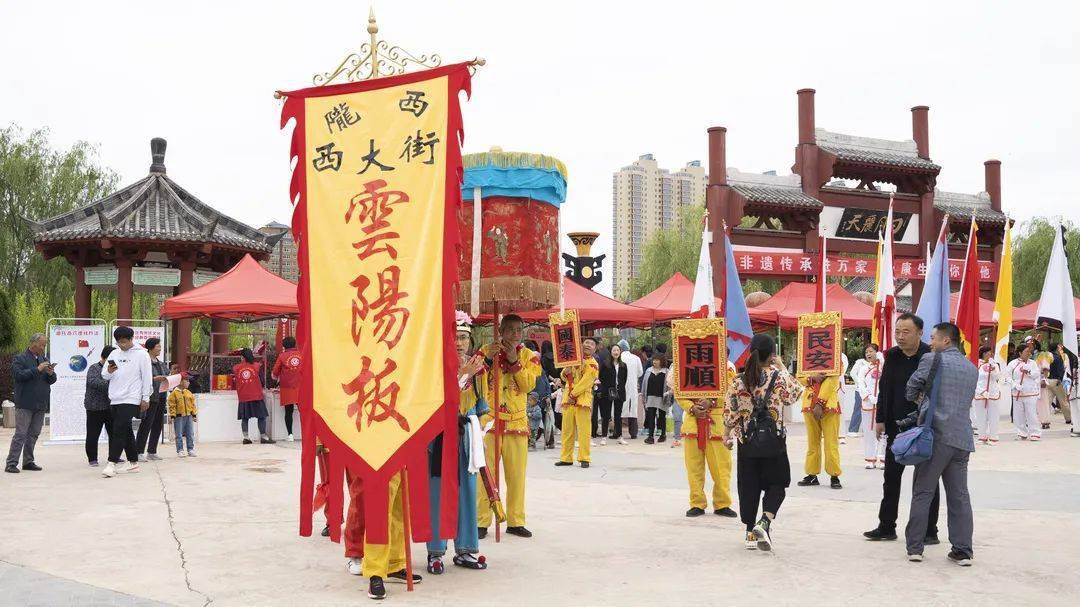
Longxi Yunyang Board is a folk dance characterized by beating wooden boards in rhythm. The movements are bold and unconstrained, forming an important part of local Shehuo activities.
Must-know transportation for exploring the city
Dingxi has train stations such as Dingxi North Station and Longxi Station, served by the Baoji-Lanzhou High-Speed Railway and Lanzhou-Chongqing Railway, connecting to Lanzhou, Xi'an, Chongqing, etc. The high-speed train from Lanzhou to Dingxi takes about 40 minutes.
Lanzhou-Dingxi high-speed rail about 50 RMB
Dingxi has several bus stations with routes to surrounding counties and cities, as well as Lanzhou and Tianshui. City bus routes cover main urban areas, with fares of 1-2 RMB.
City bus 1-2 RMB, long-distance varies
Dingxi has no civil airport. The nearest airport is Lanzhou Zhongchuan International Airport, about 100 km away. Visitors can fly to Lanzhou first, then take a high-speed train or bus to Dingxi.
Taste the most authentic and popular local specialties
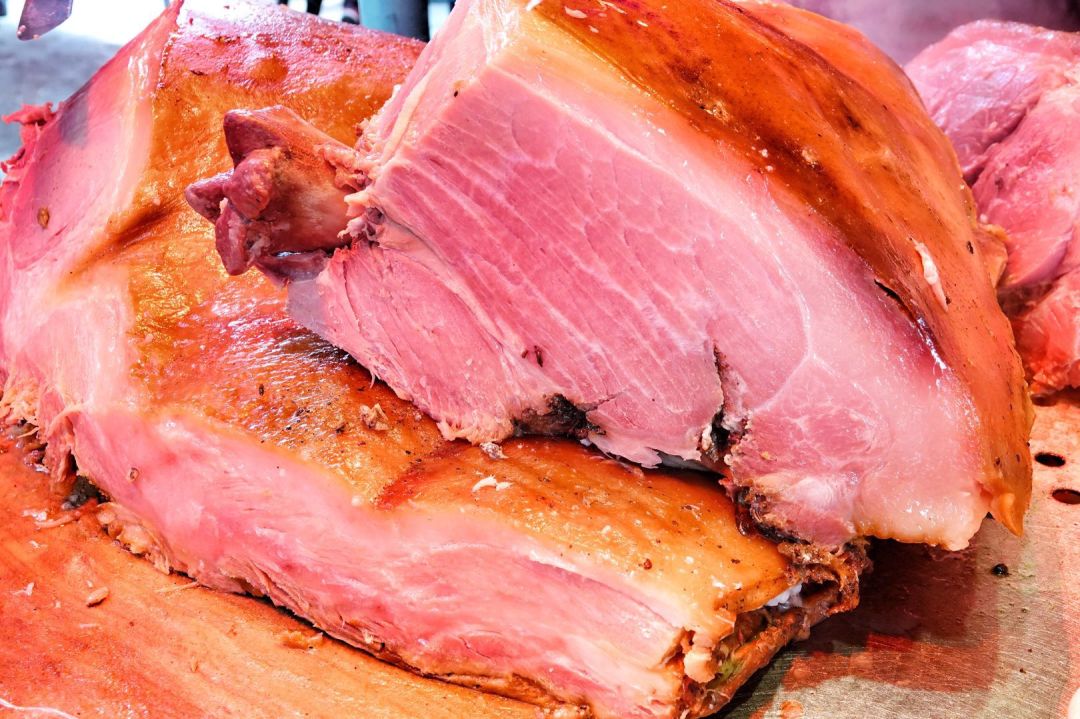
Longxi cured meat is a traditional Dingxi delicacy with a long history. Made from high-quality pork, salted and spiced with Sichuan pepper, then air-dried. It is bright red in color, fatty but not greasy, lean but not dry.
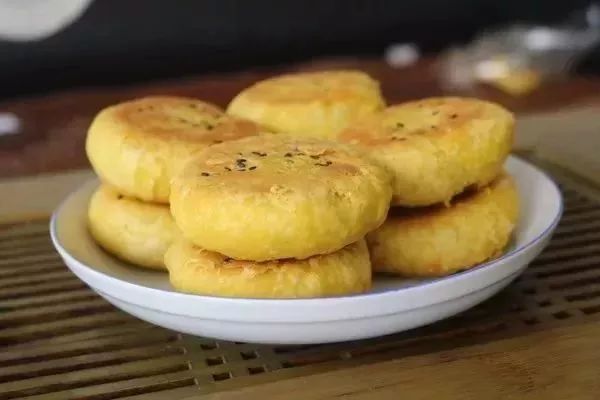
Min County pastries are a Gansu provincial intangible cultural heritage, known for their flaky crust and rich fillings. Traditional fillings include walnuts, sesame, peanuts, and honey, sweet but not greasy.

In 2003, Dingxi Prefecture was abolished and Dingxi City was established as a prefecture-level city, governing Anding District, Tongwei County, Longxi County, Weiyuan County, Lintao County, Zhang County, and Min County.

Located in Weiyuan County, this national tourist attraction centers on the source of the Weihe River, blending natural scenery with cultural sites. It features relics of the legend of Yu the Great guiding the Wei River.
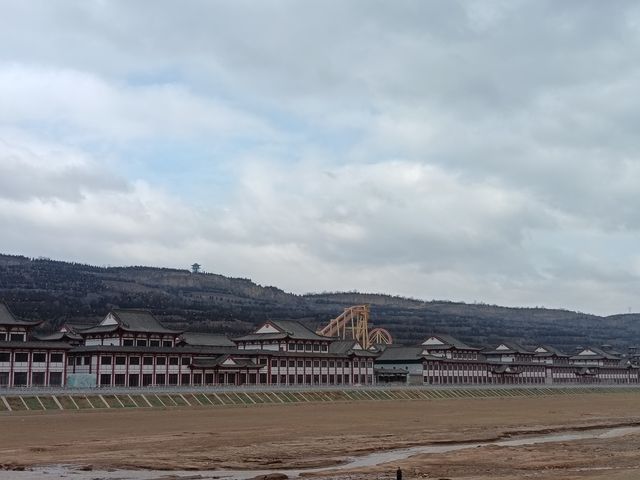
Located in Longxi County, it is one of the birthplaces of the Li family, originally built in the Tang Dynasty. The grand architectural complex showcases the historical origins of Li culture.
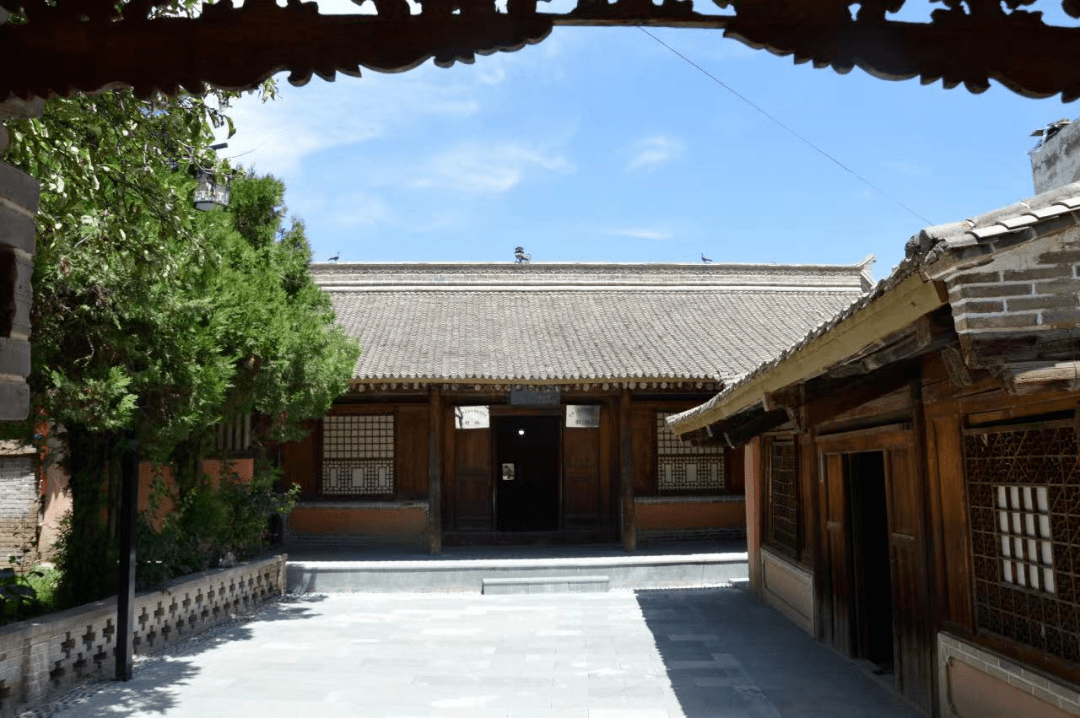
Located in Min County, it is an important site of the Red Army's Long March and a national patriotic education base. It displays the historical background and significance of the Minzhou Conference.
Lanzhou airport bus to Dingxi about 80 RMB
Tongwei buckwheat rings are a Dingxi specialty snack made from buckwheat flour and deep-fried. Crispy on the outside and soft inside, with a unique buckwheat fragrance, commonly eaten for breakfast.
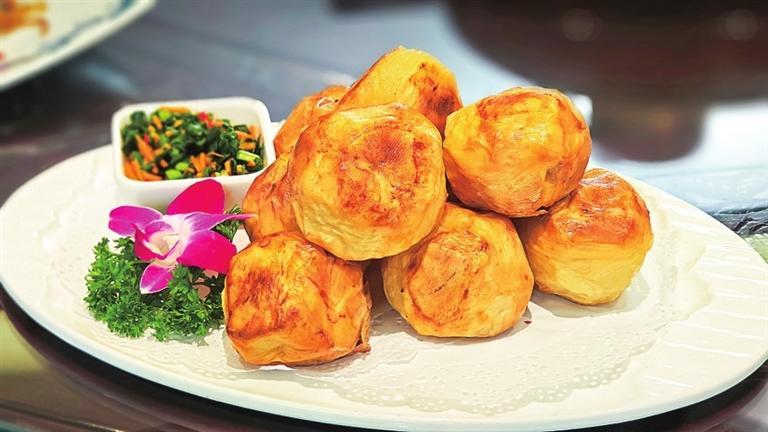
Dingxi is the hometown of potatoes in China, with high-quality potatoes rich in starch. They can be made into various dishes such as potato mash and shredded potatoes, with a unique taste.
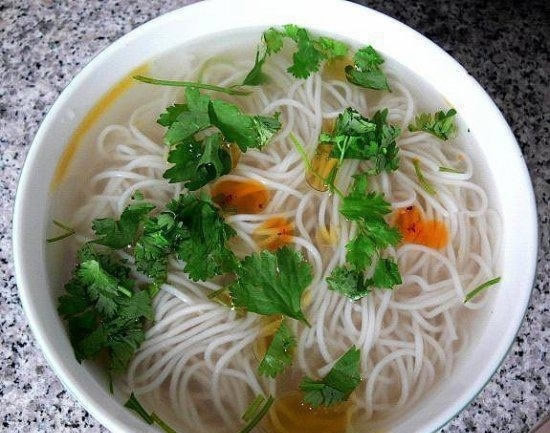
Weiyuan sour soup noodles are a traditional Dingxi noodle dish, with fermented sour soup as broth, served with noodles, chopped green onions, and cilantro. Refreshing and appetizing, especially in summer.