
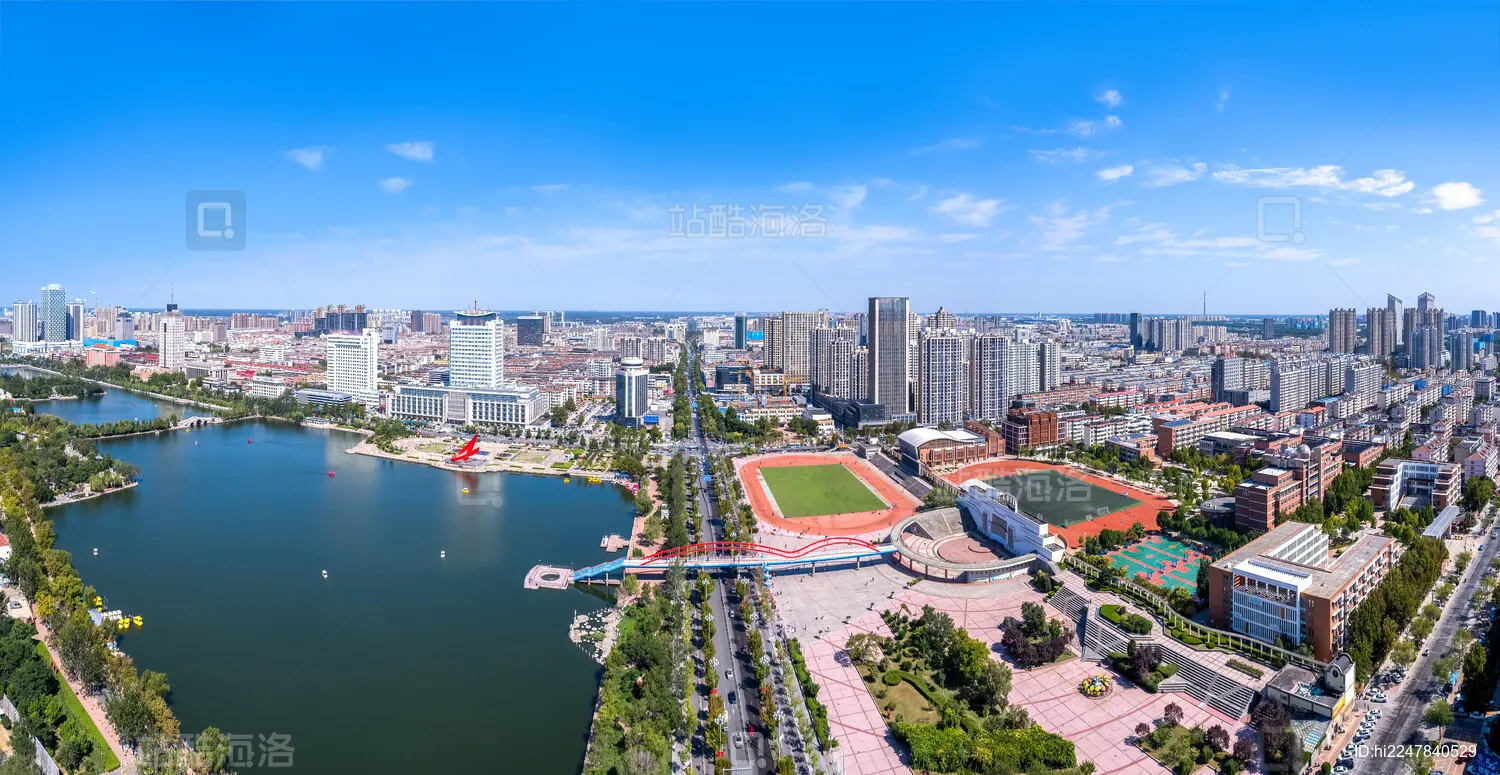
Dezhou is located in the northwest of Shandong Province, on the alluvial plain of the lower Yellow River. It borders Beijing and Tianjin to the north and Jinan to the south, serving as the northern gateway of Shandong. It has a warm temperate semi-humid continental monsoon climate with four distinct seasons and abundant sunshine. The annual average temperature is 13.1°C, and the annual precipitation is about 550 mm.
Dezhou has a long history, with human activity dating back to the Xia and Shang dynasties. During the Qin and Han dynasties, it was called Pingyuan Commandery. In the Sui and Tang dynasties, it gradually rose due to changes in the Yellow River. During the Ming and Qing dynasties, the Beijing-Hangzhou Grand Canal connected the north and south, making Dezhou an important grain transport hub, known as the "Thoroughfare to Nine Provinces."
Dezhou boasts profound cultural heritage. It is the hometown of Dong Zhongshu, a renowned Confucian scholar of the Han dynasty, and has a deep Confucian influence. Folk arts include Dezhou paper-cutting and the running donkey dance. The most famous cuisine is Dezhou braised chicken, hailed as "the best chicken under heaven." Other specialties include Dezhou watermelon, Leling small jujubes, and Ningjin donkey meat.
Modern Dezhou is a major transportation hub, with the Beijing-Shanghai High-Speed Railway, Beijing-Shanghai Railway, and Beijing-Taipei Expressway passing through. The economy is driven by equipment manufacturing, chemicals, textiles, and food processing, while actively developing new energy (solar) industries, earning it the title "China's Sun City."
The best time to visit 德州 is Spring (April-May) and autumn (September-October) are the best times to visit Dezhou..
Spring (April-May): Mild temperatures, flowers in bloom, ideal for outdoor activities and flower viewing.
Autumn (September-October): Clear and crisp weather, fruits ripen, perfect for tasting local specialties like Dezhou watermelon.
Summer is hot and rainy, while winter is cold and dry, making travel less comfortable.
After unifying the six states, Qin Shi Huang implemented the commandery-county system, and the Dezhou area belonged to Pingyuan Commandery.
Emperor Yang of Sui ordered the construction of the Yongji Canal (predecessor of the Grand Canal), making Dezhou a key node.
The Dezhou region was abolished and Dezhou was established as a prefecture-level city, marking a new stage of modernization.
Recommended places to visit
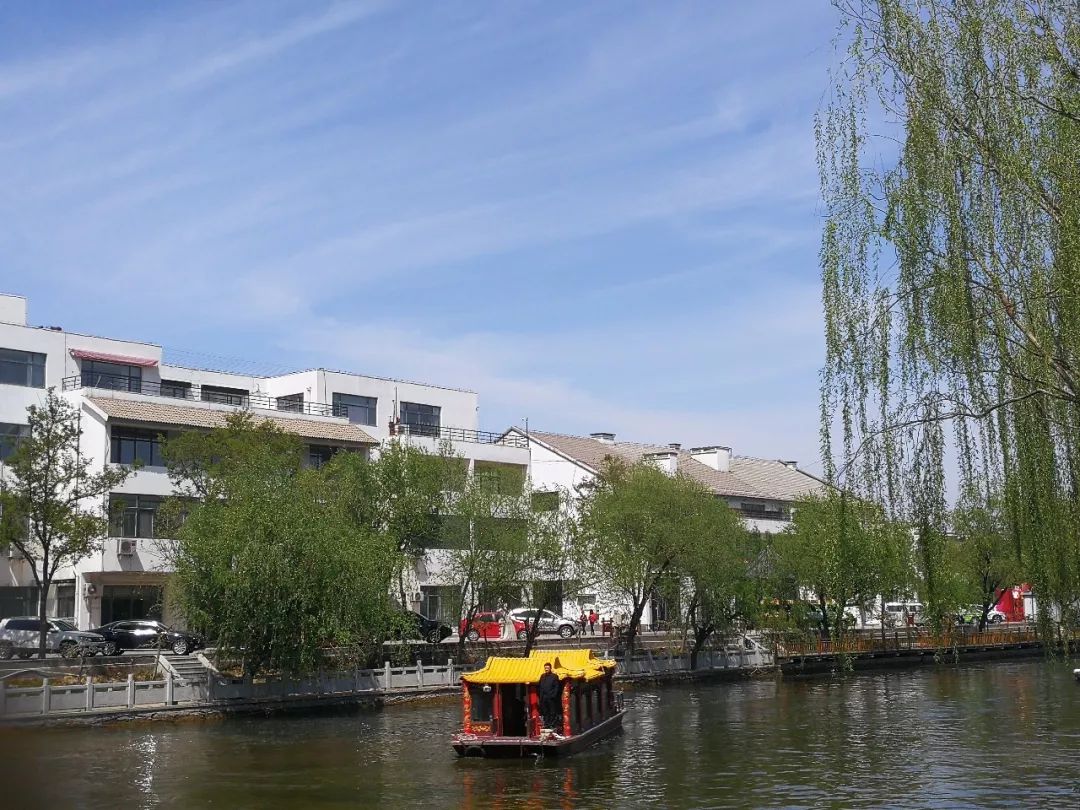
A theme park commemorating the great Han Confucian scholar Dong Zhongshu, featuring Dongzi Temple and Confucian culture exhibition halls. It is a key attraction for understanding Dezhou's history and culture.
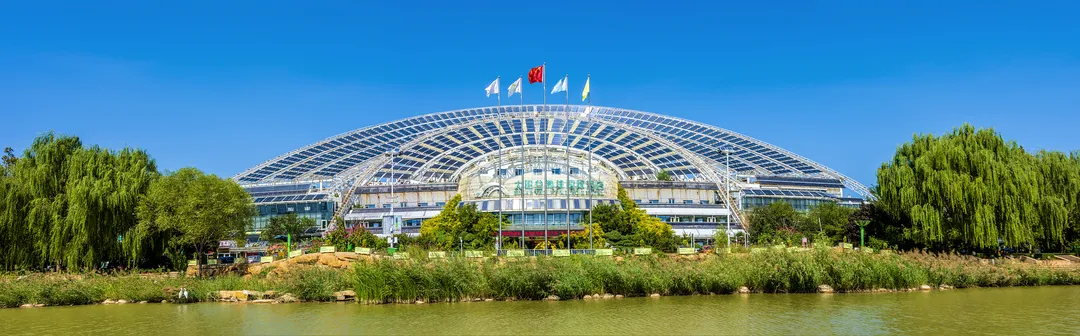
The world's largest solar energy R&D and science education base, showcasing solar buildings, photovoltaic power generation and other new energy technologies. It is a landmark of 'China's Sun City.'
Explore rich intangible cultural heritage and traditional crafts
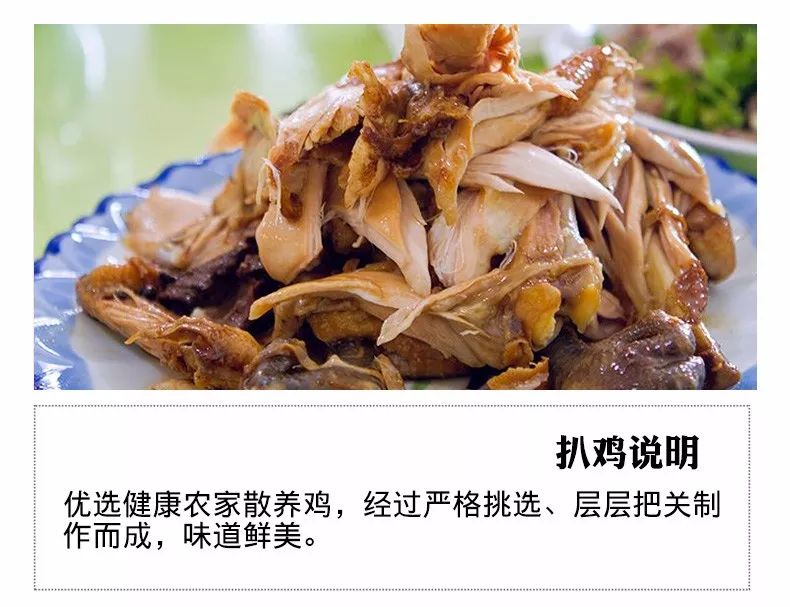
The technique of making Dezhou braised chicken was inscribed on the national intangible cultural heritage list, representing outstanding traditional food culture.
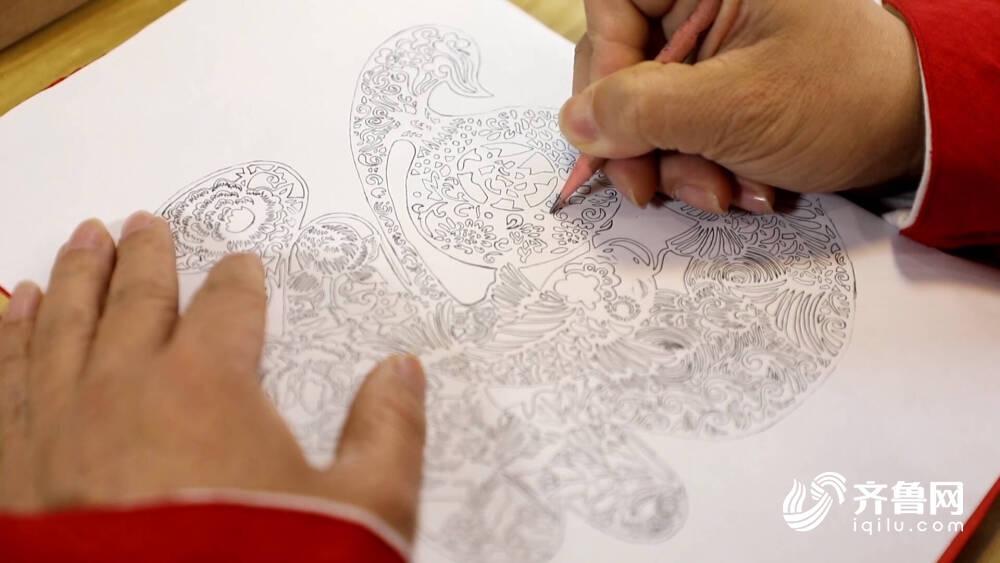
Dezhou paper-cutting is a provincial intangible cultural heritage, characterized by full composition, exaggerated shapes, and bright colors, often used for festive decorations.
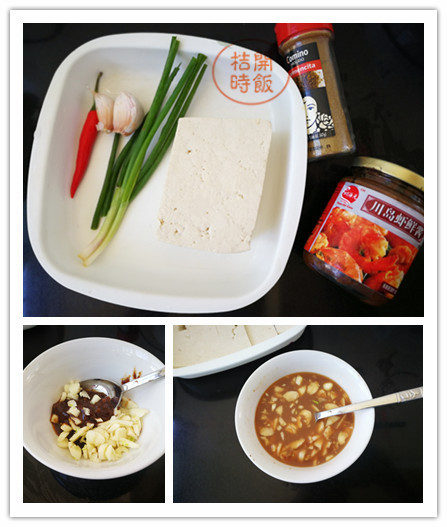
Pingyuan old tofu is a traditional snack in Dezhou, known for its unique brine and tender texture. Its making technique is listed as a provincial intangible cultural heritage.
Must-know transportation for exploring the city
Dezhou has no civil airport. The nearest major airport is Jinan Yaoqiang International Airport, about 120 km away, accessible by airport shuttle or high-speed rail.
Airport shuttle about 60 RMB
One of the main stops on the Beijing-Shanghai High-Speed Railway, connecting Beijing, Shanghai, Jinan, etc. It takes about 1.5 hours from Beijing South Railway Station.
Beijing-Dezhou second class about 150 RMB
City buses cover major areas with fares of 1-2 RMB, supporting mobile payment. Taxis and ride-hailing services are also available.
1-2 RMB
Taste the most authentic and popular local specialties
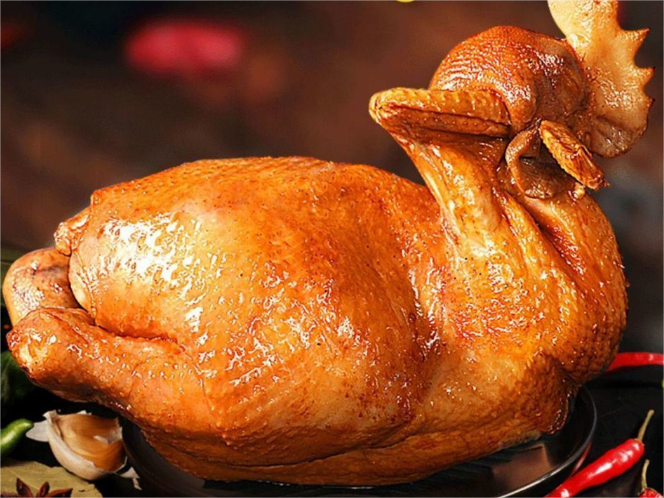
The most famous traditional delicacy in Dezhou, known as 'the number one chicken under heaven.' It is braised with various spices, golden in color, tender and falls off the bone.
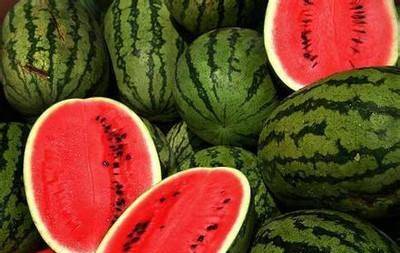
A specialty fruit of Dezhou, known for its thin skin, sweet flesh, and abundant juice, with a cultivation history of over a thousand years.
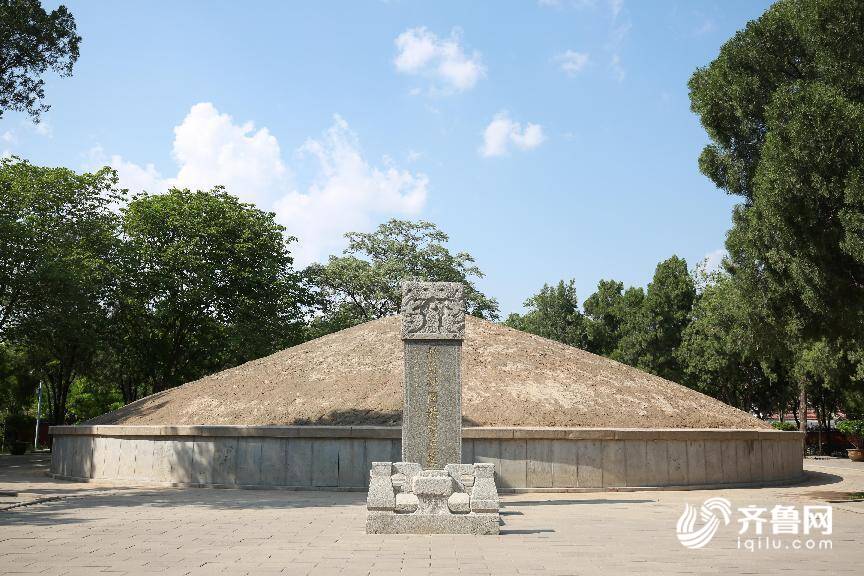
The only foreign king's tomb in China, where the Eastern King of Sulu (now part of the Philippines) was buried after visiting China during the Ming Dynasty. It is a testament to Sino-Philippine friendship.
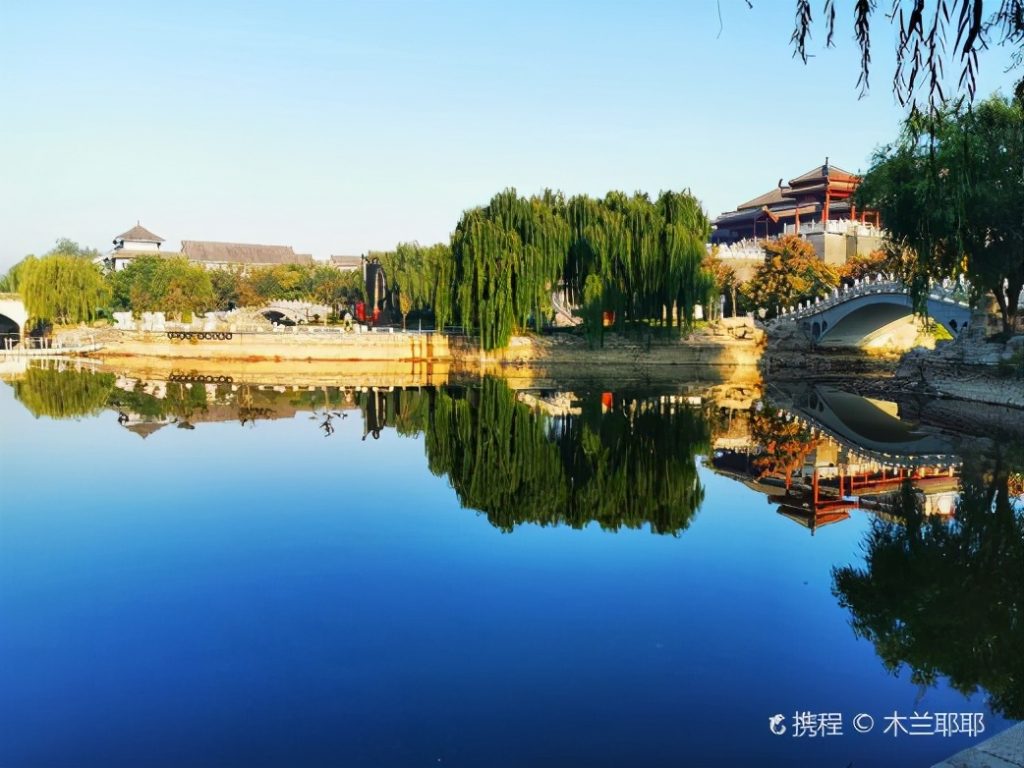
A large park integrating animal viewing, botanical science, and leisure entertainment, featuring rare animals like giant pandas.
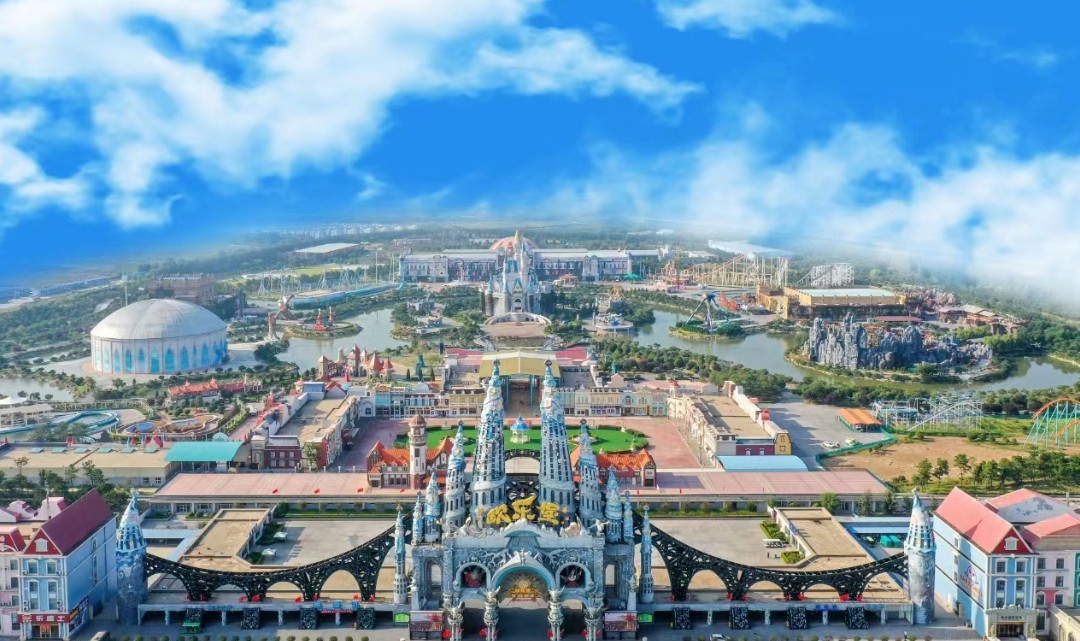
A large theme park with various rides and shows, suitable for family trips.
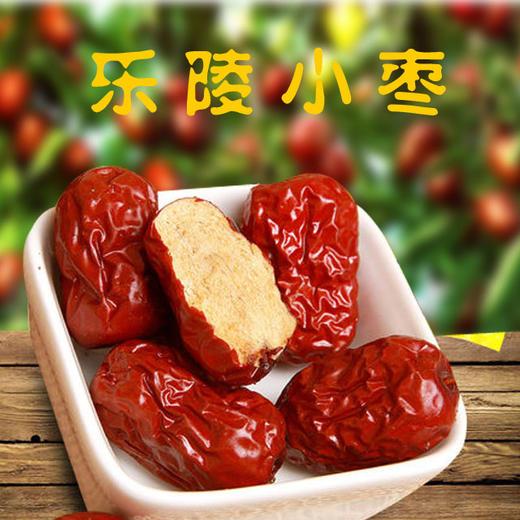
A specialty of Leling City, a national geographical indication product. Thin skin, thick flesh, small pit, sweet taste, and rich nutrition.
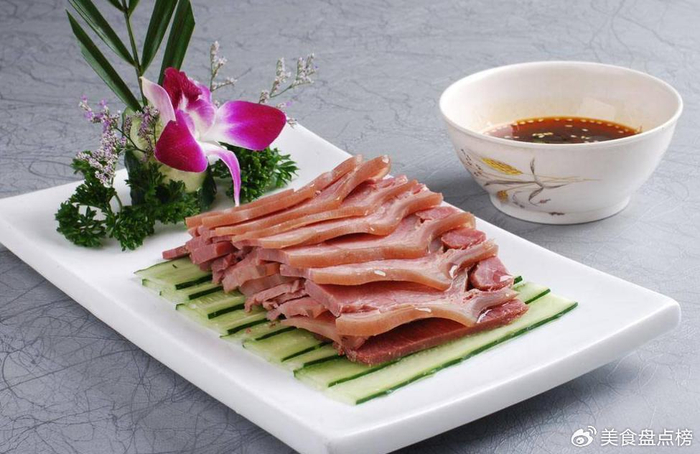
A traditional delicacy of Ningjin County, made from high-quality donkey meat, marinated with a unique process, tender and delicious.
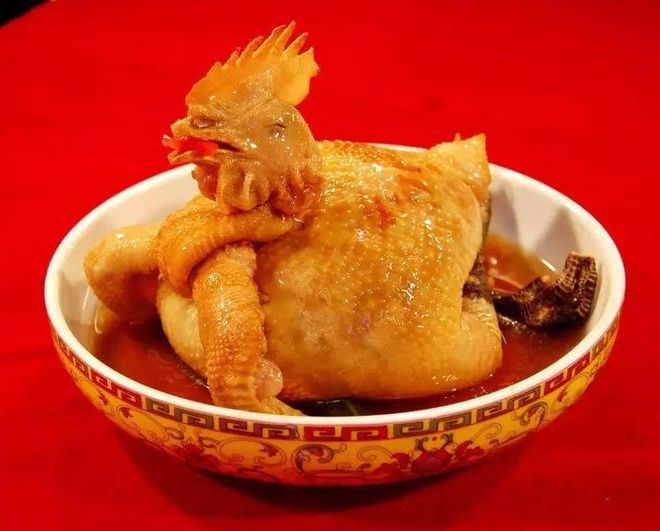
A traditional dish of Xiajin County, where the whole chicken is deboned and stuffed, shaped like a bag, then steamed, resulting in tender and delicious meat.