
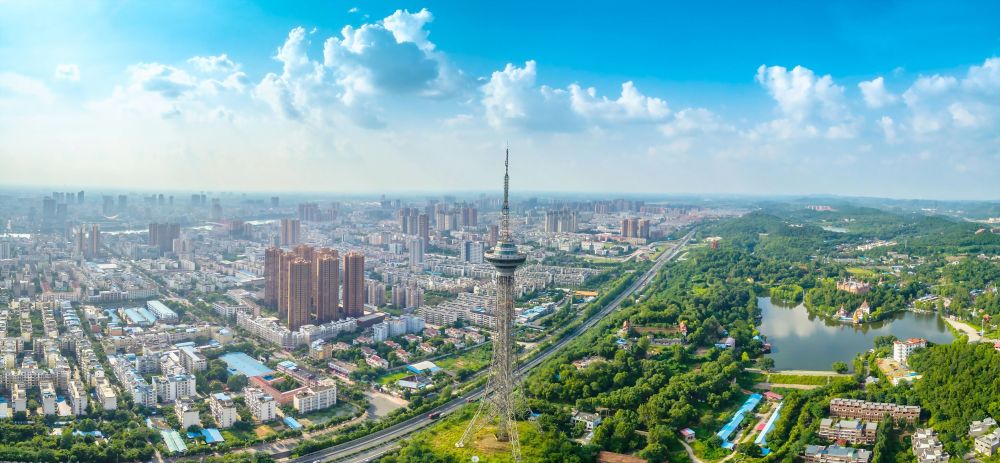
Deyang is located in the northeastern part of the Chengdu Plain in the Sichuan Basin, nestled between the Longmen Mountains and the Longquan Mountains. It has a subtropical humid monsoon climate with four distinct seasons and abundant rainfall, with an annual average temperature of around 16°C.
Deyang has a long history. In ancient times, it was part of the Shu Kingdom and later belonged to Shu Commandery during the Qin Dynasty. The city was established in 1983, and its name means 'virtue like the sun.' Within its territory lies the world-famous Sanxingdui site (in Guanghan City), an important birthplace of ancient Shu civilization.
Deyang is one of the important birthplaces of Sichuan cuisine, known for dishes such as Luojiang Bean Chicken and Zhongjiang Hanging Noodles. The culture of filial piety runs deep in Deyang, as it is the hometown of Jiang Shi, one of the 'Twenty-Four Filial Exemplars.' Mianzhu New Year paintings are among China's four major New Year paintings.
Deyang is a major base for China's heavy equipment manufacturing industry, home to leading enterprises such as Dongfang Electric and China Erzhong Group, earning it the title 'Capital of Heavy Equipment.' Meanwhile, modern agriculture and tourism are thriving, and the Sanxingdui National Cultural Heritage Protection and Utilization Demonstration Zone is steadily advancing.
The best time to visit 德阳 is Best in spring and autumn with pleasant weather.
Spring (March-May): Temperatures warm up, flowers bloom everywhere, ideal for outings and visiting Sanxingdui.
Autumn (September-November): Clear and crisp, less rainfall, perfect for outdoor activities and tasting local cuisine.
Summer (June-August) is hot and humid, winter (December-February) is cold, but still offer unique experiences.
Approved by the State Council, Deyang County was abolished and prefecture-level Deyang City was established.
Farmer Yan Daocheng discovered jade artifacts at Moon Bay in Guanghan, marking the beginning of Sanxingdui archaeology.
The state established heavy machinery industries in Deyang, including the Second Heavy Machinery Plant (Erzhong).
Recommended places to visit

Located in Guanghan, it exhibits bronze, jade and other treasures of ancient Shu civilization unearthed from the Sanxingdui site, a candidate for World Heritage.
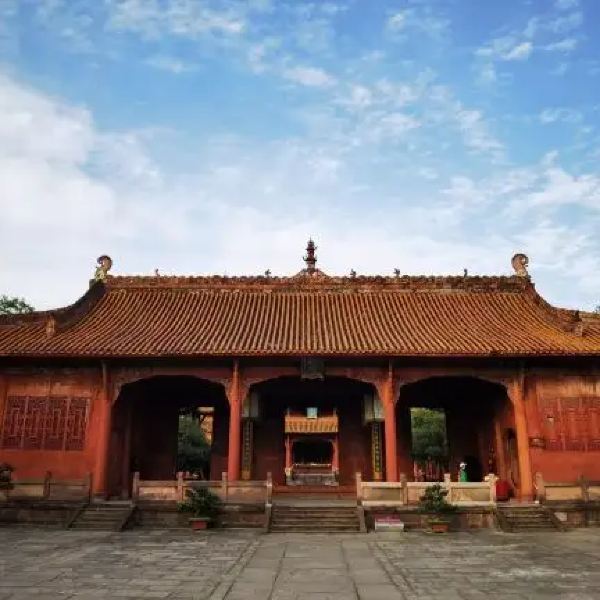
One of the best-preserved Confucian temples in Sichuan, built in the Southern Song Dynasty, now a national key cultural relic protection unit.
Explore rich intangible cultural heritage and traditional crafts
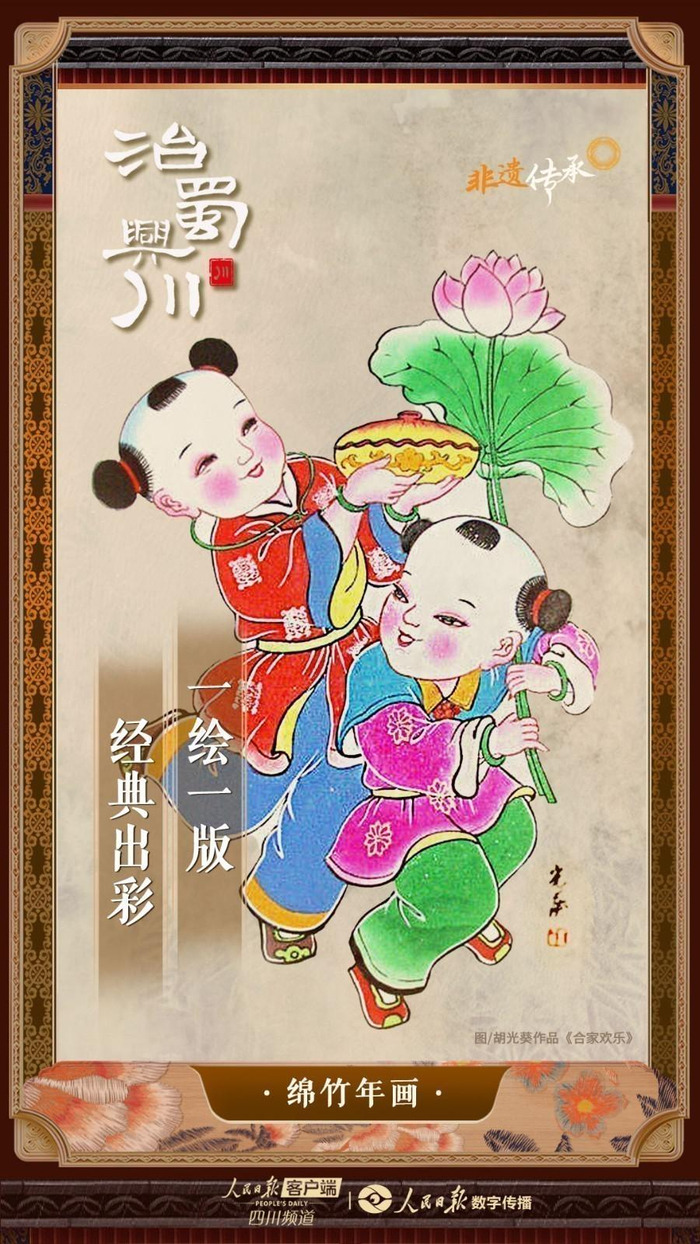
One of China's four major New Year paintings, known for full compositions, bright colors, and balanced lines, often featuring auspicious motifs.
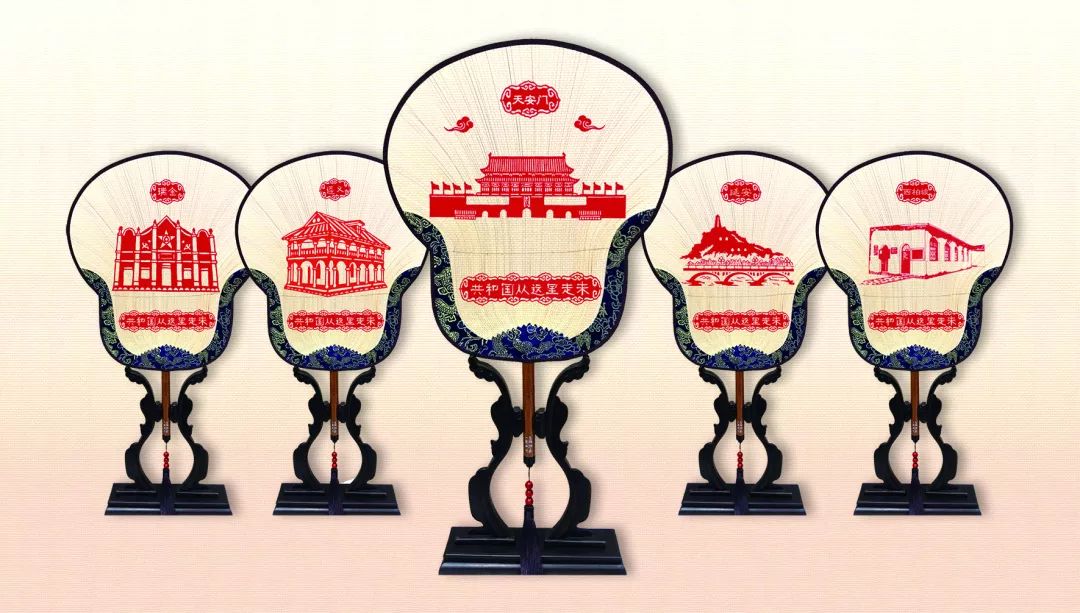
Made with bamboo ribs and silk surface, painted with landscapes and flowers, exquisite craftsmanship, a Sichuan provincial intangible cultural heritage.
Must-know transportation for exploring the city
About 60 km from Deyang, accessible by airport bus or high-speed rail.
Airport bus 80 yuan, high-speed rail about 30 yuan
Connects to Chengdu, Mianyang, etc., on the Chengdu-Mianyang-Leshan intercity railway, only 30 minutes to Chengdu.
Deyang-Chengdu first class about 35 yuan, second class about 22 yuan
City bus routes cover major attractions, fare 1-2 yuan, supports mobile payment.
1-2 yuan
Taste the most authentic and popular local specialties
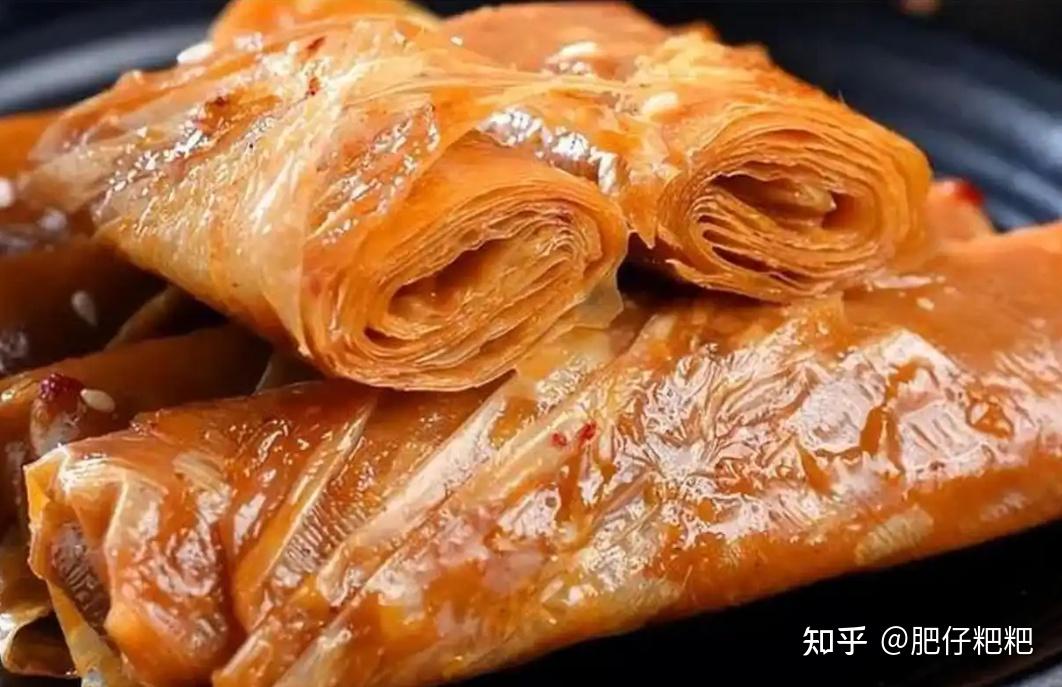
Made primarily from soybeans, shaped like chicken pieces, spicy and savory, a traditional Deyang snack.

Handmade thin noodles named for being hung to dry, with a chewy texture, suitable for soup or dry noodles.
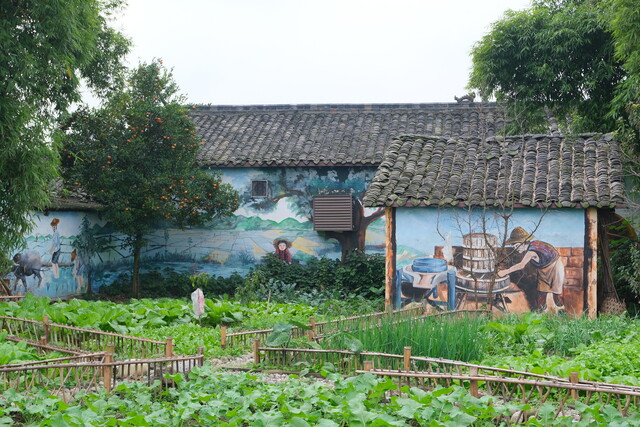
Experience the making of Mianzhu New Year paintings, a national intangible cultural heritage, and admire traditional folk houses and art.
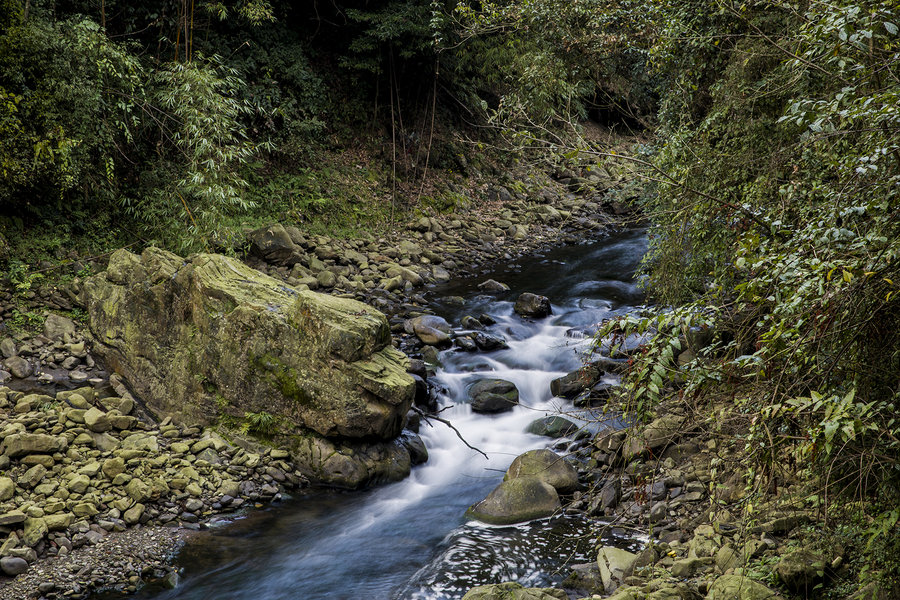
Famous for red sandstone landforms and waterfalls, a summer resort for rafting and hiking.
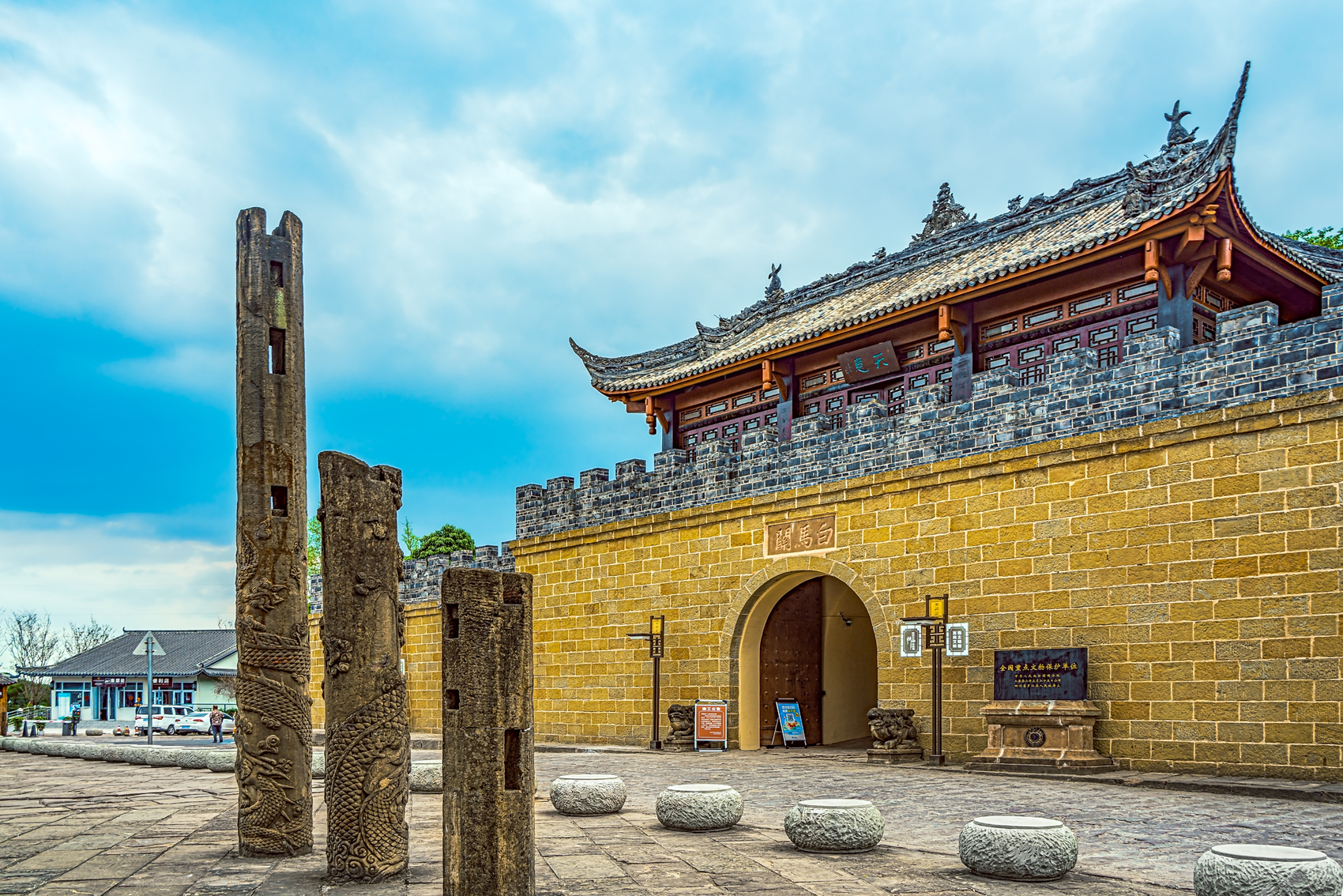
An ancient battlefield of the Three Kingdoms, with sites like Pang Tong Temple and Luofeng Slope, a key pass on the Shu Road.
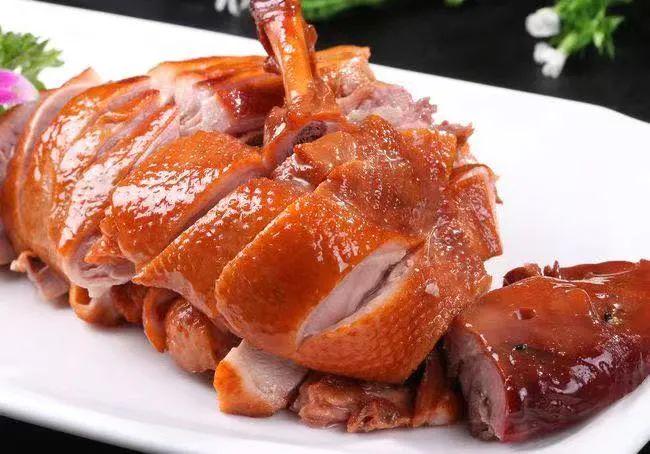
Made from local ducks, cured, dried, and smoked, golden in color, savory and delicious.
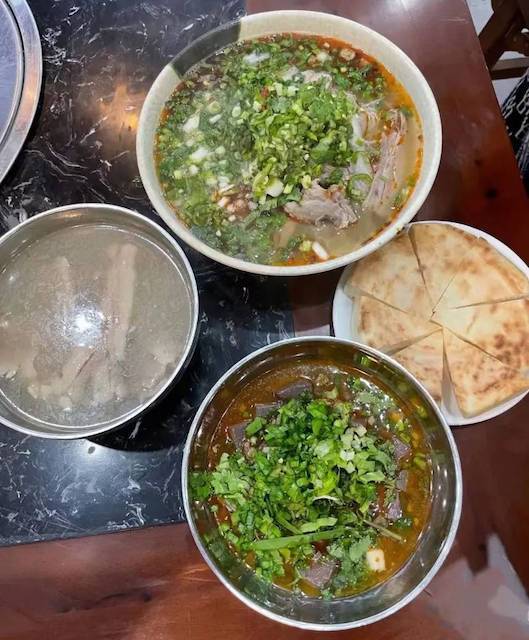
Smooth and tender rice noodles in pork bone broth, topped with beef or pork intestines, a breakfast favorite.
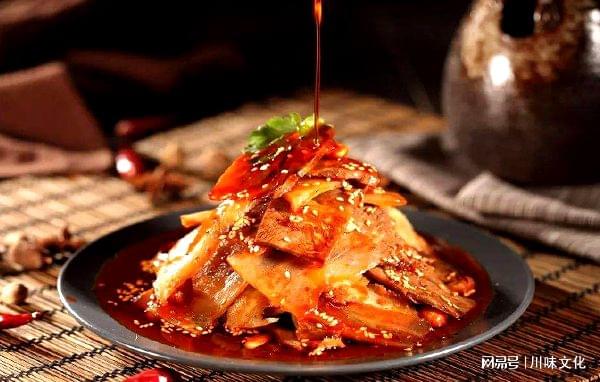
Traditionally brewed soy sauce, reddish-brown in color, rich in aroma, an excellent seasoning for Sichuan cuisine.