
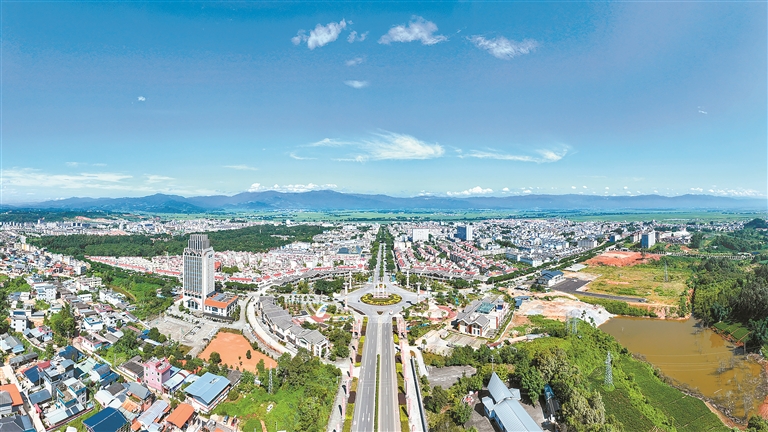
Dehong Dai and Jingpo Autonomous Prefecture is located in western Yunnan Province, bordering Baoshan to the east and Myanmar to the south. It has a south subtropical monsoon climate, warm and humid year-round with abundant rainfall, no distinct seasons, and an average annual temperature of about 20°C.
Dehong has a long history and was an important passage on the ancient Southern Silk Road. It belonged to Yizhou Commandery in the Western Han Dynasty, Nanzhao in the Tang Dynasty, and the Tusi system was established in the Ming and Qing Dynasties. In modern times, it was a frontline in the Western Yunnan Counteroffensive during the Anti-Japanese War, and the autonomous prefecture was established in 1953.
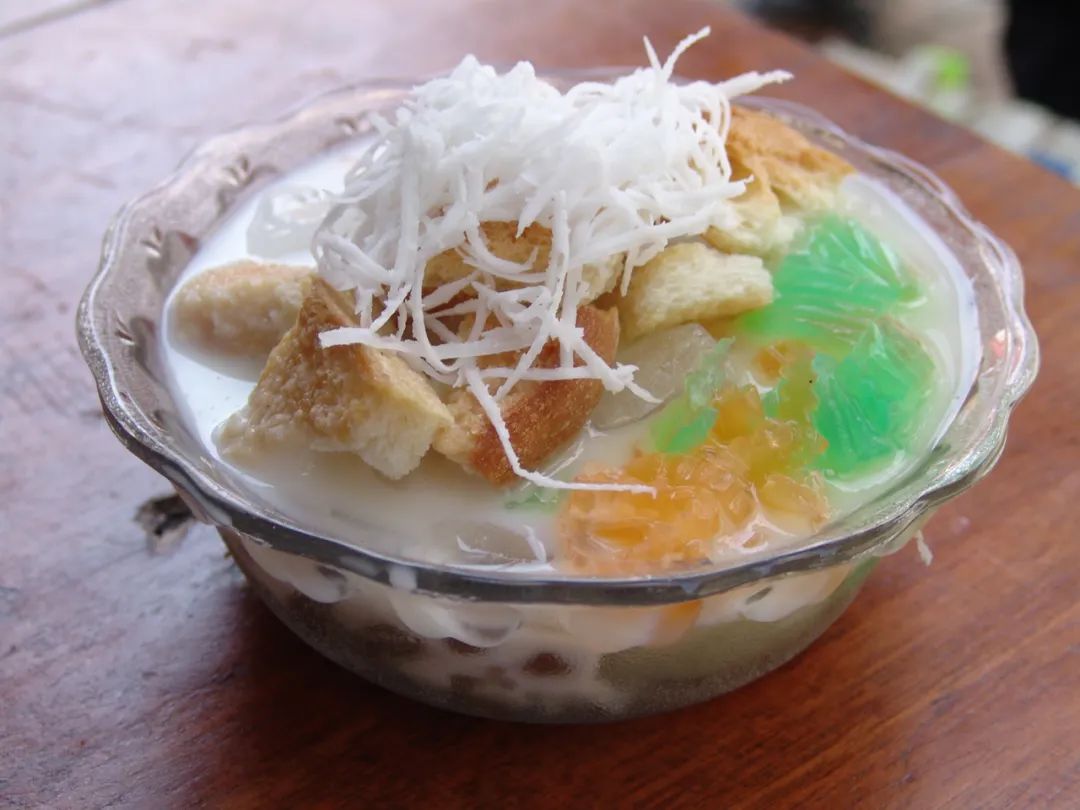
Dehong is a multi-ethnic area inhabited mainly by the Dai and Jingpo peoples, with diverse cultures. The Water Splashing Festival and the Munao Zongge Festival are grand celebrations. The cuisine is known for its sour, spicy, and fresh flavors, with representative dishes like Guoshou Mixian (hand-grabbed rice noodles), Sa Pie (bitter beef intestine rice noodles), and Paoluda (sweet bread and coconut drink).
Modern Dehong relies on the Ruili National Key Development and Opening-up Pilot Zone to develop border trade and tourism. Mangshi Airport operates multiple routes, and the Dali-Ruili Railway is under construction, bringing rapid urban transformation.
The best time to visit 德宏 is Year-round, best from October to April.
Dehong has a mild climate suitable for travel year-round. However, the rainy season (May-September) brings heavy rainfall, which may affect outdoor activities; rain gear is recommended.
From October to April is the dry season with clear and cool weather, ideal for sightseeing and festivals like the Water Splashing Festival (mid-April).
The Spring Festival period is warm and pleasant, a good escape from cold, but tourist numbers are high; early booking is advised.
Emperor Wu of Han expanded into the Southwest, and Dehong became part of Ailao under Yizhou Commandery.
The Yuan Dynasty established the Jinchi Pacification Office in Dehong to strengthen control.
The Chinese Expeditionary Force counterattacked in western Yunnan, and Dehong became the frontline for territory recovery.
Recommended places to visit
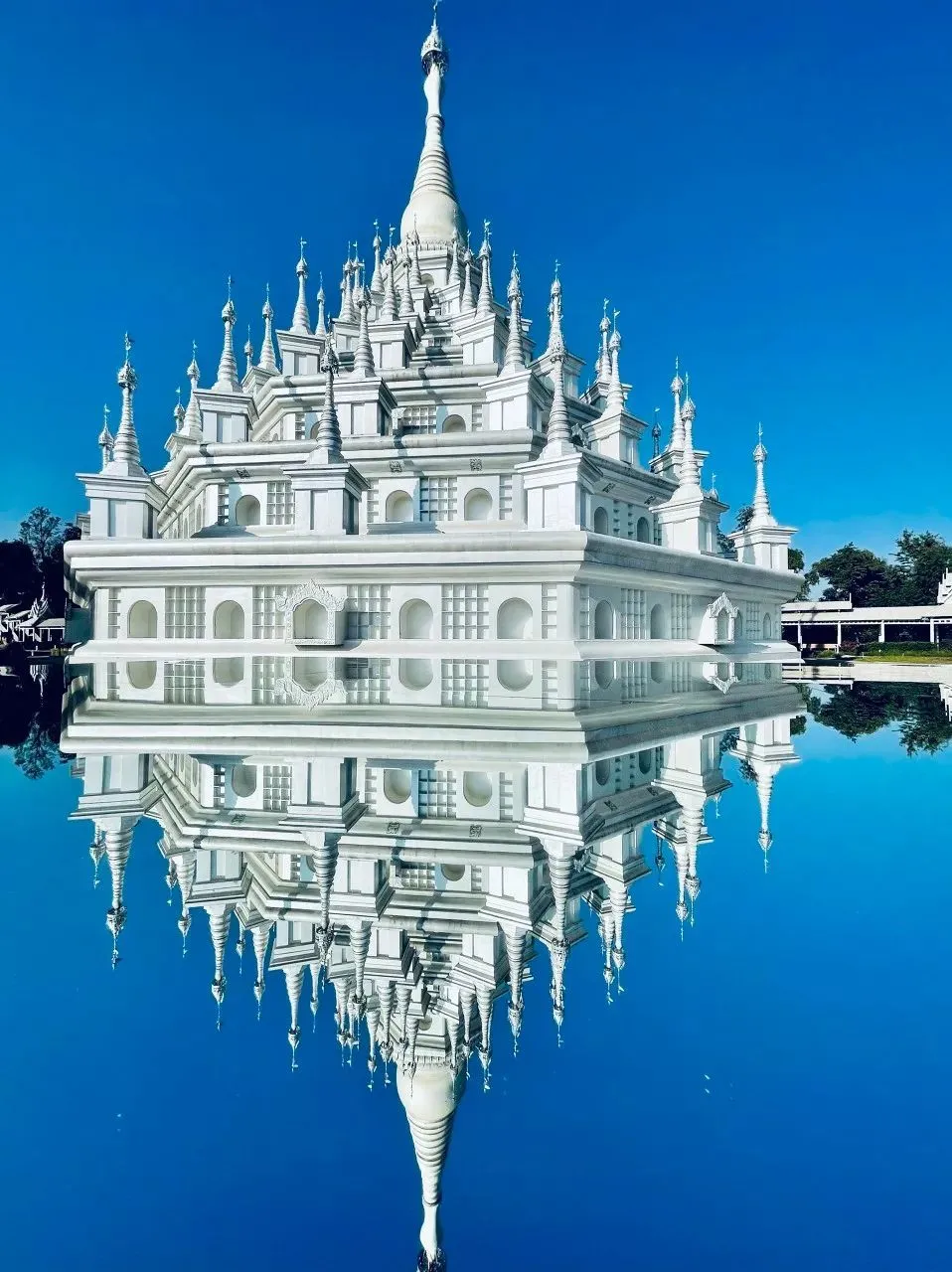
Located on Leiyarang Mountain in Mangshi, it is the largest hollow pagoda in Asia, a Dai architectural gem, brilliantly lit at night.
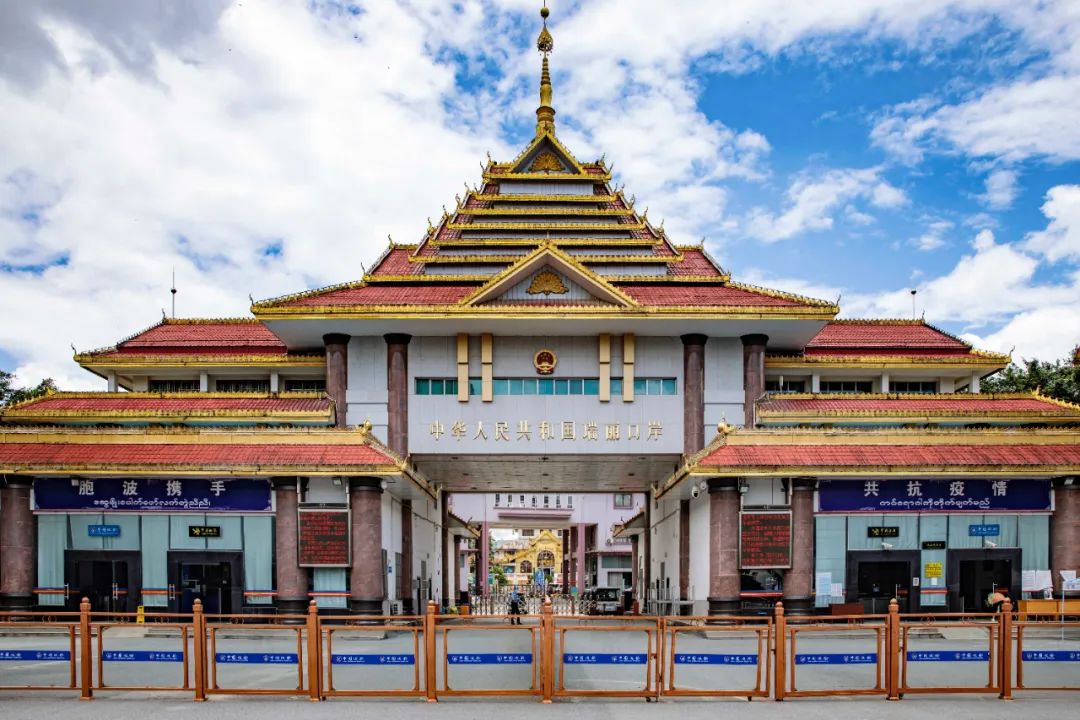
The largest land port on the China-Myanmar border, with thriving trade, cross-border experience, and duty-free shopping.
Explore rich intangible cultural heritage and traditional crafts
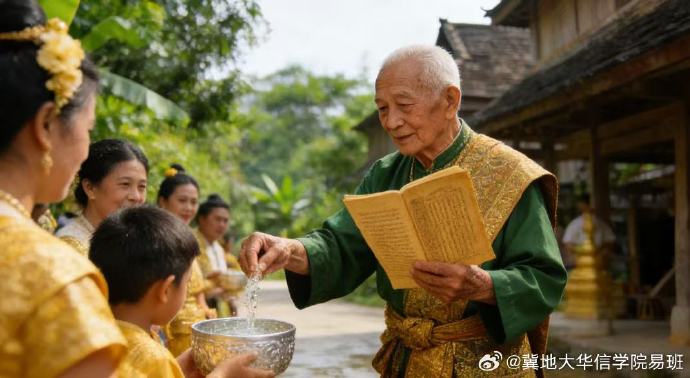
A traditional Dai festival held in mid-April, where people splash water on each other to wash away bad luck and bring blessings.
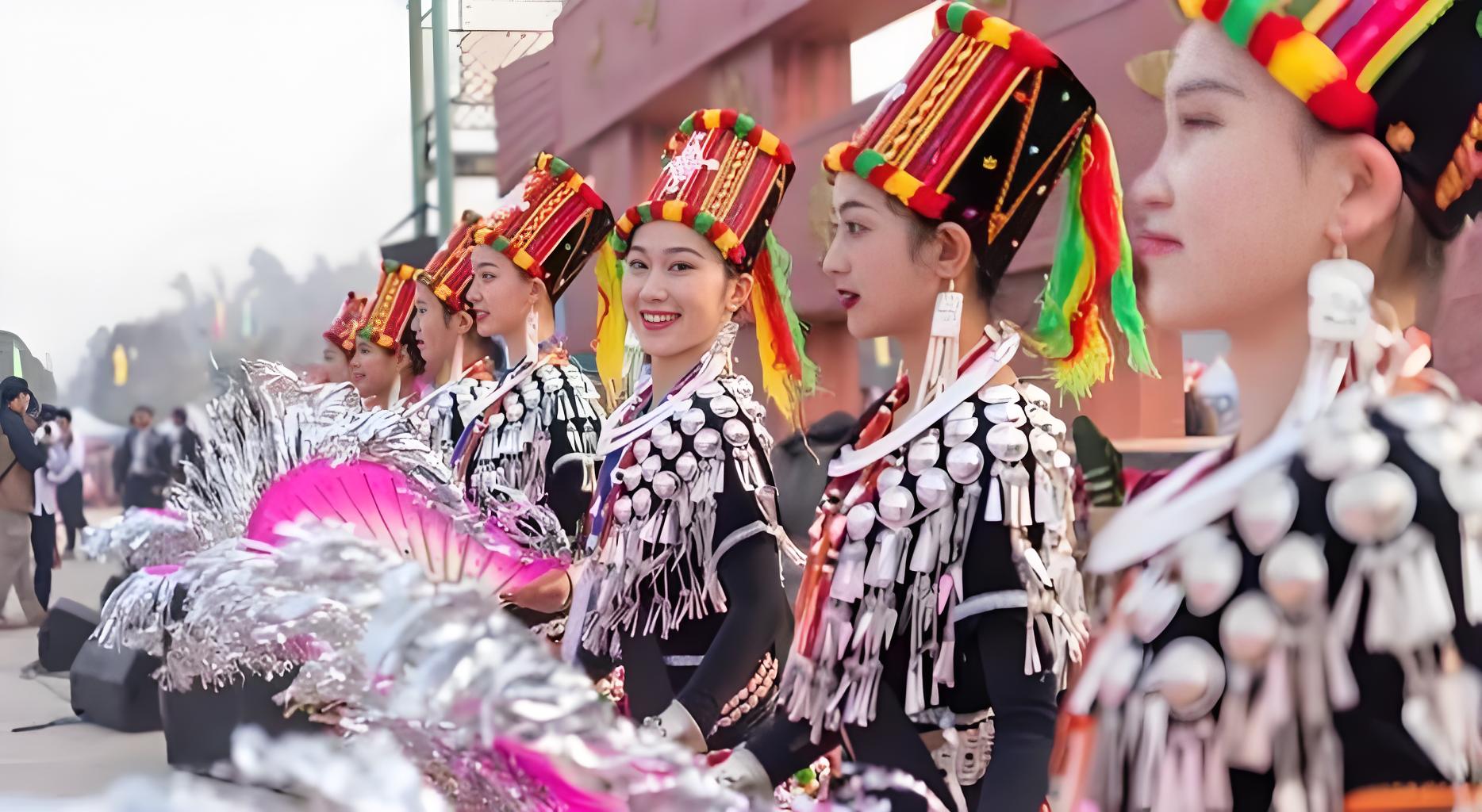
The grandest traditional festival of the Jingpo people, with thousands dancing together, ancestor worship, and praying for harvest.
Must-know transportation for exploring the city
Located in Mangshi, with flights to Kunming, Chengdu, Guangzhou, etc., about 6 km from city center.
300-800 RMB
Connecting Dali and Ruili, designed speed 140 km/h, expected to open in 2025, enabling direct trains from Kunming to Dehong.
TBD
Major cities like Mangshi and Ruili have bus routes; long-distance coaches connect to Kunming, Dali, Baoshan, etc.
2-150 RMB
Taste the most authentic and popular local specialties
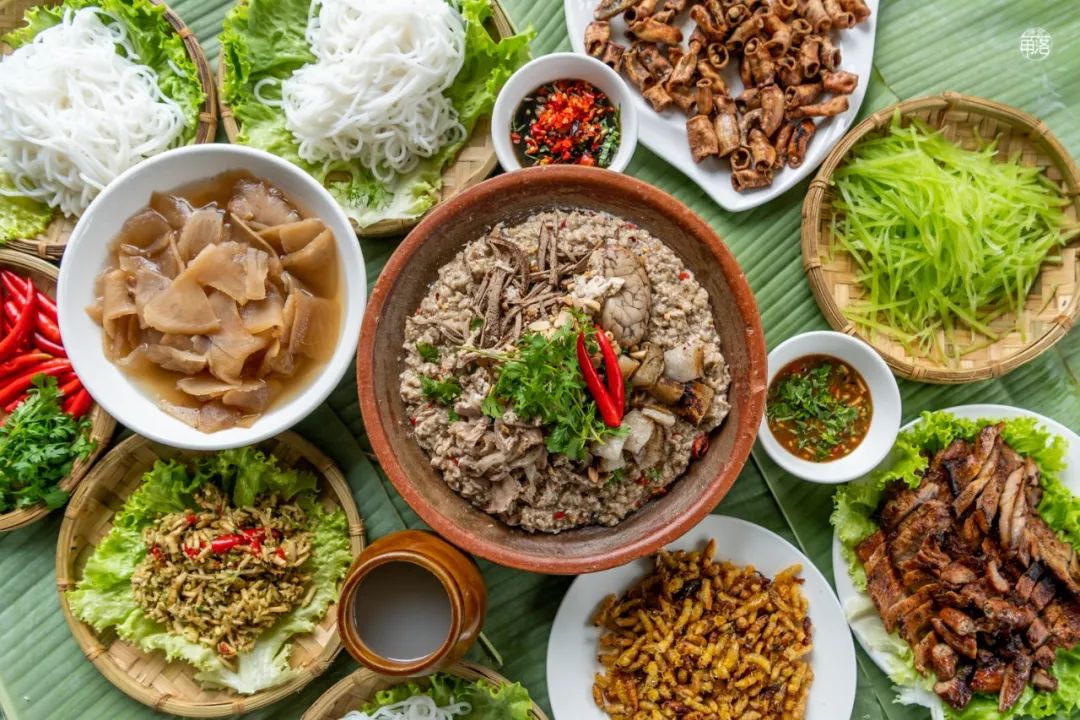
A specialty of the Achang ethnic group in Dehong, rice noodles served with minced meat sauce, crushed peanuts, etc., eaten by hand, sour and spicy.
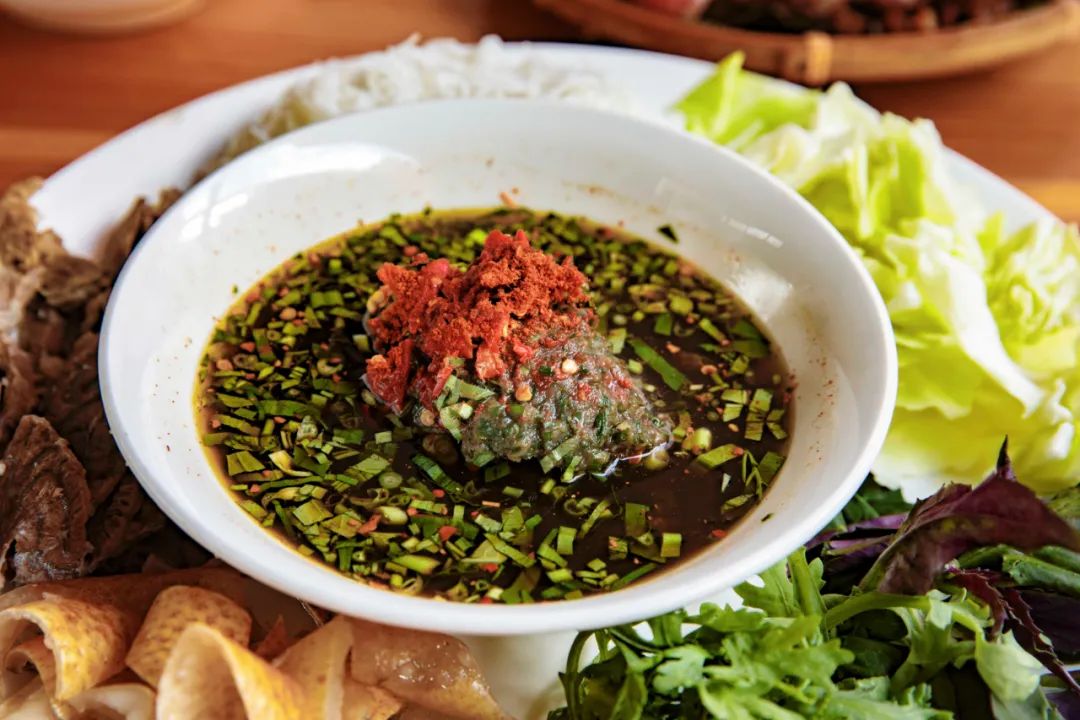
A Dai specialty cold dish, fine rice noodles mixed with cow bile juice, served with beef and vegetables, bitter with a sweet aftertaste.
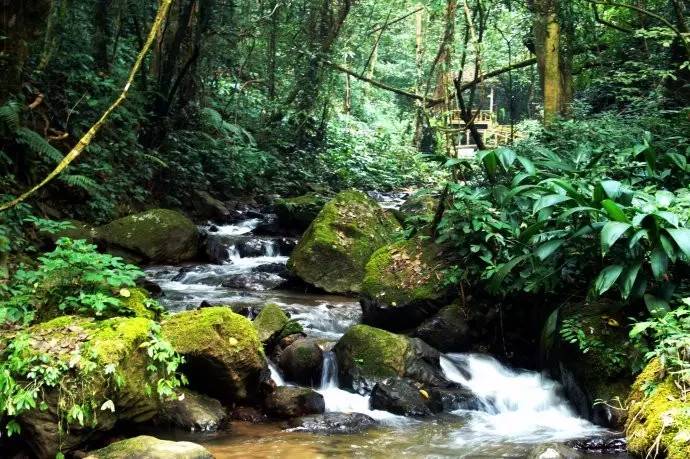
Located in Ruili, known for Moli Waterfall and tropical rainforest scenery, with fresh air and hiking trails.
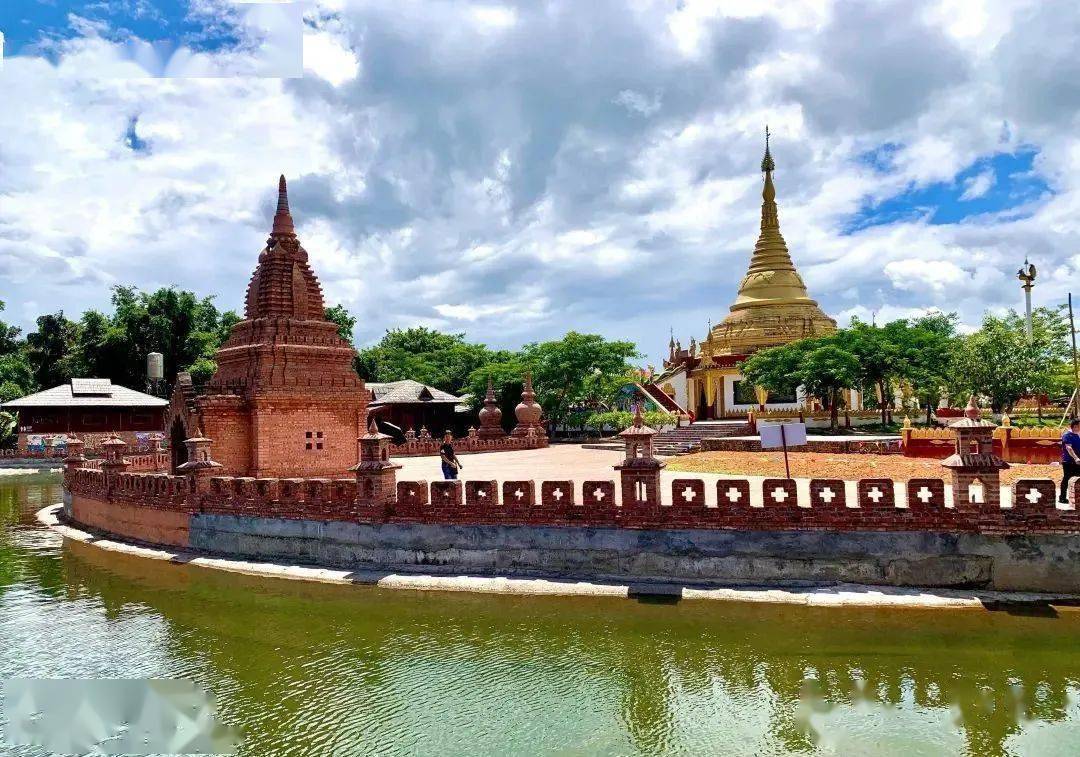
Located in Yinjing Village, Ruili, the border line runs through the village, half in China and half in Myanmar, a unique sight.
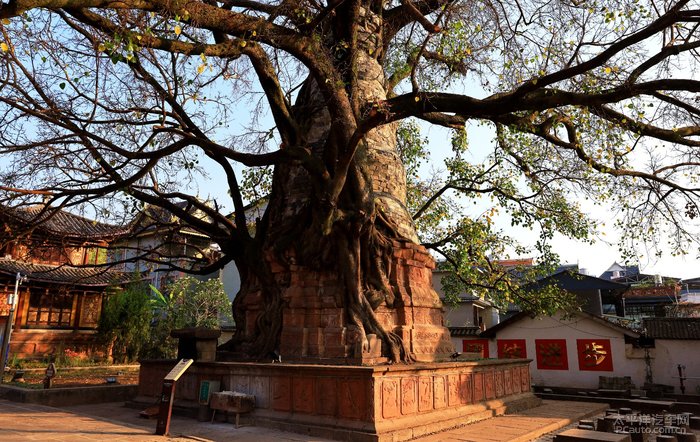
Located in Mangshi, the pagoda is tightly wrapped by banyan roots, forming a wonder of tree-pagoda unity, over 200 years old.
A dessert from Myanmar, made with condensed milk, sago, dried bread, coconut shreds, etc., sweet and refreshing.
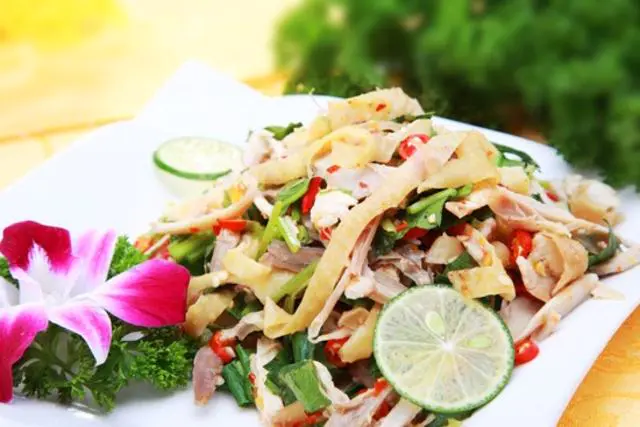
A traditional Jingpo dish, boiled black-boned chicken shredded and mixed with lemon, chili, cilantro, etc., sour and spicy appetizer.
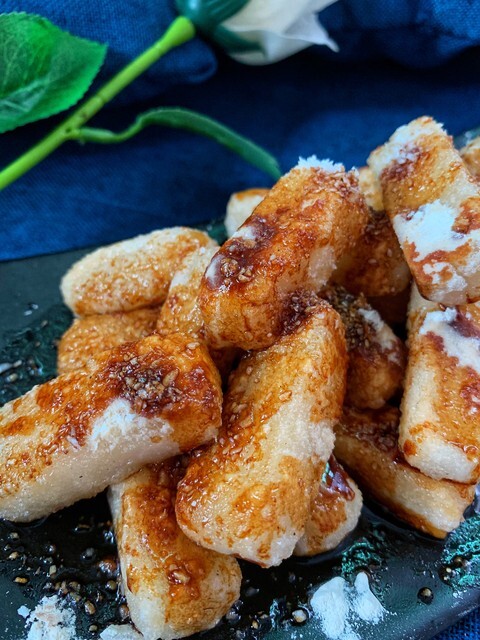
Traditional food for the Water Splashing Festival, made from glutinous rice flour wrapped with brown sugar and steamed, soft and sweet.