
Datong is located in the northern part of Shanxi Province, at the junction of Shanxi, Hebei, and Inner Mongolia. It is an important transportation hub in North China. With a temperate continental monsoon climate, it has four distinct seasons: cool summers and cold, dry winters. The average annual temperature is 6.5°C, earning it the reputation of a "summer resort."
Datong has a long history. It served as the capital of the Northern Wei Dynasty (398-494 AD), a secondary capital during the Liao and Jin Dynasties, and one of the nine key military towns in the Ming and Qing Dynasties. The city is rich in cultural relics, including the Yungang Grottoes, Huayan Temple, and Shanhua Temple, giving it the title "Three Dynasties' Capital, Two Dynasties' Stronghold."
Datong's culture blends nomadic and agricultural civilizations, with Buddhist art being especially prominent. Local specialties include knife-cut noodles, lamb offal soup, Hunyuan cold noodles, Datong yellow cake, and oat noodle rolls. The cuisine tends to be salty and savory, with excellent noodle-making techniques.
Datong is a major energy base in China, famous for its coal industry. In recent years, it has been actively transforming and developing cultural tourism and new energy industries. The restoration of the ancient city has revived its historical appearance, giving the city a fresh new look.
The best time to visit 大同 is Spring and Autumn (April-May, September-October).
Spring (April-May) sees rising temperatures and revival of nature, ideal for visiting Yungang Grottoes and the ancient city, with fewer tourists and comfortable experiences.
Autumn (September-October) offers clear skies and pleasant temperatures, perfect for enjoying the autumn scenery of the ancient city and climbing Mount Heng. It also coincides with events like the Datong International Sculpture Biennale.
Summer (June-August) is cool and pleasant, a peak season for summer escapes, though occasional rain occurs. Winter (November-March) is cold but offers snowy landscapes and discounted tickets at some attractions.
Emperor Daowu of Northern Wei moved the capital from Shengle to Pingcheng (modern Datong), beginning Datong's history as a capital and initiating the construction of the Yungang Grottoes.
Emperor Xingzong of Liao elevated Yunzhou to Western Capital Datong Prefecture, making Datong an auxiliary capital. The city expanded and Buddhist structures like Huayan Temple were built.
Recommended places to visit
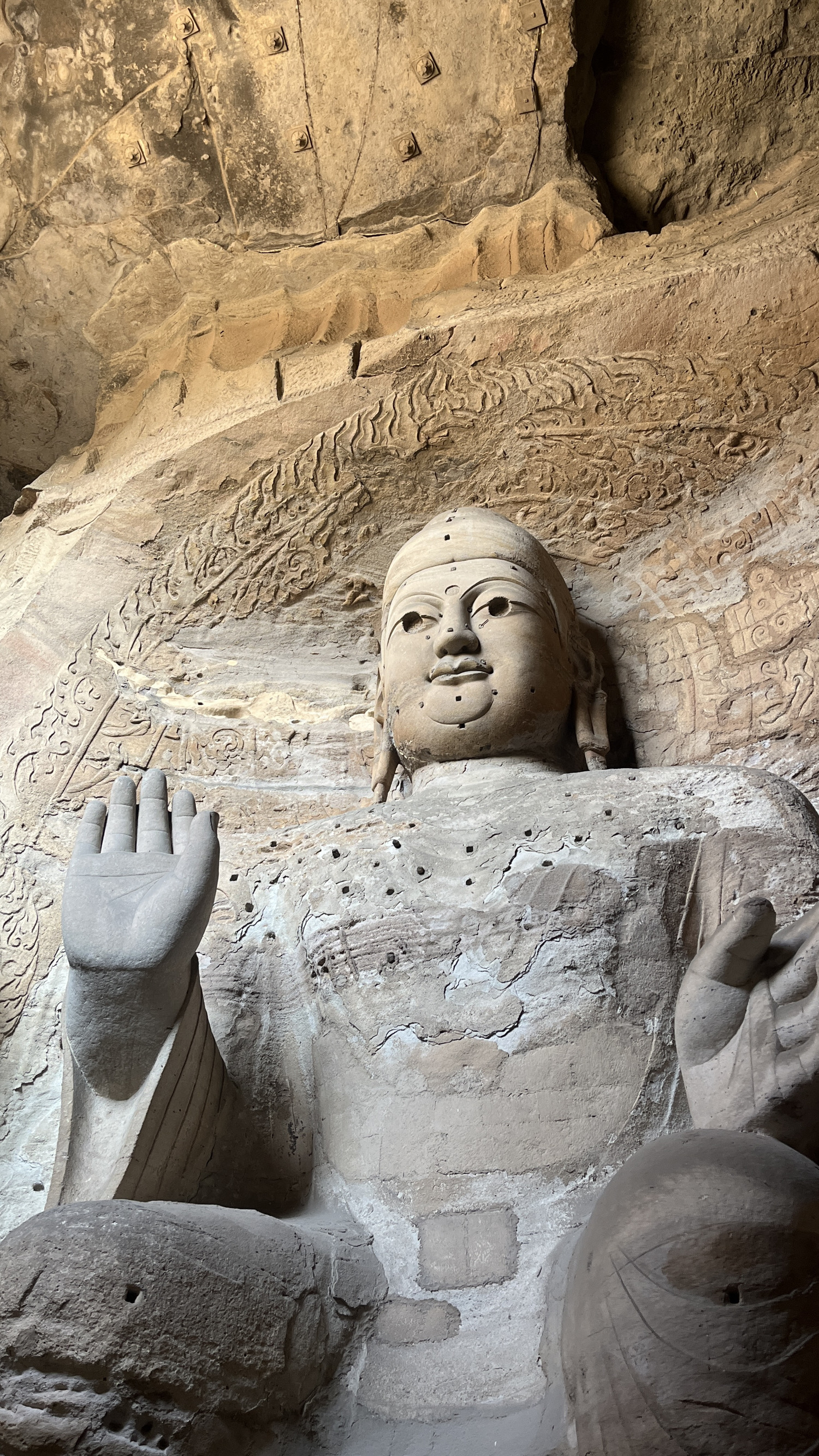
A UNESCO World Heritage site, a group of Buddhist grottoes carved during the Northern Wei Dynasty. It has 45 main caves and over 59,000 statues, making it one of China's three major grottoes.
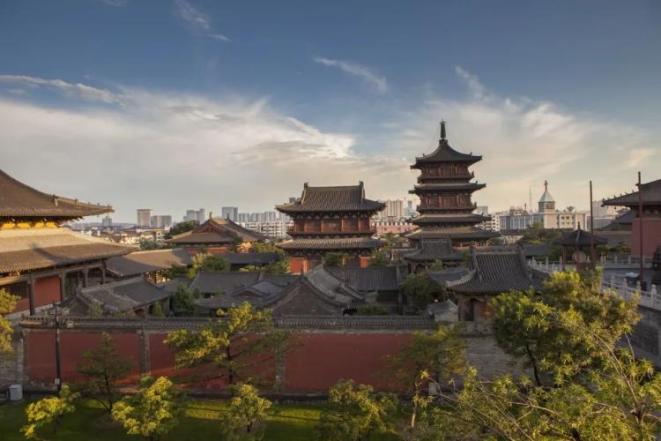
A Liao Dynasty imperial temple, housing one of China's largest wooden Buddha halls, the Mahavira Hall, along with exquisite Liao Dynasty painted sculptures and murals.
UNESCO World Heritage Sites
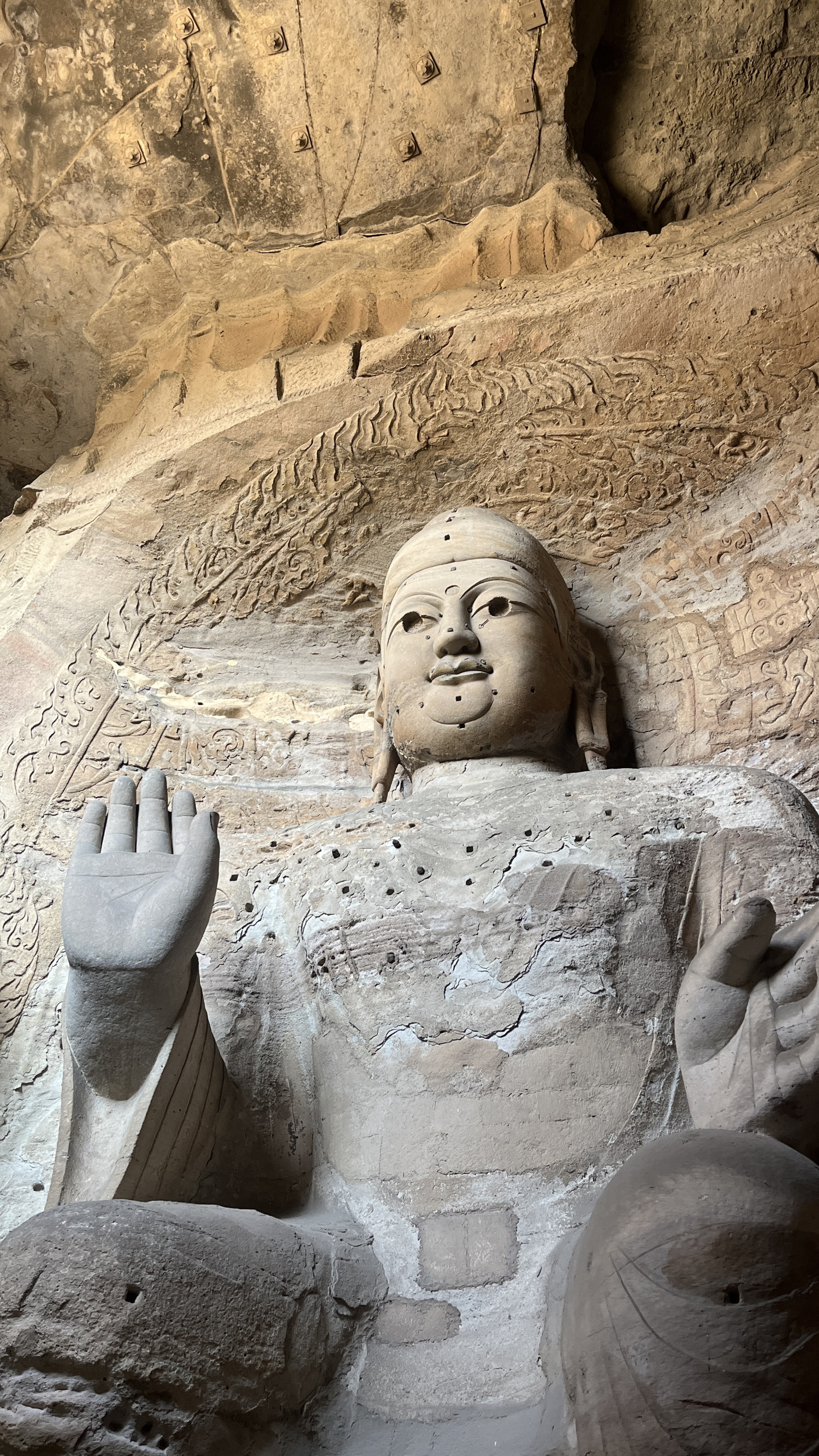
A UNESCO World Heritage site representing outstanding achievements of Chinese Buddhist cave art from the 5th to 6th centuries.
Explore rich intangible cultural heritage and traditional crafts
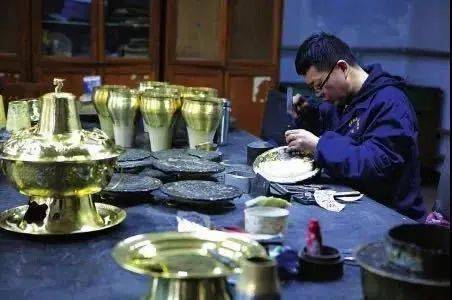
Shanxi provincial intangible cultural heritage. Datong copperware has a long history, known for hand-chiseled craftsmanship, including hot pots and tea sets.
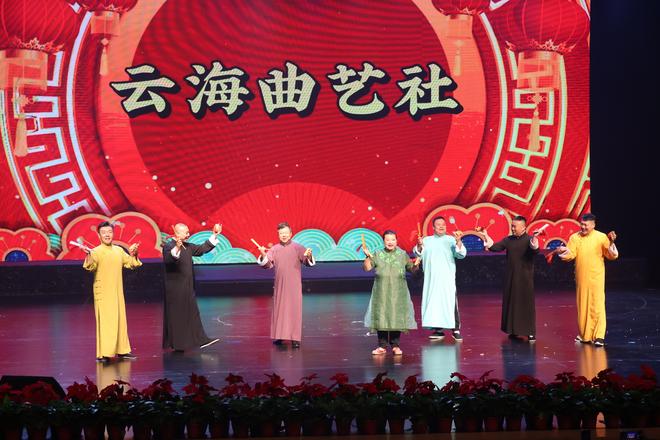
Shanxi provincial intangible cultural heritage. A form of folk art performed in Datong dialect, with lively rhythm and humor.
Must-know transportation for exploring the city
About 15 km from the city center, with flights to major cities like Beijing, Shanghai, Guangzhou, and Xi'an.
Depends on route
Served by the Beijing-Baotou and Datong-Xi'an high-speed railways, with direct trains to Beijing (about 2 hours), Taiyuan (about 1.5 hours), Xi'an, etc.
Beijing-Datong about 150 RMB
Bus routes cover major attractions and urban areas, fare 1-2 RMB, some routes accept Alipay QR code.
1-2 RMB
Taste the most authentic and popular local specialties
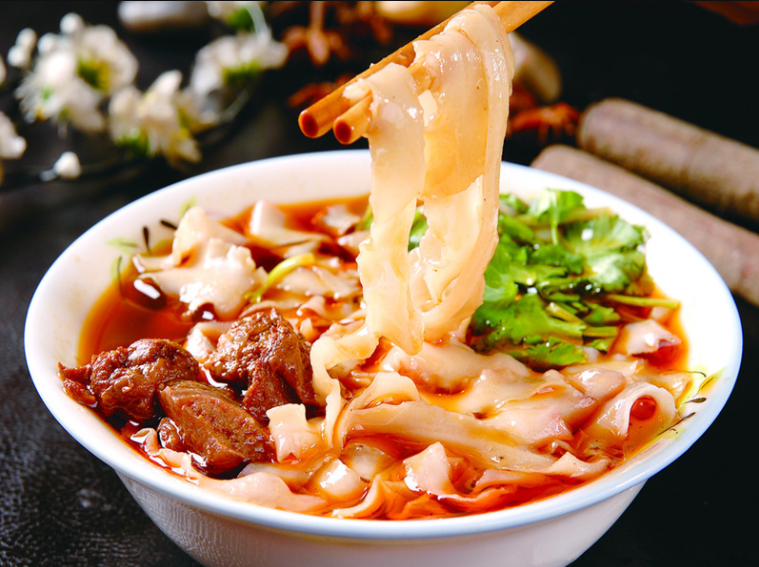
Representative of Shanxi noodles, the noodles have clear edges and a willow-leaf shape, smooth on the outside and chewy inside, soft but not sticky.
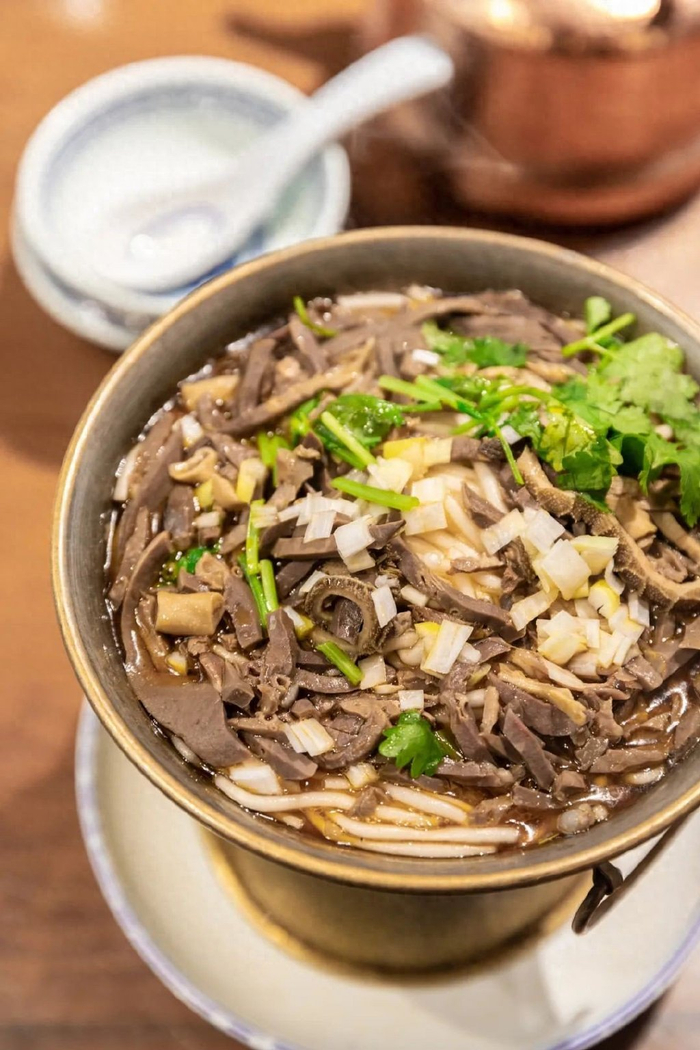
A traditional Datong soup dish made from lamb offal, vermicelli, tofu, etc. The soup is delicious and warming.
After the founding of the People's Republic, Datong was designated a key development area due to its abundant coal resources, gradually becoming the famous 'Coal Capital' and making significant contributions to the national energy supply.
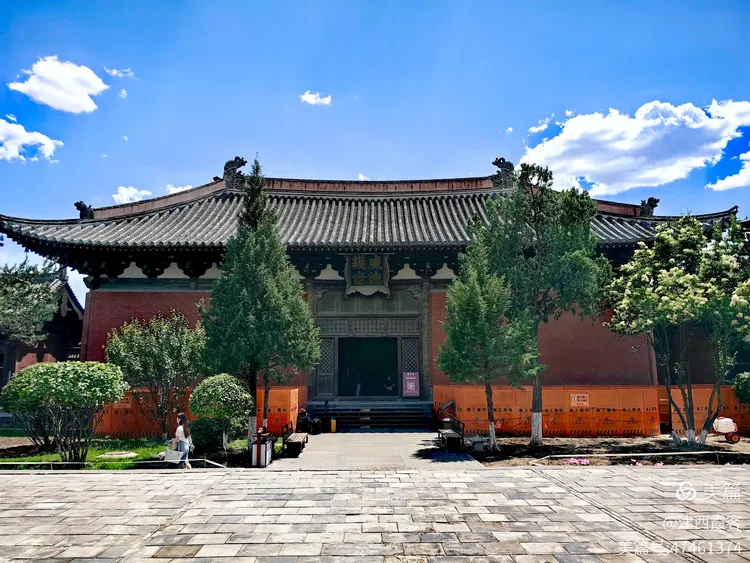
First built in the Tang Dynasty, with existing structures from the Liao and Jin dynasties. It is one of the largest and most complete Liao-Jin period temples in China.
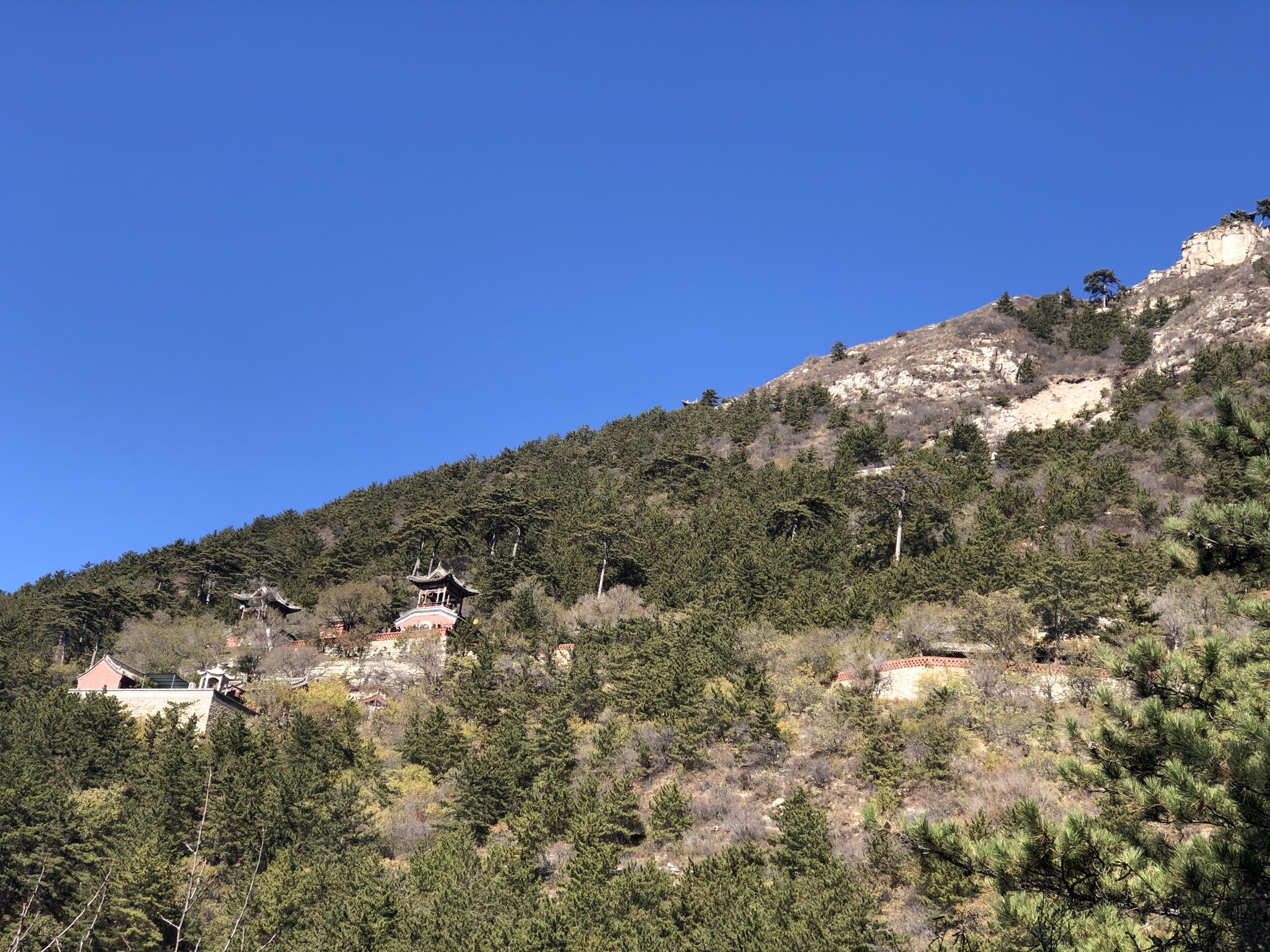
One of China's Five Sacred Mountains, the Northern Peak. Its main peak, Tianfengling, is 2,016 meters high. It features the famous Hanging Temple and is a Taoist sacred site.
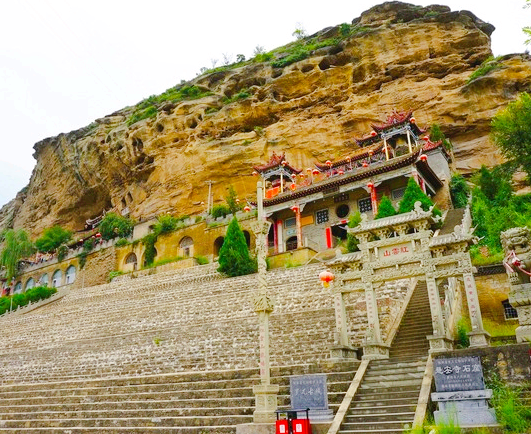
A Buddhist temple built on a cliff of Mount Heng, integrating Buddhism, Taoism, and Confucianism. Known for its 'hanging, peculiar, and ingenious' architecture, it has a history of over 1,500 years.
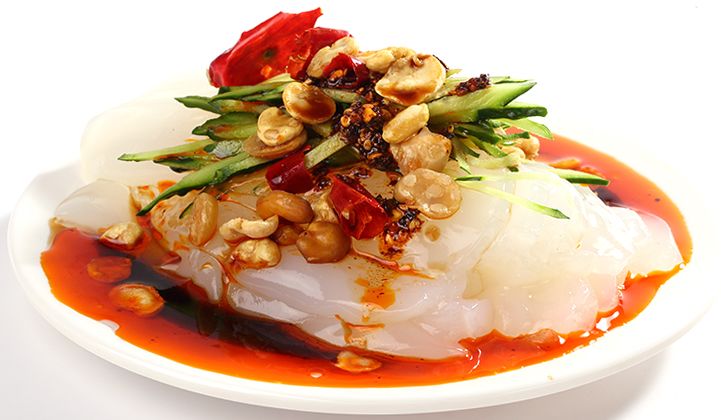
A specialty snack from Hunyuan County, made from potato starch, served with vinegar, chili oil, cucumber shreds, etc., cool and smooth.
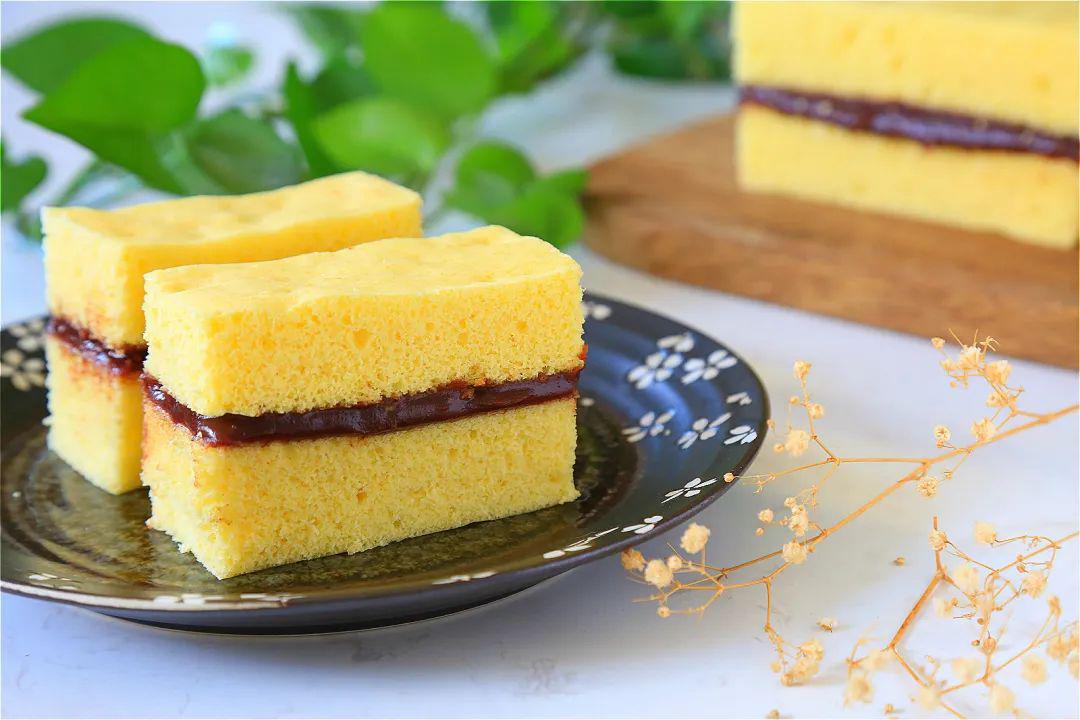
Steamed from yellow millet flour, soft and sticky, often dipped in meat sauce or fried, a must-have for local festivals.
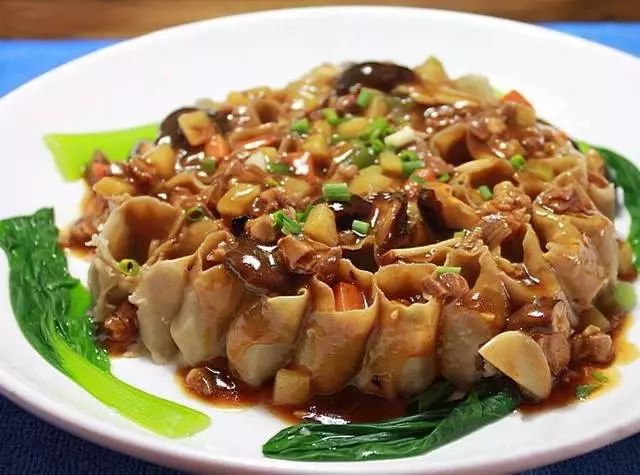
Honeycomb-shaped rolls made from oat flour, steamed and served with lamb soup or pickled vegetable soup, chewy and delicious.