
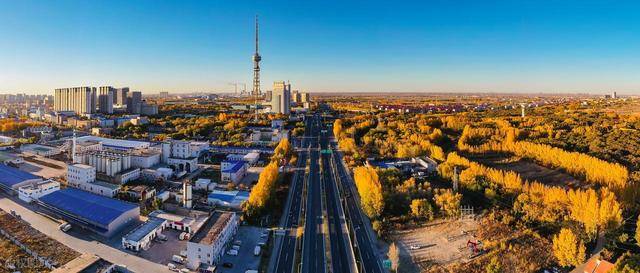
Daqing is located in the west of Heilongjiang Province, in the central part of the Songnen Plain, between latitudes 45°46′ and 46°55′ N and longitudes 124°19′ and 125°12′ E. It has a temperate continental monsoon climate with four distinct seasons: dry and windy springs, hot and rainy summers, cool and short autumns, and cold and long winters. The average annual temperature is 4.2°C, and the average annual precipitation is about 400 mm.
Daqing was born and thrives because of oil. It is China's largest base for oil and petrochemical production. In 1959, the Songji No. 3 well gushed oil, coinciding with the 10th anniversary of the founding of the People's Republic of China, hence the name 'Daqing' (meaning 'great celebration'). The great oil campaign began in 1960, with oil workers represented by 'Iron Man' Wang Jinxi working hard to forge the Daqing Spirit and Iron Man Spirit. It was established as a city in 1979 and has now developed into a modern industrial city.
Daqing's culture blends the oil industry heritage with Northeast folk customs. The Iron Man Memorial Hall and the Petroleum Science and Technology Museum are classic red tourism sites. Local cuisine is mainly Northeast Chinese, featuring dishes like iron pot stew, 'kill-the-pig' dish, and sticky bean buns. Daqing's pit-roasted food is a local specialty, using geothermal heat or charcoal to roast ingredients until crispy on the outside and tender inside. Additionally, Daqing's hot springs are famous, and soaking in them during winter is a popular leisure activity.
Today, while maintaining its advantage in the oil industry, Daqing is actively developing alternative industries such as petrochemical deep processing, equipment manufacturing, and new materials. Tourism is also booming, leveraging the Baihu Wetlands and hot spring resources to build an eco-tourism brand. The city has well-developed infrastructure and convenient transportation. Daqing Sartu Airport operates multiple routes, and the Harbin-Daqing high-speed rail connects to Harbin, making Daqing an important node city in western Heilongjiang.
The best time to visit 大庆 is The best travel time is summer (June-August) and winter (December-February).
Summer (June-August) is the most comfortable season in Daqing, with average temperatures of 20-25°C, blue skies, green reed marshes in wetlands, and sparkling lakes. You can visit Longfeng Wetland, Dorbod Grassland, and attend the Nadam Fair.
Winter (December-February) is cold but offers ice and snow fun. Daqing has several ski resorts and hot springs, with snowfield hot springs being a unique experience. The oil industry landscape looks even more spectacular against the white snow.
Spring (March-May) and autumn (September-November) are short. Spring is windy, autumn is cool, suitable for city sightseeing and museum visits. Autumn in Daqing is colorful with golden reed marshes, making it a great season for photography.
On September 26, 1959, the Songji No. 3 well spouted industrial oil flow, marking the discovery of the Daqing Oilfield. Coinciding with the 10th anniversary of the founding of the People's Republic of China, it was named 'Daqing'.
In 1960, the state organized a major oil battle. Tens of thousands of oil workers gathered in Daqing, represented by Iron Man Wang Jinxi, working hard and building a large oilfield in just three years.
Recommended places to visit
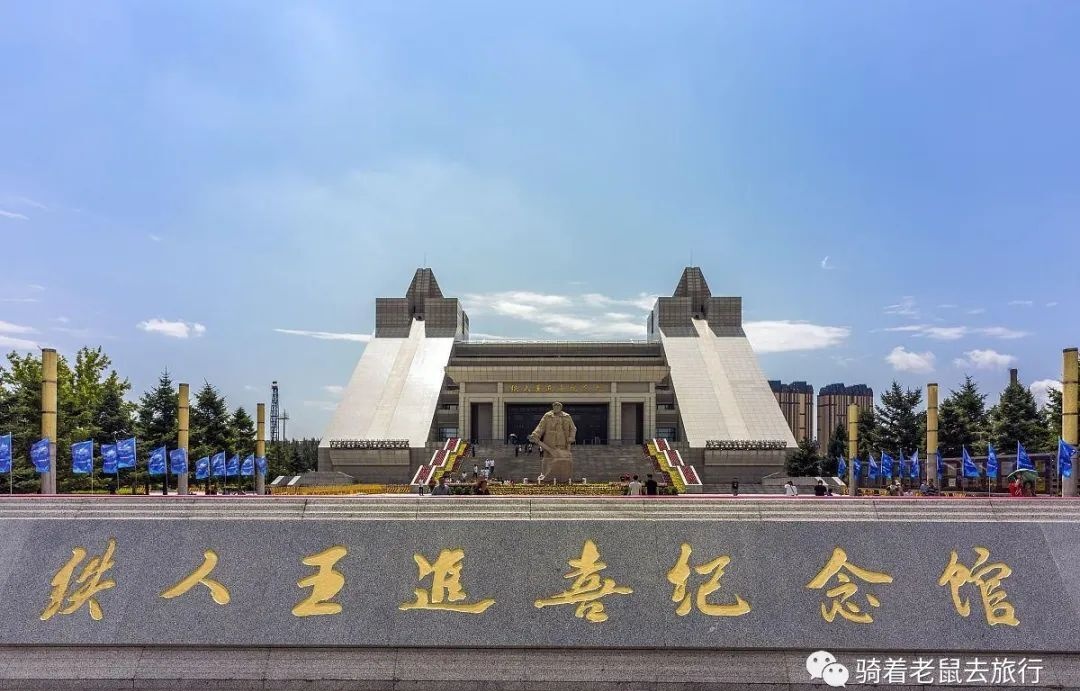
A memorial hall dedicated to Iron Man Wang Jinxi, showcasing his life story and the development of Daqing Oilfield, a classic red tourism attraction.
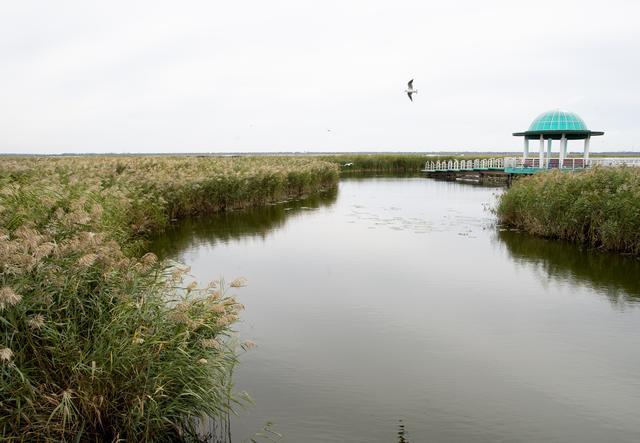
The largest urban wetland in China, covering about 5050 hectares, inhabited by rare birds such as red-crowned cranes and white cranes. In summer, reeds are green and lotus flowers bloom.
Explore rich intangible cultural heritage and traditional crafts
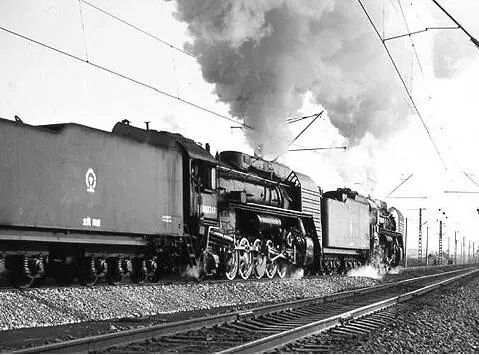
Including Songji No. 3 well, Daqing Oilfield derricks and other industrial sites, listed in the China Industrial Heritage Protection List.
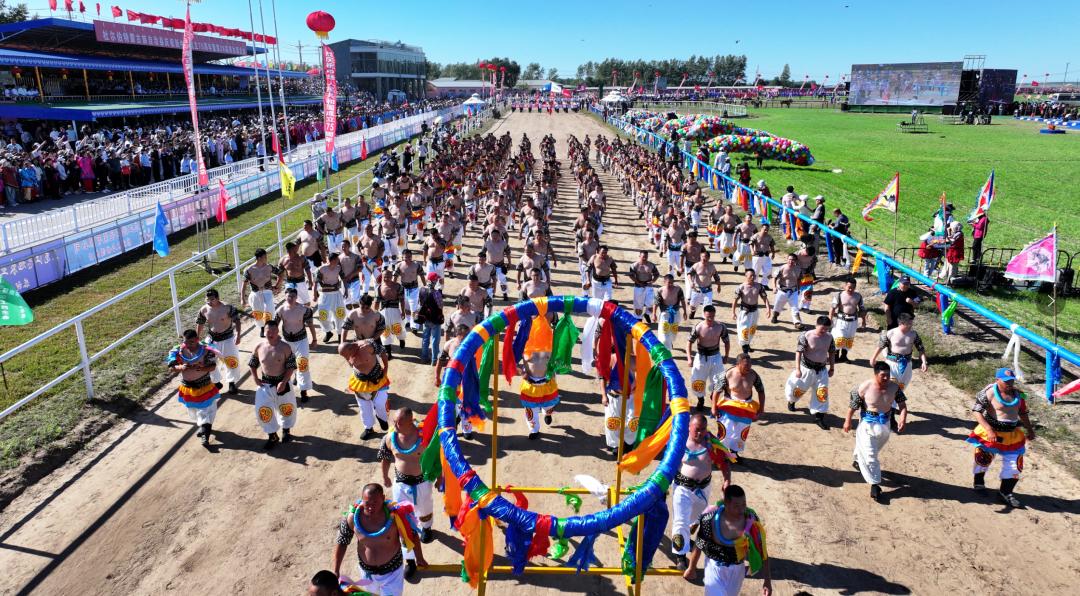
Traditional Mongolian sports and entertainment activities, including horse racing, wrestling, archery, etc., listed as an intangible cultural heritage of Heilongjiang Province.
Must-know transportation for exploring the city
Located in Saertu District, about 20 km from the city center, with flights to major domestic cities such as Beijing, Shanghai, Guangzhou, and Harbin.
Varies by route
Daqing East Station mainly serves Harbin-Daqing high-speed trains, about 40 minutes to Harbin; Daqing West Station serves regular trains and some high-speed trains.
High-speed rail to Harbin about 50 CNY
Daqing city buses cover major urban areas and attractions, fare 1-2 CNY, supports mobile payment.
1-2 CNY
Taste the most authentic and popular local specialties
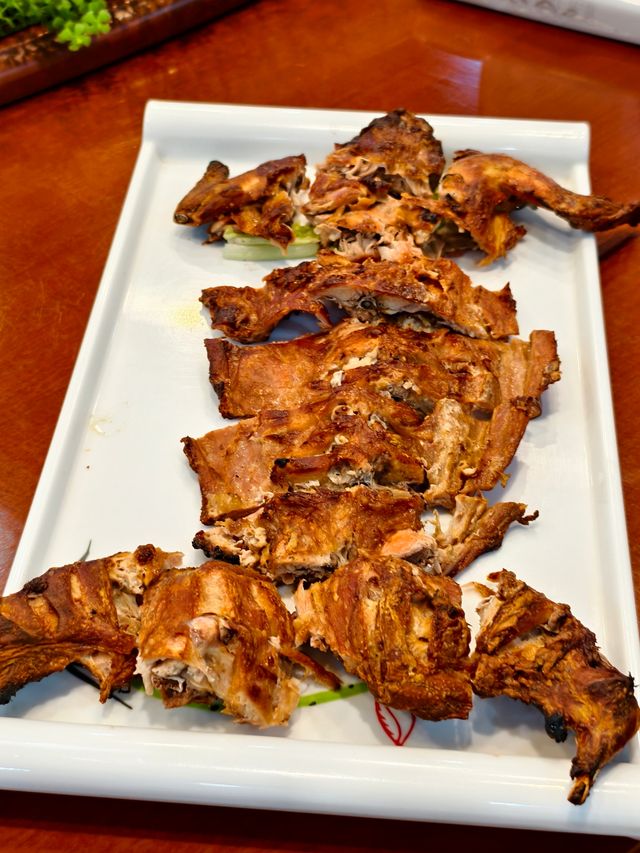
Using geothermal heat or charcoal to roast ingredients (such as lamb leg, chicken, potatoes, corn) in a pit, crispy on the outside and tender inside, with an irresistible aroma.
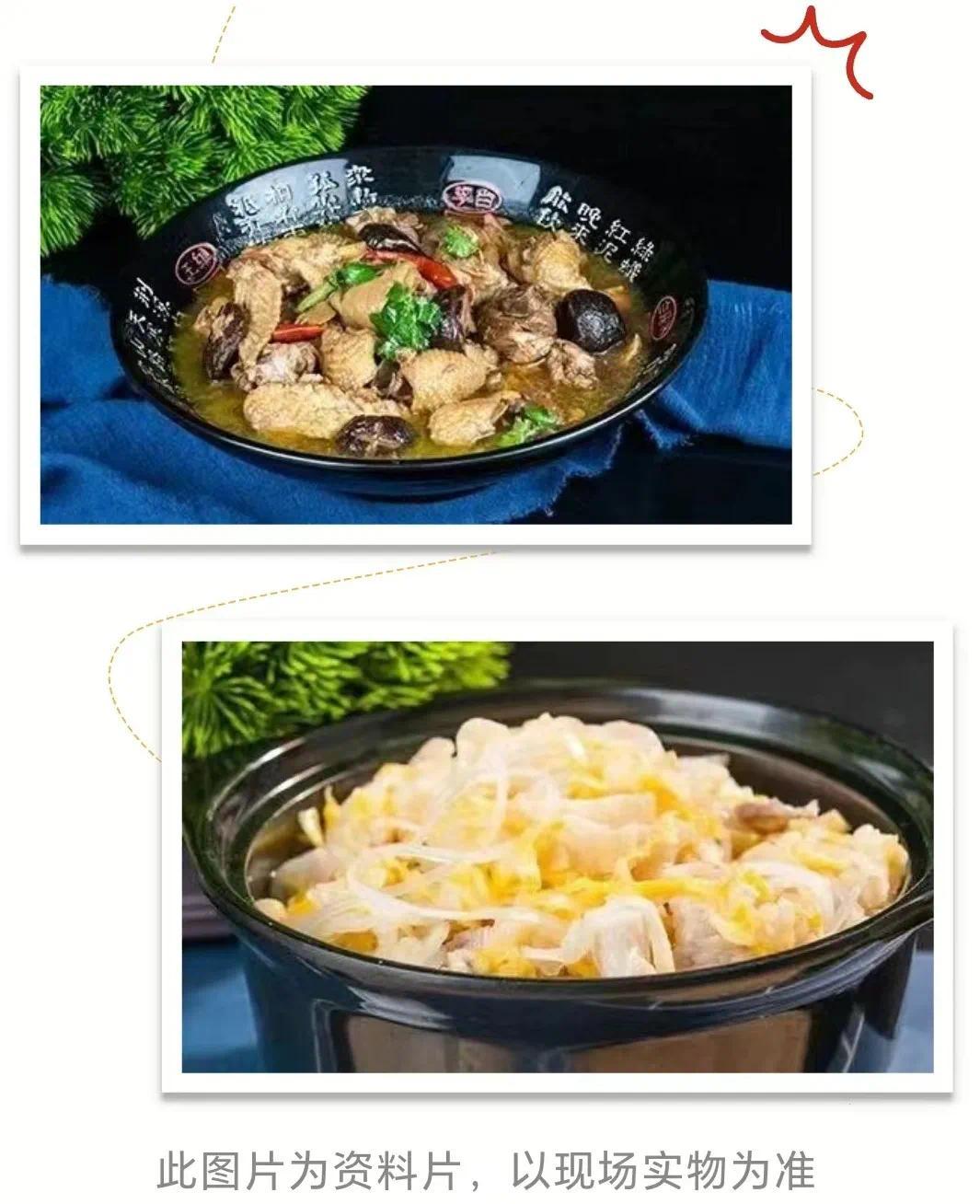
Traditional northeastern stew, using a large iron pot to stew fish, chicken, spare ribs, etc., with vermicelli, tofu, cabbage, and cornbread stuck on the side of the pot, rich in flavor.
On December 14, 1979, with the approval of the State Council, Daqing was officially established as a prefecture-level city in Heilongjiang Province, opening a new chapter in urban development.
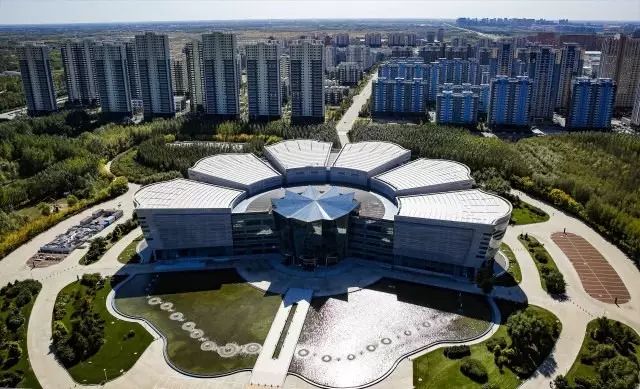
Showcasing petroleum geology, exploration, development, refining and other scientific knowledge. Highly interactive, suitable for family trips.
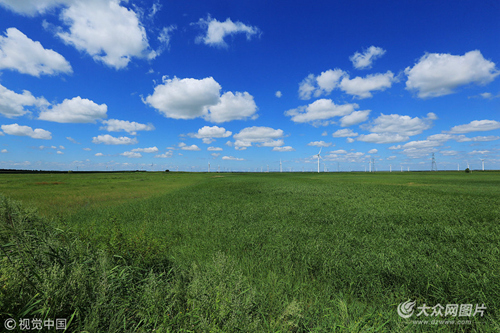
Vast grassland scenery, experience Mongolian folk customs, attend the Nadam Fair, taste hand-grabbed meat and milk tea.
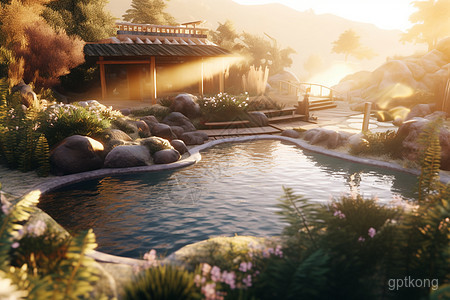
Lindian County is known as the 'Hometown of Hot Springs in China'. The hot spring water is of high quality and rich in minerals. Soaking in hot springs while enjoying snow scenery in winter is a unique experience.
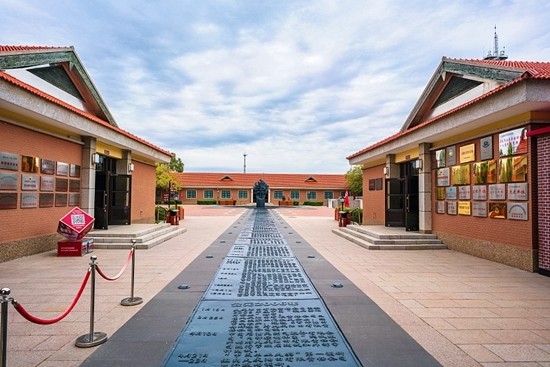
Exhibits the history of the discovery, development, and construction of Daqing Oilfield. An important place to understand the Daqing Spirit.
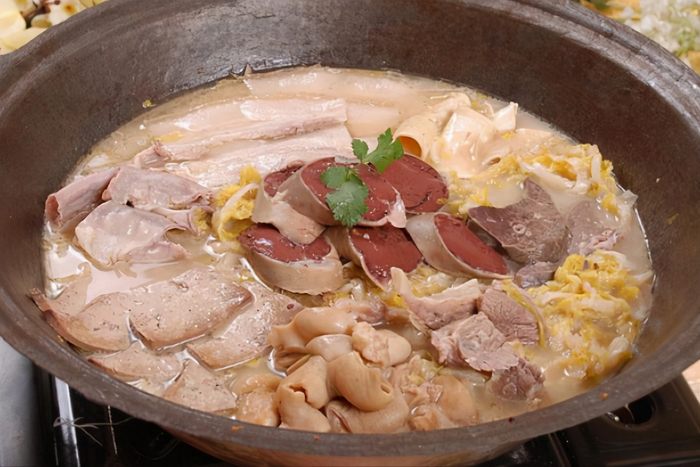
A dish made during the New Year's pig slaughter in Northeast China, including sauerkraut stewed with blood sausage, pork belly, pork liver, etc., sour and appetizing.
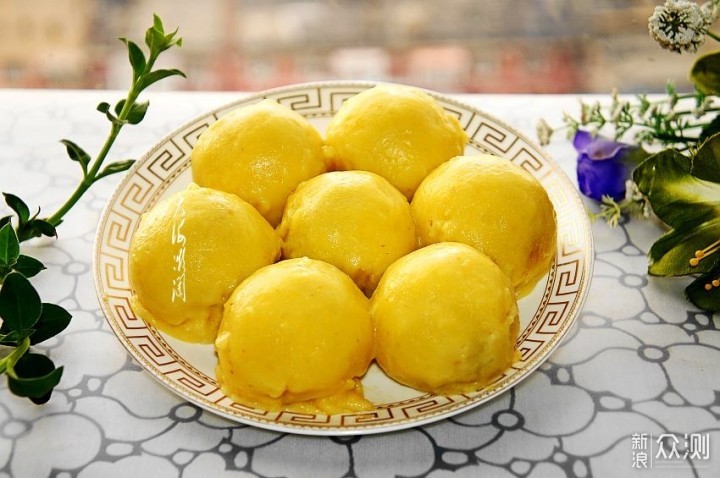
Steamed buns made from yellow rice flour or glutinous rice flour filled with red bean paste, soft and sticky, best eaten with sugar, a traditional northeastern winter food.
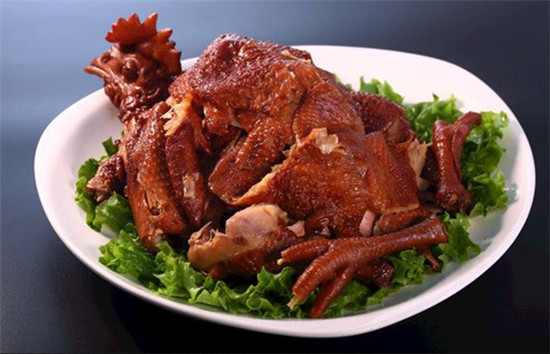
Made from local free-range chicken, marinated, braised, and deep-fried through multiple processes, golden in color, tender and falling off the bone, rich in aroma.