
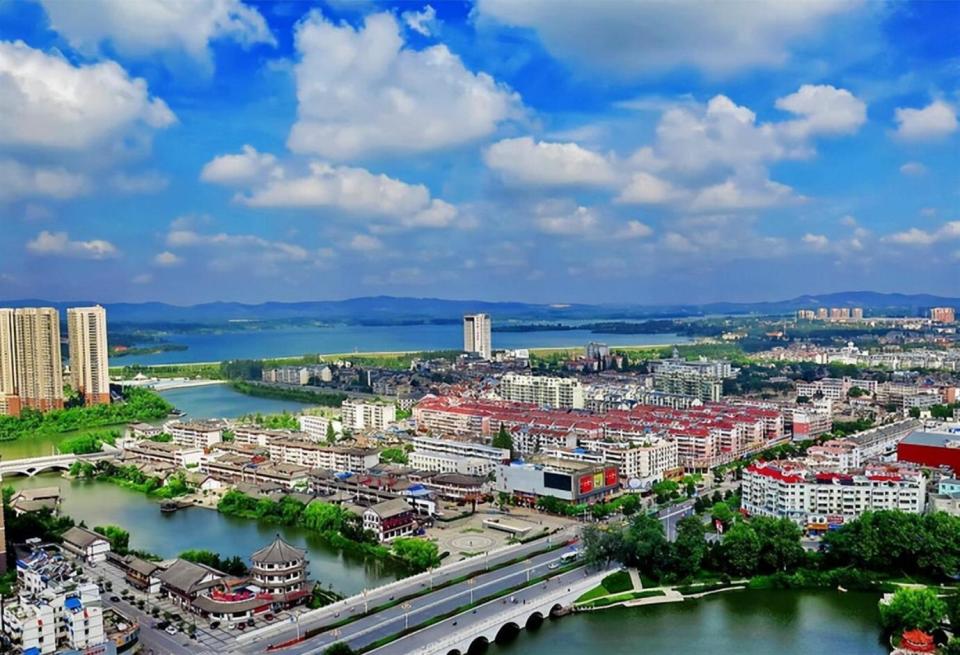
Chuzhou is located in the eastern part of Anhui Province, on the north bank of the lower reaches of the Yangtze River, situated between the Yangtze and Huaihe Rivers. It has a northern subtropical monsoon climate with distinct seasons, mild and humid.
Chuzhou has a long history, dating back to the Xia and Shang dynasties. During the Spring and Autumn and Warring States periods, it was the border between Wu and Chu. It was first called Chuzhou in the Sui Dynasty. In the Song Dynasty, Ouyang Xiu, the prefect of Chuzhou, wrote the timeless masterpiece 'The Story of the Old Tippler's Pavilion', which brought fame to Chuzhou.
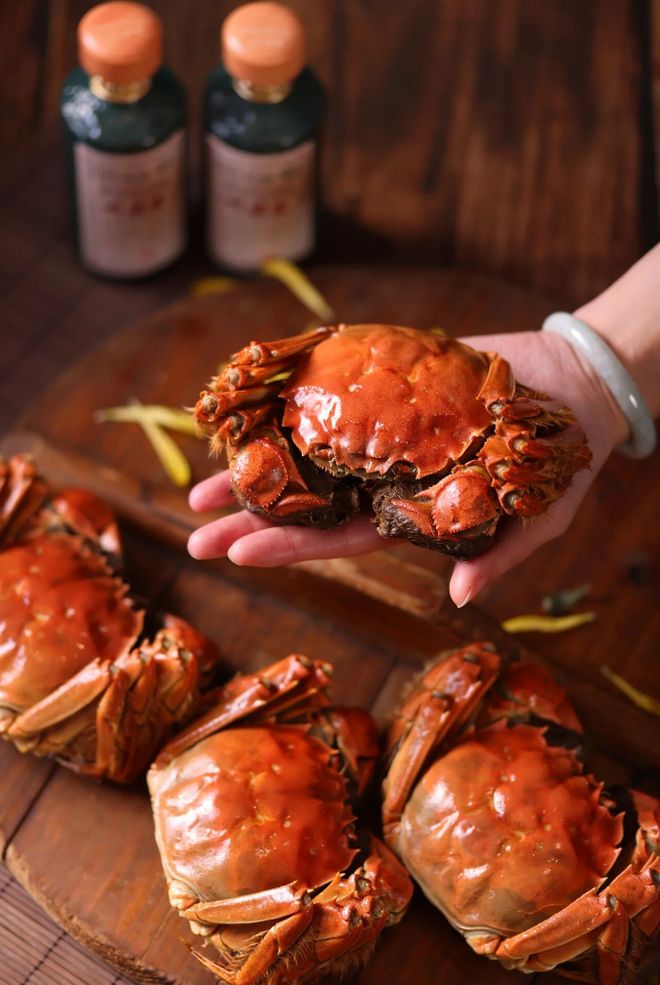
Chuzhou has profound cultural heritage, representing the culture of eastern Anhui. Folk activities such as the Langya Mountain Temple Fair and Fengyang Flower Drum are rich and colorful. Local specialties include Langya Crispy Sugar, Guanba Beef, and Nüshan Lake Hairy Crab, with unique flavors.
Modern Chuzhou is a member of the Yangtze River Delta city cluster, with rapid economic development focusing on smart home appliances, advanced equipment manufacturing, and new energy. It also emphasizes ecological protection, with Langya Mountain Scenic Area being a national forest park.
The best time to visit 滁州 is Spring and Autumn (March-May, September-November).
Spring (March-May): Pleasant temperatures, Langya Mountain is in full bloom, ideal for outings and flower viewing.
Autumn (September-November): Clear and crisp weather, Langya Mountain is covered with red leaves, beautiful scenery.
Summer (June-August) is hot, winter (December-February) is cold, but you can experience different seasonal landscapes.
In 1045, the Northern Song literary giant Ouyang Xiu was demoted to serve as prefect of Chuzhou, during which he wrote 'The Story of the Drunkard's Pavilion', making Chuzhou famous.
Zhu Yuanzhang, the founding emperor of the Ming Dynasty, was born in Fengyang, Chuzhou, and later established the Ming Dynasty, making Fengyang the central capital.
The establishment of Chuzhou Economic and Technological Development Zone marked the beginning of modern industrial development in Chuzhou.
Recommended places to visit
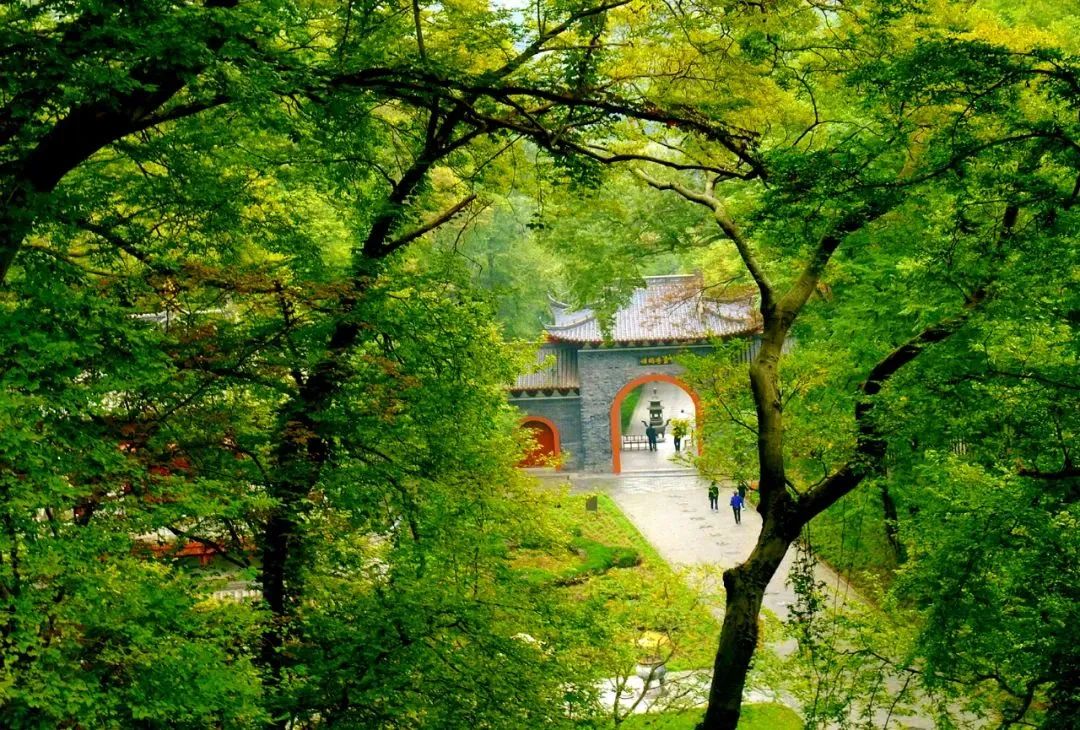
A national 5A-level tourist attraction, famous for Ouyang Xiu's 'The Story of the Drunkard's Pavilion'. It features the Drunkard's Pavilion, Langya Temple, and other historic sites, with high forest coverage and beautiful scenery.
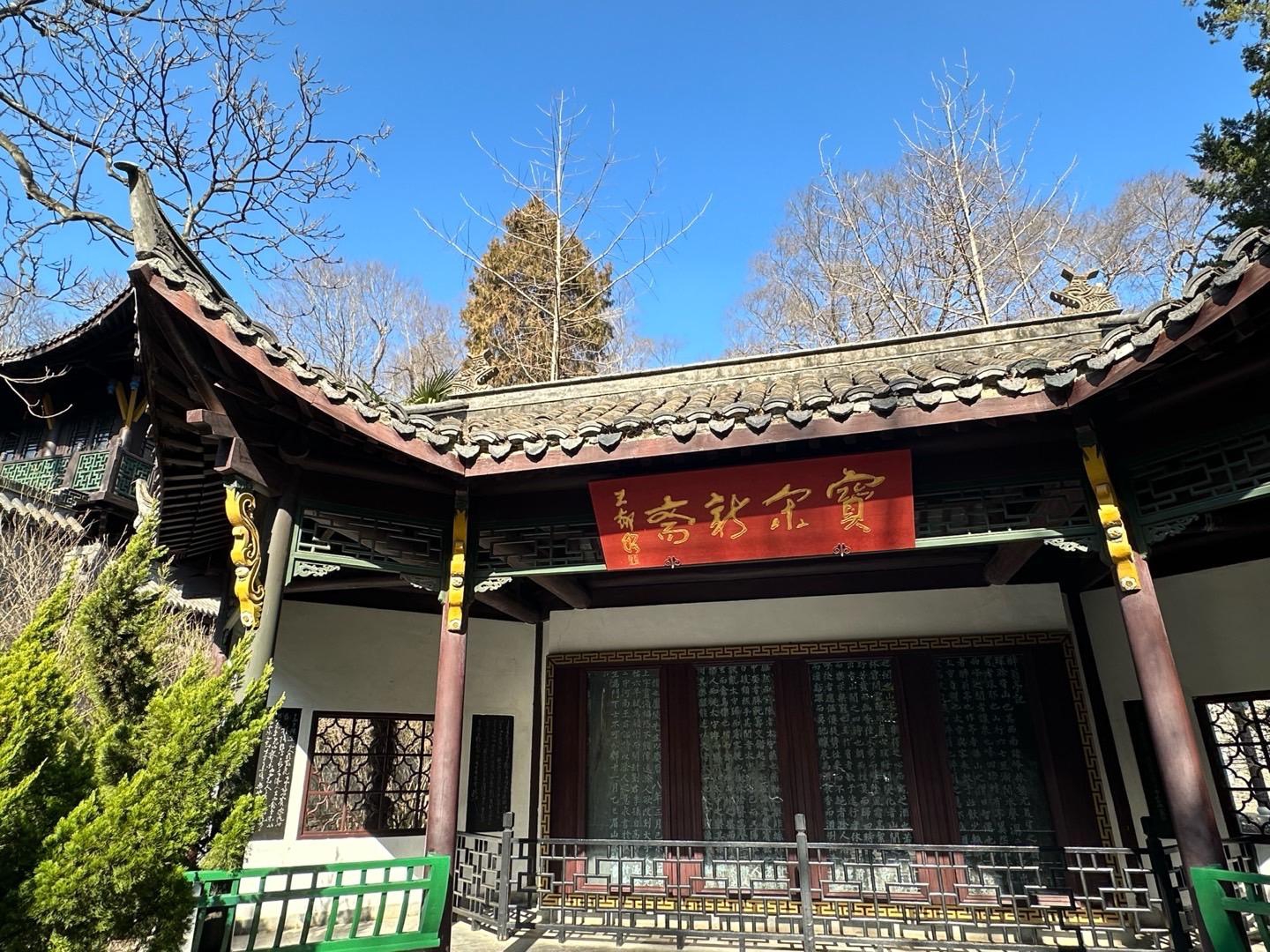
Located at the foot of Langya Mountain, it is one of the four famous pavilions in China, renowned for Ouyang Xiu's essay. Inside the pavilion, there is a stele inscribed by Su Shi.
Explore rich intangible cultural heritage and traditional crafts
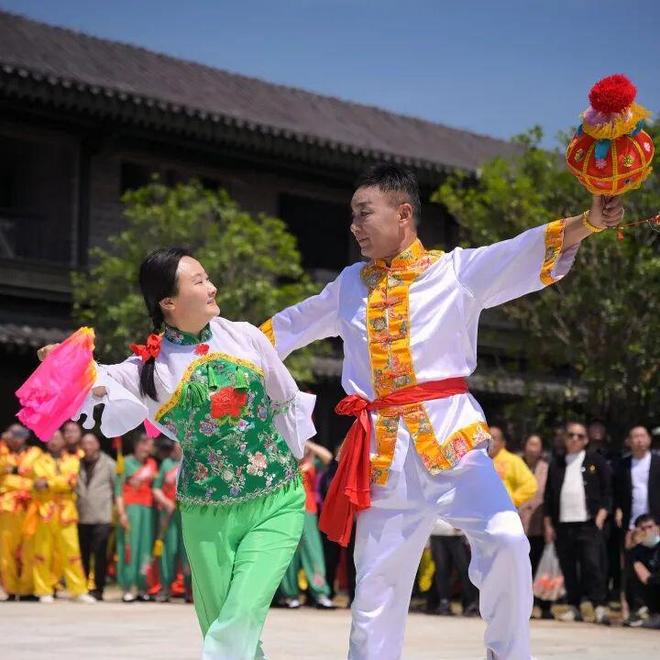
A national intangible cultural heritage, originating in the Ming Dynasty. It is a folk art form combining song, dance, and rap, with lively rhythm and vivid performance.
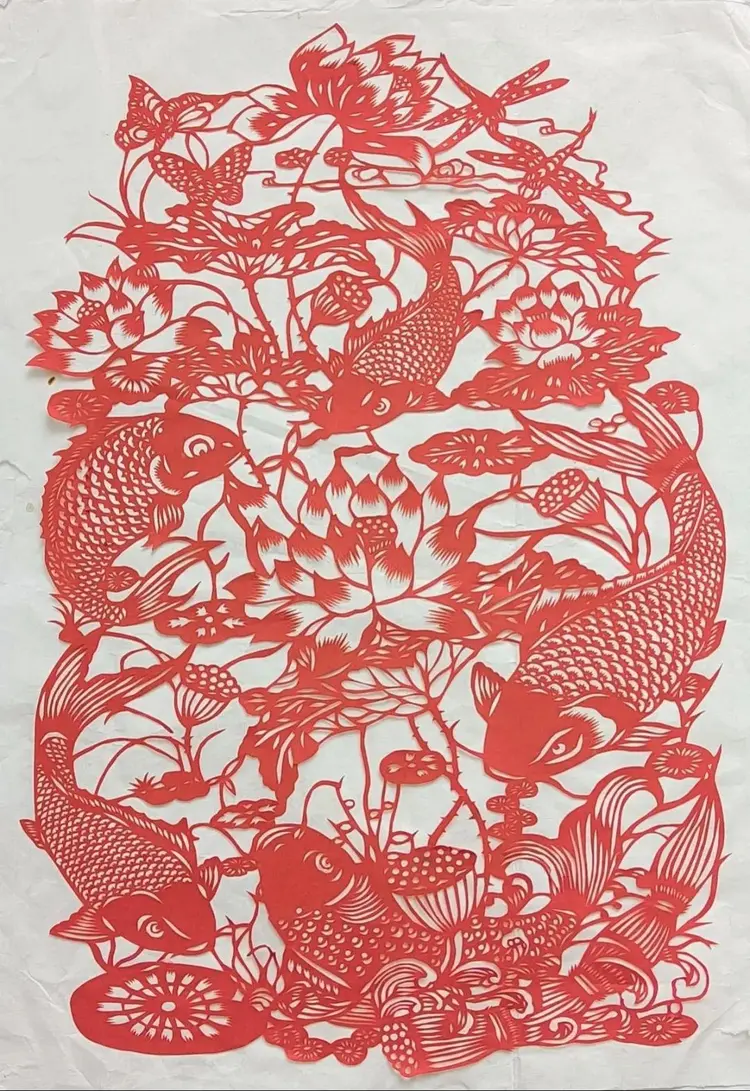
An Anhui provincial intangible cultural heritage, with delicate style and diverse patterns, often used for festival decorations.
Must-know transportation for exploring the city
Stops on the Beijing-Shanghai high-speed railway, providing direct access to major cities like Beijing, Shanghai, Nanjing, and Hefei. About 1.5 hours to Nanjing, 3 hours to Shanghai.
Nanjing-Chuzhou second class about 40 CNY
About 80 km from Chuzhou city center, with direct expressway access. Airport shuttle or self-driving available, about 1.5 hours drive.
Airport shuttle about 60 CNY
City bus routes cover major areas, fare 1-2 CNY. Some routes reach scenic spots like Langya Mountain.
1-2 CNY
Taste the most authentic and popular local specialties
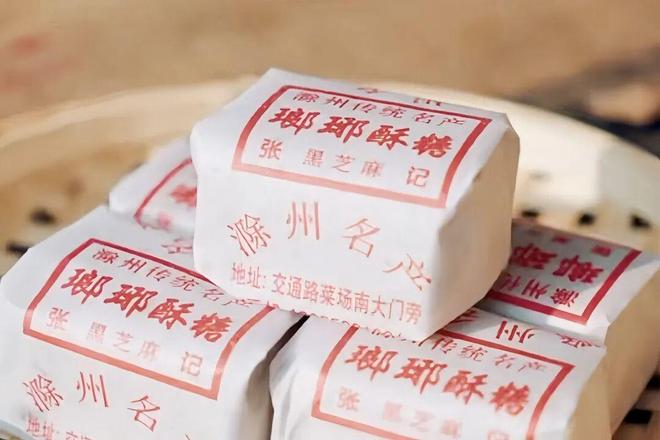
A traditional pastry in Chuzhou, made from sesame and maltose, crispy and sweet, melts in the mouth.
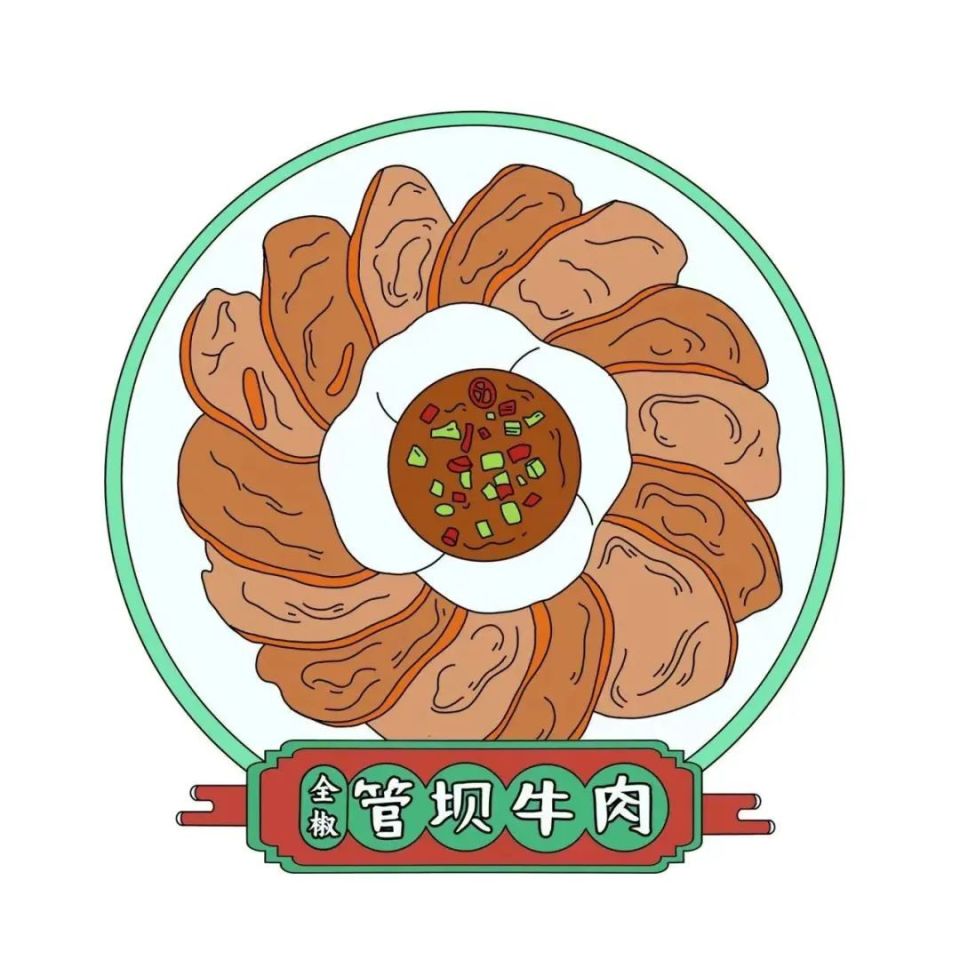
Special beef from Guanba Town, Quanjiao County, Chuzhou. It is braised using traditional techniques, tender and flavorful.
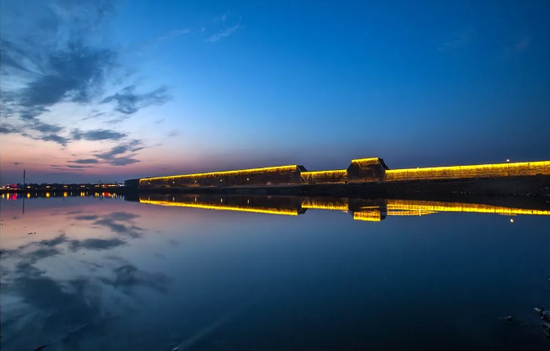
Located in Fengyang County, it is the ruins of the capital built by Zhu Yuanzhang, the founding emperor of the Ming Dynasty. It is now a national key cultural relic protection unit, with grand scale.
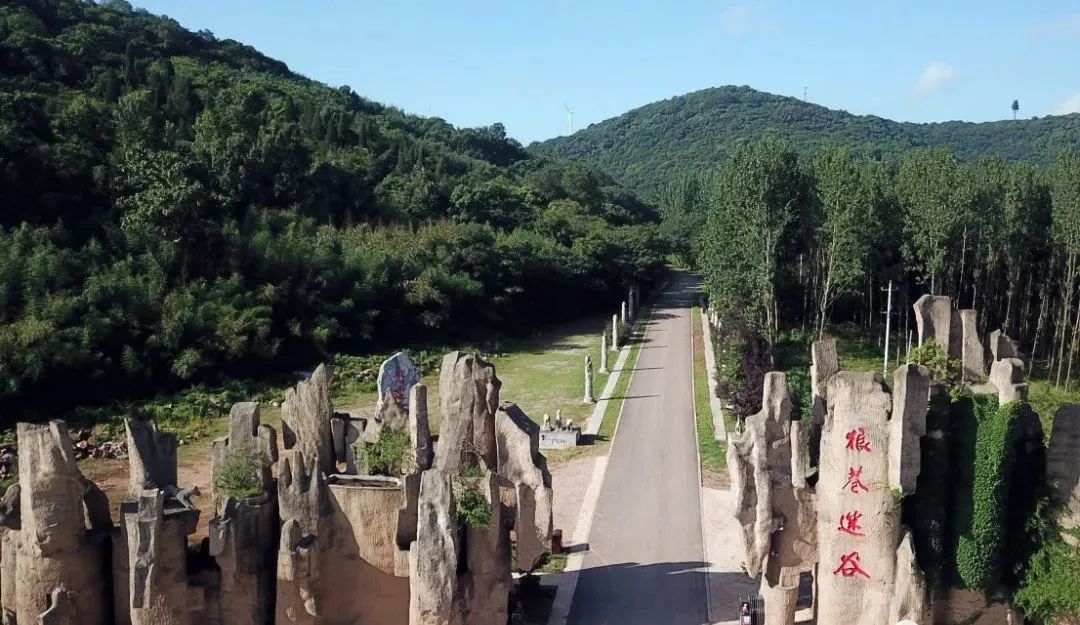
Located in Fengyang County, it is a karst landform scenic area with crisscrossing ravines and grotesque rocks. It features Chan Cave Temple and is known for its wonder, danger, and beauty.
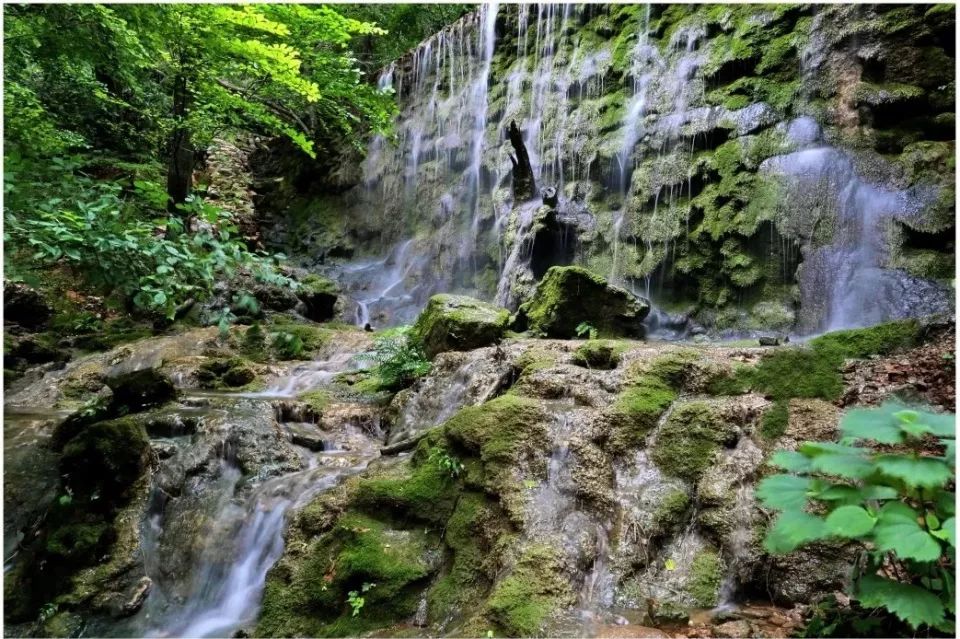
Located in Fengyang County, it is a large karst cave with various stalactites and an underground river, known as 'the first cave north of the Yangtze River'.
Produced in Nüshan Lake, Mingguang City, with rich roe and delicious meat, a seasonal delicacy in autumn.

Produced in Meihe River, Dingyuan County, with tender and delicious meat, suitable for steaming.

A traditional pastry in Tianchang City, made from glutinous rice flour and sugar, soft and sweet, shaped like dew.