
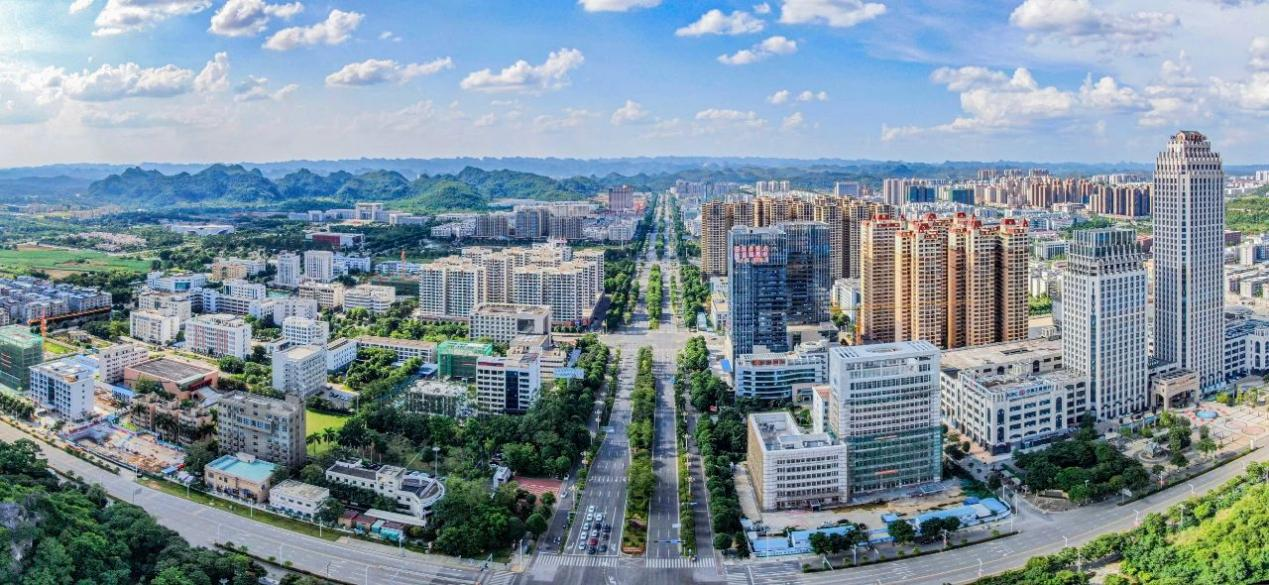
Chongzuo is located in southwestern Guangxi, bordering Vietnam. It has a subtropical monsoon climate, warm and humid year-round, with an average annual temperature of 21-23°C, abundant rainfall, and evergreen vegetation.
Chongzuo has a long history, with human activity dating back to the Paleolithic era. It belonged to Xiang Prefecture in the Qin Dynasty and underwent various changes before being established as a prefecture-level city in 2003. The site is home to the world heritage site, the Zuojiang Huashan Rock Art.
Chongzuo is a Zhuang ethnic area with rich Zhuang culture, including folk songs and bronze drums. The cuisine is characterized by sour and spicy flavors, with specialties like Chongzuo sour porridge, Vietnamese rice rolls, and roast suckling pig.
Chongzuo is an important border city in Guangxi, developing an export-oriented economy through the Pingxiang Comprehensive Bonded Zone. Tourism is also booming, with attractions like Detian Waterfall and Mingshi田园 attracting many visitors.
The best time to visit 崇左 is Spring and Autumn (March-May, September-November).
Spring (March-May): Pleasant temperatures, blooming flowers, ideal for visiting Detian Waterfall and Mingshi田园.
Autumn (September-November): Cool weather, abundant water, spectacular waterfalls, avoiding the rainy season.
Summer (June-August) is hot but suitable for water activities; winter (December-February) is warm, good for escaping cold.
In 2003, the State Council approved the abolition of Nanning Prefecture and the establishment of Chongzuo as a prefecture-level city, governing Jiangzhou District, Pingxiang City, and several counties.
In 2016, Zuojiang Huashan Rock Art was inscribed as a UNESCO World Heritage Site, the first in Guangxi.
In 2020, Chongzuo's total foreign trade import and export value exceeded 200 billion yuan, becoming a key hub for China's border trade.
Recommended places to visit
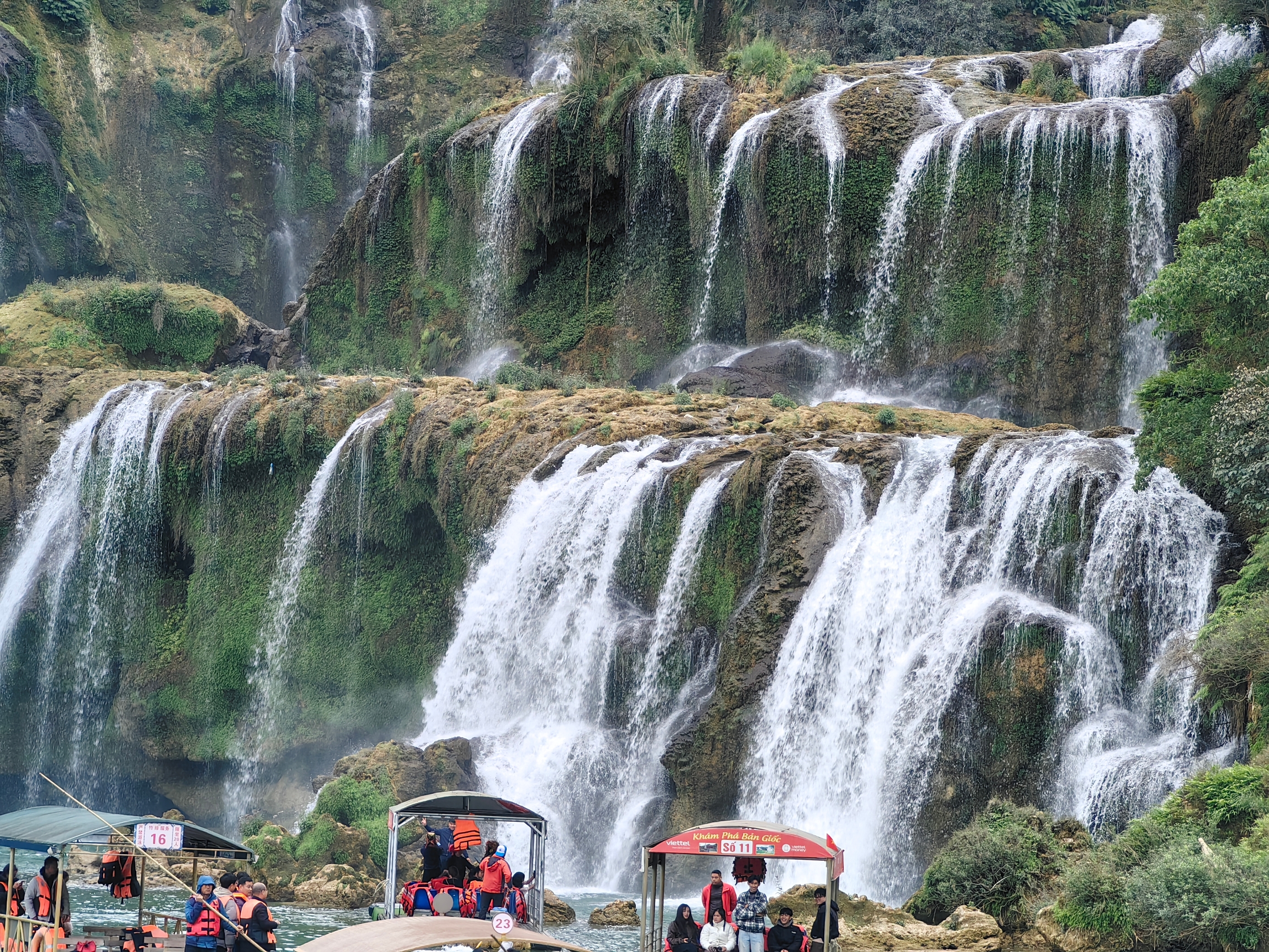
The largest transnational waterfall in Asia, located on the China-Vietnam border, over 200 meters wide and 70 meters high, with maximum flow in summer.
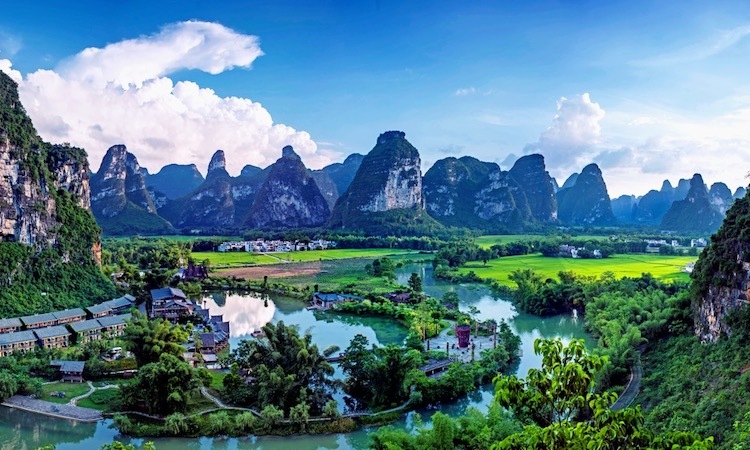
Typical karst peak forest landscape, known as 'Little Guilin', take bamboo rafts to enjoy the scenery.
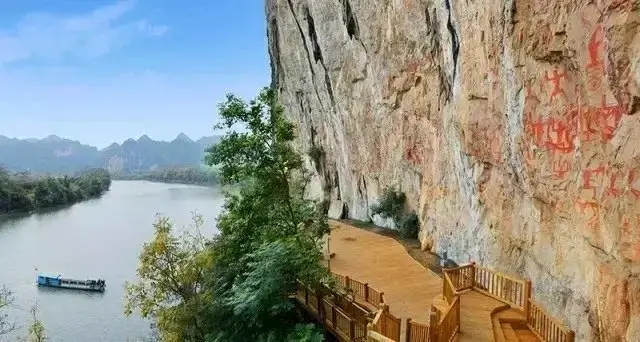
UNESCO World Heritage Sites
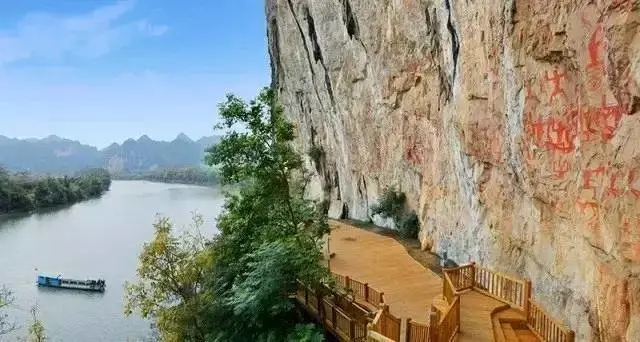
Located along the Zuojiang River in Ningming and Longzhou counties, created by the ancient Luoyue people of the Zhuang ethnic group, dating back about 2,000 years.
Explore rich intangible cultural heritage and traditional crafts
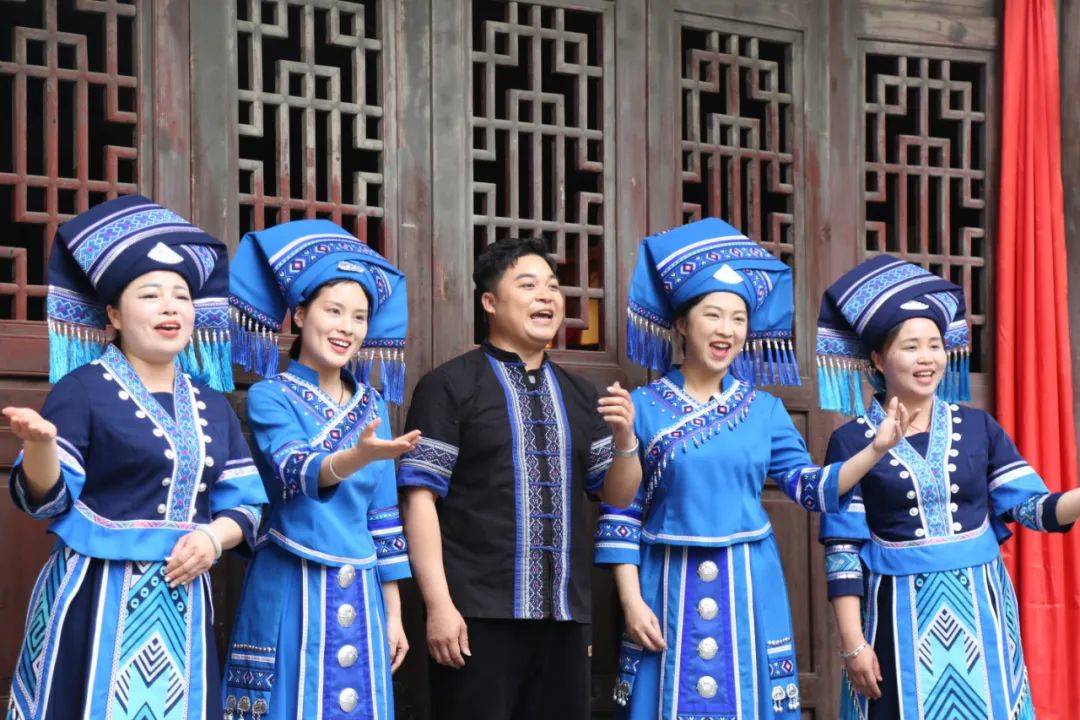
Folk songs sung by Zhuang people during labor and festivals, diverse forms and improvised lyrics, listed as national intangible cultural heritage.
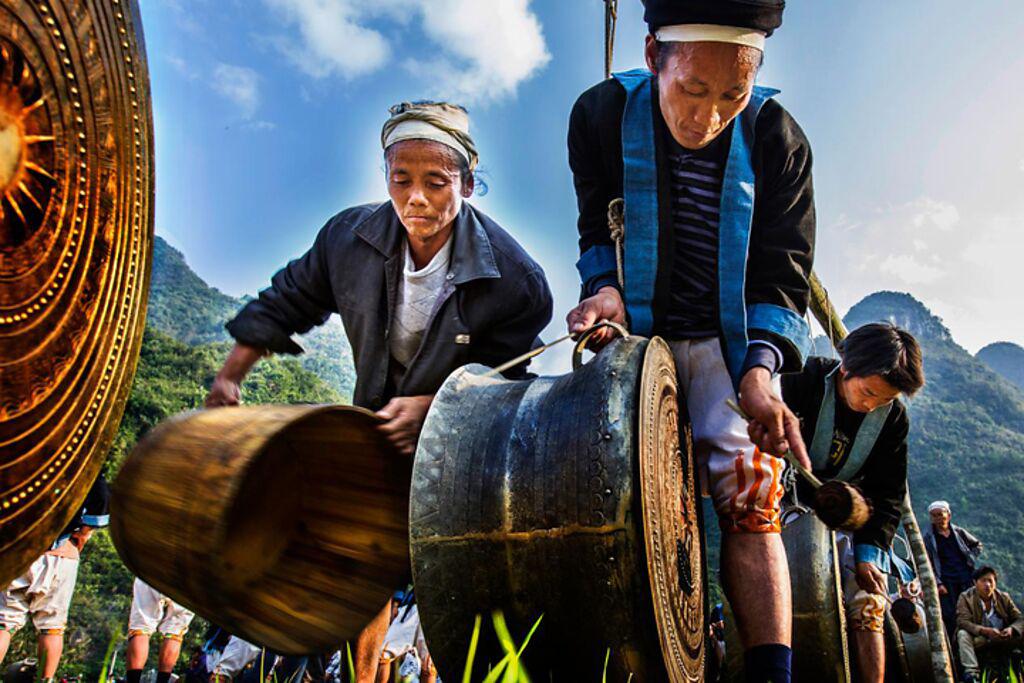
Bronze drums are important ritual objects of the Zhuang, used in sacrifices and festivals; their casting and usage customs are listed as national intangible heritage.
Must-know transportation for exploring the city
About 150 km from downtown Chongzuo, accessible by airport bus or high-speed rail.
Airport bus about 100 RMB
Nanning-Chongzuo high-speed rail connects the two cities, about 50 minutes, ticket around 50 RMB.
50 RMB
City bus routes cover major attractions, fare 2 RMB, with special tourist lines.
2 RMB
Taste the most authentic and popular local specialties
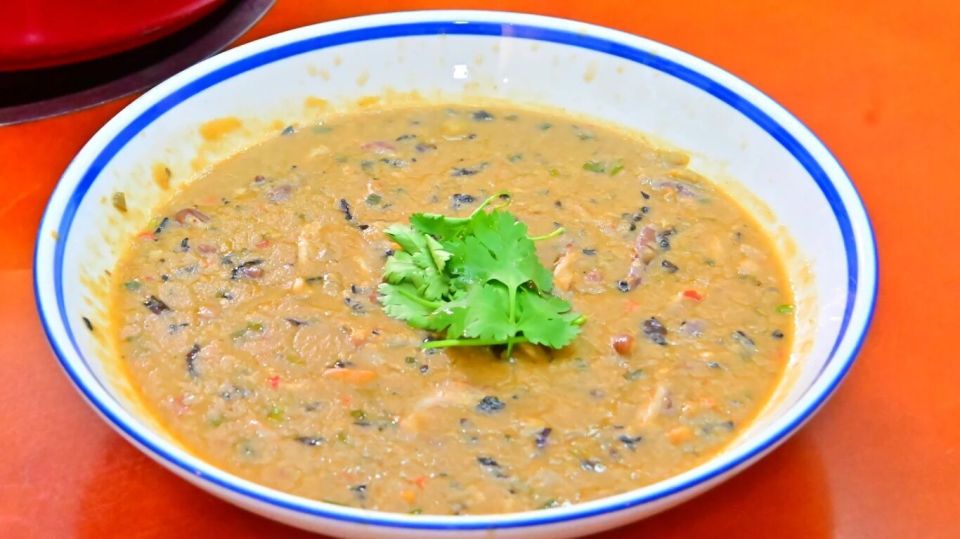
Made from fermented rice, with a unique sour taste, appetizing and digestive, often served with chili and peanuts.
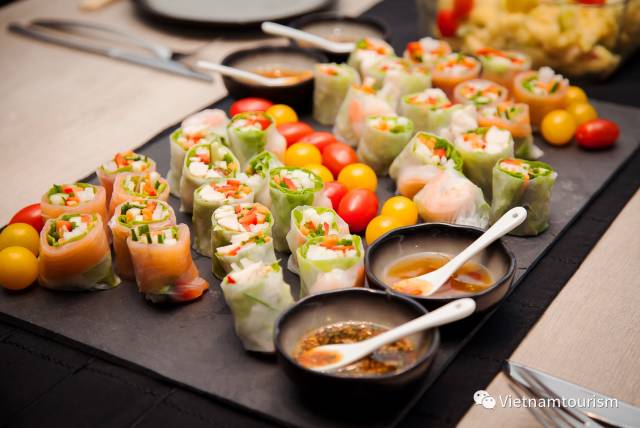
Thin rice paper rolls filled with minced meat, wood ear mushrooms, etc., served with fish sauce, refreshing taste.
UNESCO World Heritage, rock paintings by ancient Zhuang people from the Warring States to Eastern Han, with vivid colors and mysterious patterns.
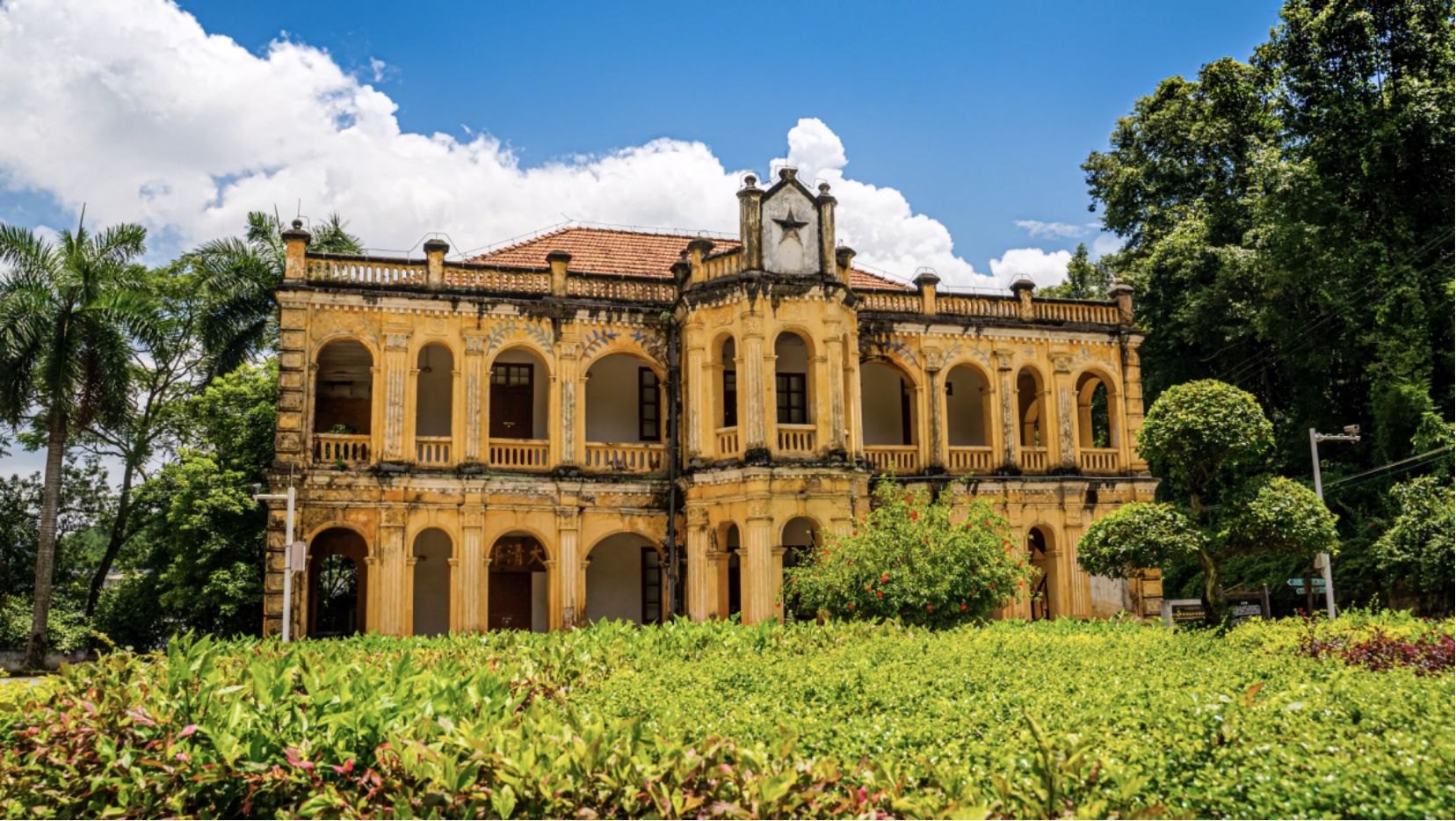
One of China's nine famous passes, an important border gate between China and Vietnam, site of many historical battles, now a tourist attraction.
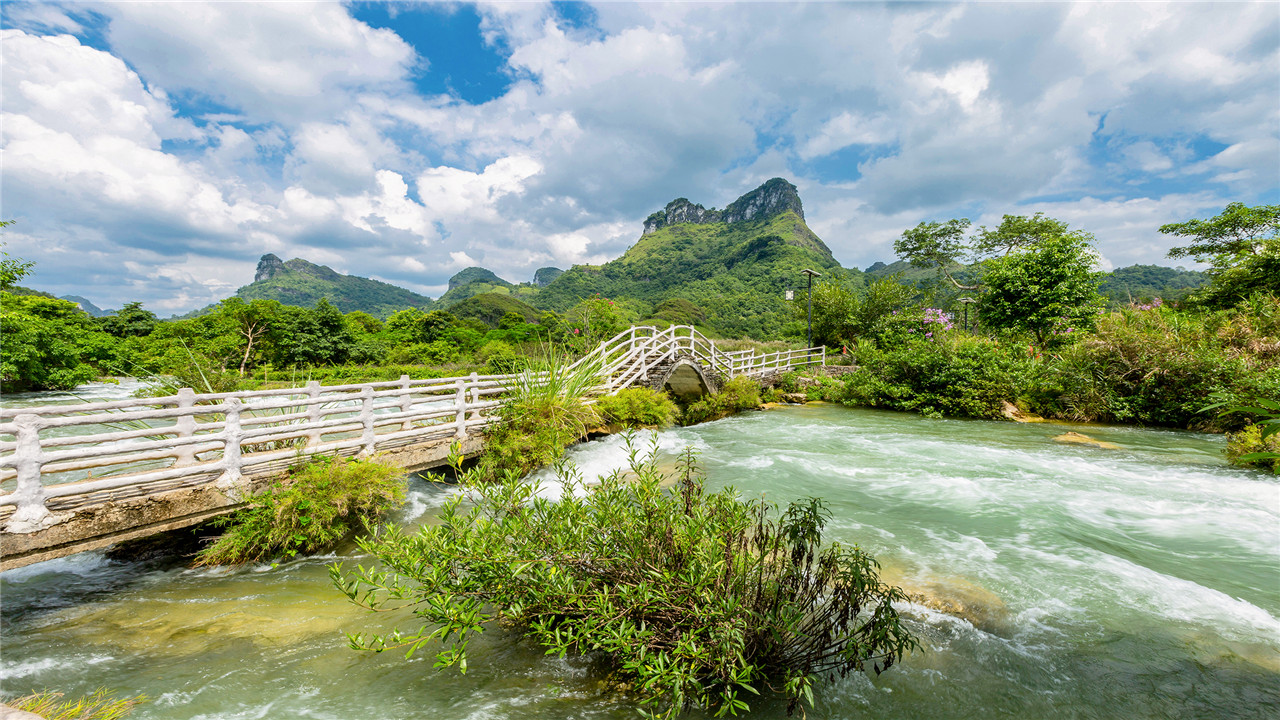
Located downstream of Detian Waterfall, featuring kapok trees and border pastoral scenery, ideal for leisure walks.
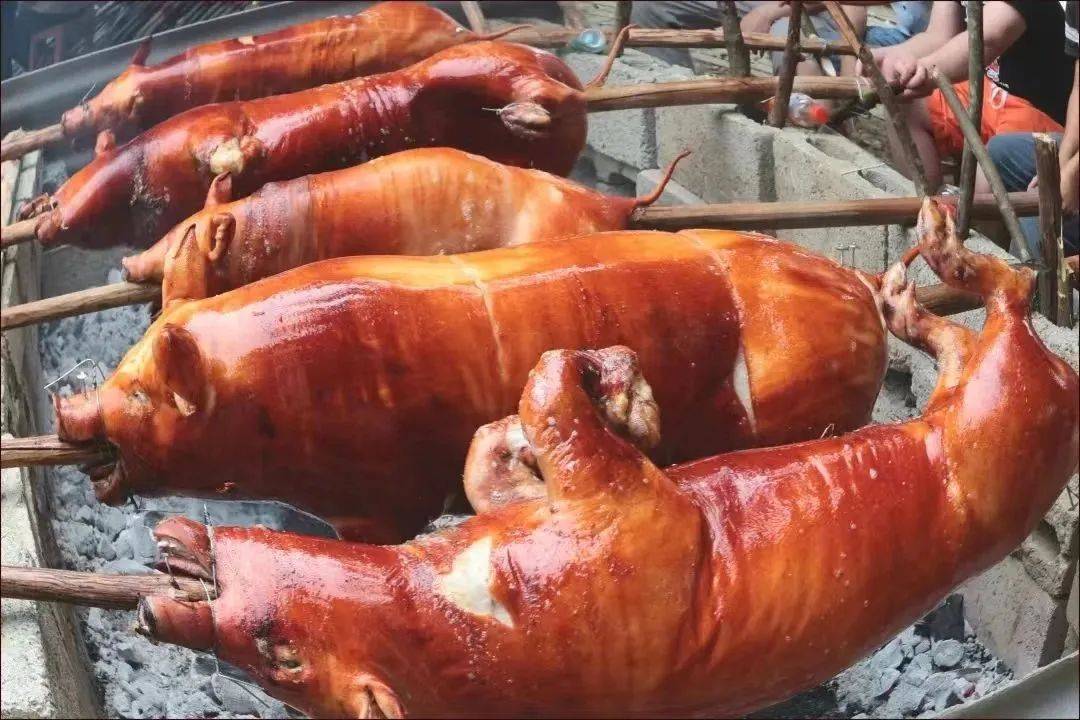
Made from suckling pig, crispy skin and tender meat, golden color, a must-have for local banquets.
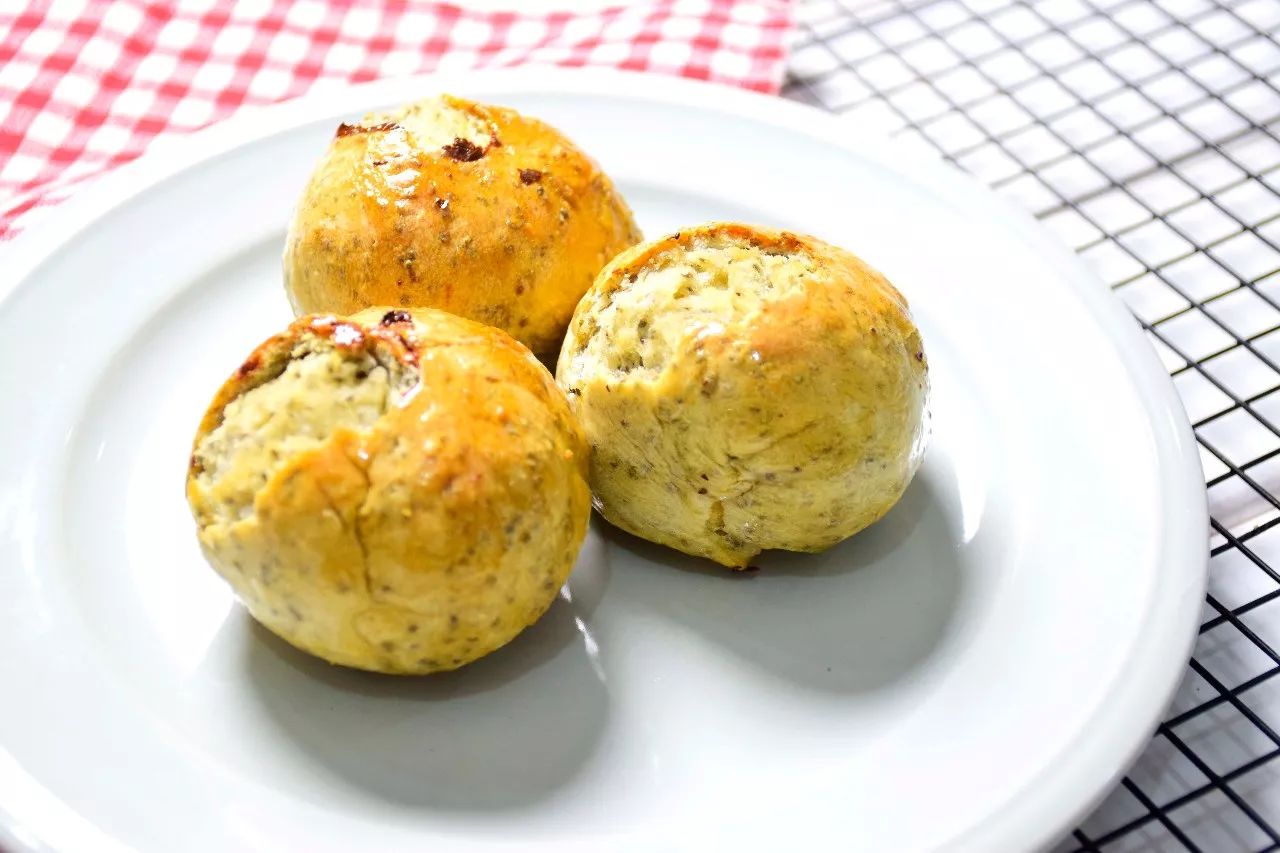
Grilled over charcoal until crispy outside and soft inside, filled with meat and vegetables, Vietnamese style.
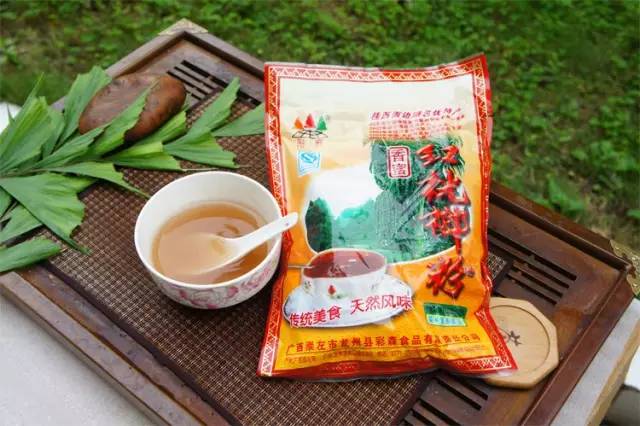
Made from the starch of the sugar palm tree, brewed into a paste, cooling and refreshing.