
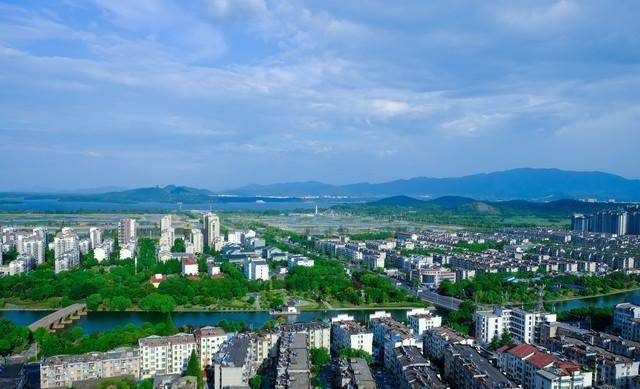
Chizhou is located in the southwest of Anhui Province, on the south bank of the lower reaches of the Yangtze River. Situated in the golden climate zone at 30° north latitude, it has a subtropical monsoon climate with distinct seasons and abundant rainfall. The area is home to natural ecological reserves such as Mount Jiuhua and Shengjin Lake, with high forest coverage and fresh air. It serves as an important ecological barrier and water conservation area for the Yangtze River Delta.
Chizhou has a long history, dating back over 1,400 years to the establishment of the prefecture in the fourth year of the Wude reign of the Tang Dynasty (621 AD). Tang Dynasty poets such as Li Bai, Du Mu, and Bai Juyi left numerous poems here, earning it the reputation of 'Land of Poets for a Millennium.' During the Southern Song Dynasty, Chizhou was a key frontline against the Jin invasion. In the Ming and Qing dynasties, Huizhou merchants traded tea and timber here, leading to economic prosperity.
Chizhou boasts profound cultural heritage, characterized by Buddhist culture, Nuo culture, and poetry culture. Mount Jiuhua is one of the four sacred mountains of Chinese Buddhism, the bodhimanda of Kṣitigarbha Bodhisattva, attracting many pilgrims each year. Chizhou Nuo opera is listed as a national intangible cultural heritage and is known as a 'living fossil of Chinese opera.' In terms of cuisine, Chizhou is based on Huizhou cuisine, incorporating local specialties such as stinky mandarin fish, Jiuhua vegetarian dishes, and Shitai selenium-rich tea, offering unique and delicious flavors.
Modern Chizhou is actively integrating into the Yangtze River Delta regional development. Leveraging transportation advantages such as Jiuhuashan Airport and the Nanjing-Anqing High-Speed Railway, it is vigorously developing tourism, health and wellness, and green agriculture. The Chizhou Economic and Technological Development Zone focuses on cultivating emerging industries like semiconductors and new materials, while emphasizing ecological protection, adhering to the development philosophy that 'lucid waters and lush mountains are invaluable assets,' to build a modern city suitable for living, working, and traveling.
The best time to visit 池州 is Spring and Autumn (March-May, September-November).
Spring (March-May): Temperatures warm up, azaleas bloom on Mount Jiuhua, and migratory birds return to Shengjin Lake. Ideal for outings and flower viewing. Rain is frequent, so bring rain gear.
Summer (June-August): Hot and rainy, but mountainous areas like Mount Jiuhua and Guniu Jiang are cool and pleasant, perfect for summer escapes. Lotus flowers bloom in Shengjin Lake, offering opportunities for lotus viewing and bird watching.
Autumn (September-November): Clear and crisp, with red leaves covering Mount Jiuhua and charming autumn scenery at Pingtian Lake. This is the best season for photography and mountain climbing.
In the 4th year of Tang Wude (621 AD), the imperial court established a prefecture in Chizhou, giving it the name 'Chizhou'.
During the Southern Song Dynasty, Chizhou became a key frontier town against the Jin. Yue Fei once stationed troops here to resist the Jin invasion.
Recommended places to visit
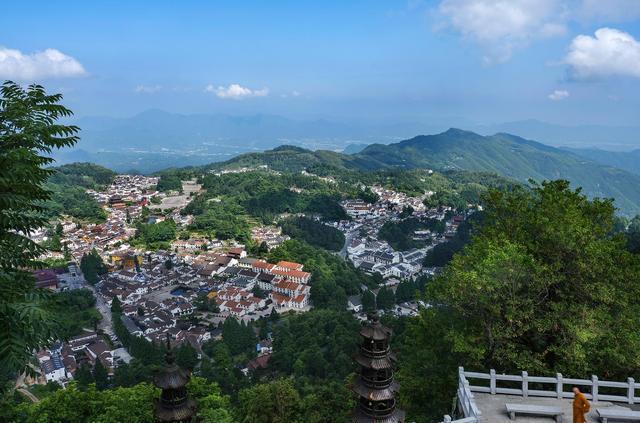
One of the four sacred mountains of Chinese Buddhism, the bodhimanda of Kṣitigarbha, renowned for Buddhist culture and natural scenery. Key attractions include the Hall of the Holy Body, Baisui Palace, and Tiantai Peak.
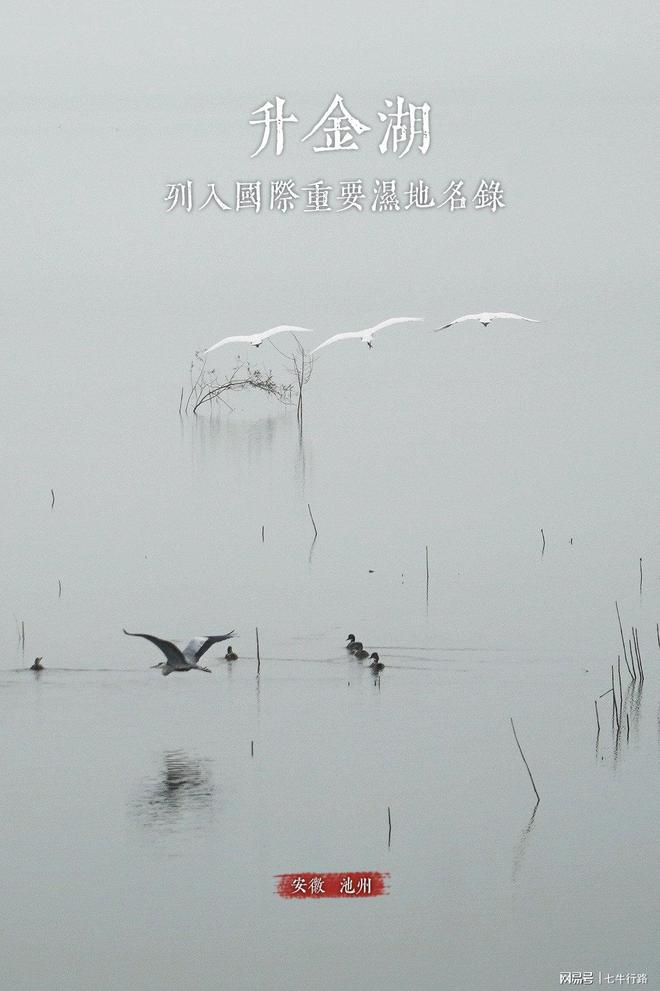
National nature reserve and important wetland in Asia, a crucial habitat for migratory birds, known as the 'Crane Lake of China'.
Explore rich intangible cultural heritage and traditional crafts
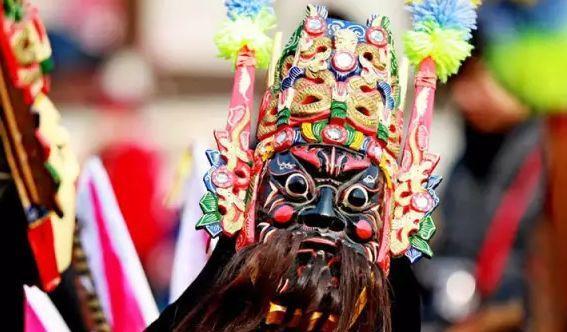
National intangible cultural heritage, originating from ancient sacrifices, performed with masks, known as 'living fossil of Chinese opera'.
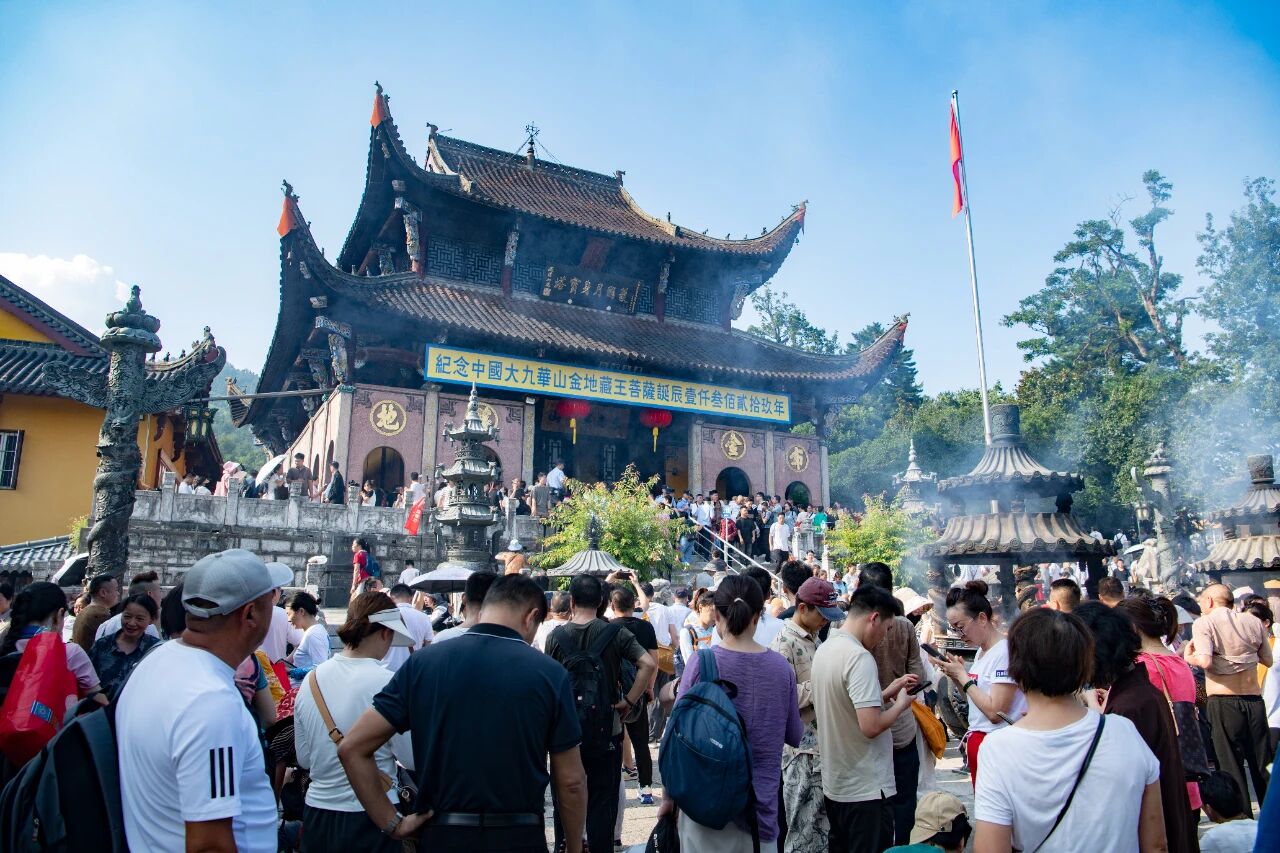
National intangible cultural heritage, held around the 30th day of the seventh lunar month to commemorate the birthday of Kṣitigarbha, featuring dharma assemblies and opera performances.
Must-know transportation for exploring the city
About 20 km from downtown Chizhou, with flights to major cities like Beijing, Shanghai, Guangzhou, Shenzhen. Airport shuttle buses and taxis are available to the city center.
Airport bus ¥20, taxi about ¥60
A station on the Nanjing-Anqing High-speed Railway, providing direct trains to Nanjing, Hefei, Anqing, etc. Multiple trains daily. Buses and taxis available to the city center and Mount Jiuhua.
High-speed rail fare: Chizhou-Nanjing about ¥100, Chizhou-Hefei about ¥70
City bus routes cover major attractions and commercial areas, fare ¥1-2. To Mount Jiuhua, take a tourist shuttle from the bus station, about 1 hour ride.
City bus ¥1-2, Mount Jiuhua shuttle ¥15
Taste the most authentic and popular local specialties
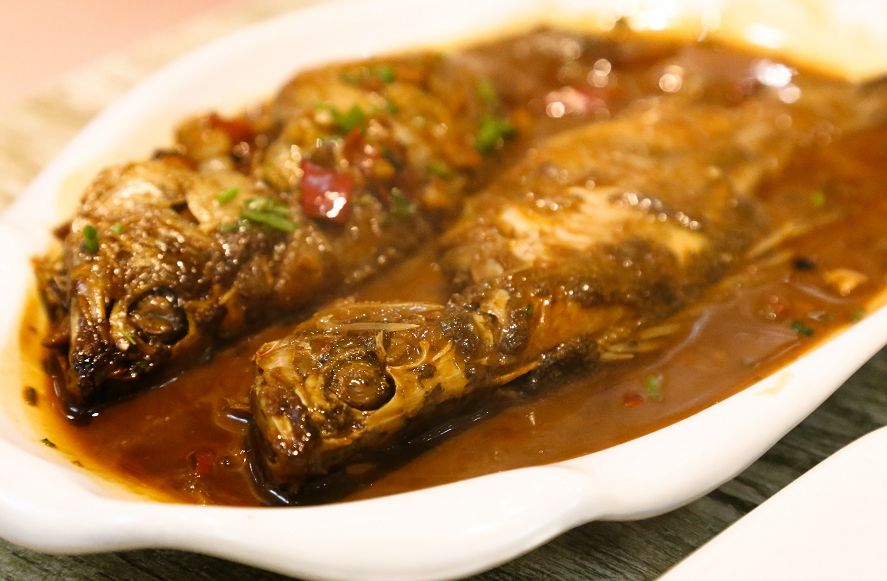
A representative Huizhou dish, marinated and fermented then braised, smelly but delicious with tender meat.
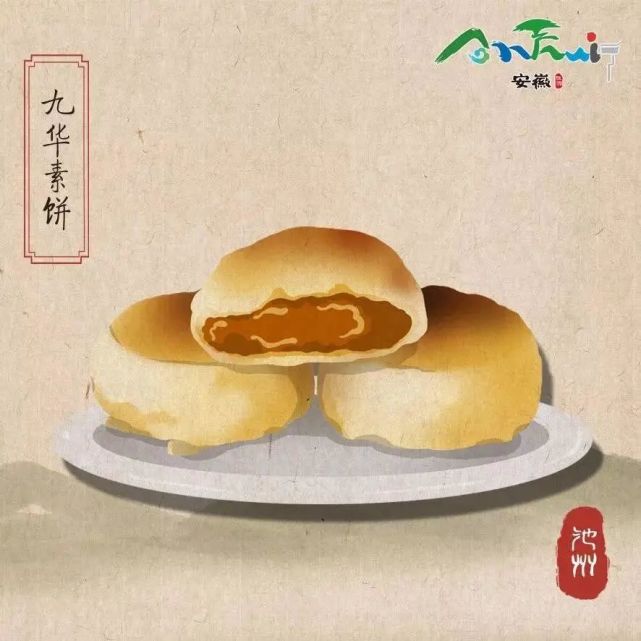
Temple vegetarian cuisine from Mount Jiuhua, made from soy products, mushrooms, etc., imitating the shape and taste of meat dishes, light and healthy.
Mount Jiuhua was listed among the first batch of national key scenic areas by the State Council, marking its elevated tourism status.
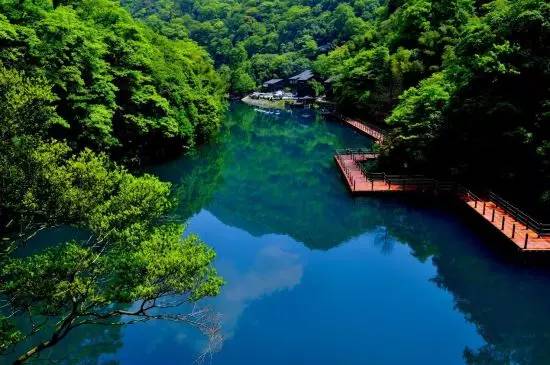
National nature reserve known for primeval forests, waterfalls, and奇特 peaks and rocks, called 'the last primeval forest in East China'.
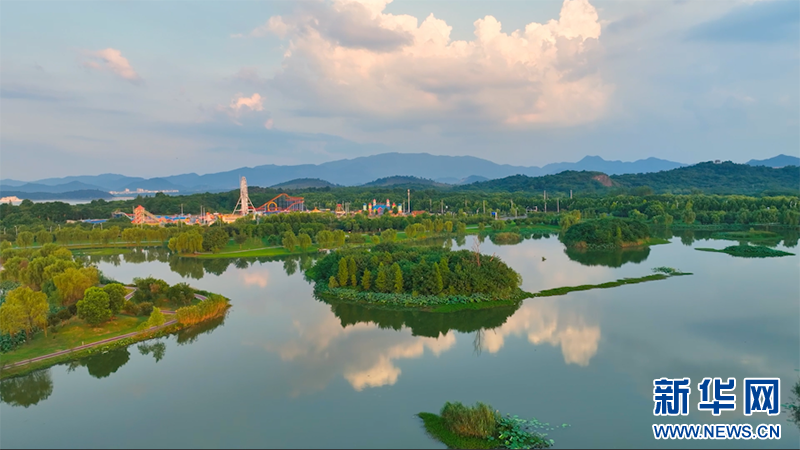
Urban lake with beautiful scenery, a popular spot for leisure and fitness. Li Bai once praised it in a poem: 'The water is like a bolt of silk, this place is Pingtian.'
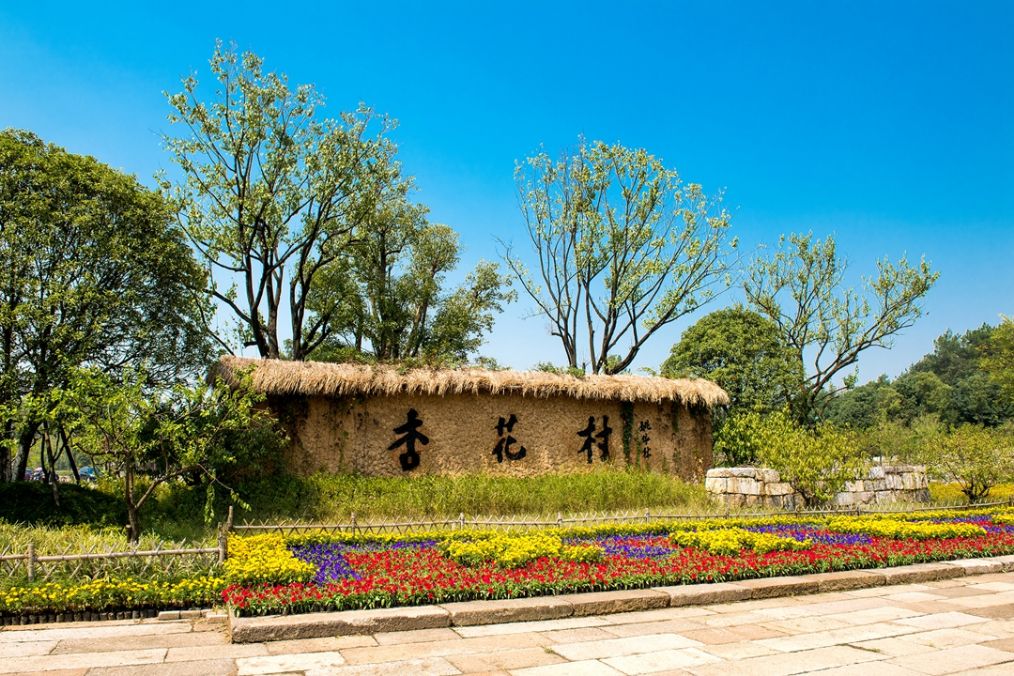
Famous for Du Mu's poem 'Qingming' which mentions 'the shepherd boy points to Xinghua Village', a scenic area integrating culture, tourism, and leisure.
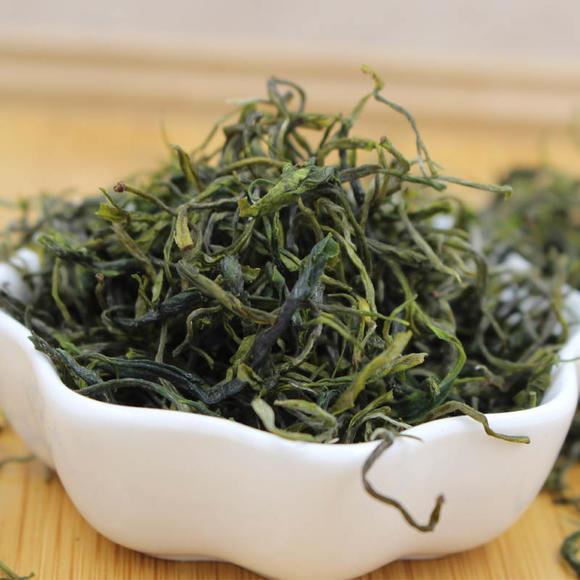
Produced in Shitai County, rich in selenium, with clear liquor and sweet aftertaste, offering health benefits.
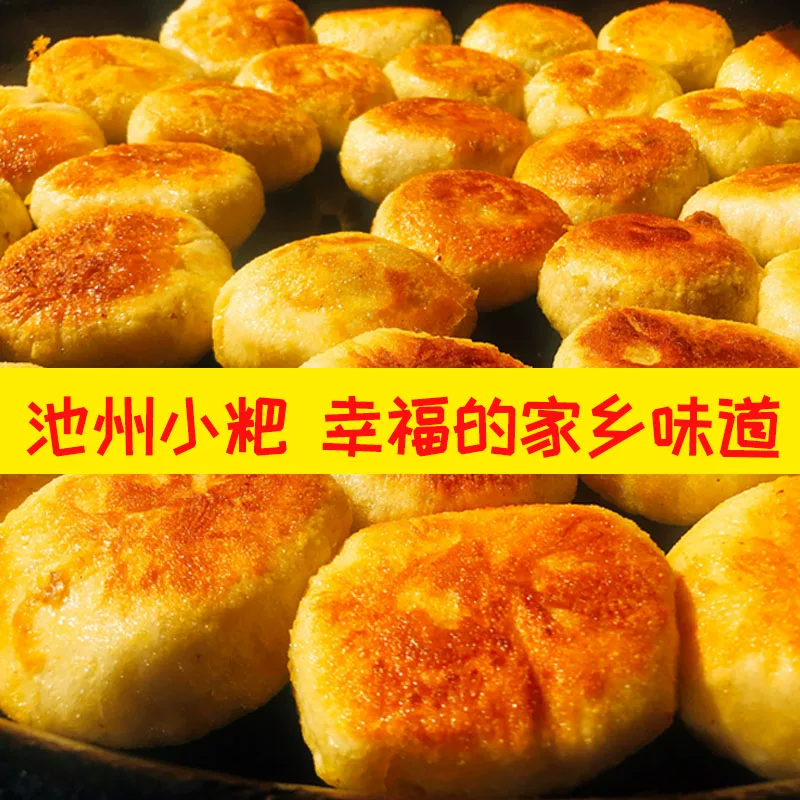
Traditional snack, rice flour wrapper filled with shredded radish, vermicelli, etc., pan-fried until golden, crispy outside and tender inside.
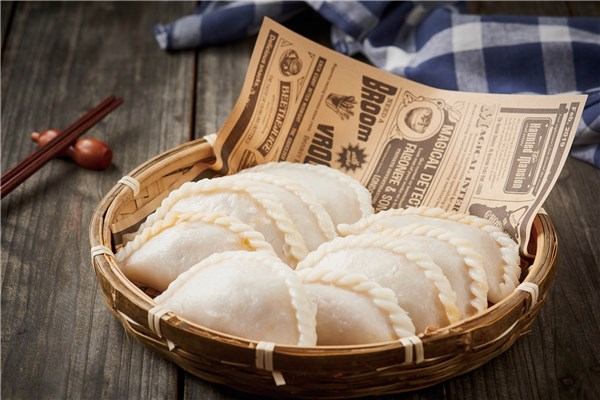
Specialty of Dongzhi County, rice flour wrapper filled with pork, tofu, etc., steamed, soft and savory.