
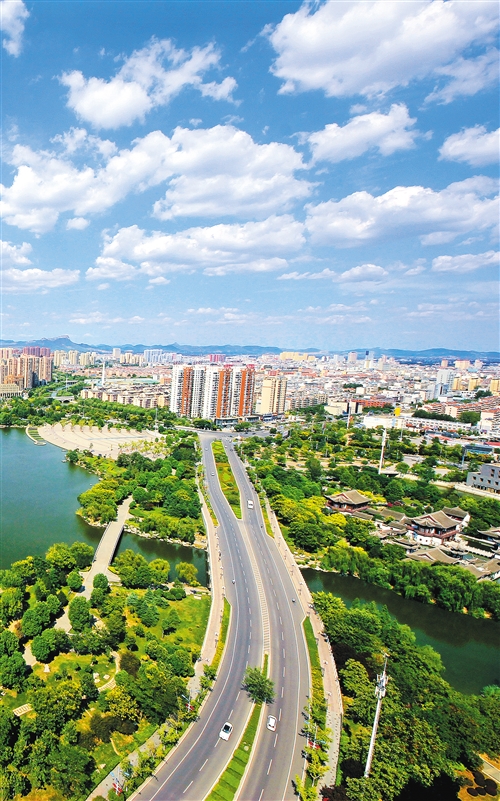
Chengde is located in northeastern Hebei Province, in the transition zone between North China and the Northeast. It has a temperate continental monsoon climate with four distinct seasons, and cool summers, making it a famous summer resort.
Chengde has a long history and was the second political center of the Qing Dynasty. Emperors Kangxi and Qianlong often came here to escape the heat and handle state affairs. The Mountain Resort and its surrounding temples were built starting in 1703 and took 89 years to complete. It is the largest existing imperial garden in China.
Chengde's culture blends Manchu, Han, Mongolian, and Tibetan characteristics, represented by the Mountain Resort and the 'Eight Outer Temples'. Local specialties include Chengde cold noodles, lü dagun (glutinous rice rolls with red bean paste), and Chengde almond tea, with unique flavors.
Today, Chengde is an important node city in the coordinated development of the Beijing-Tianjin-Hebei region. Tourism is a pillar industry, while new energy, big data, and other emerging industries are also developing, bringing rapid changes to the city.
The best time to visit 承德 is Best in summer and autumn (June to October).
Summer (June-August): Cool with average temperature around 24°C, the golden season for summer retreat. The Mountain Resort features lakes, mountains, and blooming lotus.
Autumn (September-October): Clear and crisp, with colorful forests. The Mountain Resort and Outer Temples look more solemn in autumn colors, ideal for photography and outdoor activities.
Winter (November-February): Cold and dry, but you can enjoy the imperial gardens after snow, with fewer tourists, offering a unique charm. Spring (March-May) has more wind and sand, but flower season is also worth visiting.
Emperor Kangxi of the Qing Dynasty ordered the construction of the Mountain Resort in Chengde as a summer retreat for governance and leisure.
After three reigns (Kangxi, Yongzheng, Qianlong), the Mountain Resort and its surrounding temples were completed in 89 years.
The Mountain Resort and its outlying temples in Chengde were inscribed as a UNESCO World Cultural Heritage site.
Recommended places to visit
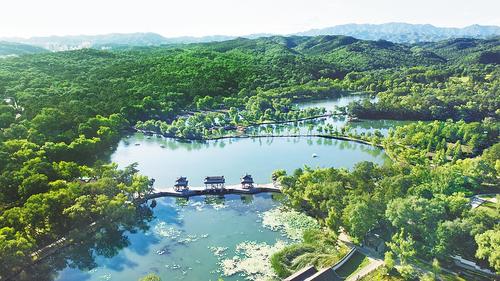
A UNESCO World Heritage site, the largest existing imperial garden in China, divided into palace area, lake area, plain area, and mountain area, integrating northern and southern garden arts.
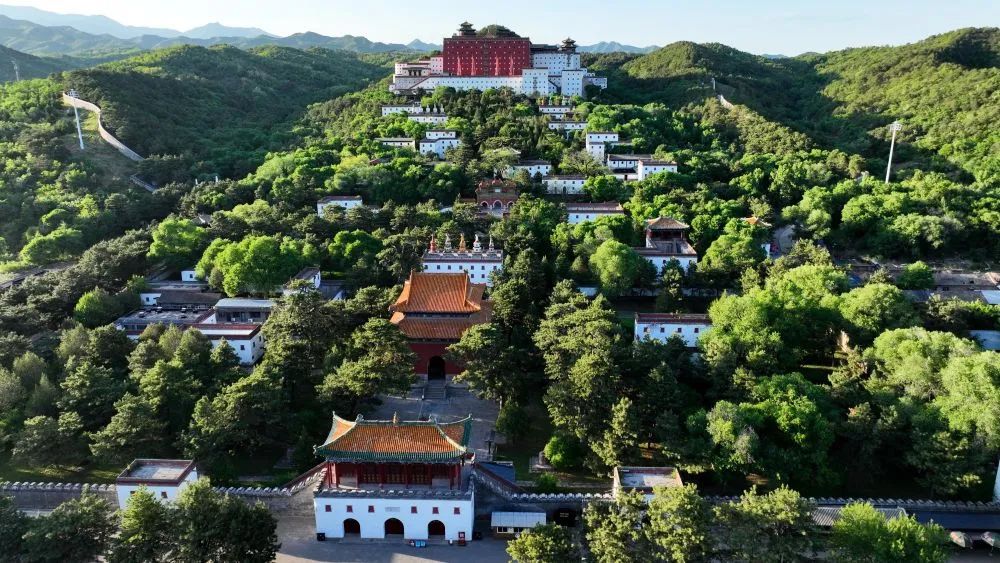
Commonly known as 'Little Potala Palace', modeled after the Potala Palace in Tibet, the largest of the Eight Outer Temples, built by Emperor Qianlong to celebrate his 60th birthday.
UNESCO World Heritage Sites
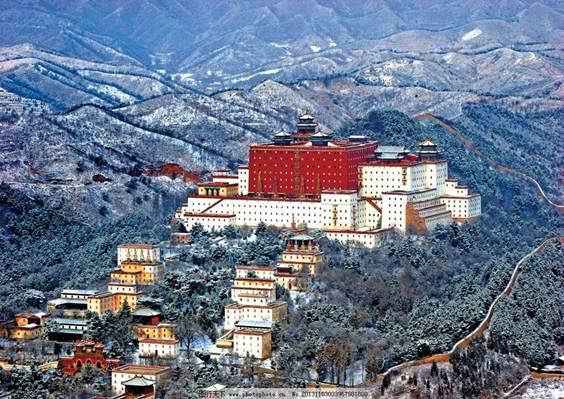
A World Cultural Heritage site, including the Mountain Resort and the Eight Outer Temples such as Putuo Zongcheng Temple and Puning Temple, outstanding examples of Chinese imperial gardens and religious architecture.
Explore rich intangible cultural heritage and traditional crafts
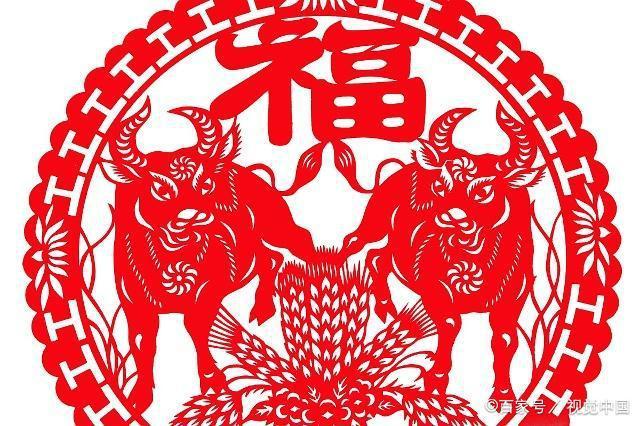
Chengde Manchu paper-cutting is a national intangible cultural heritage, featuring Manchu folk customs with a bold and unconstrained style.
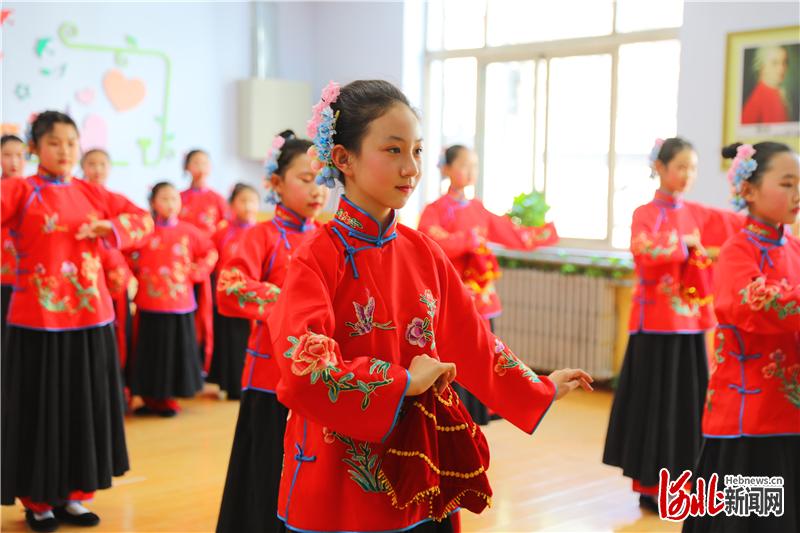
Originating from the Qing court, used in ceremonies and assemblies, with instruments like chime bells and chime stones, solemn and elegant.
Must-know transportation for exploring the city
Chengde South Station is a key stop on the Beijing-Harbin high-speed railway. From Beijing Chaoyang Station, it takes about 1 hour, second class around ¥100.
About ¥100
Chengde Puning Airport has flights to major cities like Beijing, Shanghai, Guangzhou. It takes about 30 minutes by car from the airport to downtown.
Varies by route
City bus routes cover major attractions, fare ¥1-2. Some lines go directly to the Mountain Resort, Puning Temple, etc.
¥1-2
Taste the most authentic and popular local specialties

Made from mung bean starch, smooth and tender, served with vinegar, garlic, chili oil, etc., refreshing and cool.

Traditional Manchu snack, glutinous rice dough rolled with red bean paste and coated with soybean flour, soft and sweet.

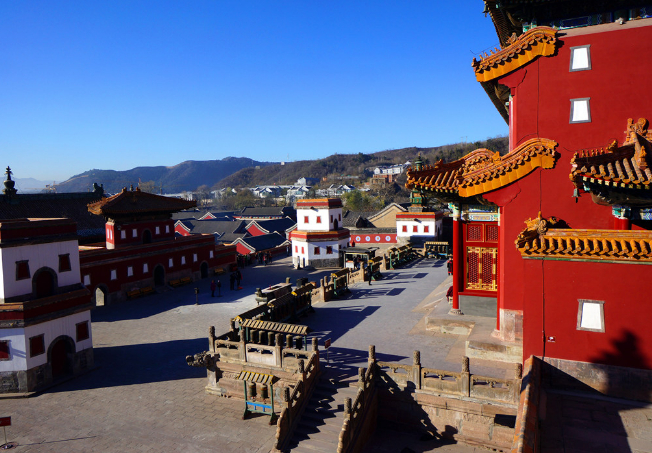
One of the Eight Outer Temples, housing the world's largest wooden statue of the Thousand-Hand Thousand-Eye Guanyin Bodhisattva, 27.21 meters tall.
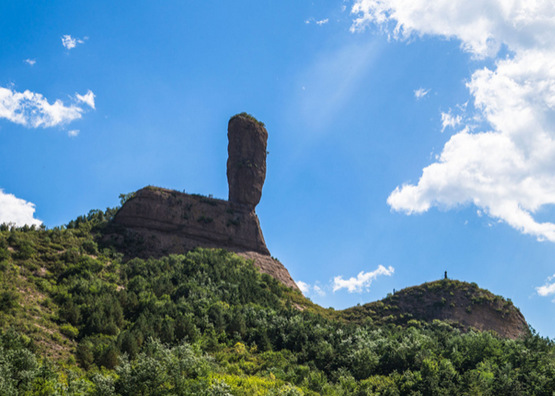
Famous for the unique Danxia landform Qingchui Peak (Bangchui Mountain), you can take a cable car to enjoy a panoramic view of Chengde.
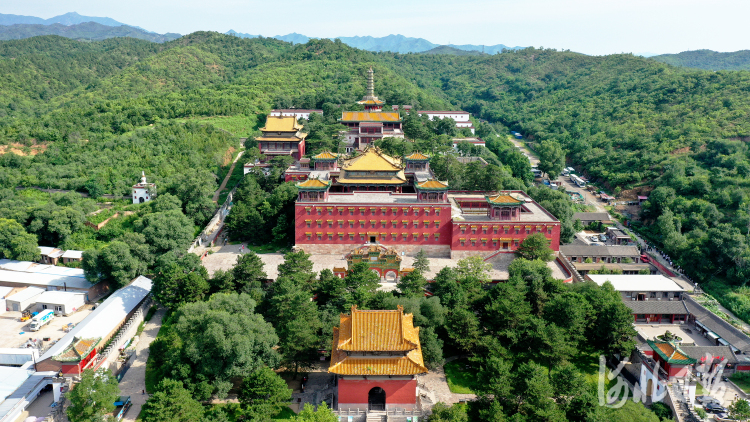
One of the Eight Outer Temples, modeled after Tashilhunpo Monastery in Shigatse, Tibet, built by Emperor Qianlong to welcome the Sixth Panchen Lama.
Made from Chengde's specialty almonds, smooth and aromatic, believed to moisten the lungs and stop coughs.
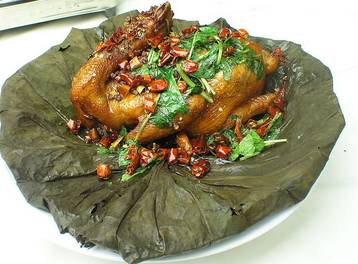
Chicken wrapped in lotus leaves and coated with yellow clay, then baked, tender with a fragrant lotus leaf aroma, once a royal tribute.
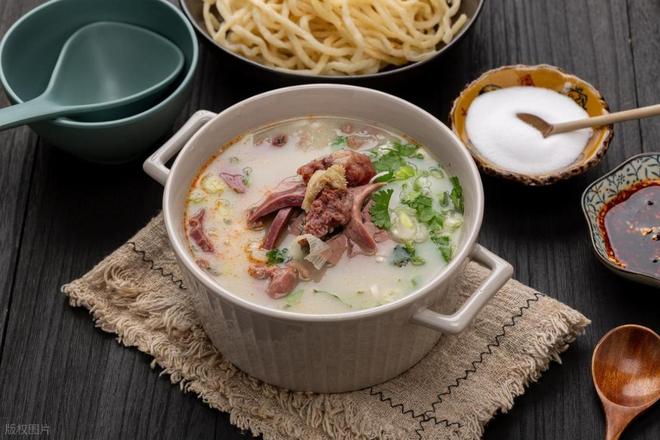
Slow-cooked with local lamb, the soup is milky white and the meat tender, served with baked flatbread, warming and comforting.