
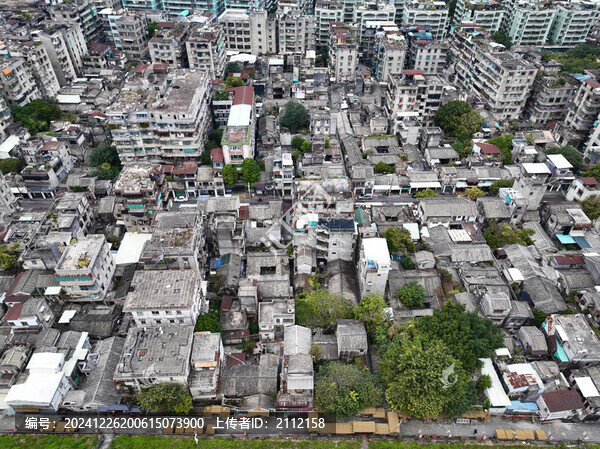
Chaozhou is located in eastern Guangdong Province, along the middle and lower reaches of the Han River. It borders the South China Sea to the east and is backed by the Fenghuang Mountains. The city has a subtropical marine monsoon climate with distinct seasons, warm and humid conditions, an average annual temperature of 21.4°C, and abundant rainfall.
Chaozhou has a long history, dating back over 1,600 years to the Eastern Jin Dynasty when it was established as a prefecture in 331 AD. Since the Tang Dynasty, it has been an important node on the Maritime Silk Road. During the Song Dynasty, it was hailed as the "Confucian Center by the Sea," and its economy and culture flourished during the Ming and Qing Dynasties.
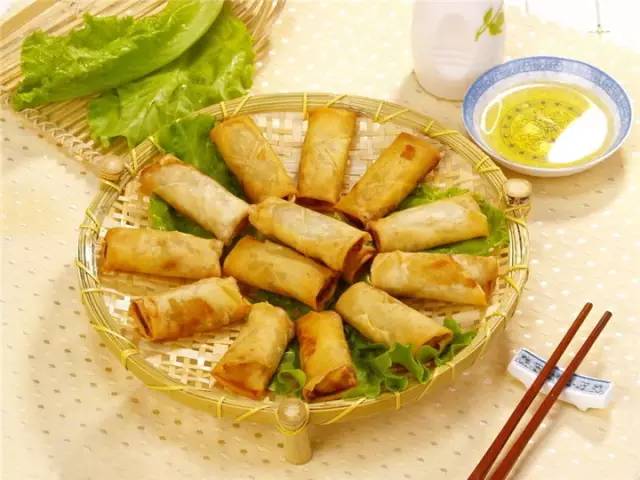
Teochew culture is represented by the Teochew dialect, Teochew opera, Teochew music, Kung Fu tea, Teochew cuisine, Teochew woodcarving, and Teochew embroidery, forming an important part of Lingnan culture. In terms of cuisine, Teochew food is known for its light, fresh, and exquisite flavors. Dishes such as beef balls, oyster omelets, spring rolls, and duck mother paste are renowned both at home and abroad.
Modern Chaozhou actively integrates into the construction of the Guangdong-Hong Kong-Macao Greater Bay Area, developing traditional industries such as ceramics, food, and clothing, while also promoting cultural tourism. The preservation of historical sites like Guangji Bridge and Paifang Street, combined with urban renewal, has made Chaozhou a popular tourist destination.
The best time to visit 潮州 is Best in spring and autumn.
Spring (March to May) has pleasant temperatures and blooming flowers, ideal for exploring the ancient city and natural scenery.
Autumn (September to November) is cool with less rainfall, suitable for outdoor activities and food tasting.
Summer is hot and rainy, while winter is mild and dry, but the Spring Festival period offers rich folk activities to experience the local New Year atmosphere.
In 331 AD (the sixth year of Xianhe of the Eastern Jin Dynasty), Chaozhou was officially established as a prefecture, marking the beginning of its administrative history.
During the Song Dynasty, Chaozhou's culture and education flourished, earning it the title 'Seaside Zou Lu' (a reference to Confucius and Mencius' hometowns), making it a Confucian stronghold.
In 1171 (the seventh year of Qiandao in the Southern Song Dynasty), Guangji Bridge (also known as Xiangzi Bridge) was first built, becoming one of the four great ancient bridges in China.
Recommended places to visit
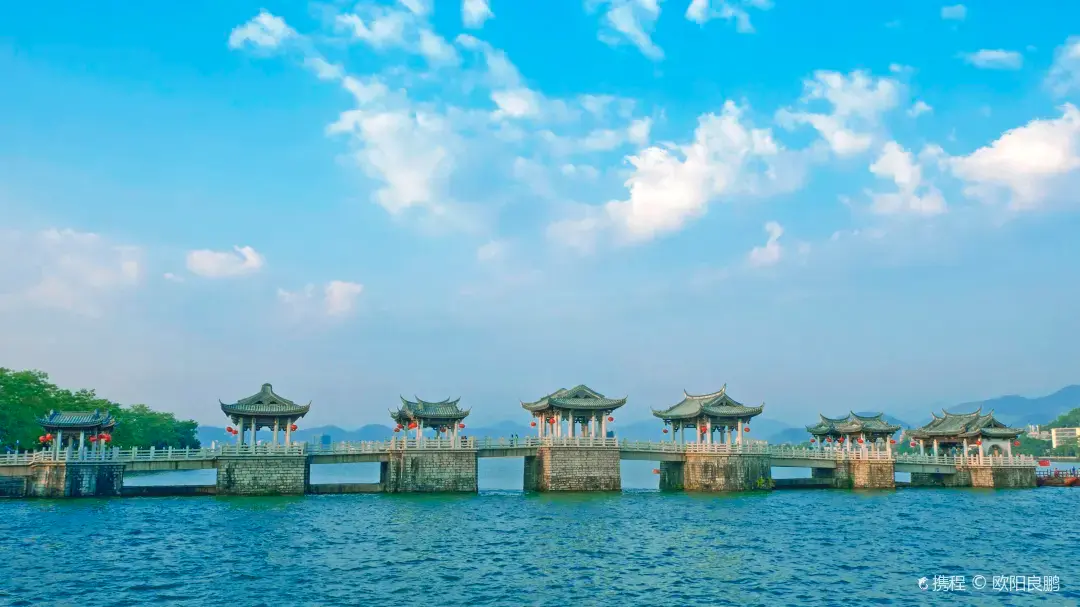
One of the four great ancient bridges in China, integrating beam bridge, pontoon bridge, and arch bridge, known as 'Eighteen punts and twenty-four islets'.
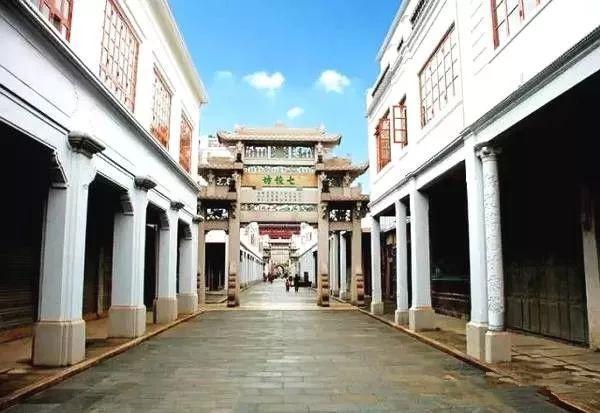
The most concentrated group of stone archways in China, with 22 archways, a landmark area of Chaozhou ancient city.
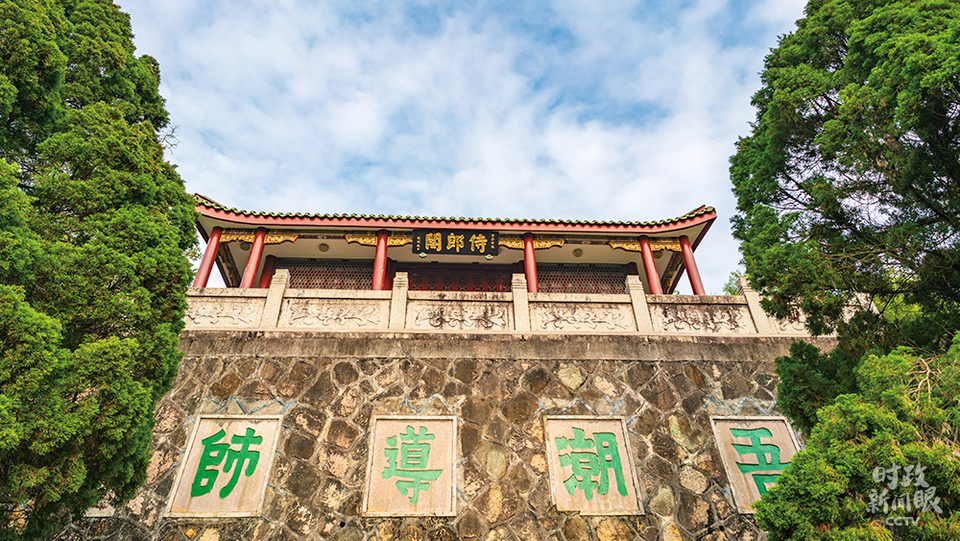
Explore rich intangible cultural heritage and traditional crafts
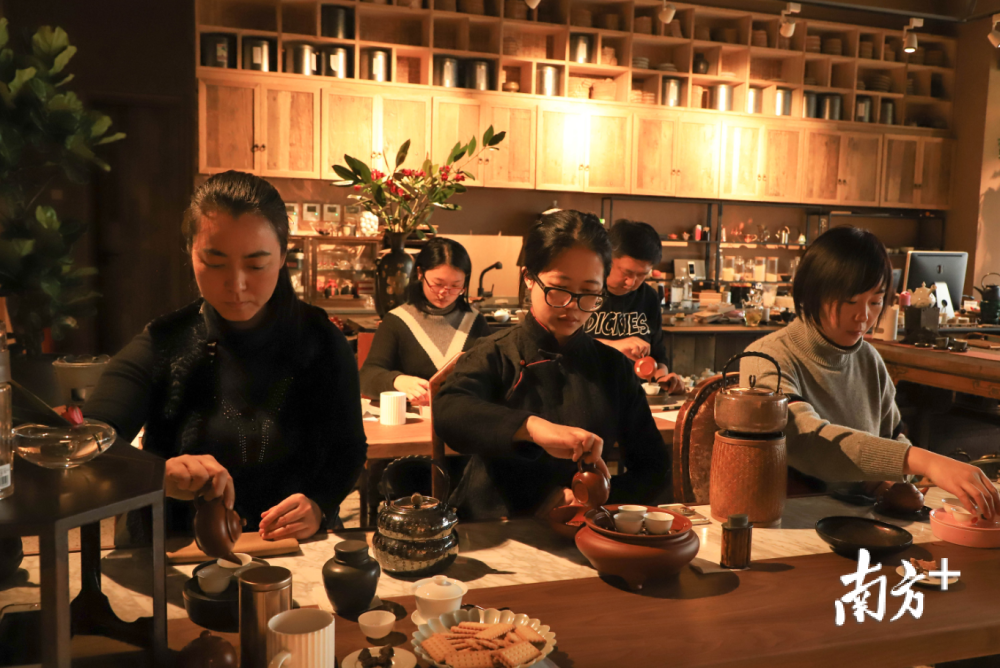
National intangible cultural heritage, known for its meticulous tea brewing techniques and etiquette, an important part of daily life in Chaozhou.
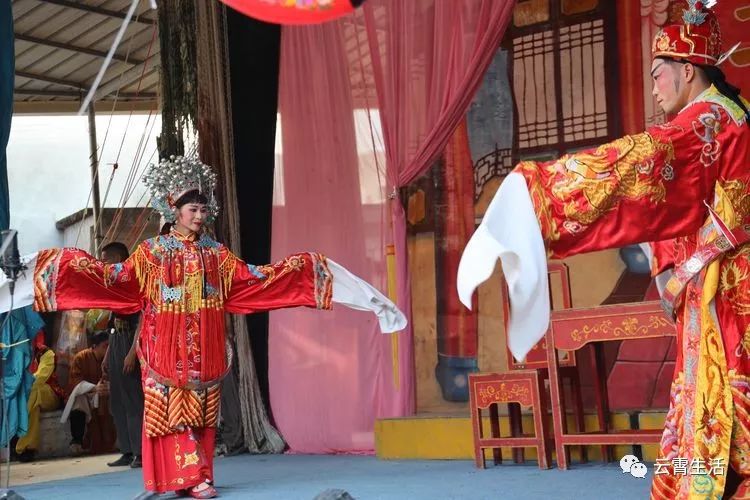
National intangible cultural heritage, performed in the Chaozhou dialect, with beautiful melodies and delicate performances, one of the three major opera forms in Guangdong.
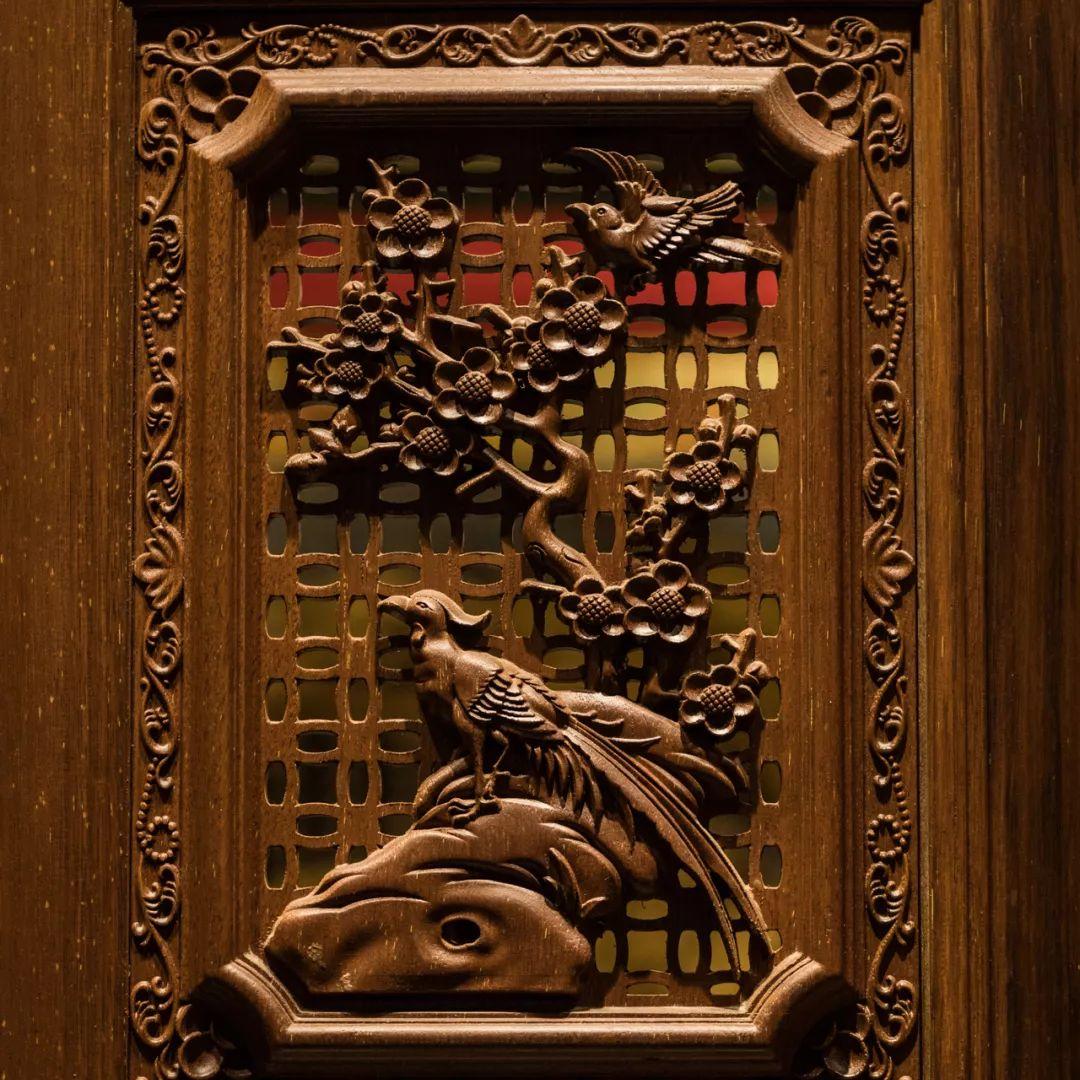
National intangible cultural heritage, known for its intricate and splendid gold-leafed carvings, often used in architectural decoration and furniture.
Must-know transportation for exploring the city
Chaoshan Station is the main high-speed rail station, connecting cities like Guangzhou, Shenzhen, and Xiamen. From Guangzhou South Station, it takes about 2.5 hours by high-speed rail.
About 130 RMB (Guangzhou to Chaoshan)
Chaoshan International Airport (Jieyang Chaoshan Airport) is located in Jieyang, about 20 km from Chaozhou, with flights to many domestic and international cities.
Varies by route
Bus routes in Chaozhou cover major attractions, with fares starting at 2 RMB. There are also tourist shuttle buses for visitors.
From 2 RMB
Taste the most authentic and popular local specialties
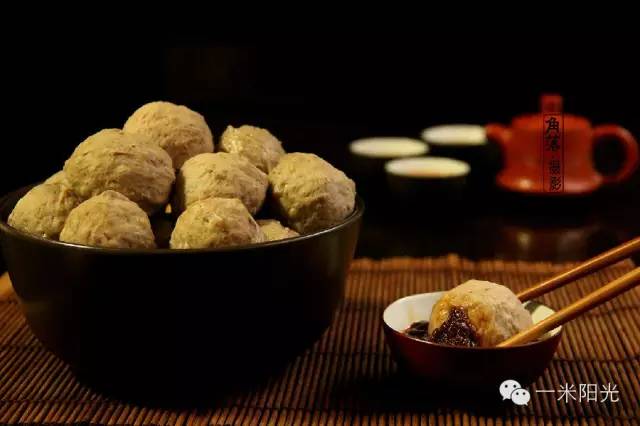
Hand-pounded beef balls, chewy and delicious, one of the most famous snacks in Chaozhou.
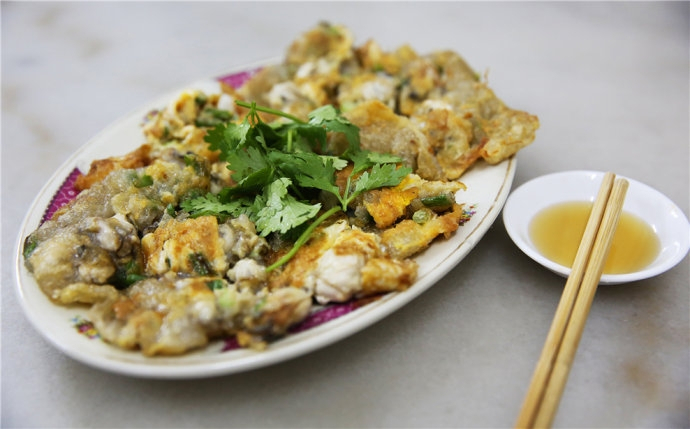
Made with fresh oysters and sweet potato starch, crispy outside and tender inside, best eaten with fish sauce.
Built to commemorate Tang Dynasty writer Han Yu, it is the oldest and most well-preserved Han Yu temple in China.
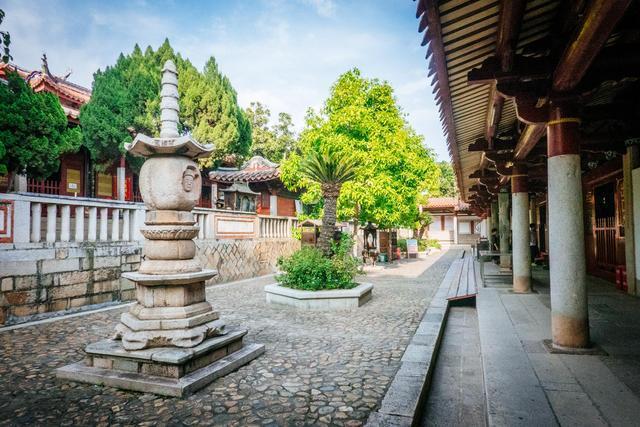
First built in the Tang Dynasty, it is the largest Buddhist temple in eastern Guangdong, housing a large number of precious cultural relics.
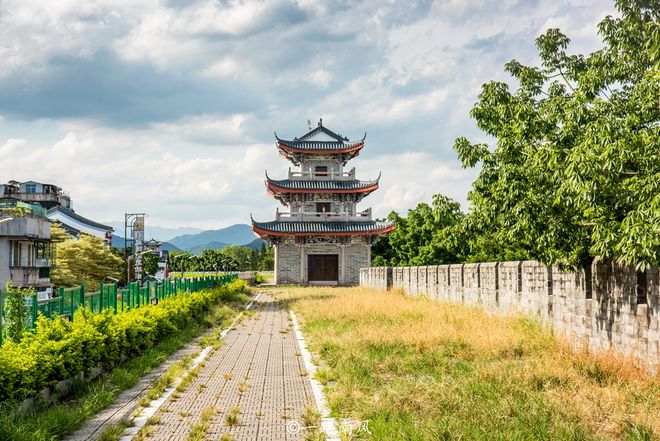
Built in the Ming Dynasty, the ancient city wall stretches about 2.6 kilometers and is one of the best-preserved ancient city walls in Guangdong Province.
Golden and crispy spring rolls with rich fillings including pork, shrimp, mushrooms, etc., a traditional Chaozhou delicacy.
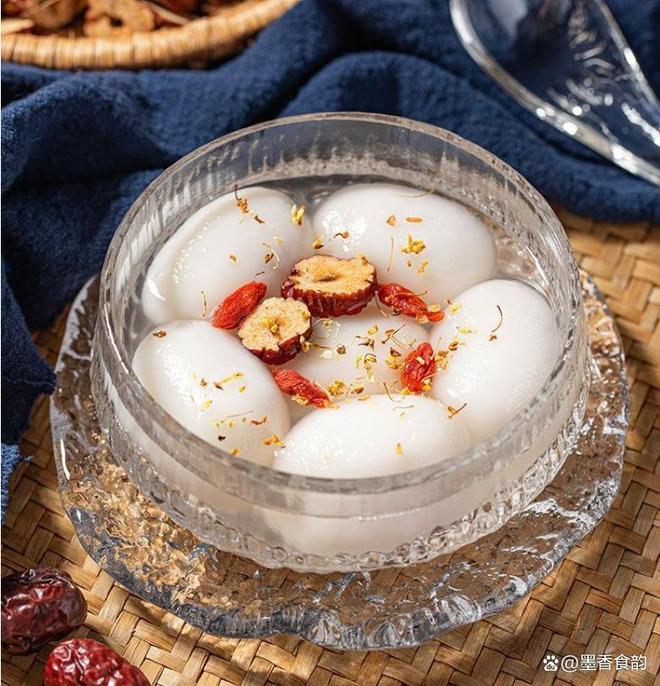
Traditional Chaozhou sweet soup, with oval-shaped glutinous rice dumplings, served with white fungus, red dates, lotus seeds, etc., sweet and refreshing.
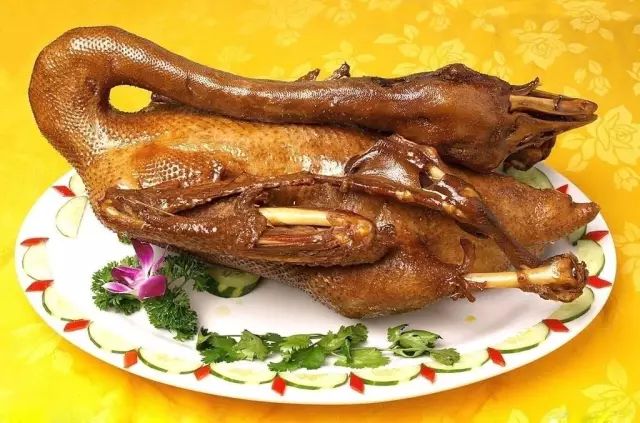
Made with lion-head goose, slow-braised in aged marinade, tender and flavorful, a must-have dish at Chaozhou banquets.