
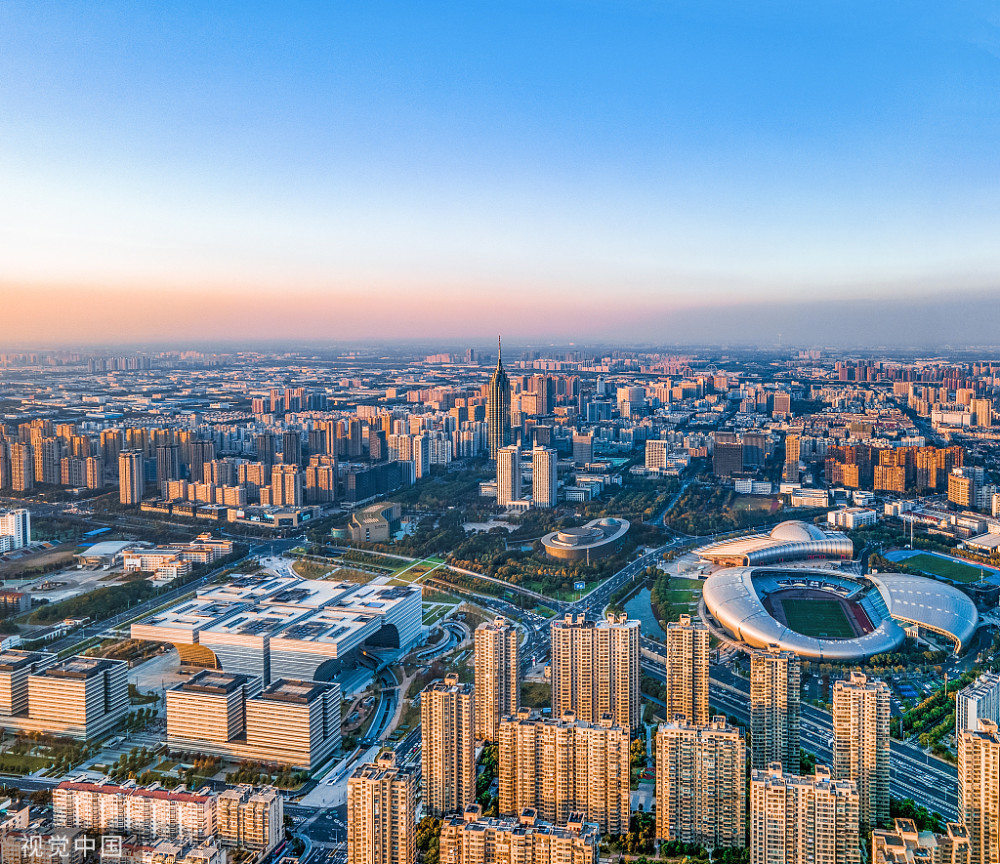
Located in the south of Jiangsu Province, Changzhou sits at the heart of the Yangtze River Delta, embracing the Yangtze River to the north and Lake Taihu to the south. It enjoys a mild and humid subtropical monsoon climate with four distinct seasons.
With a history spanning over 2,500 years, Changzhou dates back to the Spring and Autumn period when it belonged to the State of Wu. It was once known as Yanling, Piling, and Jinling, and flourished economically during the Ming and Qing dynasties as a key industrial and commercial city in Jiangnan.
Changzhou boasts profound cultural heritage, being the birthplace of the Changzhou School and Yanghu Literary School. It is home to intangible cultural heritages such as Changzhou combs and random-stitch embroidery. Its cuisine features sweet flavors, with specialties like Changzhou dried radish, Tianmu Lake fish head casserole, and crab-filled xiaolongbao.
Modern Changzhou is a major advanced manufacturing base in the Yangtze River Delta, with pillar industries including equipment manufacturing, new energy, and new materials. It also boasts famous tourist attractions like China Dinosaur Park, making it a livable and business-friendly modern city.
The best time to visit 常州 is Spring and Autumn (March-May, September-November).
Spring (March-May) offers pleasant weather and blooming flowers, ideal for outdoor activities and flower viewing.
Autumn (September-November) features clear skies and moderate temperatures, perfect for visiting gardens and theme parks.
Summer is hot and humid, while winter is damp and cold, but you can enjoy hot springs and indoor attractions in winter.
King Yuji of Wu granted Ji Zha the fief of Yanling, marking the beginning of Changzhou's administrative history.
In 589 AD, Emperor Wen of Sui abolished Jinling Commandery and established Changzhou Prefecture, named after Changshu, later moving the seat to the current location.
Changzhou's GDP surpassed 700 billion RMB, with per capita GDP exceeding 20,000 USD, ranking among the top cities nationwide.
Recommended places to visit
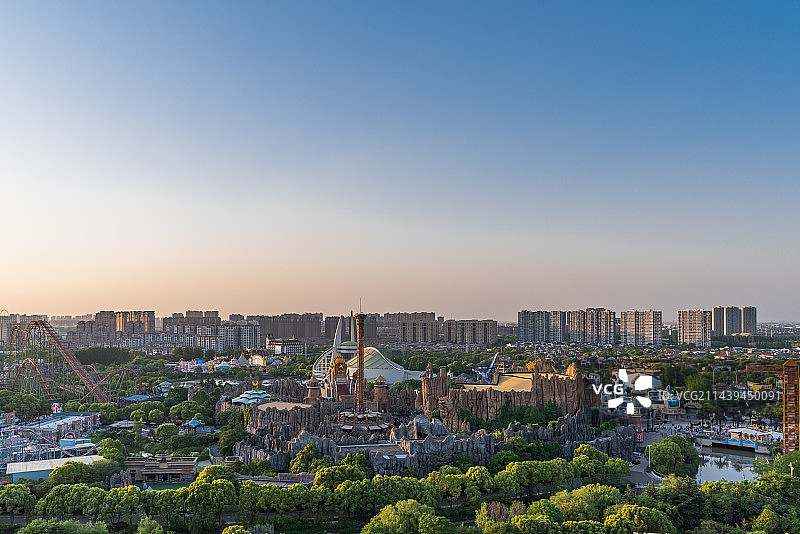
China's largest dinosaur-themed park, combining science education, rides, and shows, with many thrilling attractions.
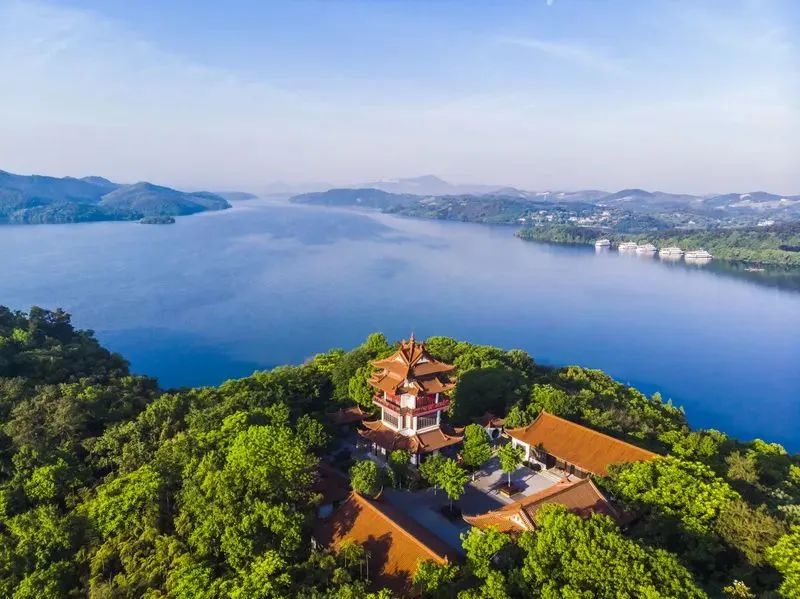
National 5A scenic area with clear lake water surrounded by mountains, featuring the Water Park and Nanshan Bamboo Sea.

Explore rich intangible cultural heritage and traditional crafts
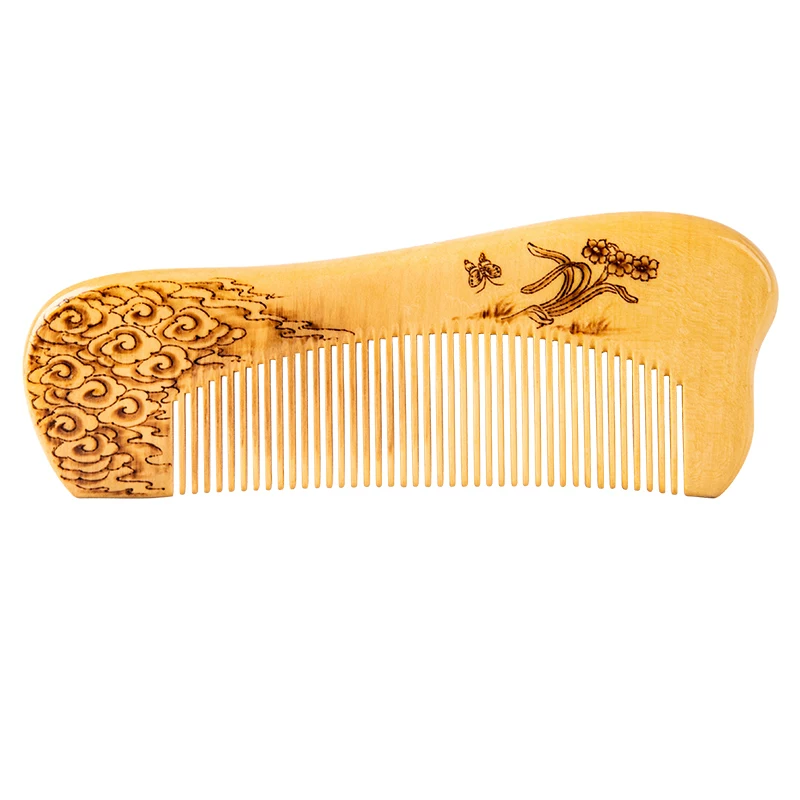
National intangible cultural heritage, known for fine material selection and exquisite craftsmanship.
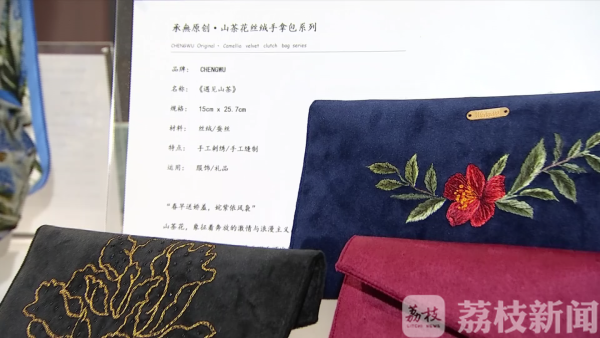
Jiangsu provincial intangible cultural heritage, using random stitches to create oil painting effects, unique style.
Must-know transportation for exploring the city
Located in the northwest of Changzhou, about 20 km from the city center, with flights to major domestic cities and some international destinations.
Airport bus 20 RMB
Changzhou Station in the city center serves regular and D-trains; Changzhou North Station is on the Beijing-Shanghai high-speed railway, connecting nationwide.
High-speed to Shanghai about 60 RMB
Bus network covers the whole city, fare 2 RMB, supports QR code payment. Also has BRT system.
2 RMB
Taste the most authentic and popular local specialties
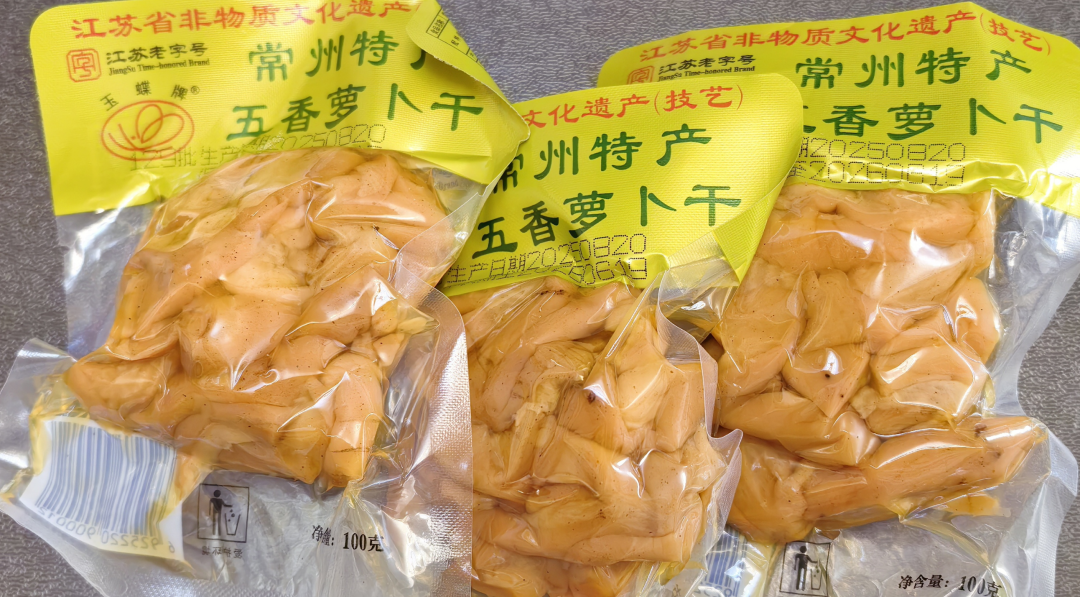
Traditional Changzhou specialty, golden in color, moderately salty and sweet, crispy and refreshing.
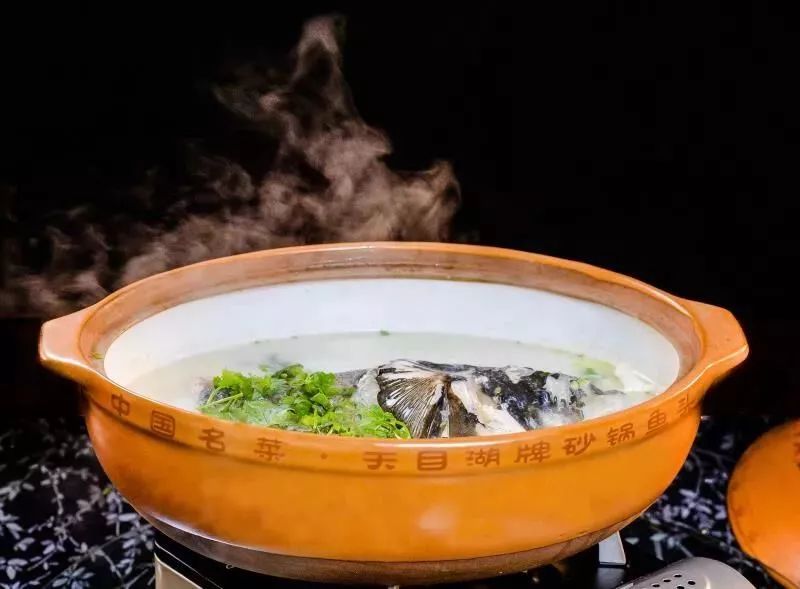
Made with bighead carp head from Tianmu Lake, slow-cooked in a casserole, rich and fresh soup, tender meat.
A comprehensive zoo combining animal viewing, shows, and self-drive tours, featuring many rare animals.
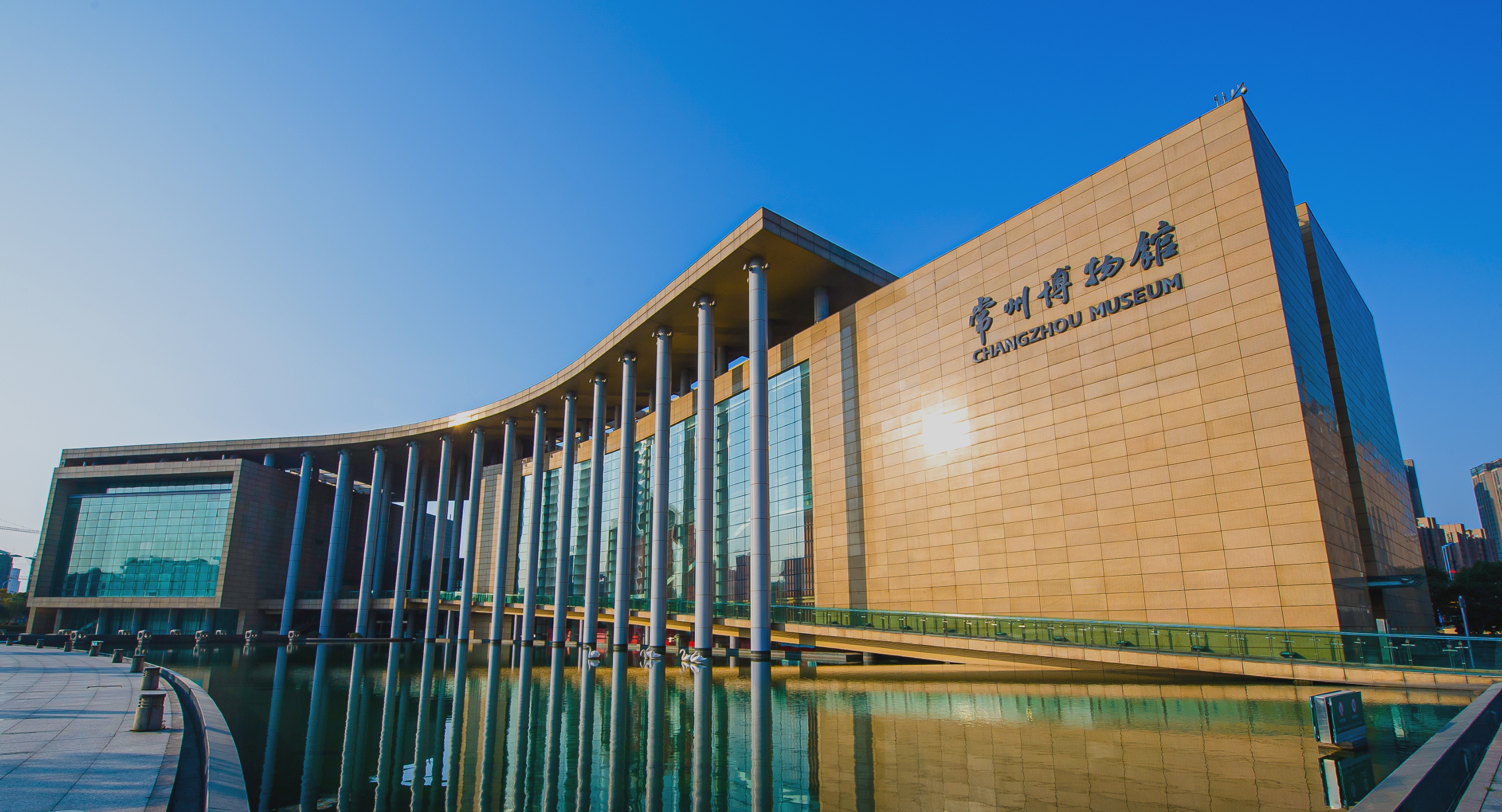
A comprehensive museum showcasing Changzhou's history and culture, with rich collections including Liangzhu jade and Southern Dynasty portrait bricks.
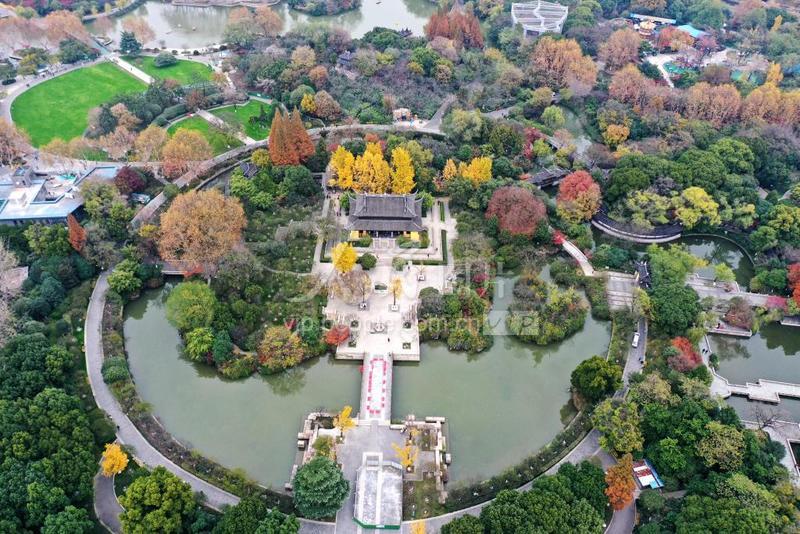
The largest comprehensive park in Changzhou, known for historic sites like Hongmei Pavilion and Wenbi Tower, a famous plum blossom viewing spot in spring.
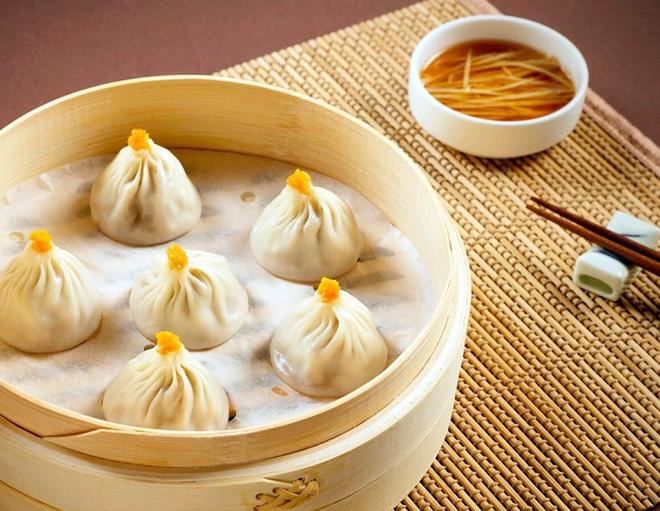
Changzhou-style xiaolongbao filled with crab roe and meat, thin skin and juicy, incredibly delicious.

Traditional dessert made from maltose and sesame, sweet and crispy, suitable for all ages.

Traditional baked pastry, crispy crust with sweet or savory filling, covered with sesame seeds.