
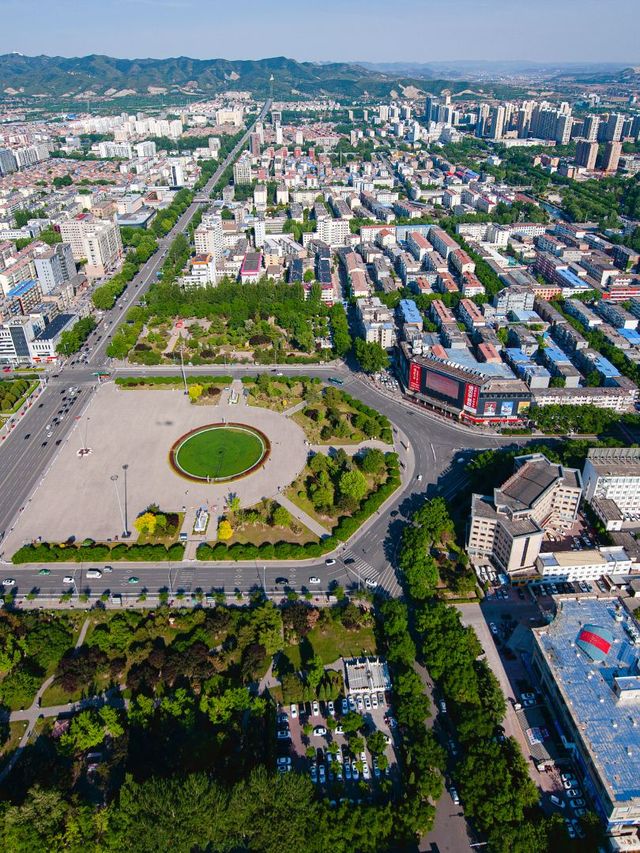
Changzhi is located in the southeast of Shanxi Province, nestled between the Taihang Mountains and Taiyue Mountains. It has a warm temperate semi-humid continental monsoon climate with four distinct seasons, mild winters and cool summers. The annual average temperature is 9.5°C, earning it the nickname 'City Without Fans'.
Changzhi, known as Shangdang in ancient times, boasts a long history and is one of the important birthplaces of Chinese civilization. During the Warring States period, it served as a secondary capital of the Han state, later belonging to Zhao. The Qin Dynasty established Shangdang Commandery here, which was renamed Luzhou in the Northern Zhou Dynasty. During the Ming and Qing Dynasties, it was known as Lu'an Prefecture. During the War of Resistance Against Japanese Aggression and the Chinese Civil War, Changzhi was the headquarters of the Eighth Route Army, making significant contributions to the Chinese revolution.
Changzhi has a profound cultural heritage, being the birthplace of Shangdang Bangzi opera and Shangdang Bayinhui (eight-tone ensemble). Folk arts include paper-cutting, embroidery, and clay sculpture. The local cuisine is mainly based on noodles, with specialties such as Changzhi cured donkey meat, Huguan mutton soup, Lucheng rolled pancakes, Wuxiang date cake, and Qinxian millet, all with unique flavors.
Modern Changzhi is an important industrial city in Shanxi Province, with main industries including coal, coking, steel, and electricity, while actively developing new energy, new materials, equipment manufacturing, and other emerging industries. The city is rapidly urbanizing with convenient transportation, including Changzhi Wangcun Airport and high-speed rail stations, making it a regional transportation hub.
The best time to visit 长治 is Best in Spring and Autumn.
Spring (April to May) has pleasant temperatures with blooming flowers on the Taihang Mountains, ideal for hiking and flower viewing.
Summer (June to August) is cool and comfortable, with an average temperature of 22°C, making it a summer resort, though rainfall is more frequent.
Autumn (September to October) features clear skies and crisp air, with red leaves covering the mountains, offering spectacular scenery—the best season for travel.
After Qin Shi Huang unified the six states, he established Shangdang Commandery with its seat in present-day Changzhi, making it an important military stronghold.
After the victory of the War of Resistance Against Japan, the Kuomintang and Communist Party fought the Battle of Shangdang, which ended with a Communist victory, consolidating their base area.
Approved by the State Council, Changzhi Prefecture was abolished, and the city-administering-county system was implemented, establishing prefecture-level Changzhi City.
Recommended places to visit
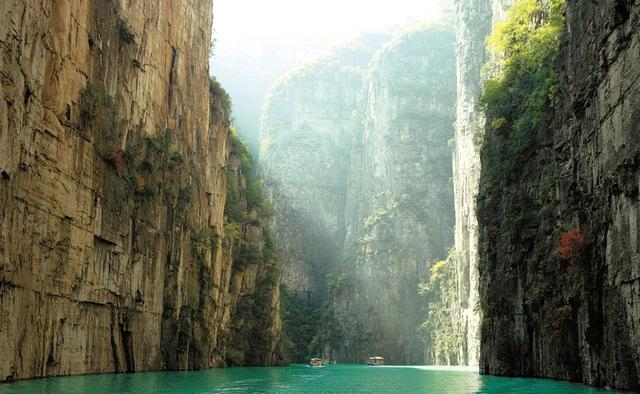
A national 5A-level scenic area, combining grandeur, wonder, danger, and serenity. Main attractions include Baquan Gorge, Hongdou Gorge, and Qinglong Gorge, showcasing the essence of Taihang Mountain natural scenery.
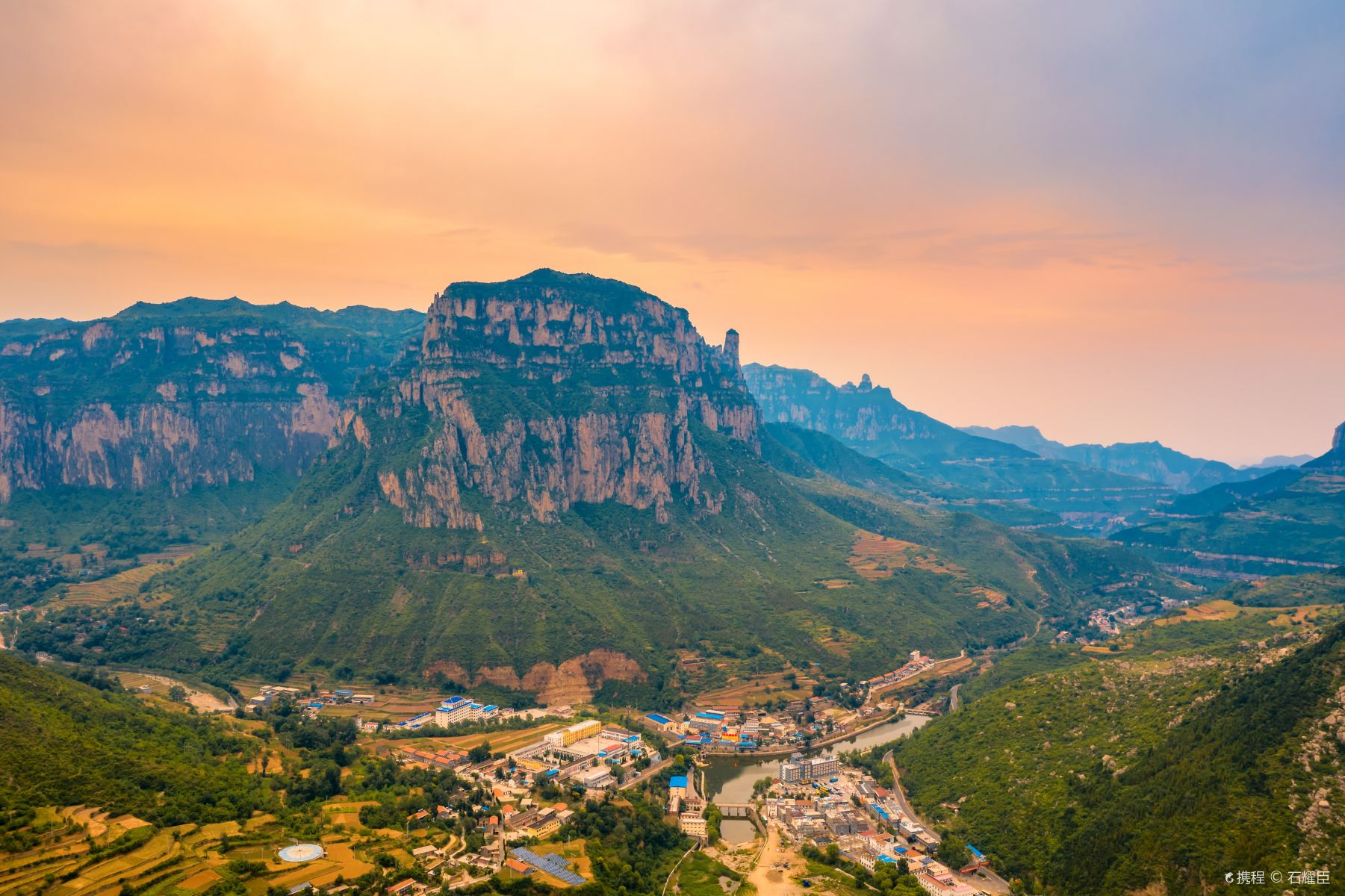
A national 4A-level scenic area, famous for waterfalls, streams, and canyons, an important part of the Taihang Mountain Grand Canyon.
Explore rich intangible cultural heritage and traditional crafts
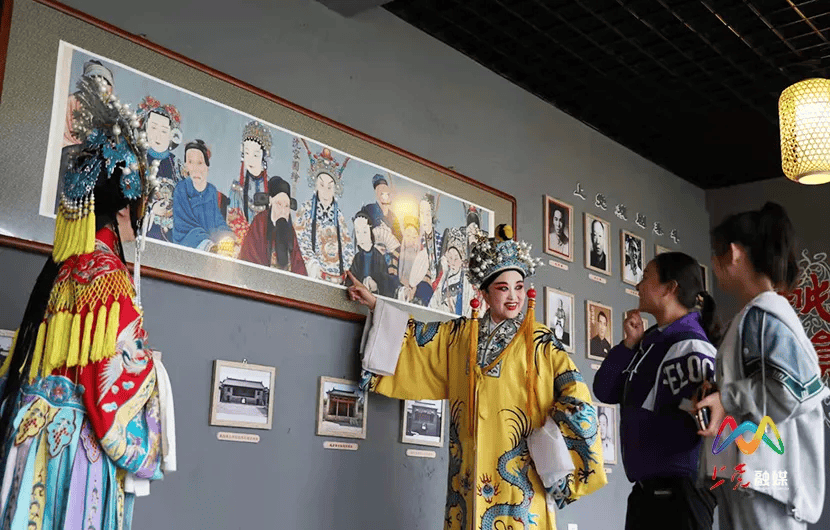
National intangible cultural heritage, one of the four major Bangzi operas in Shanxi, popular in southeastern Shanxi, with high-pitched and passionate singing.
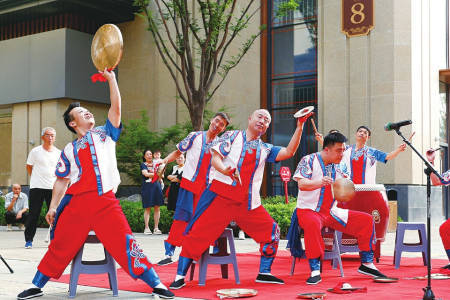
National intangible cultural heritage, a form of folk wind and percussion music, with instruments including drums, gongs, cymbals, sheng, and flutes, creating a lively atmosphere.
Must-know transportation for exploring the city
Located in the northern suburbs of Changzhi, with flights to major cities such as Beijing, Shanghai, Guangzhou, and Chengdu.
Depends on route
Served by the Zhengzhou-Taiyuan high-speed railway, providing direct access to Taiyuan, Zhengzhou, Beijing, etc., with convenient transportation.
Depends on distance
The bus network covers major attractions and urban areas, with fares of 1-2 RMB. Some routes go directly to the Taihang Mountain Grand Canyon.
1-2 RMB
Taste the most authentic and popular local specialties
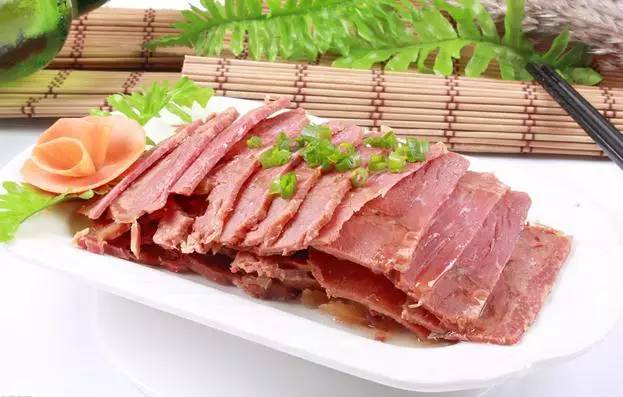
A traditional Changzhi delicacy, with ruddy color, tender meat, and delicious taste. There is a saying: 'Dragon meat in heaven, donkey meat on earth.'
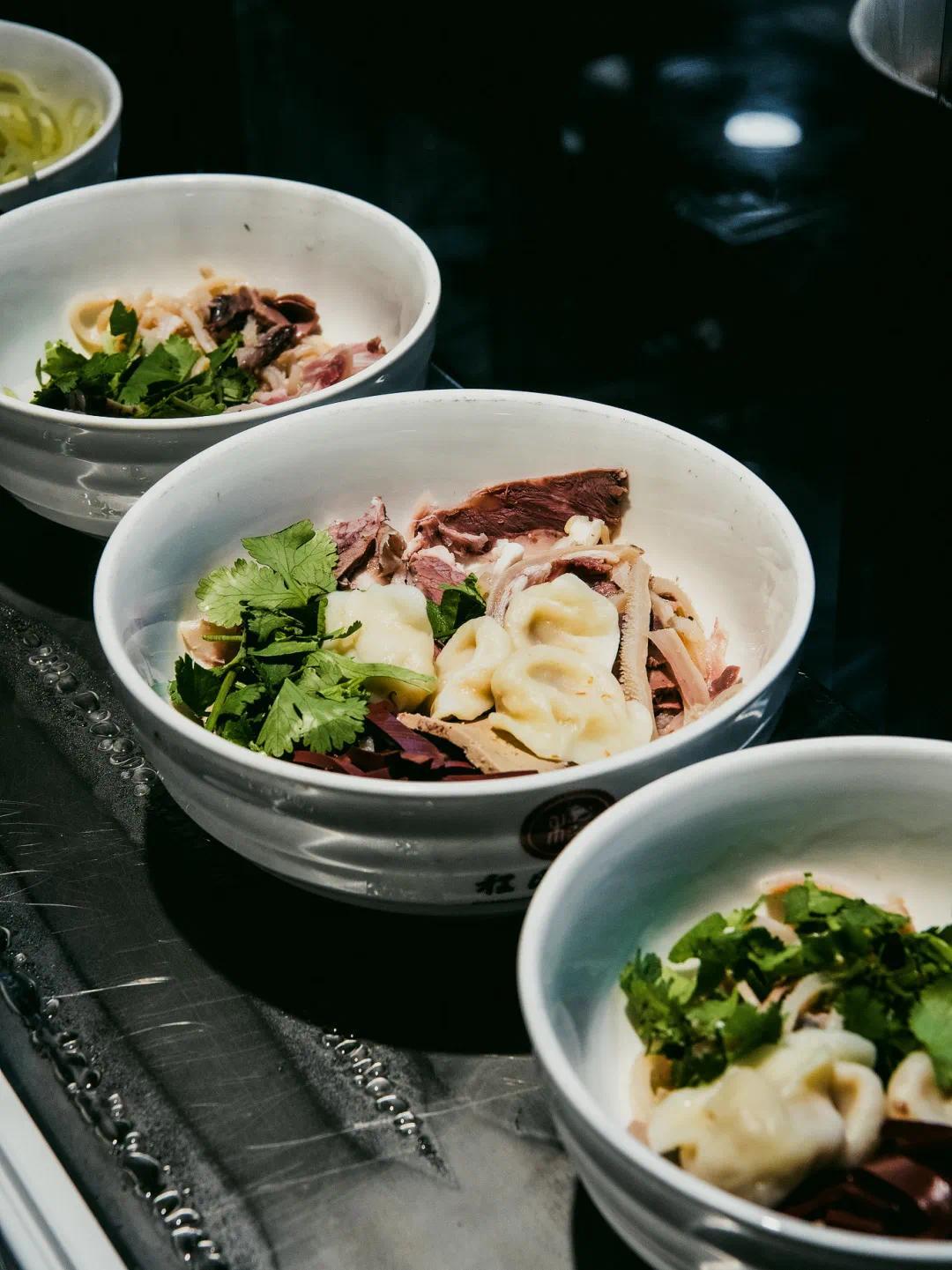
A specialty of Huguan County, with milky white soup, fresh but not gamey, rich ingredients, nutritious and nourishing.
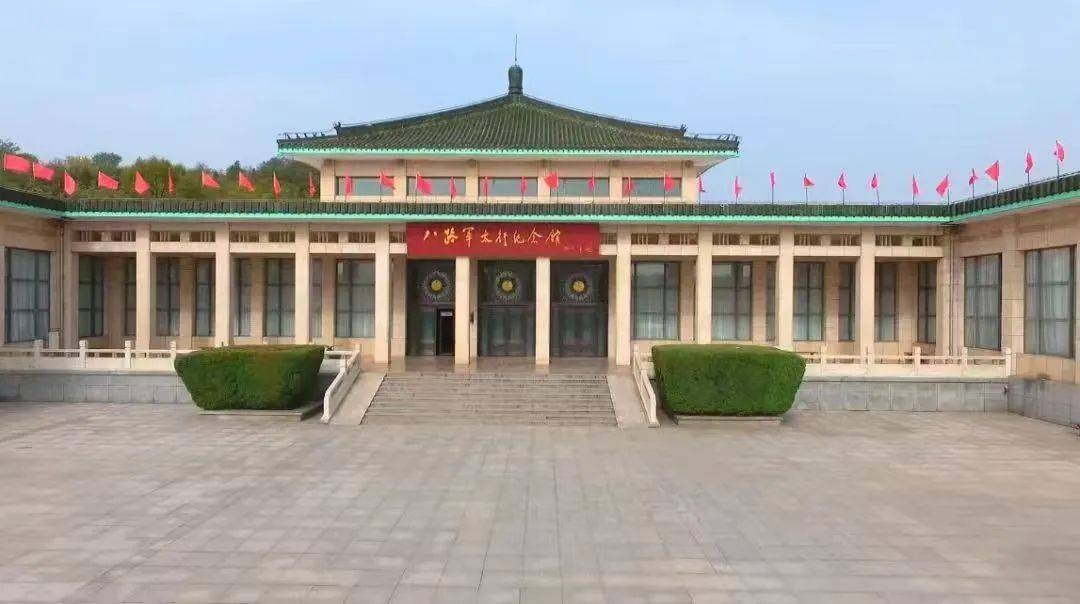
A national 4A-level scenic area, the only comprehensive large-scale memorial hall in China reflecting the Eighth Route Army's eight-year history of resistance, displaying a large number of precious relics.
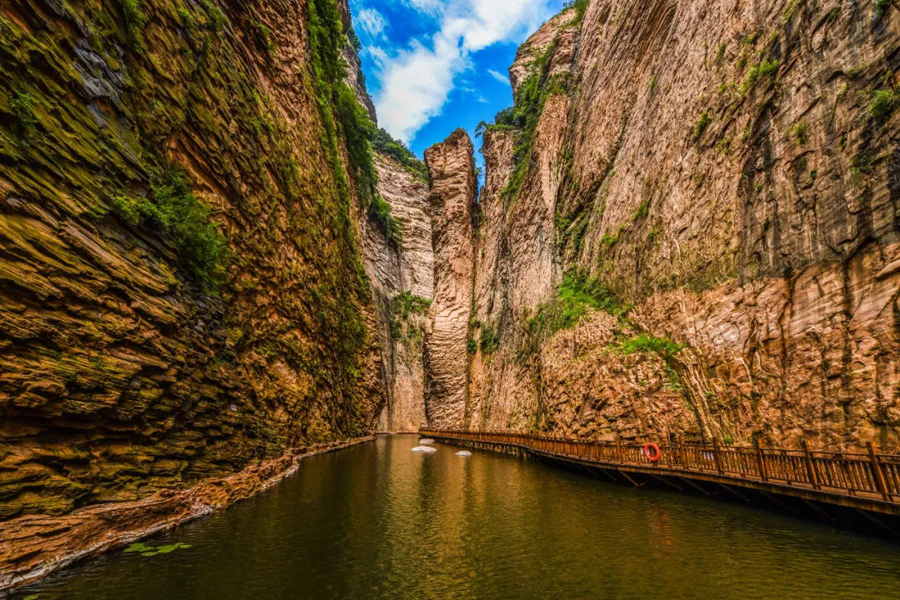
A national 4A-level scenic area, famous for its mountain and water canyon scenery, known as the 'Little Jiuzhaigou of the North'.
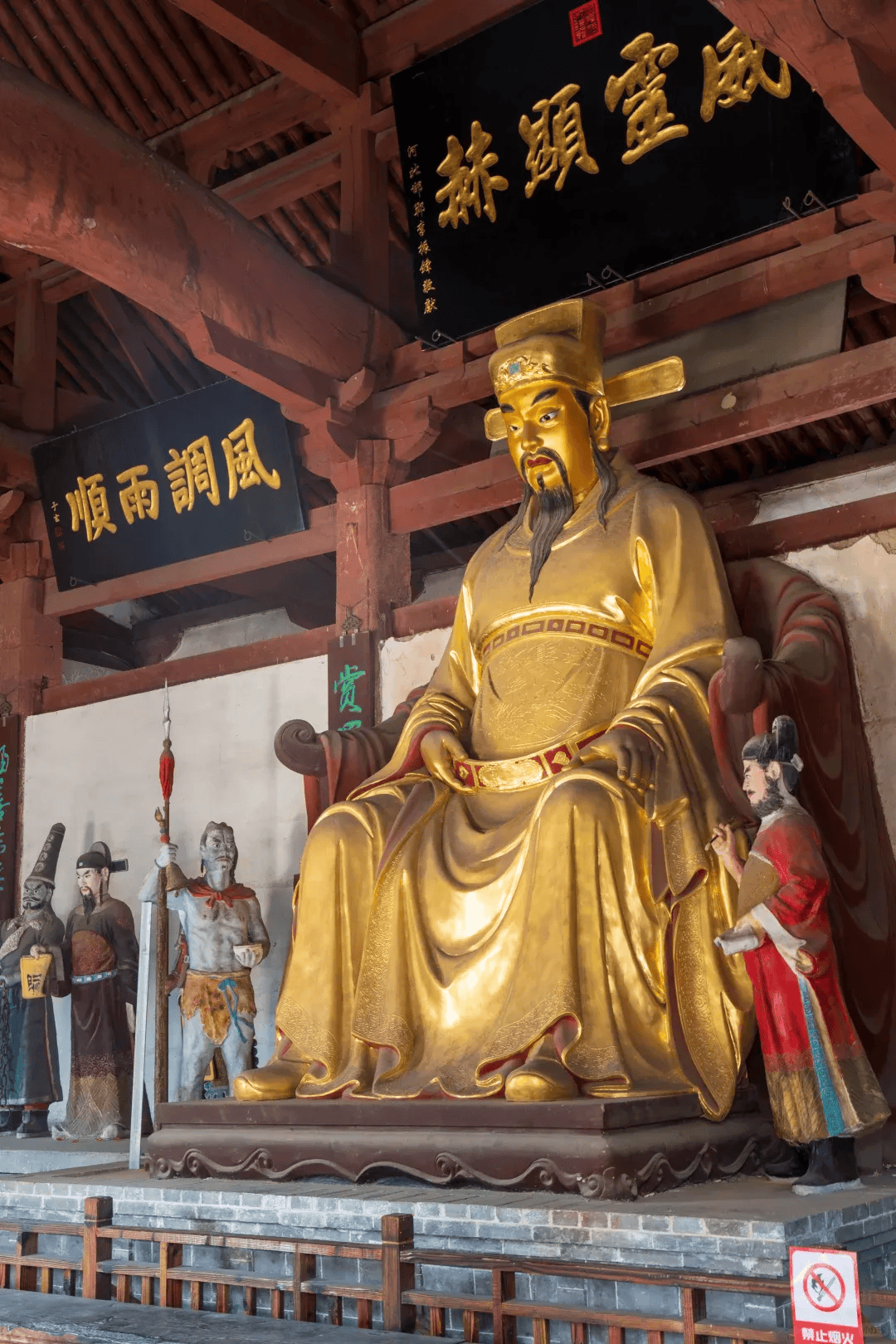
An ancient architectural complex built in the Ming Dynasty, a key cultural relic protection unit in Shanxi Province, with exquisite architecture and thriving incense.
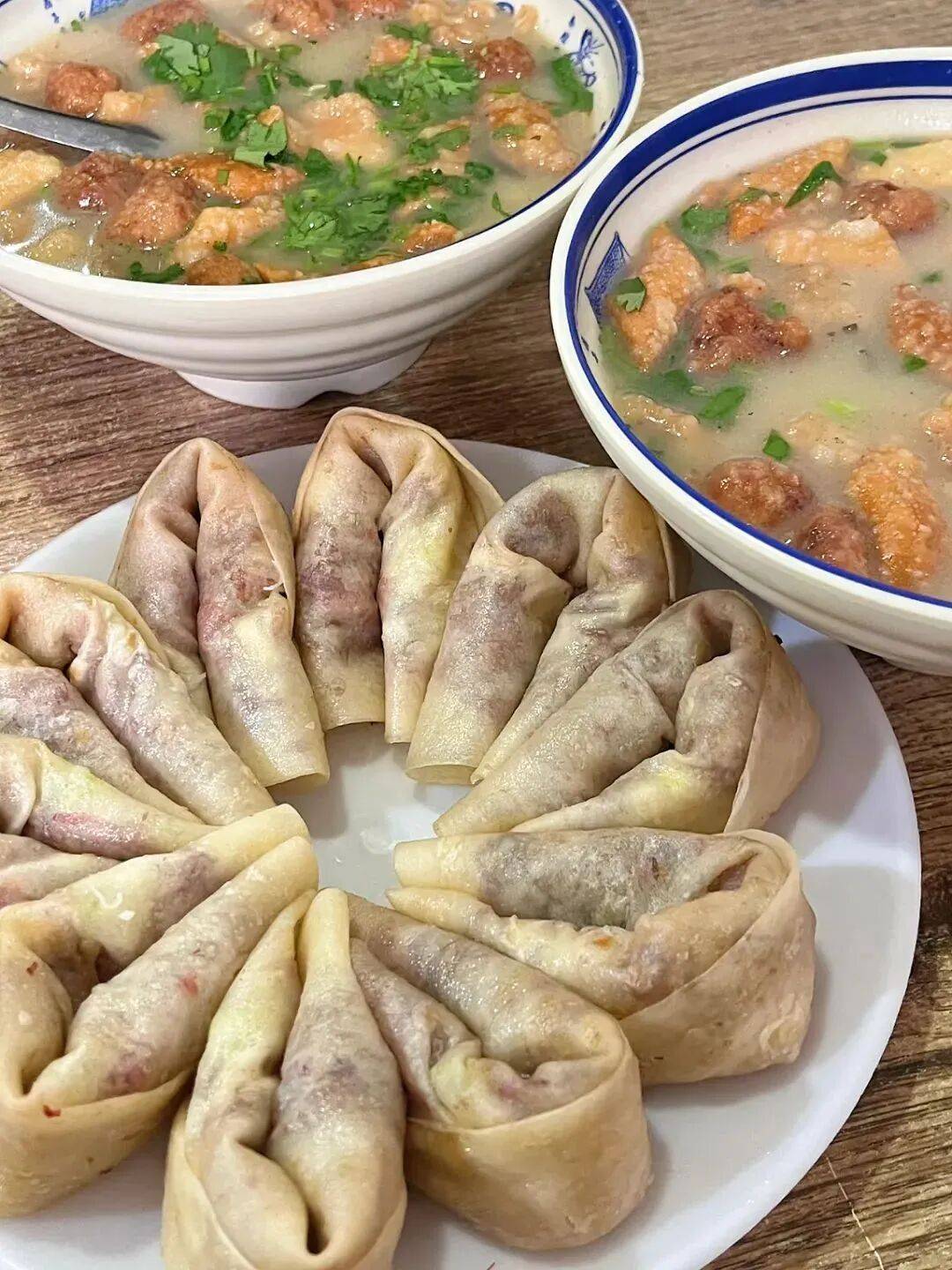
A traditional snack of Lucheng, as thin as paper and as soft as cotton, rolled with donkey meat or vegetables, with a unique flavor.
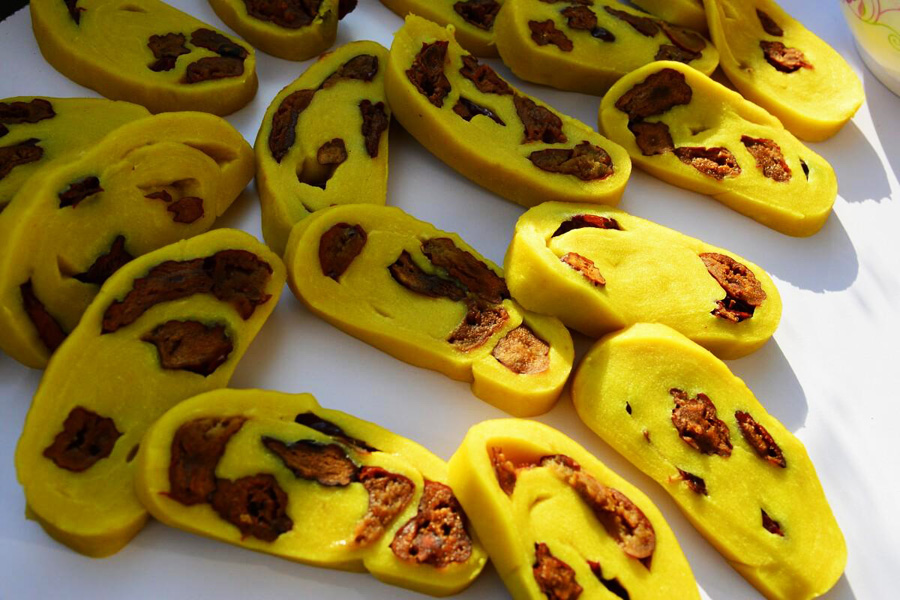
A traditional pastry of Wuxiang, made from red dates and glutinous rice, soft, sticky, sweet, and nutritious.
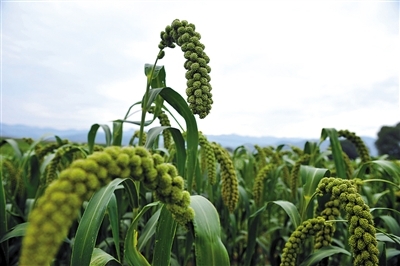
A specialty of Qinxian, with golden color, plump grains, thick porridge, and rich millet aroma, known as 'Qinzhou Yellow'.