

Changji Hui Autonomous Prefecture is located in central Xinjiang, at the northern foot of the Tianshan Mountains and the southern edge of the Junggar Basin, covering an area of 8,219 square kilometers. It has a mid-temperate continental arid climate with four distinct seasons: hot and dry summers, long and cold winters, and an annual precipitation of about 200 mm.
Changji has a long history. As early as the Western Han Dynasty, it was an important node on the northern route of the Silk Road. The Tang Dynasty established Tingzhou here, and the Qing Dynasty set up Dihua Prefecture. In 1954, the Changji Hui Autonomous Prefecture was founded, making it a typical multi-ethnic area in Xinjiang.
Changji is a key birthplace of Hui culture, rich in intangible cultural heritage such as Hui Hua'er (folk songs) and Hui embroidery. The cuisine is dominated by Hui flavors, including Nine Bowl Three Rows, Fen Tang (starch soup), and Youxiang (fried dough), blending the boldness of Northwest China with the delicacy of halal food.
Modern Changji is an important industrial base and agricultural demonstration zone in Xinjiang, home to the national-level Changji High-Tech Industrial Development Zone. Tourism is growing rapidly, with attractions like Tianchi Lake on Tianshan and Liuhuang Gully drawing many visitors. The city has well-developed infrastructure.
The best time to visit 昌吉 is Best in spring and autumn; summer for escaping heat, winter for snow viewing.
Spring (April-May): Temperatures rise, everything revives, snow on Tianshan melts, grasslands turn green—ideal for outings and flower viewing.
Summer (June-August): Cool climate, perfect for escaping heat at Tianchi Lake on Tianshan; remember sun protection and hydration.
Autumn (September-October): Clear and crisp weather, fragrant melons and fruits—best season to taste Xinjiang fruits and admire poplar forests.
The Changji area became an important post station on the northern route of the Silk Road, promoting cultural exchange between East and West.
The formal establishment of Changji Hui Autonomous Prefecture marked the realization of autonomous rights for the Hui and other ethnic minorities.
The national-level high-tech zone was approved, boosting modern industry and technological development in Changji.
Recommended places to visit
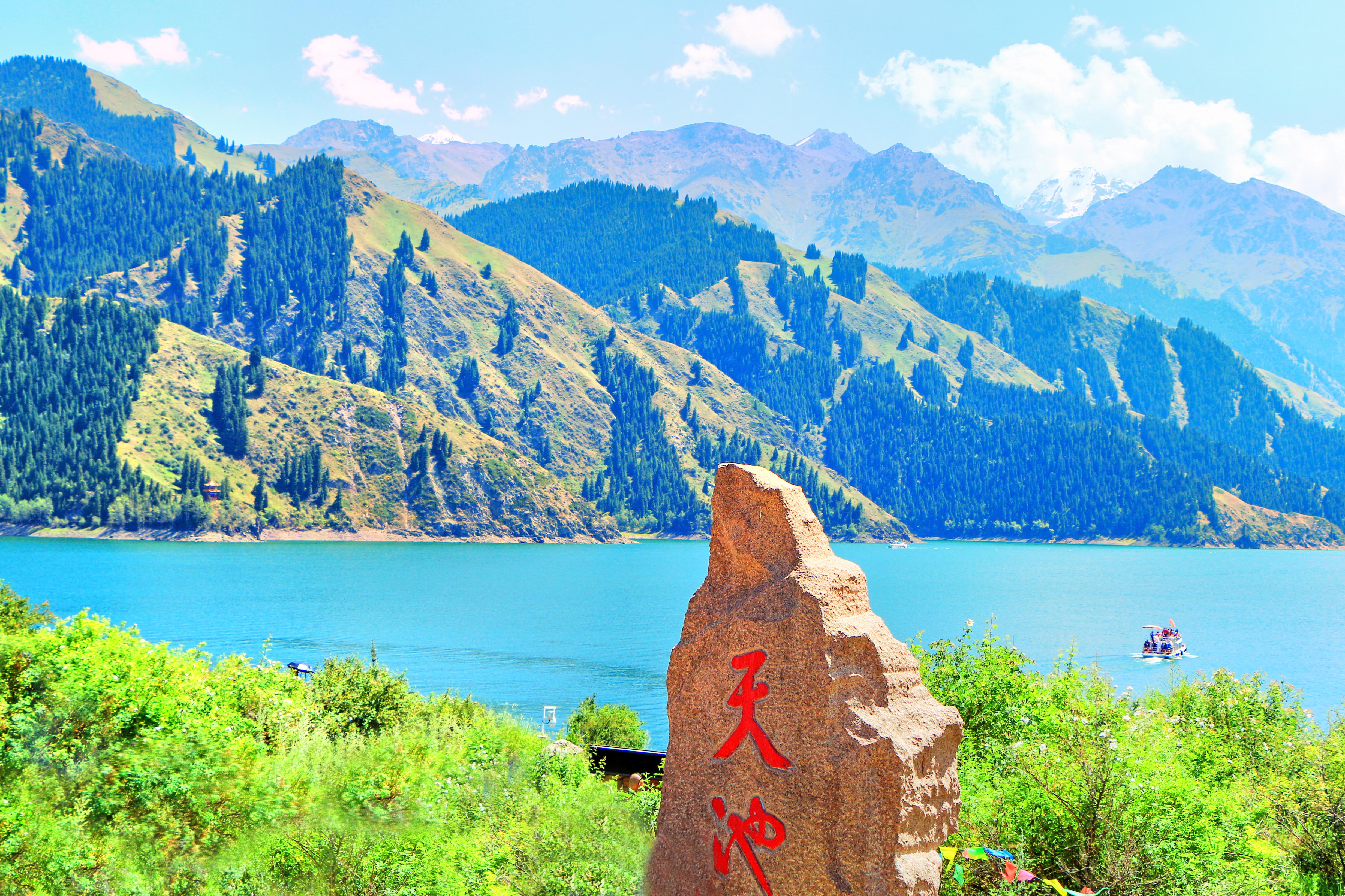
A UNESCO World Natural Heritage site, anciently known as Yaochi, at an altitude of 1910m. The lake is crystal clear, surrounded by snow-capped mountains, offering magnificent scenery.
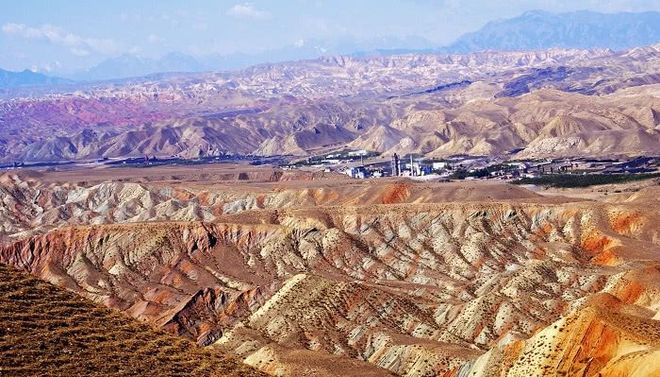
Famous for colorful mountains, Danxia landform with vibrant colors like an oil painting, ideal for photography and hiking.
UNESCO World Heritage Sites

As part of the 'Xinjiang Tianshan' World Natural Heritage, Tianchi is renowned for its unique natural landscape and ecological value.
Explore rich intangible cultural heritage and traditional crafts

A form of Hui folk music with high-pitched and melodious tunes, often reflecting love and life, listed as a national intangible cultural heritage.

Traditional Hui handicraft with exquisite patterns and bright colors, commonly used in clothing and home decoration.
Must-know transportation for exploring the city
About 30 km from Changji city center, with direct buses and taxis, it is the main aviation hub for Changji.
Airport bus 20 RMB
Located in the city center, with bullet trains and high-speed rail connecting to Urumqi, Lanzhou, etc., convenient and fast.
Second-class seat to Urumqi about 20 RMB
City bus routes cover major attractions and business areas, fare 1 RMB, mobile payment accepted.
1 RMB
Taste the most authentic and popular local specialties
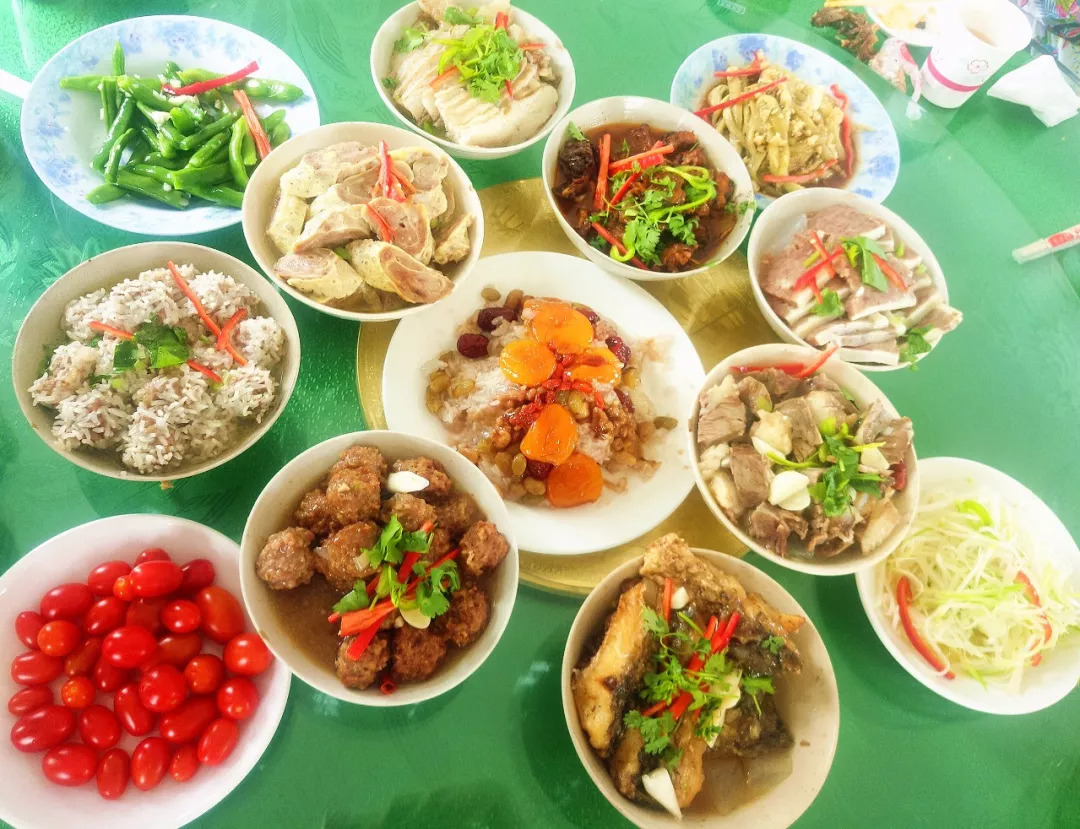
Traditional Hui banquet dish: nine dishes arranged in three rows, combining meat and vegetables with diverse flavors.
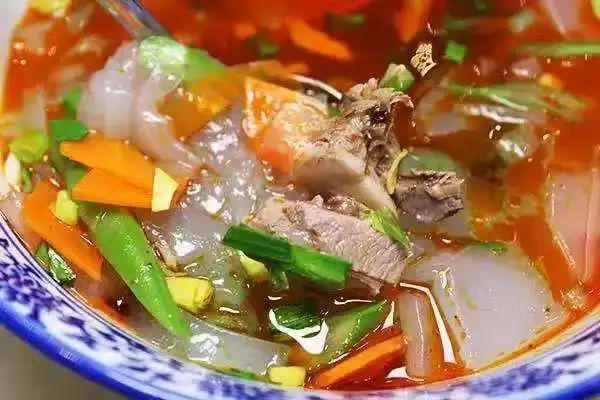
Hui specialty soup, thickened with starch, with lamb and vegetables, sour and spicy to whet the appetite.

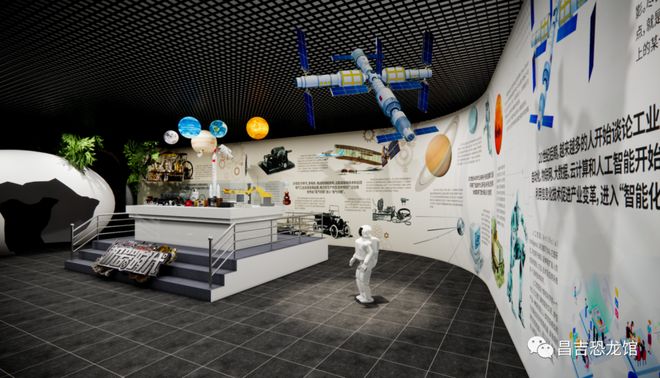
Exhibits dinosaur fossils unearthed in Xinjiang, including the largest dinosaur fossil in Asia, highly educational.
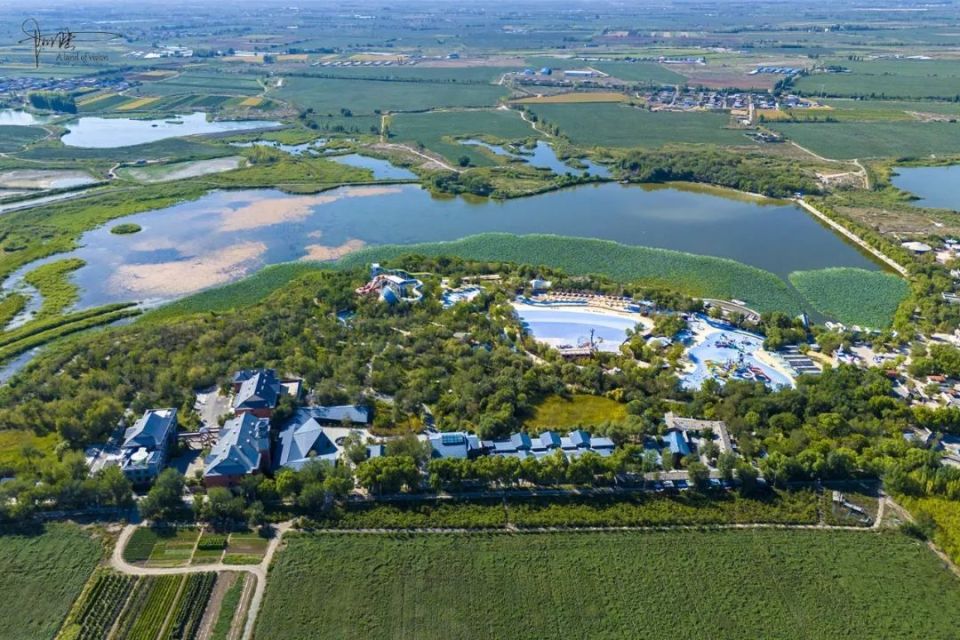
A comprehensive resort integrating leisure, entertainment, and dining, featuring a water park and folk culture experiences.
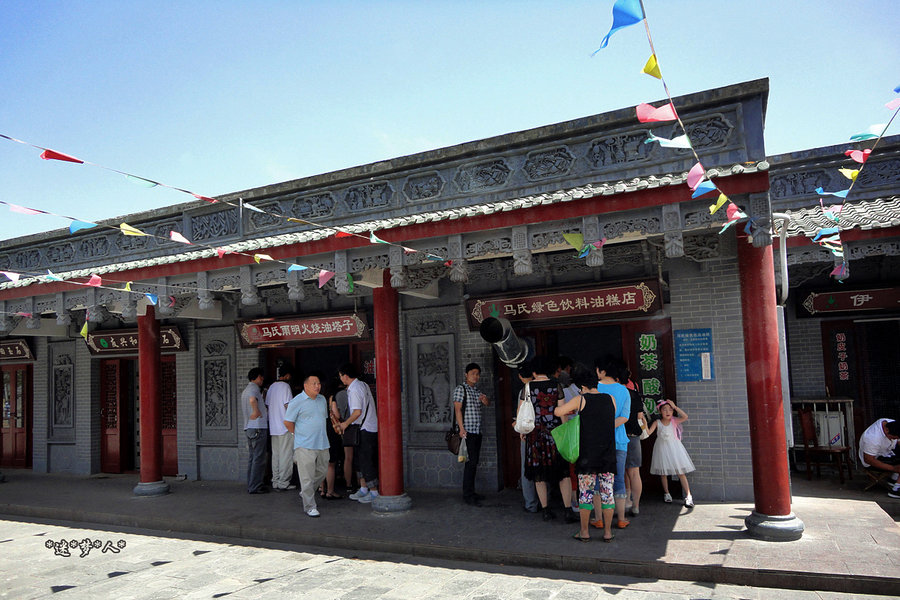
A concentrated display of Hui cuisine, such as cold noodles, barbecue, and starch soup, bustling at night.
Traditional Hui fried pastry, crispy outside and soft inside, often eaten with Fen Tang.
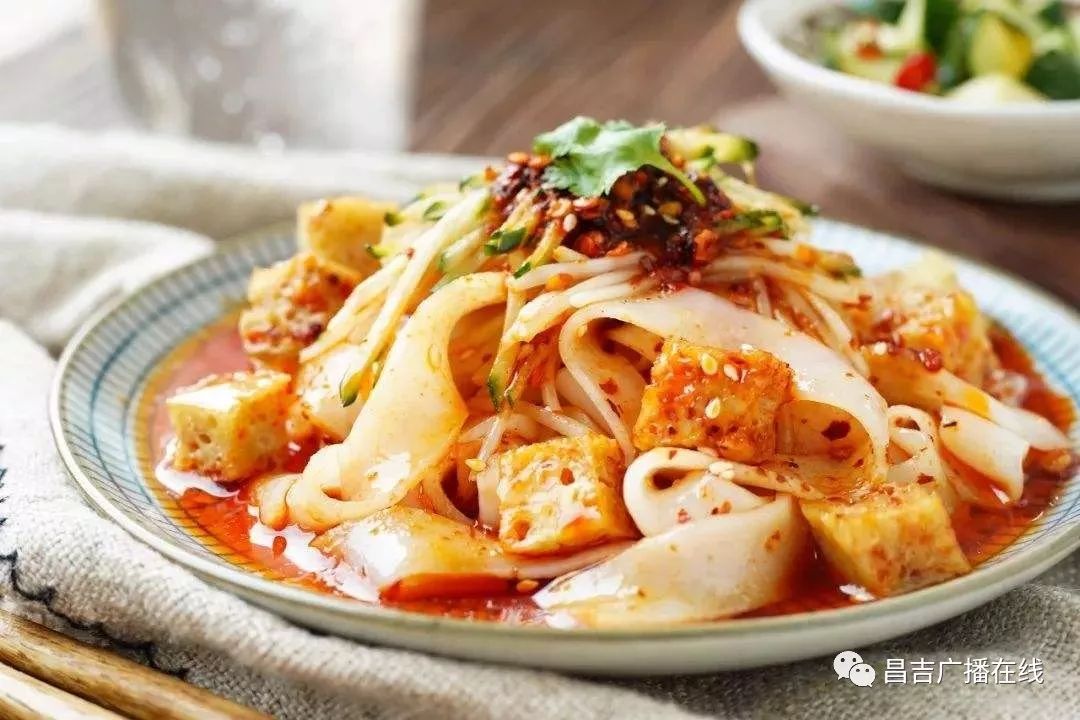
Changji specialty cold noodles, chewy and smooth, mixed with chili oil and vinegar, refreshing and tasty.
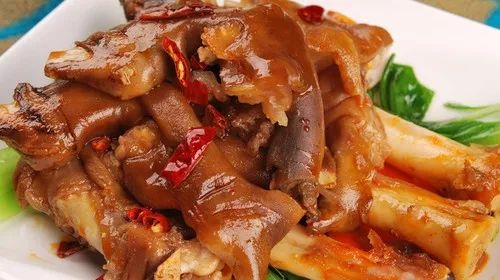
Lamb trotters stewed with pepper, chili and spices, tender and flavorful, numbing and spicy.