
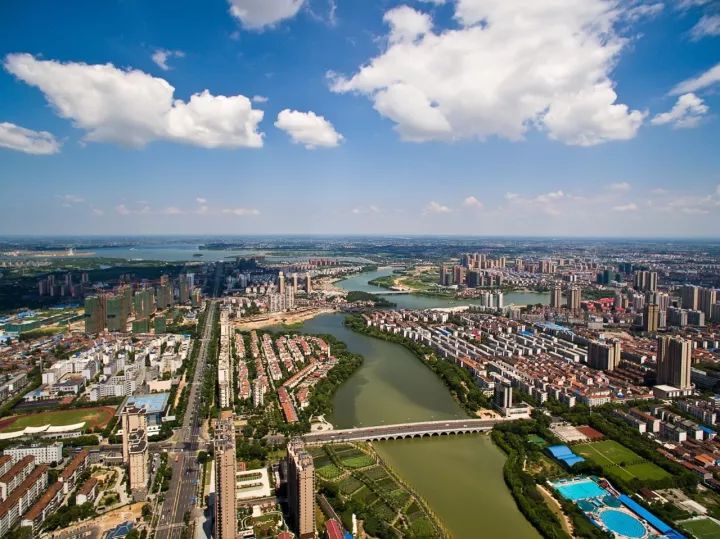
Changde is located in northwestern Hunan Province, west of Dongting Lake and at the foot of Wuling Mountain. It has a subtropical monsoon climate with distinct seasons and abundant rainfall.
With a long history, Changde was historically known as Wuling and Langzhou, and is one of the important birthplaces of Chu culture. The legendary 'Peach Blossom Spring' by Tao Yuanming originated here.
Changde's culture blends Xiang-Chu and Ba-Shu cultures, with distinctive characteristics. Famous local delicacies include Changde rice noodles, sauced pressed duck, and Taoyuan Lei tea.
In recent years, Changde has experienced rapid economic growth, developing pillar industries such as equipment manufacturing, tobacco, and food processing, while also focusing on ecological protection to build a livable city.
The best time to visit 常德 is Best in spring and autumn.
Spring (March-May): Peach blossoms bloom, mild climate, ideal for visiting Peach Blossom Spring and Liuye Lake.
Autumn (September-November): Clear and crisp weather, abundant birds in Dongting Lake wetlands, great for bird watching.
Summer is hot and humid, winter is cold, but each season has its own unique activities.
In 277 BC, King Zhaoxiang of Qin established Qianzhong Commandery, which included present-day Changde, marking the beginning of the city's history.
In 1988, Changde Prefecture was abolished and replaced by Changde City at the prefecture level, with the former Changde City becoming Wuling District.
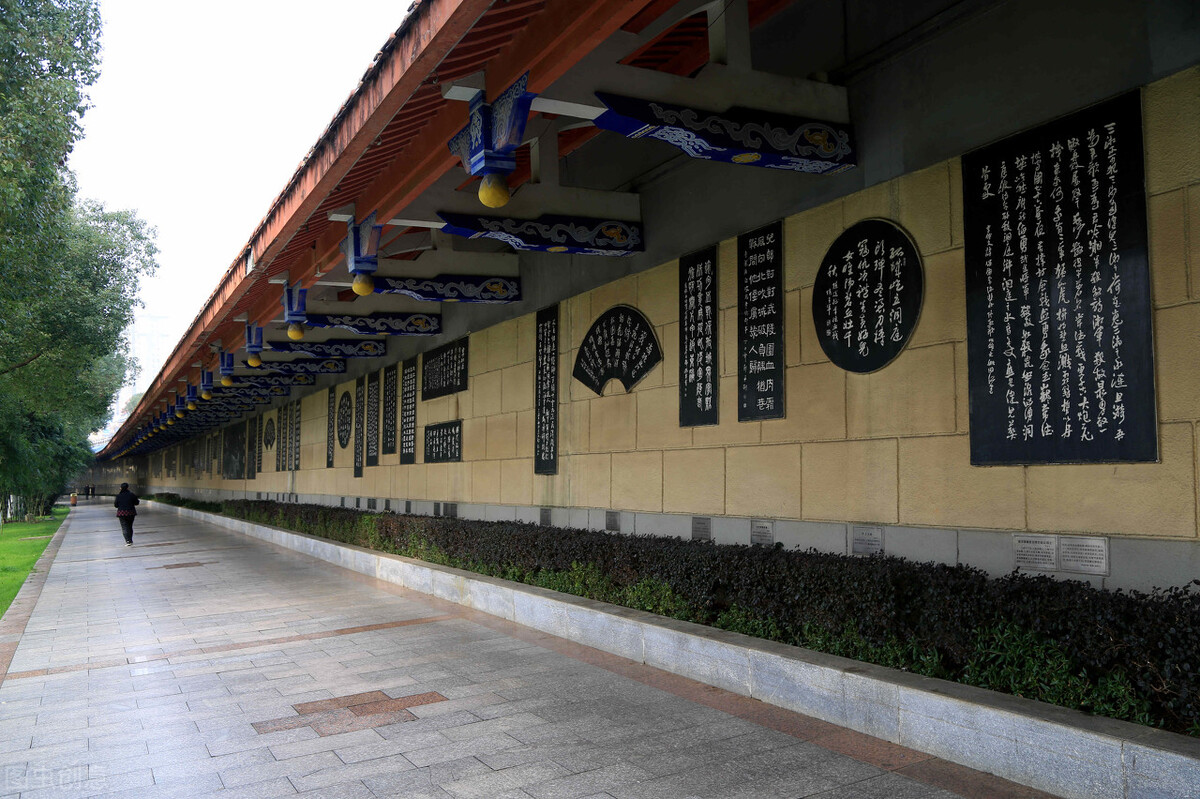
Completed in 1995, the 4-km-long Changde Poetry Wall features 1,530 poems from ancient and modern times, both Chinese and foreign, and holds a Guinness record.
Recommended places to visit
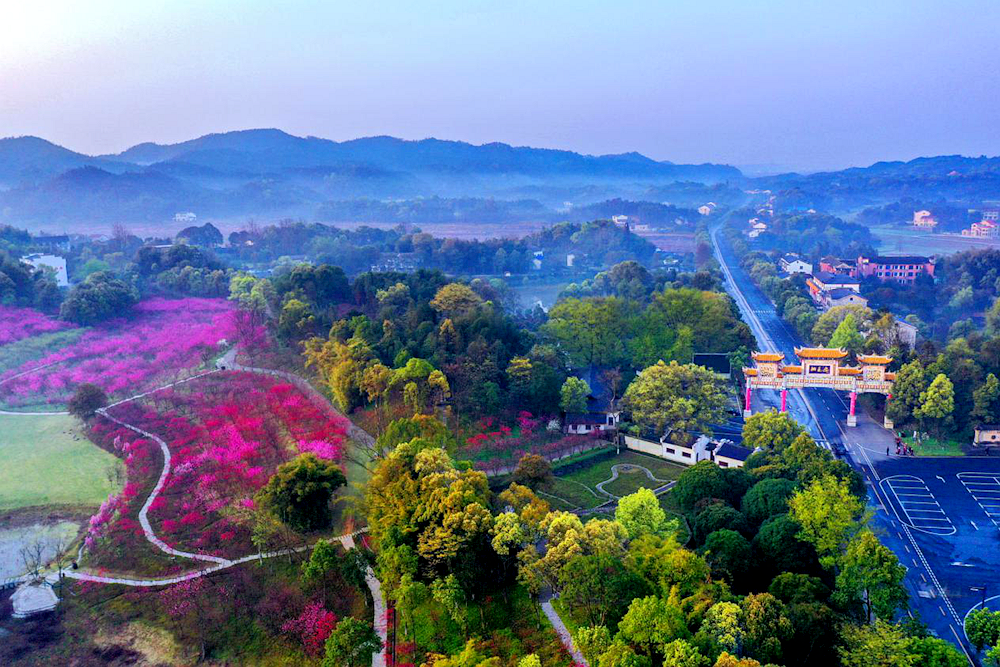
The prototype of Tao Yuanming's 'Peach Blossom Spring', a 5A national scenic area combining landscapes, pastoral scenes, and cultural relics.
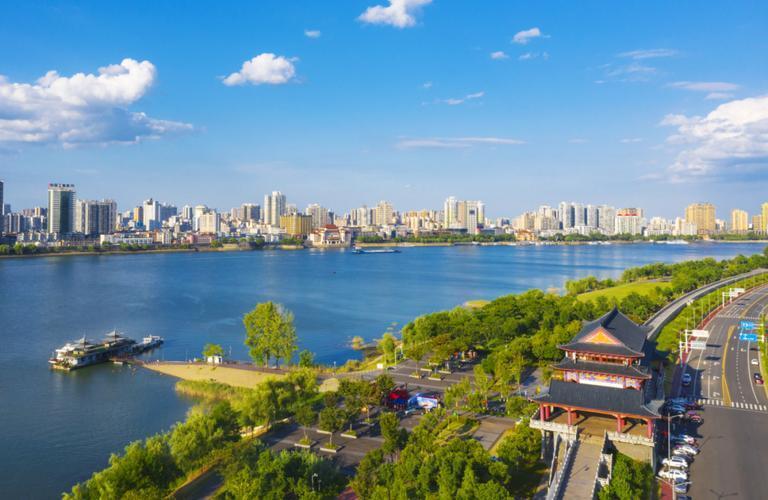
A 4A national scenic area known as 'China's No.1 Urban Lake', with clear water and beautiful lakeside scenery.
Explore rich intangible cultural heritage and traditional crafts
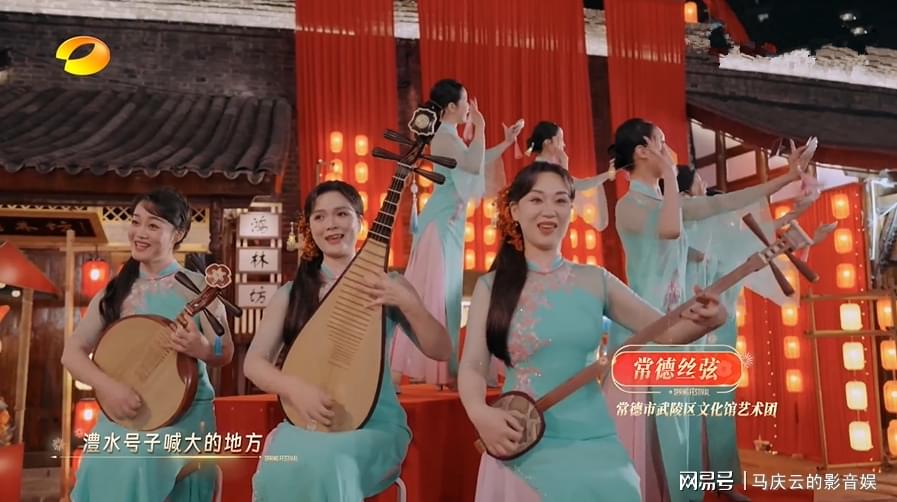
A traditional Hunan folk art form accompanied by stringed instruments, with beautiful melodies, listed as a national intangible cultural heritage.
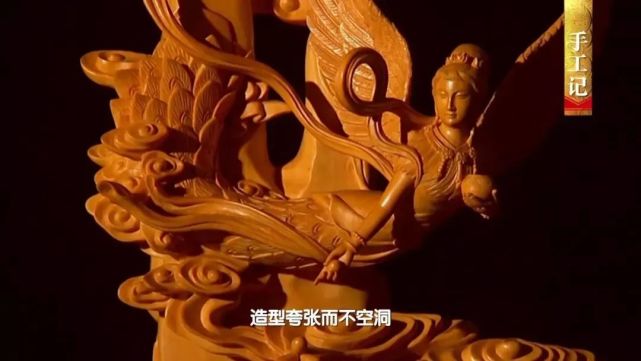
A folk wood carving technique from Taoyuan County, exquisite craftsmanship and wide range of subjects, listed as a provincial intangible cultural heritage.
Must-know transportation for exploring the city
Located in Dingcheng District, about 12 km from the city center, with flights to Beijing, Shanghai, Guangzhou, etc.
Varies by route
Located in Wuling District, a hub for Jiaozuo-Liuzhou and Shimen-Changsha railways, with high-speed trains to Changsha, Guangzhou, etc.
Depends on train
City bus routes cover major attractions and commercial areas, fare 1-2 CNY, some lines support mobile payment.
1-2 CNY
Taste the most authentic and popular local specialties
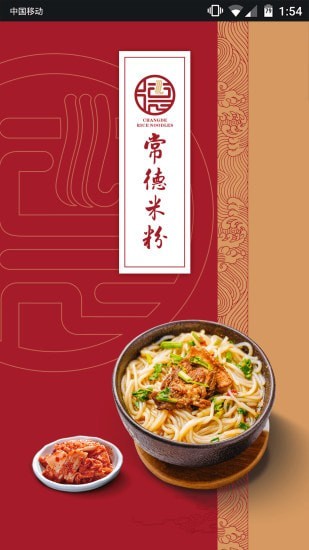
Smooth rice noodles with beef or shredded pork in a savory broth, a breakfast favorite in Changde.
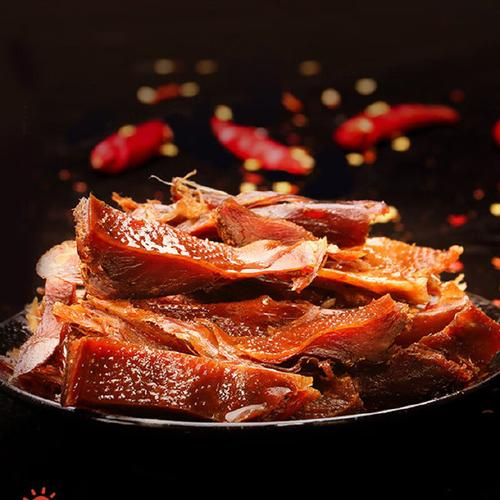
Made from local ducks, marinated and roasted, with firm texture and spicy flavor.
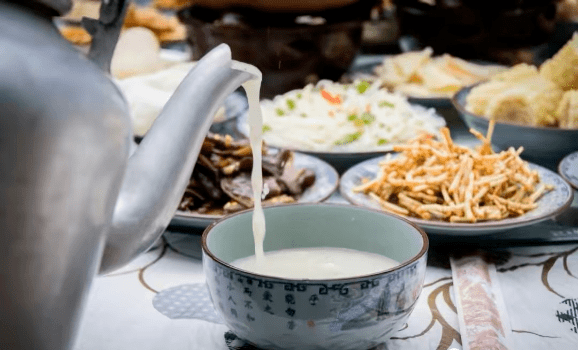
Located on the Yuan River flood control embankment, it features numerous poems and is the world's longest wall of poetry, calligraphy, and painting.
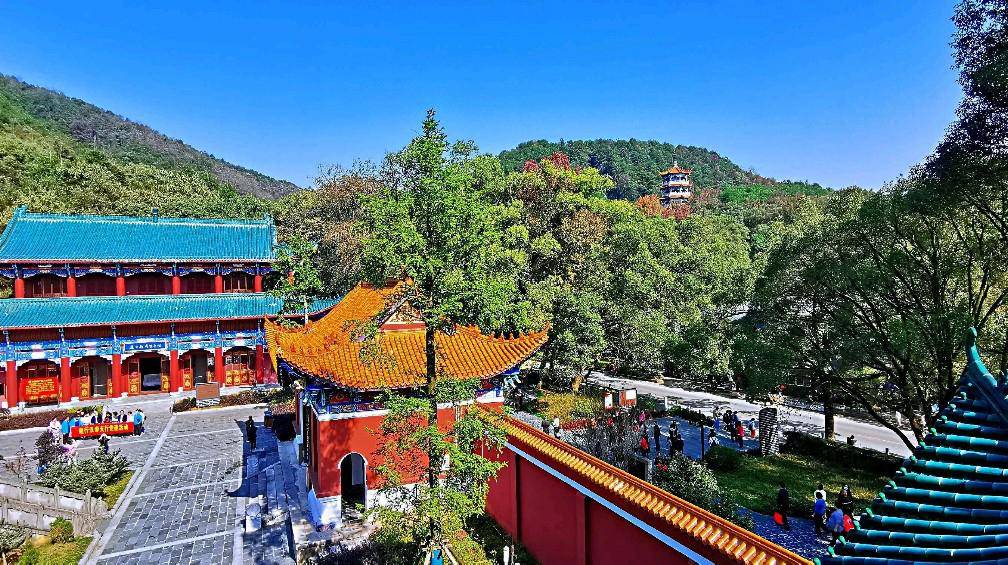
A 4A national scenic area with high forest coverage, ancient sites like Jiashan Temple, and a summer resort.
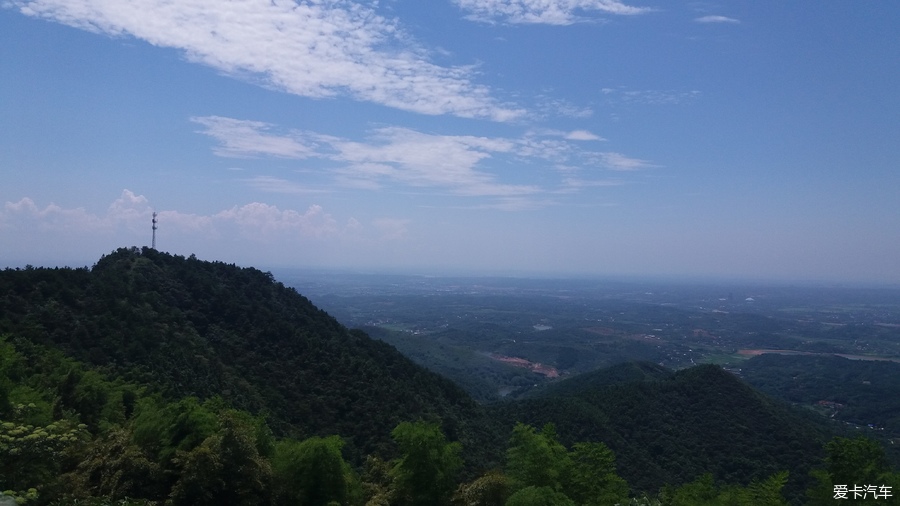
Located in the northern suburbs of Changde city, with attractions like Puguang Temple, ideal for hiking and sightseeing.
Made by grinding tea leaves, peanuts, sesame, etc., fragrant and delicious, often served with snacks.
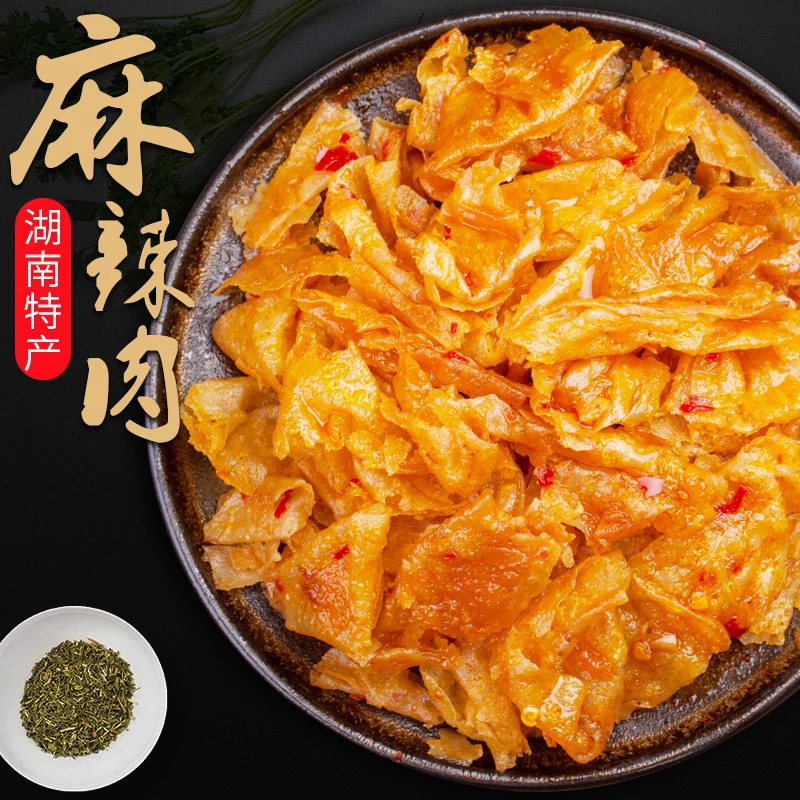
A Changde specialty snack, a vegetarian meat substitute made from tofu, spicy and flavorful.
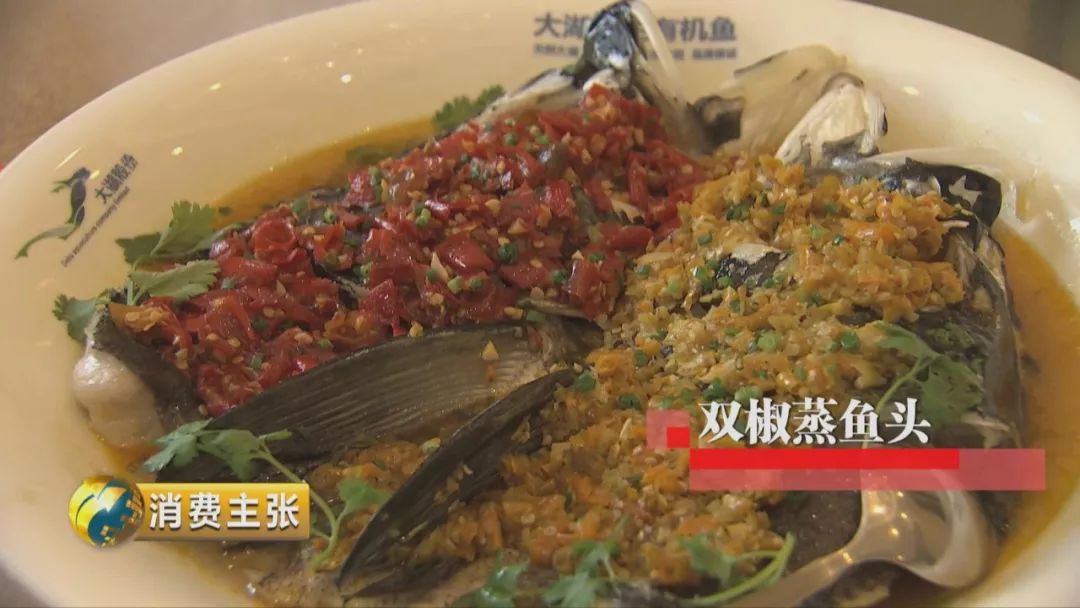
Using bighead carp from Dongting Lake, steamed with chopped chili, tender fish meat with rich broth.