
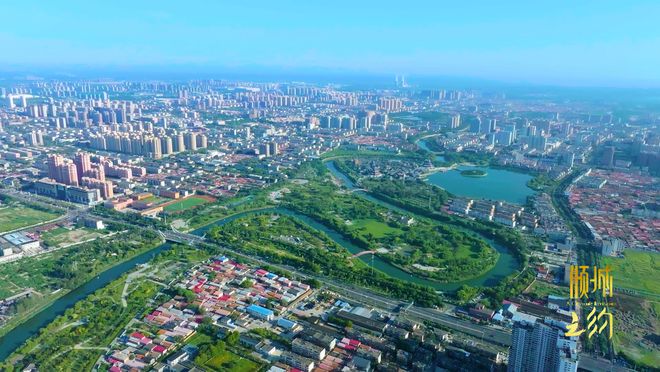
Cangzhou is located in the southeast of Hebei Province, bordering the Bohai Sea to the east and adjacent to Beijing and Tianjin to the north. It has a temperate continental monsoon climate with four distinct seasons and abundant sunshine.
Cangzhou has a long history, established as a prefecture during the Northern Wei Dynasty and named for its proximity to the vast sea. During the Ming and Qing Dynasties, the Beijing-Hangzhou Grand Canal passed through the city, making it a key transportation hub between the north and south.
Cangzhou is renowned as the hometown of martial arts and acrobatics, home to styles like Piguaquan and Yanqingquan, as well as Wuqiao acrobatics. Local delicacies include Cangzhou hotpot chicken and Hejian donkey meat sandwich.
Today, Cangzhou is an important node city in the coordinated development of the Beijing-Tianjin-Hebei region. With modern facilities such as Huanghua Port and Cangzhou High-Speed Railway Station, it is rapidly developing into a strong coastal economy.
The best time to visit 沧州 is Spring and Autumn (April-May, September-November).
Spring (April-May) has mild weather and blooming flowers, ideal for outdoor activities and flower viewing.
Autumn (September-November) is crisp and cool, perfect for visiting the Grand Canal and watching martial arts performances.
Summer is hot and rainy, winter cold and dry, but you can enjoy indoor acrobatics and local cuisine.
During the Northern Wei Dynasty, Cangzhou was established as a prefecture, named for its proximity to the vast sea, becoming a regional administrative center.
The Beijing-Hangzhou Grand Canal connected Cangzhou, leading to thriving water transport and making Cangzhou a major commercial hub between north and south, fostering cultural exchange.
Cangzhou Prefecture and Cangzhou City merged to form the prefecture-level city of Cangzhou, marking a new stage of modern development.
Recommended places to visit
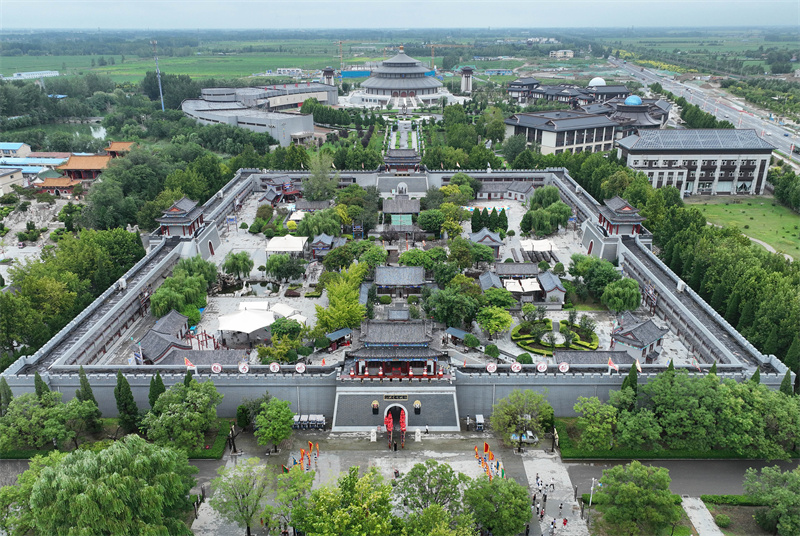
A national 4A-level scenic spot integrating acrobatic performances, training, and exhibitions, showcasing the thousand-year history of Wuqiao acrobatics.
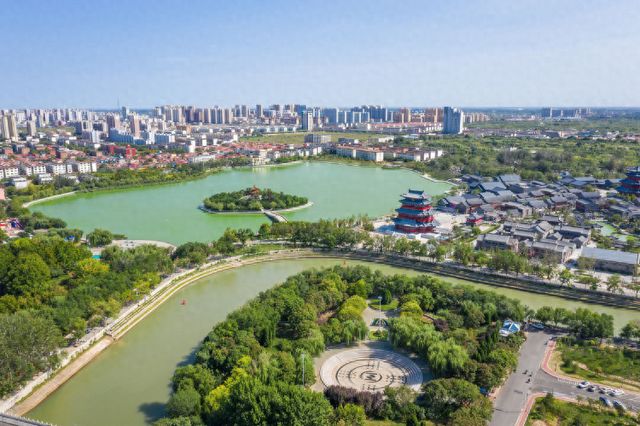
Exhibits various schools and history of Cangzhou martial arts, offering martial arts performances and experience classes.
Explore rich intangible cultural heritage and traditional crafts
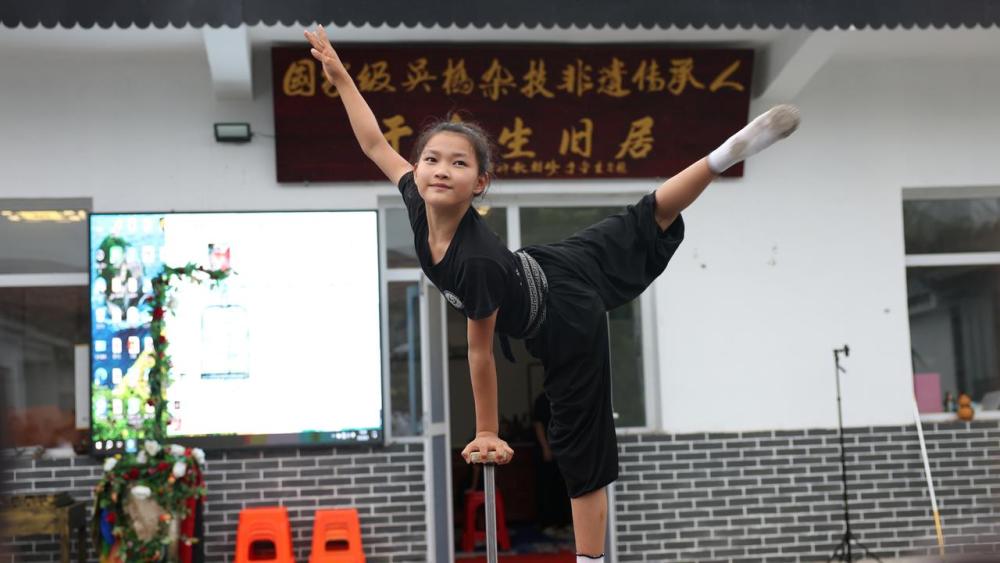
National intangible cultural heritage. Wuqiao is the birthplace of acrobatics, with exquisite skills renowned worldwide.

National intangible cultural heritage. Piguaquan is a representative martial art of Cangzhou, characterized by powerful and vigorous movements.
Must-know transportation for exploring the city
Located on the Beijing-Shanghai high-speed railway, connecting major cities like Beijing and Shanghai, about 1 hour from Beijing South Station.
Beijing-Cangzhou second class about 94 RMB
City bus routes cover major attractions and commercial areas, fare 1-2 RMB, mobile payment accepted.
1-2 RMB
Currently the nearest airports are Tianjin Binhai International Airport and Beijing Daxing International Airport, both with direct high-speed rail to Cangzhou.
Depends on distance
Taste the most authentic and popular local specialties
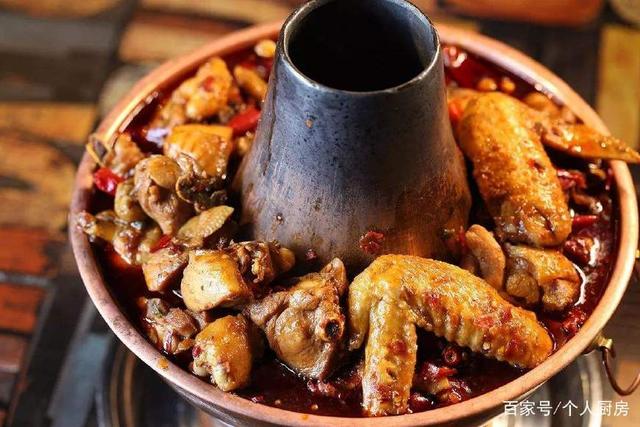
Spicy and flavorful hotpot chicken made with local free-range chicken and secret chili sauce, a signature dish of Cangzhou.
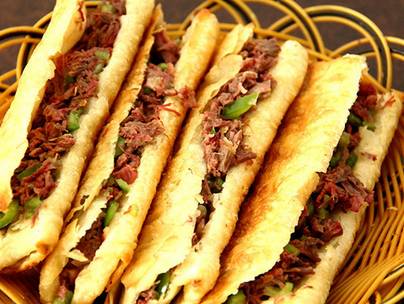
Crispy baked flatbread filled with braised donkey meat, fragrant but not greasy, a Hejian specialty snack.
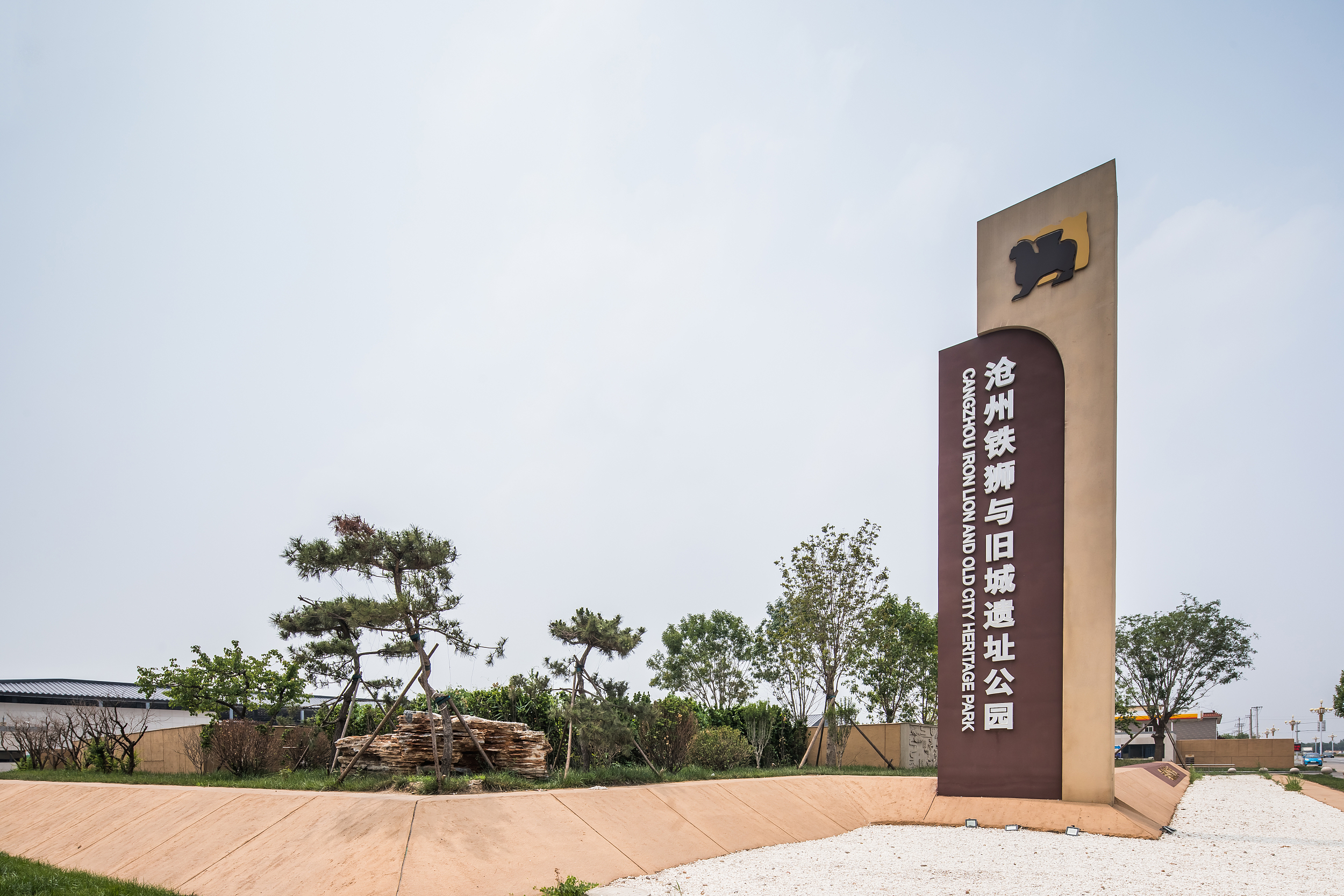
The largest existing iron lion in China, cast in the Later Zhou Dynasty, symbol of Cangzhou, now a national key cultural relic protection unit.
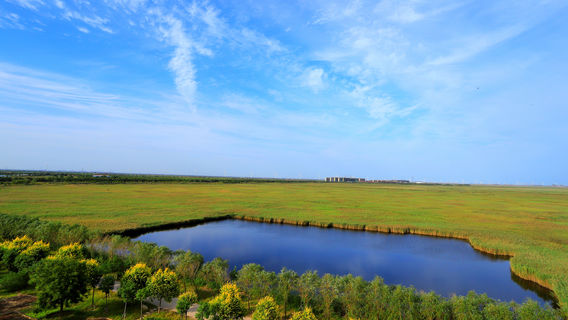
Provincial nature reserve, a paradise for birds, offering bird-watching and boat tours of the wetland scenery.
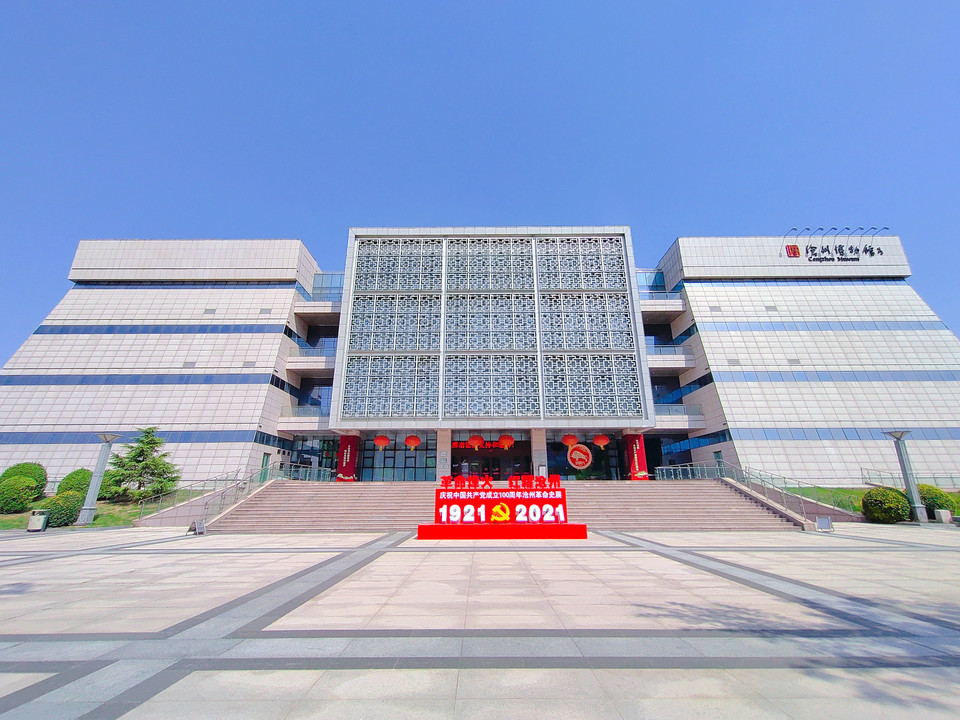
Exhibits historical artifacts, canal culture, and folk customs of Cangzhou, free admission.
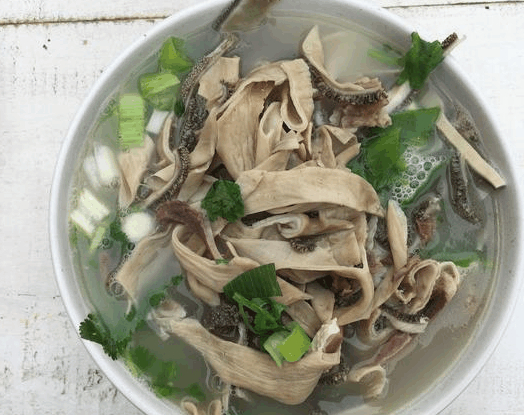
Rich soup made from sheep intestines and blood, warming the stomach and dispelling cold, a local breakfast favorite.
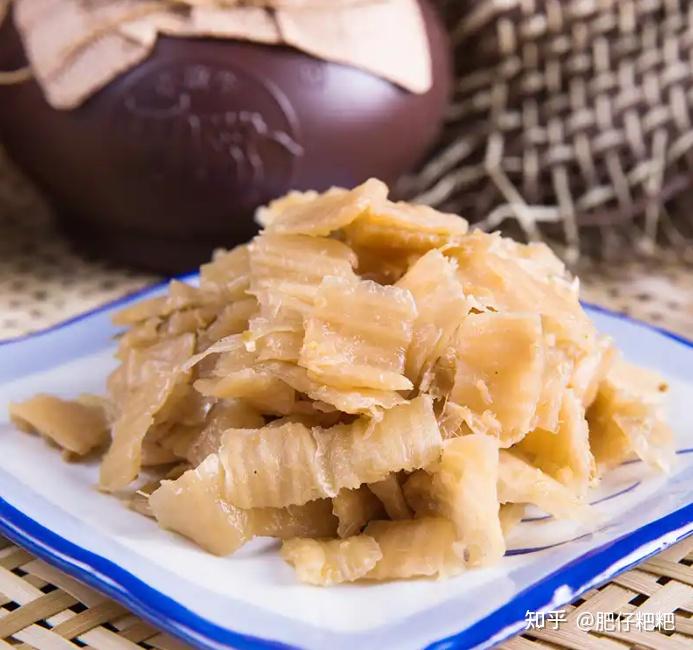
Fermented Chinese cabbage, salty and slightly sour, used as a side dish or seasoning.
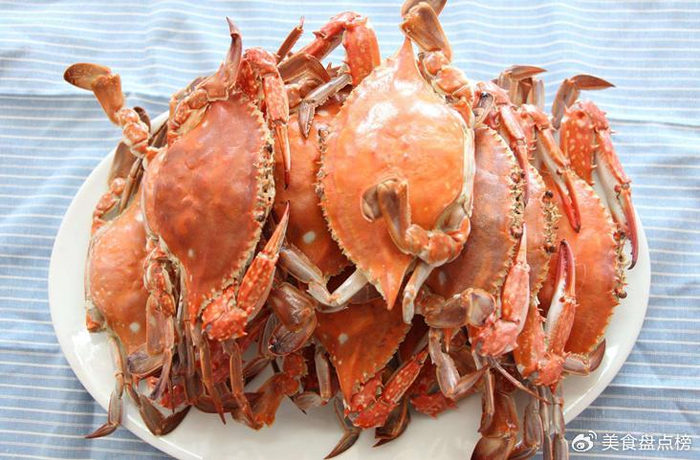
A specialty of Bohai Bay, tender and delicious, steamed or stir-fried.