
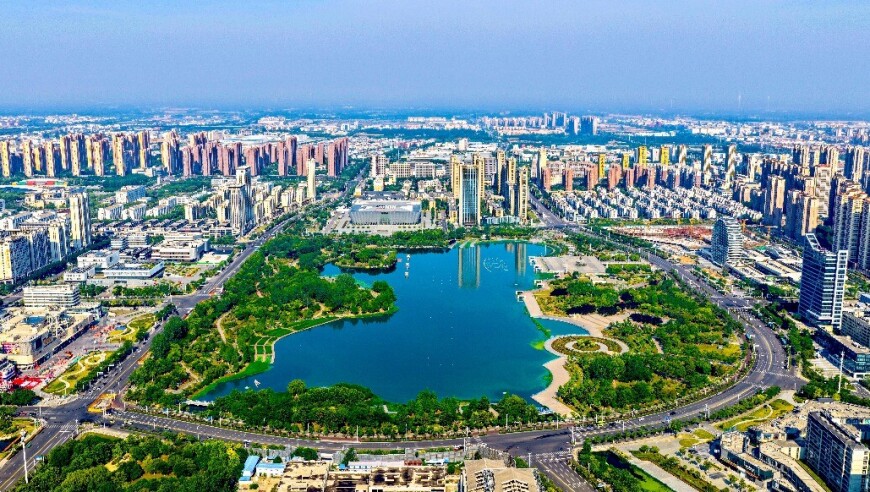
Bozhou is located in the northwest of Anhui Province, in the hinterland of the Huanghuai Plain. It has a warm temperate semi-humid monsoon climate with four distinct seasons, ample sunlight, and moderate rainfall.
Bozhou has a long history and is one of the birthplaces of ancient Chinese civilization. Since the Shang Dynasty established its capital here, it has a history of over 3,700 years. It is the hometown of historical figures such as Laozi, Zhuangzi, Cao Cao, and Hua Tuo, and is renowned as the 'Chinese Medicine Capital'.
Bozhou boasts profound cultural heritage, where traditional Chinese medicine culture, Taoist culture, and Three Kingdoms culture complement each other. Local cuisine is famous for medicinal food and traditional snacks, such as Bozhou beef pie, Guoyang dry noodles, and Mengcheng egg soup, which have unique flavors and rich nutrition.
In recent years, Bozhou has vigorously developed the modern Chinese medicine industry, becoming one of the largest distribution centers for Chinese herbal medicines in the country. At the same time, it actively promotes cultural tourism, with a completely new urban appearance and sustained economic growth.
The best time to visit 亳州 is Best in spring and autumn.
Spring (March to May) has mild weather and blooming flowers, making it the best season to visit Bozhou. You can attend the opening ceremony of the herbal market and experience the charm of the medicine capital.
Autumn (September to November) is crisp and clear, suitable for outdoor activities. Autumn is also the harvest season for medicinal materials, and you can visit the Chinese herbal medicine trading market.
Summer (June to August) is relatively hot, but you can experience the medicinal food night market; winter (December to February) is cold and dry, with fewer tourists, suitable for visiting historical sites quietly.
After overthrowing the Xia Dynasty, Shang Tang established his capital in Bozhou, historically known as 'Nanbo', marking the beginning of Bozhou's urban history.
Cao Cao, a famous politician, military strategist, and writer of the Three Kingdoms period, was born in Bozhou. His family tombs and underground military tunnels are important historical relics.
Recommended places to visit
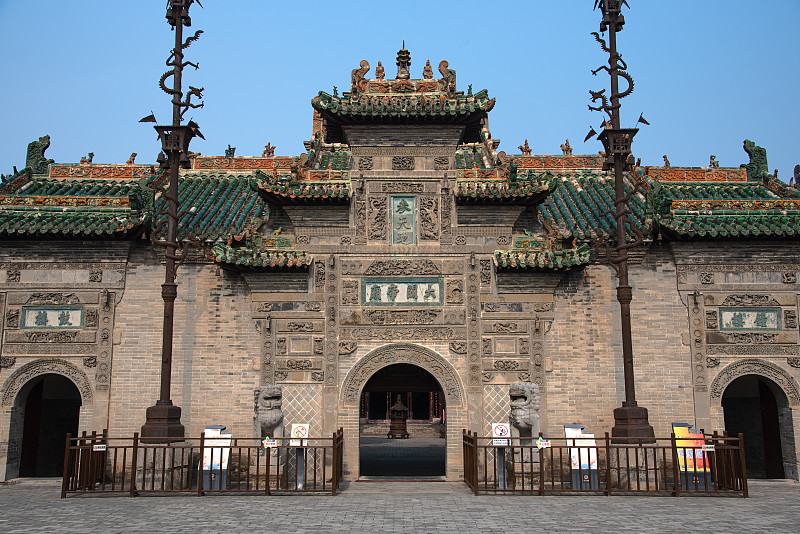
Huaxilou is a national key cultural relic protection unit, built during the Kangxi period of the Qing Dynasty. It is famous for its exquisite wood carvings, brick carvings, and colored paintings, known as the 'Treasure of the Central Plains'.
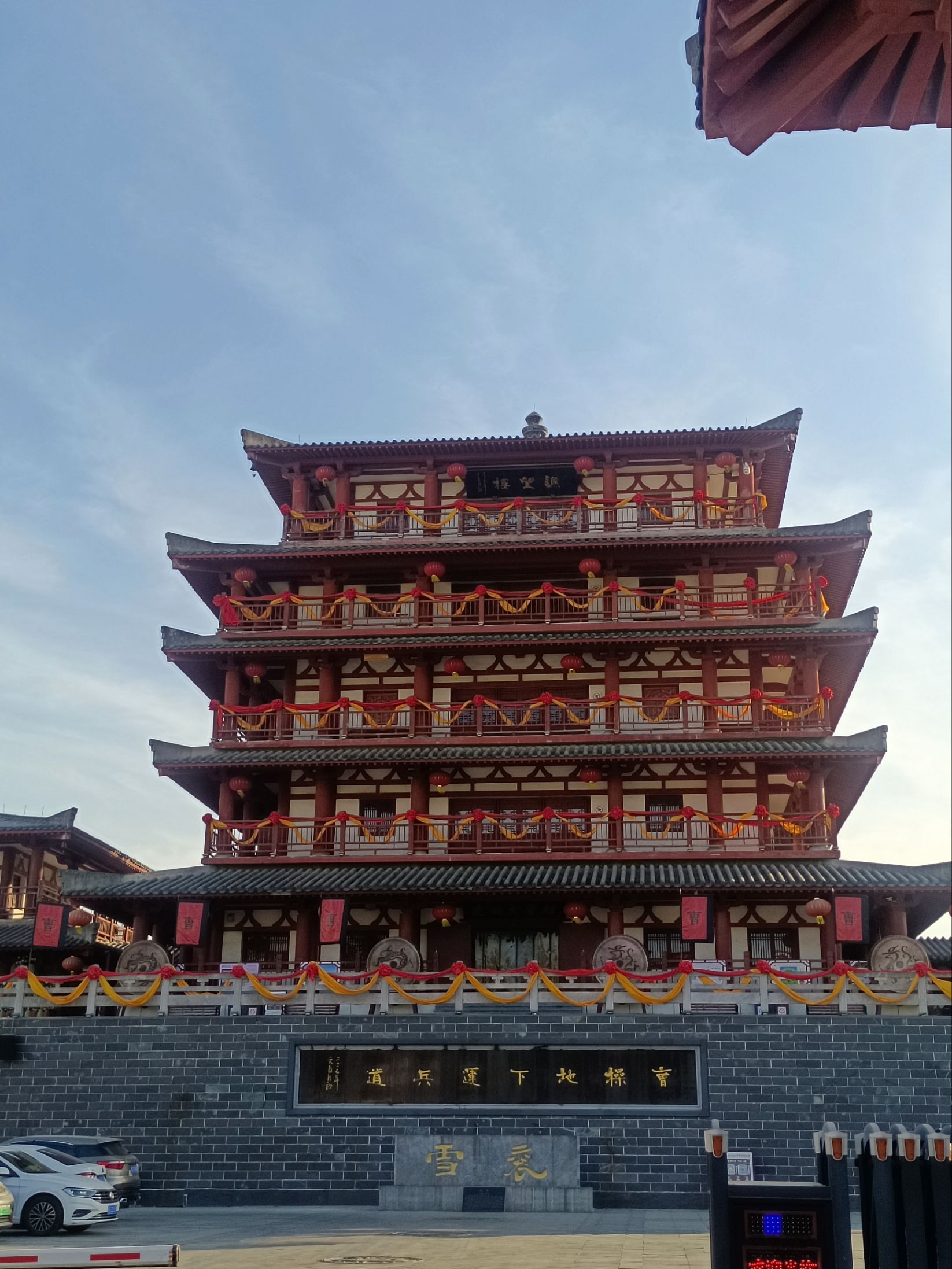
Cao Cao's Underground Military Tunnel is an underground military defense project built by Cao Cao during the Three Kingdoms period, with a total length of about 8 kilometers and complex structure, known as the 'Underground Great Wall'.
Explore rich intangible cultural heritage and traditional crafts
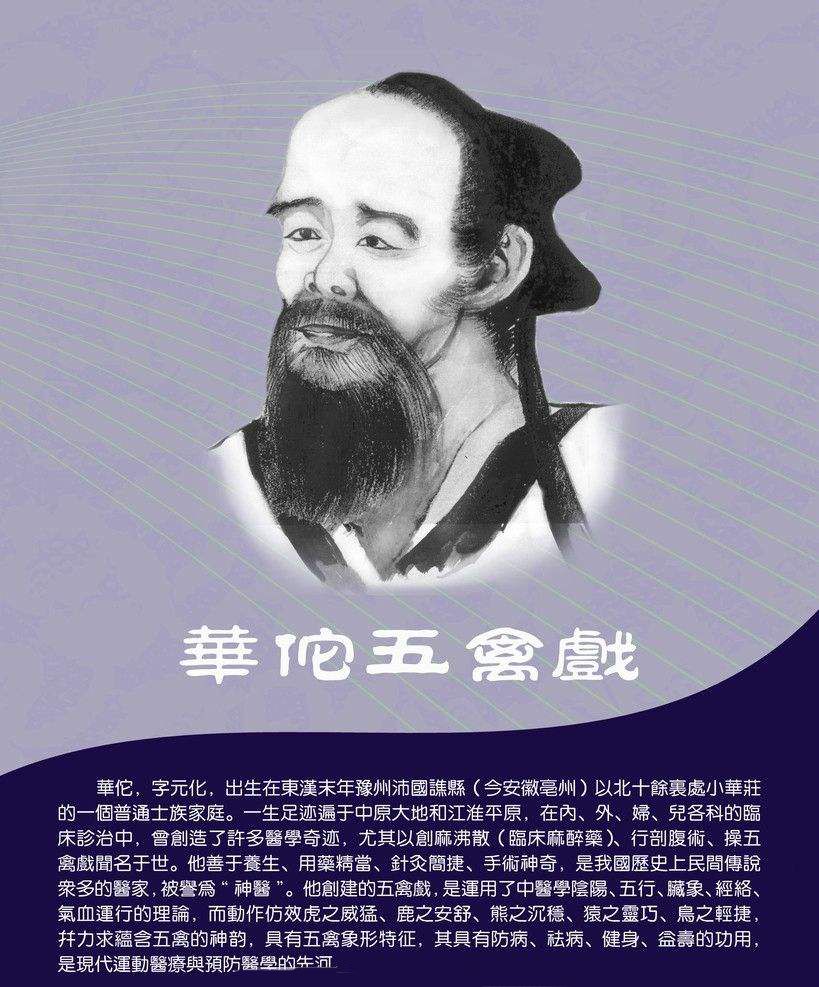
Hua Tuo's Five Animal Frolics is a health qigong created by the divine doctor Hua Tuo in the Eastern Han Dynasty, imitating the movements of tiger, deer, bear, monkey, and bird, with health benefits.
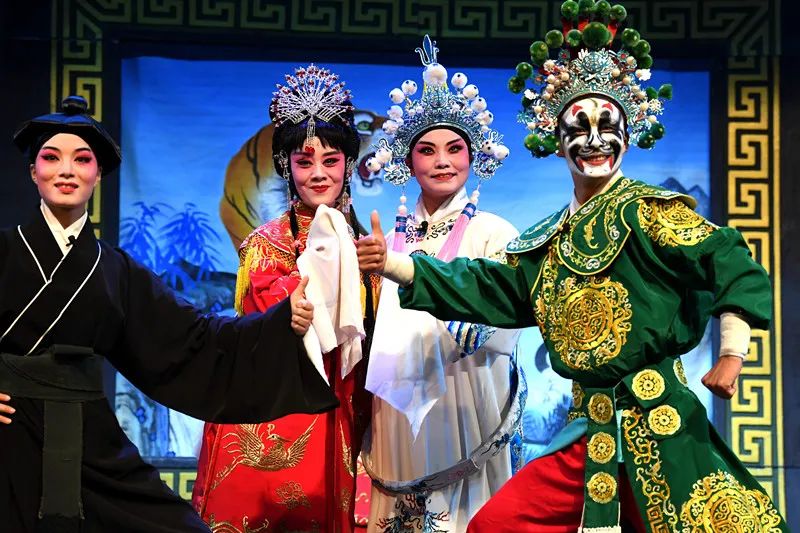
Bozhou Erjiaxian Opera is a traditional opera popular in northern Anhui, with beautiful melodies and strong local characteristics.
Must-know transportation for exploring the city
Bozhou South Station is an important stop on the Beijing-Hong Kong High-speed Railway, providing direct access to major cities such as Beijing, Shanghai, Hefei, and Zhengzhou, with convenient transportation.
Varies by distance
The city bus system in Bozhou covers major attractions and commercial areas, with fares of 1-2 CNY, supporting mobile payment, convenient for tourists.
1-2 CNY
Bozhou Airport is under construction and is expected to open in 2025, providing direct flights to major domestic cities. Currently, you can fly to Hefei Xinqiao Airport or Zhengzhou Xinzheng Airport, then transfer by high-speed rail or bus.
TBD
Taste the most authentic and popular local specialties
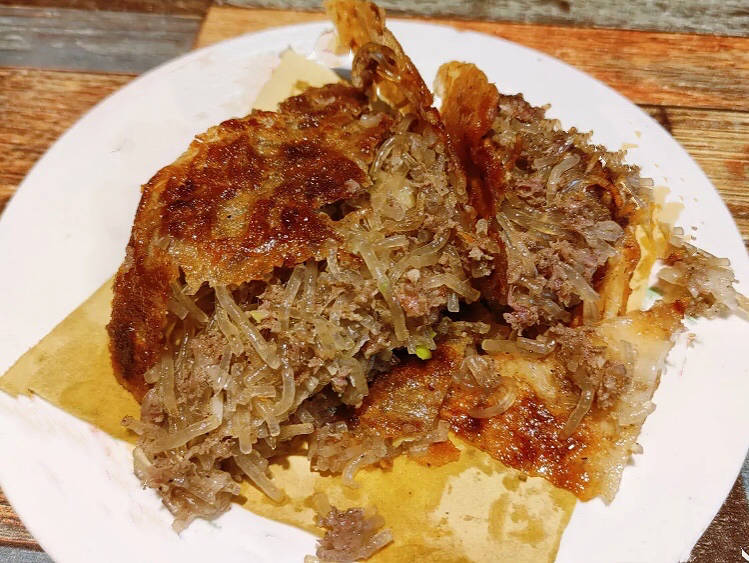
Bozhou beef pancake has a crispy crust and delicious filling, mainly made of beef and vermicelli, and is a local breakfast favorite.
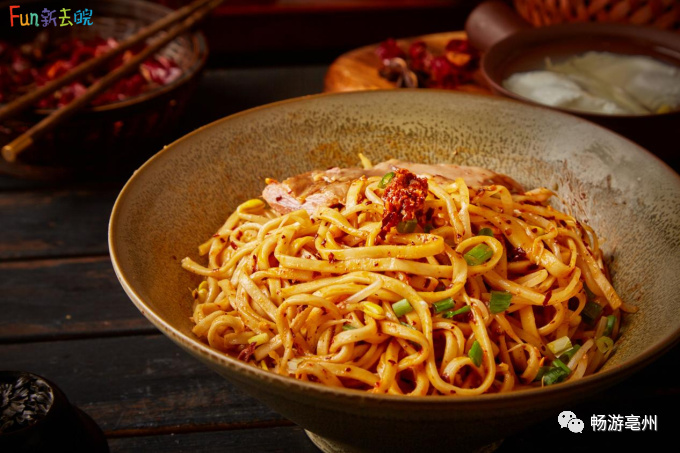
Guoyang dry noodles are a special noodle dish in Bozhou, with chewy noodles topped with special sauce and garlic paste, spicy and delicious.
Comrade Jiang Zemin inspected Bozhou and wrote the inscription 'Hometown of Hua Tuo, Land of Medicinal Herbs', further establishing Bozhou's status as the 'Capital of Traditional Chinese Medicine'.
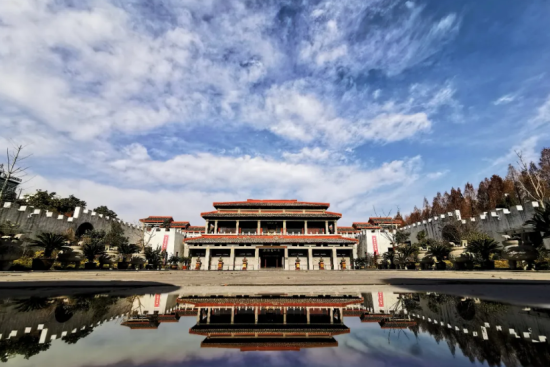
Bozhou Museum showcases the long history and rich cultural heritage of Bozhou, with collections including various treasures from the Neolithic Age to the Ming and Qing Dynasties.
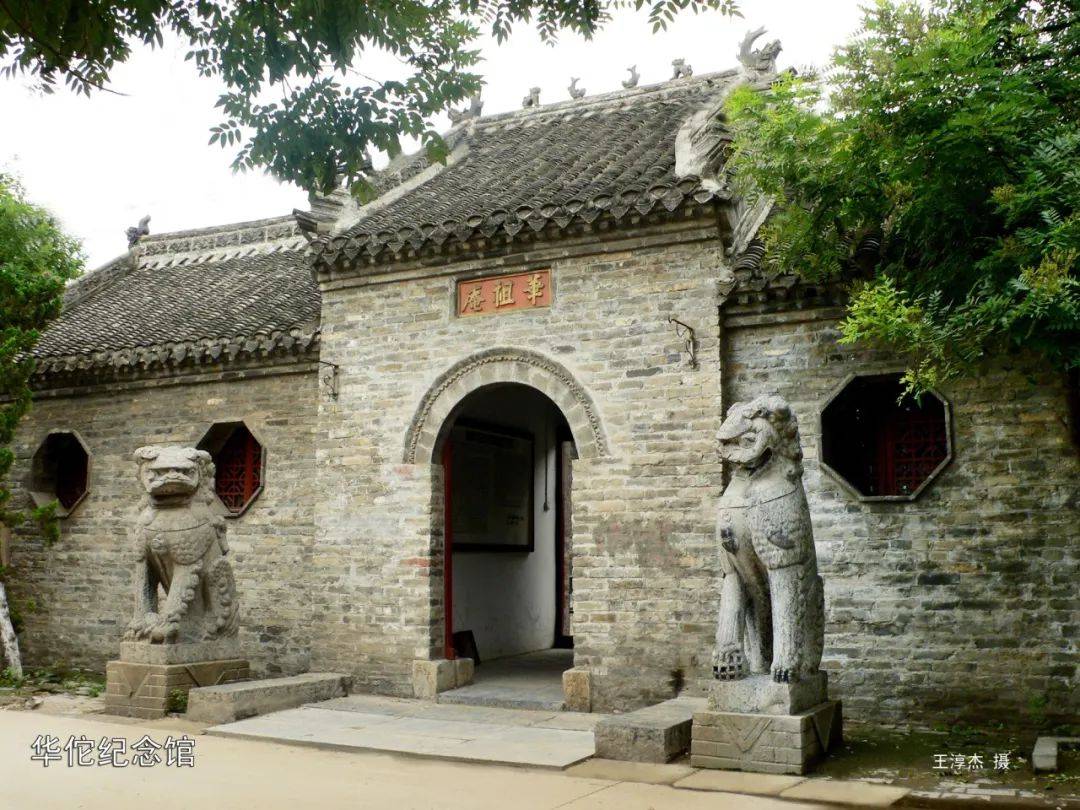
Huazu Temple is built in memory of the divine doctor Hua Tuo, featuring his former residence and a medicinal herb garden, making it an important place to learn about traditional Chinese medicine culture.
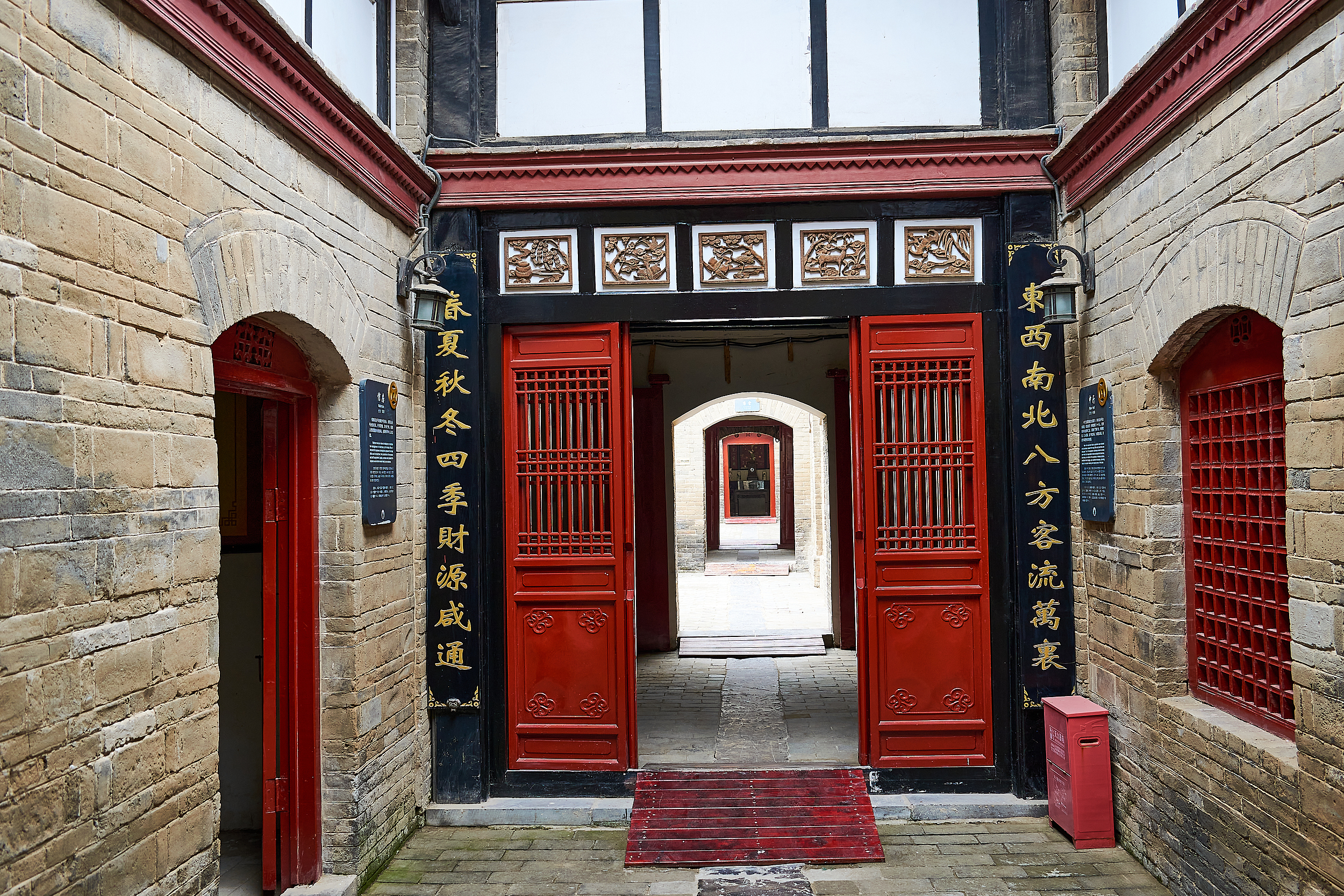
Nanjing Lane Money House is a financial building from the Qing Dynasty, showcasing the operation model of ancient banking, and is an important physical material for studying financial history.
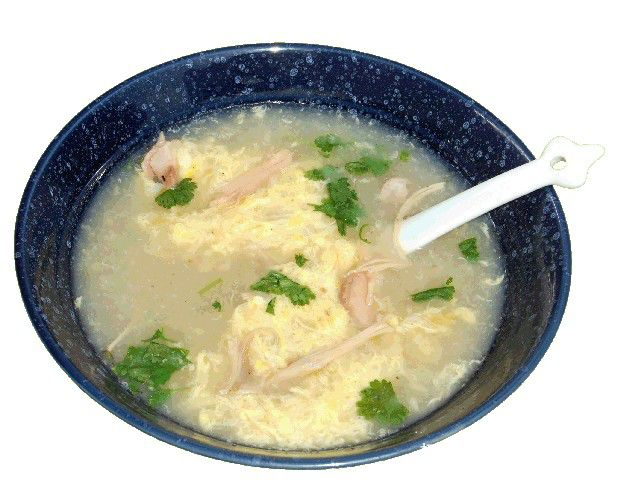
Mengcheng sa soup is made by pouring chicken or bone broth over beaten eggs, resulting in a fresh and nutritious soup, perfect for warming up in winter.
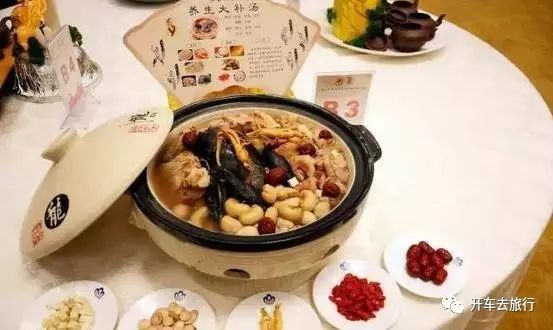
Bozhou medicinal food incorporates Chinese medicinal herbs into dishes, combining delicious taste with nourishing effects. Representative dishes include angelica stewed chicken and goji berry steamed fish.
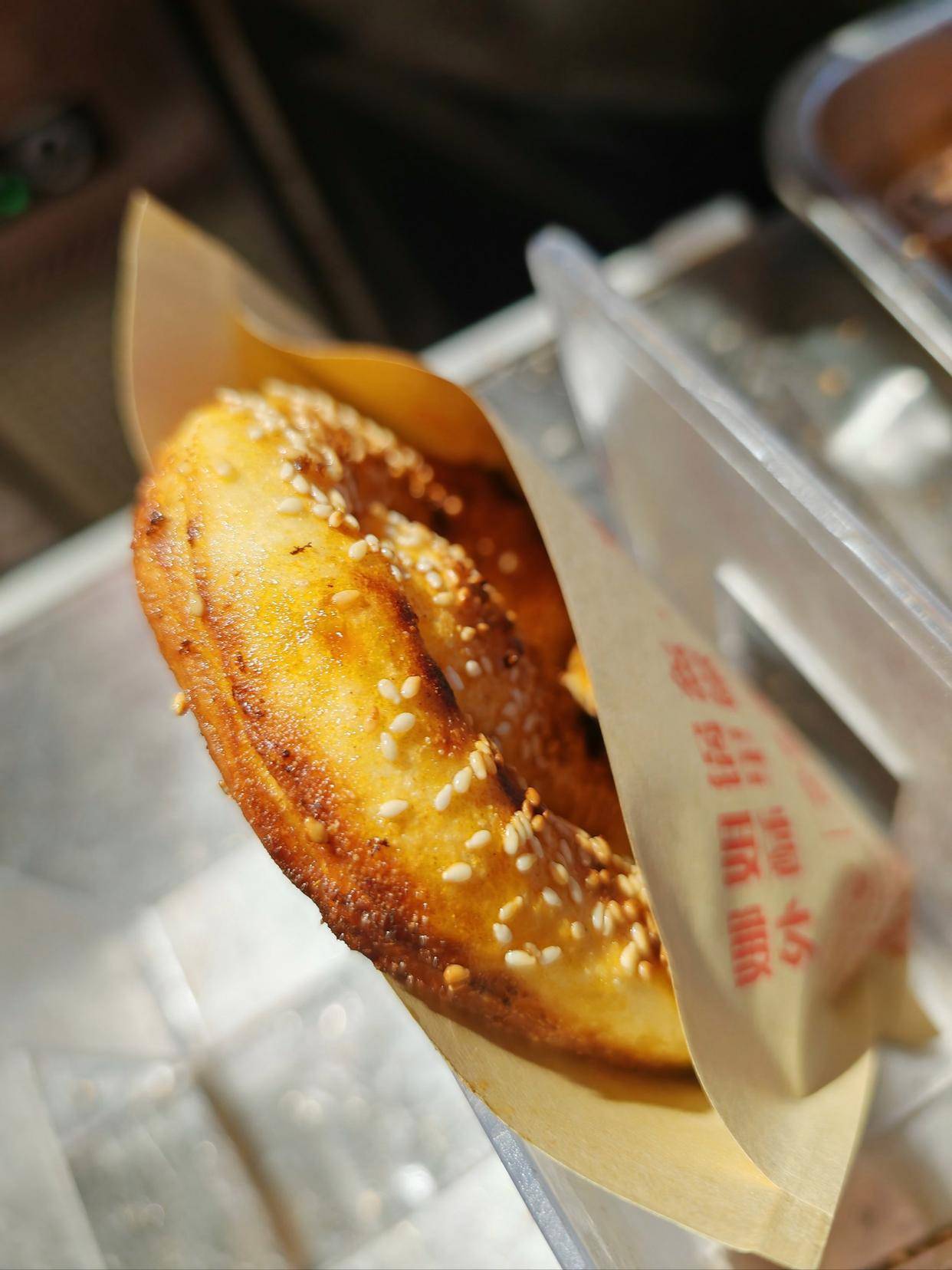
Bozhou guokui is a thick baked pancake, crispy on the outside and soft on the inside, with a rich wheat flavor, often eaten as a staple or snack.