
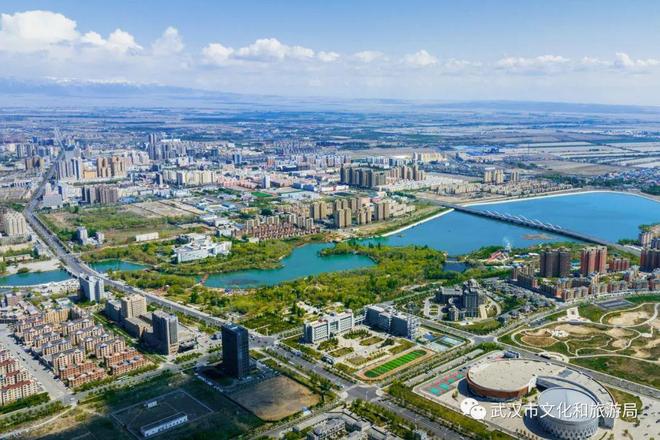
Bortala Mongol Autonomous Prefecture is located in northwestern Xinjiang, on the western edge of the Junggar Basin, bordering Kazakhstan. It has a temperate continental climate with four distinct seasons, warm winters and cool summers, and an average annual temperature of about 8°C.
Bortala has a long history. During the Han Dynasty, it was part of the Wusun Kingdom, and in the Tang Dynasty, it belonged to the Beiting Protectorate. In the Qing Dynasty, Jinghe Direct Prefecture was established. In 1954, the Bortala Mongol Autonomous Prefecture was founded, becoming an important node on the northern route of the Silk Road.
The local culture blends Mongolian, Han, Kazakh, and other ethnic characteristics, with intangible cultural heritage such as the Nadam Fair and Jangar epic singing. Cuisine features hand-grabbed lamb, whole roasted lamb, and mare's milk, along with cold-water fish feasts from the Bortala River.
Modern Bortala relies on the Alataw Pass port for border trade while developing tourism brands like Sayram Lake and hot springs, making it an important eco-tourism destination in Xinjiang.
The best time to visit 博尔塔拉 is Best from June to September for summer escape and lake views.
June-August: Cool summer, Sayram Lake's azure waters, blooming grasslands, ideal for summer escape and photography.
September-October: Golden poplar forests, pleasant weather, suitable for hiking and fruit tasting.
Winter: Hot springs and snow sports available, but some attractions may close.
Bortala was a nomadic area of the Wusun Kingdom and a key point on the northern Silk Road.
The Qing Dynasty established Jinghe Zhili Ting to strengthen border administration.
The autonomous prefecture was officially established, implementing regional ethnic autonomy.
Recommended places to visit
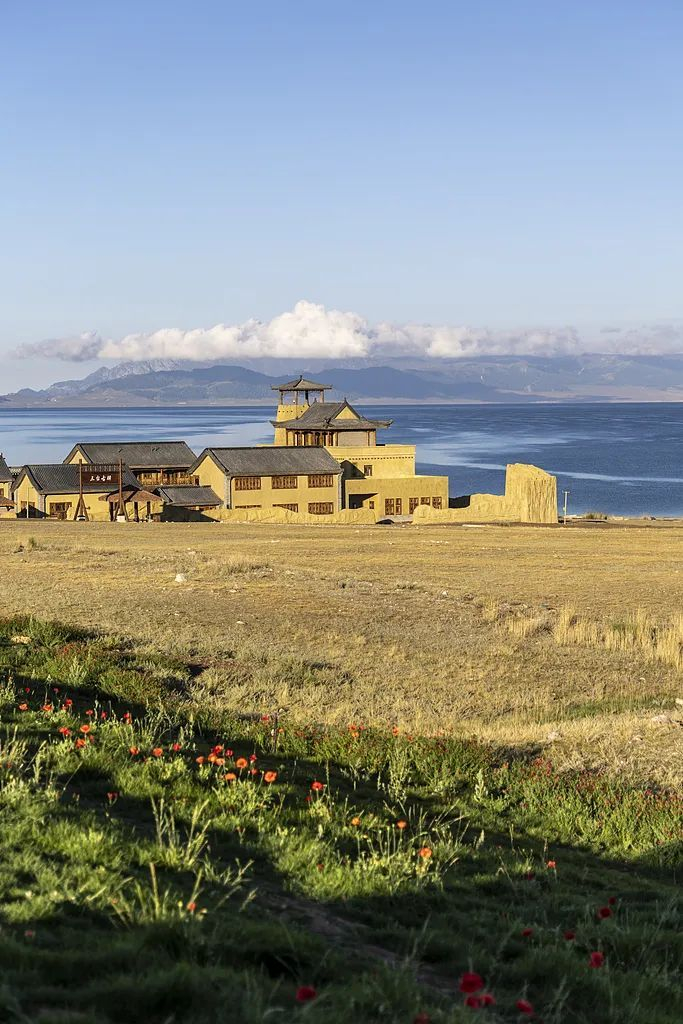
The highest and largest alpine cold-water lake in Xinjiang, known as 'the last tear of the Atlantic'. The lake is azure, surrounded by vast grasslands.
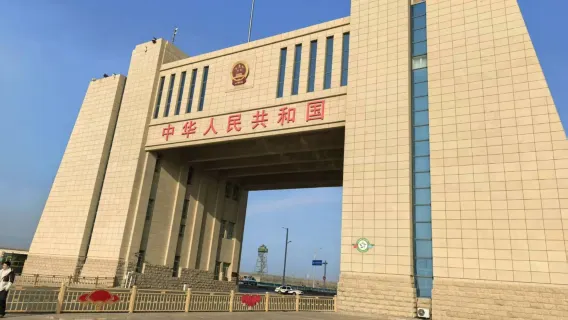
Border port between China and Kazakhstan, a key hub of the second Eurasian Land Bridge. Visitors can see the national gate and boundary markers.
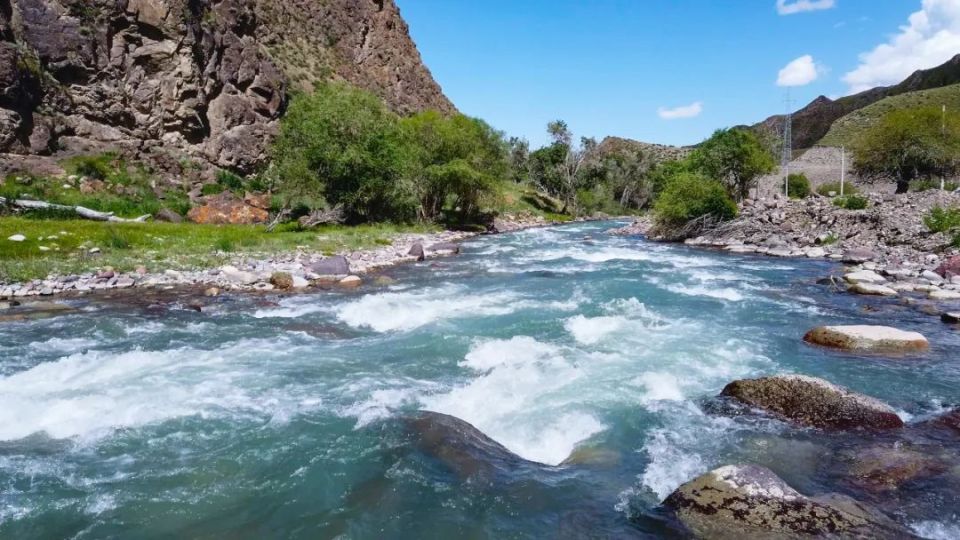
Explore rich intangible cultural heritage and traditional crafts
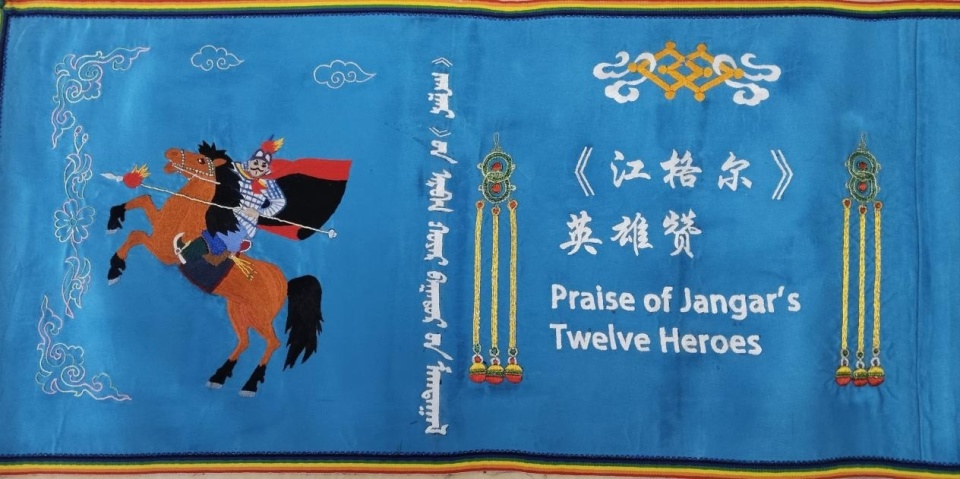
Mongolian heroic epic, one of China's three major epics along with Gesar and Manas, widely spread in Bortala.
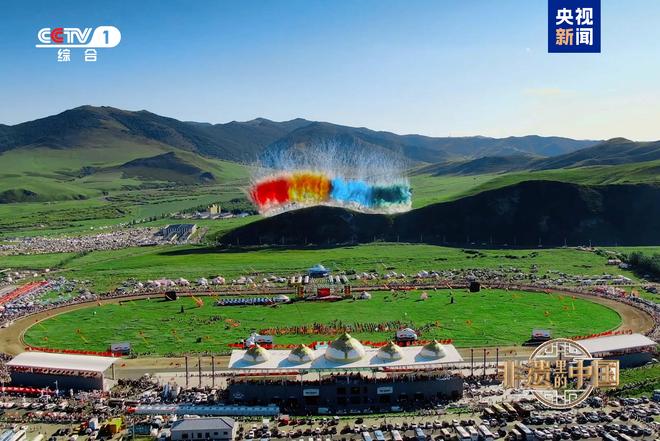
Mongolian traditional sports and entertainment event, including horse racing, wrestling, archery, held annually in Bortala.
Must-know transportation for exploring the city
About 20 km from Bole city, with flights to Urumqi, Beijing, etc.
From about 300 RMB for Urumqi-Bole
Located in Bole city, with high-speed trains to Urumqi in about 3 hours.
Second class about 80 RMB
City buses cover main attractions, and long-distance buses go to Jinghe, Wenquan counties.
From 1 RMB within city
Taste the most authentic and popular local specialties
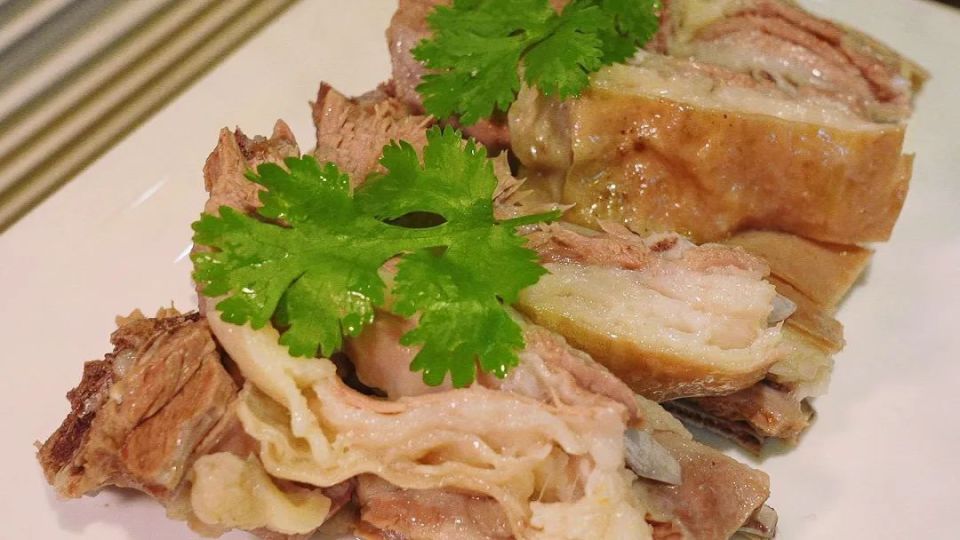
Large chunks of lamb boiled in water, eaten with salt, tender and flavorful.
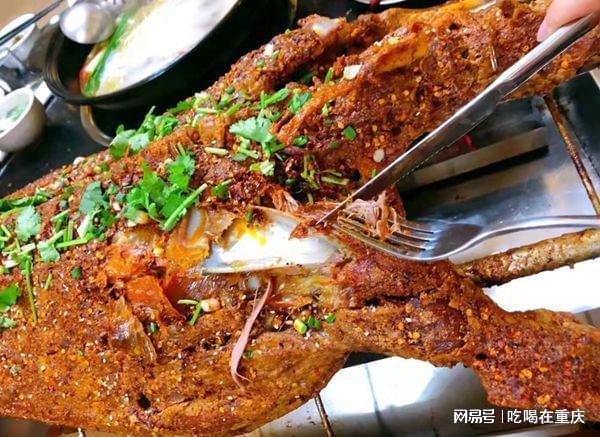
Young lamb marinated and slow-roasted until crispy skin and tender meat, a festive feast.
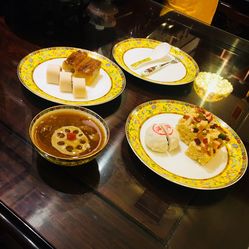
Fermented mare's milk, slightly sour, refreshing and thirst-quenching, a traditional Mongol drink.
A river running through Bole City, with tree-lined banks, riverside parks and wetlands, ideal for walking and relaxation.
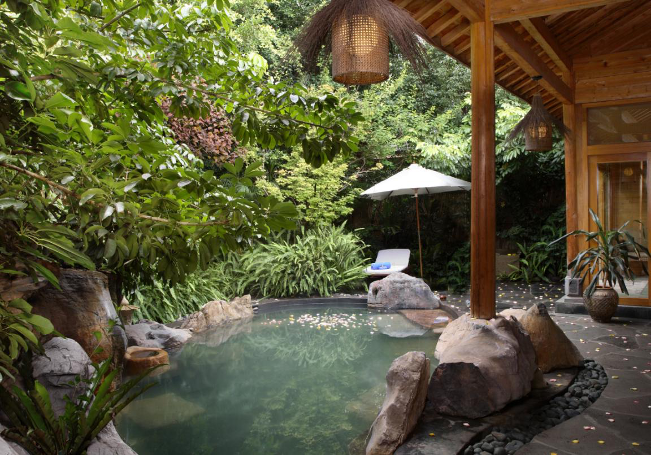
Famous for hot springs with water temperature up to 60°C, rich in minerals, known as 'Holy Spring'. Visitors can soak in hot springs and enjoy snow mountains.
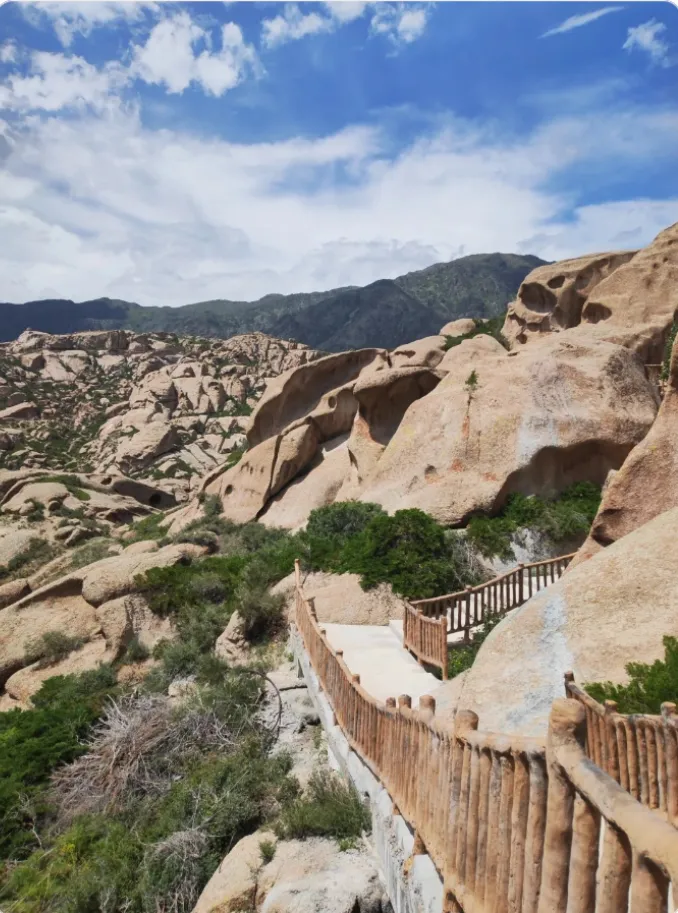
The largest granite strange stone group in Asia, shaped by wind erosion into various forms like animals and figures.
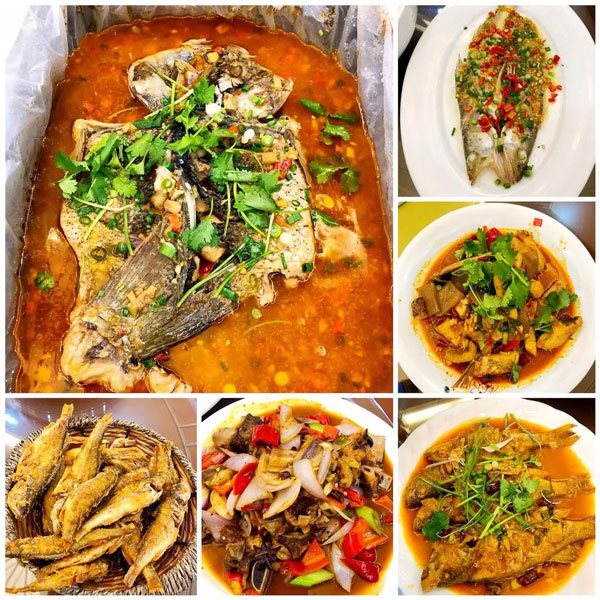
Made with cold-water fish from Bortala River (e.g., whitefish), steamed or braised, tender meat.
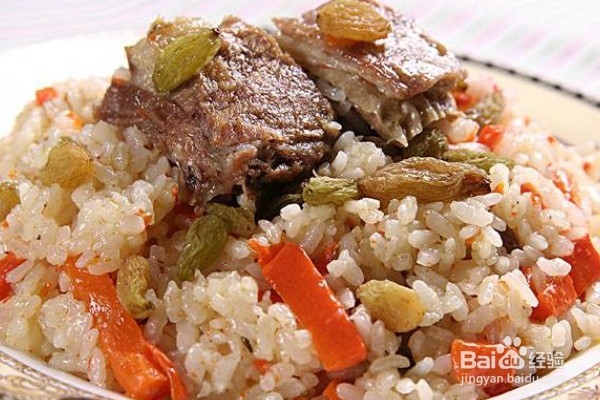
Lamb, carrots, and rice steamed together, oily and delicious, a local staple.