
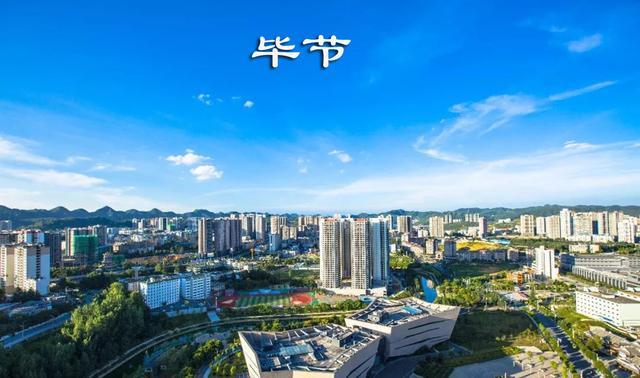
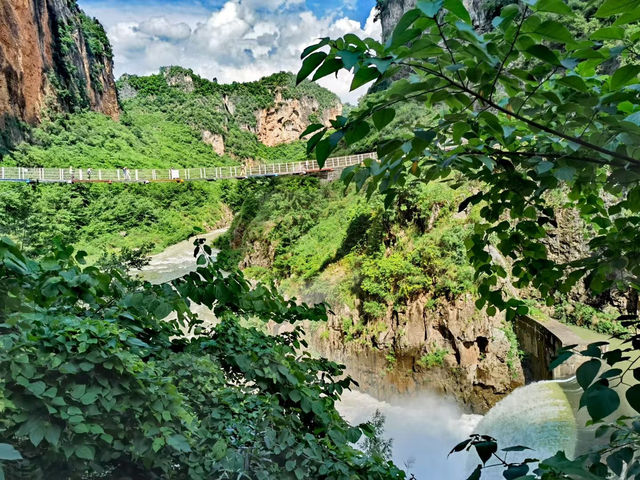
Bijie is located in the northwestern part of Guizhou Province, nestled in the heart of the Wumeng Mountains. With an average altitude of about 1,600 meters, it enjoys a cool and pleasant climate, with an average summer temperature of only 21°C, making it an ideal summer resort. The terrain is characterized by rolling mountains and crisscrossing rivers, featuring typical karst landscapes with numerous canyons, caves, and lakes.
Bijie has a long history. During the Qin Dynasty, it belonged to the ancient Yelang Kingdom, and later a prefecture was established in the Han Dynasty and a government office in the Ming Dynasty. Historically, it was an important passage in the southwestern barbarian region, where ethnic minorities such as the Yi and Miao have thrived. In 1935, the Red Army passed through during the Long March and held the famous "Cockcrow at Three Provinces" meeting.
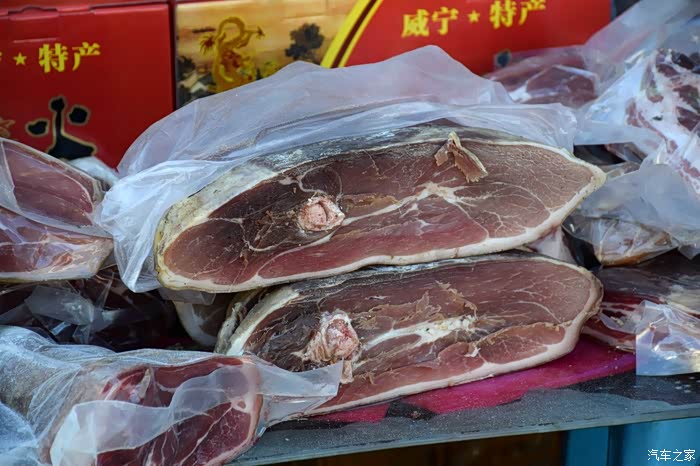
Bijie is a multi-ethnic area, with colorful folk activities such as the Yi Torch Festival and the Miao Flower Jumping Festival. Local specialties include Bijie Tangyuan (glutinous rice balls), Zhijin Bamboo Fungus, and Weining Ham, each with unique flavors. The Miao batik and Yi lacquerware are exquisite crafts.
In recent years, Bijie's transportation has developed rapidly, with Feixiong Airport and the Chengdu-Guiyang High-Speed Railway making travel more convenient. Leveraging its rich tourism resources, it has built world-class scenic spots such as Baili Dujuan and Zhijin Cave, making tourism a pillar industry. At the same time, ecological construction has achieved remarkable results, making it an ecological barrier in the upper reaches of the Yangtze River.
The best time to visit 毕节 is Spring (March-May) and Autumn (September-November).
Spring (March-May) is the best season to visit Bijie, especially from late March to early May when the Baili Dujuan Scenic Area is covered with blooming azaleas, forming a magnificent sea of flowers, perfect for photography and flower viewing.
Autumn (September-November) has cool weather and less rainfall, suitable for outdoor activities and visiting caves. At this time, attractions like Zhijin Cave and Jiudongtian are pleasant with fewer tourists.
Summer (June-August) is cool but rainy, with occasional heavy rain; caution is needed. Winter (December-February) is cold, with snow in high-altitude areas, offering snow views, but some scenic spots may be closed.
The Bijie area belonged to the Yelang ancient kingdom, a powerful tribal alliance in the southwestern barbarian region during the Qin and Han dynasties, known for the idiom 'Yelang overestimating itself'.
In February 1935, during the Long March, the Red Army held an important meeting at Cockcrow Three Provinces Village in Linkou Town, Bijie, which was significant for the Red Army's strategic shift.
Recommended places to visit
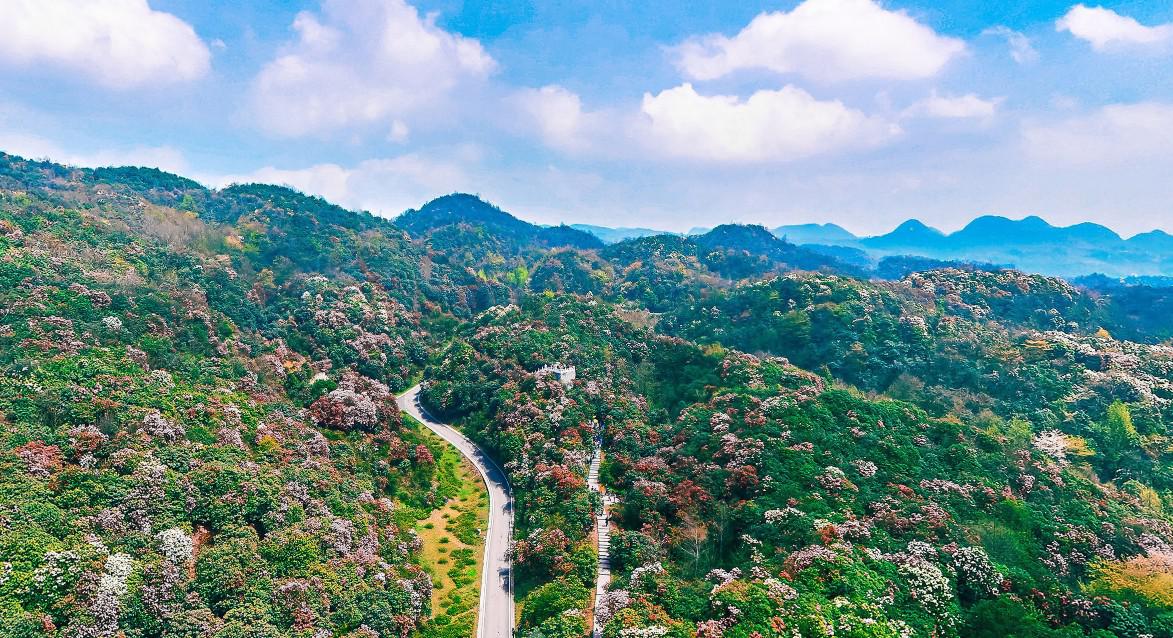
A national 5A-level tourist attraction, located at the junction of Dafang County and Qianxi County. It is the world's largest natural azalea forest belt, stretching over 50 kilometers with more than 40 varieties such as horse azalea, dew azalea, and cluster azalea. From March to May, the flowers bloom like a sea.
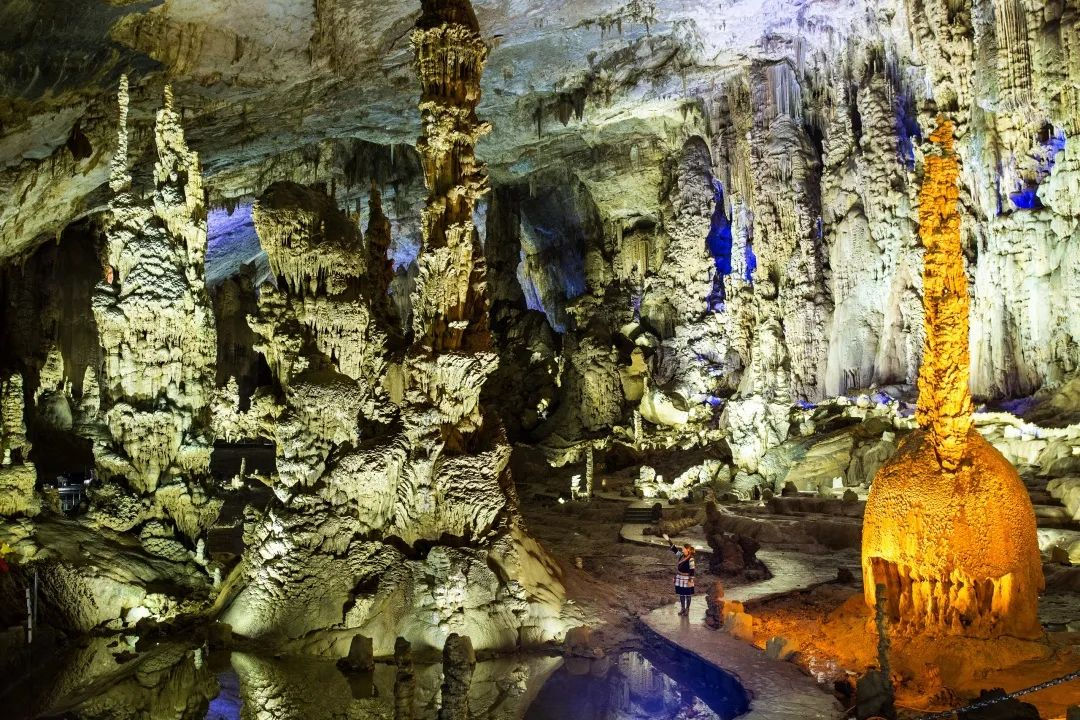
A national 5A-level tourist attraction located in Zhijin County, Bijie. It is one of the most beautiful tourist caves in China, with various stalactites, stalagmites, and curtains, known as the 'King of Caves'.
Explore rich intangible cultural heritage and traditional crafts
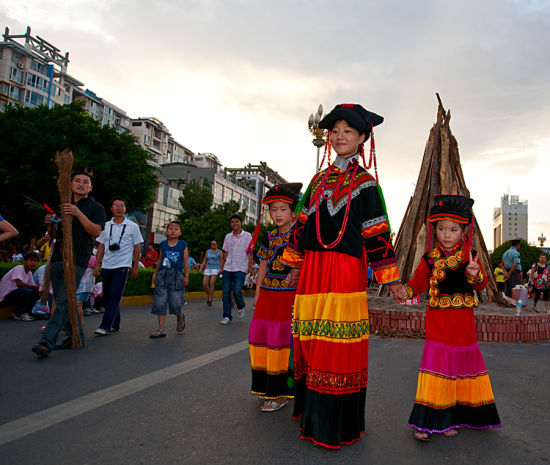
A traditional Yi festival held on the 24th day of the sixth lunar month. People light torches and walk around fields to drive away insects and evil spirits, praying for a good harvest. Activities include bullfighting, wrestling, singing, and dancing.
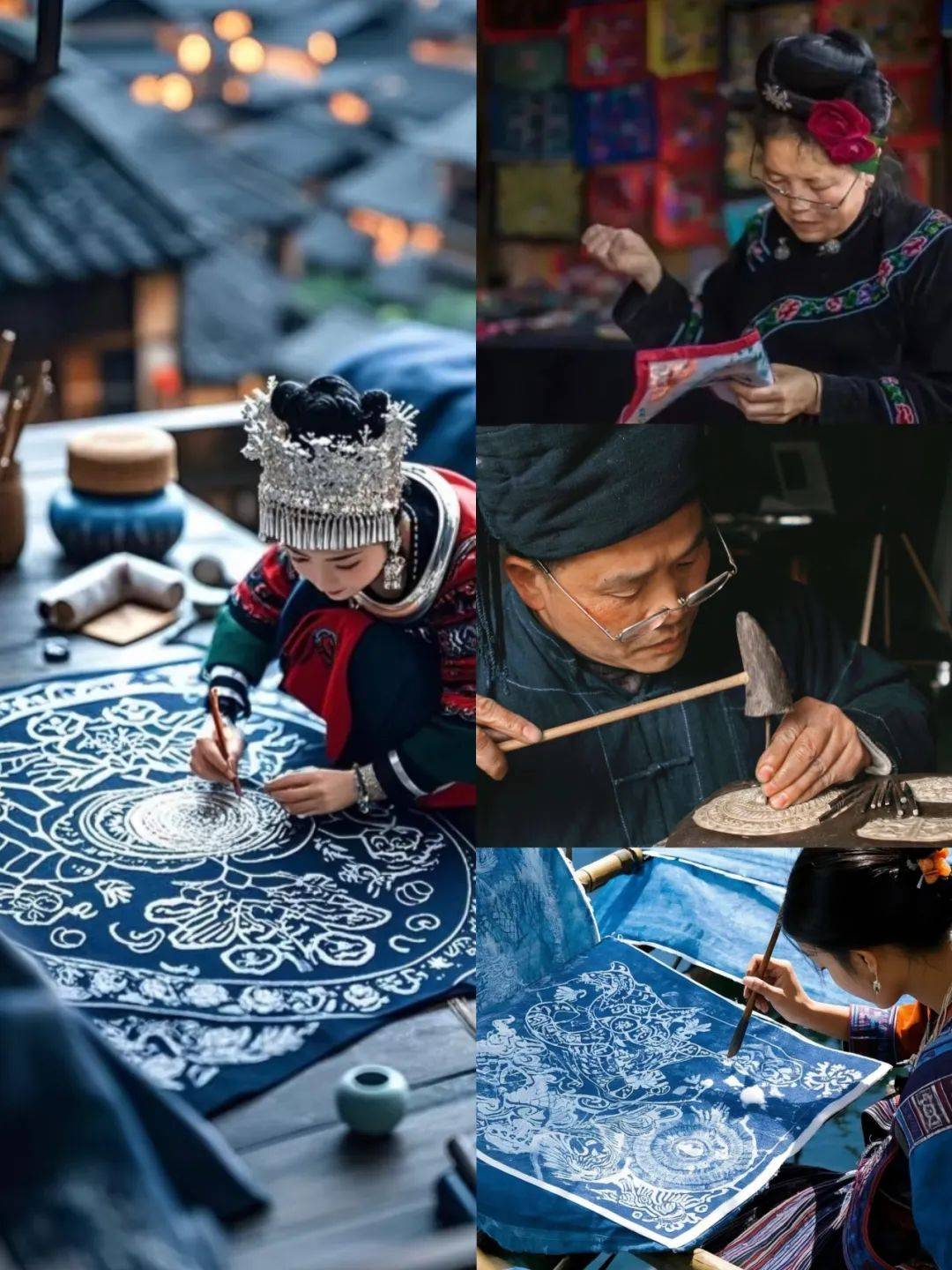
A traditional Miao dyeing technique. Using a wax knife dipped in melted wax, patterns are drawn on cloth, which is then dipped in indigo dye. After removing the wax, blue and white patterns are formed, exquisite in design.
Must-know transportation for exploring the city
Located in Dafang County, about 20 km from downtown, with flights to major cities such as Beijing, Shanghai, Guangzhou, Shenzhen, and Chengdu.
Varies by route
Bijie Station is located in the city center. Via the Chengdu-Guiyang high-speed railway, you can quickly reach Guiyang (about 1 hour) and Chengdu (about 2.5 hours).
About 90 yuan to Guiyang, about 200 yuan to Chengdu
City buses cover major urban areas and attractions, with fares of 1-2 yuan. Some scenic spots have special tourist buses.
1-2 yuan
Taste the most authentic and popular local specialties

A Bijie specialty snack made of glutinous rice flour skin filled with sesame, peanut, walnut, etc. After boiling, the skin is thin with rich filling, sweet but not greasy, soft and chewy.
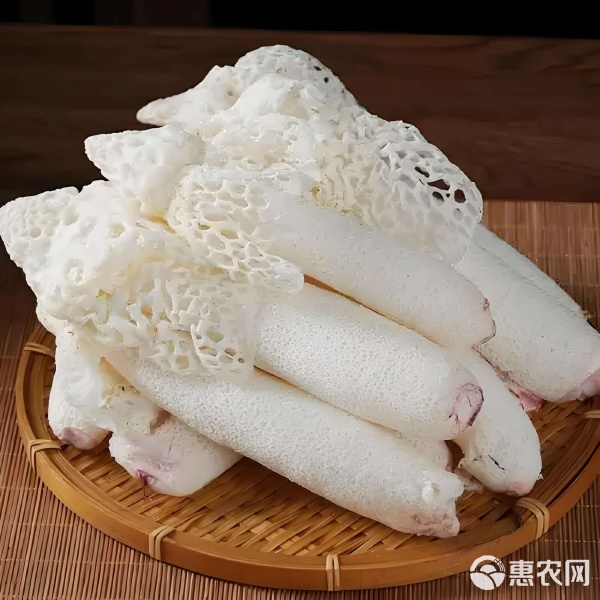
A precious edible fungus from Zhijin County, known as the 'Queen of Mushrooms'. It has a crisp and tender texture, rich in nutrition, often used in soups or stir-fries.
Bijie was approved by the State Council as an experimental zone for 'poverty alleviation through development and ecological construction', becoming the first national experimental zone themed on poverty eradication.
A national 4A-level tourist attraction located in Dafang County, consisting of nine natural caves connected by underground rivers. Boat tours offer views of karst wonders.

A national 4A-level tourist attraction located in Weining County. It is the largest natural freshwater lake in Guizhou, known as the 'Pearl of the Plateau'. In winter, it hosts a large number of migratory birds, making it a bird-watching paradise.
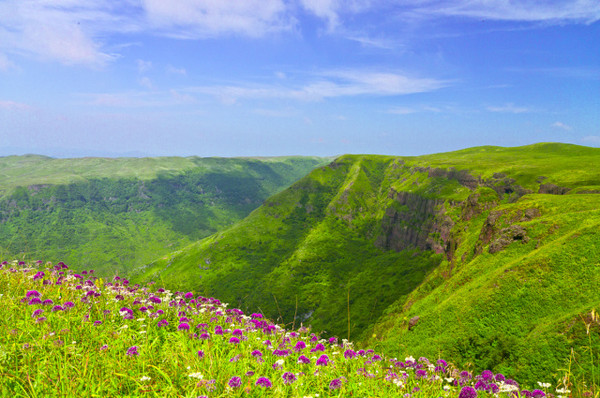
A national 4A-level tourist attraction located in Hezhang County, with an altitude of 2,900 meters, the highest peak in Guizhou, known as the 'Roof of Guizhou'. In summer, the mountain is covered with blooming chive flowers, creating a magnificent view.
A specialty of Weining County, made from local high-quality pig hind legs, cured, air-dried, and smoked. The meat is firm with rich flavor, as famous as Jinhua ham.
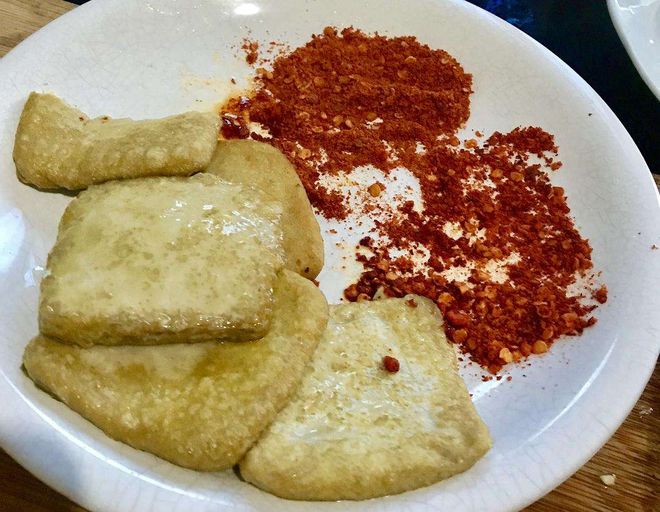
A traditional snack of Dafang County, made from local soybeans, marinated and sun-dried. It has a chewy texture and can be served cold, grilled, or stir-fried.
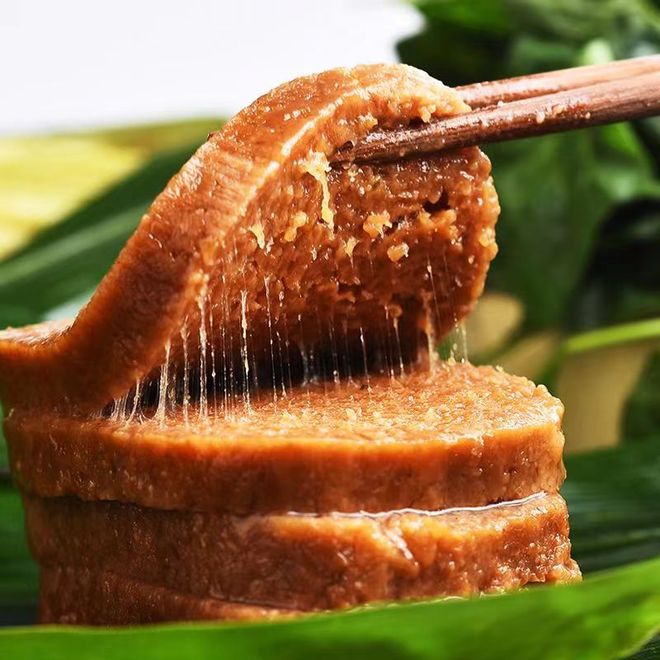
A specialty pastry of Qianxi County, made from glutinous rice and corn flour mixed with brown sugar and steamed. It has a golden color, soft and sweet taste.