
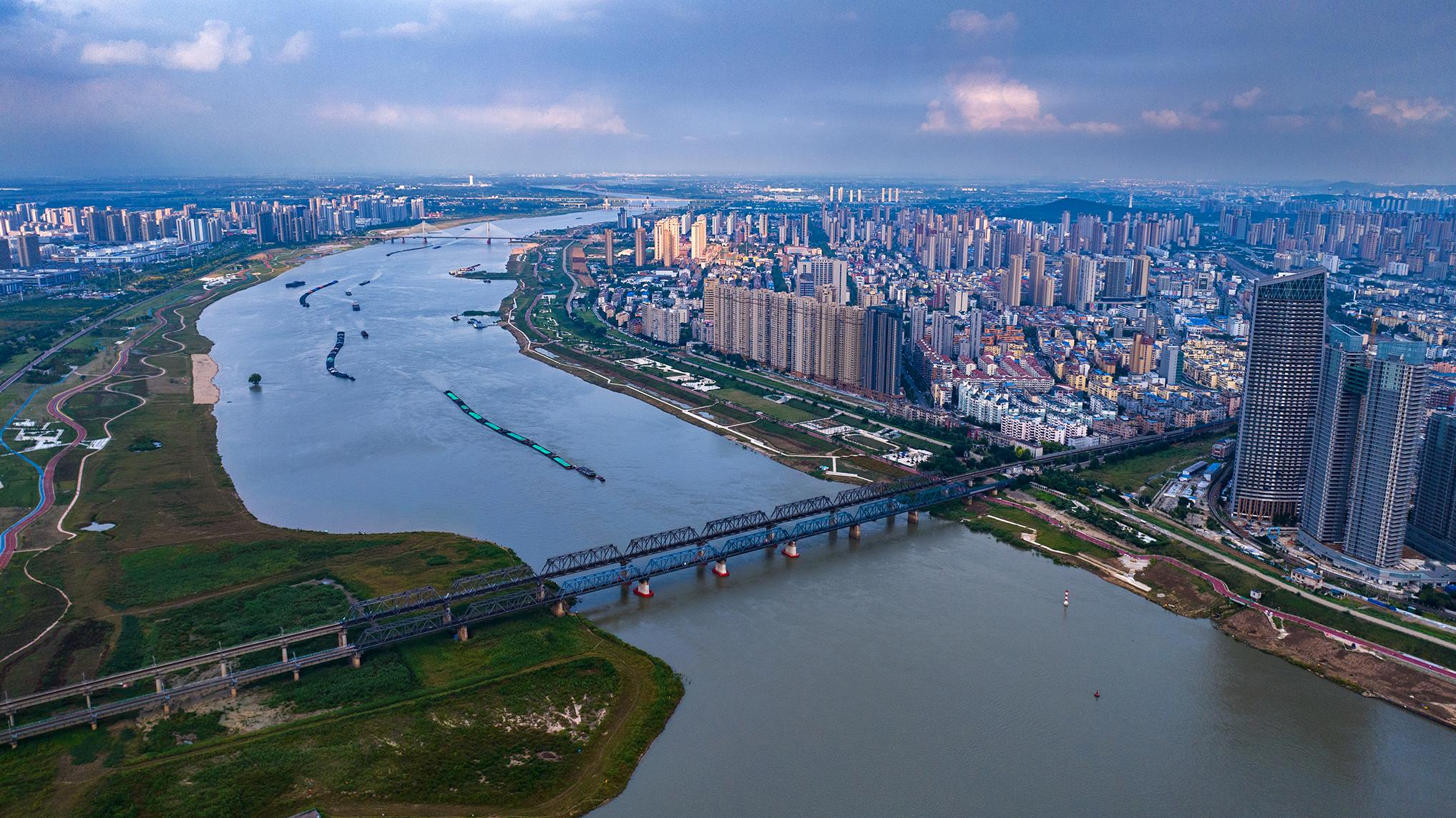
Bengbu is located in the northern part of Anhui Province, along the middle reaches of the Huaihe River. It sits on the north-south dividing line of China, featuring a warm temperate semi-humid monsoon climate with four distinct seasons and moderate rainfall.
Bengbu has a long history. In ancient times, it was a place for pearl harvesting, hence the name "Pearl City." The Shuangdun site, dating back about 7,300 years, is an important birthplace of Huaihe culture. During the Ming and Qing dynasties, it flourished due to the Huaihe River grain transport.
Bengbu boasts distinctive cultural characteristics and is the hometown of intangible cultural heritages such as the Flower Drum Lantern Dance and Sizhou Opera. The local cuisine features freshwater delicacies, with famous dishes including Bengbu crayfish, sesame cake with pork tenderloin, and Tuohu Lake crabs, known for their spicy and savory flavors.
Bengbu is a major transportation hub in East China, where the Beijing-Shanghai High-Speed Railway and the Beijing-Taipei Expressway converge. In recent years, the city has vigorously developed emerging industries such as silicon-based new materials and bio-based new materials, and its urban landscape is changing rapidly.
The best time to visit 蚌埠 is Spring and Autumn (March-May, September-November).
Spring (March-May): Pleasant temperatures, lush flowers and trees, ideal for flower viewing and outdoor activities.
Summer (June-August): Hot and rainy, but you can enjoy night cruises on the Huaihe River and the Crayfish Festival.
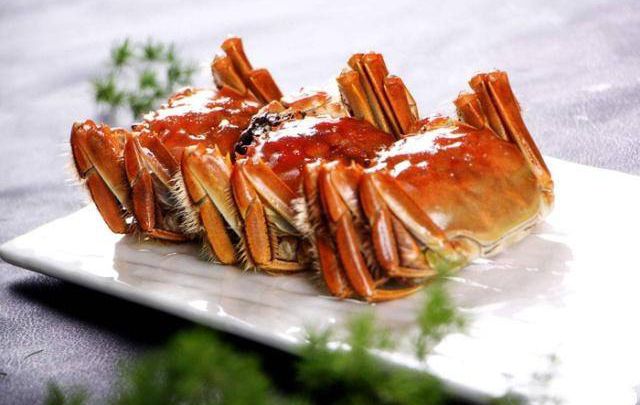
Autumn (September-November): Clear and crisp weather, Tuohu Lake crabs are plump, a good time to taste local cuisine.
The Shuangdun site unearthed a large number of engraved symbols, considered one of the important origins of Chinese writing.
Bengbu rose due to the opening of the Tianjin-Pukou Railway, becoming an important commercial port and transportation hub in the Huaihe River basin.
Bengbu separated from Fengyang County and was officially established as a provincial city, opening a new chapter in urban development.
Recommended places to visit
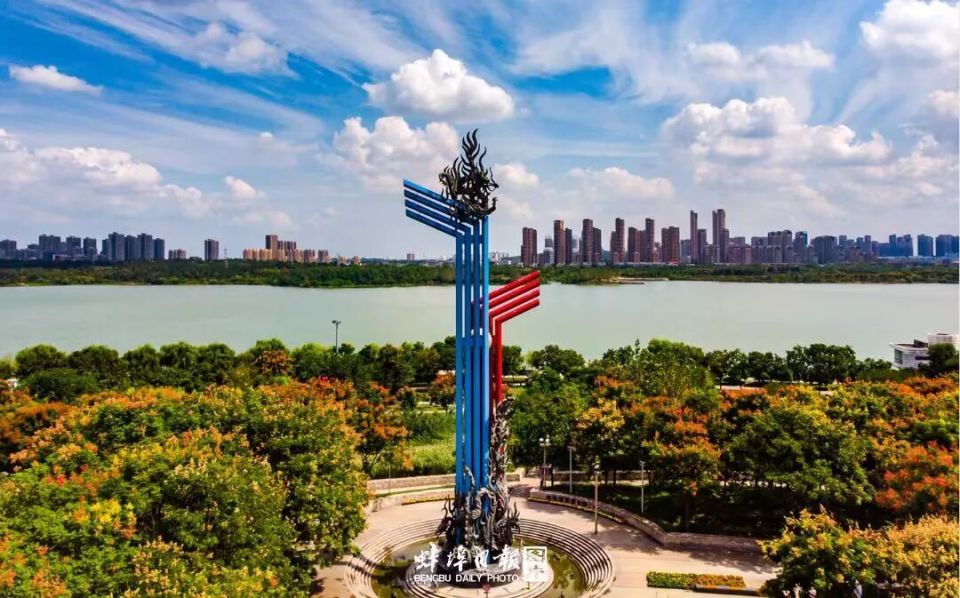
National 4A scenic area centered on Longzi Lake, featuring lake and mountain views, a city card of Bengbu.
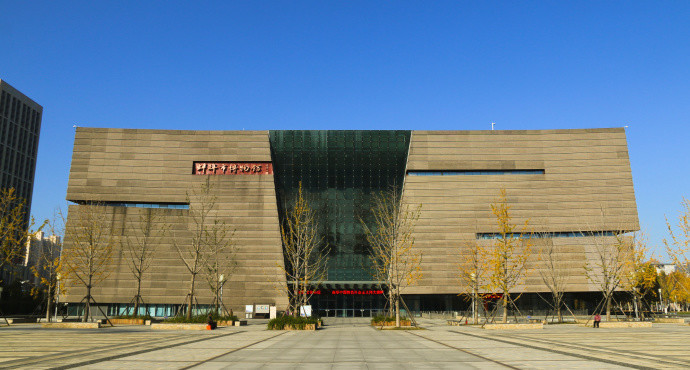
Exhibits Bengbu's history, culture, and artifacts from the Shuangdun site, a window to understand Bengbu.
Explore rich intangible cultural heritage and traditional crafts
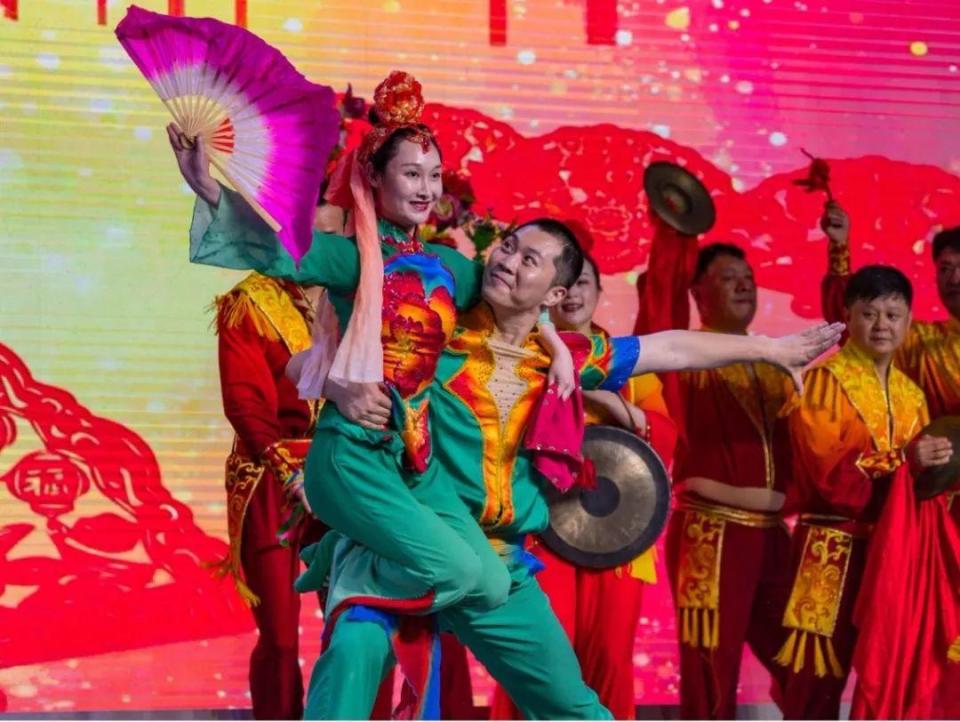
Traditional folk dance of Bengbu, accompanied by gongs and drums, lively movements, known as 'Oriental Ballet'.
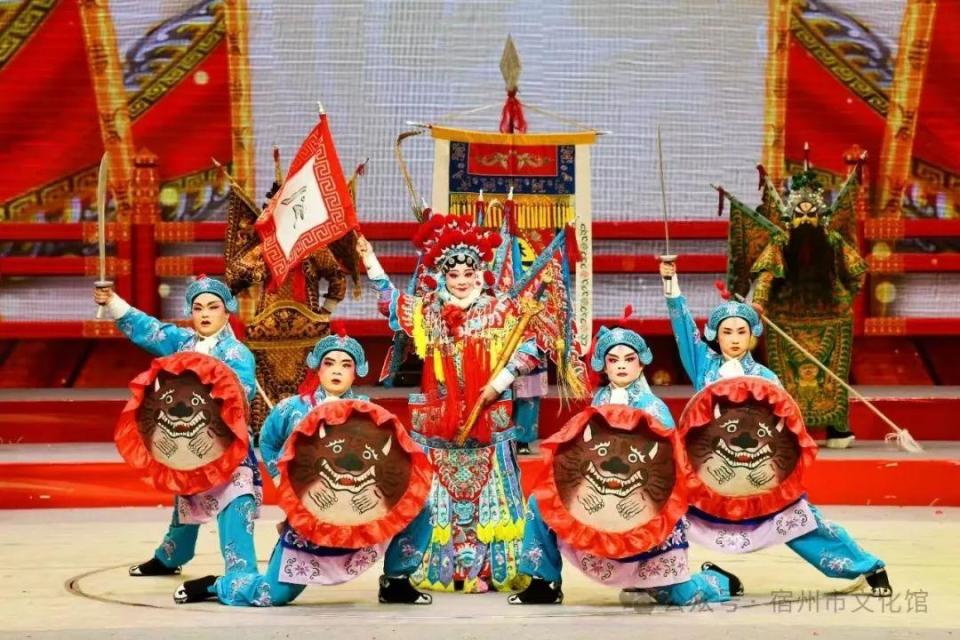
One of the four major operas in Anhui Province, originating from the banks of the Huaihe River, beautiful singing, strong local flavor.
Must-know transportation for exploring the city
Bengbu South Station is a hub for Beijing-Shanghai and Hefei-Bengbu high-speed railways, with direct access to major cities like Beijing, Shanghai, Nanjing, and Hefei.
Beijing South-Bengbu South second class about 400 yuan
Bengbu Tenghu Airport (under construction); currently, you can fly to Hefei Xinqiao International Airport or Nanjing Lukou International Airport for transfer.
Hefei Xinqiao to Bengbu bus about 60 yuan
Bengbu's urban bus system is well-developed, covering major attractions and commercial areas, with fares of 1-2 yuan.
1-2 yuan
Taste the most authentic and popular local specialties
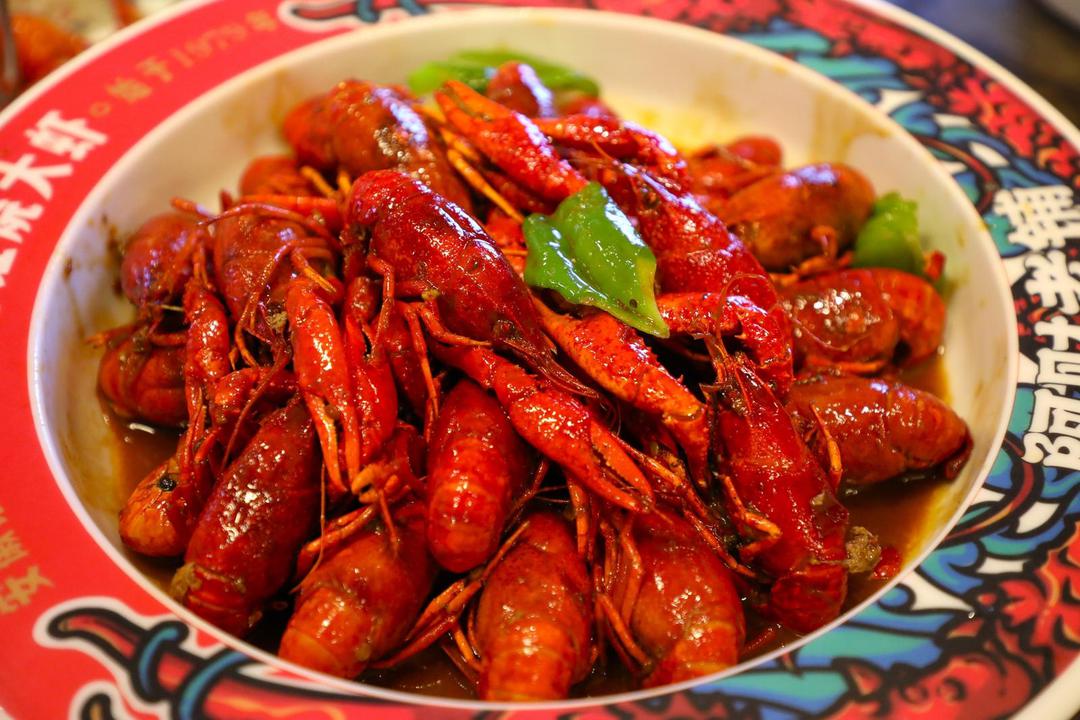
Large and plump, famous for spicy and garlic flavors, a top choice for summer night snacks.
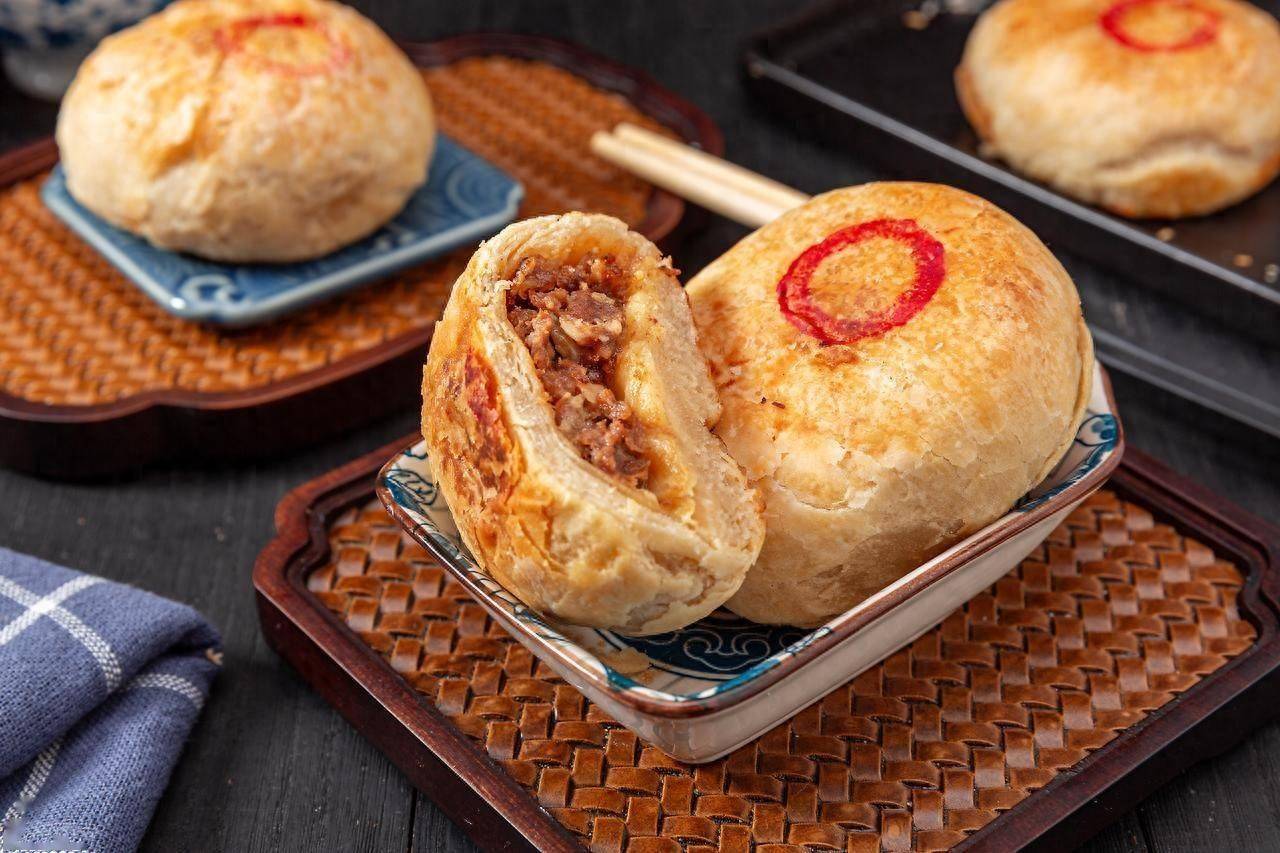
Bengbu specialty snack: crispy shaobing sandwiched with fried pork loin, brushed with sweet chili sauce, crispy and delicious.
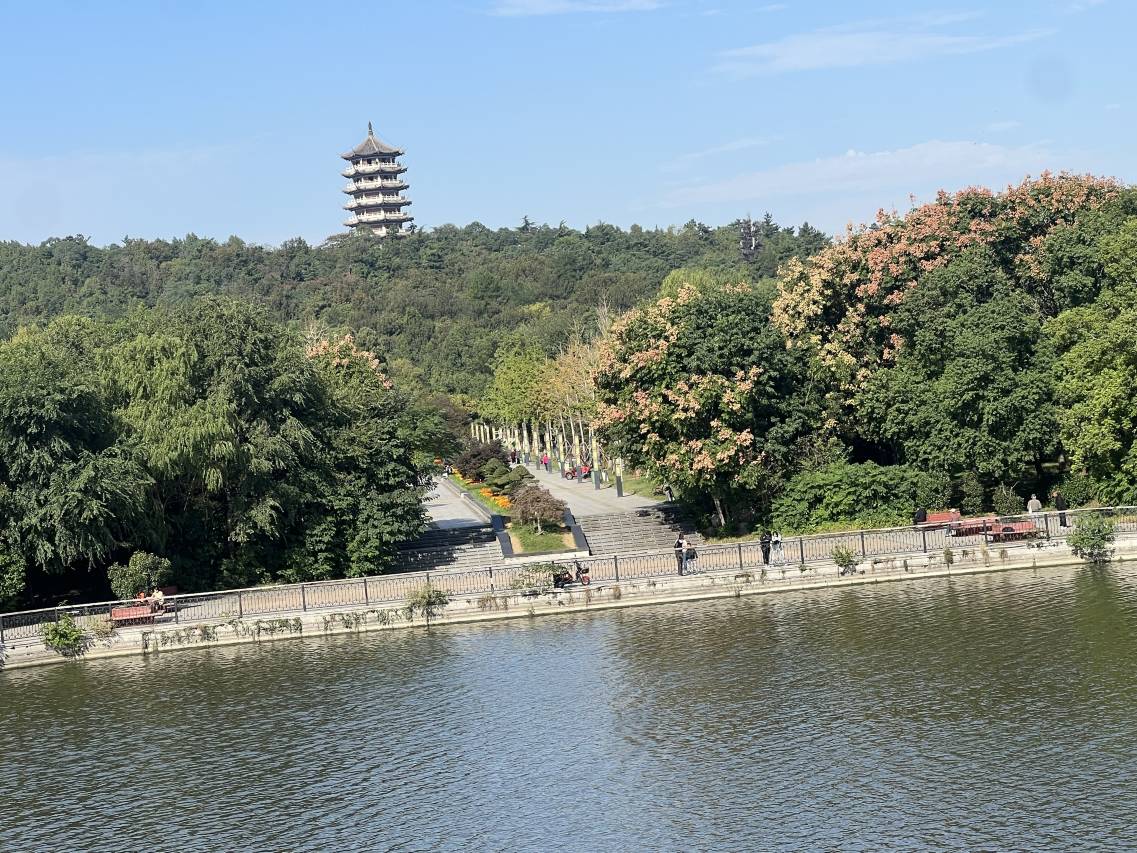
National 4A scenic area with Zhanggong Mountain and Wanghuai Tower, offering panoramic views of Bengbu.
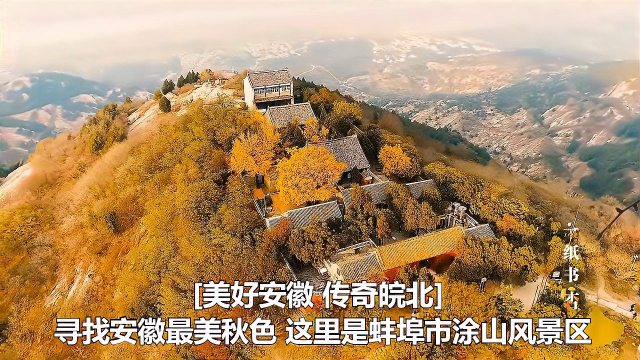
Legend says Yu the Great gathered feudal lords here during flood control, hometown of Tushan Nvjiao, with Yu King Palace and other relics.
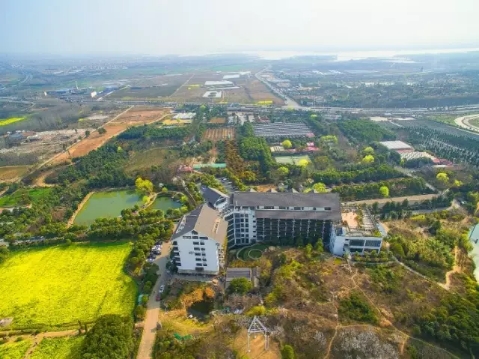
National 4A tourist attraction, integrating ecological agriculture, leisure and sightseeing in rural tourism.
Produced in Tuohu Lake, Wuhe County, green shell white belly, full of roe and fat, most delicious in autumn.
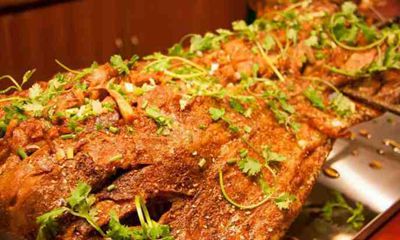
Using local goat, slow-roasted over charcoal, crispy outside and tender inside, a banquet dish.
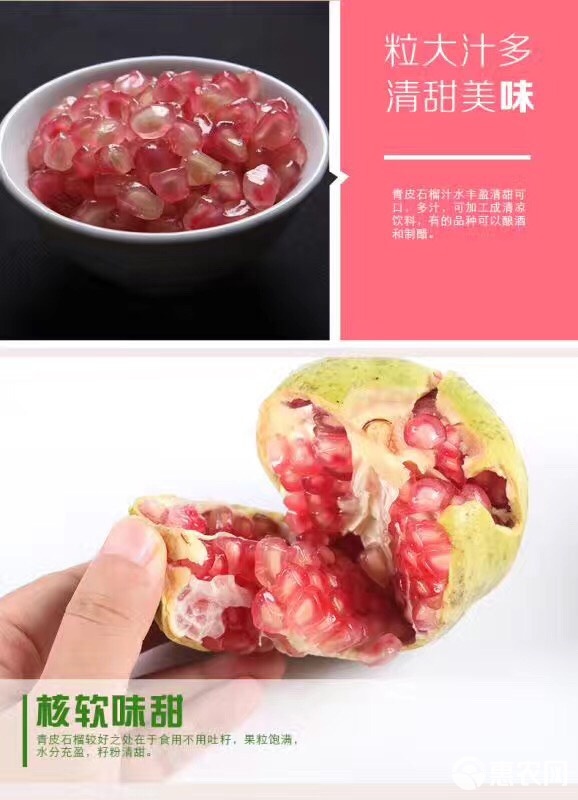
Specialty of Huaiyuan County, large seeds, thin skin, juicy and sweet, a national geographical indication product.