
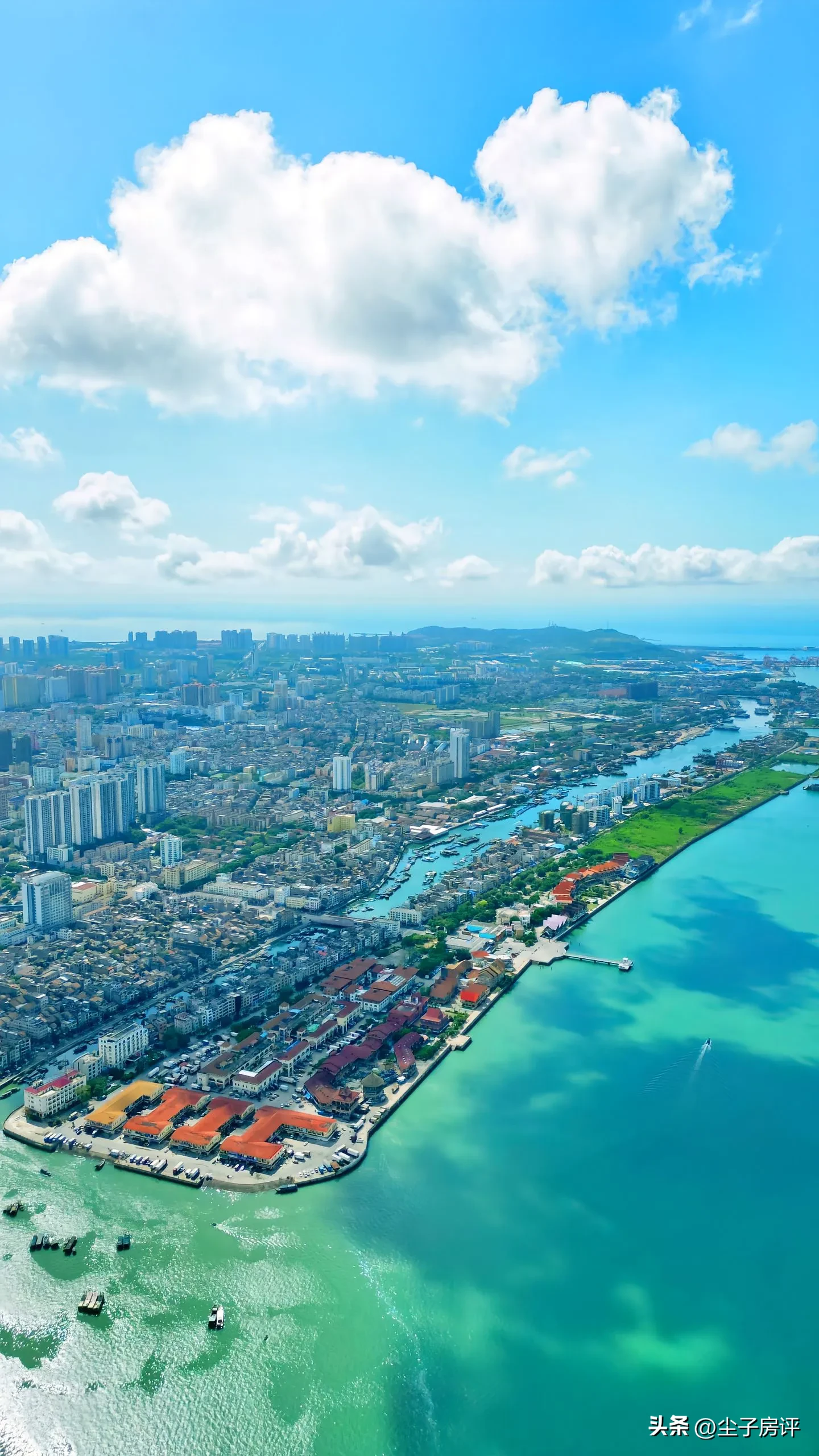
Beihai is located in the southern part of Guangxi Zhuang Autonomous Region, on the northeast coast of the Beibu Gulf. It has a subtropical oceanic monsoon climate, with mild winters and cool summers, an average annual temperature of 22.9°C, and excellent air quality that consistently ranks among the best nationwide, earning it the title of China's largest urban oxygen bar.
Beihai has a long history. As early as the Han Dynasty over 2,000 years ago, Hepu was an important starting port of the Maritime Silk Road. After the Treaty of Yantai in 1876, Beihai was forced to open as a trading port, becoming a gateway for Western powers to plunder resources, leaving behind a large number of Western-style buildings. In 1984, Beihai was listed as one of China's first batch of coastal open cities.
Beihai's culture blends Han, Zhuang, Miao, and Jing ethnic elements, with unique Danjia culture. The cuisine is dominated by seafood, such as sandworms, oysters, and flower crabs, which are fresh and delicious. There are also local snacks like shrimp cakes, rolled rice noodles, and sweet soups. Southern pearls are a hallmark of Beihai, with a long history of pearl cultivation.
In recent years, Beihai has vigorously developed tourism, electronic information, and marine economy, building the Silver Beach National Tourist Resort, Weizhou Island, and ocean parks, with the city's appearance changing rapidly. Beihai Fucheng Airport has opened multiple domestic routes, and high-speed rail connects to Nanning, Guangzhou, etc., making it an important node city in the Beibu Gulf Economic Zone.
The best time to visit 北海 is Best travel time: April to November.
April to June is spring with pleasant temperatures and mild sunshine, ideal for beach activities and outdoor sightseeing. There are fewer tourists and lower accommodation prices.
July to September is summer, hot but with warm seawater, best for swimming and water sports. However, be aware of typhoons and check weather forecasts before traveling.
October to November is autumn, cool and sunny, with abundant seafood, great for tasting seafood and enjoying sunsets. Winter (December to March) is mild but windy, not suitable for swimming.
After Emperor Wu of Han pacified Nanyue, Hepu Commandery was established, and Beihai (Hepu) became one of the starting ports of the Maritime Silk Road.
After the Treaty of Yantai between China and Britain, Beihai was opened as a trading port, and countries like Britain, France, and Germany established consulates and trading firms.
Beihai was listed among the first 14 coastal open cities by the State Council, beginning a new chapter of modernization.
Recommended places to visit
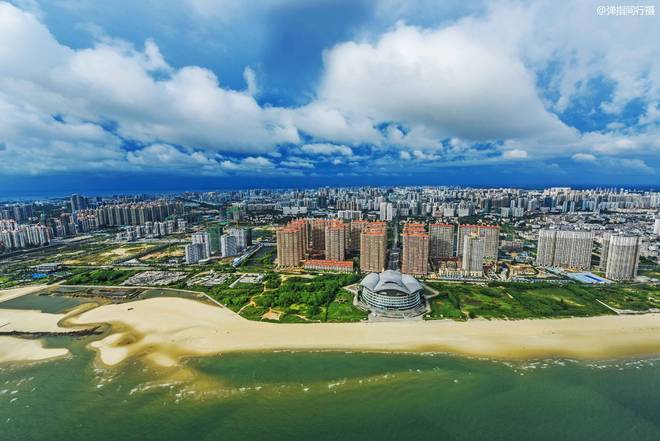
National 4A scenic spot. The beach is formed by high-quality quartz sand, shimmering silver under sunlight. It is known for its long, flat shoreline, fine white sand, and clean water, earning the title 'The Best Beach Under Heaven.'
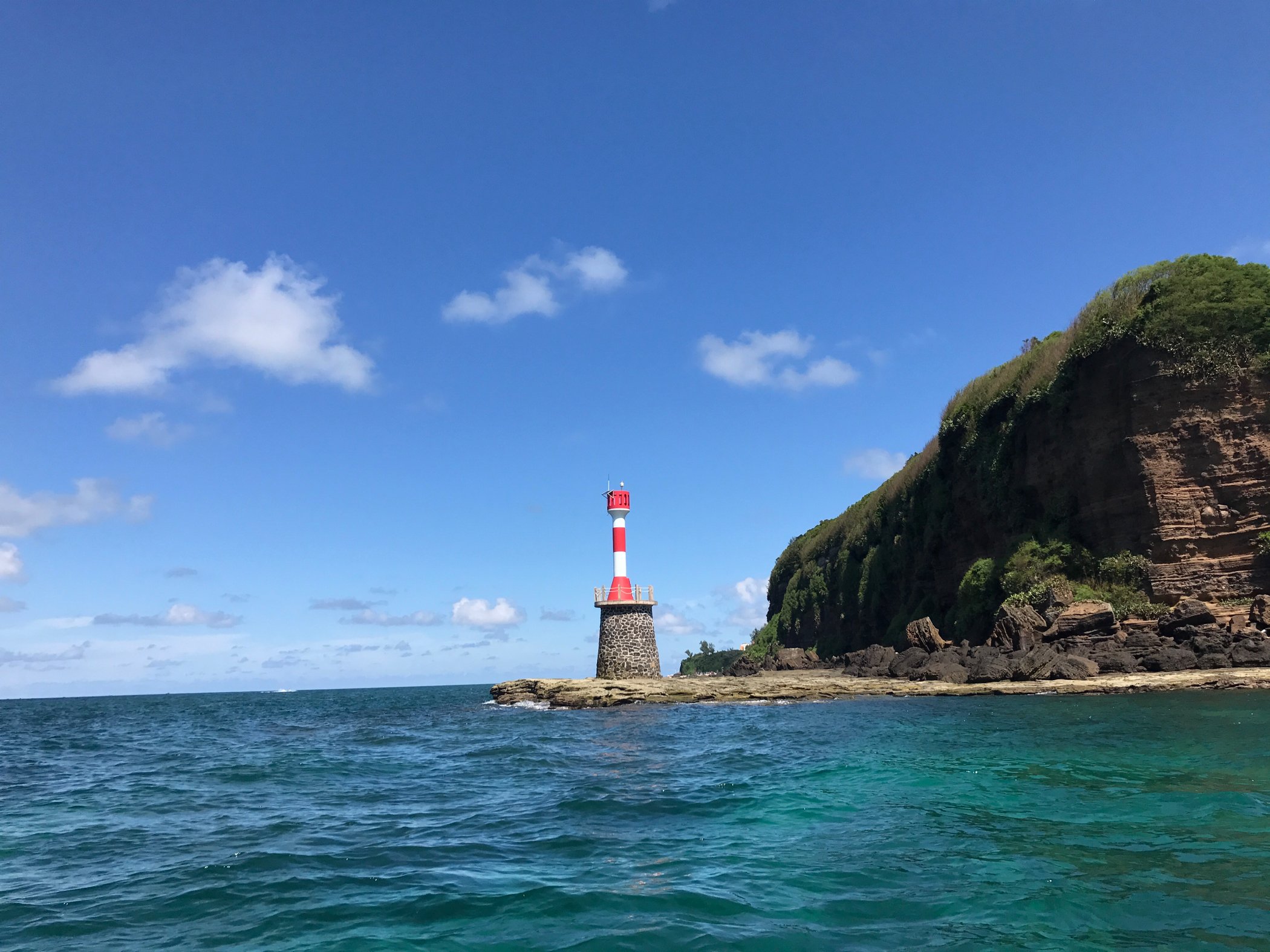
China's youngest volcanic island, candidate for 5A scenic spot. Features volcanic landforms, Catholic church, Dripping Danping, etc. Clear water suitable for diving and photography.
Explore rich intangible cultural heritage and traditional crafts

Guangxi intangible cultural heritage, telling the story of Hepu pearls during the Eastern Han Dynasty, reflecting values of integrity and honesty.
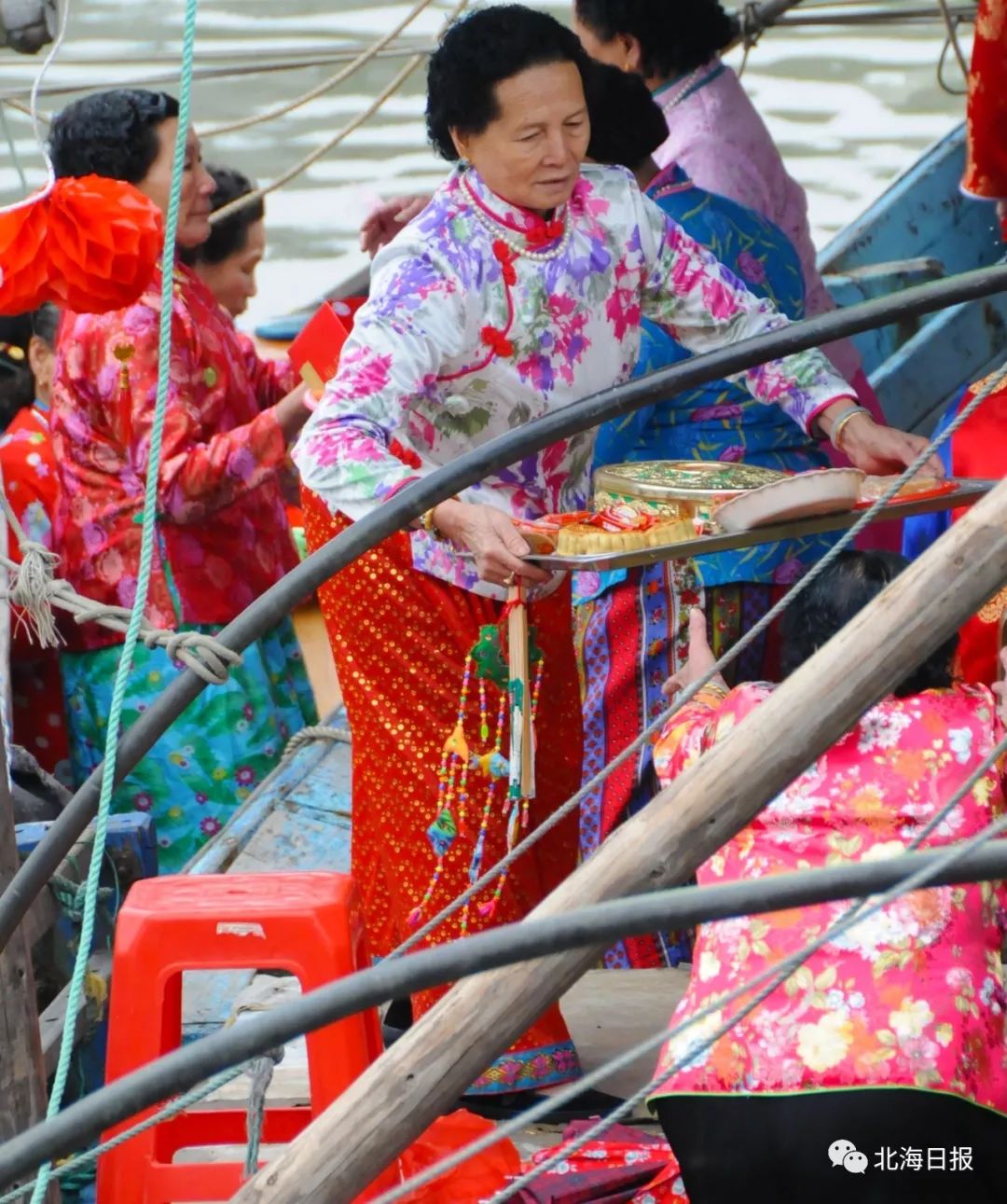
The Danjia people live on boats, with unique wedding customs including crying marriage and singing saltwater songs. Listed as Guangxi intangible heritage.
Must-know transportation for exploring the city
About 24 km from city center. Flights to major cities like Beijing, Shanghai, Guangzhou, Shenzhen, Chengdu. Airport bus or taxi to city.
Airport bus about 20 yuan, taxi about 80 yuan
Located in city center. High-speed trains to Nanning, Guangzhou, Guiyang, Kunming, etc. Nanning to Beihai about 1.5 hours.
Nanning to Beihai second class about 70 yuan
Bus routes cover main attractions and urban areas, fare 1-2 yuan. Taxi starting fare 8 yuan, ride-hailing convenient. E-bike rental also available.
Bus 1-2 yuan, taxi starting 8 yuan
Taste the most authentic and popular local specialties
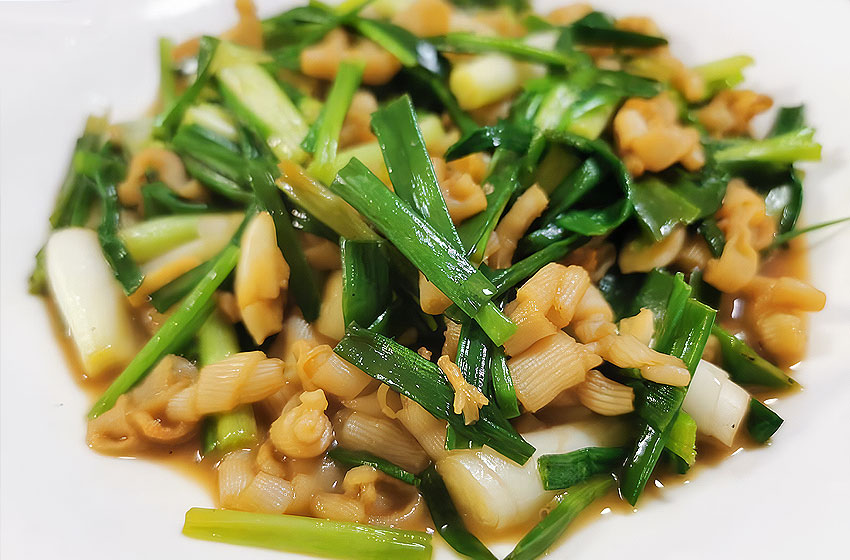
A Beihai specialty, a seafood that grows in the sand. Crisp texture, can be boiled, steamed with garlic, or cooked in congee. Nutritious, known as 'marine cordyceps.'
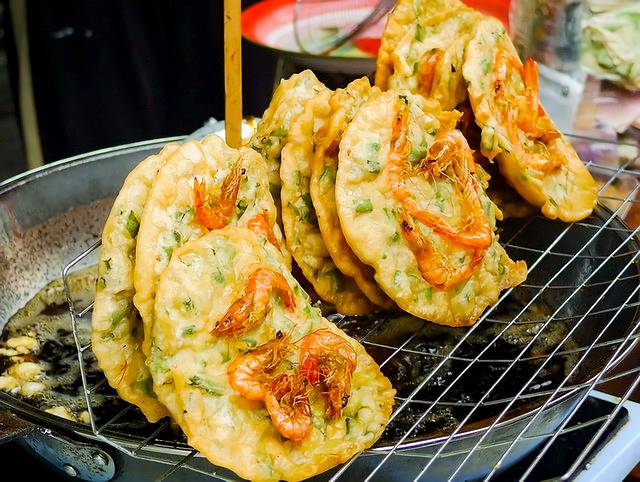
A street snack in Beihai, made by deep-frying fresh small shrimp in batter. Crispy outside, tender inside, with delicious shrimp flavor. Often eaten with pepper salt or sweet chili sauce.
Beihai experienced a real estate bubble with many unfinished buildings, which were gradually absorbed, and the city repositioned itself as a tourist and leisure destination.
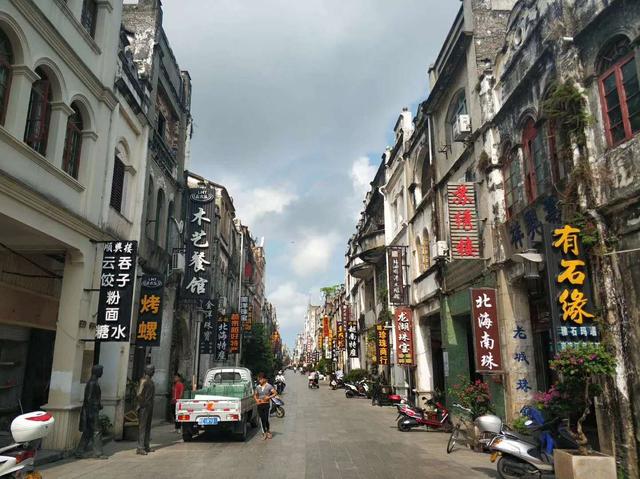
Built in 1883, 1.44 km long, lined with Chinese-Western eclectic arcade buildings. A historic district full of Nanyang style.
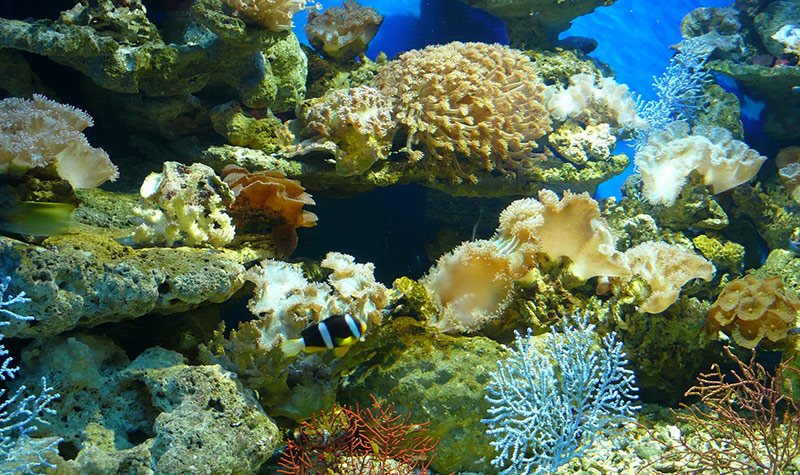
Large marine theme pavilion featuring marine life, coral reefs, underwater tunnel, and mermaid shows. Suitable for family trips.
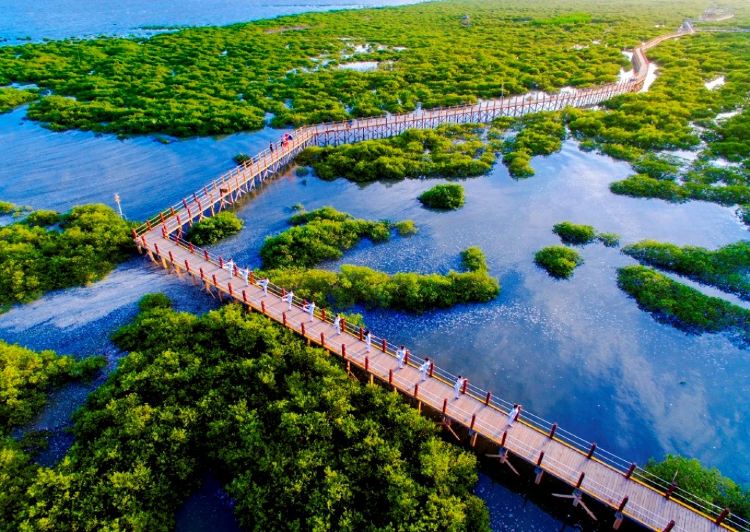
National 4A scenic spot with vast mangroves, an important habitat for migratory birds. Visitors can take boat tours and experience mudflat activities.
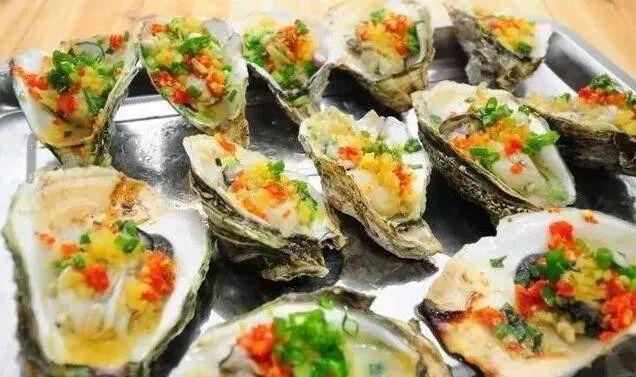
A specialty of Beihai Gulf. Large and plump, tender and smooth. Can be grilled with garlic, eaten raw, or made into oyster omelette. A must-order at night markets.
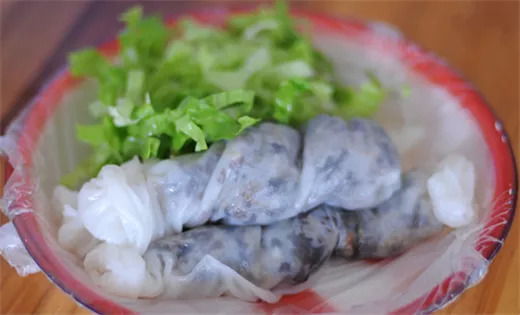
Similar to cheong fun, steamed rice batter rolled with minced pork, wood ear, bean sprouts, etc., topped with sauce. Smooth texture, a popular breakfast in Beihai.
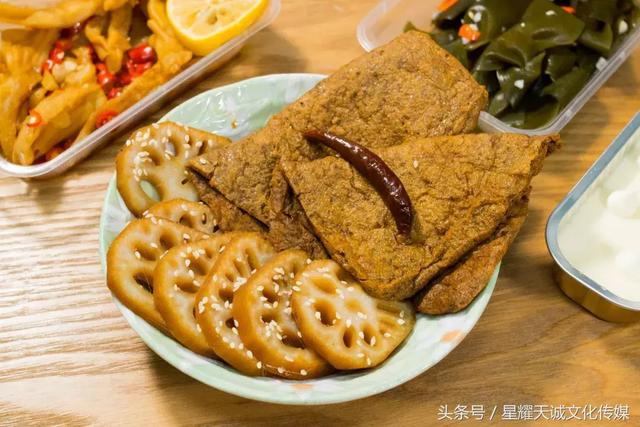
Beihai people love sweet soups, with varieties like mung bean with seaweed, sweet potato soup, longan red date soup, etc. Cooling and refreshing, dessert shops are everywhere.