
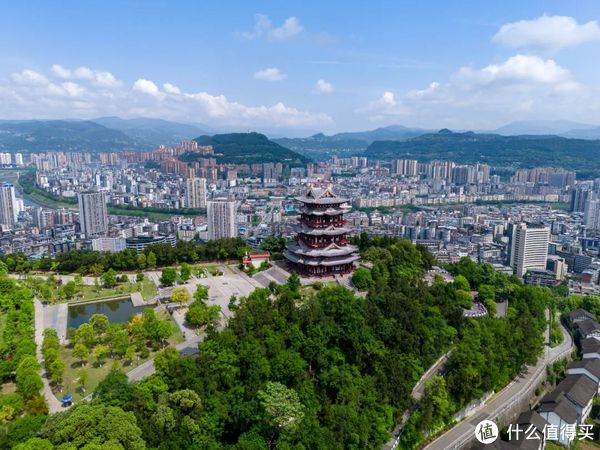
Bazhong is located in the northeastern part of Sichuan Province, at the southern foot of the Micang Mountains in the Daba Mountain range. It has a subtropical humid monsoon climate with four distinct seasons and abundant rainfall. Covering an area of approximately 12,300 square kilometers, the city boasts high forest coverage and excellent air quality, earning it the nickname 'Oxygen Bar of Northeast Sichuan'.
Bazhong has a long history. Hanchang County was established here during the Eastern Han Dynasty. After various changes, Bazhong Prefecture was set up in 1993, and in 2000, it was upgraded to a prefecture-level city. It was a core area of the Sichuan-Shaanxi Revolutionary Base, where the Fourth Red Army fought, leaving behind numerous revolutionary sites.
Bazhong is culturally diverse, being one of the important birthplaces of Ba culture. It has unique folk arts such as Sichuan opera and shadow puppetry. Its cuisine is based on Sichuan cuisine, characterized by spicy and numbing flavors. Local specialties like Bazhong Youcha (oil tea) and Enyang Tisugar Sesame Cake are very popular.
Modern Bazhong actively develops eco-tourism and red tourism. Scenic spots like Guangwu Mountain and Nuoshui River are well-known. Transportation infrastructure is continuously improving: Enyang Airport has opened multiple routes, and the Hanzhong-Bazhong-Nanchong high-speed railway is under construction, bringing rapid changes to the city.
The best time to visit 巴中 is Best in spring and autumn.
Spring (March-May): Temperatures warm up, azaleas bloom on Guangwu Mountain, and the Nuoshui River karst caves are cool, ideal for outings and flower viewing.
Autumn (September-November): Guangwu Mountain is covered with red leaves, a golden season for photography and hiking.
Summer (June-August) is hot but suitable for rafting on Nuoshui River and visiting caves; winter (December-February) is cold, offering snow scenery.
During the Eastern Han Dynasty, Hanchang County was established in the Bazhong area under Ba Commandery, marking its formal inclusion in the central administrative system.
The Fourth Front Army of the Red Army established the Sichuan-Shaanxi Revolutionary Base, with Bazhong as a core area. Leaders like Xu Xiangqian commanded battles here.
In June 2000, the State Council approved the abolition of Bazhong Prefecture and county-level Bazhong City, establishing prefecture-level Bazhong City, marking a new development phase.
Recommended places to visit
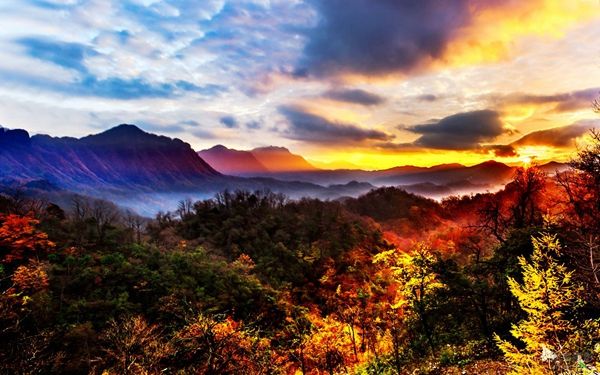
Guangwu Mountain is a national 5A-level scenic area, famous for its unique karst landforms and seasonal beauty, especially the red leaves in autumn.
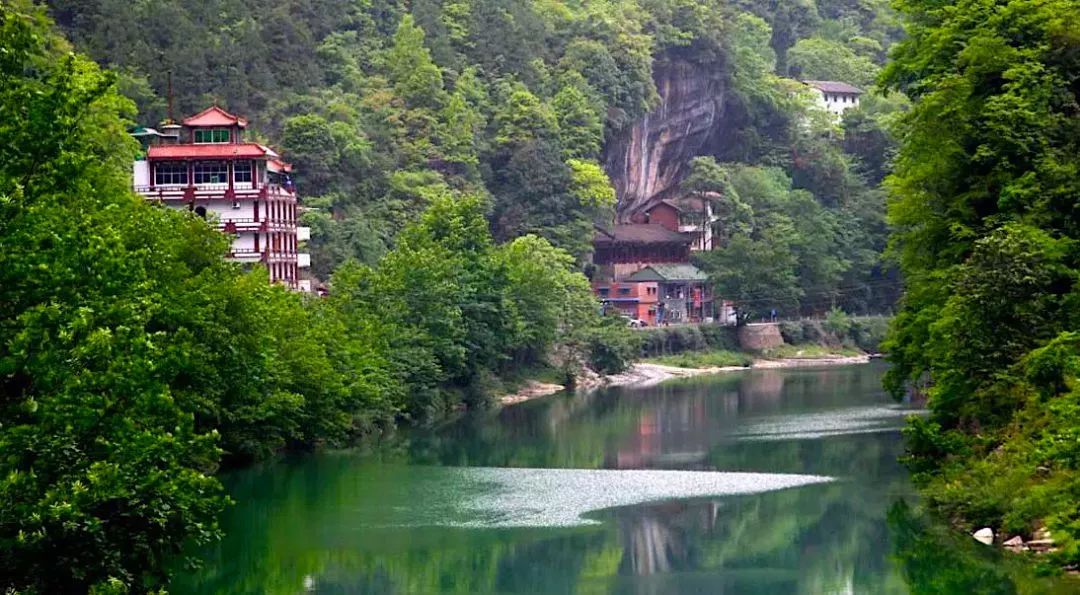
Nuoshui River is a national scenic area, known for its karst cave clusters and rafting, housing the largest underground cave group in Asia.
Explore rich intangible cultural heritage and traditional crafts
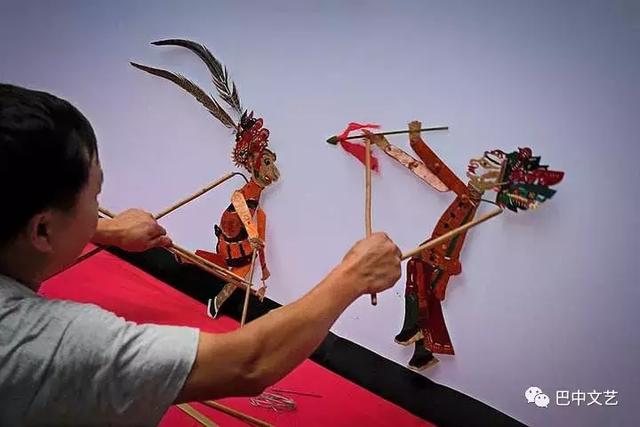
Bazhong shadow puppetry is an important branch of northern Sichuan shadow play, using cowhide carvings with vivid figures and unique vocal styles.
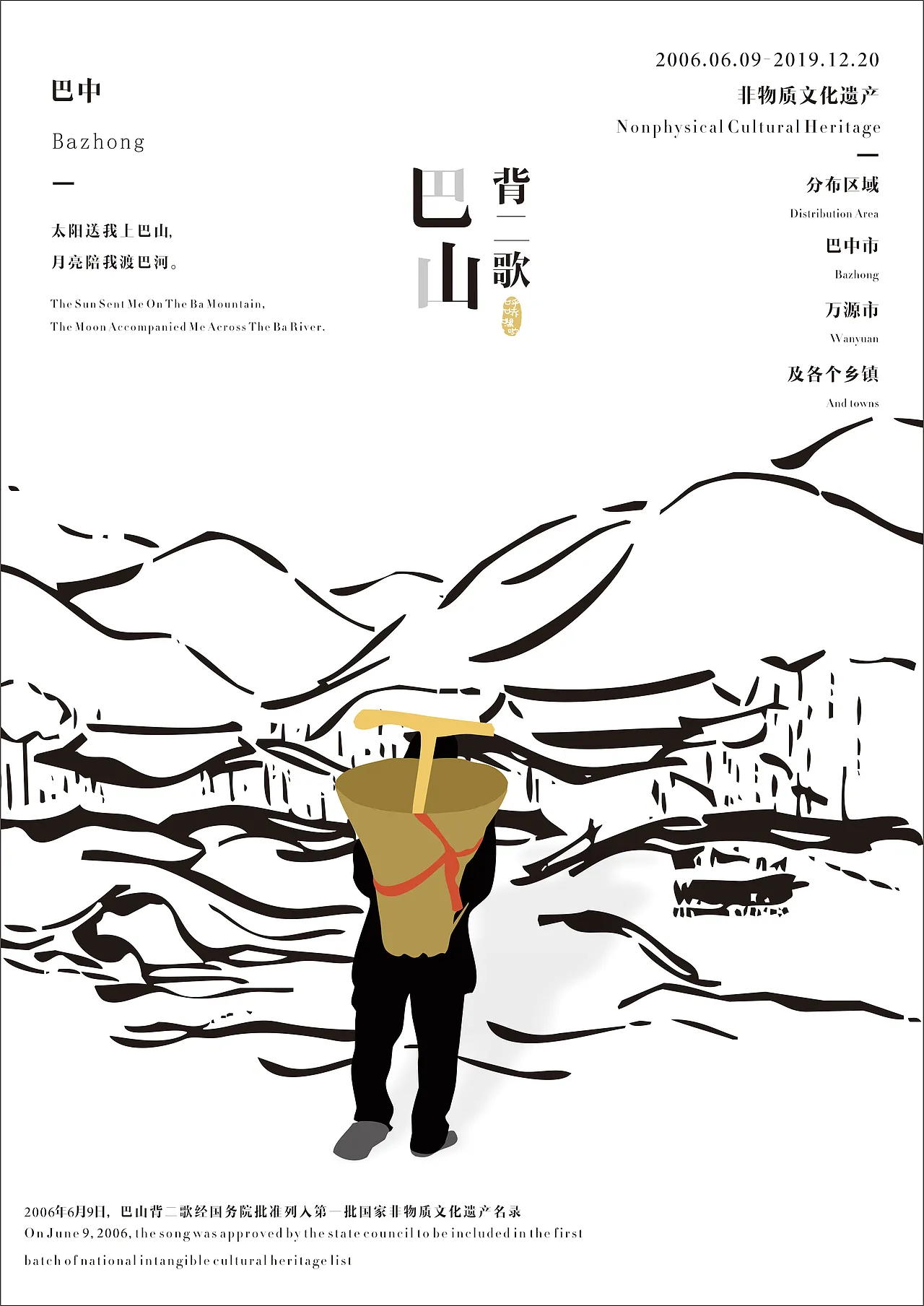
Bashan Bei'er Song is a folk song sung by laborers in the Bashan area while carrying goods, with high-pitched tunes reflecting working life.
Must-know transportation for exploring the city
Enyang Airport is located in Enyang District, Bazhong, with flights to major cities such as Beijing, Shanghai, Guangzhou, Shenzhen, and Chengdu.
Varies by route
Bazhong Station is in Bazhou District, with conventional trains to Chengdu, Chongqing, Xi'an, etc. The Hanzhong-Bazhong-Nanchong HSR is under construction.
Hard seat about 50 RMB to Chengdu
City buses cover major urban areas and attractions, with fares of 1-2 RMB. Some routes reach scenic spots like Guangwu Mountain.
1-2 RMB
Taste the most authentic and popular local specialties
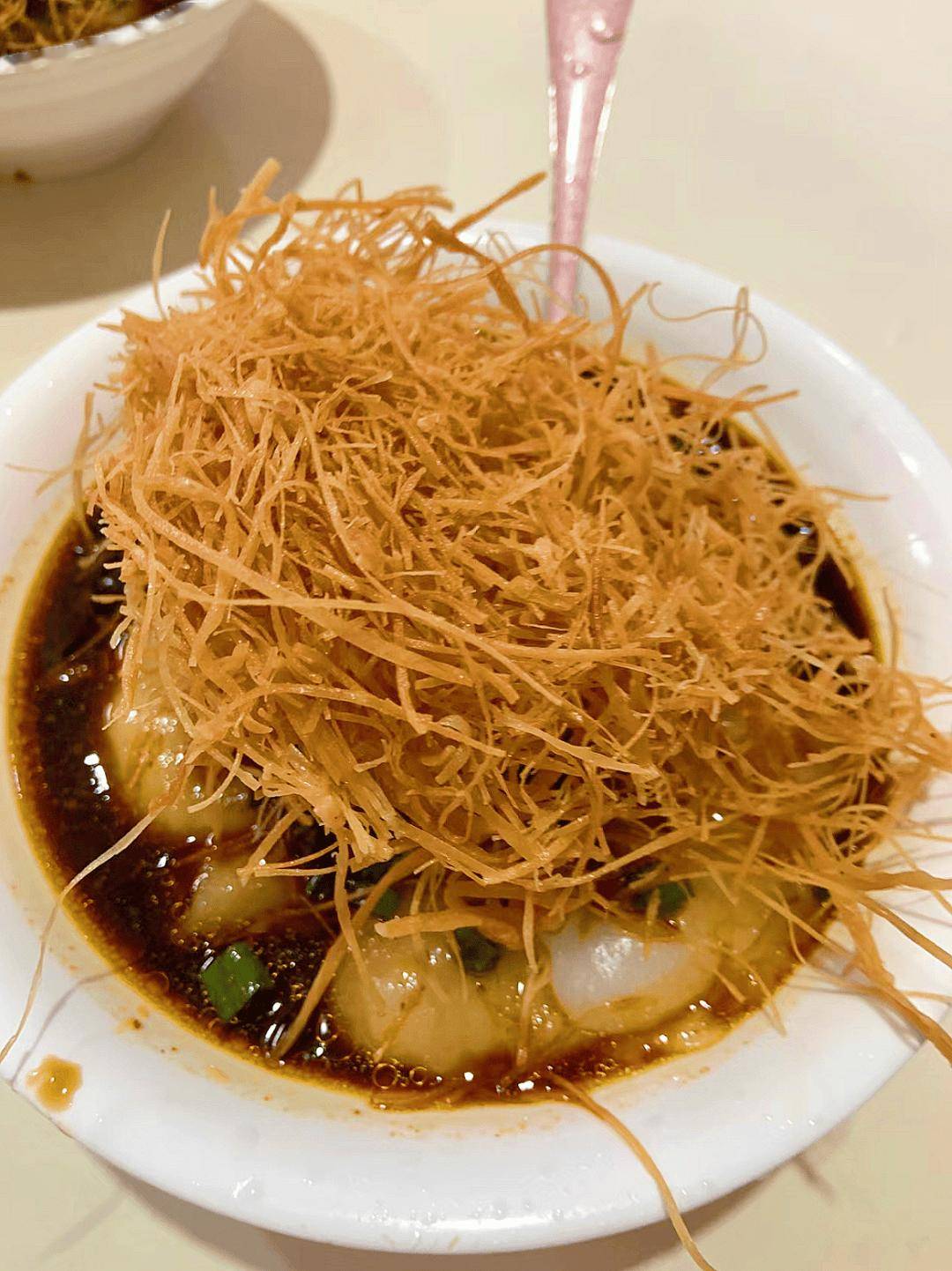
Bazhong Youcha is a special breakfast dish, with a rice paste base topped with fried dough twists, peanuts, scallions, and chili oil, spicy and delicious.

Enyang Tigang Sesame Cake is a traditional pastry of Bazhong, with a crispy crust and sweet filling, featuring maltose and sesame.
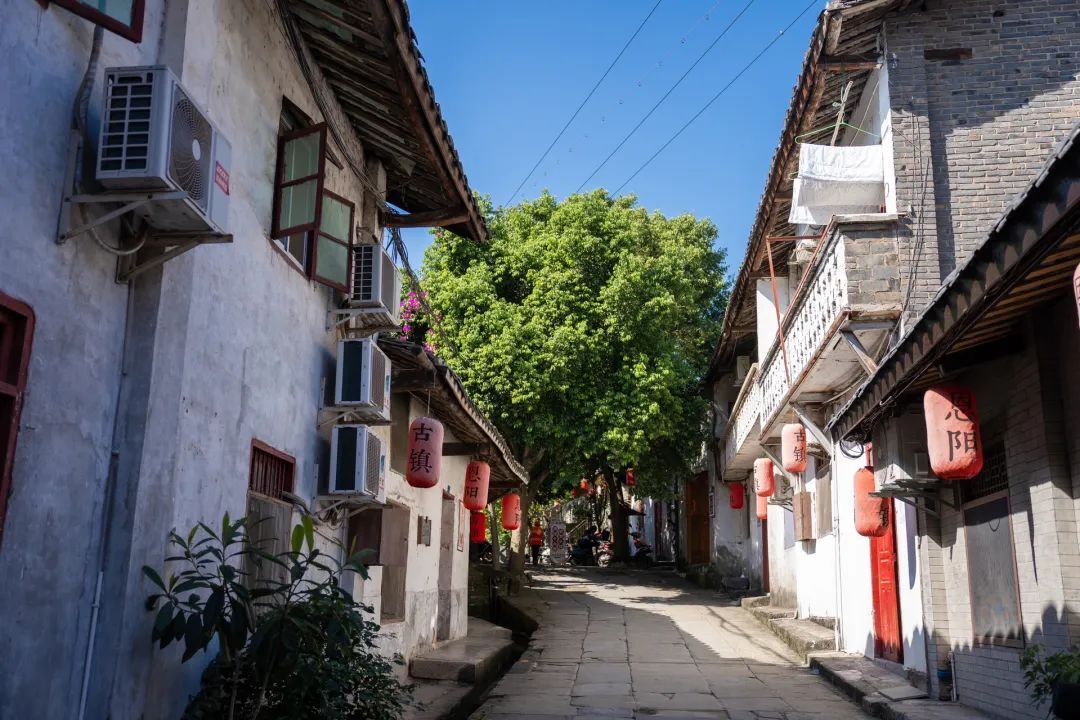
Enyang Ancient Town is one of the top ten ancient towns in Sichuan, with well-preserved Ming and Qing architecture, historically an important water-land port in northeast Sichuan.
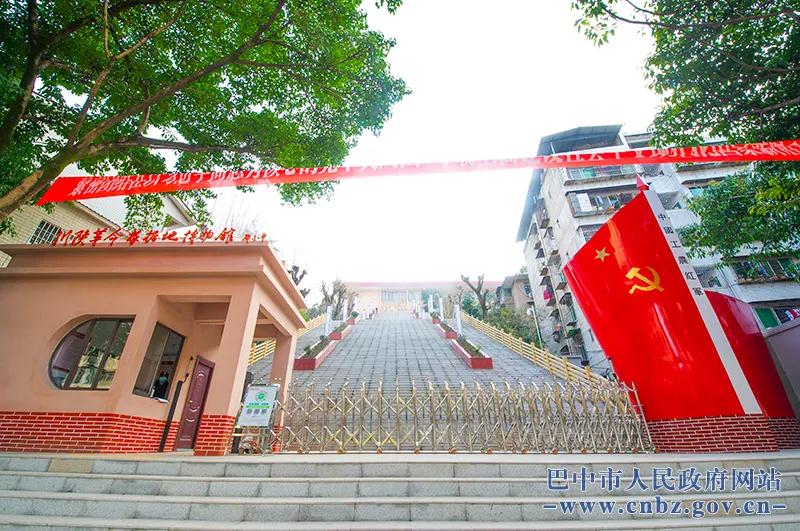
Located in Bazhou District, the museum exhibits the revolutionary history of the Fourth Front Army in the Sichuan-Shaanxi area, with a large collection of artifacts and historical materials.
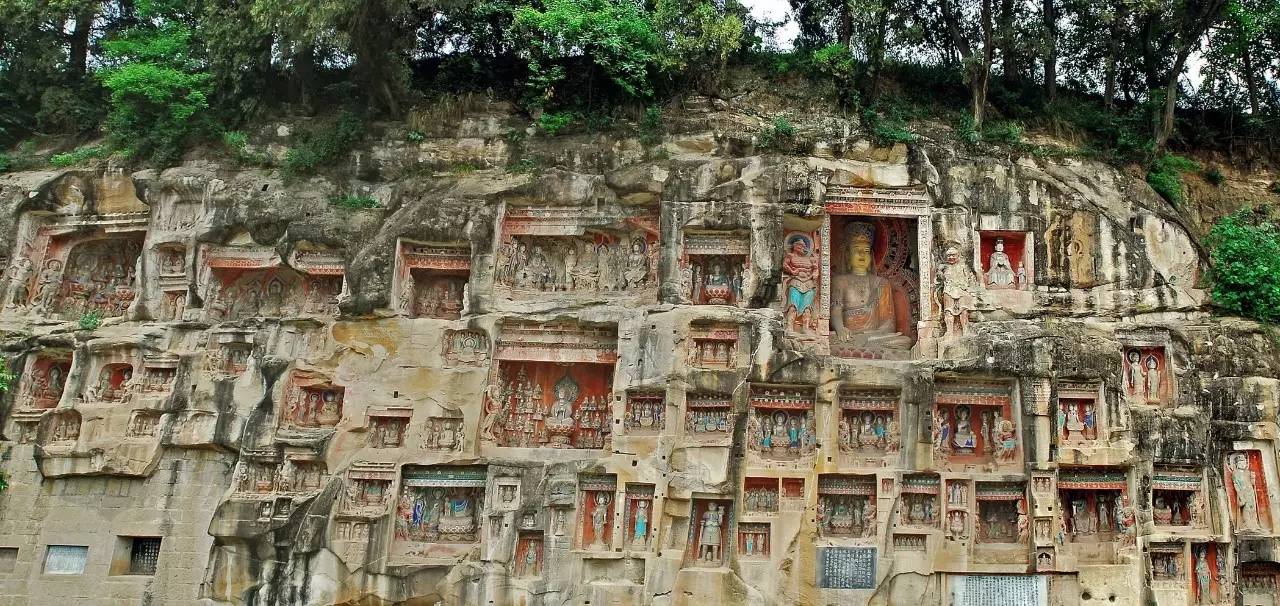
Located on Nankan Mountain in Bazhou District, these cliff carvings feature over a thousand Buddhist statues from the Sui and Tang dynasties, a national cultural heritage site.
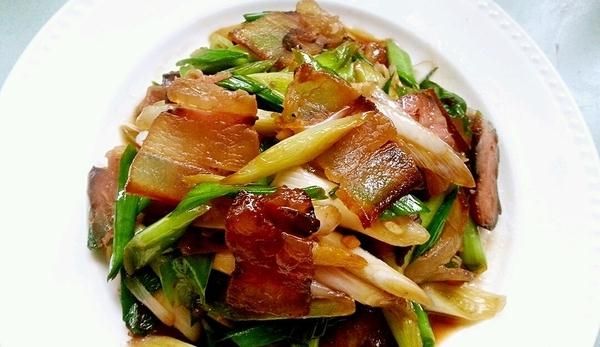
Bazhong cured meat is made using traditional smoking techniques, with firm texture and rich flavor, a must-have for New Year's Eve dinner.
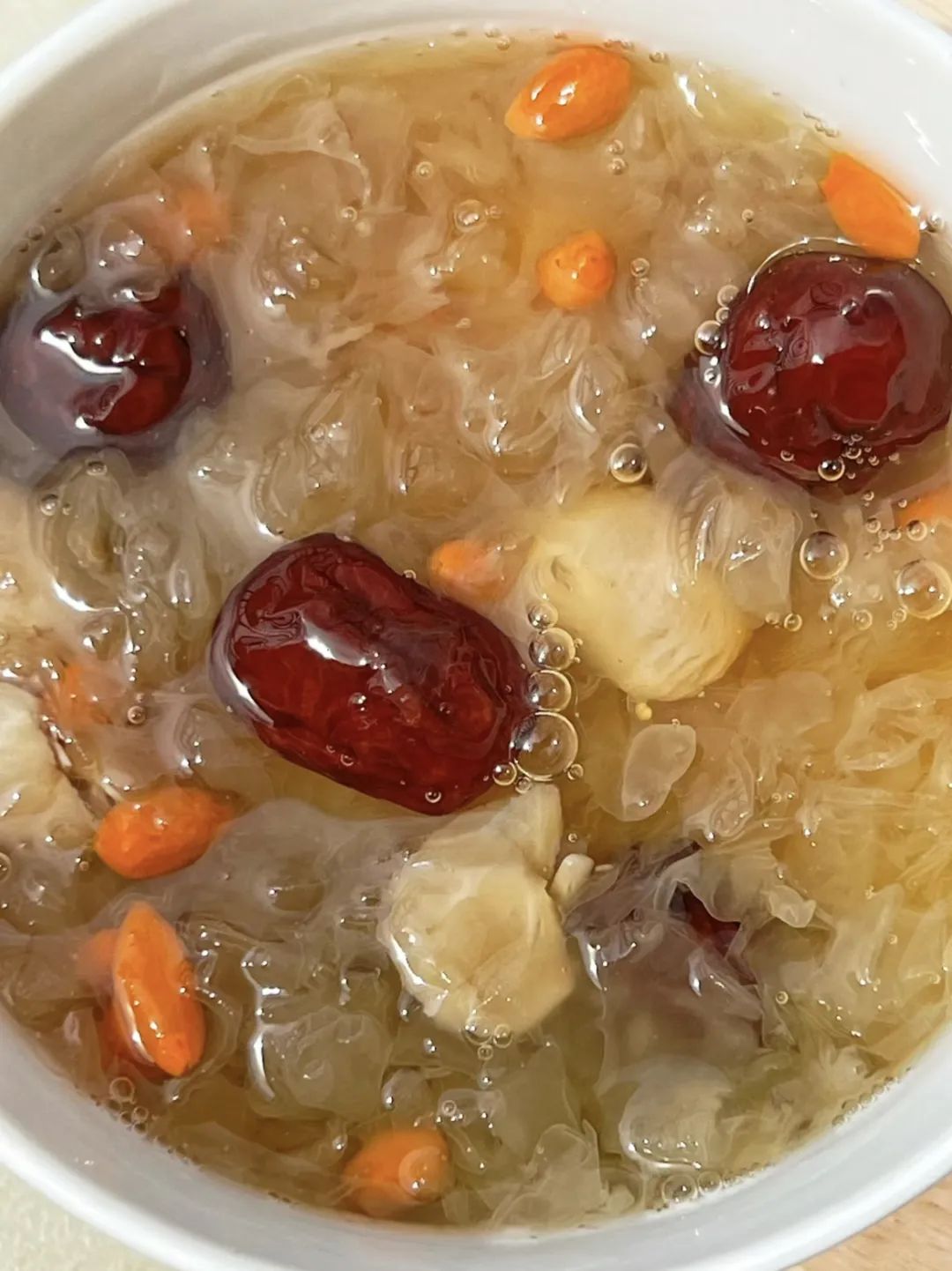
Tongjiang tremella is a specialty of Bazhong, with large, thick flowers and rich collagen, often used in soups for nourishing benefits.
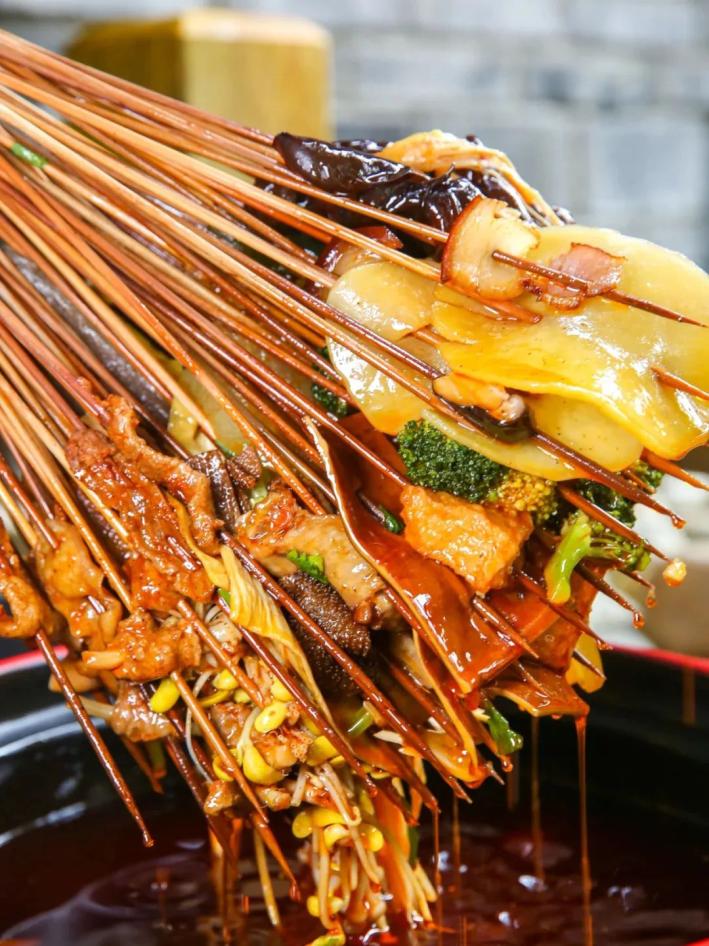
Bazhong Chuanchuan Xiang is similar to hotpot, with various ingredients skewered on bamboo sticks and boiled, served with a unique dipping sauce, spicy and flavorful.