
Bayingolin Mongol Autonomous Prefecture is located in southeastern Xinjiang, at the southern foot of the Tianshan Mountains and the northeastern edge of the Tarim Basin. Covering an area of approximately 470,000 square kilometers, it is the largest prefecture-level administrative region in China. The climate is temperate continental, characterized by aridity, scarce rainfall, large temperature differences between day and night, cold winters, and hot summers.
Bayingolin has a long history and was an important passage on the ancient Silk Road. During the Western Han Dynasty, the Western Regions Protectorate was established here, and in the Tang Dynasty, it belonged to the Anxi Protectorate. After the return of the Mongolian Torgut tribe from the Volga River in the Qing Dynasty, they settled here. The prefecture is home to numerous historical sites, including the Loulan Ancient City and Milan Ancient City.
Bayingolin is a multi-ethnic region, predominantly Mongolian, with Han, Uyghur, Hui, and other ethnic groups living in harmony. The culture is distinctive, featuring folk activities such as the Nadam Fair and Meshrep. The cuisine is unique, with representative dishes like roast whole lamb, hand-grabbed meat, kumis, and Korla fragrant pears.
Modern Bayingolin has experienced rapid economic development, with pillar industries including petroleum, natural gas, cotton, and fragrant pears. Transportation is convenient, with Korla Airport and railways connecting to the rest of the country. Tourism is booming, with famous scenic spots such as Bosten Lake, Bayanbulak Grassland, and the Tarim River Poplar Forest attracting visitors from far and wide.
The best time to visit 巴音郭楞 is The best travel time is from May to October.
Spring (April-May): Temperatures rise, grasslands begin to turn green, but there is more wind and sand. Suitable for viewing apricot and pear blossoms.
Summer (June-August): Hot weather, but the grasslands and lakes are at their most beautiful. Bosten Lake is suitable for water activities, and Bayanbulak Grassland is cool and pleasant.
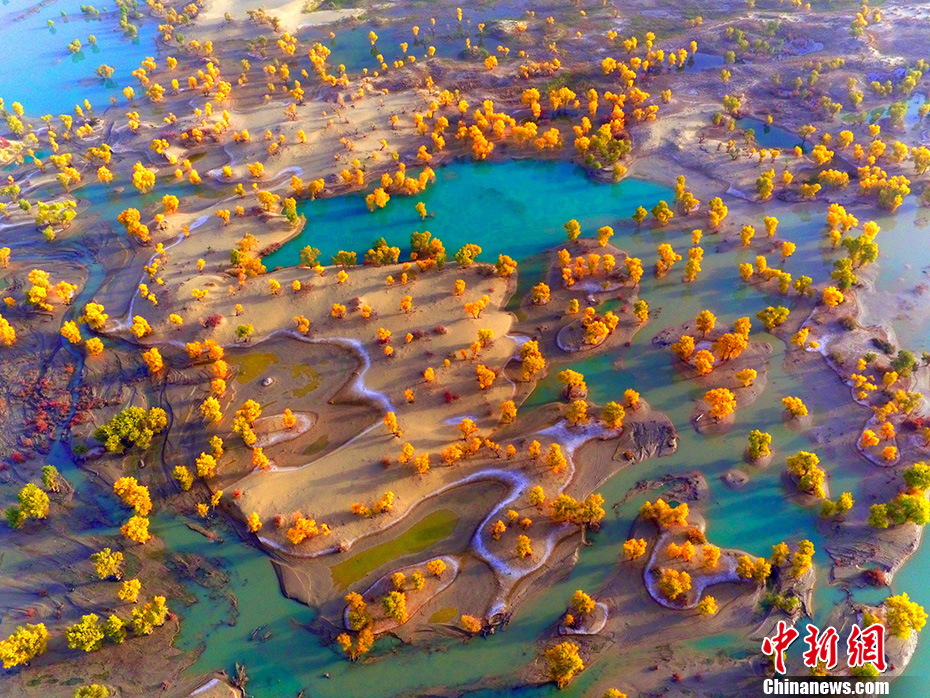
Autumn (September-October): Clear and crisp weather, with golden poplar forests, making it a prime season for photography. Korla fragrant pears ripen, allowing visitors to taste fresh fruit.
Zhang Qian was sent by Emperor Wu of Han to the Western Regions, passing through the Bayingolin area and opening the Silk Road.
The Mongolian Torgut tribe returned to the motherland from the Volga River basin, and some settled in Bayingolin.
On June 23, 1954, the Bayingolin Mongol Autonomous Prefecture was officially established, becoming the first ethnic autonomous prefecture in Xinjiang.
Recommended places to visit
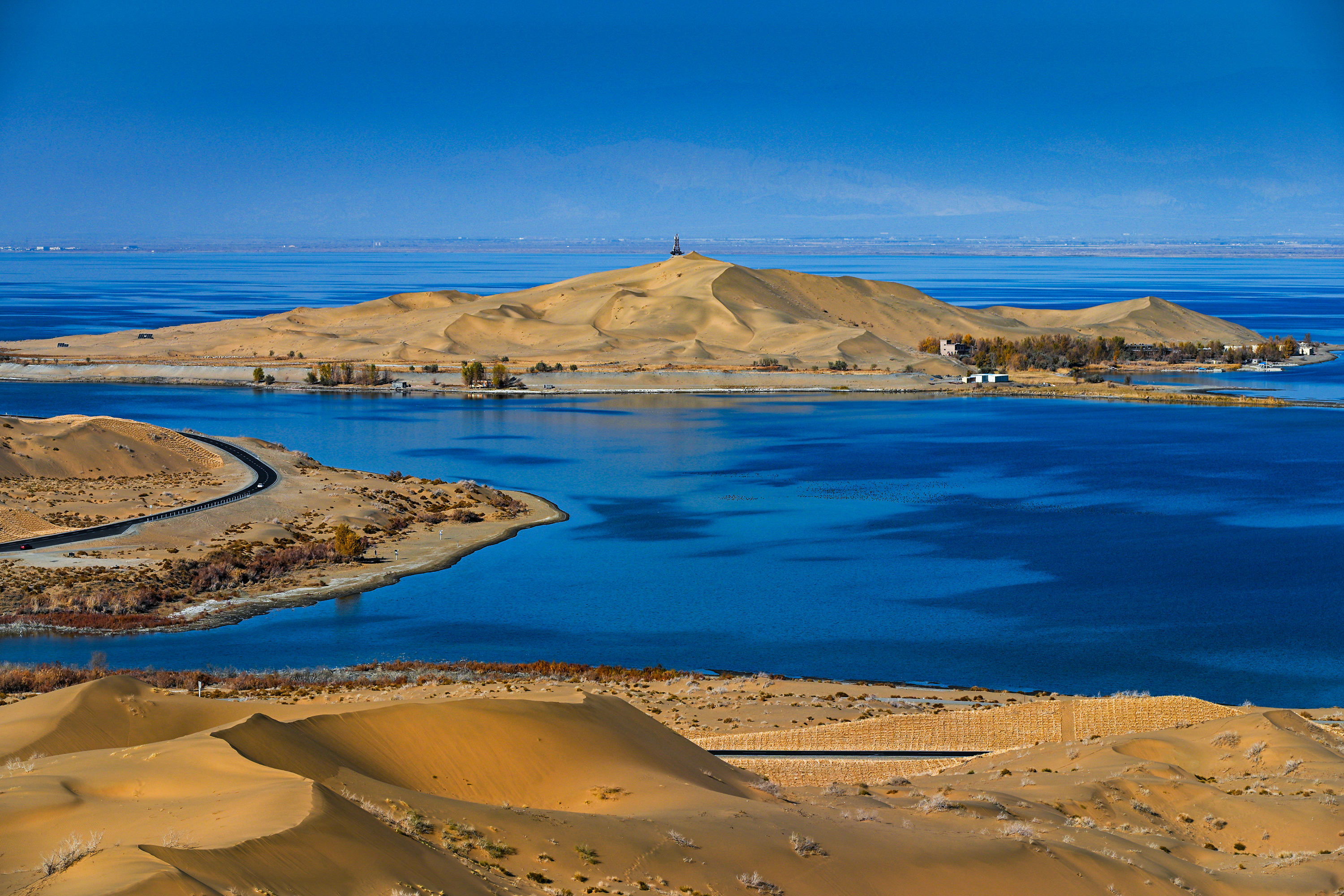
The largest inland freshwater lake in China, located in Bohu County, Bayingolin. Known as the 'Western Sea,' it offers vast waters and beautiful scenery, with activities like boating and fishing.
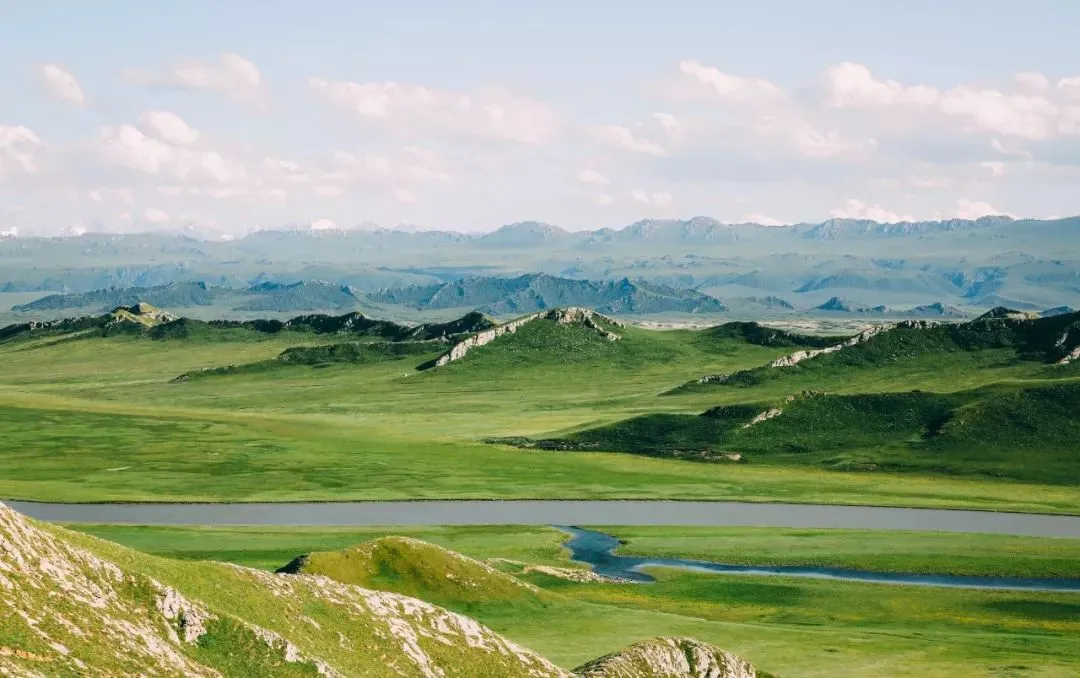
The second largest grassland in China, located in Hejing County at an altitude of about 2500 meters. It features vast grasslands, winding rivers, the famous Nine Bends and Eighteen Turns, and Swan Lake.
UNESCO World Heritage Sites
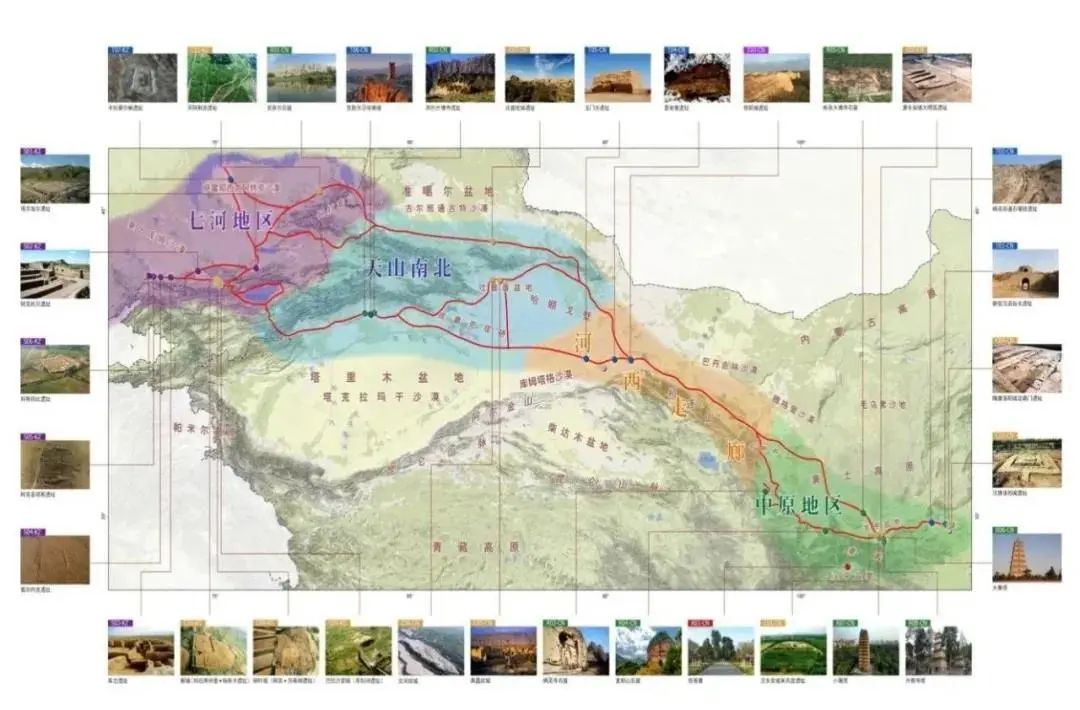
Sites such as the Loulan Ancient City and Milan Ancient City in Bayingolin are important nodes on the Silk Road.
Explore rich intangible cultural heritage and traditional crafts
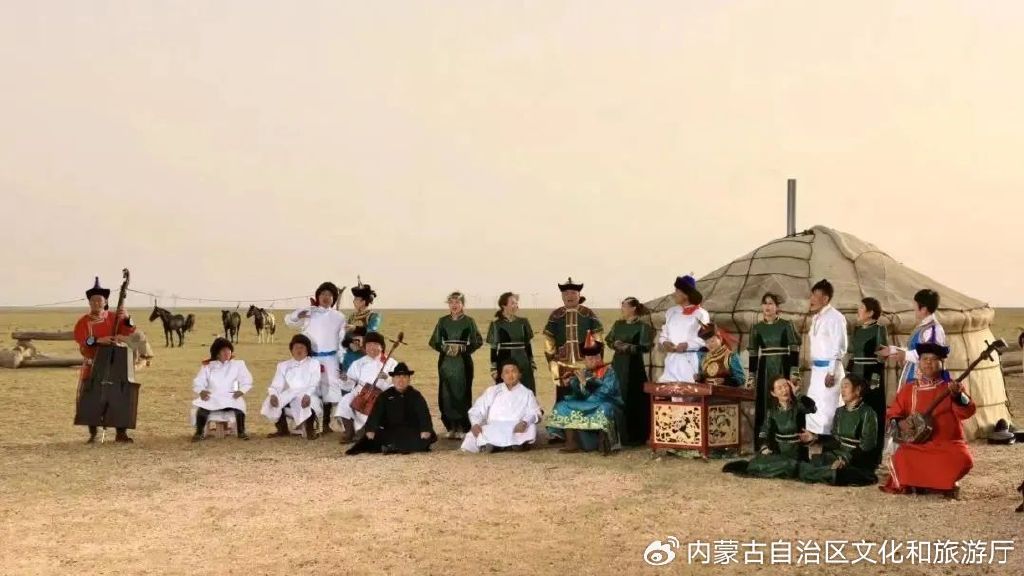
A traditional Mongolian sports and entertainment event including wrestling, horse racing, and archery, held annually in Bayingolin.
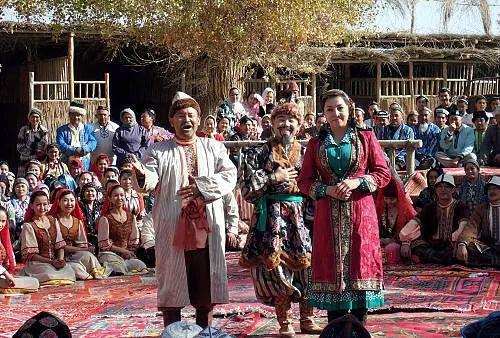
A traditional Uyghur folk song and dance gathering, widely practiced in Uyghur communities in Bayingolin.
Must-know transportation for exploring the city
Located in Korla City, with flights to Beijing, Shanghai, Urumqi, and other cities.
Approximately 500-1500 RMB
Connects to Urumqi, Xi'an, Lanzhou, etc., allowing travel to various cities and counties in Bayingolin.
Approximately 100-500 RMB
Korla city has multiple bus routes, and long-distance buses connect the counties, making travel convenient for tourists.
Bus 1-2 RMB, long-distance 20-100 RMB
Taste the most authentic and popular local specialties
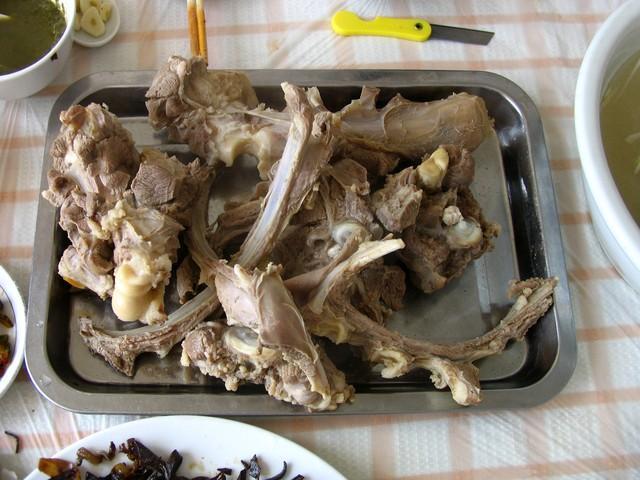
A traditional Xinjiang dish, made by marinating a whole lamb with special spices and roasting it until the skin is crispy and the meat is tender.
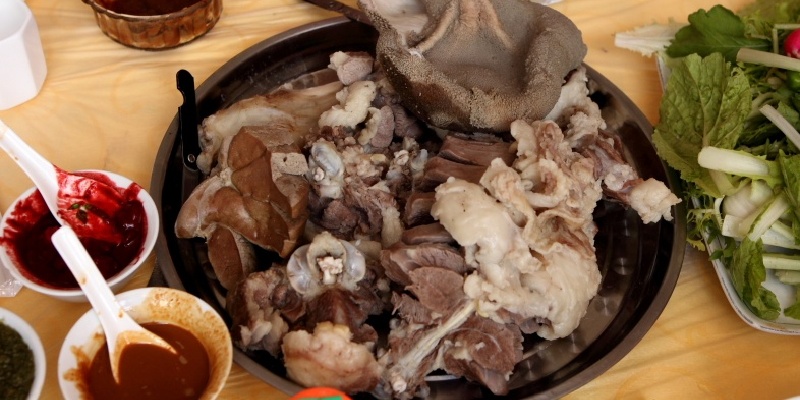
Large pieces of lamb or horse meat are boiled and eaten by hand, preserving the natural flavor.

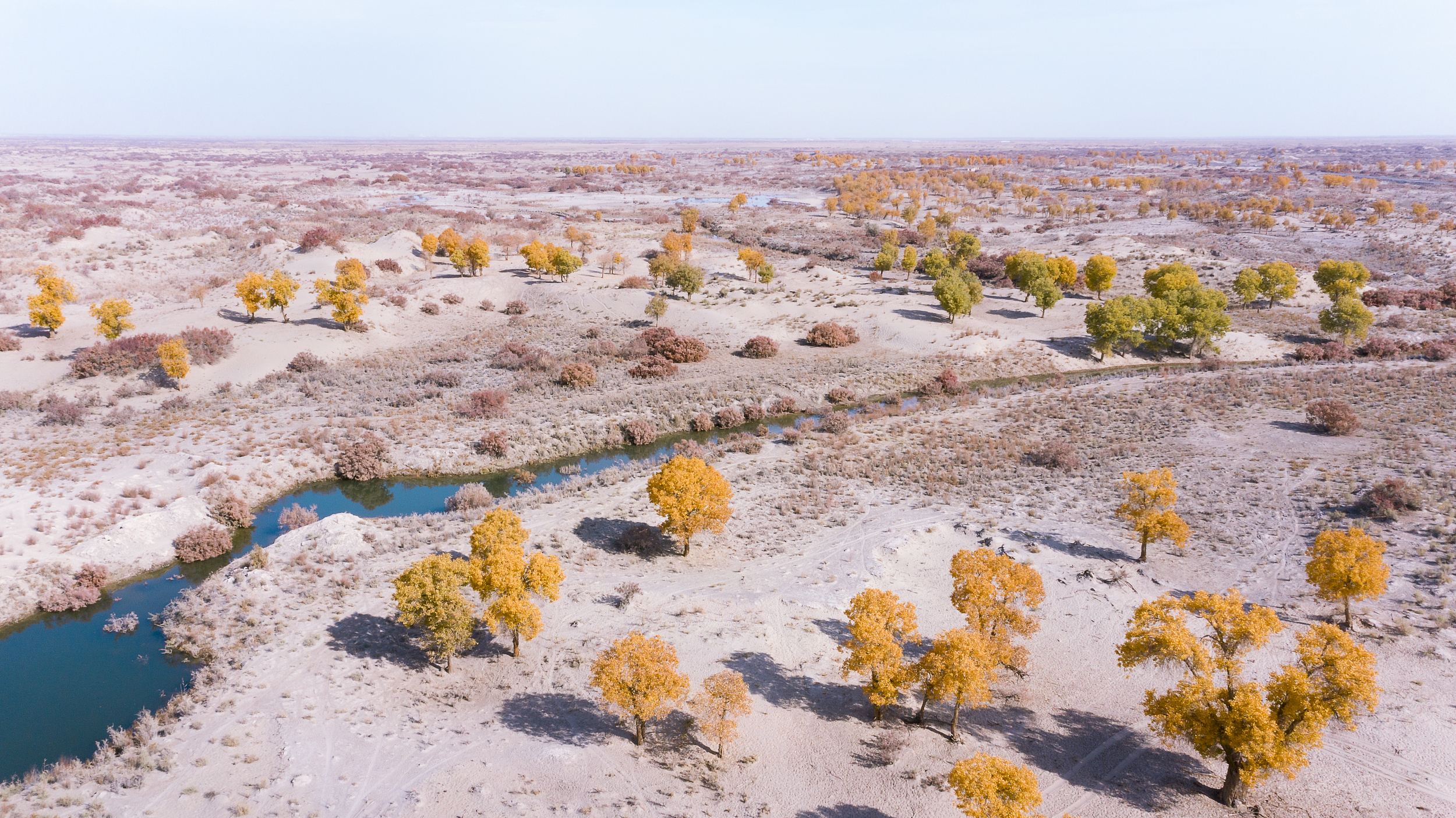
Located in Luntai County, it is one of the world's largest poplar forest reserves. In autumn, the golden poplar trees contrast beautifully with the desert and river.
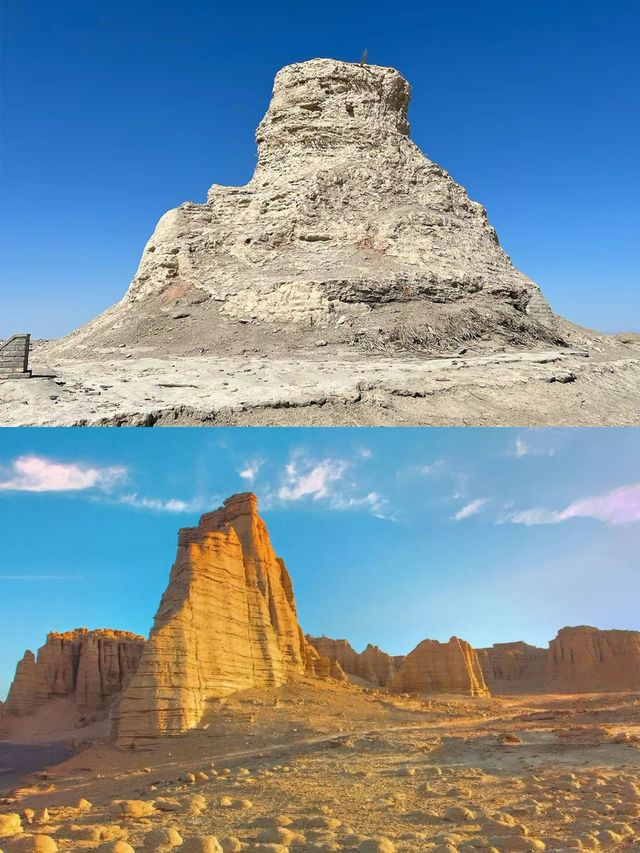
Located in Ruoqiang County, it was an important ancient city on the Silk Road, dating back about 2000 years. The ruins include city walls and pagodas, exuding mystery.
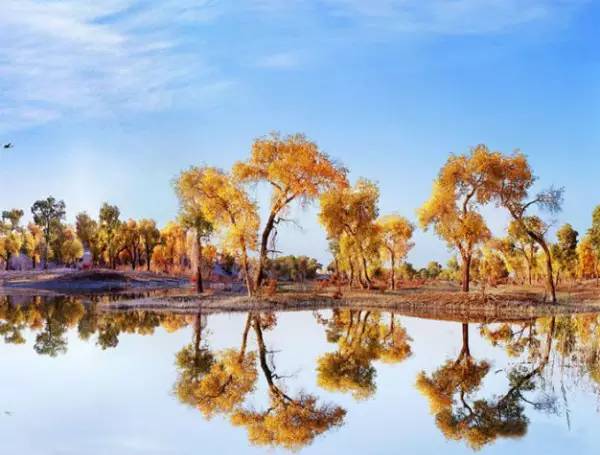
Located in Ruoqiang County, it was an important farming and Buddhist site from the Han and Tang dynasties. It features pagodas and murals, crucial for studying ancient Western Regions culture.
A traditional Mongolian drink made from fermented mare's milk, sweet and sour, aiding digestion and cutting grease.
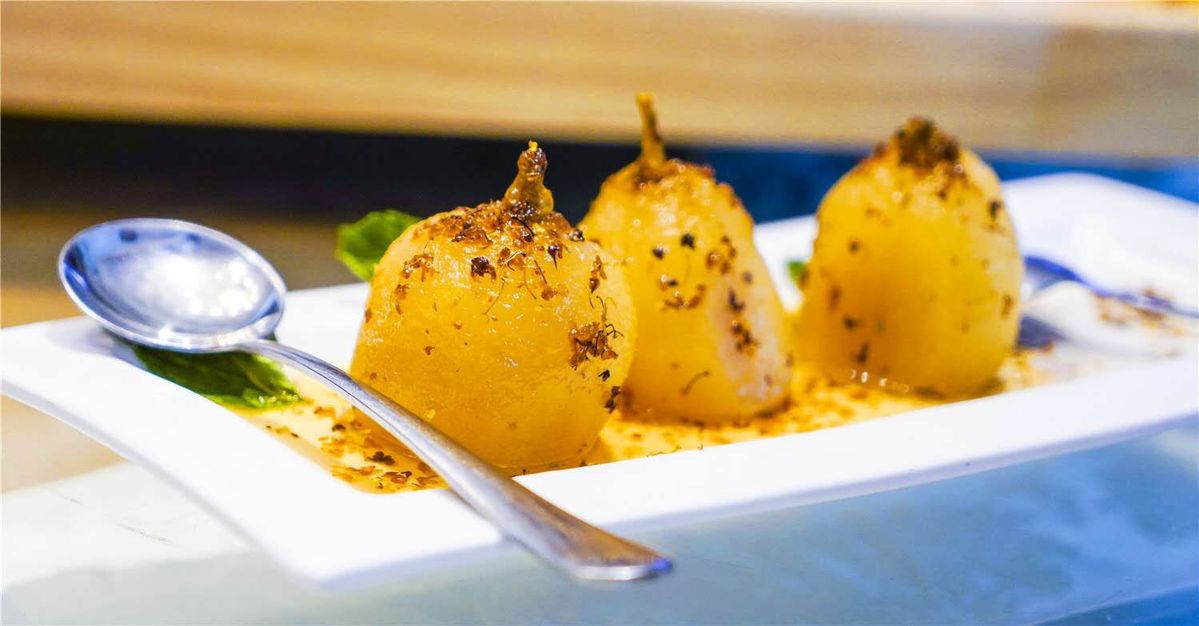
A specialty of Korla, with thin skin, fine flesh, abundant juice, and sweet taste, known as a 'pear treasure.'
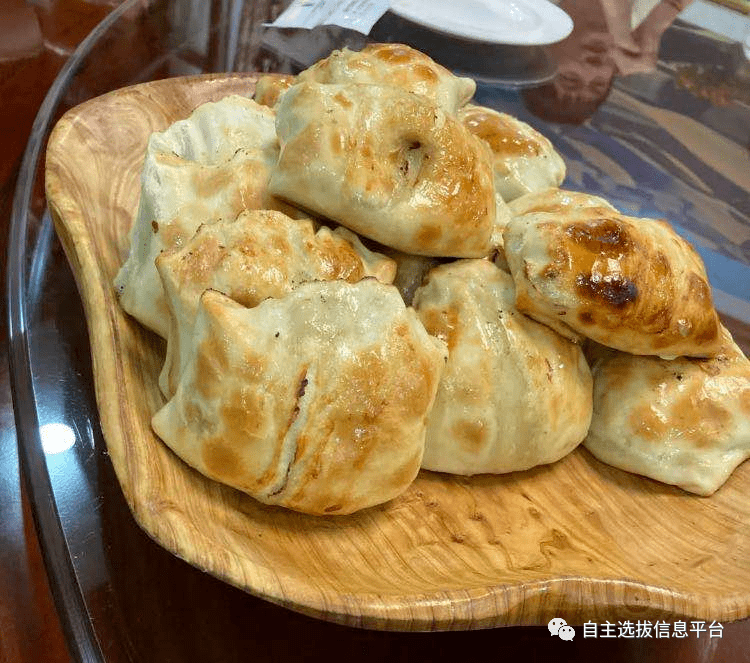
A Xinjiang specialty, filled with lamb and onion, shaped into squares and baked until crispy outside and savory inside.