
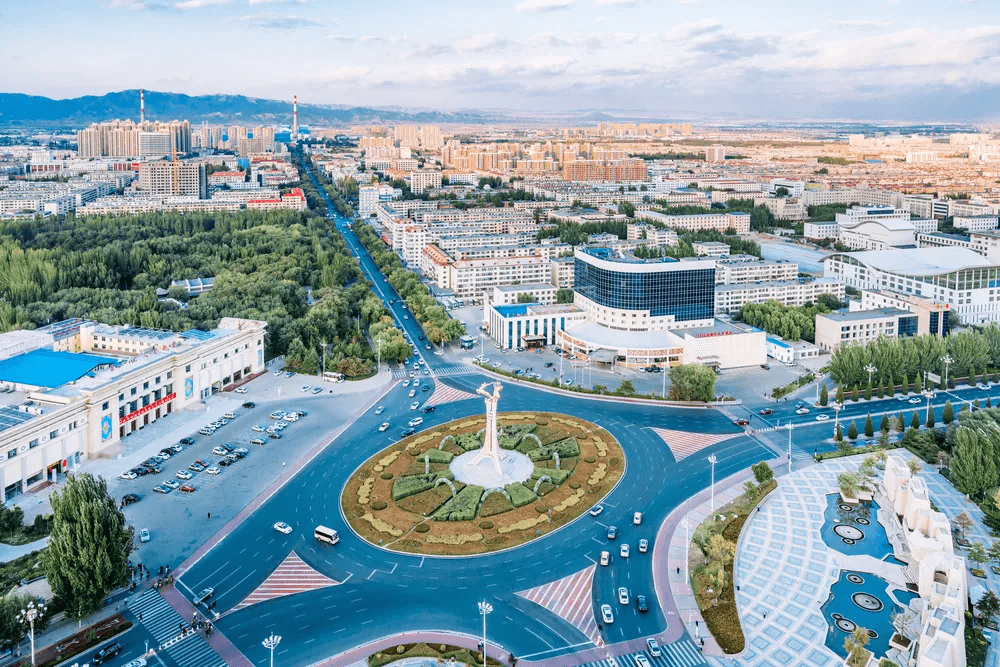
Baotou is located in the central part of Inner Mongolia Autonomous Region, with the Yinshan Mountains to the north and the Yellow River to the south. It has a temperate continental climate with four distinct seasons: cold and dry winters, warm and less rainy summers.
Baotou's history dates back to the Warring States period when it was part of the Yunzhong Commandery of the Zhao State. In modern times, it rose to prominence as a major industrial city due to the construction of the Beijing-Baotou Railway and Baotou Steel.
Baotou is a melting pot of Mongolian and Han cultures, featuring unique grassland customs and culinary traditions. The cuisine is centered on beef and mutton, such as hand-grabbed mutton and roasted whole lamb, along with specialties like oat noodles and milk tea.
Today, Baotou has developed into a modern city with steel, rare earth, and equipment manufacturing as its pillar industries. It also emphasizes ecological construction, boasting green landmarks like the Saihantala Urban Grassland.
The best time to visit 包头 is The best travel time is summer (June-August) and autumn (September-October).
Summer (June-August) is cool with an average temperature around 20°C, ideal for grassland activities and outdoor sightseeing.
Autumn (September-October) has clear skies and pleasant scenery, a great time to enjoy the autumn colors of the grasslands.
Winter (November-February) is cold and dry, suitable for ice and snow activities, but keep warm. Spring (March-May) is windy and dusty, less favorable.
During the Warring States period, King Wuling of Zhao established Yunzhong Commandery here, the earliest administrative division of Baotou.
Baotou Iron and Steel Company (Baotou Steel) started construction, becoming an important steel base of New China and driving urban development.
Baotou Rare Earth High-Tech Industrial Development Zone was established, promoting the rare earth industry and earning the title 'Rare Earth Capital'.
Recommended places to visit
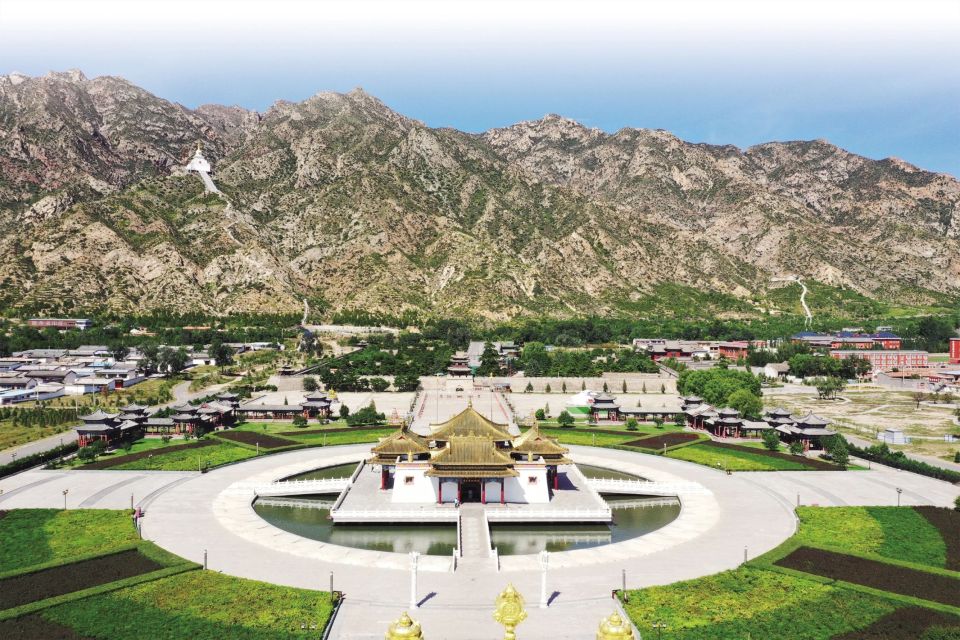
A Gelug sect Tibetan Buddhist monastery, the largest in Inner Mongolia, known as 'Little Potala Palace'.
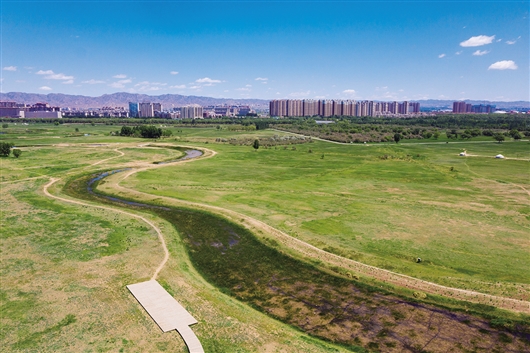
The only urban grassland in China, covering over 10,000 mu, offering horse riding and archery to experience grassland culture.
Explore rich intangible cultural heritage and traditional crafts
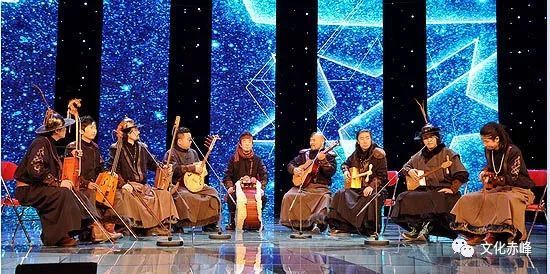
Unique Mongolian throat singing technique, producing multiple tones simultaneously, listed as national intangible heritage.
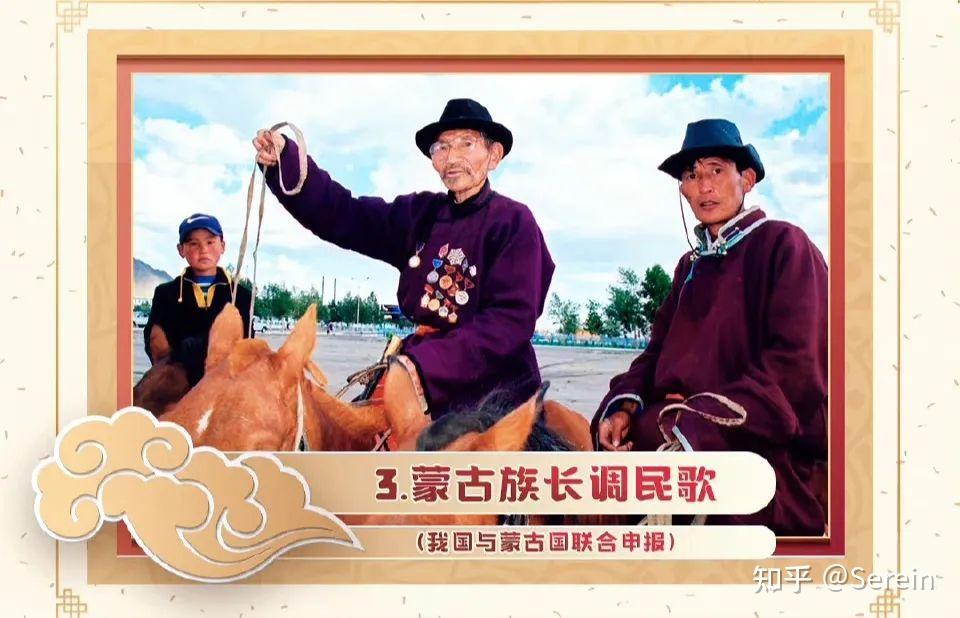
Traditional Mongolian folk song with long, slow melodies expressing grassland emotions, listed as UNESCO intangible heritage.
Must-know transportation for exploring the city
About 20 km from downtown, with flights to major cities like Beijing, Shanghai, and Guangzhou.
Varies by route
Intersection of Beijing-Baotou and Baotou-Lanzhou railways, high-speed trains to Beijing, Hohhot, etc.
High-speed second class about 150 CNY to Beijing
Bus routes cover major attractions and urban areas, fare 1-2 CNY, mobile payment accepted.
1-2 CNY
Taste the most authentic and popular local specialties
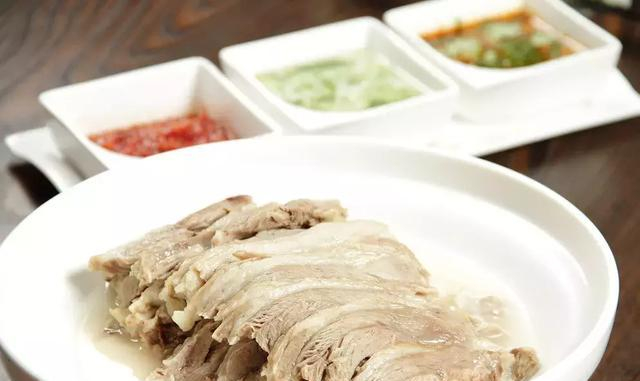
Traditional Mongolian dish, using grassland mutton boiled in water, then eaten by hand, tender and delicious.
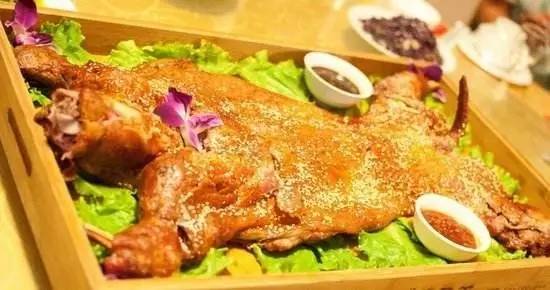
A famous Mongolian feast dish, whole lamb roasted until crispy outside and juicy inside.
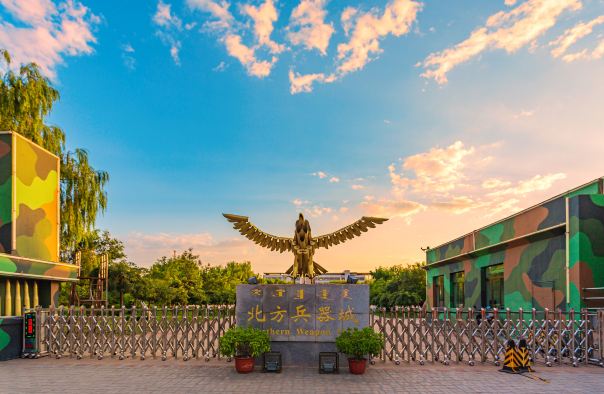
A large theme park showcasing modern Chinese weapons, with tanks, artillery, and other exhibits.
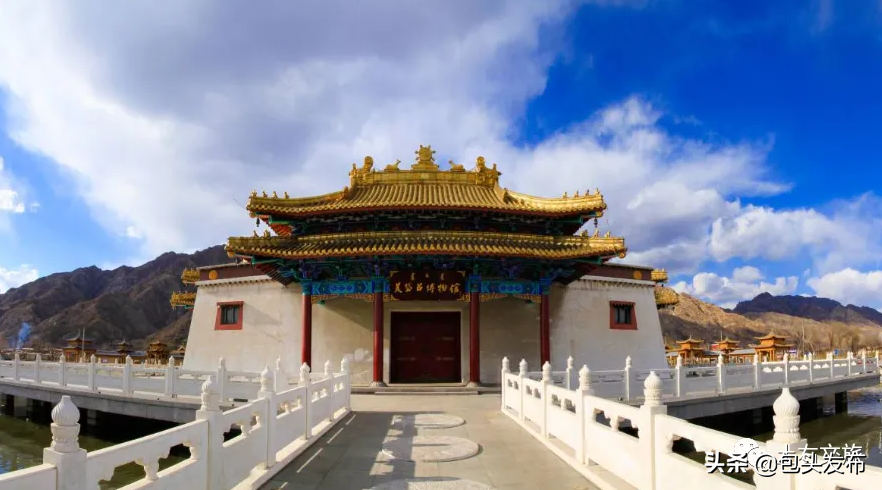
A Ming dynasty Tibetan Buddhist temple combining fortress, temple, and palace functions, with exquisite murals.
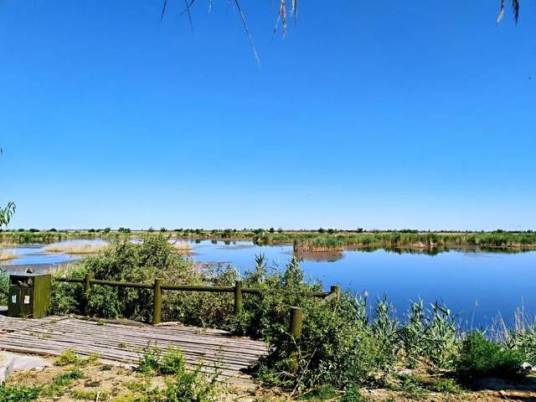
A Yellow River wetland park, bird habitat, offering boat rides to enjoy natural scenery.
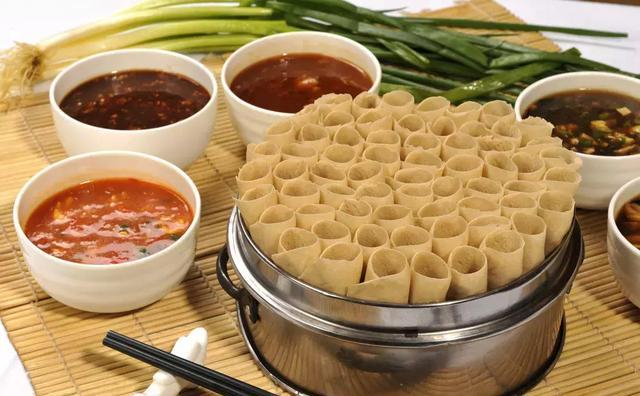
Noodles made from hulled oats, shaped into nests or fish-like forms, served with mutton soup or cold dressing.
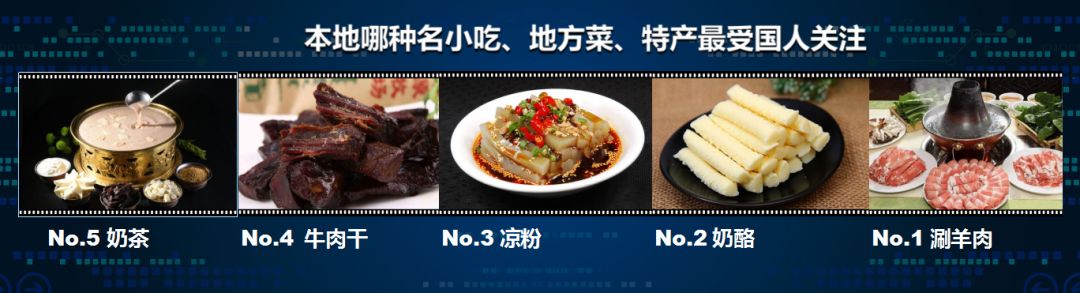
Traditional Mongolian drink, made from brick tea and milk, can be salted or sweetened, rich and creamy.
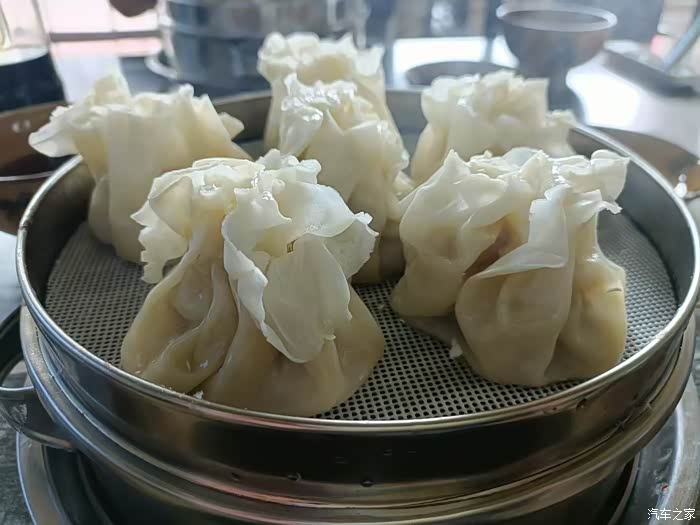
Steamed dumplings similar to shaomai, filled with mutton, thin skin and large filling, juicy and delicious.