
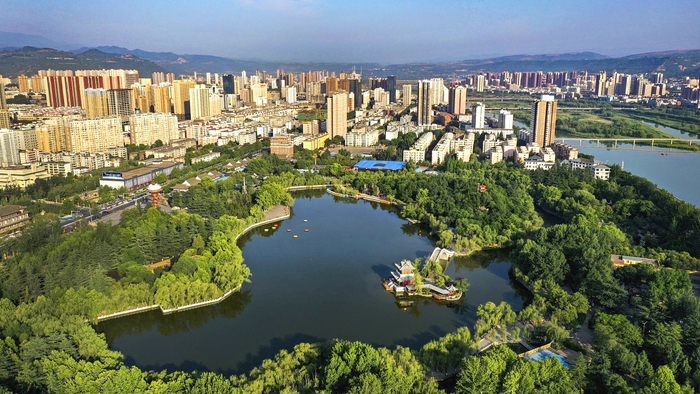
Baoji is located in western Shaanxi Province, in the western part of the Guanzhong Plain, at the intersection of the Qinling Mountains and the Weihe River Plain. It has a warm temperate semi-humid climate with four distinct seasons. The annual average temperature is 13°C, and annual precipitation is about 700 mm. Summers are cool, and winters are dry and cold.
Baoji is one of the important birthplaces of Chinese civilization. Legend has it that Emperor Yan (Shennong) was born here. The Zhou and Qin dynasties originated here, and a large number of bronze wares have been unearthed, earning Baoji the title 'Home of Bronze Ware.' Historically, it was a vital transportation hub connecting the central plains with the southwest and northwest, often called the 'Throat of Sichuan and Shaanxi.'
Baoji's culture is centered on Zhou and Qin culture, with unique Xifu folk customs such as Shehuo (traditional festivities) and shadow puppetry. The cuisine features sour and spicy flavors, with representative dishes including Qishan saozi noodles, Baoji liangpi (cold noodles), and Longxian walnut cakes. Xifeng liquor is one of China's four most famous liquors.
Modern Baoji is an important industrial city in northwest China, focusing on equipment manufacturing, electronics, and food processing. It is a major transportation hub where the Longhai and Baocheng railways meet, and Baoji Airport is under planning. The city has a high greening rate, and the Weihe Ecological Park enhances its livability.
The best time to visit 宝鸡 is Spring and Autumn (March-May, September-November).
Spring (March-May): Moderate temperatures, flowers in bloom, ideal for visiting Famen Temple, Taibai Mountain, etc.
Summer (June-August): Hot, but the Qinling Mountains are cool, perfect for summer escapes.
Autumn (September-November): Clear skies and pleasant weather, great for viewing red leaves and hiking.
Legend has it that Emperor Yan (Shennong) was born in the Jiangshui River area of Baoji, teaching agriculture and tasting herbs, thus initiating Chinese farming civilization.
King Tai of Zhou, Gugong Danfu, led the Zhou people to move to the Zhou Plain at the foot of Qishan Mountain (now Qishan County, Baoji), developing agriculture and laying the foundation for the Zhou dynasty.
Duke Xiang of Qin was granted the title of vassal and the land west of Qishan for escorting King Ping of Zhou eastward, marking the rise of the Qin people in the Baoji area.
Recommended places to visit
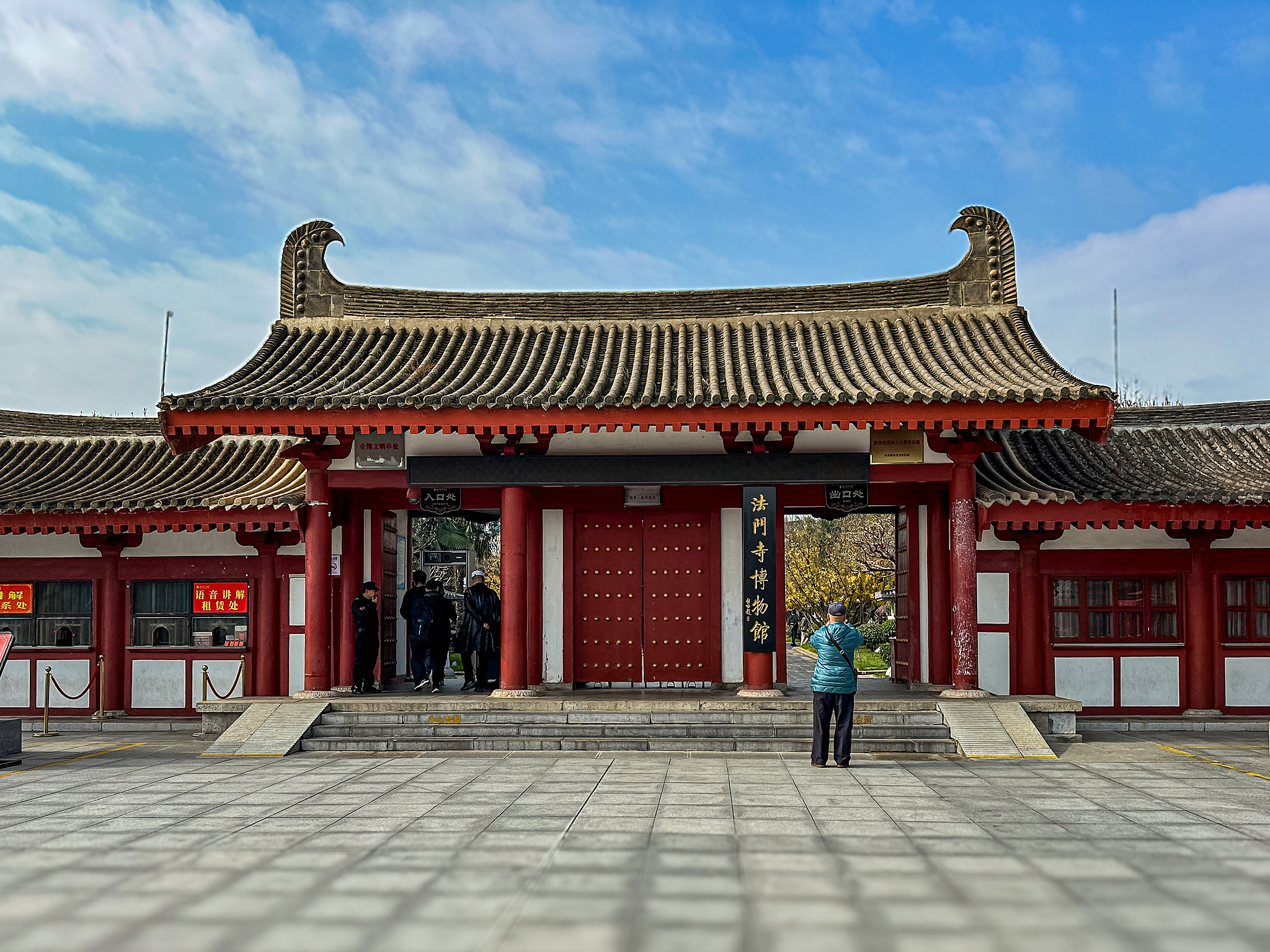
Located in Fufeng County, founded in the Eastern Han dynasty, famous for housing the finger bone relic of Sakyamuni. The underground palace unearthed numerous Tang dynasty national treasures. The scenic area includes the Namaste Stupa and Famen Temple Museum.
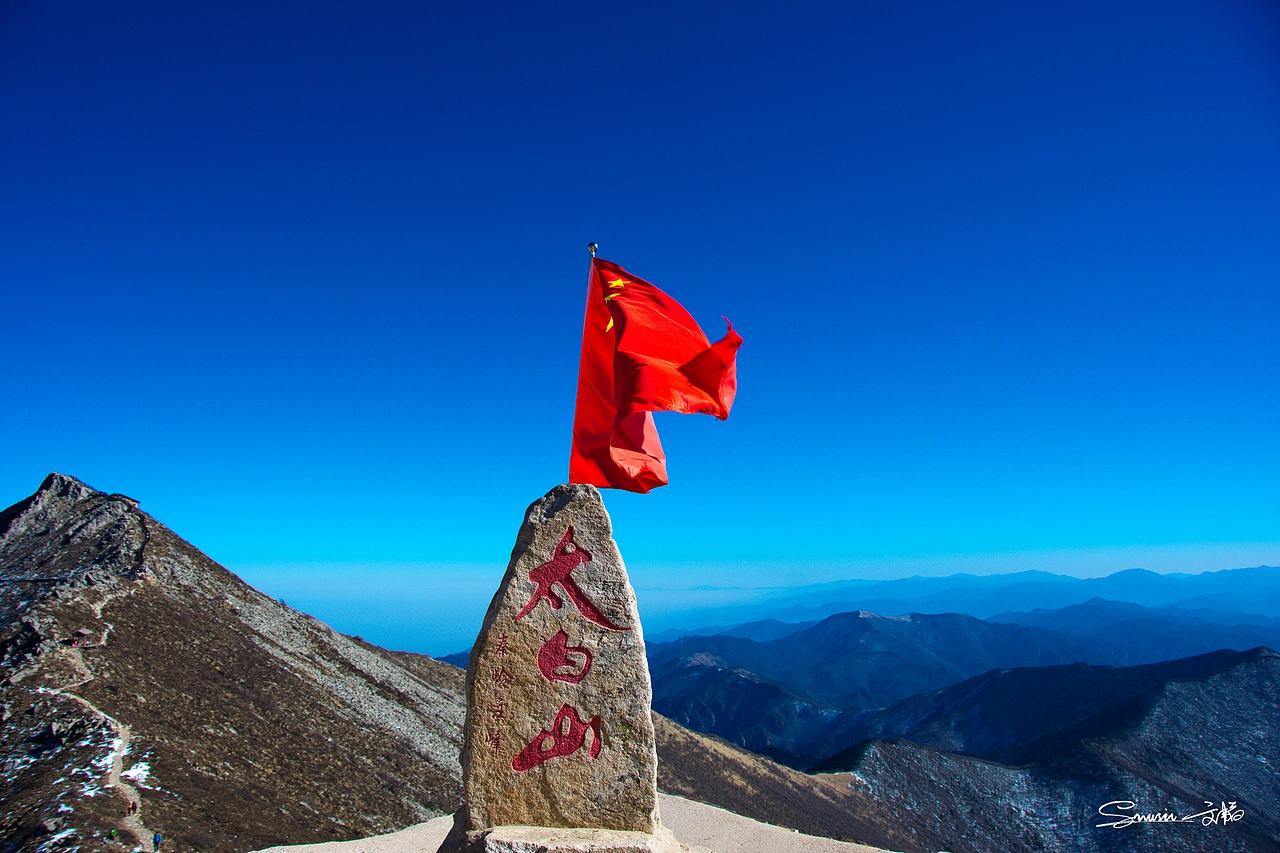
The main peak of the Qinling Mountains, elevation 3767 meters, known for its height, cold, danger, and wonder. Features alpine lakes, glacial relics, hot springs, and is a popular hiking and summer resort.
UNESCO World Heritage Sites
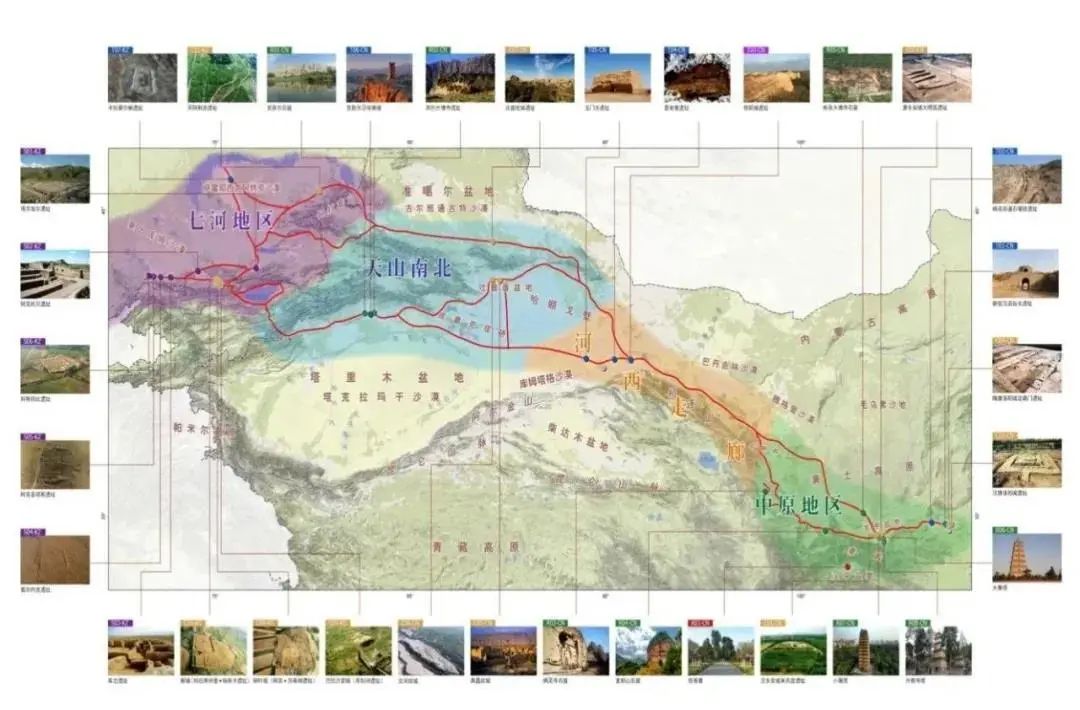
Sites such as Famen Temple and Dasan Pass in Baoji are important nodes of the Silk Road, witnessing cultural exchanges between East and West.
Explore rich intangible cultural heritage and traditional crafts
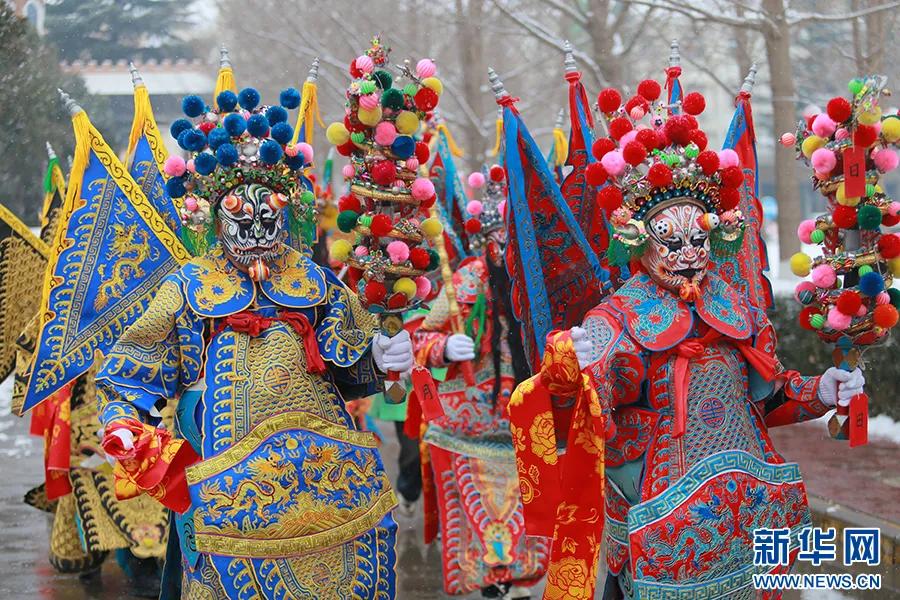
Traditional folk activity in Baoji, including stilt walking, lion dance, dragon dance, etc., with diverse performances and strong local characteristics.
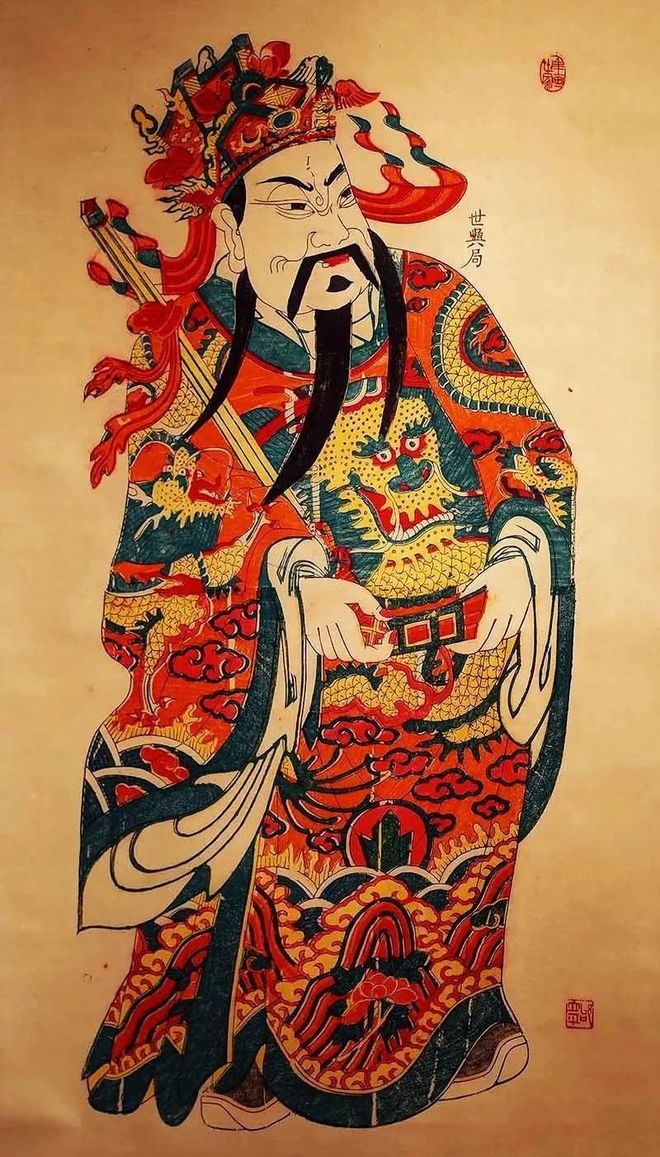
Traditional folk art of Fengxiang, made by hand-carving blocks and color printing. Bright colors, wide range of themes, with strong local flavor.
Must-know transportation for exploring the city
Baoji Airport is under planning. Currently, fly to Xi'an Xianyang International Airport first, then transfer to high-speed rail or bus to Baoji.
Xi'an to Baoji high-speed rail about 50 RMB
Baoji has several railway stations. Baoji Station serves regular trains, while Baoji South Station serves high-speed trains. High-speed rail connects to Xi'an, Lanzhou, Chengdu, etc., offering convenient transportation.
Xi'an to Baoji high-speed rail second class about 50 RMB, regular train about 20 RMB
Baoji's city bus system is well-developed, covering major attractions and urban areas. Fare is 1-2 RMB, and mobile payment is accepted on some routes.
1-2 RMB
Taste the most authentic and popular local specialties
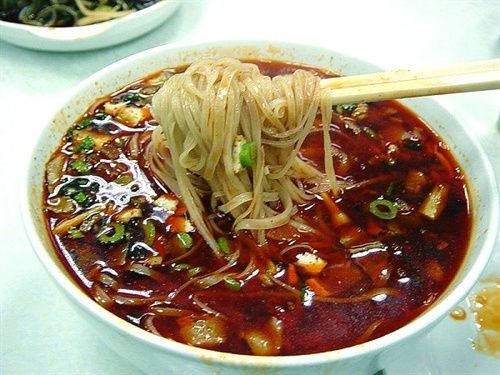
The most representative noodle dish of Baoji. Noodles are thin and long, with savory minced meat and a sour-spicy broth, emphasizing thin, chewy, shiny, hot, and soupy.
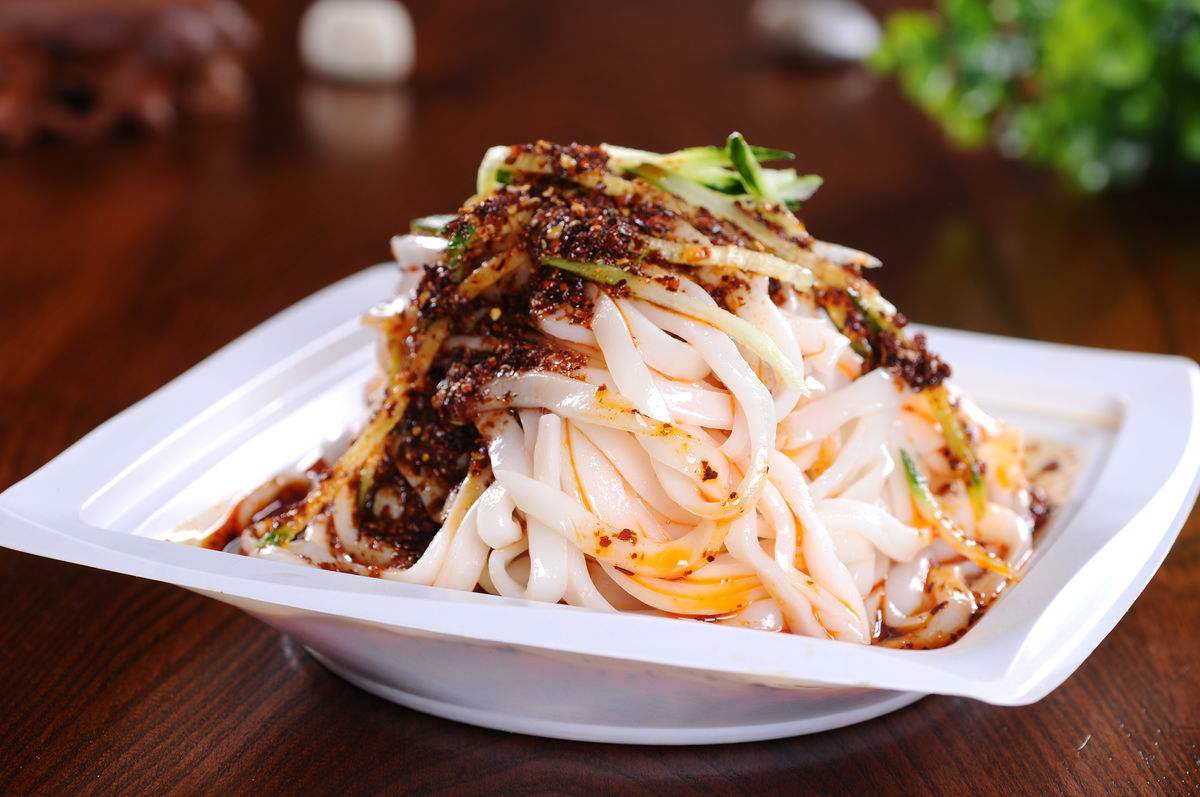
A specialty snack of Western Shaanxi. Gluten is washed from dough, and the starch water is steamed into cold noodles, cut into strips, and mixed with chili oil, vinegar, and seasonings. Chewy and refreshing.
The underground palace of Famen Temple yielded a large number of Tang dynasty precious artifacts and the finger bone relic of Sakyamuni, shocking the world.
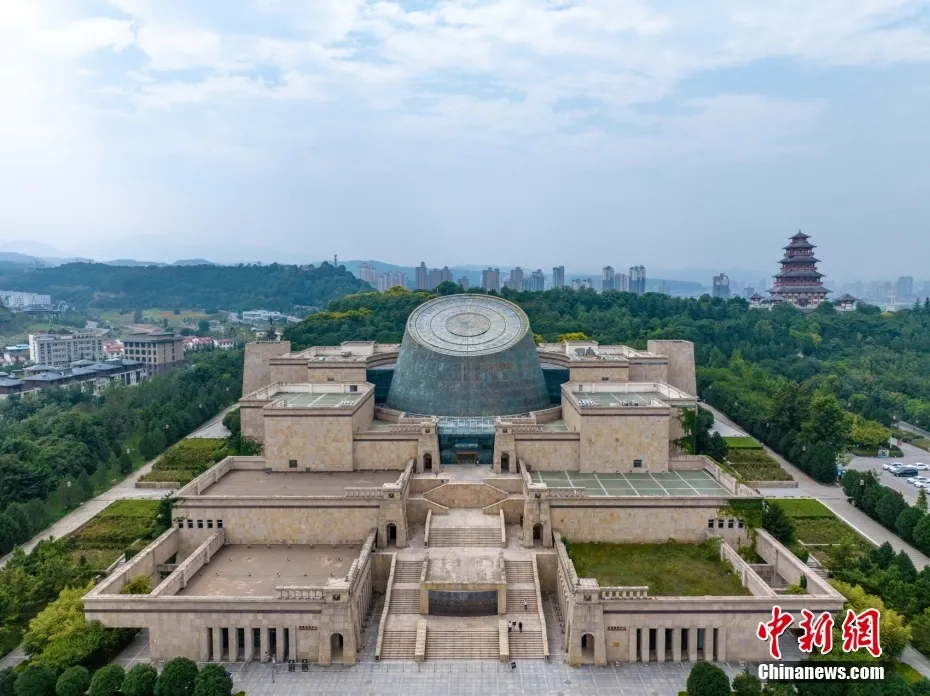
China's largest museum dedicated to bronze ware, housing over 10,000 pieces from the Zhou and Qin periods, including national treasures like He Zun and Lai Pan.
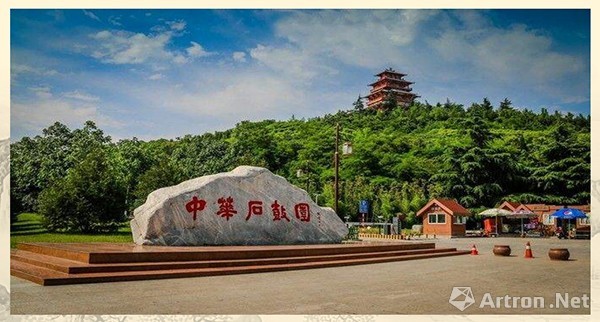
Themed on stone drum culture, featuring the Stone Drum Pavilion and Bronze Ware Museum. The Stone Drums are China's earliest stone inscriptions, known as the 'ancestor of stone carvings.'
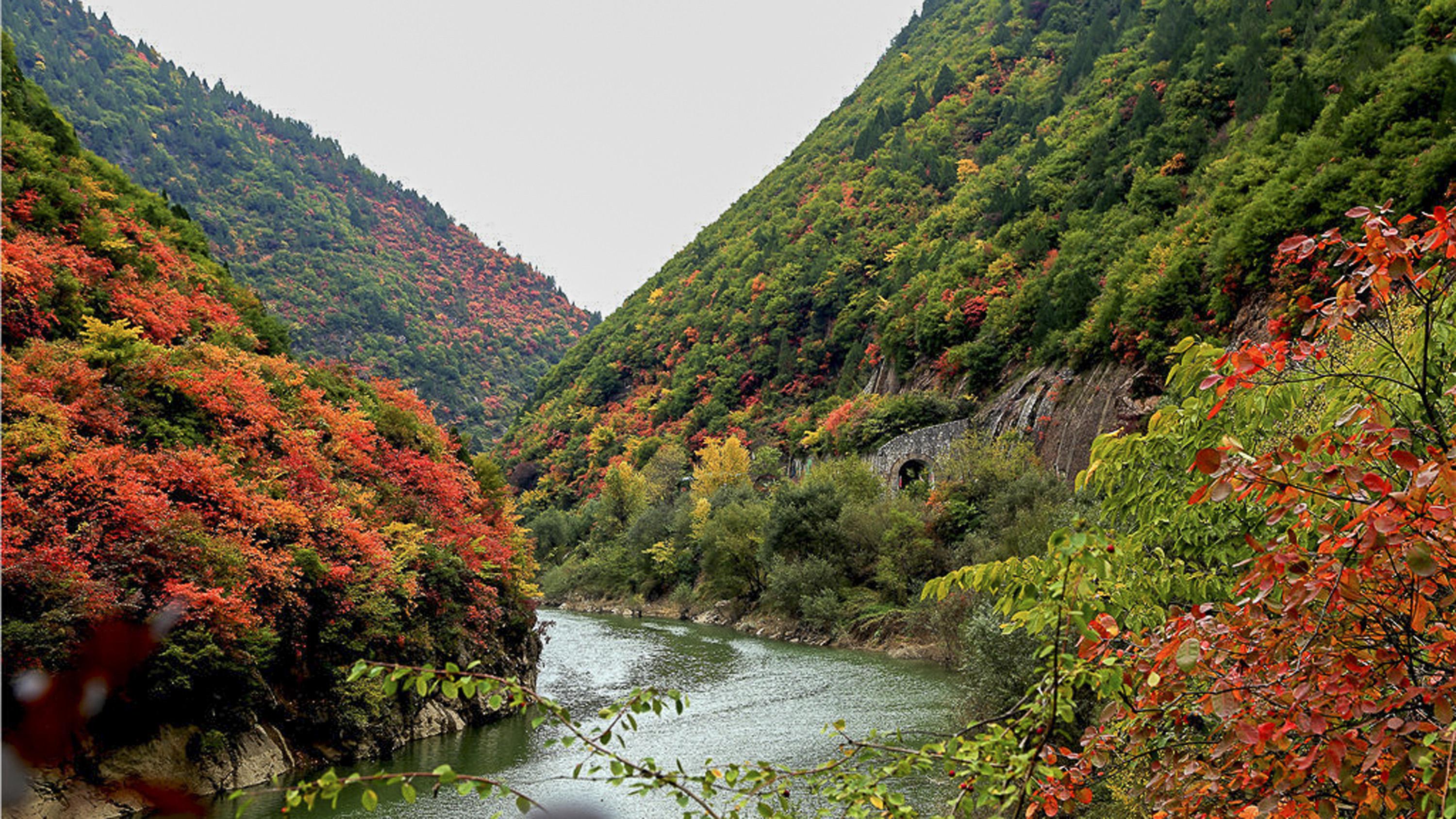
Located in the southern suburbs of Baoji, it is one of the sources of the Jialing River. The area features dense forests, babbling brooks, waterfalls, and pools, with fresh air.
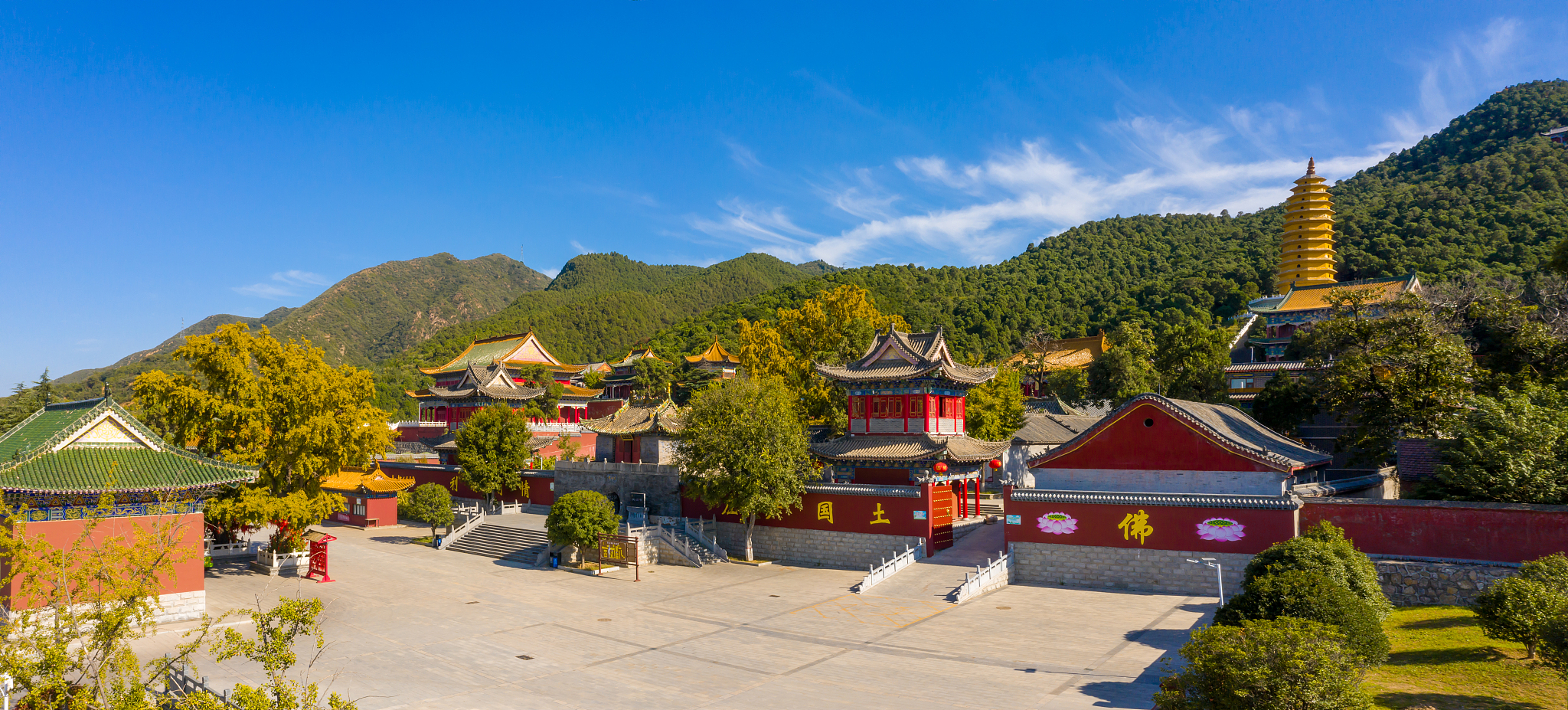
Located in Fengxiang District, themed on Buddhist culture, with Jinghui Temple and Stupa. The mountain is majestic with rich vegetation, suitable for pilgrimage and leisure.
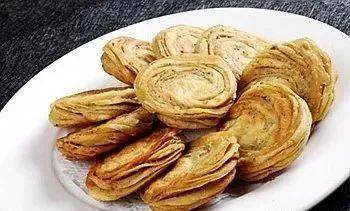
A traditional snack from Long County, baked with walnut kernels, flour, and oil. Crispy outside, sweet inside, and nutritious.
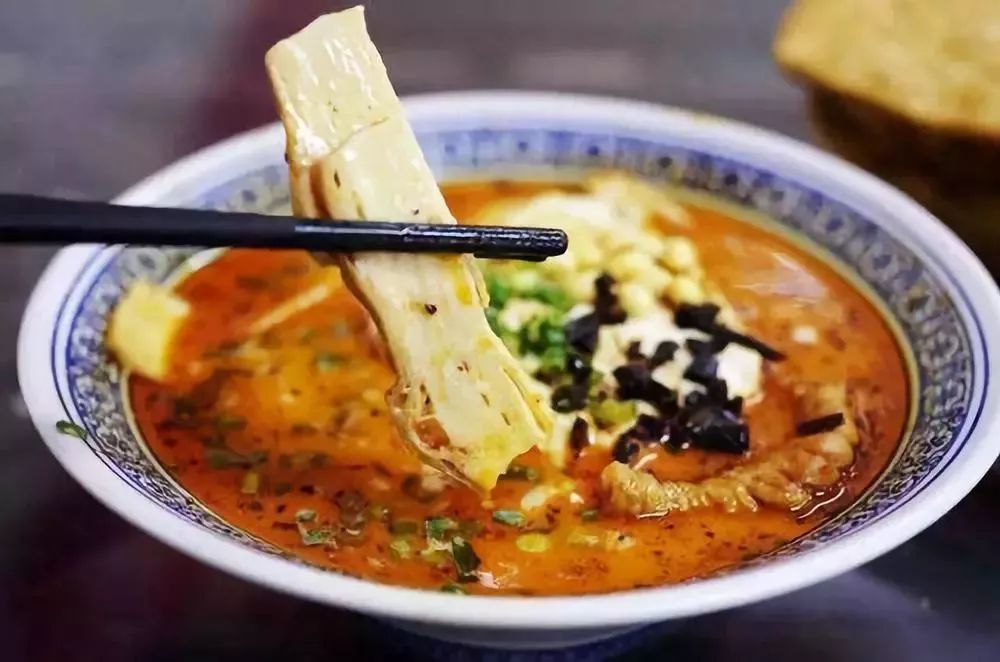
A specialty breakfast in Fengxiang. Break Guokui bread into pieces, add hot tofu pudding, seasonings, and chili oil. Soft, sticky, and spicy.

One of China's four famous liquors, produced in Fengxiang District, representing the Fengxiang aroma type. Full-bodied, unique fragrance, with a long history.
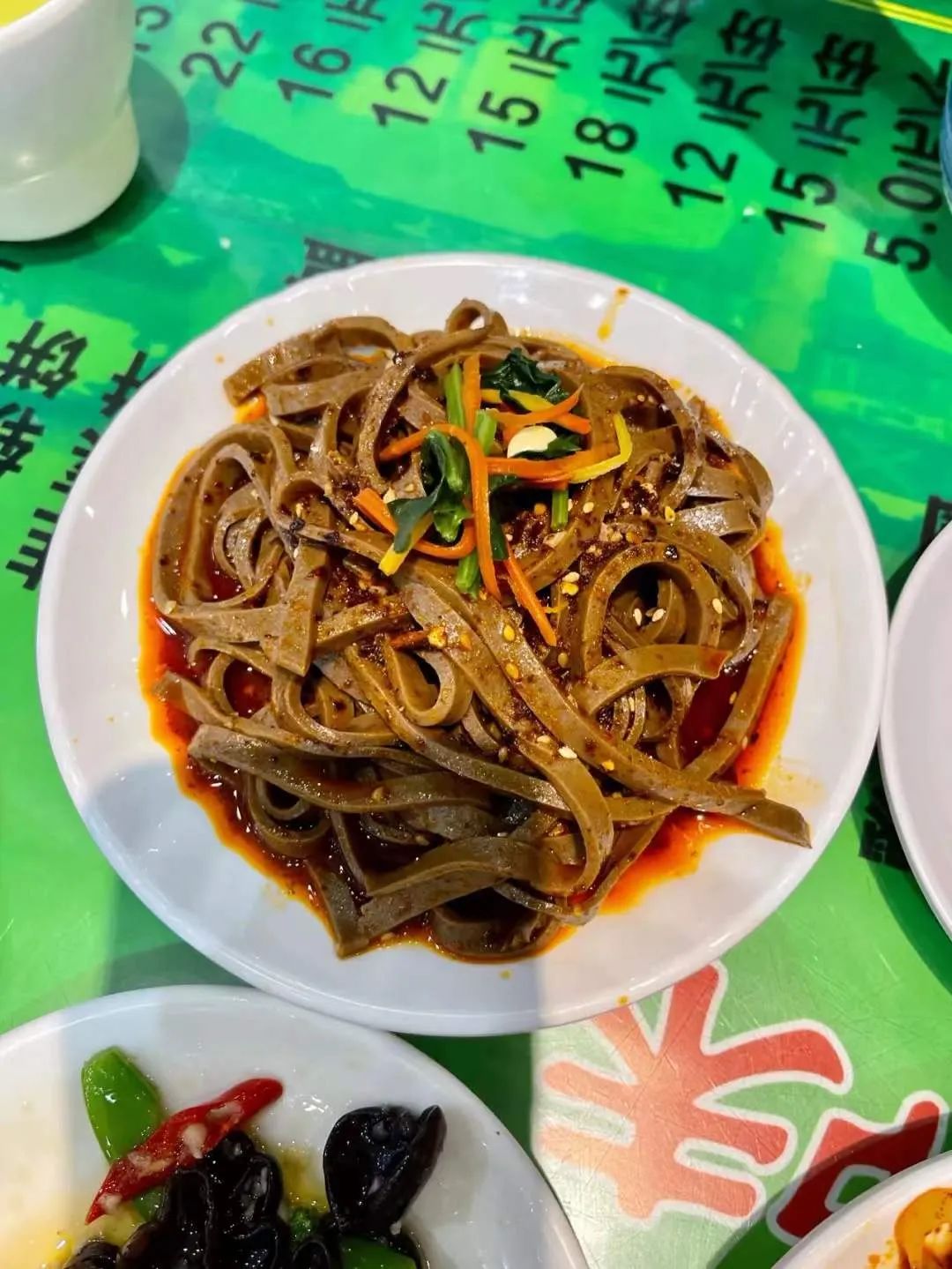
A special snack of Baoji, made with vinegar and flour. Sour and spicy, appetizing, usually served cold.