
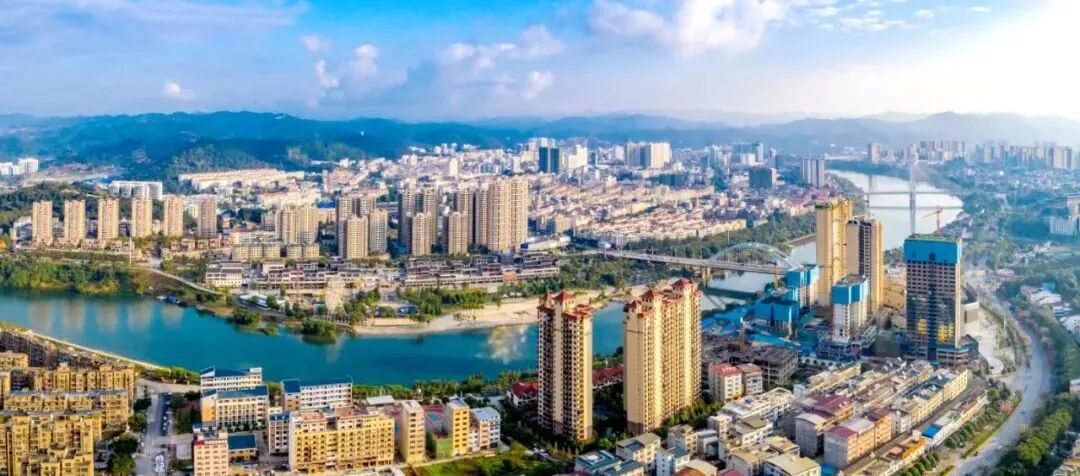
Baise City is located in the western part of Guangxi Zhuang Autonomous Region, in the transitional zone between the Yunnan-Guizhou Plateau and the Nanling Hills. It has a subtropical monsoon climate with an average annual temperature of 19-22°C, warm and humid, with abundant rainfall. The area features beautiful mountains and rivers, crisscrossing valleys, and typical karst landforms.
Baise has a long history. It belonged to Xiang Prefecture in the Qin Dynasty and was established as a Jimi Prefecture in the Tang Dynasty. In 1929, Deng Xiaoping, Zhang Yunyi, and others led the famous Baise Uprising here, establishing the Seventh Army of the Chinese Workers' and Peasants' Red Army, making Baise a revolutionary sacred site. Today, the Baise Uprising Memorial Hall and other red sites serve as important patriotic education bases.
Baise is a multi-ethnic region, with ethnic minorities such as Zhuang, Miao, and Yao accounting for over 80% of the population. The ethnic culture is rich and colorful, with intangible cultural heritages like Zhuang opera, Liao songs, and embroidered ball making being well-known. The cuisine is characterized by sour, spicy, and fresh flavors. Five-color sticky rice, Jingxi pickled fruits, and Tianyang mangoes are mouthwatering.
In recent years, Baise has leveraged its bauxite resource advantages to develop into a national ecological aluminum industry demonstration base. At the same time, tourism is booming, with natural attractions like the Leye Tiankeng Group and Tongling Grand Canyon drawing many visitors. The completion of Baise Bama Airport and the Nanning-Kunming High-Speed Railway has made transportation more convenient, injecting new vitality into the economy.
The best time to visit 百色 is Spring (March-May) and Autumn (September-November) are the best travel seasons, with pleasant weather and beautiful scenery..
Spring (March-May): Temperatures rise, flowers bloom, ideal for flower viewing and outdoor activities. Azaleas and kapok flowers are in full bloom across Baise, creating charming scenery.
Summer (June-August): Although hot and rainy, it is the time when waterfalls and gorges have abundant water. Tongling Waterfall is magnificent. Additionally, Leye Tiankeng Group is cool in summer, making it a good summer resort.
Autumn (September-November): Clear and crisp autumn weather, suitable for mountain climbing and hiking. This is also the season for mangoes and pomelos to ripen, so you can enjoy fresh fruits.
Deng Xiaoping, Zhang Yunyi, and others launched the Baise Uprising, established the Seventh Red Army, and created the Youjiang Revolutionary Base.
Approved by the State Council, Baise was upgraded from a county to a prefecture-level city, marking a new stage of development.
Recommended places to visit
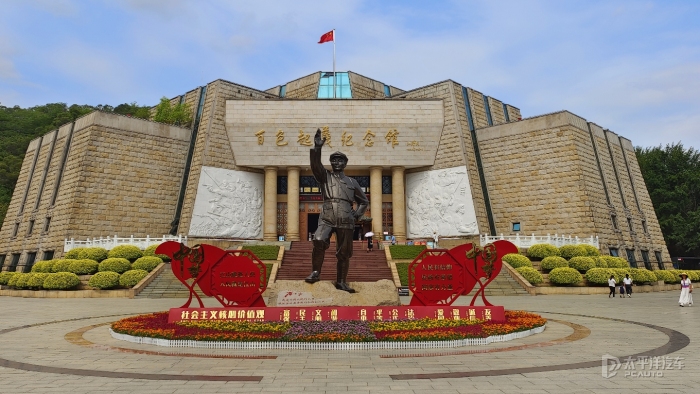
Located on Yinglong Mountain in Baise, it is an important venue commemorating the Baise Uprising, displaying the history of the uprising and the combat history of the Seventh Red Army.
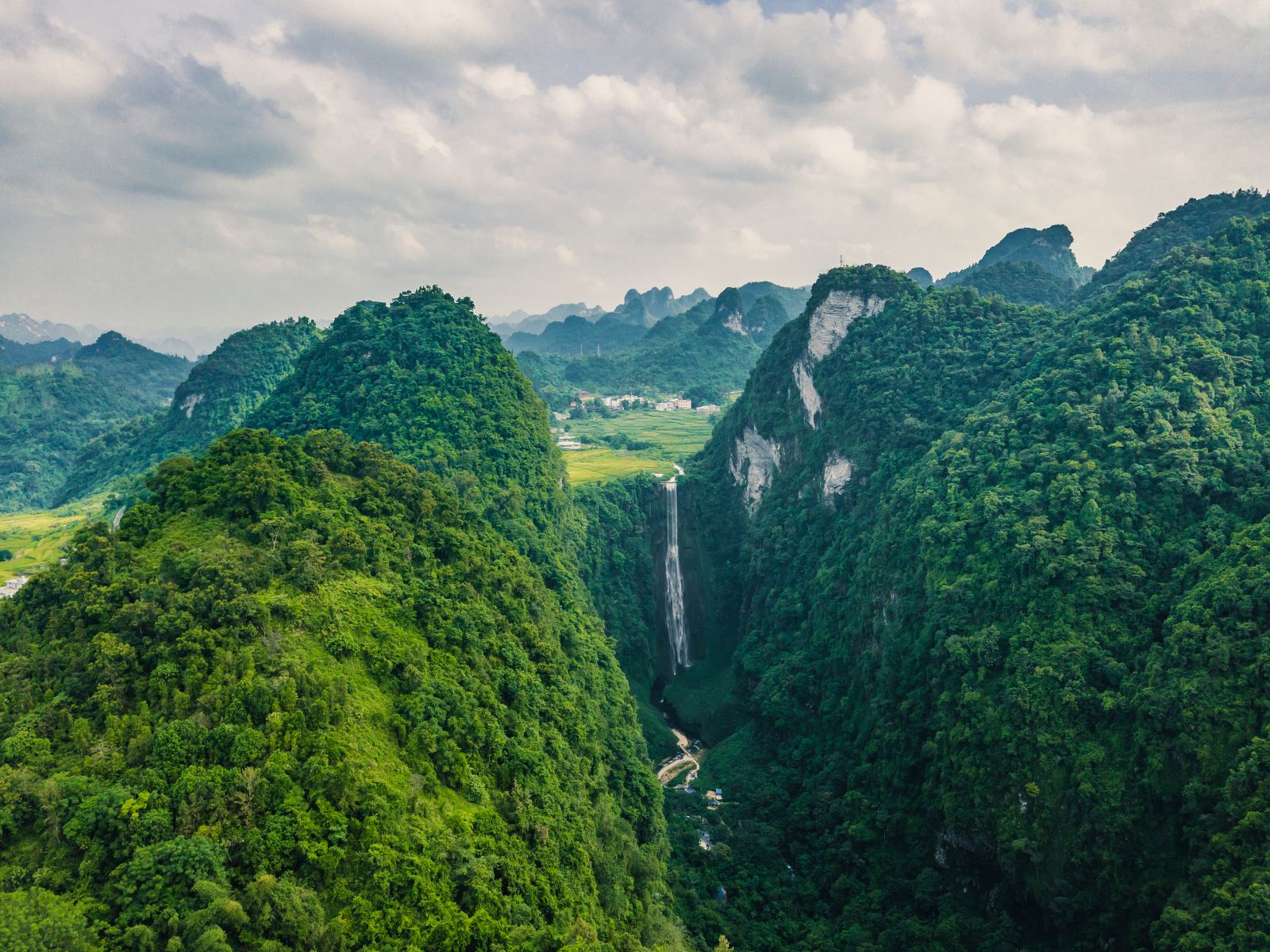
Located in Jingxi City, about 3.8 km long, famous for its canyon, waterfall, and karst cave scenery. Tongling Waterfall has a drop of 188 meters.
Explore rich intangible cultural heritage and traditional crafts
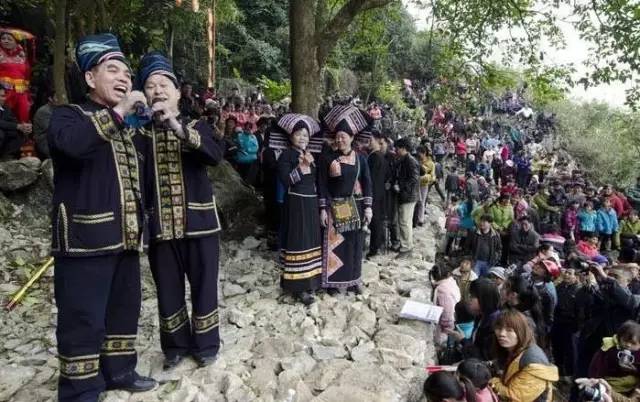
A type of Zhuang folk song popular in Tiandong and Pingguo, Baise. The melody is loud and clear. It was inscribed on the National Intangible Cultural Heritage list in 2006.
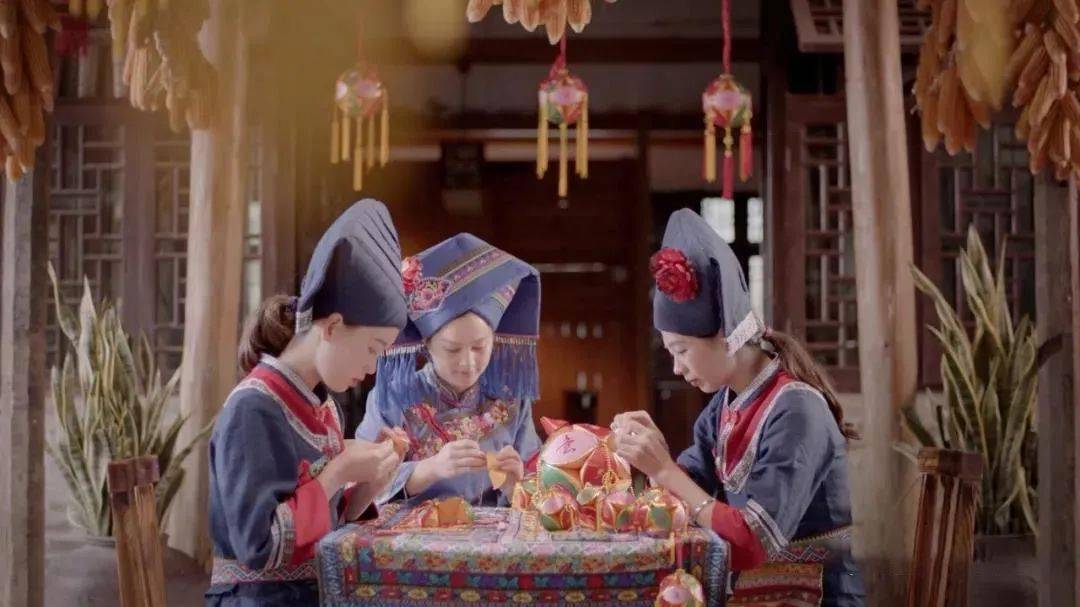
Traditional handicraft of Jingxi City. Embroidered balls are brightly colored with exquisite patterns, used as love tokens by the Zhuang people. It was inscribed on the National Intangible Cultural Heritage list in 2021.
Must-know transportation for exploring the city
Located in Tianyang District, about 50 km from the city center. Flights to Guilin, Chongqing, Guangzhou, etc.
Economy class about 300-800 RMB
Important station on the Nanning-Kunming high-speed railway, direct to Nanning, Kunming, Guangzhou, etc. About 1.5 hours from Nanning.
Second class about 100-200 RMB
City bus routes cover major attractions and urban areas. Fare 1-2 RMB, some routes accept mobile payment.
1-2 RMB
Taste the most authentic and popular local specialties
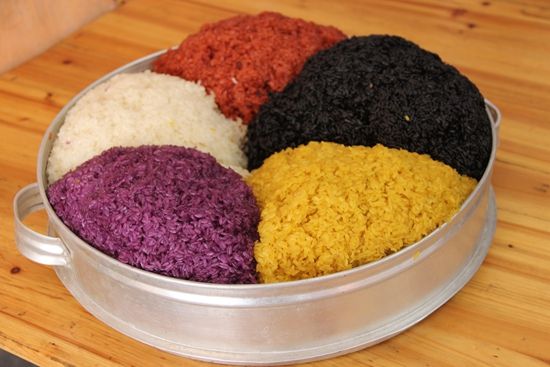
Traditional Zhuang cuisine, dyed black, red, yellow, purple, and white with plant dyes, fragrant and soft.
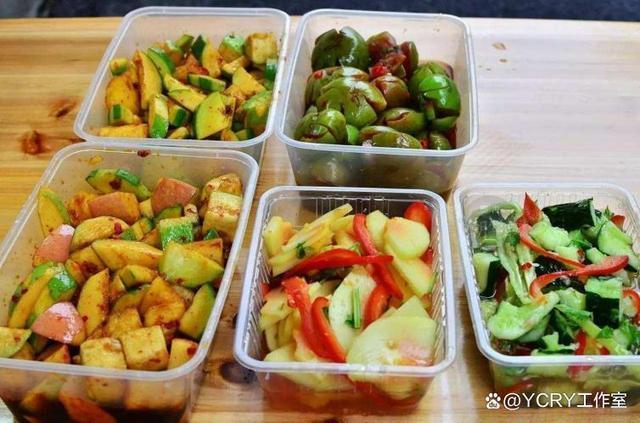
Pickled local fruits and vegetables, sour and spicy, appetizing and refreshing. Common varieties include sour papaya and sour radish.
The Nanning-Kunming high-speed railway began operation, bringing Baise into the high-speed rail era and greatly boosting local economy and tourism.
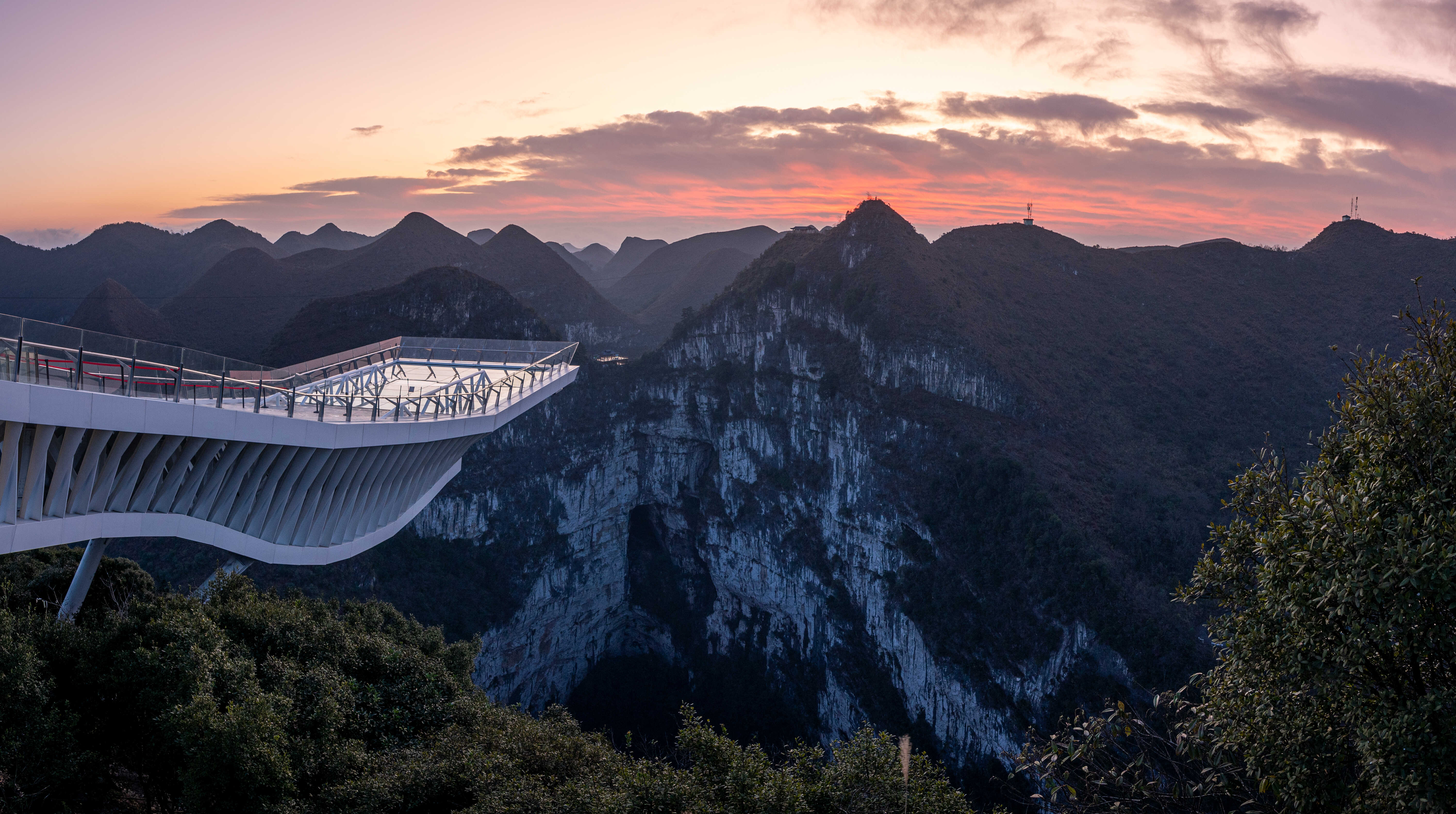
Located in Leye County, it is the world's largest tiankeng group with 28 sinkholes. The Dashiwei Tiankeng is 613 meters deep.
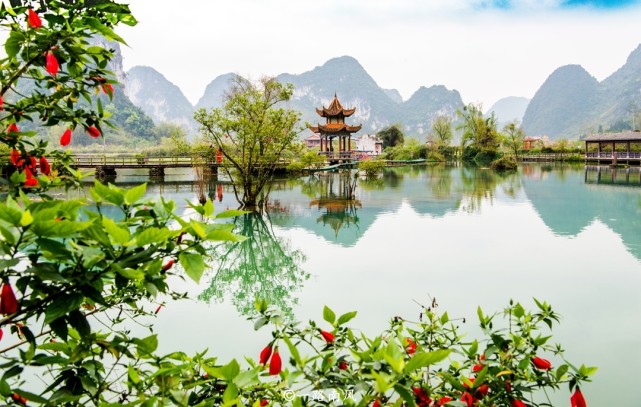
Located in Jingxi City, it is one of the sources of Detian Waterfall. The spring water is clear, with ancient bridges and pastoral scenery.
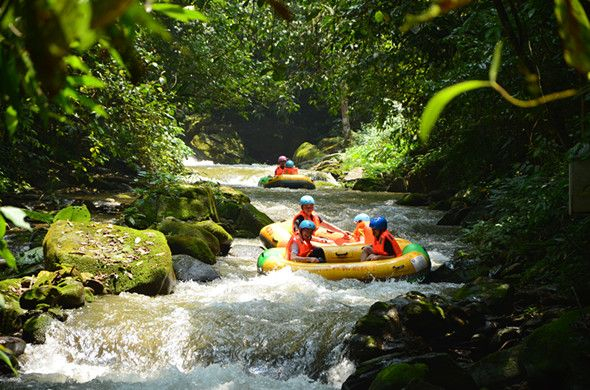
Located in Youjiang District, it is one of the most exciting primitive forest rafting spots in Guangxi, with a length of 5 km and a drop of 126 meters.
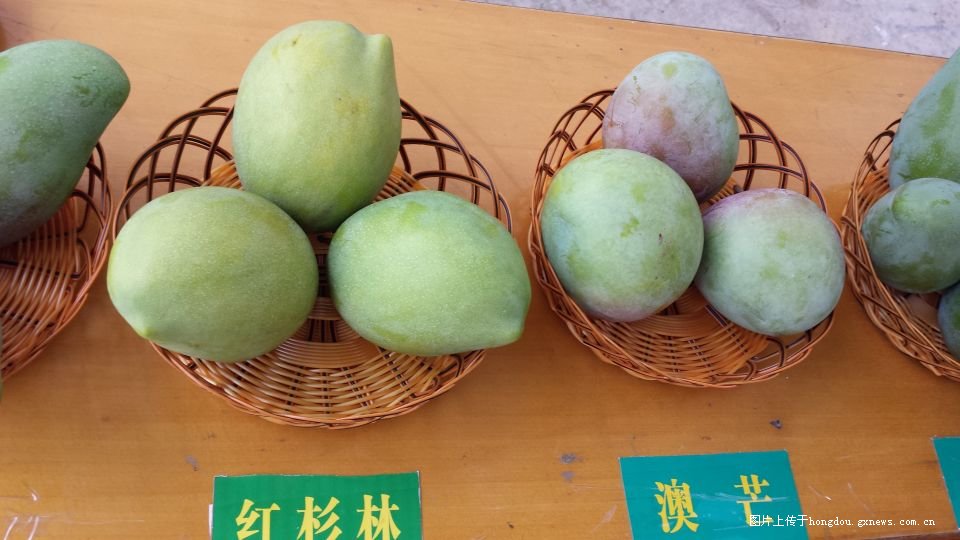
Tianyang County in Baise is famous for mangoes. The flesh is thick, sweet, and juicy. Varieties include Guiqi and Tainong.
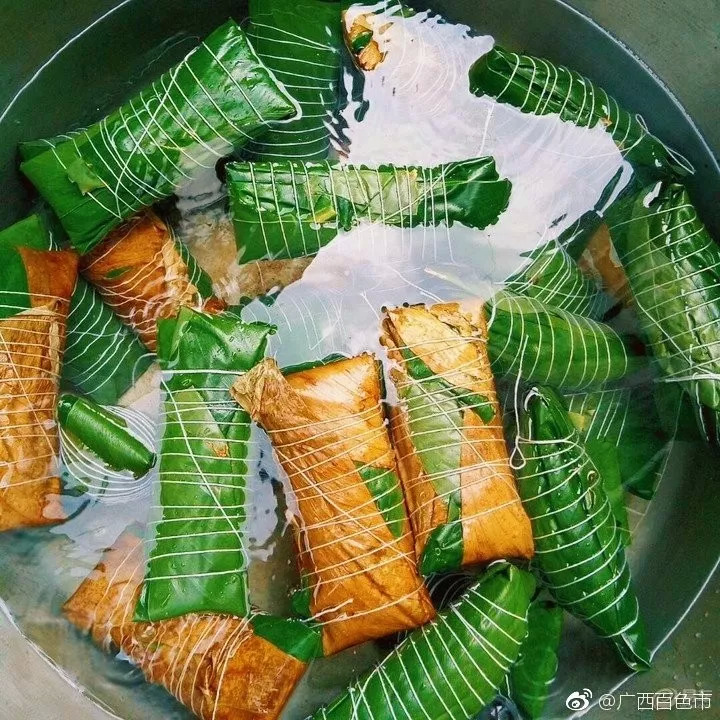
Traditional food of Longlin Various Nationalities Autonomous County, made with glutinous rice and plant ash water, black in color, unique taste, filled with bean paste or meat.
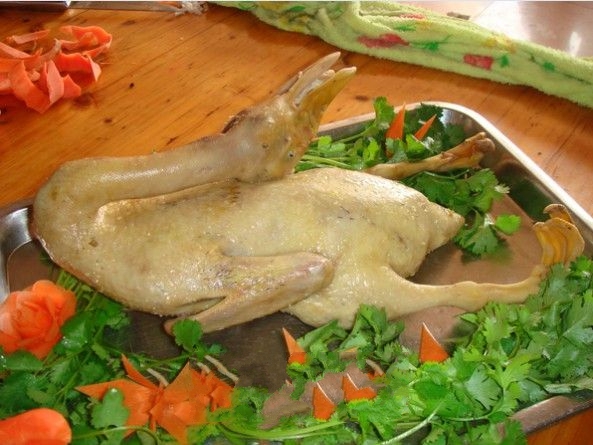
Specialty of Xilin County, duck meat is firm with low fat, suitable for poaching or stewing, delicious.