

Baicheng is located in the northwest of Jilin Province, east of the Horqin Grassland. It has a temperate continental monsoon climate with distinct seasons and abundant sunshine. The terrain is flat and open, rich in wetland resources, earning it the nickname 'City of Wetlands.' The average annual precipitation is around 400 mm, with high evaporation and a dry climate.
Baicheng has a long history, with human habitation dating back 4,000 years. During the Han Dynasty, it belonged to the Fuyu Kingdom; in the Tang Dynasty, it was part of the Bohai Kingdom; in the Liao Dynasty, it was Changchun Prefecture; and in the Qing Dynasty, Jing'an County was established. It was placed under Jilin Province in 1954 and became a prefecture-level city in 1993. Historically, it was a meeting point for northern nomadic and farming cultures.
Baicheng's culture blends the characteristics of ethnic minorities such as the Mongols and Manchus, represented by the Mongolian Nadam Fair and Grassland Culture Festival. The cuisine is mainly Mongolian and Northeastern Chinese, featuring dishes like roasted lamb leg, hand-grabbed lamb, and Mongolian pies. Baicheng is also known as the 'Home of Cranes,' as large numbers of red-crowned cranes inhabit the area each year.
Modern Baicheng relies on new energy, agricultural product processing, and eco-tourism as pillar industries. Its installed capacity for wind and solar power ranks among the top in the province. The city is actively building an 'Eco-Baicheng,' with Xianghai Nature Reserve and Momoge Wetland becoming important tourist destinations. Transportation is increasingly convenient, with the Changbaiwu Railway and Hunchun-Ulanhot Highway running through the area.
The best time to visit 白城 is Best from May to September.
Spring (May-June): Temperatures rise, grasslands turn green, migratory birds return to wetlands, ideal for bird watching and grassland outings.
Summer (July-August): Cool and pleasant, average temperature 23°C, a summer resort. You can attend the Nadam Fair and experience grassland culture.
Autumn (September): Clear and crisp, golden reeds in wetlands, great for photography and outdoor activities.
The Qing Dynasty established Jing'an County, marking the beginning of administrative organization in the Baicheng area.
Baicheng area was transferred from Heilongjiang Province to Jilin Province.
The State Council approved the abolition of Baicheng Prefecture and the establishment of prefecture-level Baicheng City.
Recommended places to visit
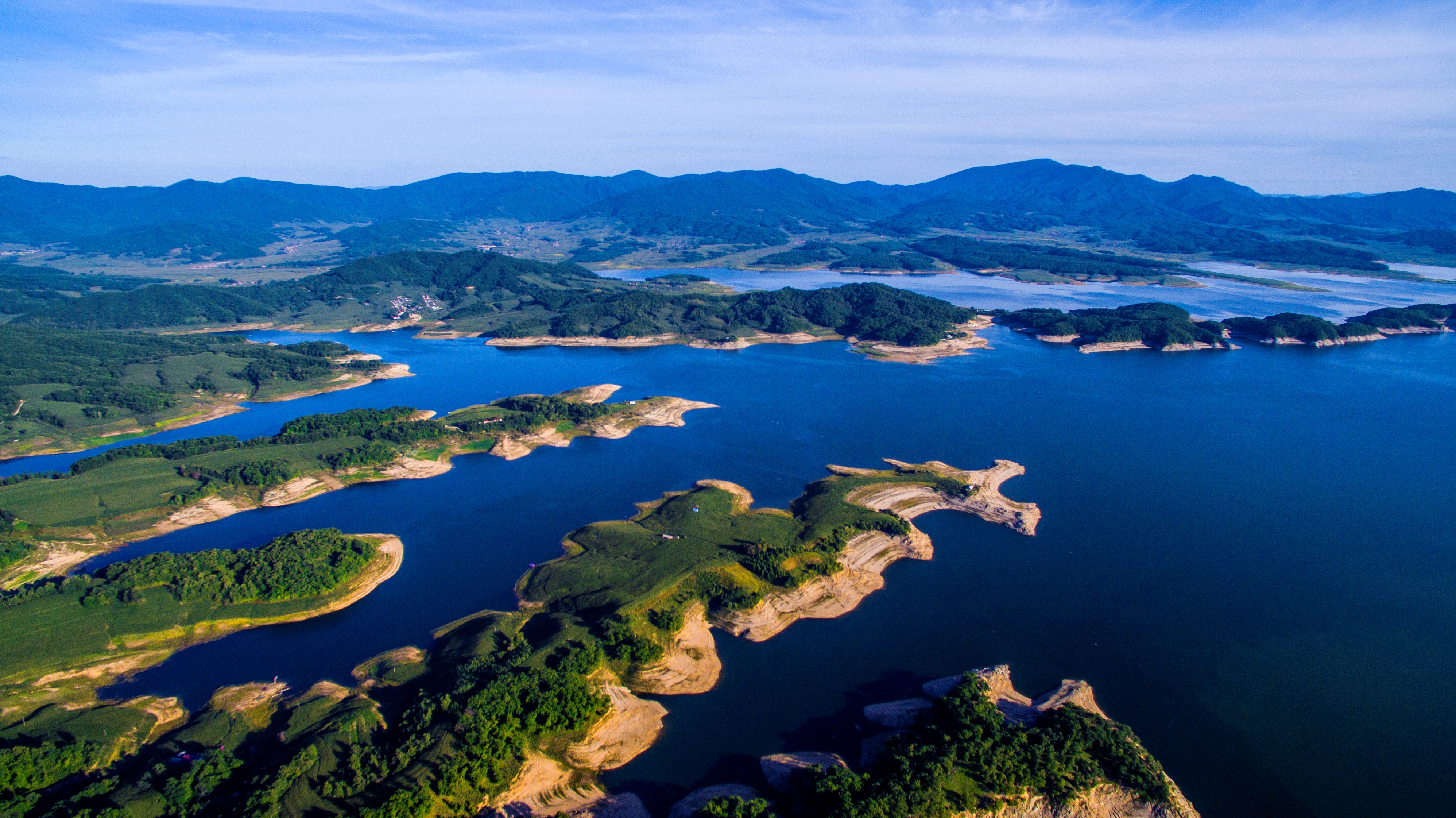
A national nature reserve, famous for its wetland ecosystem and rare birds such as red-crowned cranes, known as the 'Home of Cranes'.
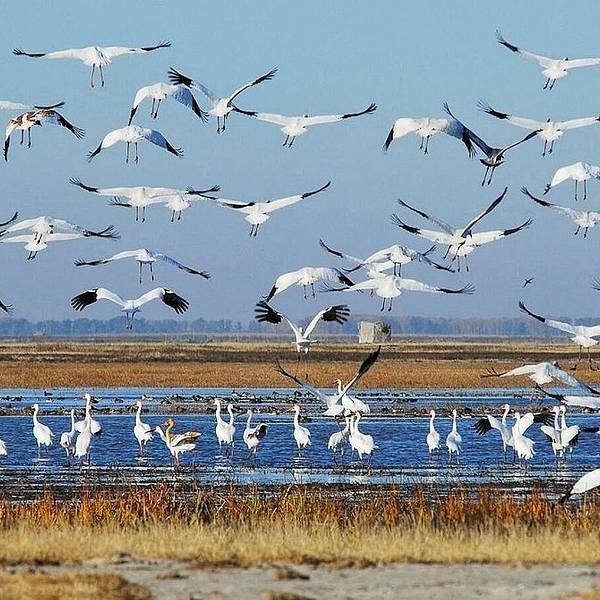
Mainly wetland and bird habitat, an important stopover for migratory birds in East Asia, known as the 'Kidney of Western Jilin'.
Explore rich intangible cultural heritage and traditional crafts
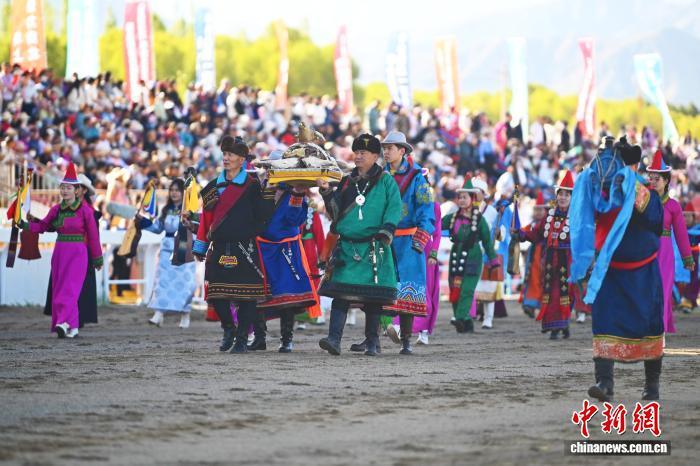
Traditional Mongolian sports and entertainment, including horse racing, wrestling, archery, etc., listed as national intangible cultural heritage.

Music played on the traditional Mongolian string instrument morin khuur, with melodious tones depicting grassland life.
Must-know transportation for exploring the city
Located in the city center, served by Changbai-Wu and Pingqi railways, with direct trains to Changchun, Shenyang, Beijing, etc.
Changchun-Baicheng about 50 yuan
4C regional airport, with flights to Beijing, Shanghai, Tianjin and other cities.
Beijing-Baicheng about 500 yuan
Multiple bus routes cover the main urban area and attractions, fare 1-2 yuan.
1-2 yuan
Taste the most authentic and popular local specialties
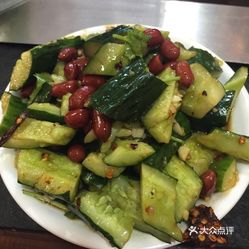
Traditional Mongolian dish, using grassland lamb leg, marinated and roasted, crispy outside and tender inside, fragrant.
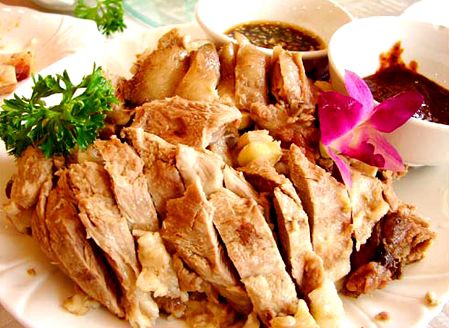
Mongolian specialty, large chunks of mutton boiled in plain water, eaten by hand with salt, original flavor.


Located in Da'an City, wetland landscape along the Nen River, integrating ecological protection and tourism.
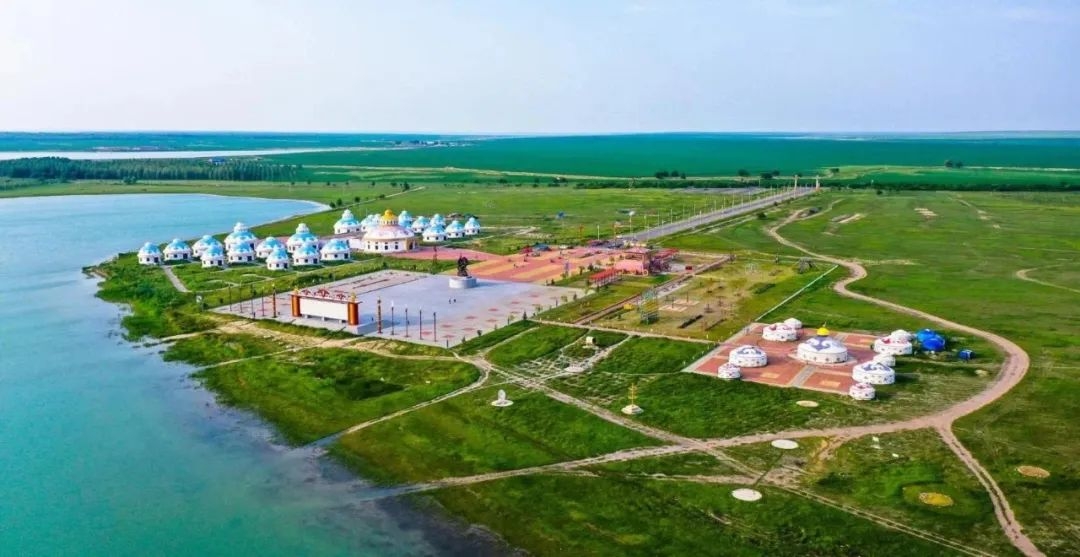
Mongolian style tourism area with grassland, lakes, yurts, offering horseback riding, archery and other grassland activities.
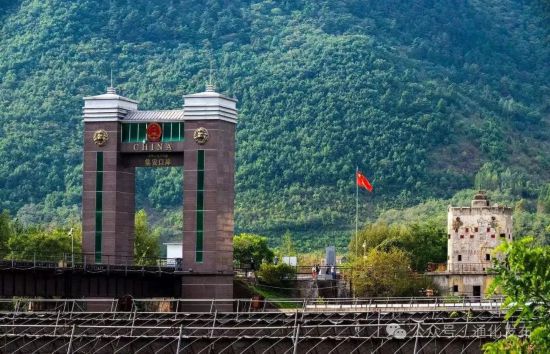
A place to commemorate revolutionary martyrs, with monuments and memorial halls, an education base for patriotism.
Thin crust with generous filling, usually beef, mutton or vegetables, pan-fried until golden, crispy outside and tender inside.

Northeastern home-style dish, sauerkraut stewed with vermicelli and pork, sour and appetizing, common in winter.
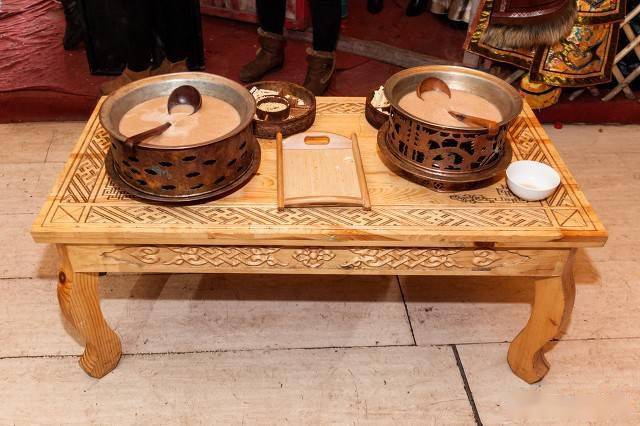
Traditional Mongolian drink, brick tea boiled with milk and salt, salty and rich, refreshing and greasy-relieving.