
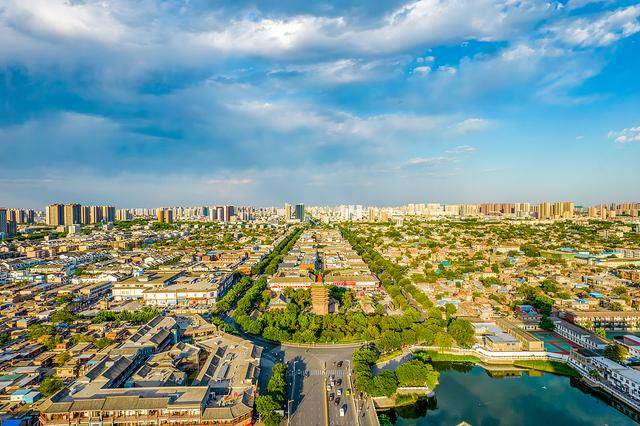
Anyang is located in the northernmost part of Henan Province, at the junction of Shanxi, Hebei, and Henan provinces. It is bordered by the Taihang Mountains to the west and the North China Plain to the east. It has a warm temperate continental monsoon climate with four distinct seasons: dry and windy springs, hot and rainy summers, cool autumns, and cold and dry winters.
Anyang is one of the eight ancient capitals of China. Historically, the Shang Dynasty, Cao Wei, Later Zhao, Ran Wei, Former Yan, Eastern Wei, and Northern Qi all established their capitals here, earning it the name 'Ancient Capital of Yin Shang.' It is the place where oracle bone script was discovered and the birthplace of the I Ching, with a history of over 3,300 years as a city.
Anyang has a profound cultural heritage and is the core area of oracle bone script, bronze ware, and I Ching culture. Its local specialties include Daokou roasted chicken, Anyang triple-smoked delicacies, and Laomiao beef. Daokou roasted chicken is known as 'China's number one chicken.' Local snacks such as Anyang mixed stew and fermented bean soup also have unique flavors.
Today, Anyang is an important industrial city and transportation hub in northern Henan, with steel, equipment manufacturing, and new energy as its pillar industries. At the same time, Anyang is vigorously developing cultural tourism. Attractions such as Yinxu and the Red Flag Canal are famous far and wide, and the city's appearance is changing with each passing day.
The best time to visit 安阳 is Spring and Autumn (March-May, September-November).
Spring (March-May) has moderate temperatures and blooming flowers, ideal for outdoor attractions like Yinxu and the Red Flag Canal, though watch for sandstorms.
Autumn (September-November) is cool and crisp, perfect for mountain climbing and scenery viewing, with red leaves covering the Taihang Grand Canyon.
Summer is hot and rainy, winter is cold and dry, but winter offers ice and snow activities, while summer provides a cool escape in the Taihang Grand Canyon.
King Pan Geng of the Shang Dynasty moved the capital to Yin (present-day Xiaotun Village, Anyang), where the Shang Dynasty prospered for 273 years, creating a brilliant civilization.
In 1899, Wang Yirong, a Qing dynasty epigrapher, discovered oracle bone inscriptions on 'dragon bones' used in traditional medicine, initiating the archaeological excavation of Yinxu and establishing Anyang as the birthplace of oracle bone script.
Recommended places to visit
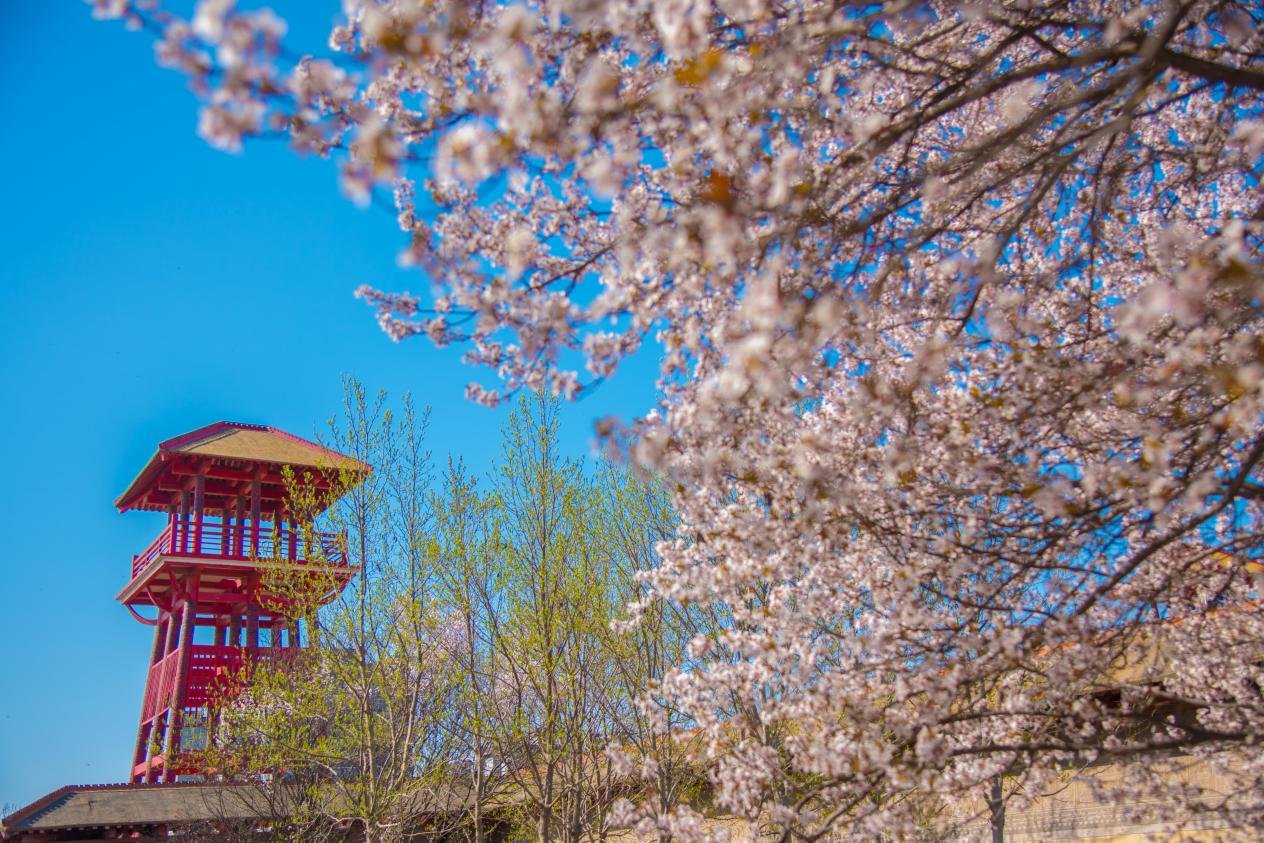
The ruins of the late Shang Dynasty capital, a UNESCO World Heritage site, known for the discovery of oracle bone script and a wealth of bronze artifacts.
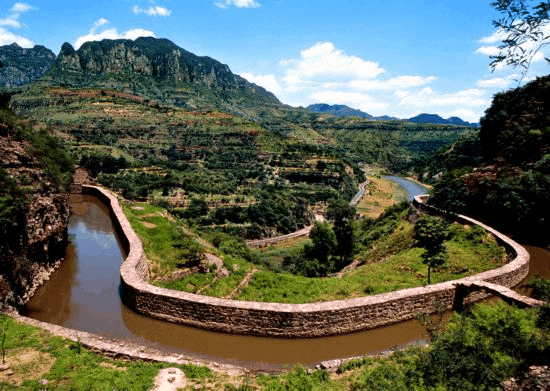
A man-made river, a water conservancy project built by the people of Linzhou in the Taihang Mountains, hailed as the 'Eighth Wonder of the World' and a classic red tourism site.
UNESCO World Heritage Sites
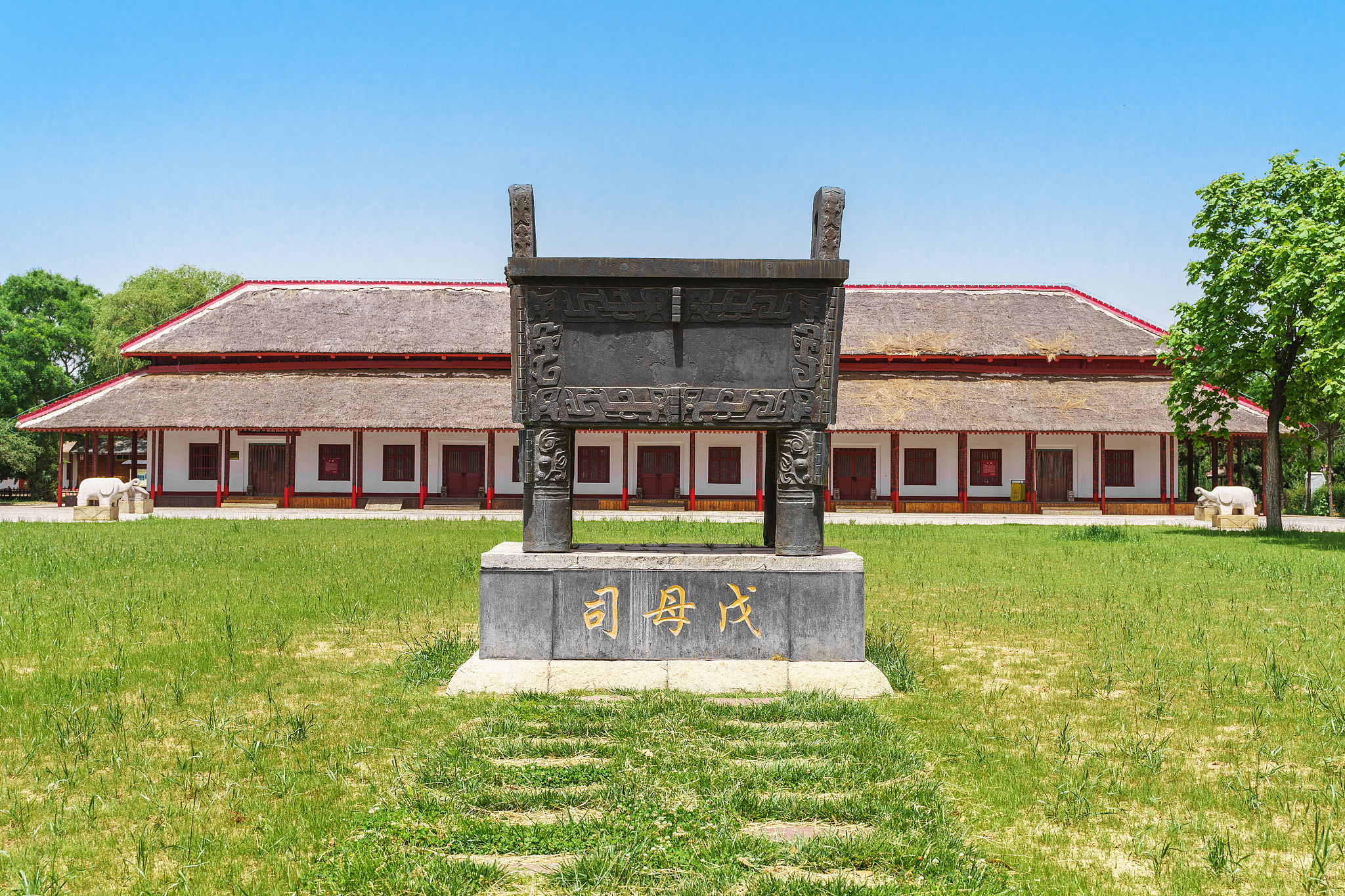
The ruins of the late Shang Dynasty capital, where a large number of oracle bone scripts and bronze artifacts were unearthed. It is the first capital site in China to be documented in historical records and confirmed by archaeology.
Explore rich intangible cultural heritage and traditional crafts
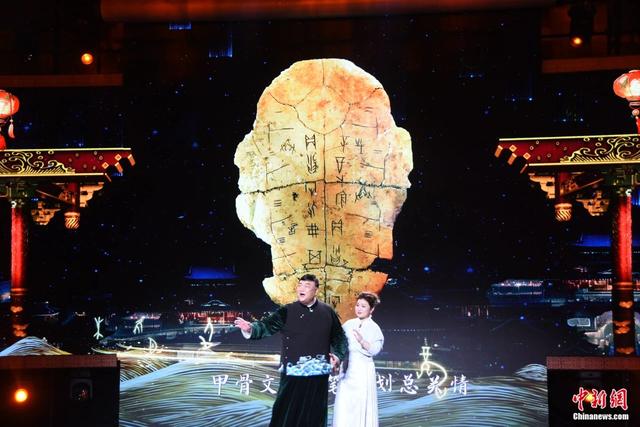
Inscriptions on turtle shells and animal bones from the Shang Dynasty, the earliest known writing system in China, of great value for studying ancient Chinese history and culture.
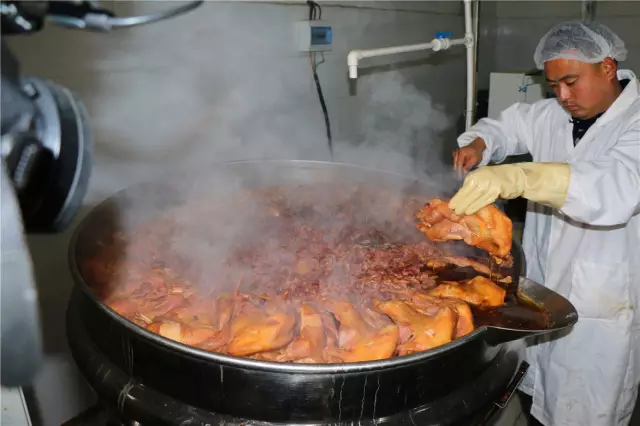
A traditional technique from Daokou Town, Huaxian County, Anyang. It uses high-quality chickens and various spices, processed through boiling and smoking, resulting in a golden color and delicious taste.
Must-know transportation for exploring the city
Located in Tangyin County, Anyang, with flights to major cities like Beijing, Shanghai, and Guangzhou, about 30 km from the city center.
Varies by route
A station on the Beijing-Guangzhou high-speed railway, providing fast access to Beijing, Zhengzhou, Wuhan, etc. Second-class seat to Zhengzhou takes about 1 hour, to Beijing about 2.5 hours.
To Zhengzhou about 94 RMB, to Beijing about 207 RMB
City bus routes cover major attractions and urban areas, fare 1-2 RMB. Some routes directly reach Yinxu, the National Museum of Chinese Writing, etc.
1-2 RMB
Taste the most authentic and popular local specialties
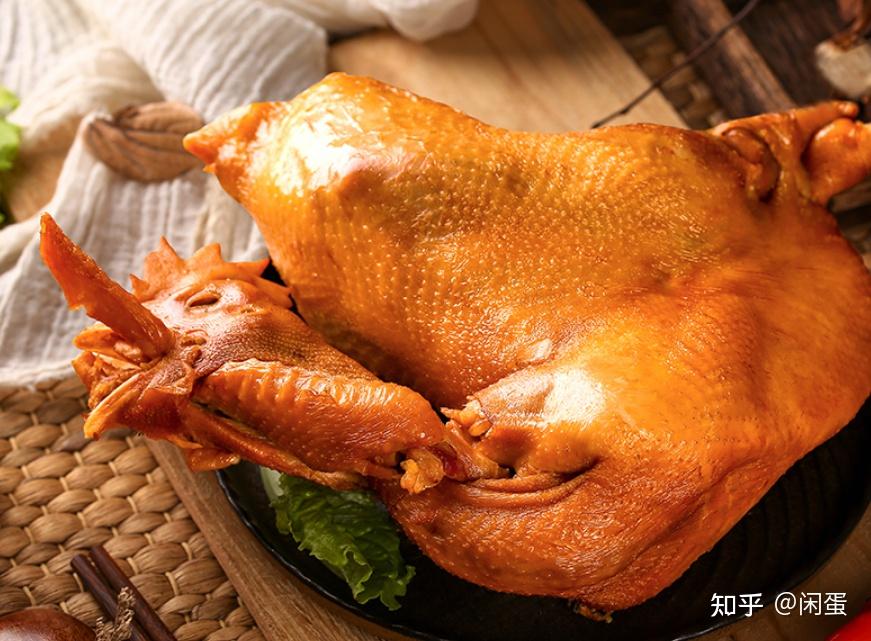
A traditional delicacy from Daokou Town, Huaxian County, hailed as 'China's No.1 Chicken'. It is simmered with various spices, golden in color, tender and flavorful.
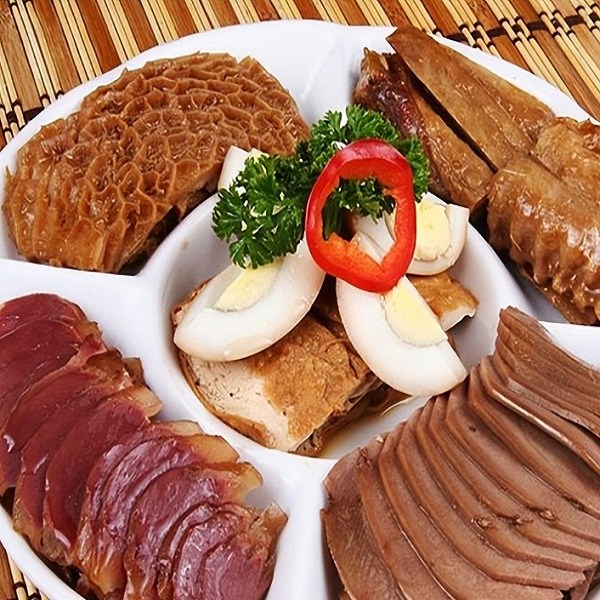
Includes smoked chicken, smoked eggs, and smoked pig offal, smoked with cypress and pine branches, red and shiny, with a rich smoky flavor.
Under extremely harsh conditions, the people of Lin County spent ten years carving the 'Man-made River' Red Flag Canal into the cliffs of the Taihang Mountains, solving severe water shortages and fostering the Red Flag Canal spirit.

A national geopark known for its grandeur, uniqueness, steepness, and beauty, featuring attractions like Peach Blossom Valley and Taihang Sky Road, a summer resort and photographer's paradise.
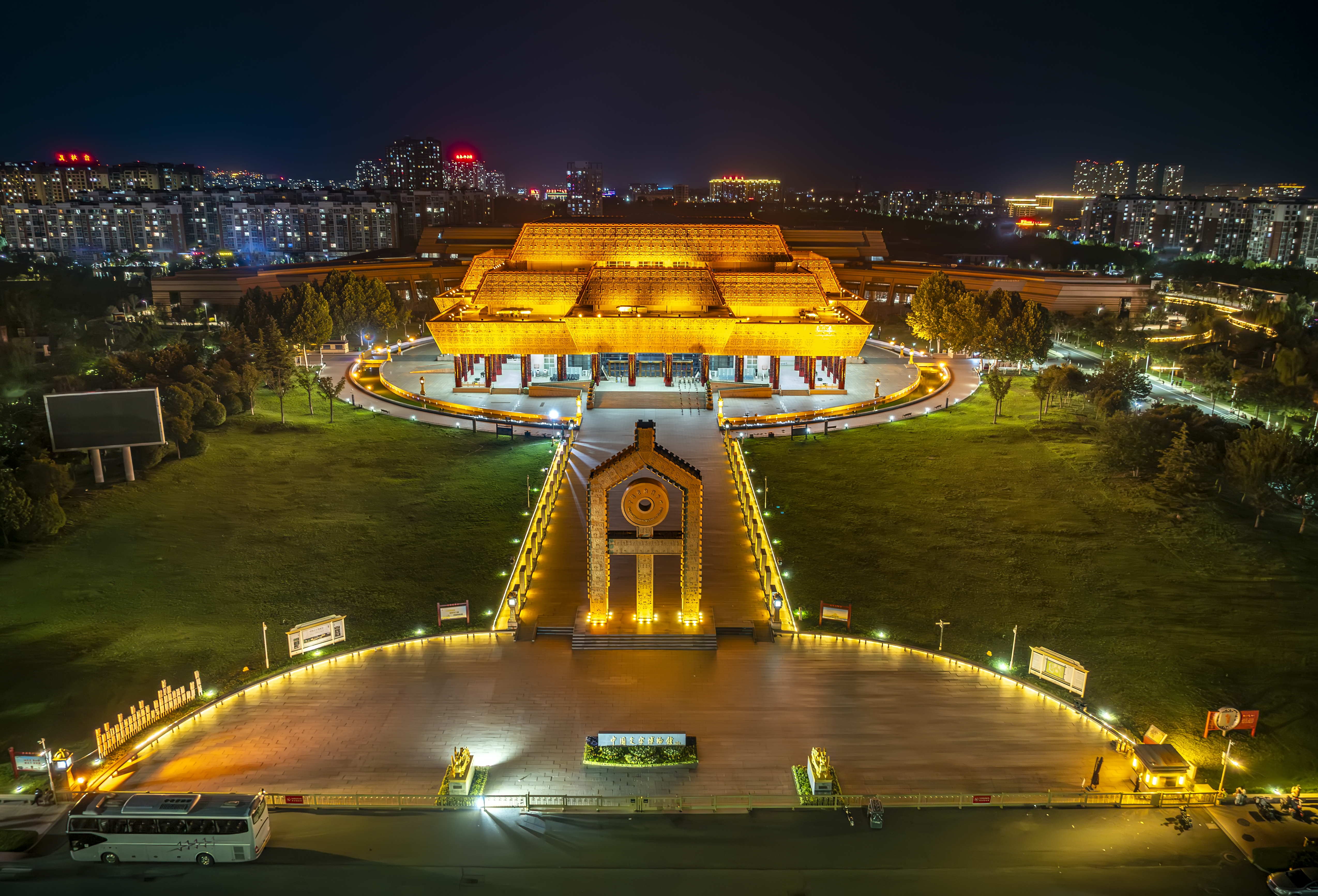
The world's only museum themed on writing, showcasing the origin, development, and evolution of Chinese characters, with a rich collection of oracle bones and bronze artifacts.
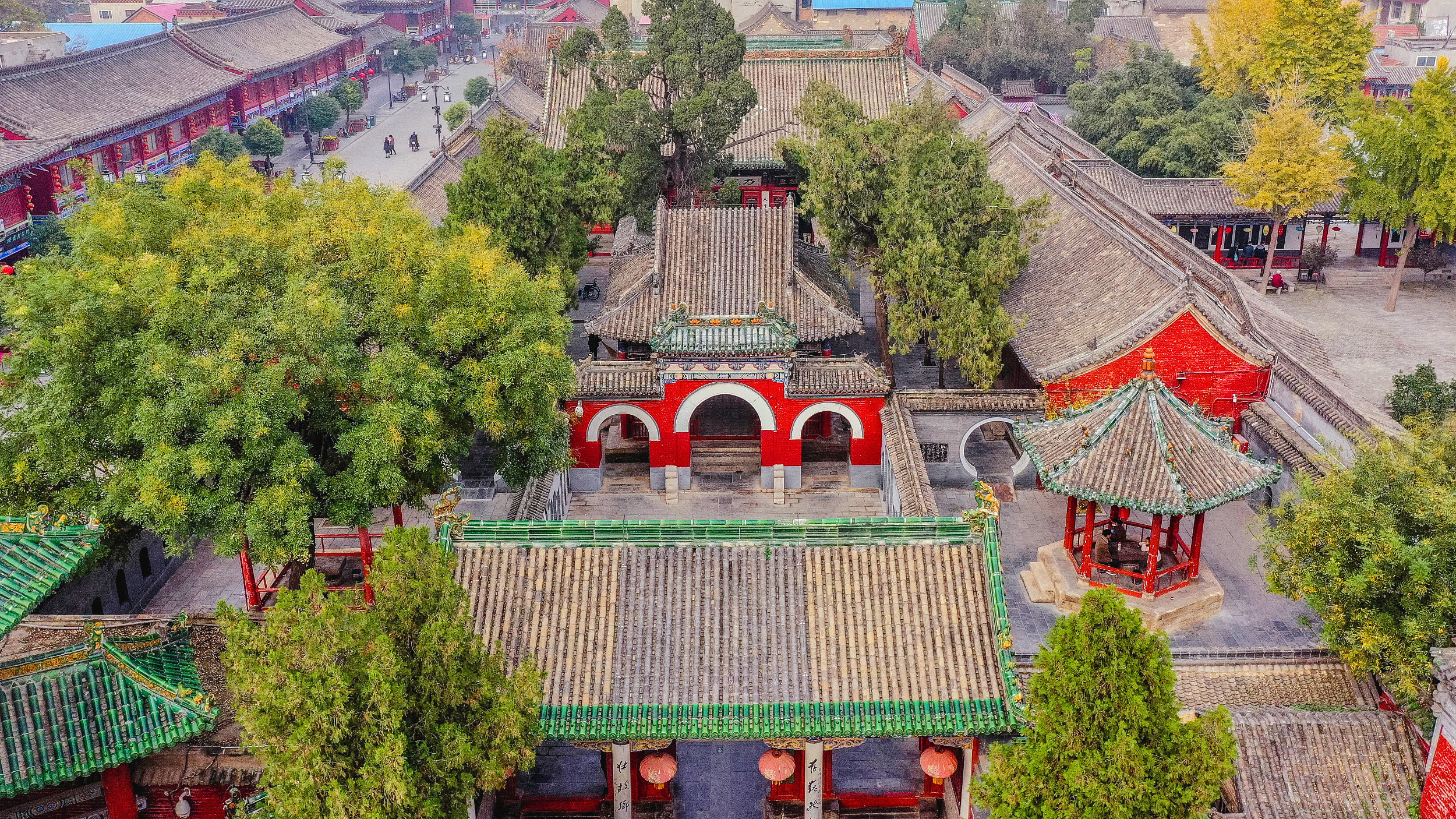
A temple commemorating Yue Fei, a famous general of the Southern Song Dynasty who fought against the Jin. Located in Tangyin County, it houses a statue of Yue Fei and historical steles, serving as a patriotic education base.
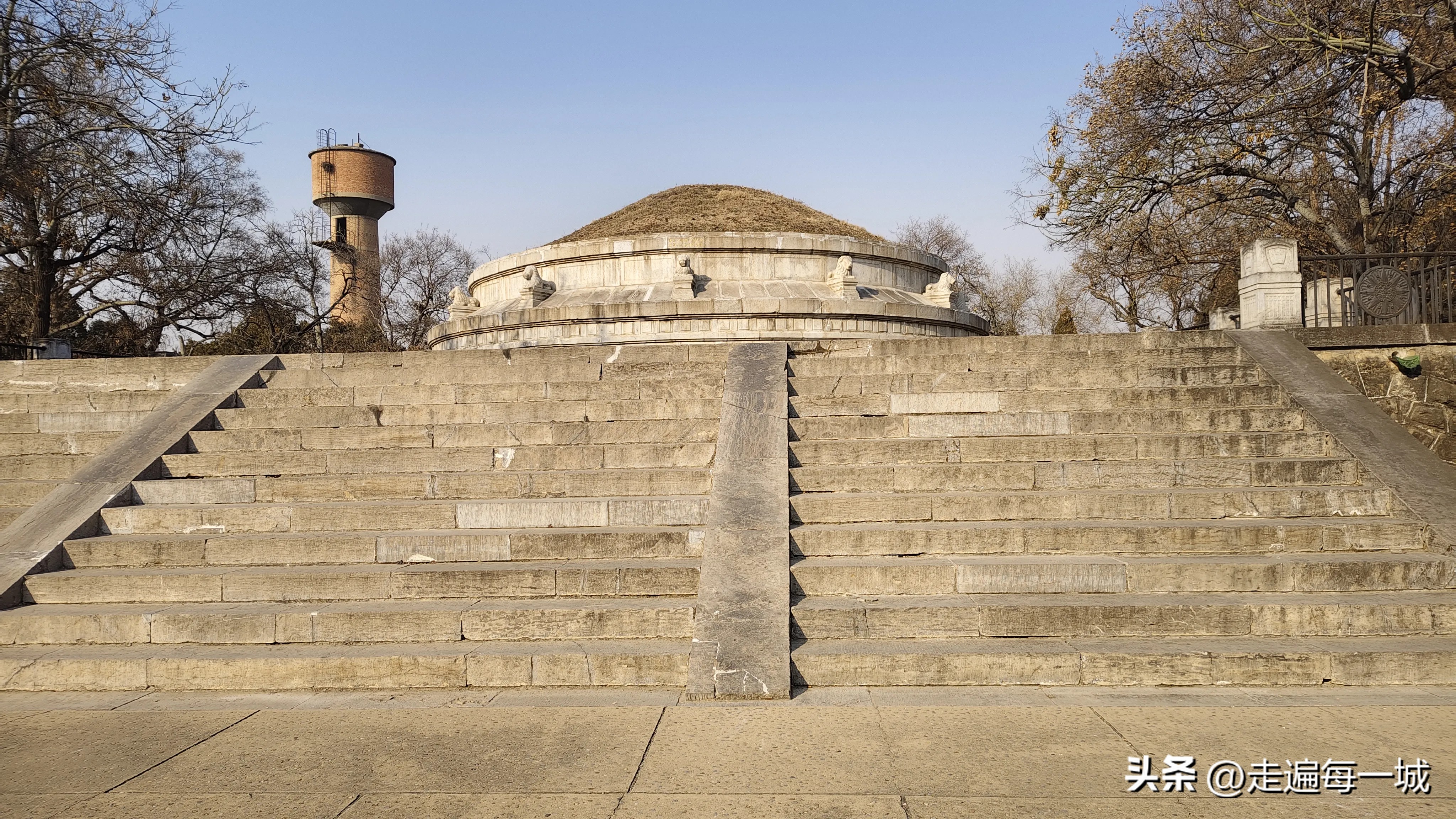
The mausoleum of Yuan Shikai, featuring a blend of Chinese and Western architectural styles. The sacred way, stele pavilion, and tomb are well-preserved, an important relic of modern history.
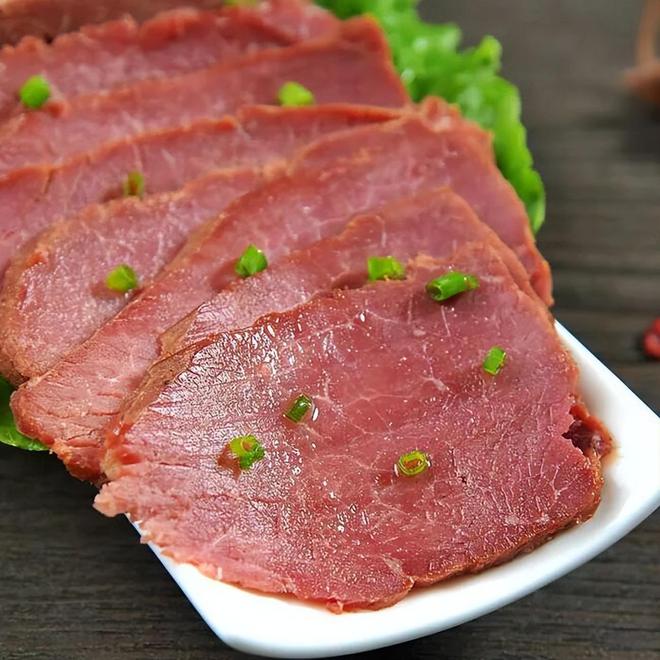
A traditional delicacy from Laomiao Town, Huaxian County, marinated with various Chinese herbs and spices, tender and rich in flavor, with a history of over 300 years.
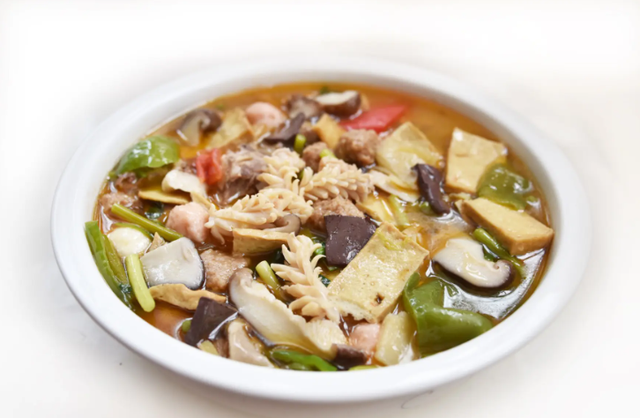
A signature Anyang dish, mainly made with pork, Chinese cabbage, vermicelli, and tofu, stewed in broth, with a rich and savory taste, perfect for warming up in winter.
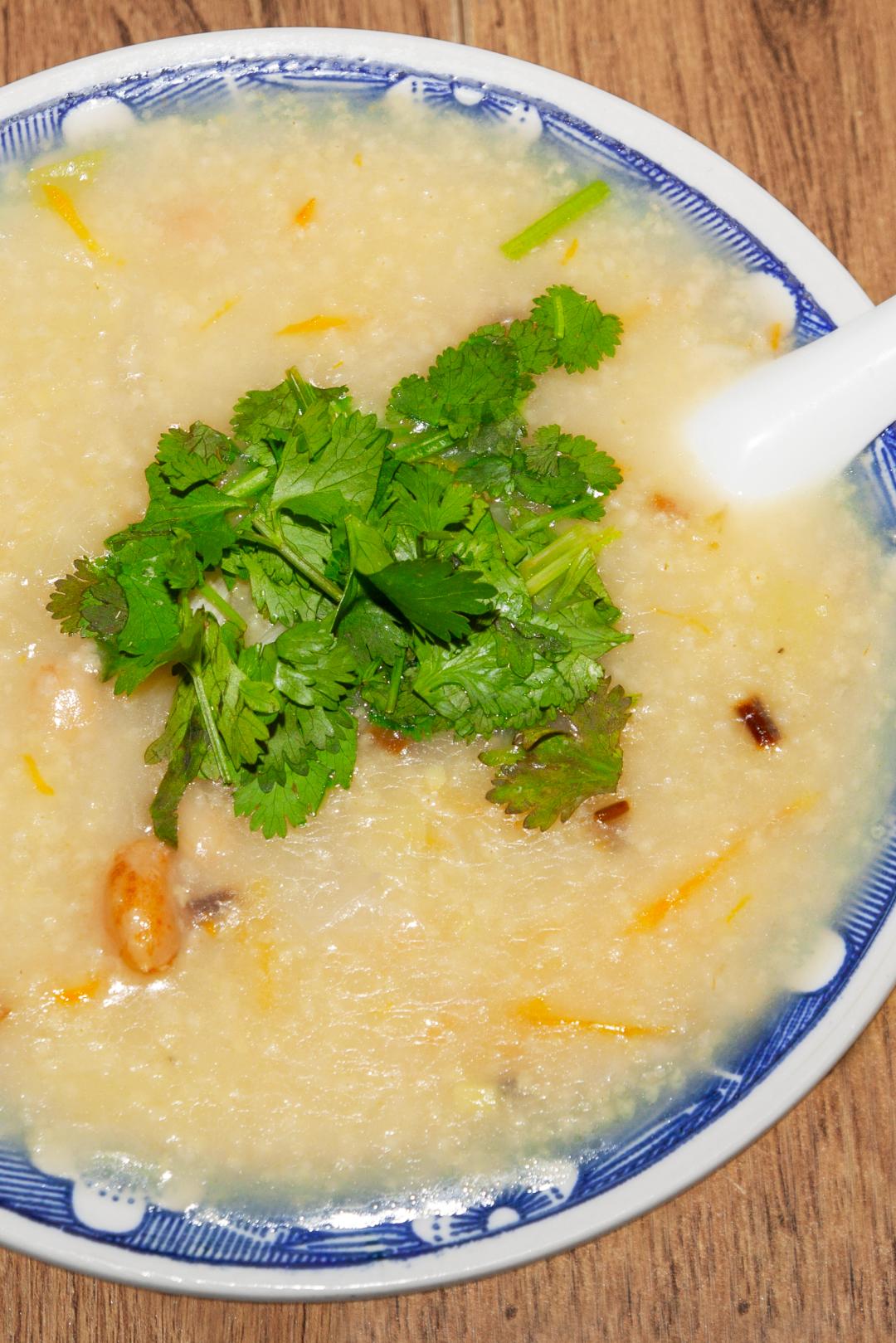
A traditional Anyang snack, made by boiling mung bean starch slurry with millet, soybeans, and peanuts, sour and fragrant, appetizing and digestive, a favorite breakfast for locals.
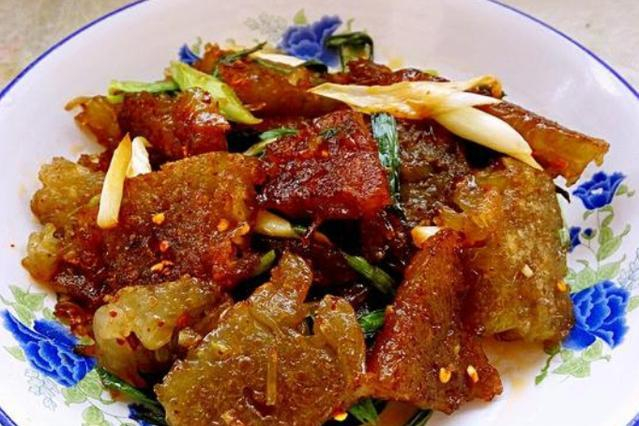
A specialty Anyang food, steamed with vermicelli, sweet potato starch, green onions, and ginger. Can be pan-fried or stir-fried, crispy outside and tender inside, best served with garlic sauce.