

Anshun, located in the central-western part of Guizhou Province, sits on the watershed between the Yangtze and Pearl River systems. With a subtropical monsoon climate, it enjoys mild winters and cool summers, averaging 14°C annually, making it a popular summer escape. The area is characterized by typical karst landscapes, with numerous caves and waterfalls.
Anshun's history dates back to the Paleolithic Age, evidenced by the famous Chuandong ancient human site in Puding. During the Ming Dynasty's Hongwu reign, Anshun Prefecture was established, later becoming an important military stronghold in Guizhou. In the Ming and Qing dynasties, it thrived as a commercial hub on the Yunnan-Guizhou route.
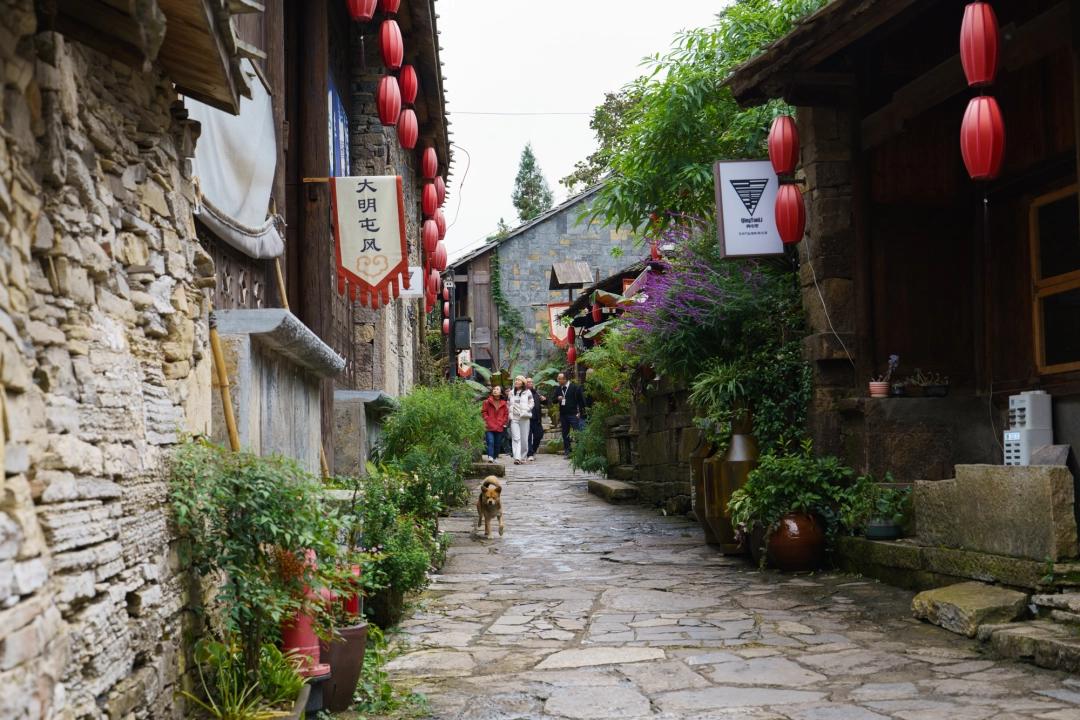
Anshun is the core area of Tunpu culture, where descendants of Ming garrison troops preserve Jiangnan customs and local opera. The region excels in folk arts such as batik and wood carving. Its cuisine features sour and spicy flavors, with specialties like Huajiang dog meat, Duoduo rice tofu, and fried glutinous rice cake with porridge.
Modern Anshun is a key city in the central Guizhou economic zone and a major transportation hub. Tourism is booming, with attractions like Huangguoshu Waterfall and Longgong Cave. The city is advancing new industrialization while building an eco-friendly and livable urban environment.
The best time to visit 安顺 is Best from June to September for summer escape and waterfall viewing.
Summer is cool in Anshun; June-September is when Huangguoshu Waterfall has the greatest volume, spectacular.
Spring (March-May) is mild with rapeseed flowers in bloom, ideal for rural scenery.
Autumn (September-November) is clear and crisp, suitable for hiking and cave exploration.
The Chuandong site in Puding yielded numerous ancient human fossils and stone tools, evidencing early human activity in Anshun.
The Ming Dynasty established Anshun Prefecture, stationing troops to guard the border, forming Tunpu culture, making Anshun a military stronghold.
Huangguoshu Waterfall was designated as one of the first national scenic areas by the State Council, boosting Anshun's tourism.
Recommended places to visit
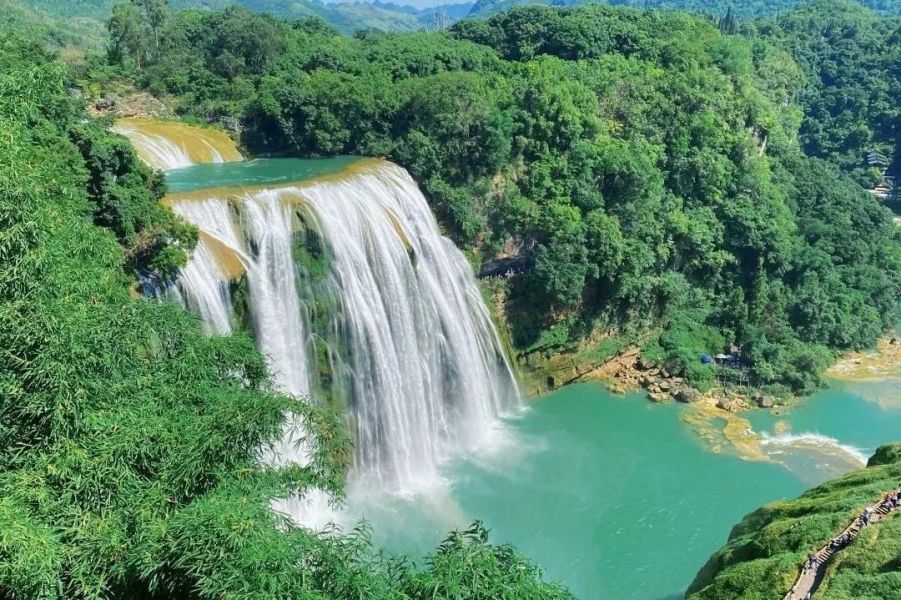
The largest waterfall in Asia, 77.8m high and 101m wide, with a water-curtain cave.
A water cave scenic area, boat tours available, with unique stalactites.
UNESCO World Heritage Sites
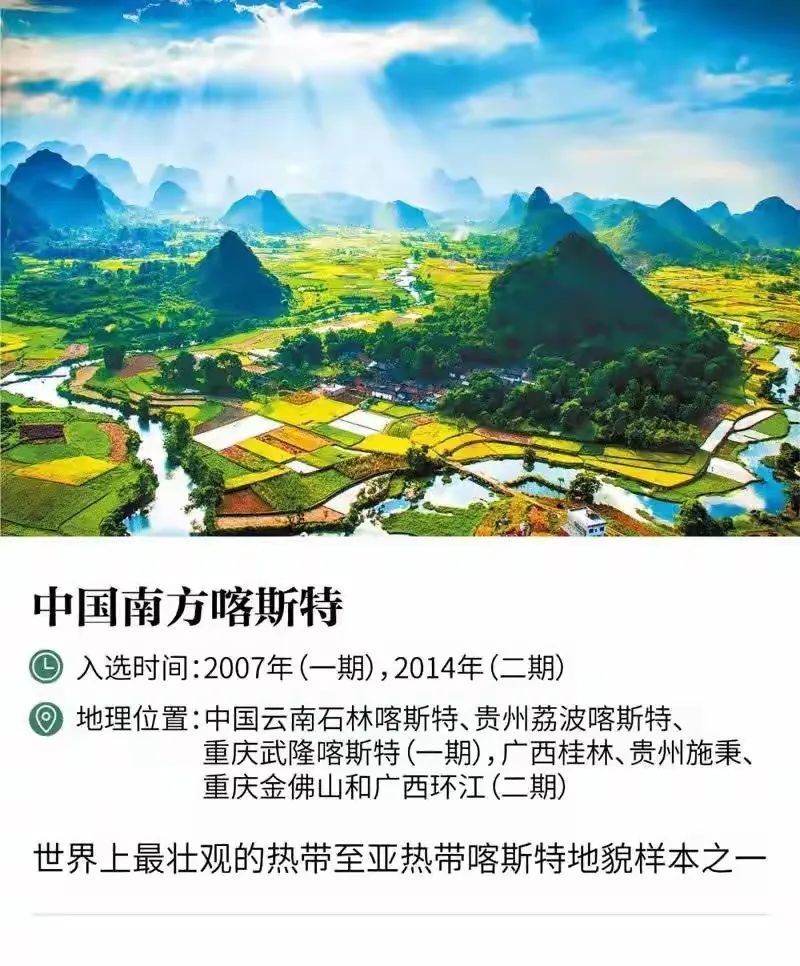
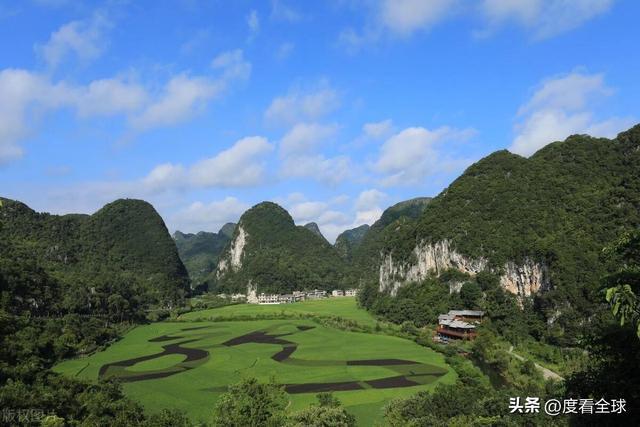
The Getu River karst landscape in Anshun was inscribed as part of the Phase II extension of South China Karst World Heritage.
Explore rich intangible cultural heritage and traditional crafts

A folk opera performed by Tunpu people wearing masks, listed as national intangible heritage in 2006.
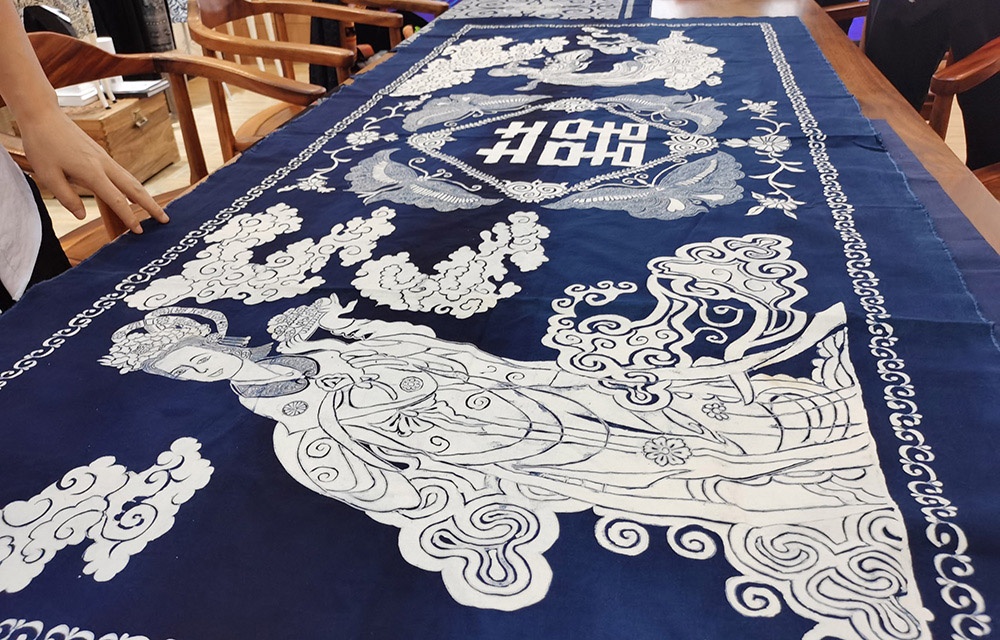
Traditional batik of Miao and Buyi ethnic groups in Anshun, using beeswax to draw patterns and indigo dye.
Must-know transportation for exploring the city
6 km from city center, flights to Beijing, Shanghai, Guangzhou, etc.
Varies by route
On Shanghai-Kunming high-speed line, connecting Guiyang, Kunming, Changsha, etc.
Guiyang-Anshun second class about 46.5 yuan
Multiple bus routes cover major attractions, fare from 2 yuan.
From 2 yuan
Taste the most authentic and popular local specialties
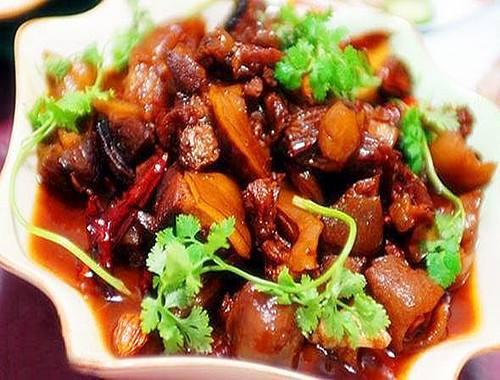
Anshun specialty, stewed dog meat, tender and savory, served with dipping sauce.
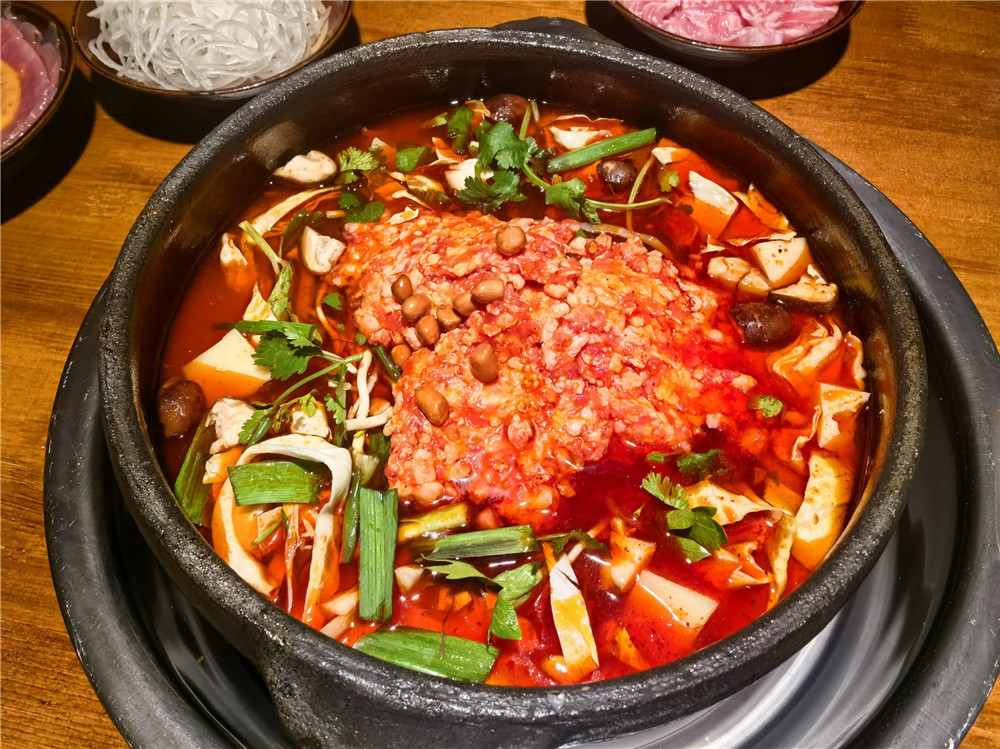
Mainly rice tofu in sour soup with minced meat, sour and spicy appetizer.
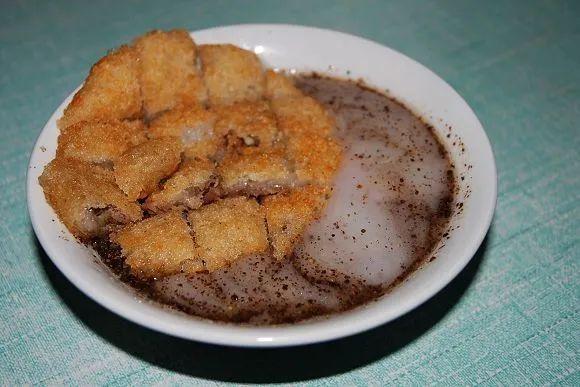
Fried glutinous rice cake with rice porridge, crispy outside and soft inside, common breakfast.
Settlement of Ming garrison descendants, preserving stone architecture and local opera performances.
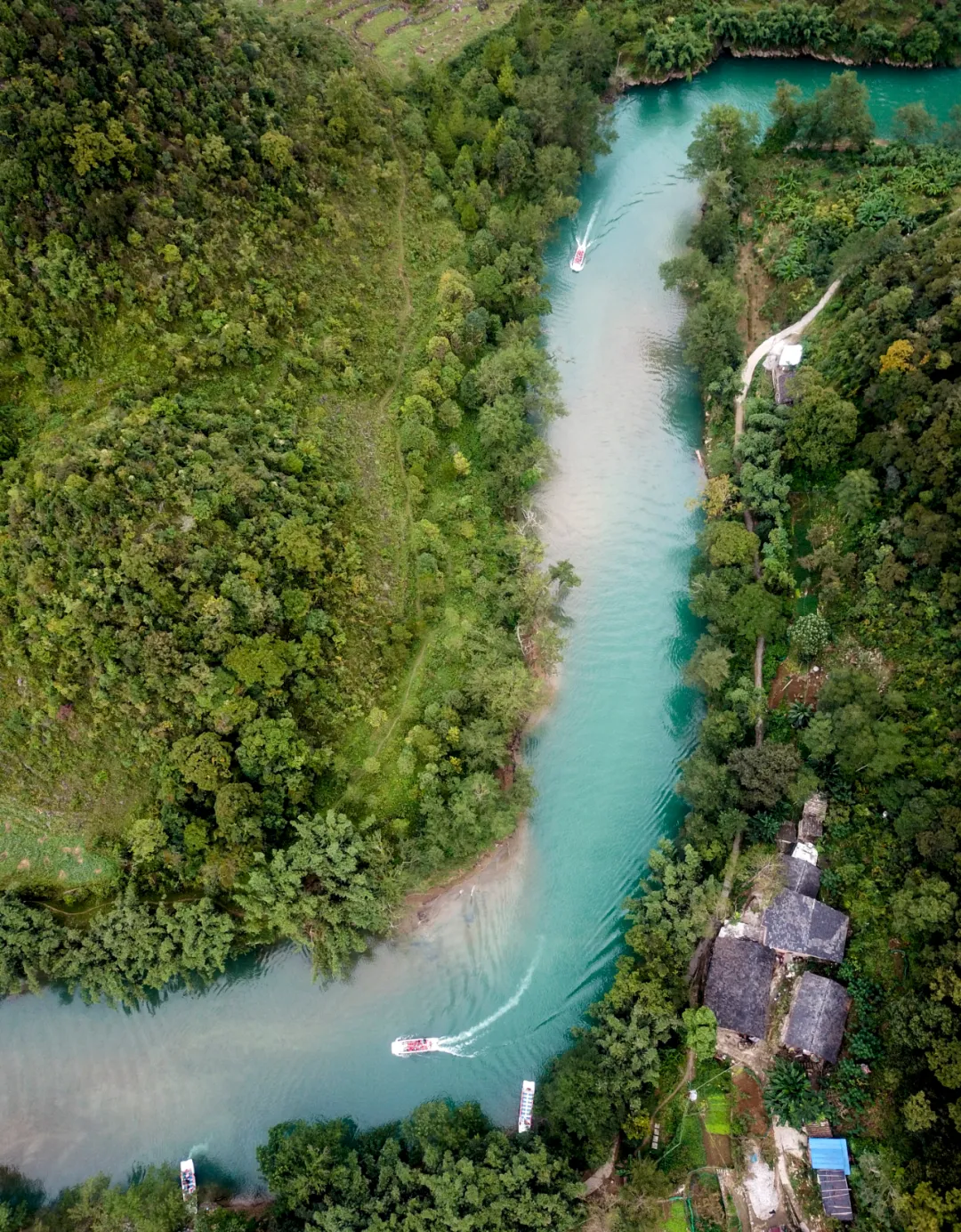
Karst landscape with river, rock climbing and blind valley views.

Legendary residence of Yelang king, with spectacular stalagmites and stalactites.
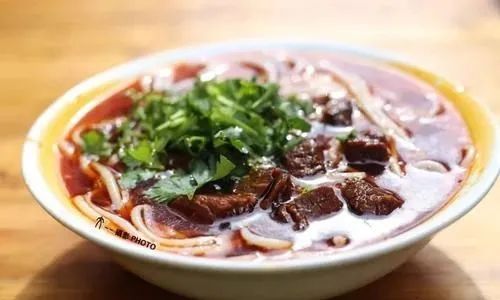
Rice noodles in beef broth with pickled vegetables and chili, rich flavor.
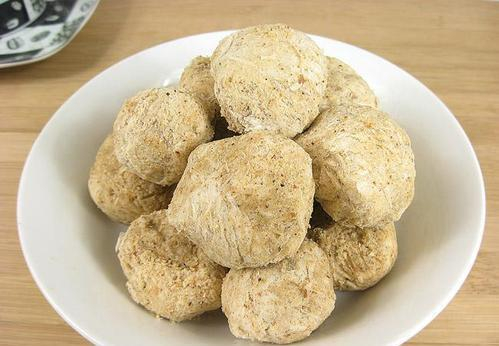
Malt candy wrapped with sesame and peanuts, crispy layers, sweet but not greasy.